REVIEW · CUSCO
Cooking class and market tour with a local chef
Book on GetYourGuide →Operated by Cusco Gastronomic Tours & Coooking Class · Bookable on GetYourGuide
Cusco food hits different when you shop first. I loved touring San Pedro Market with Chef Ronal and then cooking a full meal you can actually repeat at home. I also liked how the menu is flexible, so you can adapt for dietary needs without the experience feeling watered down. One consideration: this isn’t suitable if you have altitude sickness, so plan acclimatization first and be honest about how you’re feeling.
The session is built around real ingredients you’ll see with your own eyes—ripe fruits, local cheeses, and Peruvian staples—then turns into hands-on cooking with clear steps in a kitchen that’s set up for guests. You’ll make a starter set for everyone, mix and taste a pisco-based drink (or a fruit-and-honey non-alcohol option), and finish by choosing your favorite main. If you’re curious about Cusco’s flavors beyond the usual “tourist ceviche,” this is a fun, practical route.
In This Review
- Key Highlights You’ll Care About
- Where the 4-Hour Cusco Class Begins (And Why That Matters)
- San Pedro Market Tour: Fruits, Cheese, and the Ingredients Behind Cusco Flavor
- Chef Ronal’s Starter Plan: Rocoto Relleno and Causa Rellena
- Rocoto Relleno (Stuffed Chili)
- Causa Rellena (Potato Cake with Yellow Chili Sauce)
- Everyone Chooses the Core, But You Can Choose Around It
- Pisco at High Altitude: Your Cocktail Options (And What to Expect)
- Pick Your Main: Lomo Saltado or Ceviche (With Real Choice)
- Option 1: Lomo Saltado
- Option 2: Ceviche
- Vegetarian Options Exist
- What’s Included (So You Can Judge Value Without Guessing)
- Group Feel, Clean Kitchen, and How the Teaching Really Works
- Who This Tour Fits Best (And Who Should Skip It)
- Tips to Make This Cusco Cooking Class Go Smoothly
- Should You Book This Cusco Cooking Class?
- FAQ
- How long is the cooking class and market tour in Cusco?
- Where do we meet for the experience?
- What dishes and drinks will we make?
- Is the menu adaptable for dietary restrictions?
- What’s included in the price of $57?
- Is transportation included?
- Is this tour suitable for altitude sickness?
Key Highlights You’ll Care About
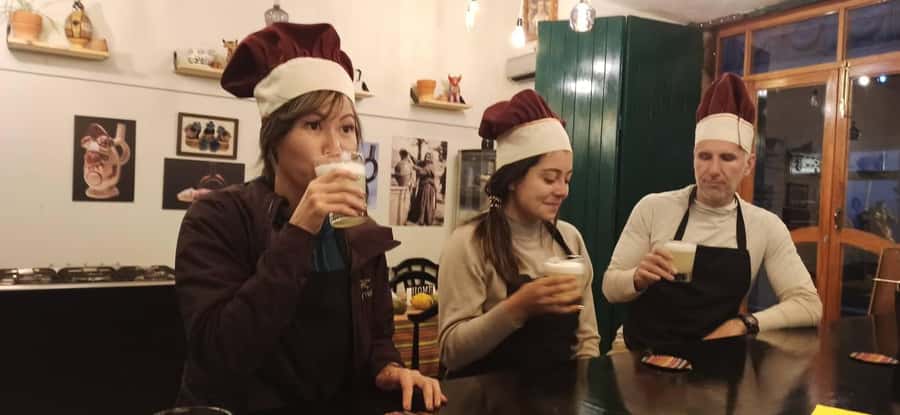
- Chef-led, Cusco-rooted perspective: Ronal is from Cusco and ties flavors to local culture while you cook.
- San Pedro Market shopping first: you taste fruits and cheese before you start chopping.
- Hands-on starters everyone makes: Rocoto Relleno plus Causa Rellena are part of the core menu.
- Pick your drinks and mains: choose from pisco sour styles and decide between Lomo Saltado or ceviche.
- Dietary flexibility: vegetarian options exist, and the team adapts to different restrictions.
- Comfort for altitude concerns: digestive teas and natural altitude-sickness help are available if needed.
Where the 4-Hour Cusco Class Begins (And Why That Matters)
This class starts right where Cusco sightseeing actually happens: at Calle San Juan de Dios 264, in front of the Aranwa boutique hotel. Look for a glass and wooden door across the track with no ads—easy to miss if you’re walking fast, so slow down and check.
That location is more than a detail. A cooking class stands or falls on timing. Here, the 4-hour format feels tight and intentional: market tour, cooking, and eating without long waits. No transportation is included, so you’ll want to factor in how you’re getting there from your hotel—especially if you’re trying to line it up during your first days in Cusco.
You’ll also want to know the session runs with an instructor who works in English and Spanish, which makes it easier to ask questions mid-cook instead of waiting until the end. Most of the best moments in cooking happen while your knife is moving, not after.
You can also read our reviews of more tours and experiences in Cusco.
San Pedro Market Tour: Fruits, Cheese, and the Ingredients Behind Cusco Flavor
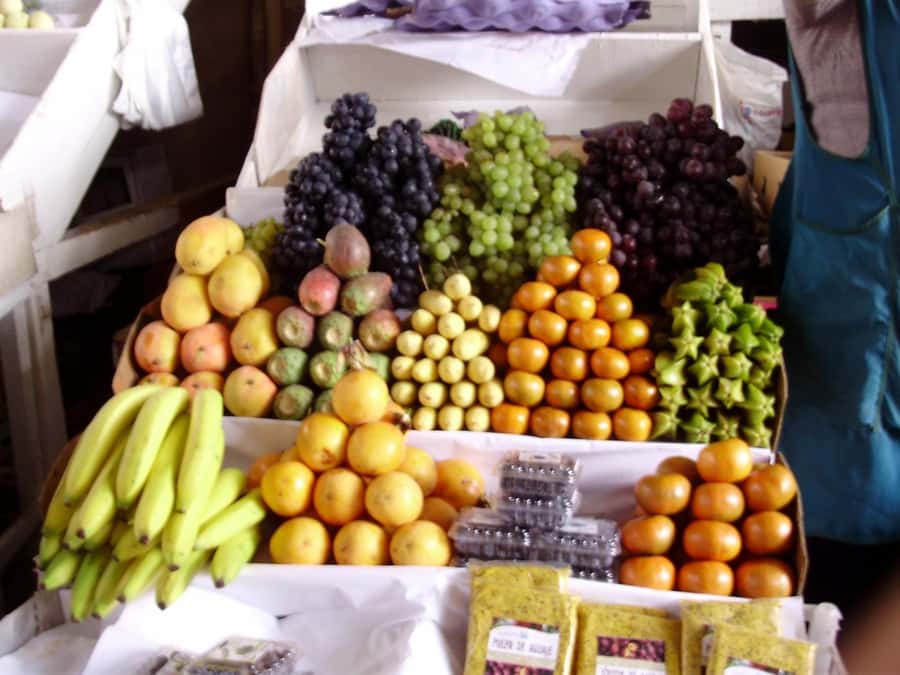
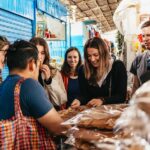
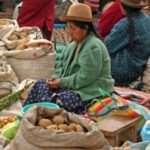
The market part is the heart of why this experience works. You don’t just pass stalls while someone talks. You taste foods and learn what you’re actually buying—so when you cook later, it clicks fast.
Expect a walk through the area’s well-known goods, with time focused on fruit and cheese. Reviews highlight that you get to taste fruits that are ripe and fresh, not bland “looks good in a photo” samples. You’ll also see cheeses and local products that show up in the dishes you’ll prepare.
One practical win: market context helps you understand why Peruvian cooking leans hard on variety—especially with potatoes, chiles, citrus, and herbs. When you’re standing in front of the ingredients, the information sticks. Back in your kitchen later, you’ll remember what made you choose a flavor, not just the recipe name.
Chef Ronal’s Starter Plan: Rocoto Relleno and Causa Rellena
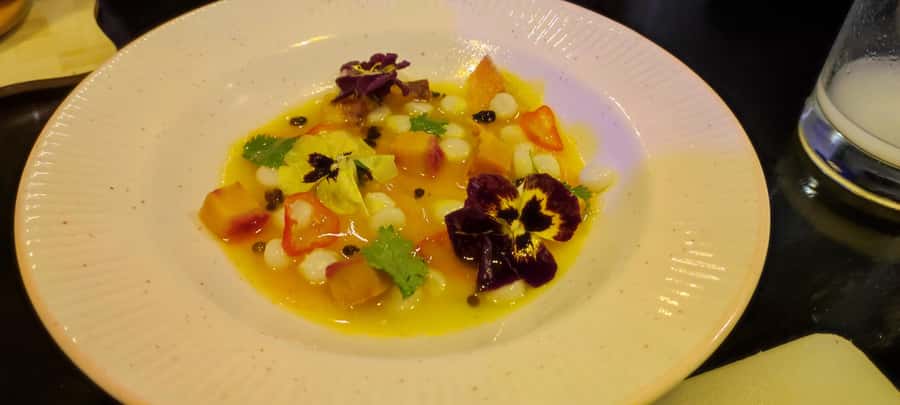
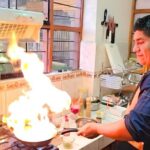
Once you’re back at the workshop, you move from tasting mode into cooking mode. The starter is the same for everyone, and the menu centers on two classic dishes:
Rocoto Relleno (Stuffed Chili)
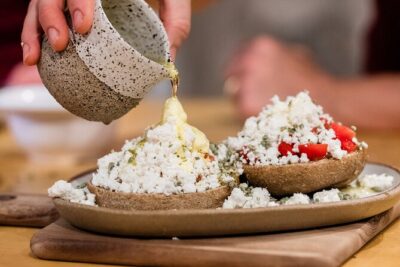
You’ll work with rocoto, a traditional stuffed chili dish covered with local cheese and baked in the oven. The filling includes meat plus aromatics like onions, peas, carrots, peanuts, and dried grapes. That sounds like a lot, because it is a lot—in the best way. It’s a reminder that Peruvian flavors often mix sweet, savory, and spicy in one bite.
Technique matters here. Several reviews call out the support for beginners—especially on cutting and getting steps right. You’re not thrown into chaos. Ronal guides what to do so the final result can look as polished as it tastes.
Causa Rellena (Potato Cake with Yellow Chili Sauce)
Next is Causa Rellena, built on a layered potato base with yellow chili sauce. The dish is stuffed with avocado, fish tartare, mayonnaise, and spices. It’s creamy, bright, and heavy enough to feel like a real meal starter, not a small appetizer.
The big value of making both starters is variety: one is baked and chili-forward, the other is chilled/assembled and lime-and-creamy adjacent. If you like cooking classes where you only stir one sauce, this one gives you two very different skill sets.
Everyone Chooses the Core, But You Can Choose Around It
Even though starters are the same for everyone, the workshop is set up so you can adjust later parts of the menu. Vegetarian options exist, and the chef can adapt to dietary needs. Just know the structure: you pick your favorites for the drink and main portion before the class starts.
Pisco at High Altitude: Your Cocktail Options (And What to Expect)
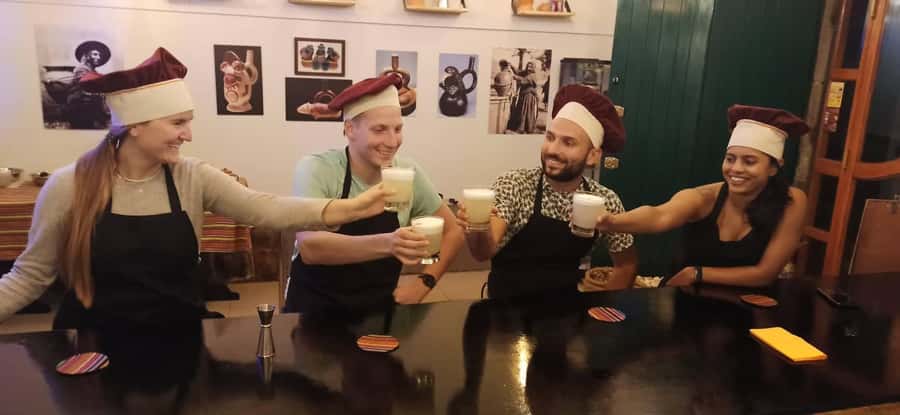
You’ll also make a cocktail during the class. The drinks are pisco-based for the classic styles, plus an alcohol-free Peruvian fruit option.
Here are the drink choices in the menu:
- Pisco Sour (classic): lime, syrup, and egg whites
- Passion fruit sour: a pisco sour version using fresh passion fruit juice
- Non-alcoholic Peruvian fruit drink with honey
A small detail that actually helps: the drinks aren’t vague “cocktail ideas.” They’re specific, with recognizable building blocks. That makes it easier to recreate later without guessing.
Also, Cusco is high altitude. The workshop can offer natural medicine for altitude sickness and digestive teas if necessary. You still shouldn’t ignore symptoms, but it’s reassuring to know help is available rather than pretending everyone’s fine.
And yes—the pisco sour part is a big reason people rave. This is Peru’s national spirit era, done in a way that’s learnable, not just drink-and-smile.
Pick Your Main: Lomo Saltado or Ceviche (With Real Choice)
Here’s where you get agency. While the starter is shared, each participant chooses a main dish and a cocktail they’ll enjoy most.
Option 1: Lomo Saltado
Lomo Saltado is the beef tenderloin version with rice, onions, tomato, soy sauce, oyster sauce, vinegar, and “native potato fríes” (native fries). It’s the kind of dish that tastes bold even if you don’t consider yourself a “spicy food” person. If you like savory sauces and fast-pan cooking, this one fits.
Option 2: Ceviche
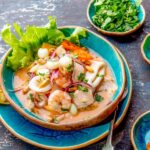
Ceviche is offered with trout plus mango, avocado, lime juice, onions, celery, ginger, corn, and sweet potato. It’s bright and layered—sweet fruit, citrus bite, crunch from onions and celery, and sweetness from corn and sweet potato.
One reason this main choice works so well: both menus land as full meals, not side-by-side alternatives. You’ll leave satisfied either way, and you’ll have a clearer sense of what you prefer in Peruvian cooking—comfort and sauce (saltado) or citrus freshness (ceviche).
Vegetarian Options Exist
If you’re vegetarian, the workshop explicitly offers vegetarian choices. And if you have other restrictions, the chef adapts the dishes. That matters because Peru’s classic dishes often assume meat, seafood, or specific ingredients. Here, the intent is to keep your plate aligned with your needs rather than forcing you into plain substitutions.
What’s Included (So You Can Judge Value Without Guessing)
For $57 per person, you’re getting a lot of “real stuff,” not just a demo.
Included:
- a professional chef and guide
- a cooking workshop setup (kitchen and bar utensils, aprons)
- fresh ingredients
- water
- a cocktail
- a starter dish and a main course
- altitude-sickness natural medicine and digestive teas if necessary
Not included: transportation.
Now the value angle. In many cities, a cooking class might cover ingredients and instruction but stop short of market context. This one includes the market visit plus the full cooking flow, which reduces your uncertainty. You’re paying for both the shopping education and the hands-on meal. That’s why reviews are consistently happy about the market part and the food outcome together.
Also, the studio gets praise for being clean and well organized. In a cooking class, cleanliness and good tools directly affect how smoothly your hands-on time goes. If you’ve ever cooked with sketchy equipment, you’ll appreciate this.
Group Feel, Clean Kitchen, and How the Teaching Really Works
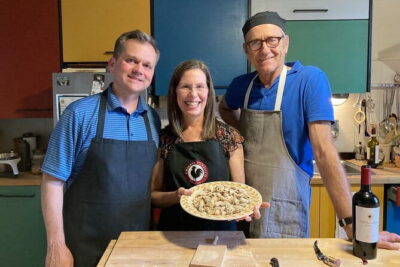
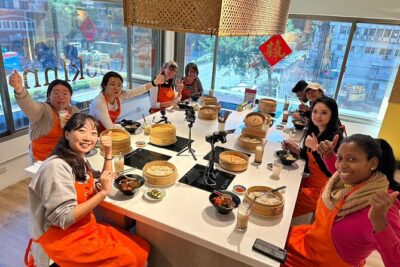
This class works for solo travelers as well as couples or small groups. Reviews mention it’s easy to become friends with other attendees, which usually means the pacing encourages chatting and questions.
The teaching style also gets specific praise: Ronal explains steps, checks that food tastes right, and supports different comfort levels. If you’ve never held a knife with confidence, this is the sort of class that helps you learn technique while your ingredients are still in front of you.
One review specifically notes that you receive recipes via email. Since that’s not stated as a universal promise in the basic info, I’d treat it as a “nice bonus” rather than a guarantee—but it’s a strong sign the chef wants you to cook again at home.
Who This Tour Fits Best (And Who Should Skip It)
This is a great fit if:
- you want a hands-on cooking experience, not just watching
- you like Peruvian flavors beyond the headline dishes
- you enjoy pisco culture and want to make it yourself
- you’re comfortable with a structured 4-hour plan that ends with a real sit-down meal
It’s less ideal if:
- you have altitude sickness (it’s listed as not suitable)
- you’re traveling with very young children (multiple age limits are listed)
- you need accessibility options not covered in the provided info
There’s also a heads-up for food context: the tour may show meat from animals that are part of local diets. If you’re avoiding specific foods for ethical or religious reasons, plan to speak with the provider ahead of time so there are no surprises.
Tips to Make This Cusco Cooking Class Go Smoothly
A few practical moves help you get more out of the 4 hours:
- Pick your main and cocktail in advance, since each participant chooses those parts while the starter is shared.
- If you’re sensitive to spice, mention that early—rocoto is no gentle chili.
- Eat light before you arrive if you’re worried about altitude or nausea, and use the digestive teas if the team offers them.
- Bring your questions. Ronal’s best moments seem to be when he’s answering what you’re tasting and cooking.
And lastly: be ready for food that’s a little complex. That’s the point. Peruvian cooking often mixes sweet + savory + sour. This class doesn’t flatten it—it teaches you how those balances work.
Should You Book This Cusco Cooking Class?
If you want a cooking class that includes the market context, teaches you real Peruvian dishes, and leaves you with a meal you can recreate, book it. The combination of San Pedro Market tasting plus hands-on cooking of Rocoto Relleno and Causa Rellena, then choosing between Lomo Saltado and ceviche, is a strong package for $57.
I’d skip it only if altitude concerns are active for you, or if your dietary restrictions are complex enough that you need absolute certainty about every ingredient and display. Otherwise, this is the kind of experience that gives you more than dinner—it gives you a map for how Cusco cooks.
FAQ
How long is the cooking class and market tour in Cusco?
It lasts 4 hours.
Where do we meet for the experience?
You meet at Calle San Juan de Dios 264, in front of the Aranwa boutique Hotel (look for the glass and wooden door across the track with no ads).
What dishes and drinks will we make?
You’ll prepare a starter set (Rocoto Relleno and Causa Rellena), make a cocktail in pisco base (or a non-alcohol drink with Peruvian fruits and honey), and then choose one main: either Lomo Saltado or ceviche.
Is the menu adaptable for dietary restrictions?
Yes. Vegetarian options are available, and the team can adapt to dietary restrictions.
What’s included in the price of $57?
The price includes a professional chef and guide, the cooking workshop, fresh ingredients, kitchen and bar utensils, aprons, water, a cocktail, a starter dish, and a main course. Altitude-related natural medicine and digestive teas are offered if necessary.
Is transportation included?
No. Transportation is not included.
Is this tour suitable for altitude sickness?
No. People with altitude sickness are listed as not suitable for the experience.