REVIEW · CUSCO
Cusco: Peruvian Cooking Class, Cocktails & Local Market Tour
Book on GetYourGuide →Operated by PERUVIAN CUSCO FLAVORS · Bookable on GetYourGuide
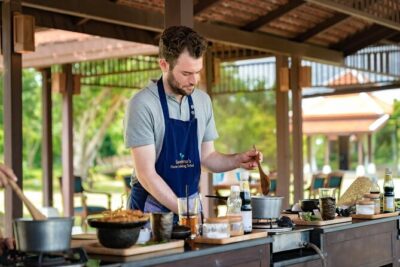
Cusco tastes better when you make it yourself. You start at San Pedro Market (meet at Door 1) where you pick up ingredients and snack on local cheeses, bread, chocolate, cacao, quinoa, and potatoes. After that, the kitchen portion stays practical and guided step by step by Chef Jesus, including short stories behind each dish.
I love that you cook real classics, not just watch: you make ceviche, causa limeña, and quinoa tamal, and you also craft two pisco cocktails while the flavors are still fresh in your mind. Main consideration: it’s a 4-hour block with lots of standing, tasting, and active prep, so if you’re wiped from altitude or you dislike walking, plan accordingly.
In This Review
- Key things that make this cooking class work
- San Pedro Market: your ingredient classroom in the heart of Cusco
- Meeting at Door 1 and what your 4 hours feel like
- Pisco cocktail making: two drinks, big flavor payoff
- Cooking ceviche, causa limeña, and quinoa tamal (and why these three matter)
- Ceviche: learning the balance, not just the steps
- Causa limeña: the layered comfort classic
- Quinoa tamal: a Cusco-friendly grain moment
- Eating what you make: the table part is the point
- Picarones with honey: the sweet finish (with options)
- Dietary needs, English-only reality, and how the class handles changes
- Price and value: what $67 buys you in Cusco
- Who should book this class (and who might skip it)
- Should you book this Cusco cooking class?
- FAQ
- What’s the duration of the Cusco cooking class?
- Where do we meet?
- What dishes and drinks are included?
- Is the tour available in languages other than English?
- Are vegetarian, vegan, and gluten-free options available?
- How big is the group?
- Is it suitable for children?
- What should I bring?
- What to do next
Key things that make this cooking class work
- San Pedro Market first: you learn what you’re cooking with, before you cook it
- Two cocktail moments: pisco cocktails during class, with non-alcoholic recipes available
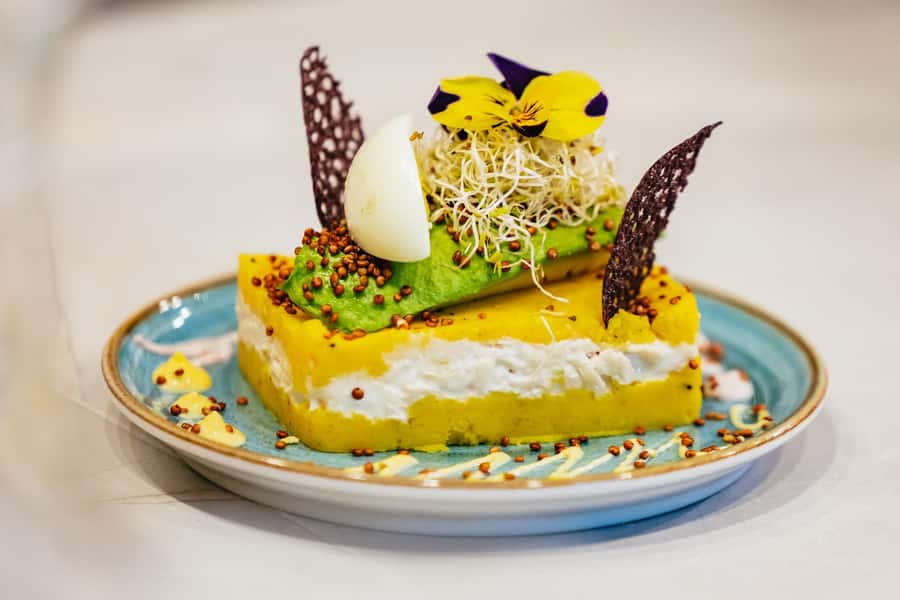
- Three Cusco-style dishes: ceviche, causa limeña, and quinoa tamal—made by you
- Chef-led teaching: instruction is step by step, with history and flavor logic tied to each plate
- Dietary options are real: vegetarian, vegan, and gluten-free menus are available
- Sweet ending: picarones with honey, plus sugar-free and gluten-free options
San Pedro Market: your ingredient classroom in the heart of Cusco
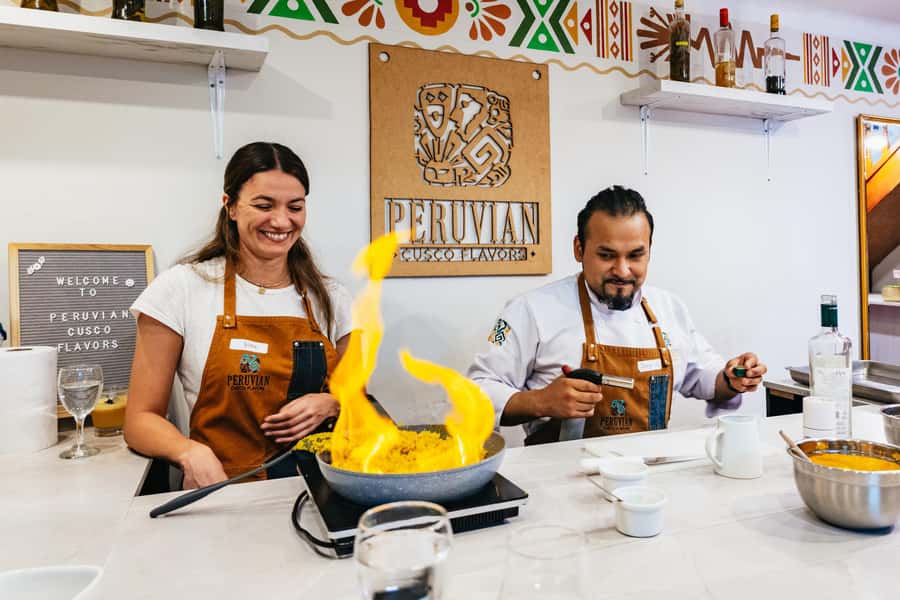
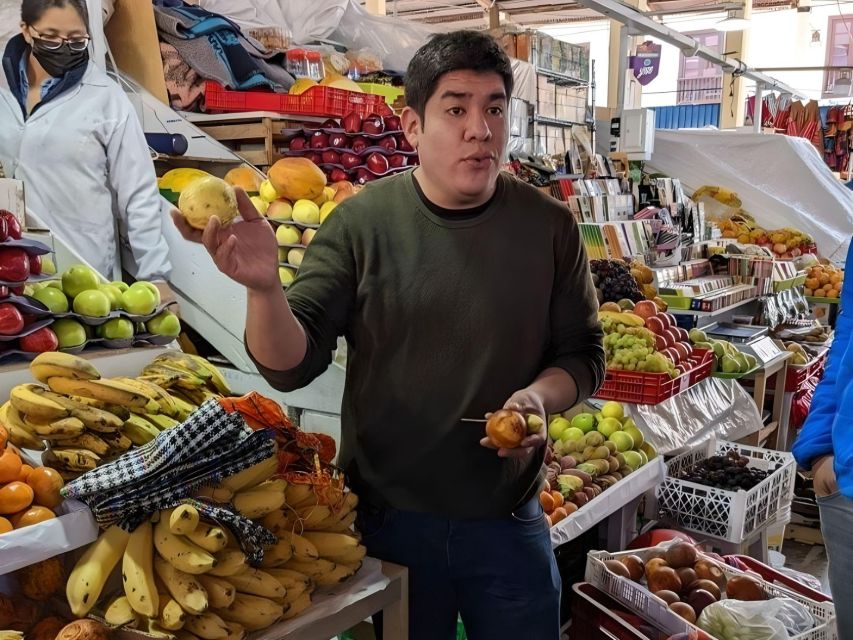
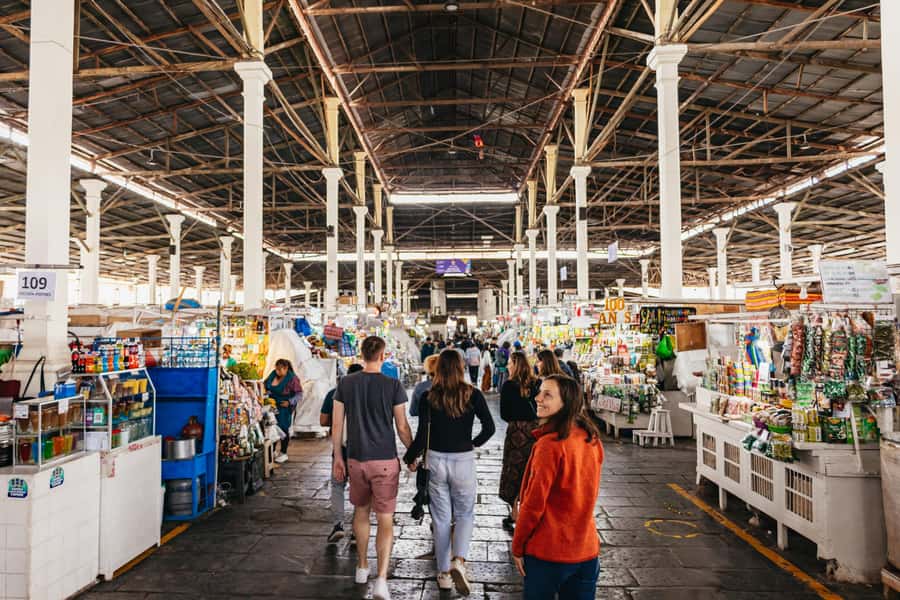
This tour starts in one of Cusco’s best food settings: San Pedro Market. You’re not just passing through. You’re learning the ingredients behind Peruvian cuisine, with a guided look at things like exotic fruits, local cheeses, bread, chocolate and cacao, quinoa, and potatoes.
I like this “see it, then use it” approach. It helps you understand why those foods show up in dishes the way they do—especially if you’re new to quinoa, potatoes, and the overall mix of flavors that Peru does so well.
You can also read our reviews of more tours and experiences in Cusco.
Meeting at Door 1 and what your 4 hours feel like
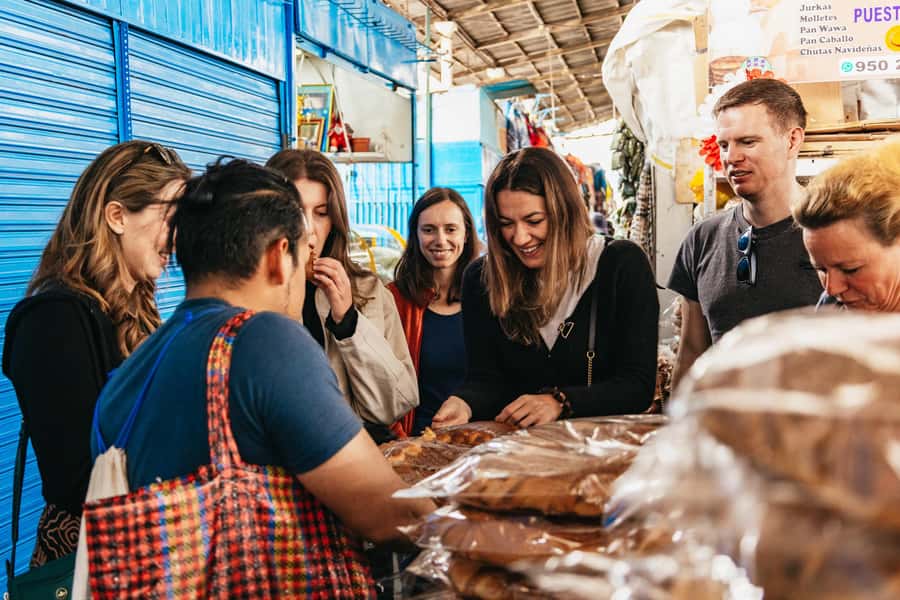
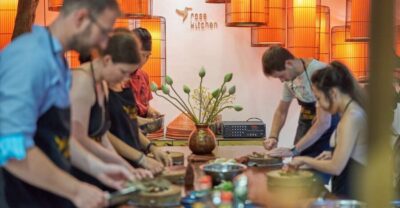
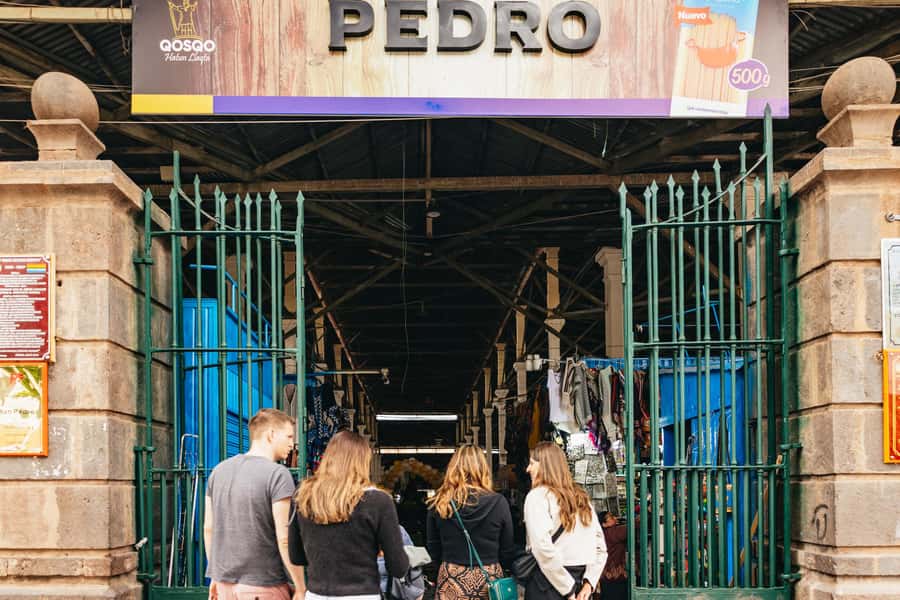
You’ll meet at Door Number 1 at San Pedro Market. From there, you’ll explore the market, then walk to the cooking studio in Cusco’s historic center. Once you’re set up, you tie your apron and shift gears to hands-on cooking.
The day is designed like a tight food rhythm: market walk → short move to the studio → cocktail prep → cooking class for three dishes → sit down and eat → sweet finish. It’s not a quick snack stop. It’s a proper afternoon activity, and you’ll likely want to show up ready to work up an appetite.
Pisco cocktail making: two drinks, big flavor payoff
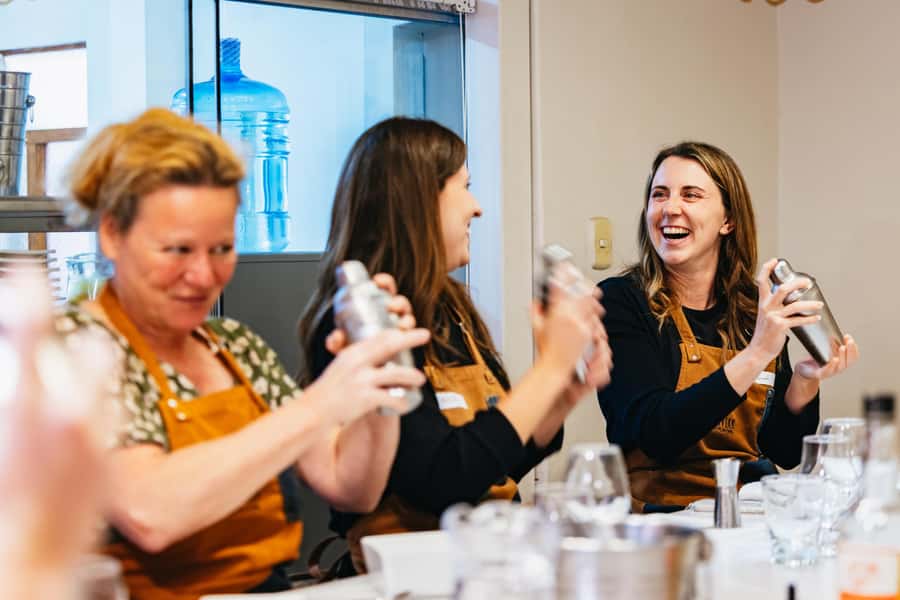
Before you touch the cooking portion, you make your own Peruvian cocktails. You’ll learn how to prepare two pisco cocktails, and the format is built so you can follow along during the class rather than feeling lost in the background.
What I find practical here is the pairing. The market tour gets your taste buds “awake,” and the cocktail step makes that momentum useful. If you don’t drink alcohol, you’re not stuck out of the fun—non-alcoholic recipes are available for the cocktail part.
Cooking ceviche, causa limeña, and quinoa tamal (and why these three matter)
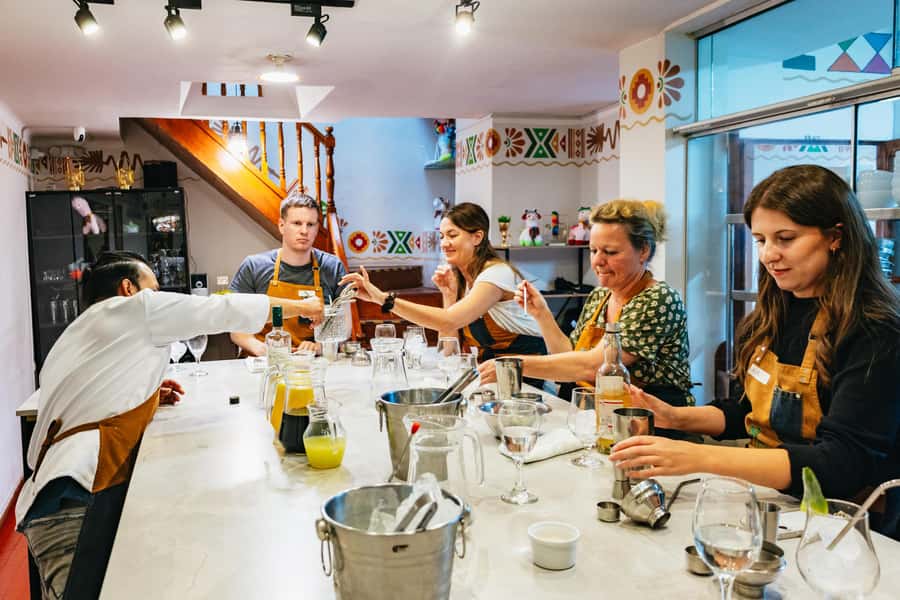
The chef teaches you how to make three beloved Peruvian recipes: ceviche, causa limeña, and quinoa tamal. This trio is smart for a first Peruvian cooking class because it covers a few different parts of the cuisine: fresh seafood-and-citrus style ceviche, the layered comfort-food feel of causa, and a grain-forward dish that highlights quinoa’s role beyond salads.
Ceviche: learning the balance, not just the steps
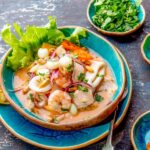
Ceviche is where you learn attention. The flavor depends on balance and timing—things that are hard to get right from memory, but easier when someone guides you step by step while you’re actively doing it.
Causa limeña: the layered comfort classic
Causa limeña is the dish that often surprises people. It’s creamy and satisfying, and it’s also tactile: you’ll be shaping and assembling as you go, so it feels achievable even if you’re not a kitchen pro.
Quinoa tamal: a Cusco-friendly grain moment
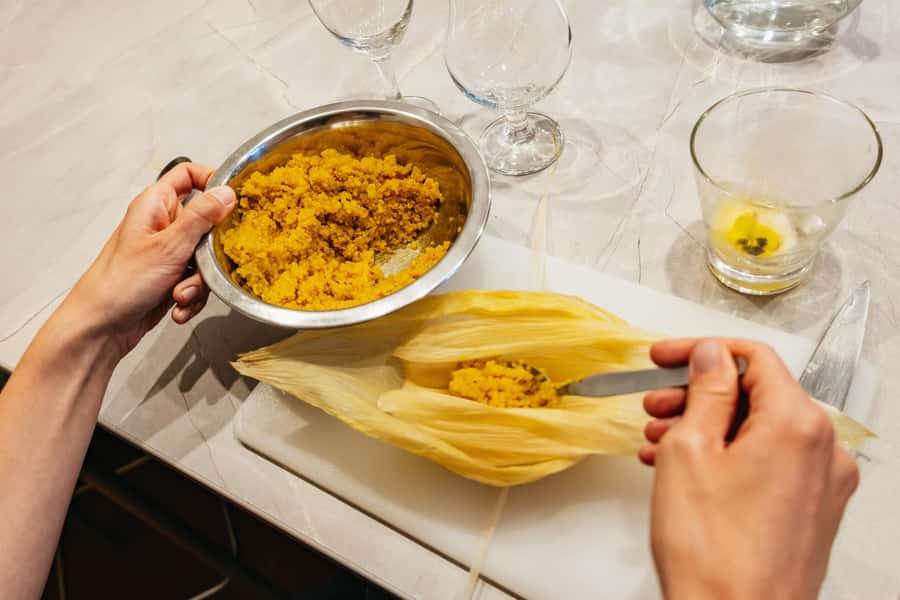
Quinoa tamal brings you into Cusco’s ingredient identity. You’re working with a staple that belongs on the table in Peru for more than one reason, and you’ll see how it can turn into something hearty rather than just a side.
Eating what you make: the table part is the point
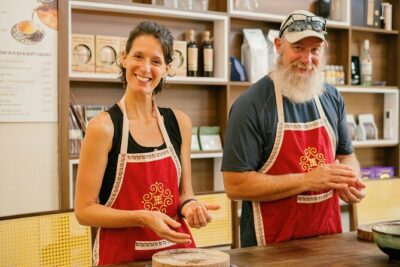
After cooking, you sit down and savor everything you made. This is a hands-on class, but it also ends like a meal with conversation. You’ll trade stories with your small group around the table, and the food becomes the social center of the experience.
One small practical tip: go in hungry. This is clearly built around producing real servings—people tend to leave full, and the class includes multiple tasting moments before you even get to the final sweet.
Picarones with honey: the sweet finish (with options)
Every good meal deserves a proper ending, and this one closes with picarones with honey. The class also notes sugar-free and gluten-free options, so the dessert portion doesn’t become an automatic deal-breaker if you have dietary needs.
Even if dessert isn’t your thing, this matters because it keeps the class from feeling like only “work.” You get a final taste that feels like Peru, not just a cooking lesson.
Dietary needs, English-only reality, and how the class handles changes
This activity runs in English. If you’re not comfortable with English guidance, plan for that up front—there’s no mention of other languages.
On the food side, the menu flexibility is a big deal. Vegetarian options are available, vegan menus are available, and gluten-free menus are available too. The chef also guides substitutions during the cooking portion, so you’re not just receiving a different meal at the end.
Also, note the “not suitable” rule: children under 10 aren’t listed as suitable. For families with older kids, it may still be worth checking with the provider, but the hard line here is clear for younger children.
Price and value: what $67 buys you in Cusco
At $67 per person for a 4-hour experience, you’re paying for more than a cooking lesson. You’re getting a market tour, ingredients, a professional chef, cooking instruction for three dishes, two pisco cocktails (with non-alcoholic options), picarones tasting, and water. That’s a lot wrapped into one time block.
Where the value really shows is in the learning. You leave with skills you can repeat at home—ceviche, causa, quinoa tamal—plus cocktail techniques you can recreate. If you were going to buy ingredients anyway, and you’d rather do a guided experience instead of a random restaurant meal, this is priced like a full cultural-food activity rather than a “cheap class.”
Who should book this class (and who might skip it)
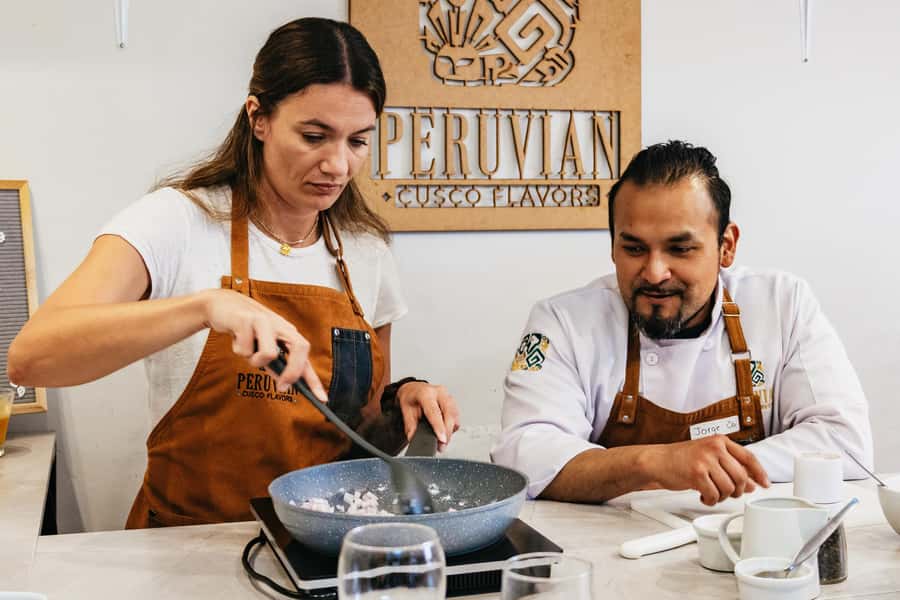
This is a strong fit if you want a hands-on Cusco food experience that connects the market to the plate. It’s also ideal if you like structured instruction and want a chef to explain what’s going on, not just hand you tools.
I’d think twice if you’re very altitude-tired or you know you get uncomfortable standing for long periods. It’s active. You’ll walk to the studio, prep food, and taste throughout the session.
Should you book this Cusco cooking class?
I think it’s a smart booking if you want an authentic Peruvian food day that mixes San Pedro Market with real cooking and real eating. The class format is built for first-timers: you cook classics, you get chef guidance, and the dietary options are clearly part of the plan, not an afterthought.
If you like food that feels practical—ingredients you can find, recipes you can repeat—book it. If you’re looking for a quiet museum-style activity, this one won’t match that mood.
FAQ
What’s the duration of the Cusco cooking class?
It lasts 4 hours.
Where do we meet?
Meet at Door Number 1 at San Pedro Market.
What dishes and drinks are included?
You’ll make three dishes: ceviche, causa limeña, and quinoa tamal. You also make 2 cocktails and get picarones tasting. Water is included too.
Is the tour available in languages other than English?
The class and live guide are available in English only.
Are vegetarian, vegan, and gluten-free options available?
Yes. Vegetarian options, a vegan menu, and gluten-free menu options are available.
How big is the group?
It’s a small group limited to 10 participants.
Is it suitable for children?
It is not suitable for children under 10 years old.
What should I bring?
Bring comfortable shoes and comfortable clothes.
What to do next
If you’re in Cusco and you want one food-focused activity that teaches you and feeds you, this is one I’d put near the top of your list.