REVIEW · ROME
Pasta and Tiramisu Cooking Class in Rome, Piazza Navona
Book on Viator →Operated by Eatalian Cooks · Bookable on Viator
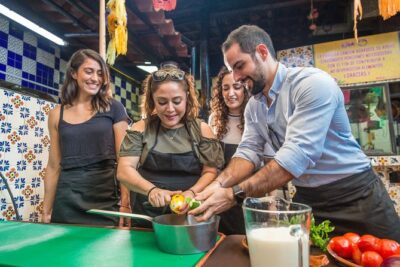
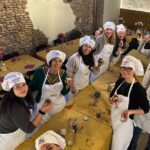
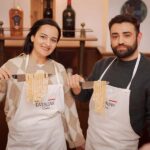
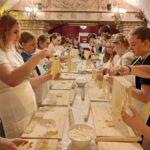
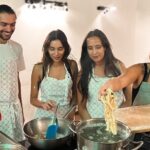
Rome tastes better with flour on your hair. This chef-led class has you making fettuccine and tiramisu in the heart of Rome, then eating it right by Piazza Navona. You’ll learn while you work, not just watch, and you finish with coffee or limoncello.
I especially like the hands-on pace and the small-group feel. When you’re ready to eat, the restaurant staff brings everything to your table—bruschetta first, then your pasta with the sauce you chose. One watch-out: it’s not gluten-free or lactose-free, and the tiramisu uses regular white sugar.
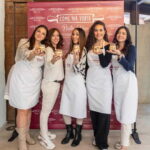
The vibe is simple: a short Roman walk, then a practical cooking lesson, then lunch on one of the city’s most famous squares. With a max of 10 people, you won’t get lost in the crowd, but you should know the schedule can feel brisk.
In This Review
- Key highlights worth planning around
- From Piazza Navona to the table: how the 2.5 hours really work
- Your pasta choice: carbonara, cacio e pepe, al pomodoro, or al pesto
- The cooking lesson part: what you actually learn
- Bruschetta and drinks: the lunch rhythm while the kitchen finishes
- Tiramisu on Piazza Navona: dessert, fridge time, and payoff
- Quick Rome sight stops: why the landmarks fit a short class
- Location, group size, and the “will this feel crowded?” question
- Price and value: what $87.11 buys you
- Who should book this cooking class in Rome
- Should you book? My practical take
- FAQ
- What’s the meeting point for the pasta and tiramisu class?
- How long is the experience?
- Is the class offered in English?
- What dishes will I make?
- Can I choose what sauce goes with my pasta?
- Are there gluten-free or lactose-free options?
- Is the experience suitable for vegans?
- What drinks and final items are included?
- What’s the group size and is it good for kids?
Key highlights worth planning around
- Small group (max 10): better hands-on time and less standing around.
- Pick your pasta sauce: carbonara, cacio e pepe, al pomodoro, or al pesto.
- Meal flow built in: bruschetta and drinks while the kitchen finishes your pasta.
- Tiramisu made by you: your dessert goes to the fridge, then comes out for Piazza Navona dining.
- English-led class: clear, step-by-step instruction for beginners and experienced cooks alike.
From Piazza Navona to the table: how the 2.5 hours really work
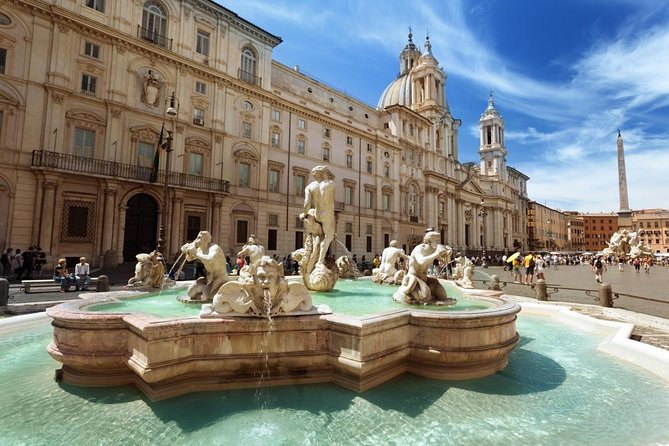
This experience is about 2 hours 30 minutes, and it’s paced like a practical Roman day: a bit of seeing-the-sights energy, then an actual cooking session, then you eat what you made. The meeting point is TucciPiazza Navona, 94, 00186 Roma RM—and the tour ends back there.
You start in the Piazza Navona area, which matters because you’re not commuting across town for a class. You’re already in one of the best locations to “feel” Rome while you do a very Rome-appropriate activity: pasta and dessert. It’s also close to public transportation, which helps if your day’s schedule is already packed.
A quick note on expectations: the cooking is chef-led and structured, but it’s still a holiday class, not a lab. That means there’s a schedule, and you’ll move from prep to eating in a way that keeps things flowing. Most people love that pace because you don’t spend hours stuck waiting—but if you’re looking for a slow, spa-like meal, you might feel it’s a little hurried.
You can also read our reviews of more tours and experiences in Rome.
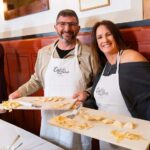
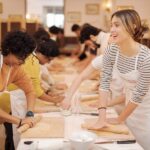
Your pasta choice: carbonara, cacio e pepe, al pomodoro, or al pesto
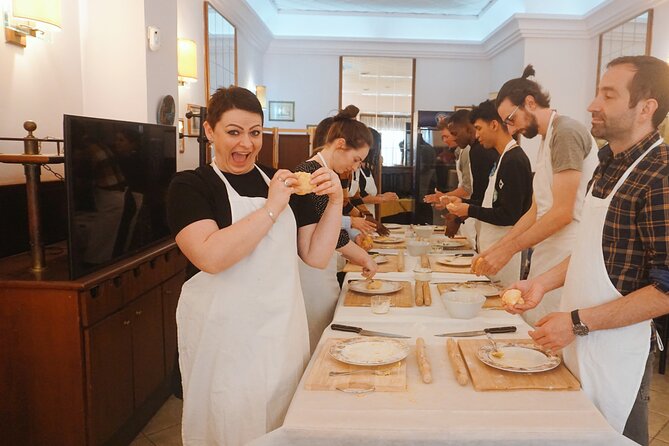
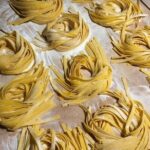
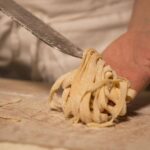
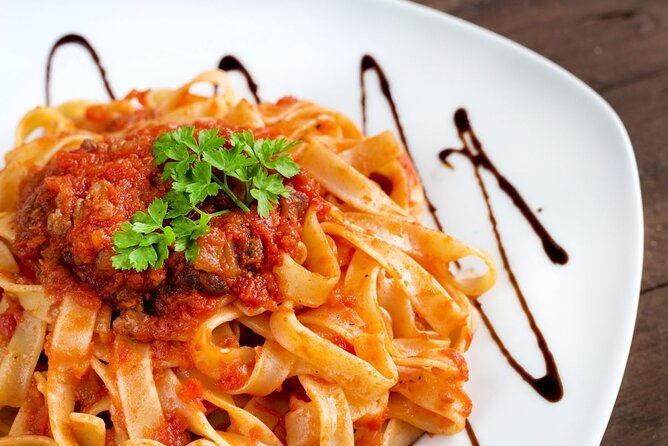
The core of the class is making fettuccine pasta and learning the steps in a way you can repeat later. Once you’re ready for the pasta part, you’ll choose from four traditional Roman/Italian directions:
- Carbonara
- Cacio e pepe
- Al pomodoro
- Al pesto
Then you do something delightfully simple: you write what you chose for your pasta. Your note gets passed to the kitchen so your sauce matches your decision. After that, the chef brings you to your table, and the restaurant staff takes over so your meal timing stays tight.
Why this works for you: you’re not just learning dough. You’re also learning how the sauce decision changes the whole meal. And because you’ll be eating what you personally made, you’ll notice the texture and thickness cues that people usually miss when they’re just ordering pasta in a restaurant.
Also, don’t plan on substitutions for dietary restrictions here. The class is not gluten-free or not lactose-free, and the pasta includes eggs, so it’s not vegan-friendly.
The cooking lesson part: what you actually learn
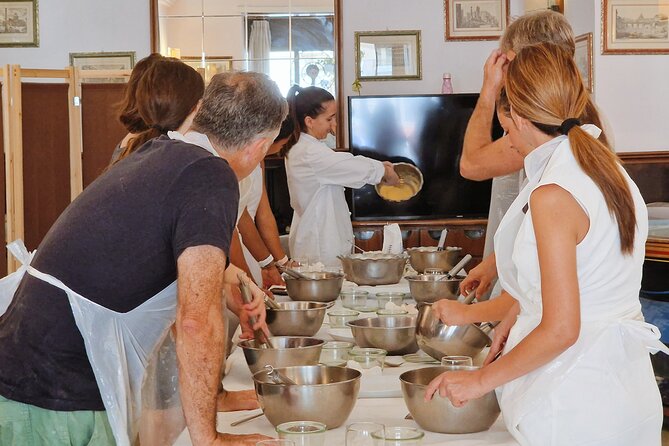
The most helpful skill in this class is learning pasta-making through clear instruction—especially if you don’t cook much. People repeatedly mention that the steps are easy to follow and that the instructors guide you through the process without making you feel clumsy.
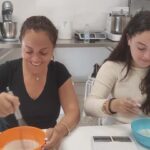
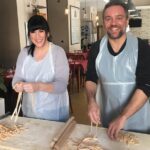
You’ll work with the dough and shape/process it into fettuccine. You also learn practical techniques you can take home, not just the romantic idea of making pasta. And the group size (max 10) helps because you’re close enough to ask questions and get quick corrections.
One detail that sets expectations: your tiramisu gets prepared and then stored in the fridge. That’s normal for tiramisu, since it needs time to set and meld. The upside is that you’re not scrambling to finish dessert while everyone’s hungry. The downside is timing—if your dessert feels like it didn’t fully firm up, it’s usually tied to how the schedule flows that day.
Bruschetta and drinks: the lunch rhythm while the kitchen finishes
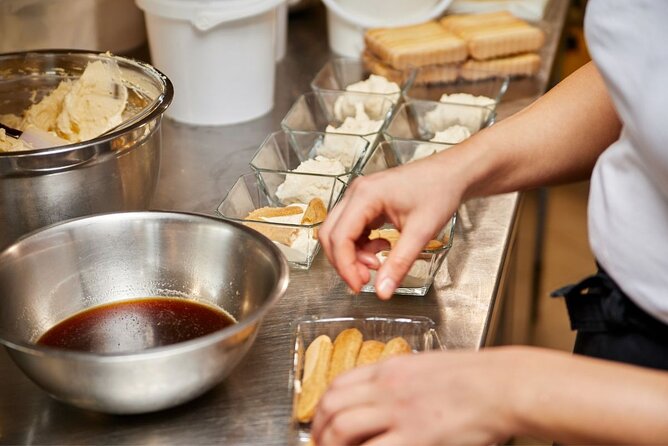
Right after you sit down, you get bruschetta as an appetizer. It’s bread topped with tomatoes, oil, and basil—and it’s included in the price. Then you pick a drink: you can choose a glass of beer or wine.
Here’s the smart bit for your stomach: while you’re eating and sipping, the kitchen finishes your pasta and sauce. This keeps you from waiting too long with nothing happening. Once your pasta is ready, it’s served to your table.
After your main course, you can order coffee or limoncello. This is a classic Rome pairing: coffee for the day-to-day fuel, or limoncello if you want something a little sharper to close out lunch.
Some people report extra drink touches like a sparkling wine upon arrival and a cappuccino with dessert. Those aren’t listed as guaranteed in the basic description, but they do match the “all-included meal” feel that many participants describe.
Tiramisu on Piazza Navona: dessert, fridge time, and payoff
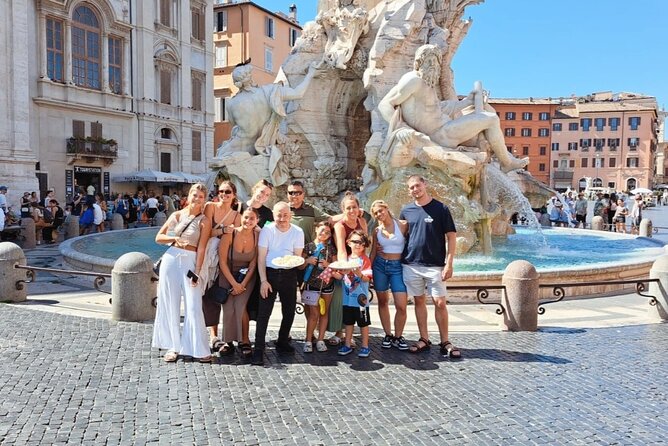
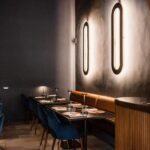
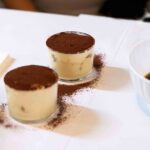
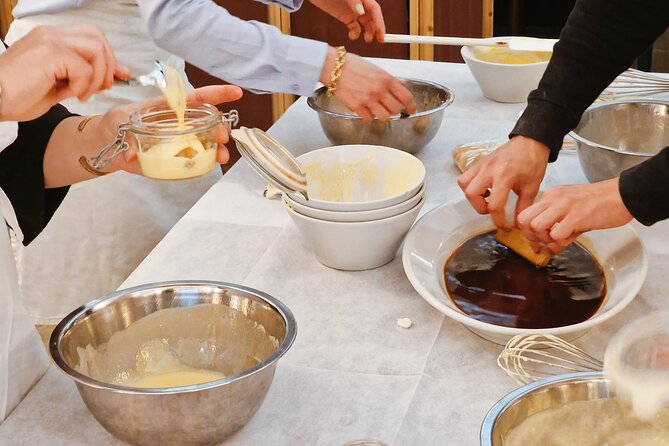
The dessert part is half cooking, half timing. Once your tiramisu is made, it’s taken to the restaurant fridge. Then, later—after your pasta—you get to enjoy the tiramisu you made on Piazza Navona, which is the moment that makes the class feel like more than a cooking workshop.
In theory, tiramisu is built to rest. In practice, schedule matters. One concern that comes up is that the tiramisu can feel like it needs more setting time on some days, and the fix would be letting it firm up a touch more. Even when that happens, the overall experience still lands because you get the satisfaction of making it yourself and then eating it in a truly memorable setting.
Another planning note: the tiramisu uses regular white sugar and isn’t listed as diabetes-friendly. If you’re managing blood sugar, this is the kind of dessert you’ll want to approach carefully.

Quick Rome sight stops: why the landmarks fit a short class
Your experience includes stops at major icons: Pantheon, Piazza Venezia, Trevi Fountain, and Vatican City. You don’t need to turn this into a long guided tour; it’s more like a fast, high-signal sampler that keeps the day moving.
Why I like this structure: when you’re spending time learning a skill, you don’t want your itinerary to be only walking. This format adds just enough sightseeing to make the day feel like Rome, while keeping the main event—cooking and eating—at the center.
Practical reality check: because the whole experience is about 2.5 hours, you should expect quick viewing moments rather than deep, slow museum-style time at each stop. If you want linger time at the Pantheon or Trevi Fountain, plan those separately.
Location, group size, and the “will this feel crowded?” question
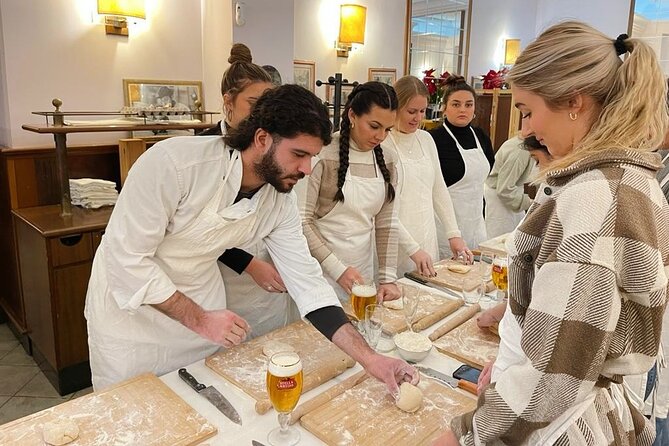
This is a small-class experience with a maximum of 10 travelers, and that affects everything. You get more hands-on time. You’re less likely to feel rushed by a big group. And you can actually track what the chef is doing while you’re doing it too.
It’s also offered in English, which helps if you’re not fluent in Italian. The meeting point is easy to find if you’re already anchored in the Piazza Navona area, and it ends back where it starts, so you’re not stranded in some other neighborhood afterward.
If you have mobility concerns, though, you should consider your comfort level with walking. The experience is not recommended for those with mobility issues, so read that as: plan for steps and uneven surfaces.
And if you’re traveling with kids: it’s not recommended for children under 6–7. The class involves kitchen tasks and timing. It can work well for older kids who like food and don’t mind getting involved.
Price and value: what $87.11 buys you
At $87.11 per person, you’re paying for far more than an empty seat. You’re paying for:
- Chef-led instruction to make fettuccine and tiramisu
- The included bruschetta appetizer
- Drinks (beer or wine)
- Pasta and dessert made from your own work
- A finish with coffee or limoncello
For Rome, where you can spend a lot of money just to eat a fancy meal, this pricing makes sense because you get both the food and the experience. You’re basically turning part of your sightseeing day into a skill you can repeat at home, plus a lunch you don’t have to plan or cook.
The trade-off is dietary limits. Since it’s not gluten-free or lactose-free and it includes eggs and regular sugar, you can’t shop this class for most restricted diets. If that applies to you, it may not feel like value at all.
Who should book this cooking class in Rome
Book it if you want a very Rome activity that still feels practical. This is especially good for:
- Couples and small groups who want a fun, shared food project
- Beginners who want step-by-step guidance (not intimidation)
- People who love eating but also enjoy learning how things are made
- Travelers who want a break from queues and just sitting indoors
It’s less ideal if you:
- Need gluten-free or lactose-free food
- Are vegan (eggs are involved)
- Are traveling with mobility limitations
- Have very young kids (the minimum guidance is around age 6–7)
- Want a slow, unhurried dinner pace
Should you book? My practical take
If you’re the kind of traveler who likes doing one memorable thing beyond eating and taking photos, this is a strong yes. The combination of hands-on pasta + dessert you made + dining on Piazza Navona makes it feel like a complete experience, not a quick demo.
My decision rule is simple: if you can handle regular wheat, dairy, eggs, and sugar, this is a high-value way to spend part of your Rome day. If you need strict dietary accommodations or you’re looking for a long, relaxed meal, you’ll likely be happier choosing something else.
One final tip: wear clothes you don’t mind getting flour-ish, and bring a small appetite. The format is tight, so arrive ready to cook, eat, and enjoy the square.
FAQ
What’s the meeting point for the pasta and tiramisu class?
You’ll meet at TucciPiazza Navona, 94, 00186 Roma RM, Italy, and the activity ends back at the meeting point.
How long is the experience?
It runs about 2 hours 30 minutes.
Is the class offered in English?
Yes, the experience is offered in English.
What dishes will I make?
You’ll learn how to make classic fettucine pasta and tiramisu.
Can I choose what sauce goes with my pasta?
Yes. You can choose between four options: Carbonara, Cacio e Pepe, al Pomodoro, or al Pesto.
Are there gluten-free or lactose-free options?
No. It’s not offered as gluten-free or lactose-free.
Is the experience suitable for vegans?
No. The pasta uses eggs, so it’s not recommended for vegans.
What drinks and final items are included?
You can choose a glass of beer or wine with lunch. After your meal, you can order coffee or limoncello.
What’s the group size and is it good for kids?
The class has a maximum of 10 travelers. It’s not recommended for kids under 6–7 years.