REVIEW · ROME
Authentic Roman Cooking Class & Market Experience
Book on Viator →Operated by Gray Line I Love Rome by Carrani Tours · Bookable on Viator
Fresh pasta starts at the market. I like this Rome class because you shop like locals first, then cook like you mean it, with hands-on pasta coaching from chef teams such as Chef Francesco and instructors like Monica. I also love the small-group feel in the kitchen, which makes it easier to get personal technique feedback. One possible drawback: since you make multiple pastas plus a main in one morning/afternoon, the pace can feel a bit tight if you want lots of slow, step-by-step lecturing.
You’ll start near Largo di Torre Argentina and work your way into the Campo de’ Fiori area for grocery shopping before heading to a private kitchen. Then you sit down for a four-course lunch with Italian wine pairing that turns all your work into an actual meal, not just a cooking demo.
This is built for comfort and communication: it’s offered in English and Spanish, capped at 8 people, and starts at 9:30am so you’ll want to come ready to eat. If you’re the type who likes to master one dish slowly, know that this format is more learn-by-doing than slow perfection.
In This Review
- Key highlights you’ll feel during the day
- Market Morning at Campo de’ Fiori: Picking Ingredients That Actually Matter
- The Walk to the Kitchen: From Street Food Energy to a Real Working Space
- Chef-Led Pasta Practice: Three Varieties You Can Actually Repeat
- Your Roman Lunch: Four Courses, Wine Pairing, and Sitting Down to Eat
- What You Learn (Beyond the Recipe): The Skills That Transfer Home
- Small-Group Logistics That Make the Cooking Actually Work
- Price and Value: Is $225.01 Worth It in Rome?
- Who Should Book This Cooking Class (And Who Might Want Another Option)
- Should You Book This Rome Market and Pasta Class?
- FAQ
- How long is the cooking class?
- Where is the meeting point, and when does it start?
- Is the group size small?
- What language is the class offered in?
- What will I cook during the class?
- Is lunch included, and do I get wine?
- Is there a vegetarian option?
- What if the minimum number of travelers isn’t met?
Key highlights you’ll feel during the day
- Market shopping that teaches ingredient judgment rather than just “look at food”
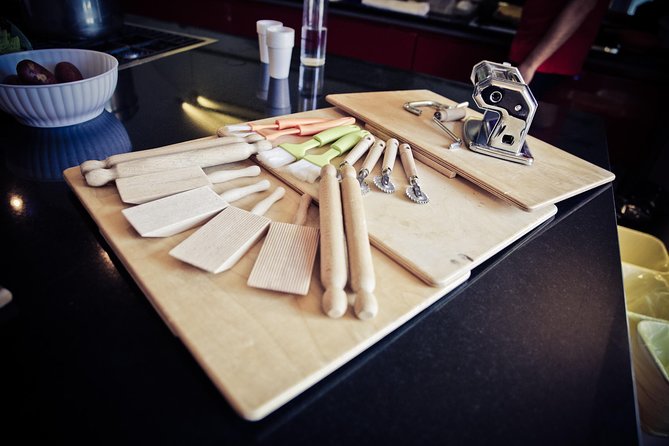
- Three homemade pasta shapes plus a main course, all hands-on
- Technique coaching you can use at home, including tips like using pasta water to help thicken sauce
- Small-group format (max 8) with a kitchen described as organized and roomy
- Four-course sit-down lunch with wine pairing, so you truly eat what you make
- Vegetarian option available if you request it during booking
Market Morning at Campo de’ Fiori: Picking Ingredients That Actually Matter
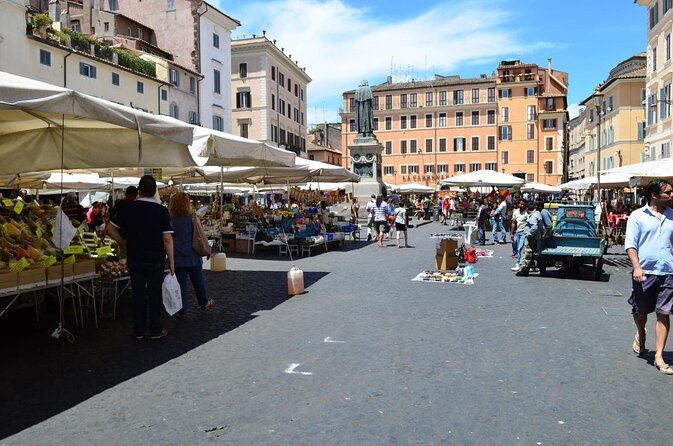
The magic starts before the flour hits the counter. You meet in Rome near Rossopomodoro at Largo di Torre Argentina (1, 00186 Roma), then head into the Campo de’ Fiori market area where food is treated like a daily mission, not a tourist activity.
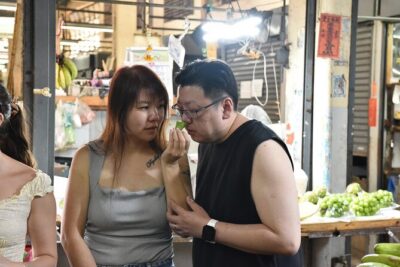
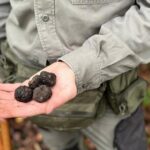
Your guide walks you past stalls where you’ll see the whole cast of characters: farmers, bakers, and butchers. The goal isn’t vague sightseeing. You’re selecting ingredients for your class, and you get taught how to spot the better ones. That means you learn what “good” looks like in real life—how produce should feel and look, and how to choose the kinds of ingredients that hold up once you start cooking.
Why this matters: Rome cooking works because the ingredients do half the job. If your tomatoes are watery or your cheese isn’t flavorful, your sauce will taste flat even if your pasta technique is perfect. The market stop helps you understand that link.
Practical tip: wear comfortable shoes. Even if the group walk is not long, market surfaces can be uneven, and you’ll likely stand while you decide. Also, if you’re staying in the center, this start time is a nice way to break up big-sightseeing days. It puts your brain in a different gear.
You can also read our reviews of more tours and experiences in Rome.
The Walk to the Kitchen: From Street Food Energy to a Real Working Space
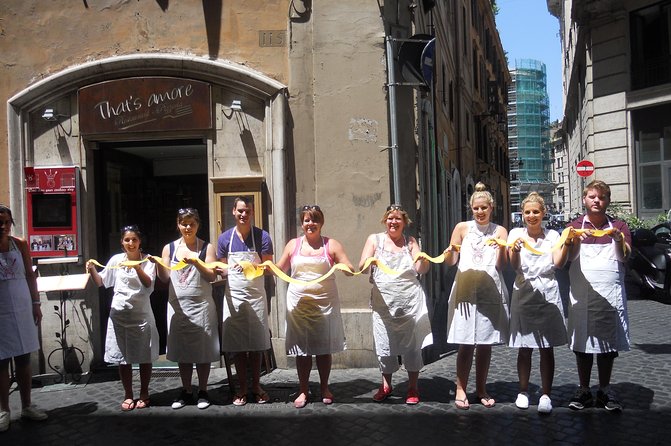
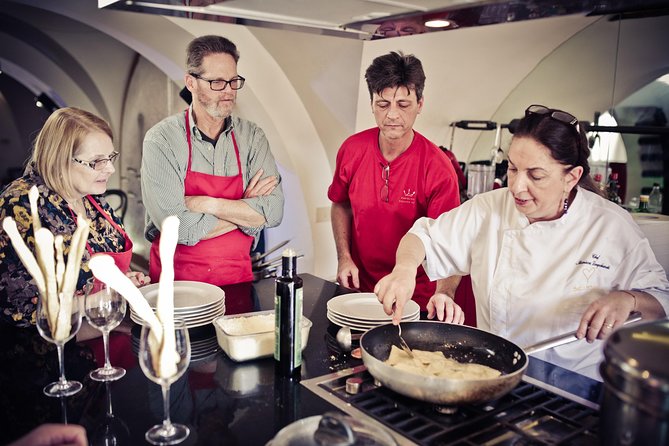
After the market, you move to the private kitchen where the class happens. This transition is more than logistics. You go from public stalls and chatter to a professional, organized space built for cooking with multiple people at once.
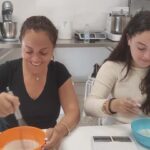
The kitchen is described as well organized and roomy in a way that makes the experience feel less chaotic than you might expect from a tour that covers a lot of dishes. That’s important, because you’ll be doing real tasks: rolling dough, shaping pasta, and coordinating with your chef and assistant.
The format also helps you stay present. You’re not stuck watching from the sidelines. You cook. You taste. You adjust. That’s when the day turns from activity into something you’ll actually remember when you make pasta later.
Chef-Led Pasta Practice: Three Varieties You Can Actually Repeat
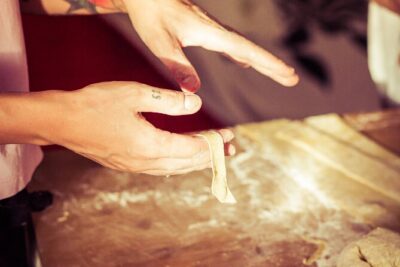
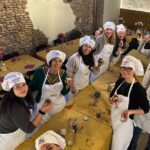
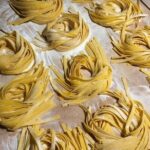
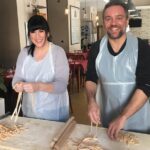
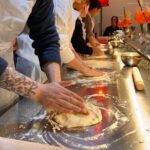
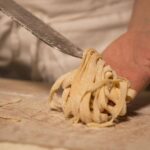
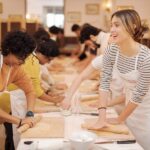
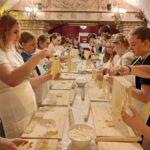
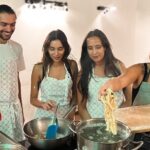
The centerpiece is your pasta lesson: with expert instruction, you make three different varieties of homemade pasta, plus a main course. No one is asking you to be a pasta champion on day one. The teaching is designed for different skill levels, and the best part is that your instructor gives feedback while you’re doing it—not after it’s already too late.
A key detail that shows up across strong sessions: you get coached on the technique steps that matter. For example, one class highlighted guidance on using pasta water to thicken sauce, which is one of those Italian cooking tricks that sounds simple but changes everything about texture. Another highlighted rolling fusilli, so you can get a better sense of how shape affects how sauce clings.
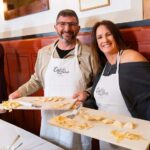
You may hear names like Chef Francesco, Chef Luca, Chef Fabio Bongianni, Victoria, Monica, and Nicoletta across different days. The point for you: the teaching is chef-driven, and the personalities behind the instruction seem to play well with groups. People describe instructors as kind, encouraging, and willing to explain what’s critical, not just pushing buttons and telling you to copy the motion.
Now, a reality check. This class is hands-on, but it’s also efficient. You’re not making one pasta for three hours and perfecting it. You’re learning enough to build momentum and confidence across several shapes. That’s great for most people, but if your goal is slow mastery of only one recipe, this might feel like a lot happening at once.
Your Roman Lunch: Four Courses, Wine Pairing, and Sitting Down to Eat
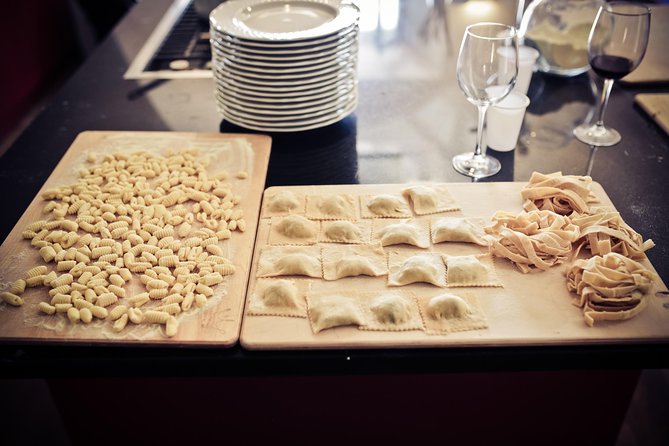
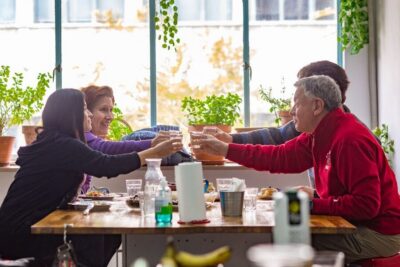
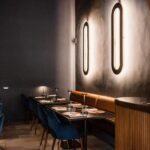
Once the cooking wraps, the day turns into a proper meal. You sit down with your group to eat what you made, served as a four-course lunch with complimentary Italian wine pairing.
This matters more than it sounds. In many cooking experiences, the meal feels like a bonus. Here, the meal is the payoff, the moment where you taste the difference between good ingredients and good technique. And since you’ve been shaping pasta and building components yourself, you can spot what you did well.
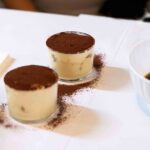
What might be on the table? You’re guaranteed four courses and wine pairing, but the exact menu can vary by class. Some sessions have been described with items like a meat dish such as saltimbocca and a dessert like tiramisu, alongside the pasta you shaped. Think of the lunch as structured like a Roman restaurant experience: pasta leads, then the main course lands, then dessert closes it out.
Practical tip: don’t schedule a heavy lunch reservation right after. This is a full food day, and you’ll finish satisfied. If you’re the type who skips breakfast on travel days, this is one of the rare experiences where that actually helps.
What You Learn (Beyond the Recipe): The Skills That Transfer Home
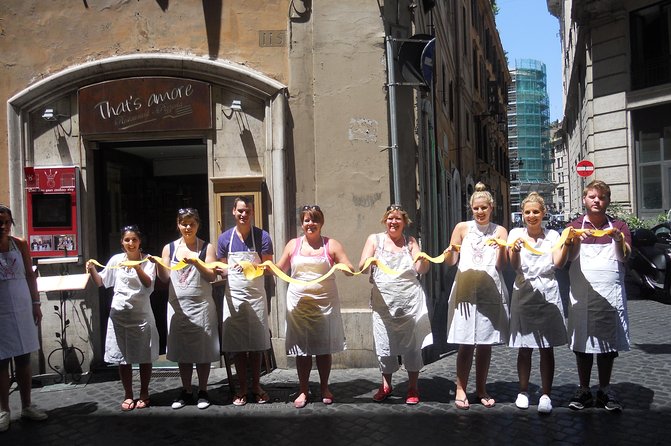
You’ll likely leave with a stronger understanding of how Italian cooking is built: ingredient choice, then technique, then sauce logic.
Here are the most transferable lessons that show up clearly in the teaching style:
- Ingredient selection skills: you learn what to look for when you’re choosing produce, cheeses, and other staples at an authentic market.
- Pasta technique confidence: shaping pasta is muscle memory you can rebuild. Rolling and shaping are the practical wins here.
- Sauce texture logic: you hear technique explanations such as using pasta water to help thicken sauce, which gives you a more professional-looking result at home.
- Critical steps highlighted by the chef: strong sessions don’t just tell you what to do; they point out what’s most likely to make or break the outcome.
One small consideration: the class details don’t specifically promise take-home recipe sheets. If you’re the type who likes exact measurements and written instructions, bring a notebook and jot down the technique points and anything the chef emphasizes. That way you can recreate it later even if you don’t get recipe handouts.

Small-Group Logistics That Make the Cooking Actually Work
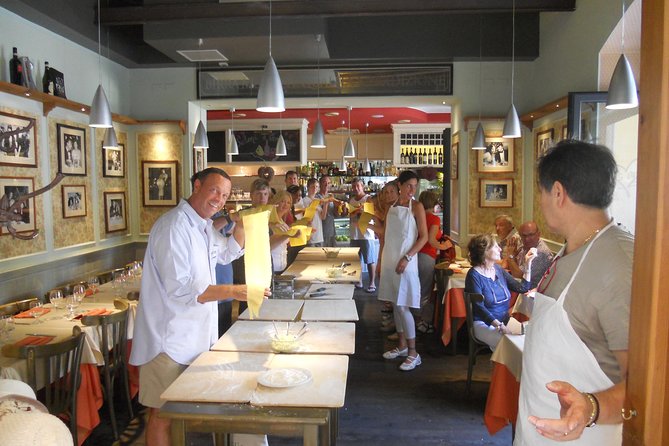
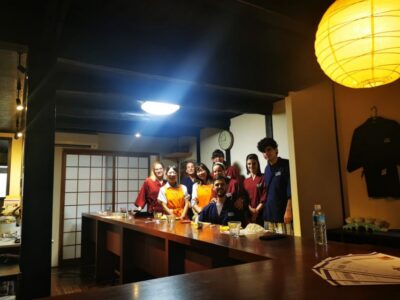
This experience is capped at a maximum of 8 travelers, which is the main reason you’re more likely to get real coaching instead of being stuck in a long line of “watch me do it” moments. You’ll be near public transportation, and the schedule is built around a 9:30am start with about 5 hours total.
That start time matters. You’ll go from market shopping to cooking without a long break. Come ready to work. If you like your cooking days structured, this format feels intentional.
But keep expectations realistic. Because you make multiple pastas and also have a main course to manage, the chefs and assistants can’t turn every task into a slow lab session. Some people prefer fewer dishes so they can linger longer on explanation; others love the pace because it keeps the day fun and moving. Pick based on your style.
Also, since the class is designed for small groups, it helps to be fully engaged the whole time. If you drift into spectator mode, you’ll lose the value of the feedback you paid for.
Price and Value: Is $225.01 Worth It in Rome?
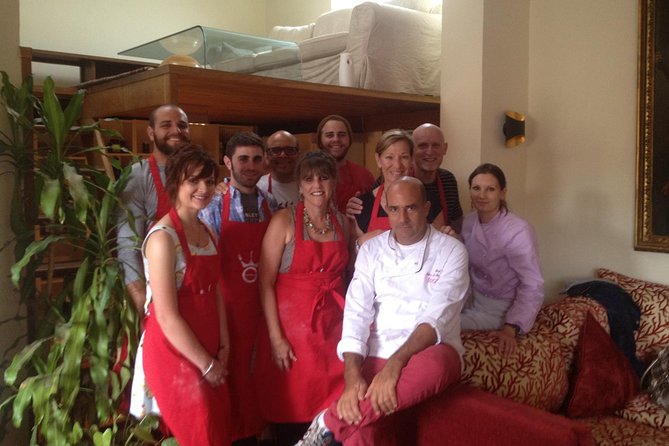
At $225.01 per person for about 5 hours, you’re paying for more than cooking entertainment. You’re paying for:
- guided grocery shopping where you actively choose ingredients
- chef-led hands-on instruction with tools and ingredients
- a sit-down lunch you helped make
- complimentary beverages, including Italian wine
- a small-group setting (max 8)
This is why the price often feels fair to food-focused travelers. You’re essentially buying a market tour + a real class + a multi-course lunch, and the value comes from doing instead of just eating and photographing.
The rating backs up the demand: it’s shown as 4.8, with a strong 96% recommended rate across many sessions. That doesn’t guarantee every single day is perfect, but it’s a good signal that the experience is usually meeting expectations.
Still, go in with the right mindset. If you want a gentle, unstructured food walk, this may feel structured and efficient. If you want technique and then lunch as the reward, this is exactly the kind of day that can justify the cost.
Who Should Book This Cooking Class (And Who Might Want Another Option)
This class is best for you if you:
- want a break from classic sightseeing and prefer a food-centered day
- enjoy hands-on learning, especially shaping and cooking pasta
- like the idea of a market stop where you choose ingredients, not just browse
- care about dining quality, since your meal is part of the program with wine pairing
It may be less ideal if you:
- hate a fast pace and need lots of slow explanation
- want a single recipe deep dive instead of multiple pastas and a main course
- expect a take-home recipe booklet as part of the deal (the program details don’t state that)
If you’re traveling with dietary needs, you can request vegetarian during booking, so you’re not stuck with a guess-and-wait approach.
Should You Book This Rome Market and Pasta Class?
If you’re curious about how Romans actually think about food, this is a smart choice. The market piece helps you understand what you’re buying and why. The kitchen piece is where you build confidence with pasta shapes and technique. Then you get the reward: a four-course lunch with wine pairing that turns your work into a real meal.
Book it if you want a small-group, chef-led day that combines learning with eating. Skip it only if your top priority is a slow, one-dish cooking lesson or if you dislike the idea of making several items in the same session.
FAQ
How long is the cooking class?
It runs for about 5 hours.
Where is the meeting point, and when does it start?
You start at Rossopomodoro, Largo di Torre Argentina, 1, 00186 Roma, and the start time is 9:30am.
Is the group size small?
Yes. It’s a maximum of 8 travelers, designed as a small-group experience.
What language is the class offered in?
The experience is available in English and Spanish.
What will I cook during the class?
You’ll make three different varieties of homemade pasta plus a main course, with guidance from your instructor.
Is lunch included, and do I get wine?
Lunch is included, and complimentary beverages are included as well, including Italian wine with the meal.
Is there a vegetarian option?
Yes. You can request a vegetarian cooking option during booking.
What if the minimum number of travelers isn’t met?
This experience requires a minimum of 2 booked participants. If it’s canceled due to not meeting the minimum, you’ll be offered a different date/experience or a full refund.