REVIEW · NEW ORLEANS
Hands-on Cajun Roux Cooking Class in New Orleans
Book on Viator →Operated by The Mardi Gras School of Cooking · Bookable on Viator
A dark roux can change your cooking. This hands-on Cajun Roux class in New Orleans teaches you the technique behind gumbo and shrimp étouffée, plus you finish with Bananas Foster. I love that it is not a show—people actually cut, stir, and build flavor. I also love the meal part: you sit down afterward and eat what you made. One thing to consider: it is active cooking time, so you’ll want to be ready to stand, chop, and participate rather than just watch.
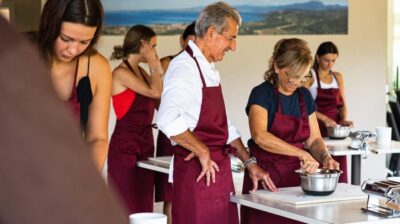
The class runs about 3 hours and keeps groups small (up to 10), which means your instructor can actually correct your roux. You’ll get a first glass of wine (or soda pop), then the hands-on lesson flows: prep → roux building → plating → dessert. In recent classes, instructors like Chef Connor and Chef Raymond (along with others such as Chef Mark, Chef Jason, Chef Cam, and Chef Erika) have led groups with clear step-by-step coaching and plenty of humor.
In This Review
- Key things to know before you go
- Why Cajun roux is the skill you actually remember
- Mardi Gras School of Cooking: a small, work-focused kitchen
- The opening lesson: Cajun Holy Trinity prep and mise en place
- Dark roux gumbo: cutting, stirring, and learning the point of control
- Light roux shrimp étouffée: switching gears without losing momentum
- Plating and sitting down: you eat what you cooked
- Bananas Foster: the dessert lesson people remember
- Included wine (or soda) and how that shapes the experience
- Pricing: does $163.85 feel worth it?
- Who should book this class in New Orleans
- Practical notes: timing, meeting point, and what to plan for
- Should you book the Cajun Roux Cooking Class?
- FAQ
- How long is the Cajun Roux Cooking Class in New Orleans?
- Where does the class start?
- What dishes will I learn to make?
- Is wine included?
- What is the group size?
- What language is the class taught in?
- Is there a mobile ticket?
- What is the cancellation policy?
Key things to know before you go
- Real roux practice, not just tasting tips, so you leave with a repeatable skill
- Small group setup (max 10) that keeps the energy friendly and interactive
- Fixed menu, big payoff: gumbo, shrimp étouffée, and Bananas Foster
- Included wine or soda pop during class, plus you eat the meal you cook
- Good for families and groups since everyone gets tasks, even kids
Why Cajun roux is the skill you actually remember
In New Orleans, Cajun cooking is all about flavor that comes from technique. The star of this class is roux—the flour and fat mixture that thickens and builds the base taste for gumbo and étouffée. The tricky part is that roux is not just one roux. This class focuses on two different outcomes: a dark roux for gumbo and a light roux for shrimp étouffée.
That color shift matters because it changes flavor. Darker roux tends to bring deeper, toasty notes, while lighter roux stays more mellow and supports a sauce that feels lighter on the tongue. You’ll learn how to get there by paying attention to consistency, heat, and timing. And because it’s hands-on, you stop guessing and start understanding what you’re doing.
You can also read our reviews of more tours and experiences in New Orleans.

Mardi Gras School of Cooking: a small, work-focused kitchen
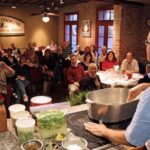
The class meets at 519 Wilkinson St and ends back at the same meeting point. The location is set up for a smooth start: you show up, get oriented, and then you get cooking. Recent feedback highlights a kitchen that feels clean and organized, with instructors who keep the pace moving and the space calm.
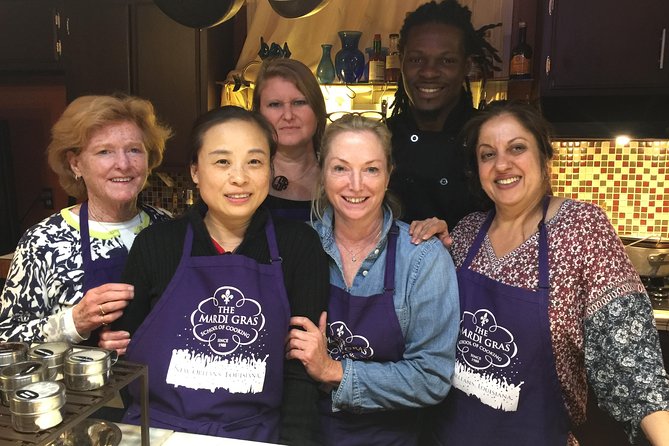
What really makes this work for most people is the size. With a maximum of 10 participants, it doesn’t turn into a long line of waiting your turn. Instead, you’ll usually have a clear task, and you can ask questions without feeling like you’re interrupting.
You should also note that the class is offered in English, which keeps instructions direct and practical. If you like learning by doing—rather than collecting vague tips—you’ll probably click with this format.
The opening lesson: Cajun Holy Trinity prep and mise en place
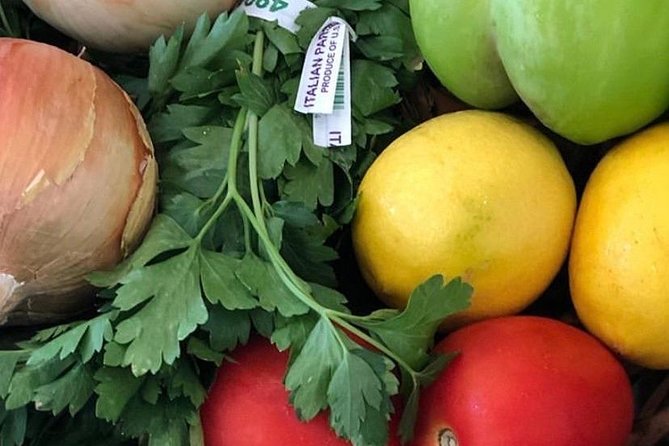
Before you touch any burners, you start with what makes Cajun flavor feel like Cajun flavor: the Cajun Holy Trinity concept. The lesson starts by walking you through the importance of that aromatic base and why it matters to your final dish. Then it moves into practical prep: cutting and chopping so you’re not just watching someone else build the foundation.
You’ll also get a quick but meaningful refresher on mise en place, the habit of having everything ready before cooking really heats up. In a roux class, this matters more than people expect. If you’re reaching for ingredients while the roux is cooking, the timing gets messy fast.
After this prep phase, you get your first glass of wine (or soda pop). That break isn’t just for fun—it gives you a moment to reset before roux takes center stage, and it’s a nice touch for people traveling as couples, families, or groups of friends.
Dark roux gumbo: cutting, stirring, and learning the point of control
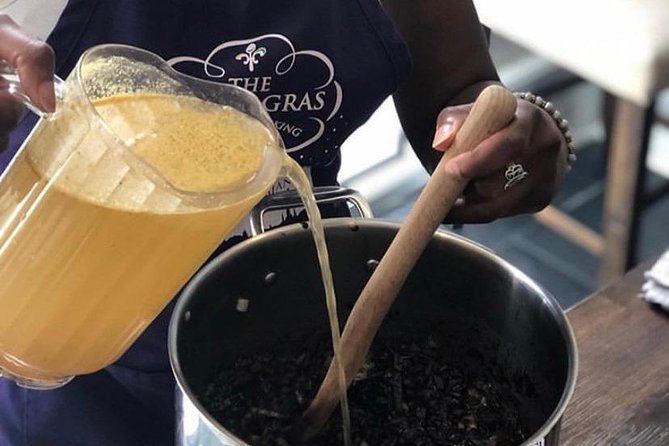
Once your aromatic base is chopped and your workspace is set up, you begin the Dark Roux for the gumbo. This is the part where a lot of home cooks feel nervous, but the class is designed to remove some of the fear.
You’re not just told what to do. You get coached step-by-step on how to handle the process. That includes how to work with the texture and how to stay focused while the roux changes color. In real kitchens, roux changes quickly—so the lesson is built around teaching you how to monitor it without burning it or rushing it.
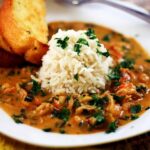
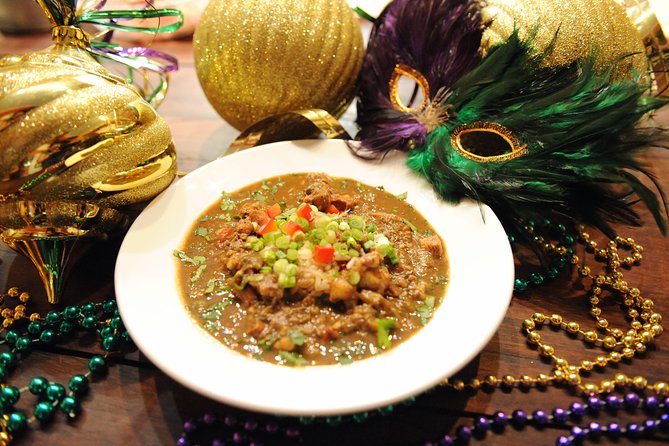
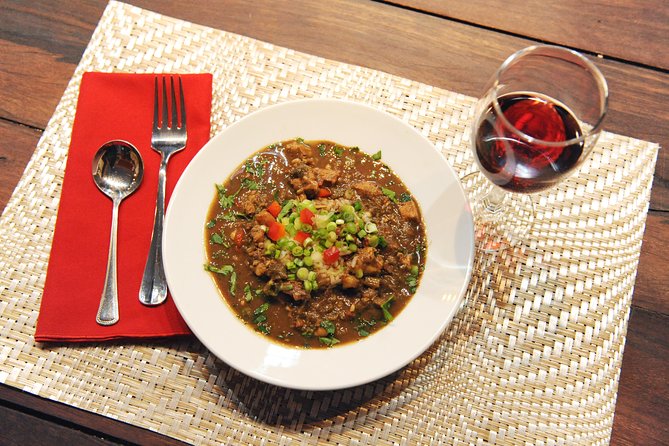
The gumbo you make follows the sample menu: Chicken and andouille sausage gumbo. That combination is classic comfort food territory, and it also shows you how roux supports richer, heavier flavors. When you reach the gumbo stage, you’ll feel like you’re finally cooking the dish you came for.
A recurring theme in the feedback: people loved that the instructor explained every step clearly and made it feel manageable. If you want to build confidence, roux is one of the fastest ways to do it—because once you understand the technique, it transfers to other sauces and thickened dishes.
Light roux shrimp étouffée: switching gears without losing momentum
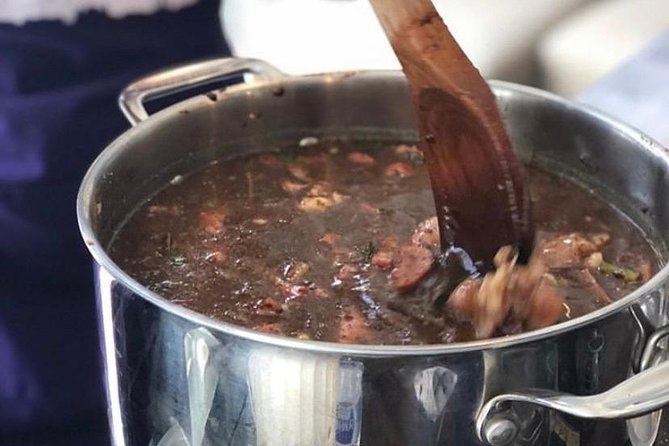
After the gumbo, the class pivots to the Light Roux for shrimp étouffée. This is a smart second lesson because it forces you to apply the same foundational idea—roux—while aiming for a different result.
In other words, you’re not repeating one trick. You’re practicing how the goal changes. Étouffée often feels like a sauce that clings and wraps the ingredients, so the lighter roux supports that smoother, more balanced flavor profile.
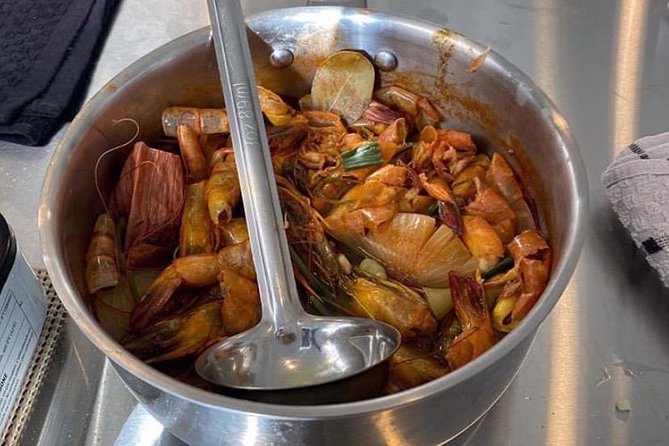
The sample menu calls for Shrimp étouffée, and by the time you get here, you’ve already done enough prep and roux practice to stay engaged. You’ll feel less like you’re starting from scratch and more like you’re building a full Cajun meal step by step.
One practical bonus: when the class moves quickly from dish to dish, you learn how to keep your workflow steady. That’s valuable at home, where cooking often fails because people lose track of timing.


Plating and sitting down: you eat what you cooked
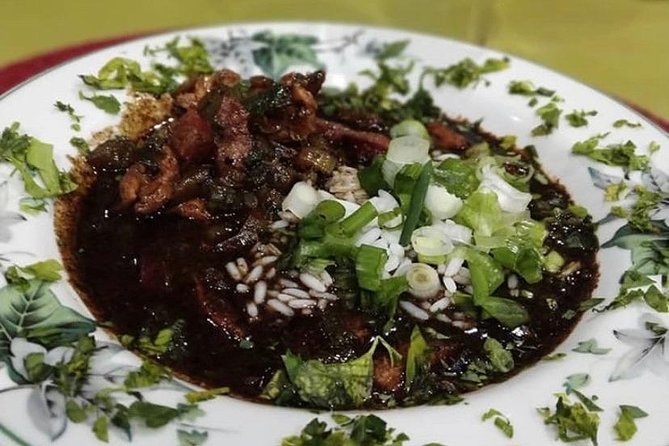
After you finish your cooking steps, you plate your meal and then dine. This matters because you get immediate feedback. You can taste the difference between what you did at the stove and what ended up on the table.
The class is structured so you don’t end up with food you didn’t actually make. Instead, you take part in the process enough that the meal feels personal. That’s why you’ll see so many people describe it as the best food they had all weekend. In a city packed with great meals, that kind of feedback usually points to one thing: the food tastes good because you made the decisions that affect it.
Also, the group setup helps here. With a small group and active participation, there’s usually enough to go around and plenty of tasks to keep people busy. Some feedback even mentions that there’s enough for everyone and that you stay working rather than waiting around.
Bananas Foster: the dessert lesson people remember
If there’s a moment that feels like a finale, it’s the last part: Bananas Foster. The class teaches a fool-proof way to make this dessert, and that line matters. Many people can cook savory dishes, but desserts are where confidence drops—especially when things need careful timing.
Bananas Foster is a crowd-pleaser because it’s warm, sweet, and the final presentation feels special. Even if you’re not a big dessert person, it’s the kind of dish that impresses at home without needing a fancy store-bought shortcut.
You’ll learn the method as part of the class flow, after the savory dishes are done. That timing is smart because it keeps your energy up. By dessert, you’re not exhausted—you’re excited to see the finished product, and you’re ready to apply what you learned about quick, controlled cooking.
Included wine (or soda) and how that shapes the experience
This class includes a first glass of wine or soda pop during the instruction. It’s a small detail, but it affects how the afternoon feels. The class isn’t rushed or sterile. It has a social, hosted vibe.
You should still treat the lesson like a cooking class first. The alcohol is a bonus, not the point. And because you’ll be working with heat and sharp tools early on, it’s best if you keep your focus during the roux stages.
Pricing: does $163.85 feel worth it?
At $163.85 per person for about 3 hours, this class is priced like a premium activity. The question is whether you get premium value beyond a meal.
Here’s where it pays off. You are not just eating out. You’re learning the technique behind two key dishes (dark roux gumbo and light roux shrimp étouffée) and then you’re making dessert. You’re also in a small-group format (max 10), so instruction and attention matter.
Most important: you leave with skills you can use at home. Many cooking classes end with you collecting recipes. This one ends with you understanding what the roux is doing and how to manage it. And since the dishes are the core Cajun comfort-food lineup, that skill has an immediate payoff.
If you enjoy hands-on travel experiences—where you take home a real ability—this is one of the best formats for your money. If you only want to taste and have someone cook for you, then it may feel like too much work. Luckily, the interactive style seems to be exactly what most people come for.
Who should book this class in New Orleans
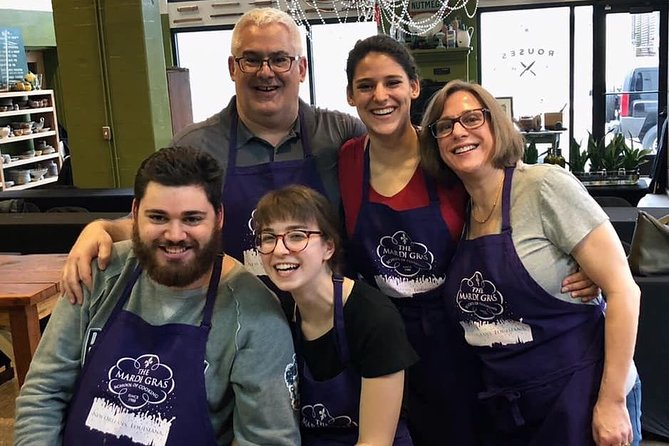
This class fits a wide range of travelers. Reviews point strongly toward couples, friends, and families. People have taken it with kids, including a 12-year-old who enjoyed jumping into the tasks. The small group setup helps here because everyone gets something to do.
You’ll especially enjoy it if:
- You want to learn roux technique, not just eat gumbo
- You like cooking as part of travel (not as an obligation)
- You’re going with a group and want a shared activity that ends with a proper meal
- You want a New Orleans activity that feels local in method, not just local in name
You might want to think twice if you dislike hands-on work or you’re hoping for a passive, sit-and-watch experience. This one is built around doing.
Practical notes: timing, meeting point, and what to plan for
Plan on about 3 hours. The class starts and ends at 519 Wilkinson St, so you can build your evening around it without needing complicated transit plans. It’s near public transportation, which is a relief in a city where parking and navigation can be a time sink.
Bring a good attitude and expect to participate. Based on instructor-led feedback, the teaching style tends to be patient and step-by-step, and many people mention that the process feels comfortable even if you don’t cook much at home.
Since the class is offered in English and includes a full menu with wine or soda, it’s also an easy win for mixed groups where not everyone wants the same kind of sightseeing.
Should you book the Cajun Roux Cooking Class?
Yes, if you want an active, skills-based New Orleans experience that ends with a meal you made yourself. This is the rare cooking class that seems to hit the sweet spot: small group, strong instruction, and dishes that are iconic for the city.
I’d book it especially if:
- You’re a foodie who wants to learn the why behind the taste
- You want a fun group activity that isn’t just trivia or a tour bus
- You’ve had great gumbo in New Orleans before and you now want to learn the method
Skip it (or consider another option) if you hate being hands-on, or if you’re looking for a purely viewing-based experience. Also, if you have strict dietary needs, check with the provider before you go since the menu is set around gumbo, shrimp étouffée, and Bananas Foster.
FAQ
How long is the Cajun Roux Cooking Class in New Orleans?
It runs for about 3 hours.
Where does the class start?
The meeting point is 519 Wilkinson St, New Orleans, LA 70130, USA.
What dishes will I learn to make?
You’ll learn gumbo, shrimp étouffée, and Bananas Foster (dessert).
Is wine included?
Yes. You’ll have included wine, or you can choose soda pop.
What is the group size?
The class has a maximum of 10 travelers.
What language is the class taught in?
The class is offered in English.
Is there a mobile ticket?
Yes, the tour includes a mobile ticket.
What is the cancellation policy?
Free cancellation is available if you cancel up to 24 hours in advance of the experience for a full refund. Changes made less than 24 hours before the start time aren’t accepted.