REVIEW · NEW ORLEANS
New Orleans: Cajun and Creole Cooking Class
Book on GetYourGuide →Operated by New Orleans School of Cooking · Bookable on GetYourGuide
Gumbo without the mess sounds perfect. This New Orleans Cajun and Creole cooking experience mixes a chef demo with a real sit-down meal in the heart of the French Quarter, inside a renovated early-1800s molasses warehouse. I like how it ties each dish to the stories of Louisiana food, and I also like that you leave with practical take-home material. The main catch: the name says cooking class, but expect watching and tasting more than hands-on cooking.
I also really like the value built into the price. You get a full 3–4 course lunch with local drinks like Dixie beer, plus iced tea and lemonade, and coffee for the 10 AM slot. You also get recipe copies so the day’s work doesn’t end when you leave the room.
Before you book, pick your day/time carefully, because the menu shifts. If you’re craving a specific dish like crawfish etouffee or red beans and rice, check the schedule so your lunch matches your mood.
In This Review
- Key Highlights You Should Know
- Entering a Molasses Warehouse in the French Quarter
- What Actually Happens: A Chef Demo, Not a Hands-On Class
- The Menu You’ll Eat: Gumbo, Jambalaya, Etouffee, Pralines
- 10:00 AM class highlights
- 2:00 PM class highlights
- Cajun vs Creole: Why the Stories Matter
- Lunch Included: Drinks, Coffee, and When to Start Snacking
- The Joe’s Stuff Store Stop: Recipes and Take-Home Value
- Is It Worth $40? Value That Holds Up
- Who Should Book This (and Who Might Want a Different Class)
- Should You Book the New Orleans Cajun and Creole Cooking Class?
- FAQ
- How long is the Cajun and Creole cooking class experience?
- Where do I check in?
- Is hotel pickup included?
- Is this hands-on cooking or more of a demonstration?
- What dishes are included?
- Does the price include the meal?
- What drinks are included during the class?
- Do I get recipes to take home?
- Is there free cancellation?
Key Highlights You Should Know
- French Quarter setting in a historic molasses warehouse built in the early 1800s
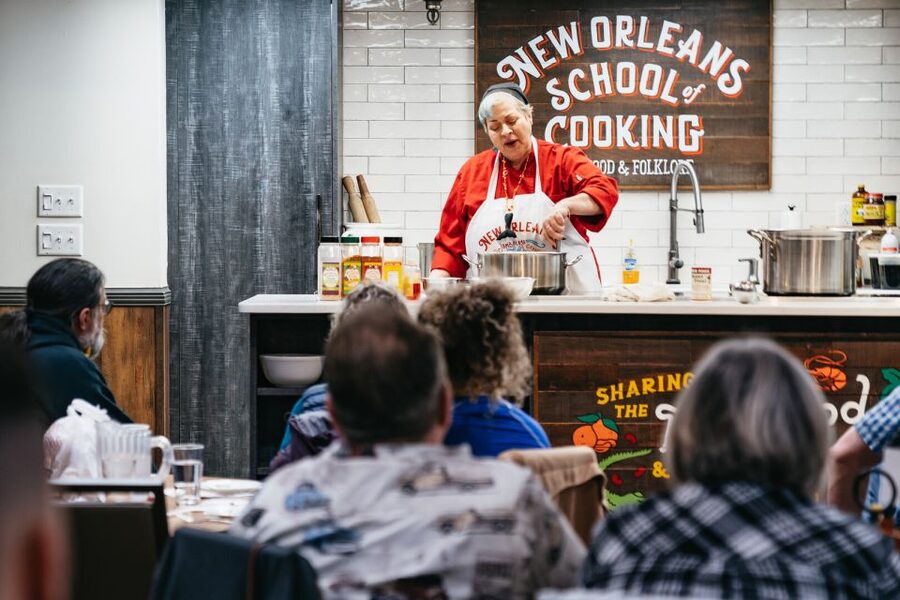
- Chef-led cooking demonstration where you learn as dishes are made, then eat what’s prepared
- Menus vary by day and session, with classics like gumbo, jambalaya, etouffee, and pralines
- Local drinks included, including Dixie beer plus iced tea and lemonade
- Take-home recipes and a general store coupon so you can recreate the flavors at home
Entering a Molasses Warehouse in the French Quarter
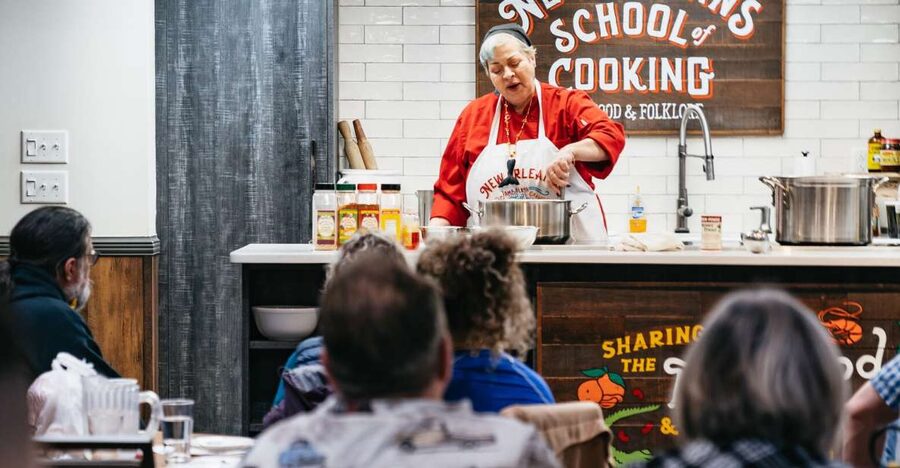
The biggest reason to book this is simple: you get New Orleans food culture without needing to plan a complicated day. The session happens in a renovated molasses warehouse from the early 1800s, and the vibe feels like the building itself has a story to tell. It’s also in the French Quarter, so you can make it your first anchor stop on a sightseeing day or slip it between other plans.
You meet at the New Orleans School of Cooking General Store. Plan to check in at the register, then take a quick look around before you’re seated. This is not just waiting around. The store is where you’ll spot the kind of items locals buy, including Joe’s Stuff Creole Seasoning, a name you’ll hear repeatedly among people who cook and people who visit.
A small practical point: since this is centered on one location and one schedule block, you don’t need transportation planning beyond getting there. Hotel pickup isn’t included, so build in time for walking, a short ride, or whatever you normally do in the Quarter.
You can also read our reviews of more tours and experiences in New Orleans.

What Actually Happens: A Chef Demo, Not a Hands-On Class
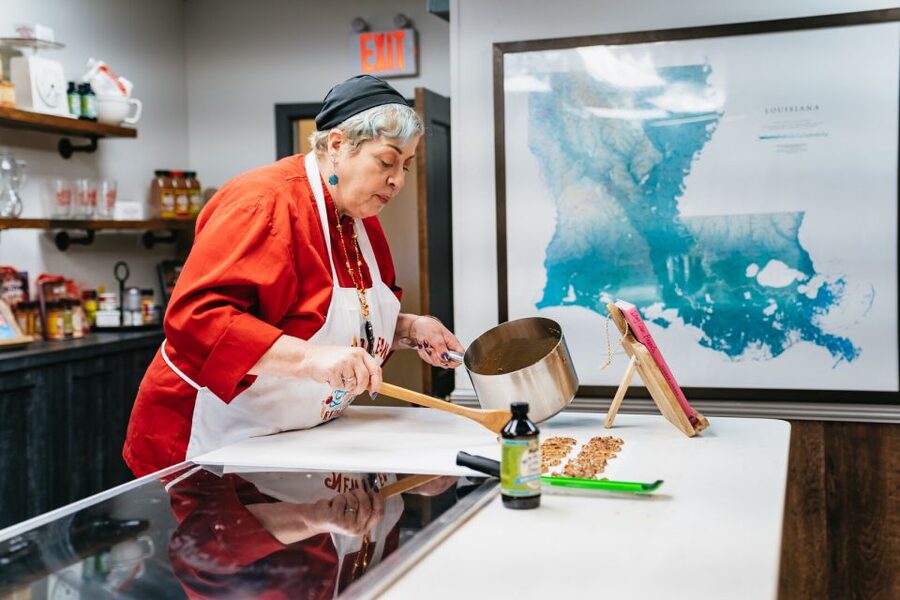
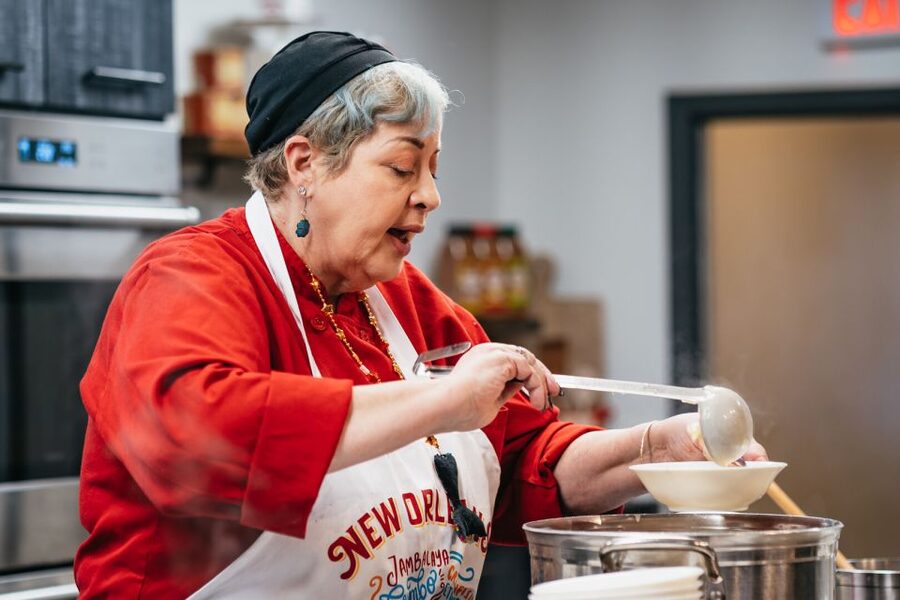
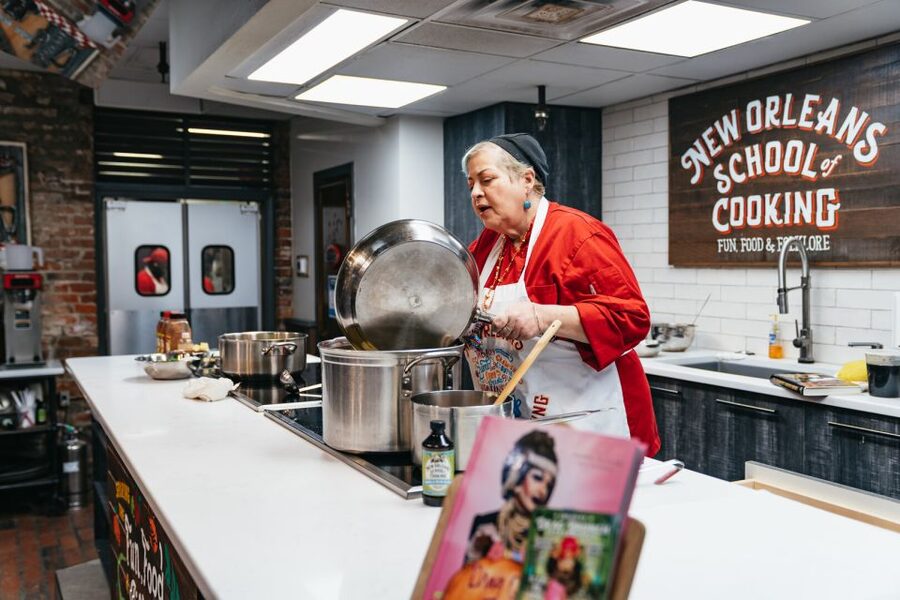
Let’s clear up the expectation early. The experience is designed around sitting back while the chef explains and prepares dishes. You’ll watch the cooking process, learn the logic behind it, and then eat the finished courses.
That’s why the class works well for lots of people. If you’re not trying to get flour on your shirt or chase a pot around a shared station, this is a smoother way to learn. It also means you’re more likely to see the full sequence of how gumbo thickens, how flavors layer in jambalaya, and how desserts like pralines get their texture.
One thing to note: a few guests pointed out the class name can be misleading. If you specifically want hands-on chopping and stirring, you may feel slightly disappointed. On the other hand, if your goal is to understand Cajun and Creole cooking and eat well while you’re at it, this setup is a strong fit.
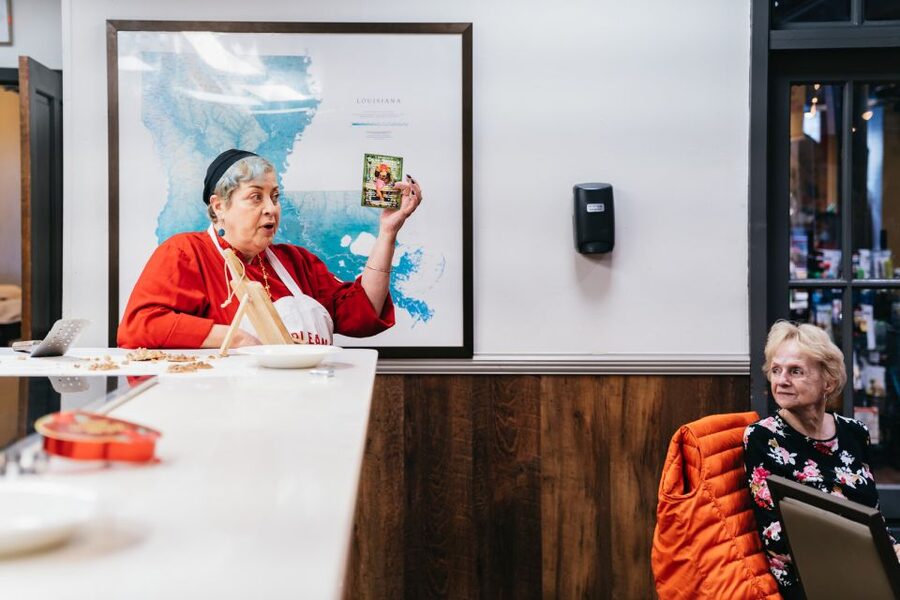
Chefs can have different personalities from day to day. You might get instructors like Austin, Lynn, Dianne Honoré (often called Gumbo Marie), Harriet, or Eric, and their style tends to be part technique, part storytelling. Expect questions too. Several sessions highlight that instructors will answer more than just the recipe steps.
The Menu You’ll Eat: Gumbo, Jambalaya, Etouffee, Pralines
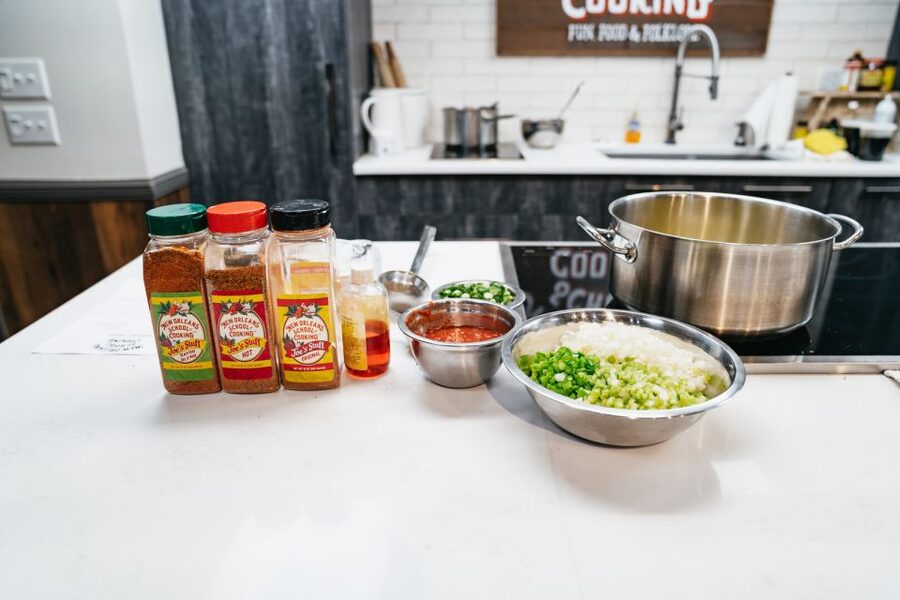
Your lunch menu depends on the day and whether you booked the 10:00 AM or 2:00 PM class. That’s not just trivia. It changes what you learn and what flavors you take home. If you’re the kind of person who has one Cajun or Creole dish you dream about, choose your time slot to match it.
Here’s the menu logic to keep in your head:
10:00 AM class highlights
- Saturday, Sunday, Wednesday: Gumbo, Jambalaya, Bread Pudding, and Pralines
- Monday: Gumbo, Red Beans and Rice, Pecan Pie, and Pralines
- Tuesday: Gumbo, Jambalaya, Bananas Foster, and Pralines
- Thursday: Corn & Crab Bisque, Shrimp Creole, Bananas Foster, and Pralines
- Friday: Crawfish Etouffee, Shrimp and Artichoke Soup, Bread Pudding, and Pralines
2:00 PM class highlights
- Saturday: Crawfish Etouffee, Shrimp and Artichoke Soup, and Pralines
- Sunday, Tuesday: Corn & Crab Bisque, Chicken Etouffee, and Pralines
- Monday, Thursday, Friday: Gumbo, Jambalaya, and Pralines
- Wednesday: Gumbo, Chicken Creole, and Pralines
Across both sessions, pralines show up repeatedly, which makes sense because they’re one of the most recognizable New Orleans desserts. Gumbo is also a centerpiece dish, and it’s the kind of recipe where the explanation matters just as much as the ingredients.
One more planning tip that’s based on what you’ll likely experience: portions are described as big. So don’t show up starving and then try to squeeze dinner plans right after. If you want to keep your day light, you’ll probably be eating your main meal here.
Cajun vs Creole: Why the Stories Matter
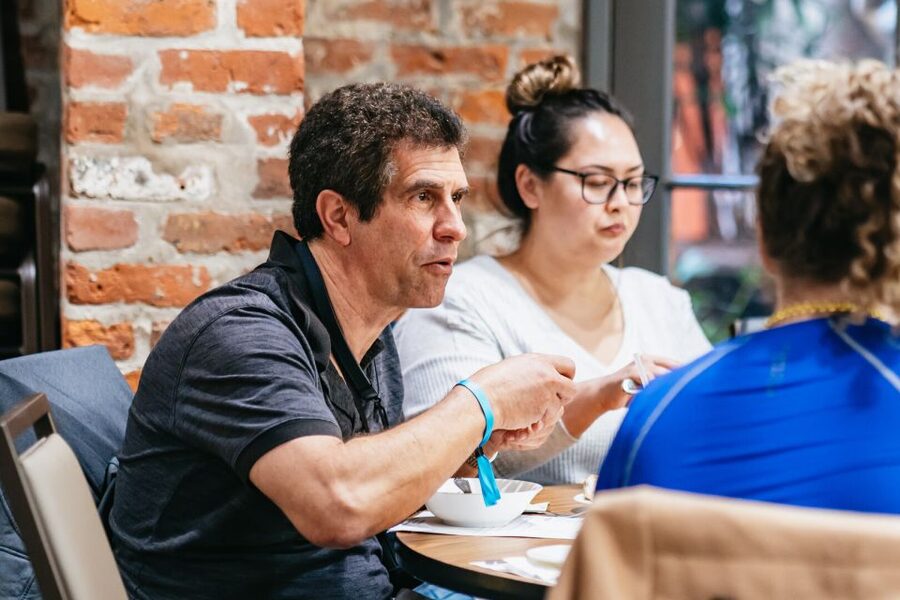
This isn’t just a food show. The chef instruction leans into the reasons behind Cajun and Creole cooking—how culture, ingredients, and local traditions shape the dishes on your plate.
You’ll hear about Louisiana food folklore and culinary heritage in the way people actually connect it at the table: where certain dishes fit, how flavors evolved, and why the seasonings and techniques matter. It’s the difference between repeating a recipe and understanding what that recipe is trying to do.
You’ll also learn how the dishes connect to everyday New Orleans life. That connection is part of what makes this experience more than a single meal. For example, seeing gumbo explained in detail helps you understand it as a process, not just a pot of ingredients. Watching how jambalaya builds flavor helps you stop thinking of it as rice with stuff mixed in, and start thinking of it as a method.
If you’re shopping afterward, this story layer pays off. It’s easier to choose Cajun and Creole seasonings when you understand what they’re there to do.
Lunch Included: Drinks, Coffee, and When to Start Snacking
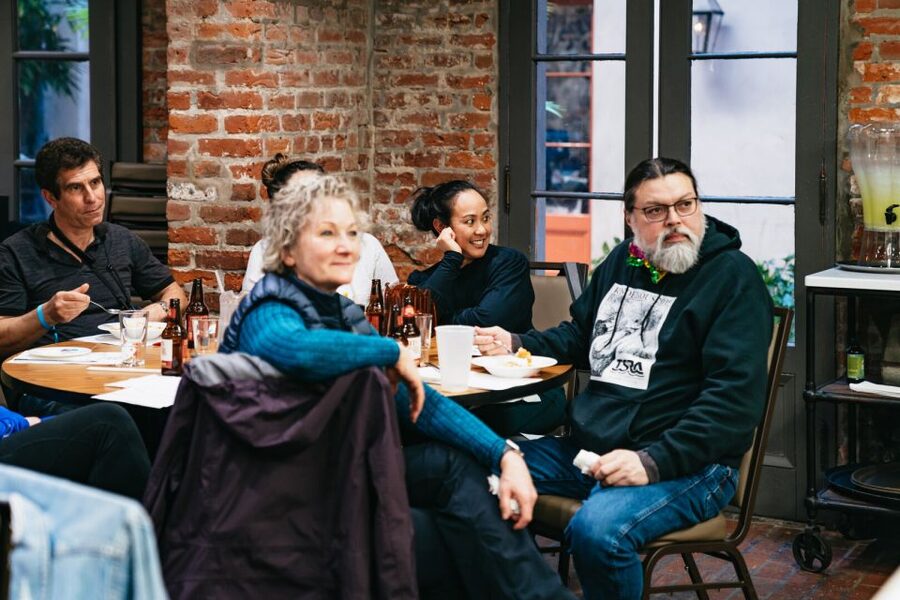
The meal is built into the experience. You’ll get a 3 or 4-course Cajun and Creole meal that matches what the chef is preparing. It’s not a small tasting plate situation, and that’s one reason the price feels reasonable.
Included drinks make a difference too. You’ll have Dixie beer, plus iced tea and lemonade. If you’re booking the 10 AM class, hot coffee is included as well.
Two practical notes before you go:
- Don’t bring your own drinks. The activity lists drinks as not allowed, so plan on the included refreshments.
- Show up ready to eat. A lot of people leave fully satisfied, so try not to plan a full dinner immediately afterward.
The Joe’s Stuff Store Stop: Recipes and Take-Home Value
One of the most practical parts of the day comes at the end. You’ll receive recipe copies, which makes this much more than a memory-based food experience. With the recipes in hand, you can recreate gumbo, jambalaya, pralines, and the other dishes from your session without guessing.
You also get a coupon to use in the general store. That matters because the store is the easiest place to buy items you’ll want at home. It’s also where you can pick up the kind of seasoning that’s hard to substitute without knowing the profile you’re aiming for.
So think of this as two trips in one: the demo and meal during the class, then a focused shopping stop when you leave. Even if you don’t buy anything, it helps you see what people actually stock in a New Orleans kitchen.
And if you’re traveling with food concerns, you should ask at the store or during the session. There are examples of chefs providing different options for shellfish allergy, and one guest mentioned a very good veggie alternative. The safest move is to confirm what can be accommodated when you book.
Is It Worth $40? Value That Holds Up
At $40 per person for about 150 minutes, you’re paying for three things at once: instruction, lunch, and take-home materials. The cost starts making sense when you compare it to the price of just eating well in the French Quarter plus paying for a cooking-focused activity.
A big part of the value is that you’re not left on your own after the demo. You eat what’s made, then you leave with recipes and a store coupon. That’s how you turn a fun afternoon into something you can repeat.
Also, the format is efficient. Because you’re watching, the chef can cover a lot in a short time, and you’re not waiting for individual stations or supplies. It’s a good fit when you want New Orleans food insight without committing your whole morning or taking on a hands-on task.
If the idea of mostly watching bugs you, consider that drawback up front. But if you want a relaxed, flavorful introduction to Cajun and Creole cooking, this is a strong use of time.
Who Should Book This (and Who Might Want a Different Class)
This experience is ideal if you:
- Want a structured introduction to Cajun and Creole food
- Like learning through real meals, not just tasting
- Prefer watching a chef explain the process instead of doing the cooking yourself
- Want something easy to fit into a French Quarter itinerary
It might not be the best match if you:
- Came specifically for hands-on cooking and mixing
- Need a completely quiet setting to follow details (some people noted sound clarity could be better)
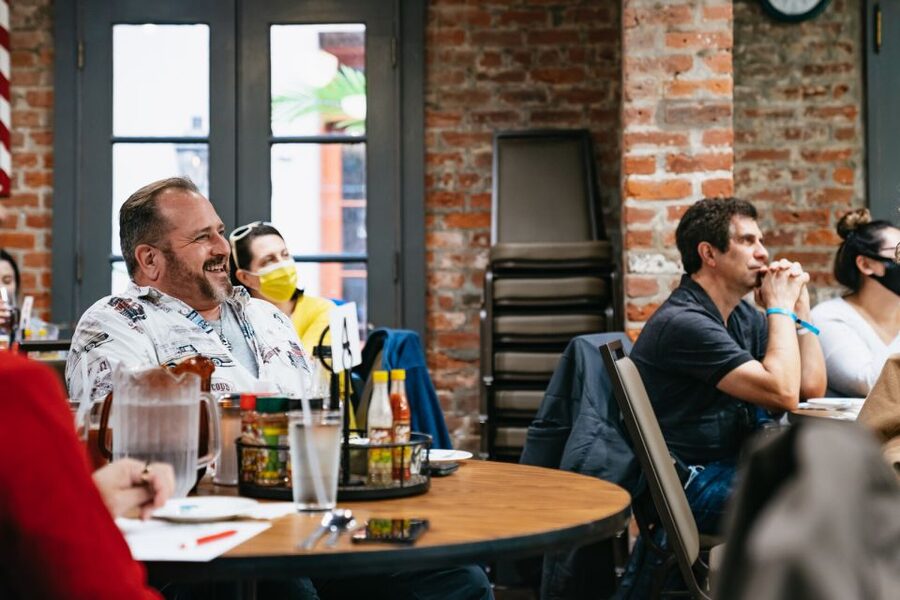
One more practical fit check: if you’re traveling with teens or a mixed-age group, this tends to land well because it’s interactive through Q&A and storytelling, while still being mostly sit-and-watch. It’s also a nice first-food stop because it sets your expectations for what to look for later in New Orleans.
Should You Book the New Orleans Cajun and Creole Cooking Class?
If your goal is to eat a memorable New Orleans lunch while learning the logic behind Cajun and Creole classics, I’d book it. It’s a smart way to get local flavor, a historic setting, and real take-home recipes in one go.
Before you commit, do two things:
- Choose your session based on the dishes you care about most, since gumbo, jambalaya, etouffee, and other plates change by day.
- Go in knowing it’s primarily a chef demonstration. If you want to cook, bring that expectation, because you’ll spend your time learning and tasting, not chopping.
If that sounds like your kind of afternoon, this is a very solid value in the French Quarter.
FAQ
How long is the Cajun and Creole cooking class experience?
The duration is listed as 2 hours to 150 minutes, depending on the session and timing.
Where do I check in?
Enter the New Orleans School of Cooking General Store and check in at the register.
Is hotel pickup included?
No. Hotel pickup and drop-off are not included.
Is this hands-on cooking or more of a demonstration?
The experience is described as a chef preparing dishes while you sit back and watch, followed by eating the finished products. A few people also note that it is more of a demonstration than hands-on cooking.
What dishes are included?
The dishes depend on the day and class time. Common options include gumbo, jambalaya, red beans and rice, etouffee (crawfish or chicken), corn and crab bisque, shrimp creole, shrimp and artichoke soup, and desserts such as pralines, bread pudding, pecan pie, or bananas foster.
Does the price include the meal?
Yes. The experience includes a 3 or 4-course Cajun and Creole meal.
What drinks are included during the class?
Included drinks are Dixie beer, iced tea, and lemonade. Hot coffee is included for the 10 AM class only.
Do I get recipes to take home?
Yes. You receive copies of the recipes, plus a coupon to use in the general store.
Is there free cancellation?
Yes. You can cancel up to 24 hours in advance for a full refund.