REVIEW · NEW ORLEANS
New Orleans Demonstration Cooking Class with Meal
Book on Viator →Operated by New Orleans School of Cooking · Bookable on Viator
Louisiana food lore, served with a meal. This New Orleans cooking demonstration pairs a lively chef with hands-on-in-spirit learning, all inside a converted 19th-century molasses warehouse with Creole classics on full display.
I love the generous sampling. You sit down to a full meal worth of tasting: starter, multiple mains, and several desserts. I also love how the chef explains the why behind the techniques, especially the building blocks like roux and spice blends.
One thing to consider: this is a bigger classroom setting, with a maximum group size of 68. If you want a quiet, front-row listening experience, you may find it a touch harder to hear when the room gets loud.
In This Review
- Key Things You’ll Notice Right Away
- A Fun Way to Get Fluent in New Orleans Food
- Walking Into the New Orleans School of Cooking on St Louis St
- Stop 1: The Demonstration That Teaches the Real Louisiana Basics
- The dishes you’ll watch (and then eat)
- Stop 2 and the French Quarter Connection
- The Menu: What You’ll Actually Sample at Dinner Time
- How spice works here (and why your plate might taste different than you expect)
- Drinks Included: Beer, Iced Tea, and Coffee
- Recipes to Take Home, Plus a Diploma by Photo
- Cajun vs Creole: The Food Difference You Can Explain After This Class
- What Dietary Changes Actually Look Like Here
- Price and Value: Why $43 Feels Fair for What You Get
- Group Size and Hearing: The Trade-Off You Should Expect
- Weather, Minimum Travelers, and Other Reality Checks
- Should You Book This New Orleans Cooking Demo?
- FAQ
- Is this class hands-on cooking, or a demonstration only?
- How long is the New Orleans Demonstration Cooking Class?
- What is included in the meal and drinks?
- What dishes are on the sample menu?
- Can dietary restrictions be accommodated?
- Are the vegan or gluten-free substitute dishes demonstrated during the class?
- Do you get recipes to take home?
- What is the diploma tied to?
- Where does the class start?
Key Things You’ll Notice Right Away
- Converted 19th-century molasses warehouse setting that makes the class feel like a real New Orleans hangout
- Roux and seasoning lessons you can actually repeat at home, not just a show-and-tell
- A full meal tasting that goes beyond one dish, with starters, multiple mains, and several desserts
- Complimentary drinks including one local beer plus iced tea, coffee, and water
- Take-home recipes and a home-dining diploma (submit photos after cooking)
- Dietary substitutions with limits: a $5 upgrade can provide vegan, gluten-free, nut-free z’herbes options, but the day’s demo recipes still won’t fully swap
A Fun Way to Get Fluent in New Orleans Food
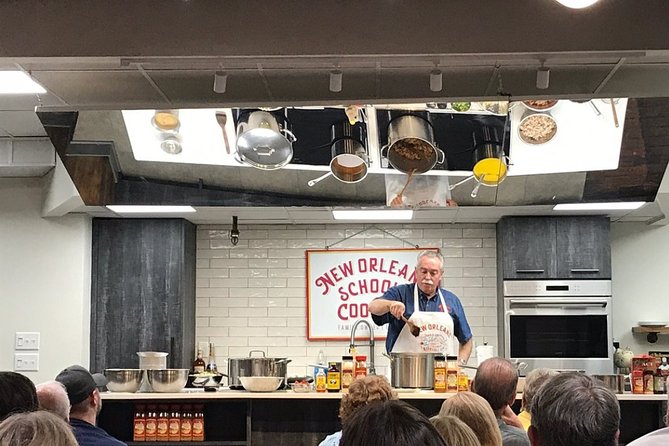
If you like the idea of learning while eating, this is a great fit. You’ll watch classic New Orleans dishes get made in real time, then you’ll sit down and enjoy generous samples of what you saw. It feels like getting the local-food story told to you in plain language, not through fancy theory.
The vibe is part class, part meal, part performance. You’ll get a chef who talks through history and technique while still keeping the focus on what ends up in your bowl. That mix is why it’s hard to leave with only a few facts you forgot by tomorrow.
The best part for me is how practical it is. You’re not just tasting food; you’re learning why it works—especially the rhythm of Louisiana cooking, where timing, heat control, and seasoning matter as much as ingredients.
You can also read our reviews of more tours and experiences in New Orleans.
Walking Into the New Orleans School of Cooking on St Louis St
The experience starts at the New Orleans School of Cooking at 524 St Louis St. The space is a converted warehouse, so you get that sturdy, industrial feel that suits the food style: hearty, warm, and unfussy.
This is also a location that works well with a day in the city. If you’re already planning to spend time in the French Quarter, you can treat this class like your scheduled anchor meal. You’ll likely finish still thinking about food, which is exactly the point.
You should expect a true demonstration format. This is not hands-on cooking training, so you’ll be watching and sampling rather than stirring a pot yourself. That said, you still walk away with the recipes and the technique explanations, which is where the value really lands.
Stop 1: The Demonstration That Teaches the Real Louisiana Basics
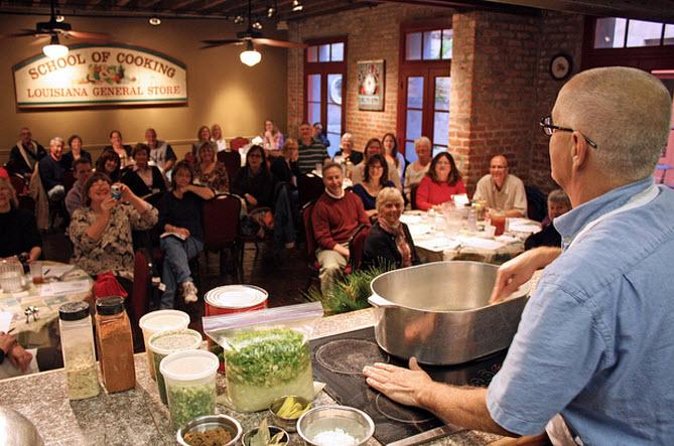
Stop 1 is where the learning happens. You’ll sit with other food fans, watch the chef prepare classic dishes, and hear the story behind Cajun and Creole cooking as it relates to Louisiana’s cultural mix. The chef doesn’t just recite history; they connect it to what’s in the pan.
A highlight here is the emphasis on technique—especially roux. You’ll hear how roux functions as a thickener and flavor foundation, and why getting the color and consistency right matters. Even if you never cook gumbo at home today, you’ll still understand the structure behind it.
You’ll also get a clear sense of the spice approach. Louisiana cooking is not just “spicy for spicy’s sake.” The flavor profile comes from seasoning layers, timing, and how spices bloom during cooking. The chef’s explanation helps you avoid the common mistake of dumping seasoning late and wondering why the dish tastes flat.
The dishes you’ll watch (and then eat)
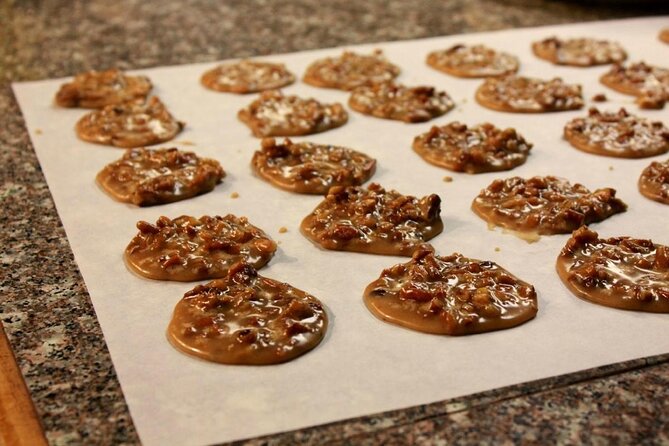
The menu can vary by day, but the common classics include gumbo, jambalaya, and often one of the Louisiana favorites like crawfish etouffee or related creole seafood dishes. You may also see bread pudding and pralines featured as desserts.
As the chef prepares the dishes, you’ll hear little practical nuggets—like what to watch for when the pot is changing (thickening, reducing, and balancing flavors). If you’ve ever tried to recreate gumbo at home and felt lost, this is the kind of structure that helps you improve the next attempt.
Stop 2 and the French Quarter Connection
Your itinerary includes a stop in the French Quarter area. The class meeting point is the cooking school, then you shift to the French Quarter zone as part of the overall experience flow.
Why does this matter? New Orleans food doesn’t live in a vacuum. Even if you only get a shorter window here, linking the meal story to the neighborhood helps you feel the setting. You’re not just collecting recipes; you’re also picking up cultural context that makes the dishes make more sense when you see the city around you afterward.
A practical note: when part of the day involves the French Quarter zone, it’s smart to plan for typical city movement after the class. Wear comfortable shoes and give yourself a little time buffer so you’re not rushing to fit this into a tight schedule.

The Menu: What You’ll Actually Sample at Dinner Time
This is one of those classes where you leave fed. The sample menu you can expect includes a full lineup:
- Starter: corn and crab bisque
- Main: gumbo
- Main: jambalaya
- Main: shrimp or chicken creole
- Main: crawfish etouffee
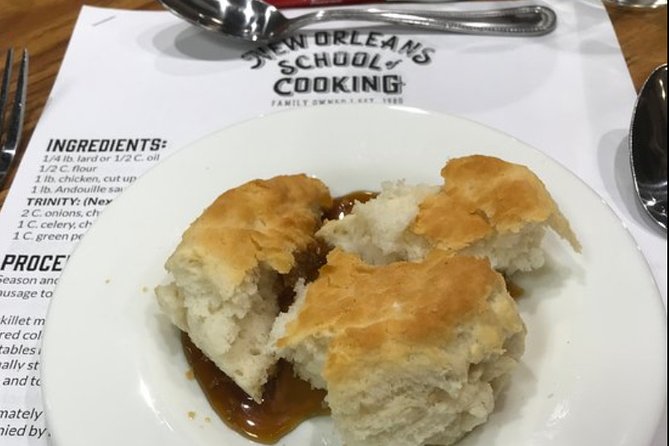
- Desserts: bread pudding, bananas foster, pralines, and pecan pie
Yes, that’s a lot. And no, you won’t get only one tiny plate. The class includes a generous sampling of all the items prepared.
That matters because Louisiana meals are built around variety. You don’t taste one thing and call it done. You taste the structure—thick, saucy, savory—and then you taste the sweet side that rounds out the whole meal.
How spice works here (and why your plate might taste different than you expect)
If you’re the type who wants heat right away, keep this in mind: the base dishes may not be served as super hot. The idea is that you can adjust flavors to your preference.
So if you know you like heat, ask what you can add or how the table is set up for seasoning. And if you’re cooking at home later, the chef’s focus on technique and seasoning layers is the real takeaway. When you recreate the dishes, you’ll get much closer to the flavor you love by learning the method rather than only chasing spice level.
Drinks Included: Beer, Iced Tea, and Coffee

The meal includes coffee, iced tea, water, and one local beer. That’s a smart inclusion because it turns the class into a true lunch or early dinner experience, not a snack with extra explanation.
You’ll also get to slow down after the demo and really enjoy what you watched. This is where people tend to relax, ask more questions, and start comparing what they liked most across the gumbo, jambalaya, and the seafood dishes.
If you don’t want beer, iced tea and coffee are also included, and you still get that full meal flow.
Recipes to Take Home, Plus a Diploma by Photo
One of the most useful parts is that you don’t just get recipes on paper. You get a copy of class recipes, and there’s also a home-dining diploma challenge.
The process is simple: you cook using the recipes at home, then submit photos to earn the diploma. That turns the class from entertainment into a plan.
Why I like this model: it forces you to do at least one follow-up meal. And with Louisiana dishes, repetition is everything. Gumbo and etouffee improve with comfort in timing, taste checks, and how you build flavors. Having the recipes after your learning session makes that practice real.
Cajun vs Creole: The Food Difference You Can Explain After This Class
You’ll hear about the melting pot that shapes Louisiana cuisine, including the difference between Cajun and Creole cooking. The chef typically breaks it down through examples you see and eat.
Here’s what to look for while you’re listening:
- How the dish’s base flavors guide the style
- How seasoning and cooking technique create different results
- How cultural influences show up in what becomes a signature dish
Even if you never cook “from scratch” again, being able to say what makes Cajun feel different from Creole helps you order with confidence when you’re eating out later.
What Dietary Changes Actually Look Like Here
Dietary restrictions can be tricky in cooking demos, because the day’s main dishes are already in motion. This class does offer substitutions, but there are limits.
If you need help, there’s an option involving a $5 up charge payable at check-in. With that, you receive gumbo z’herbes (soup) and creole z’herbes (entree) substitutes that are vegan, gluten-free, and nut-free. Important detail: these meals are not demonstrated during the class. They’re discussed, and you get a copy of the recipes.
Also, substitutions aren’t applied to the exact recipes being prepared during the demo, so you might receive the soup but not the entree depending on your specific needs. When you arrive, let the stewards know your dietary restrictions so they can direct you to the right substitution plan.
If you’re planning ahead, this is a good class to contact reservations line after booking to confirm what will work for you.
Price and Value: Why $43 Feels Fair for What You Get
At $43 per person, this is priced like a fun food experience, but the value comes from how much you receive.
What you’re getting for that price:
- A full cooking demonstration (not hands-on)
- A generous sampling of multiple dishes, including several desserts
- Drinks included: one local beer plus coffee, iced tea, and water
- Recipe handouts to take home
- The chance to earn a home-cooking diploma via photo submission
If you’re comparing it to typical New Orleans meals out, this pricing can make sense because you’re getting a whole menu’s worth of tasting. And because it’s structured around learning technique and history, you’re not just eating. You’re also leaving with a plan for what to recreate.
The other value piece is efficiency. You get a lot of food and information in about two hours. In a city where time can disappear fast, that kind of tight experience feels practical.
Group Size and Hearing: The Trade-Off You Should Expect
The class has a maximum of 68 people. That’s great for meeting fellow food lovers. It’s less great if you crave an intimate classroom feel.
In a larger group, you’re more likely to hear best when you’re seated closer to the front or facing the presentation area. If you’re sensitive to noise, consider bringing a pair of earplugs. It can make the difference between enjoying the stories and constantly asking what someone said.
Also remember: this is a demonstration. You’re watching, tasting, and asking questions, not cooking at a station. So if what you want is hands-on practice, you’ll need to look for a different type of class.
Weather, Minimum Travelers, and Other Reality Checks
This experience is weather-dependent, so if conditions are poor, you’ll be offered a different date or a full refund. It also runs only if a minimum number of travelers is met. In both cases, the provider handles it by adjusting dates or refunding.
This is also the kind of activity that fits well into a light afternoon or early evening schedule. The key is to treat it as your food anchor rather than something you tack on last minute.
Should You Book This New Orleans Cooking Demo?
Book it if:
- You want a classic Creole-focused meal paired with technique you can use at home
- You like structured, entertaining instruction more than hands-on cooking stations
- You want a high-value break during a busy New Orleans trip, with lots of tasting and drinks included
- You’re excited by the idea of gumbo, jambalaya, etouffee, and New Orleans sweets like bread pudding and pralines
Skip or reconsider if:
- You hate large group settings and want a quiet, low-noise experience
- You specifically want hands-on cooking practice (this is a demonstration only)
- You need very specific substitutions for the exact dishes being demonstrated, since substitutions are limited and the demo dishes may not be fully swapped
If you’re deciding between a basic food tour and a cooking-style experience, this one makes a strong case. You leave with a full plate in your memory and a recipe stack you can actually use.
FAQ
Is this class hands-on cooking, or a demonstration only?
It is a demonstration class only. You watch the chef prepare the dishes and then eat generous samples. There is no hands-on training.
How long is the New Orleans Demonstration Cooking Class?
The duration is about 2 hours.
What is included in the meal and drinks?
You get coffee, iced tea, water, and one local beer, plus a full meal with generous sampling of the items prepared.
What dishes are on the sample menu?
The menu may include corn and crab bisque, gumbo, jambalaya, shrimp or chicken creole, crawfish etouffee, bread pudding, bananas foster, pralines, and pecan pie.
Can dietary restrictions be accommodated?
Yes, dietary restrictions can be accommodated. You can call the reservations line after booking. There is a $5 up charge at check-in for gumbo z’herbes and creole z’herbes substitutions that are vegan, gluten-free, and nut-free.
Are the vegan or gluten-free substitute dishes demonstrated during the class?
No. Those substitutions are not demonstrated, but they are discussed and you receive a copy of the recipes.
Do you get recipes to take home?
Yes. You receive a copy of the class recipes.
What is the diploma tied to?
You can receive a diploma by submitting photos from cooking the recipes at home.
Where does the class start?
It starts at the New Orleans School of Cooking at 524 St Louis St, New Orleans, LA 70130, USA, and ends back at the meeting point.