REVIEW · NEW ORLEANS
Hands-on Cajun Traditions Cooking Class
Book on Viator →Operated by The Mardi Gras School of Cooking · Bookable on Viator
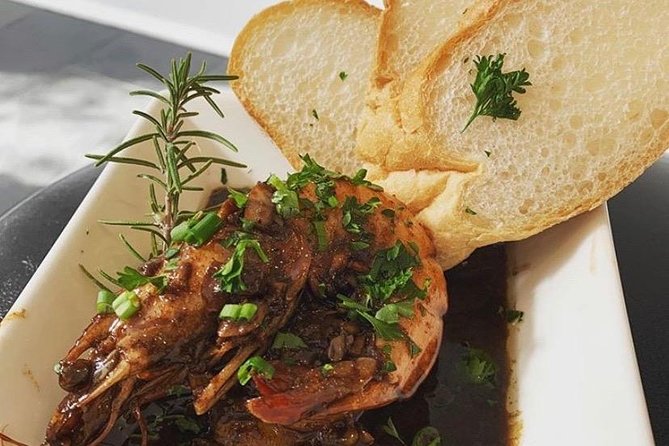
Three Cajun courses, cooked in one lively sitting. This hands-on class at The Mardi Gras School of Cooking has you working side-by-side with a chef as you make a New Orleans traditions menu: barbecue shrimp, chicken-andouille sausage jambalaya, and chocolate bread pudding. I especially love the step-by-step techniques that help you cook with confidence, and I love the way the chef brings in the story behind Louisiana’s food while you’re cooking. One thing to consider: recipe delivery can be hit-or-miss, with at least one person saying they were still waiting for recipes after the class.
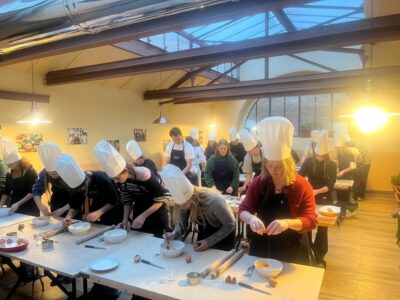
The class runs about 3 hours and keeps the group small, max 10 travelers, so you’re not just watching. You’ll start at 519 Wilkinson St, New Orleans, LA 70130 and it ends back there too, with instruction in English and a mobile ticket. Chefs like Mark, Raymond, Jason, Erika, Preston, and David come through these classes, and the common thread is clear teaching plus friendly conversation during the cooking.
In This Review
- Key Highlights You’ll Care About
- Cajun Comfort Food You Can Actually Recreate
- What makes this feel different from a typical food tour
- What You’ll Cook: Shrimp, Jambalaya, and Bread Pudding
- Starter: New Orleans-style barbecue shrimp
- Main: Chicken and andouille sausage jambalaya
- Dessert: Chocolate bread pudding with brandy mocha sauce
- The Chef’s Teaching Style: Technique Plus Stories
- Practical cooking skills you can carry home
- The Mardi Gras School Kitchen: Small Details That Make It Easier
- Group size (max 10) is more than a number
- Price and Value: Is $163.85 Worth It?
- What you get for the price
- Why it may cost more than you expect
- Where you should be cautious
- Who This Cajun Class Fits Best
- Consider this if…
- Practical Tips for Your Day at 519 Wilkinson St
- Should You Book This Cajun Cooking Class?
- FAQ
- How long is the Cajun traditions cooking class?
- Where does the class start?
- Does it end at the same place?
- What will I cook in the class?
- How many people are in a group?
- Is the class offered in English?
- Do I need a printed ticket?
- Is it near public transportation?
- How far in advance do people usually book it?
- Can I cancel for a full refund?
Key Highlights You’ll Care About
- Small group size (max 10) keeps it truly hands-on, not a demo
- Three-course menu means you cook starter, main, and dessert
- Local chef storytelling adds context while you’re learning seasoning and technique
- Clear pacing helps you keep up without feeling rushed
- Clean, organized kitchen setup makes the experience feel smooth from start to finish
Cajun Comfort Food You Can Actually Recreate
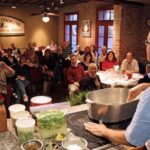
If you want Cajun food with real technique behind it, this is a strong choice. You’re not just sampling. You’re making the food, with guidance, in a kitchen designed for teaching.
The experience lasts about 3 hours, which is long enough to learn more than one thing, but short enough to fit into a busy New Orleans day. A lot of the value comes from that pacing: you’ll get structured instruction, then you’ll practice right away while the chef is still there to correct small issues like seasoning balance, timing, and workflow.
You’ll meet at 519 Wilkinson St and return there at the end. Since it’s near public transportation, it’s easier to weave into your day than tours that force you into long rides or complicated transfers.
You can also read our reviews of more tours and experiences in New Orleans.

What makes this feel different from a typical food tour
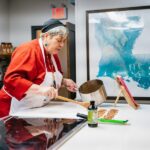
This class focuses on method. The best moments tend to happen while you’re actively cooking: chopping, seasoning, stirring, checking doneness, and learning when to slow down and when to move faster. That’s what makes the skills useful later at home.
And because the group is capped at 10, questions don’t get swallowed by the crowd. You get real back-and-forth, including tips that go beyond the specific recipes on the menu.
What You’ll Cook: Shrimp, Jambalaya, and Bread Pudding
You’ll cook three Cajun-style courses that map well to both flavor and technique. The menu is straightforward on paper, but the “how” is where you’ll pick up skills you can reuse.
Starter: New Orleans-style barbecue shrimp
This is your kickoff course, and it’s a great way to learn Cajun-style seasoning and sauce building. You’ll work on getting the flavor right for shrimp—think heat control, seasoning choices, and the timing that keeps shrimp tender instead of overcooked.
A recurring theme in the chef-led classes is that the sauce is the star. You’re not just dumping ingredients and hoping. You learn the sequence and what to watch for so the sauce tastes balanced rather than flat.
Main: Chicken and andouille sausage jambalaya
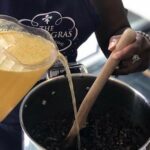
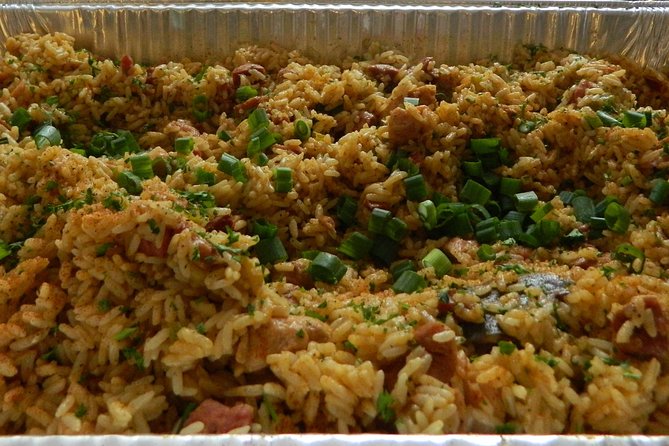
Jambalaya is the whole reason people fall for Louisiana food in the first place. Here, you get to learn how the mix comes together: how sausage flavor carries through, how chicken fits into the process, and how to manage the overall cook so it comes out hearty and cohesive.
This is also a classic dish for learning the practical side of cooking:
- timing matters
- seasoning matters
- stirring and heat management matter
You’ll leave with a working understanding of how to repeat the dish rather than just remembering a list of ingredients.

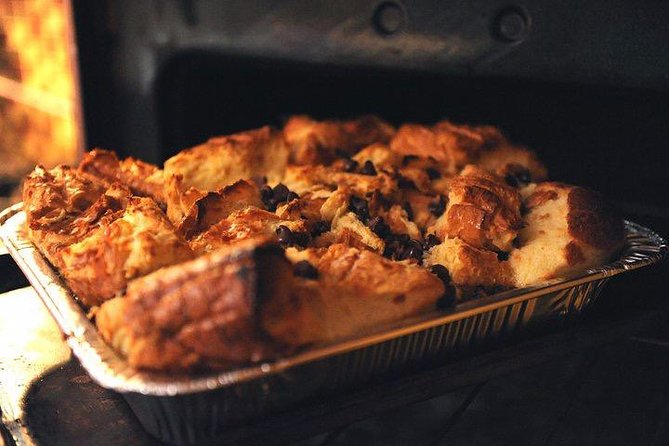
Dessert: Chocolate bread pudding with brandy mocha sauce
Bread pudding is comfort food, but it’s also a technique test. You’ll learn how to build the right texture and how to keep it from turning dry or gummy.
The brandy mocha sauce adds another layer, and it teaches you a useful lesson: dessert can be sauce-driven, not just baked. Some classes also encourage small ideas from the room, which can lead to tweaks like adding extra chocolate before baking—exactly the kind of detail you’ll want for next time at home.
And yes, you’ll eat what you make. The format is built around leaving with both skills and a full stomach.
The Chef’s Teaching Style: Technique Plus Stories
What you’re really buying here is coaching. Chefs for these sessions—often including Mark, Raymond, Jason, Erika, Preston, and David—tend to teach in a way that keeps you moving without chaos.
From the teaching approach described across sessions, you can expect:
- step-by-step instruction
- patience when someone is unsure
- encouragement to keep going
- history woven into the cooking, not tacked on at the end
That history angle matters more than it sounds. When you learn why certain flavors became common in Louisiana kitchens, the recipes start to make sense. Seasoning secrets stop feeling random and start feeling like a system.
Practical cooking skills you can carry home
Even when the menu stays the same each time, what you’ll likely walk away with is broader. Many cooks come out of classes like this with better instincts: when to adjust seasoning, how to handle timing, and how to think about prep so cooking goes smoother later.
If you care about knife skills, timing, and general method, this is the type of class that tends to deliver those basics in context. You’re practicing them while making real dishes, not doing them as abstract drills.
The Mardi Gras School Kitchen: Small Details That Make It Easier
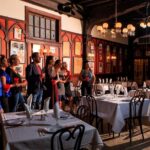
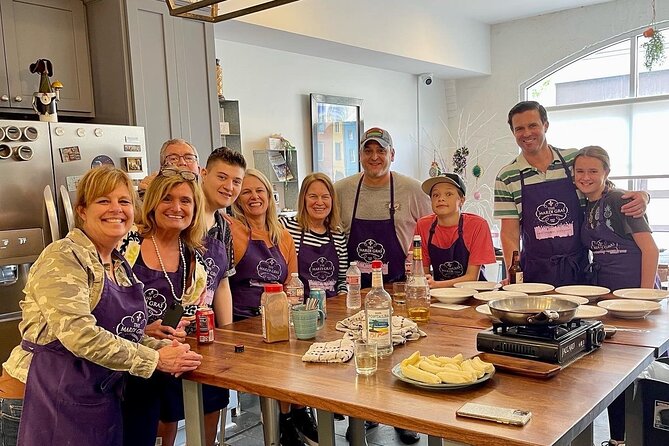
The classroom and kitchen setup is part of why this class works. You’re cooking in a space described as bright, clean, and organized, with instruction handled in a step-by-step flow.
That matters because cooking classes can go one of two ways:
1) A relaxed, instructional pace where you can focus.
2) A crowded scramble where you feel behind.
Here, the feedback points toward a steady pace that helps you keep up, plus good attention to prep work so you’re not wasting time.
Group size (max 10) is more than a number
A small group also changes the vibe. You’ll have time to talk with classmates while working, and you’ll get more chances to ask questions. This is a solid “food-first social” activity in New Orleans.
It’s also a good pick if you don’t want a long formal dinner vibe. You’re in an active setting where conversation flows naturally because everyone is working on the same goal.
Price and Value: Is $163.85 Worth It?
At $163.85 per person, you’re paying for more than a meal. You’re paying for a guided, hands-on cooking session that includes a full three-course menu and professional-style instruction.
Here’s how I’d judge the value for your money:
What you get for the price
- A chef-led class with hands-on cooking
- Starter, main, and dessert you prepare and eat
- A small group environment (max 10) that supports questions
- Technique and seasoning guidance that helps you repeat dishes later
Why it may cost more than you expect
Cooking classes cost more than casual dining because the chef is teaching in real time, and the kitchen time has a limit. You’re also getting a structured experience, not just ingredients and recipes.
Where you should be cautious
One possible snag is recipe delivery. At least one person mentioned not receiving recipes yet after the class. So if you’re the type who plans to recreate meals immediately, it’s smart to be ready for the fact that the written recipes might not show up instantly.
Who This Cajun Class Fits Best
This is a great match when you want:
- hands-on food learning, not just tasting
- a social activity where you talk while you cook
- a structured introduction to classic Cajun dishes
It also tends to work well for small groups and couples. Some classes included families with kids (including an 11-year-old), and the overall setup is built around step-by-step teaching, which helps.
Consider this if…
- You prefer a quick bite over a full cooking session: this is 3 hours
- You need a private, quiet experience: the group can be up to 10
- You want strict dietary control: the class reportedly accommodated some minor food restrictions, but the specifics weren’t laid out in the tour details you provided, so it’s smart to ask directly before you go
Practical Tips for Your Day at 519 Wilkinson St
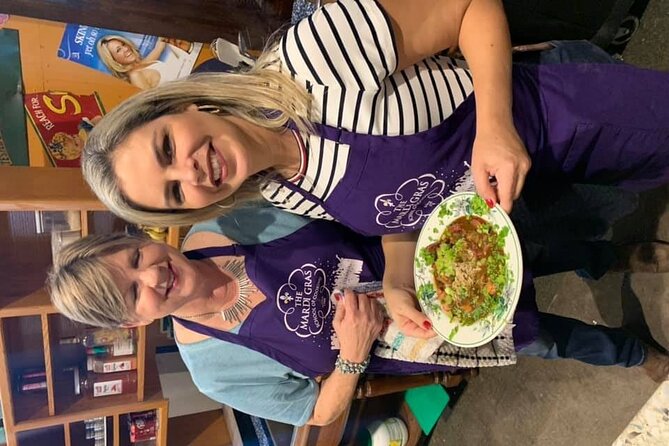
This is a straightforward outing, but a few small choices can make it smoother.
- Wear comfortable clothes. You’ll be standing, working, and handling ingredients.
- Bring your appetite. The menu is built so you eat what you cook.
- If you care about take-home leftovers, don’t assume it’s automatic. You might want to ask during the class if containers are available.
- Since it’s in English and uses a mobile ticket, make sure your phone is ready and charged.
And because the start point is on Wilkinson Street and the activity returns there, plan the rest of your day around a clean block of time rather than hopping in and out of multiple stops.
Should You Book This Cajun Cooking Class?
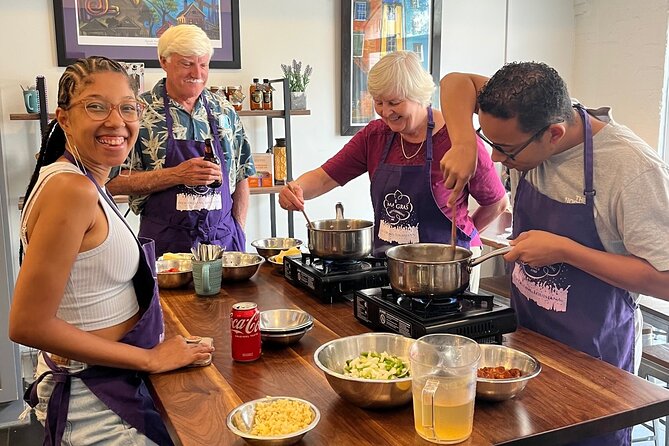
If you want to learn Cajun cooking in a way that sticks, I think booking makes sense—especially if you enjoy the idea of cooking three full courses with a chef guiding you step by step. The small group size (max 10) is a real advantage, and the menu hits classic New Orleans favorites: barbecue shrimp, chicken-andouille jambalaya, and chocolate bread pudding.
I’d skip this only if you’re mainly looking for a passive food experience, or if your schedule can’t handle about 3 hours in one place. Also, if written recipes are crucial for you right away, it’s worth asking when you’ll receive them.
If your goal is to leave with both memories and repeatable cooking skills, this is one of the more satisfying ways to spend an afternoon in New Orleans.
FAQ
How long is the Cajun traditions cooking class?
It runs for about 3 hours.
Where does the class start?
The meeting point is 519 Wilkinson St, New Orleans, LA 70130.
Does it end at the same place?
Yes, the activity ends back at the meeting point.
What will I cook in the class?
You’ll cook three courses: New Orleans-style barbecue shrimp, chicken and andouille sausage jambalaya, and chocolate bread pudding with brandy mocha sauce.
How many people are in a group?
The class has a maximum of 10 travelers.
Is the class offered in English?
Yes, it’s offered in English.
Do I need a printed ticket?
No. It’s listed with a mobile ticket.
Is it near public transportation?
Yes, it’s near public transportation.
How far in advance do people usually book it?
On average, it’s booked 29 days in advance.
Can I cancel for a full refund?
Yes. You can cancel up to 24 hours in advance for a full refund.