REVIEW · OSAKA
Osaka: Roll and Authentic Sushi Making Class in Dotonbori
Book on GetYourGuide →Operated by Sushi Making Japan | Cooking Class in Japan · Bookable on GetYourGuide
Sushi in Osaka is already a good idea. Add a hands-on class and it gets way more personal. This roll and nigiri-style sushi making class turns you from diner into sushi cook, with an upbeat quiz on sushi history and clear English guidance throughout.
I really like that the staff keep it light, social, and practical. In my experience of similar classes, it’s easy to get stuck watching, but here you actually make two kinds of sushi and end up eating everything you produce. I also love the central location near Shinsaibashi and Dotonbori, so you can pair the class with real Osaka food time.
One thing to consider: the session is only 100 minutes, so you will want to focus during the steps and plan to eat right away at the end. If you’re hoping for slow, lingering pacing, this won’t feel that way.
In This Review
- Key things that make this class work in Osaka
- Getting to the class: Shinsaibashi is the right base
- What you make: roll sushi plus authentic bite-size pieces
- The sushi history quiz: fun context without the boring lecture
- Instructor energy: why names like Shoki and Yui keep showing up
- Timing inside the 100 minutes: how to get the most out of it
- Ingredients and portion value: you really do eat your work
- Diet and allergy options: vegan, halal, gluten-free, and more
- Where this class fits best in your Osaka plan
- Price and value: is $45 fair for a 100-minute class?
- Practical notes: what can affect your comfort and flow
- Should you book Sushi Making Osaka near Dotonbori?
- FAQ
- How long is the sushi making class in Osaka?
- How much does it cost?
- Where do I meet the instructor?
- Is hotel pickup included?
- What language is the class taught in?
- Can the class accommodate vegan, gluten-free, or halal diets?
- Is the class wheelchair accessible?
Key things that make this class work in Osaka
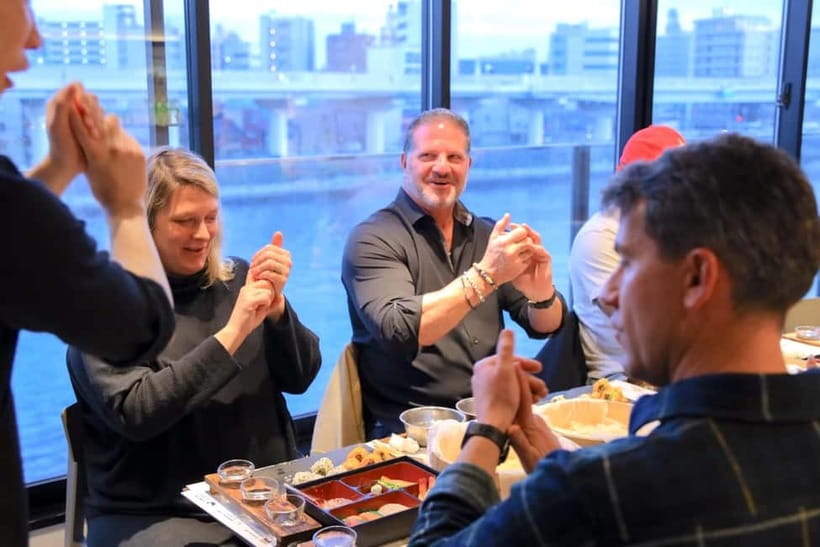
- Interactive sushi history quiz that keeps the lesson moving instead of turning into a lecture
- Two sushi techniques (roll sushi plus authentic bite-size pieces) that you actually assemble yourself
- English-speaking local instructors with big energy, including hosts like Shoki, Yui, Hinata, Rika, Takara, and Fuji
- Clean, organized setup with enough ingredients so you can finish and eat what you make
- Diet options available like vegan, gluten-free, and halal when you request them in advance
- Central meet-up near Shinsaibashi Station, right where you want to be walking anyway
Getting to the class: Shinsaibashi is the right base
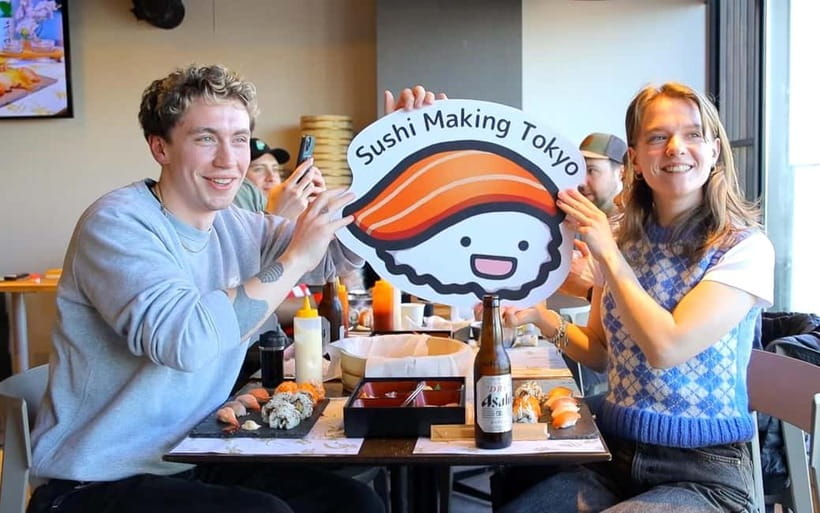
You’ll meet near Shinsaibashi Station, about a five-minute walk away. The address point is 3rd floor, Galleria Acca Building. That “3rd floor” detail matters because you’re entering a building that can look like a normal concrete structure from street level, so give yourself a little extra time to spot the sign and get upstairs.
From there, the location is a smart trade. You’re in central Osaka, close to the Dotonbori and Shinsaibashi food zone. That means you’re not burning half your day on transportation just to learn sushi basics. It also makes the timing easier. After class, you can walk off the meal and keep your evening flexible.
If you’re arriving late, you’ll risk compressing the experience. This is one of those activities where the flow matters. The instructors guide step-by-step, and everyone needs to be ready when it’s time to cook.
You can also read our reviews of more tours and experiences in Osaka.

What you make: roll sushi plus authentic bite-size pieces
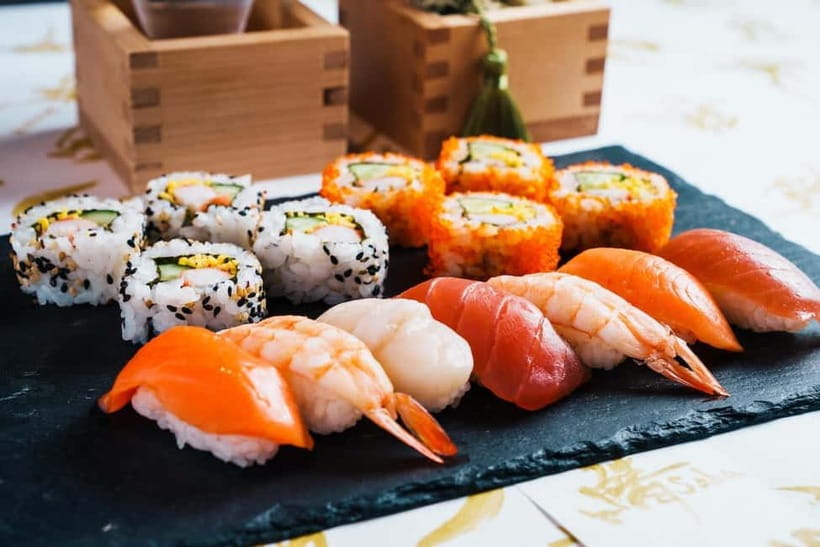
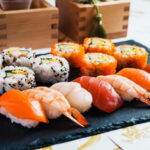
The headline is roll sushi and authentic Japanese sushi, and the class structure matches that promise. Expect to handle rice, prep your fillings, roll with control, and shape bite-size pieces with care.
In practice, most sessions end up covering:
- A roll format (commonly maki-style)
- Bite-size sushi pieces that are often described as nigiri-style
- Some groups also mention sashimi cuts as part of the final meal setup
The key point isn’t the exact label. It’s that you learn real technique. Rolling is all about rice distribution, even pressure, and not overstuffing. Shaping bite-size sushi is about balance: enough structure to stay intact, but not so much pressure that it turns into a compact brick.
Also, the class doesn’t treat sushi like magic. The instructions are direct, and you get tips you can repeat later if you try this at home. Several instructors are called out for making the steps feel manageable, including Shoki, Yui, and Fuji, plus friendly hosts like Hinata and Rika.
The sushi history quiz: fun context without the boring lecture
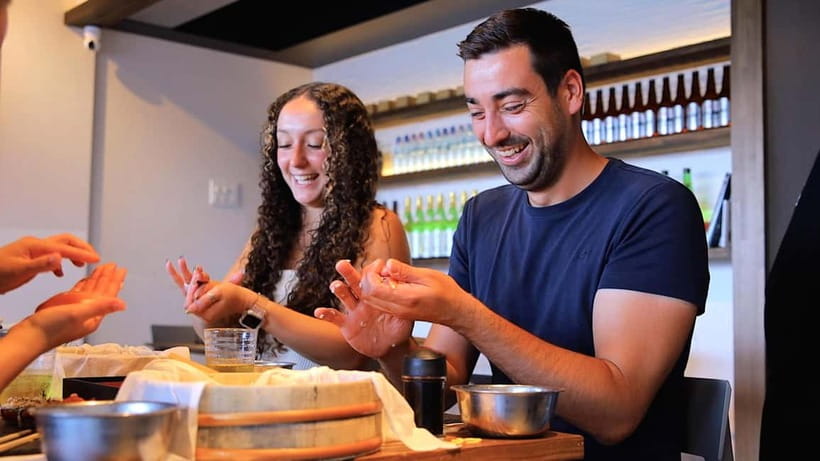
This class starts with a short sushi history lesson, and it’s built as an interactive quiz. That’s a big deal, because sushi history is often taught like a timeline you forget by the time you finish your drink.
Here, you get the story in smaller bites. You connect the food to why it looks the way it does, and why sushi isn’t just one thing. People describe this part as interesting and lighthearted, with the instructors using humor and quick back-and-forth to keep you paying attention.
I like that because it changes how you approach the cooking. When you know what you’re aiming for, you stop guessing. You roll with purpose. You shape with intention. Even if you’re a total beginner, you feel like you’re following a method, not copying an unclear demo.
Instructor energy: why names like Shoki and Yui keep showing up
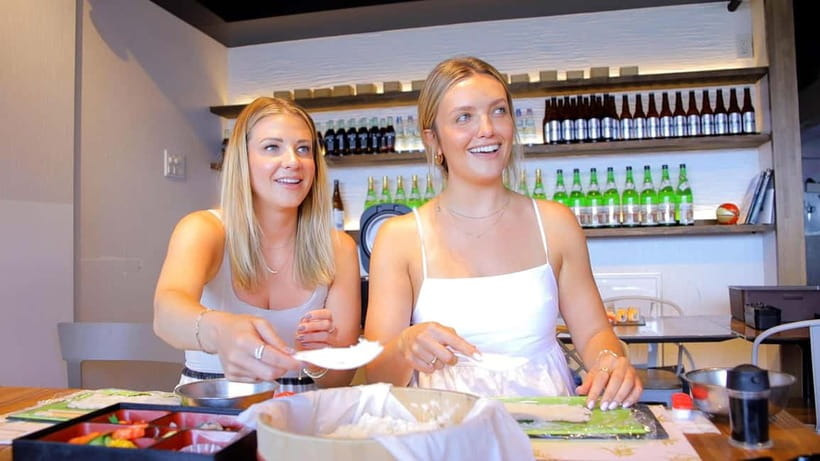
The instructors are a core part of the value here. People consistently mention hosts who guide in clear English and also keep the room lively.
You’ll see names like:
- Shoki, praised for positivity, history context, and making jokes during the steps
- Yui, noted for excellent sushi-chef training and explanations
- Fuji and Takara, described as friendly, upbeat teachers who share food and Osaka recommendations
- Hinata and Rika, credited with welcome energy and keeping the class engaging
- Reika, mentioned for being funny, kind, and super knowledgeable
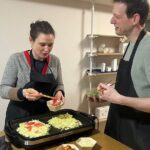
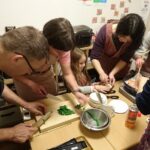
Even when the class is instructional, it stays human. Many participants describe conversation during the session, including stories about travel and food. That social tone is one of the reasons this is a strong choice if you’re solo or in a small group. You’re not just attending a workshop. You’re doing it with people who want you to succeed.
Timing inside the 100 minutes: how to get the most out of it
You have 100 minutes total, so the pacing is purposeful. Here’s the practical way to think about it:
1) You start with the history quiz and intro steps
2) Then you move into active making
3) Finally, you eat what you made
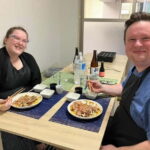
Several people note that the class can feel a bit rushed right at the end, especially during eating. The good news is you generally do get to eat what you make, and the portions are enough to count as a satisfying meal for lunch.
My advice: pay attention during the rolling and shaping phases. If you get behind, the class moves with the group, and the final eating window can shrink fast. If you’re a slow reader of steps or someone who needs time to feel confident, focus on asking questions early rather than trying to catch up at the last minute.
Also keep in mind that some setups have rice and ingredients prepared in advance. That’s not a problem. It’s what keeps the class within 100 minutes. You still learn the key skills that matter, rather than spending most of the time doing prep work you could do at home later.
Ingredients and portion value: you really do eat your work
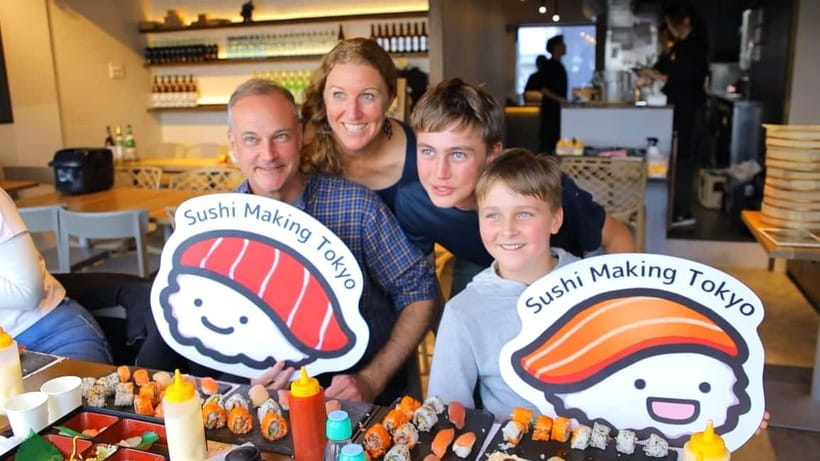
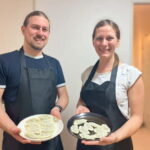
A major quality signal is that participants repeatedly mention finishing with enough ingredients and eating everything they make. That matters for two reasons.
First, it means the class doesn’t feel like you’re wasting ingredients or leaving hungry. Second, it lets you taste-test your own results. You’ll learn fast how rice texture, filling thickness, and roll tightness affect the bite.
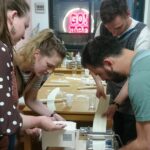
People also talk about the environment feeling clean and organized, and the workflow being smooth. That combination means less stress and more making time, which is exactly what you want in a paid class.
If you’re thinking about value, this is where it lands. At around $45 per person for 100 minutes with instructor guidance and ingredients included, the class works best when you want a full activity, not just a short demo.
Diet and allergy options: vegan, halal, gluten-free, and more
One of the smartest features is the ability to request a menu change for common diets. The class indicates you can request:
- Vegan
- Vegetarian
- Gluten-free
- Halal
There’s also an allergy note stating ingredients lists won’t include meat, nuts, fruits, or dairy. The important part is how the class handles requests: you need to contact them when you make a reservation, and there’s a deadline of 3 days in advance for menu changes. Requests for specific ingredient swaps are not accepted.
So here’s the practical rule: if you have dietary needs beyond the listed categories, don’t assume the class can customize. Stick to the available menu types, request early, and confirm your needs during booking.
This is also where English-speaking staff help. You’re not left guessing. People describe staff asking before adjusting ingredients, which is exactly how you want it to feel when you’re managing food carefully.
Where this class fits best in your Osaka plan
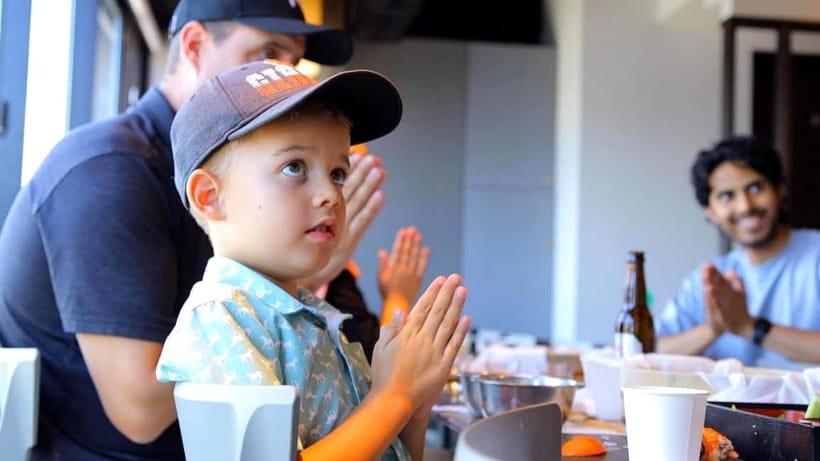
This is a great fit when you want something that’s hands-on but not physically intense. It’s also ideal if you want an authentic food experience without relying on restaurants to explain everything to you.
Good times to book it:
- Midday, so you can treat it as a meal
- Early evening, if you still want time to explore Dotonbori after
- Any time you’re in Shinsaibashi and want a break from shopping and walking
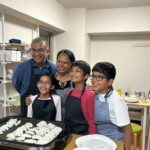
It’s also a smart choice if you’re traveling with kids or family, as the class is designed to be approachable. Many instructors keep the mood playful, with people mentioning laughter and upbeat energy.
If you’re already a sushi pro, you might find some basics covered quickly. But even then, you can still enjoy it for the history context, the hands-on refinement, and the fact you end the class with a meal you made yourself.
Price and value: is $45 fair for a 100-minute class?
At $45 per person for 100 minutes, the price is fair when you compare what you actually get: instructor guidance, ingredients, and a full activity that ends with you eating the results.
You can also think of it as paying for:
- Time with a teacher who explains technique in English
- A controlled, clean environment where you don’t have to source tools and ingredients
- A structured lesson that doesn’t rely on trial-and-error
The cost is less compelling only if you expect a long culinary bootcamp or if you hate structured pacing. The class is designed to fit the time window, so it won’t be a slow, multi-course cooking retreat.
Still, for most visitors, that structure is the point. You get skills you can remember, plus a satisfying lunch or bite-sized meal you can’t really replicate the same way at home.
Practical notes: what can affect your comfort and flow
A few small details can change your experience:
- No hotel pickup is included, so you’ll need to get yourself to Shinsaibashi.
- The building has an elevator, but some notes suggest it doesn’t reach the exact workshop floor. If mobility is a factor, arrive with a cushion for stairs or a short walk.
- The entrance can feel a bit hidden inside a concrete building. Give yourself a few extra minutes to find it.
None of these are dealbreakers. They just matter because they’re the difference between starting calm and starting rushed.
Should you book Sushi Making Osaka near Dotonbori?
I’d book it if you want a hands-on Osaka food moment with English instruction, a fun sushi history start, and a class where you eat what you make. It’s especially worth it if you’re in Shinsaibashi anyway and want a memorable activity that doesn’t require a long commute.
Skip it if you’re looking for a slower class with lots of free time to linger over tasting, or if you strongly dislike structured group pacing. Also, if you have special dietary needs beyond the listed options, plan ahead and message the team early, because menu changes need to happen at least 3 days in advance.
For most people, this is a high-value way to learn real technique, laugh with your instructor, and leave with sushi skills you can repeat.
FAQ
How long is the sushi making class in Osaka?
The class lasts about 100 minutes.
How much does it cost?
The price is listed at $45 per person.
Where do I meet the instructor?
You meet at 3rd floor, Galleria Acca Building, about a five-minute walk from Shinsaibashi Station.
Is hotel pickup included?
No. Hotel pickup and drop-off are not included.
What language is the class taught in?
The instructor speaks English.
Can the class accommodate vegan, gluten-free, or halal diets?
Menu changes are available for vegan, vegetarian, gluten-free, and halal. You need to contact them when you make your reservation, and the deadline for menu changes is 3 days in advance.
Is the class wheelchair accessible?
The activity is listed as wheelchair accessible.