REVIEW · OSAKA
Osaka Cooking Class: Okonomiyaki &Japanese cuisines experience
Book on Viator →Operated by Cooking Class YAYO · Bookable on Viator
The best souvenir is dinner you can recreate. This Osaka cooking class in Yayo’s home teaches you Japan’s comfort foods hands-on, then sends you off full and confident. You’ll make miso soup, takoyaki, and okonomiyaki, plus finish with taiyaki and matcha, with an optional sake and beer pairing.
I especially like how personal it feels for the price. You’re in a small group (max eight), with an English-speaking instructor who can spot what you’re doing and correct it. I also like the focus on technique over memorizing steps, since small changes in how you mix and cook can make the difference between good and great.
One consideration: because the cooking studio is small and it’s in a residential apartment setting, you need to be on time and comfortable with a close, home-kitchen setup.
In This Review
- Key things to know before you go
- Osaka Home-Cooking in Yayo’s Apartment: Small Group, Real Guidance
- Getting There from Noda Station: Easy to Find, One Big Tip
- The Menu Walkthrough: Miso Soup, Takoyaki, Okonomiyaki, and More
- Starting with miso soup (and the technique behind the taste)
- Takoyaki time: crispy outside, tender inside
- Okonomiyaki: assembling like a pro, not like a scramble
- Taiyaki and matcha: the sweet ending
- Optional sake and beer pairing: choose your flavor adventure
- The Real Value: What You Learn That Actually Transfers Home
- Food, Gifts, and the Home-Kitchen Touch
- Price and Value for $104.13: Worth It for the Right Traveler
- Who Should Book This Osaka Cooking Class?
- FAQ
- What dishes do you make in the Osaka class?
- How long is the cooking class?
- Where do you meet?
- Is the class in a restaurant or a home?
- Is there an English-speaking instructor?
- Are vegetarian or pescatarian options available?
- Can I add sake and beer to the meal?
- The Bottom Line: Should You Book Cooking Class YAYO?
Key things to know before you go
- Small group (up to 8), so you get real attention while you cook
- Hands-on in a local home setting, not a big demo kitchen
- Miso soup and dashi technique get taught early, so the meal tastes right
- Okonomiyaki and takoyaki let you practice two very different Japanese cooking styles
- Optional sake + beer pairing if you want the full food-and-drink arc
- Take-home feel: you’ll leave with delicious food and thoughtful extras
Osaka Home-Cooking in Yayo’s Apartment: Small Group, Real Guidance
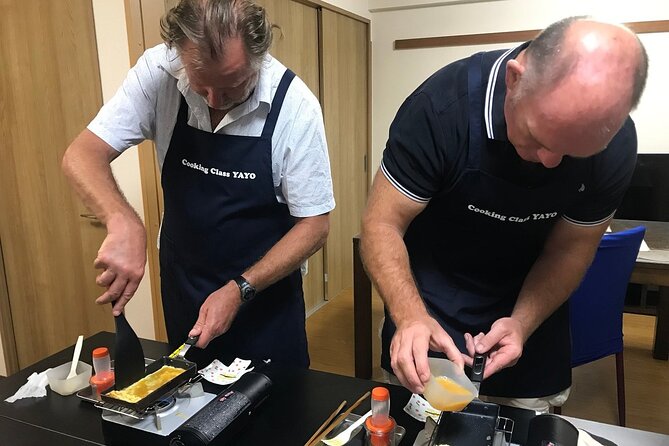
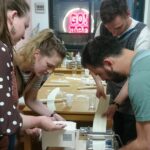
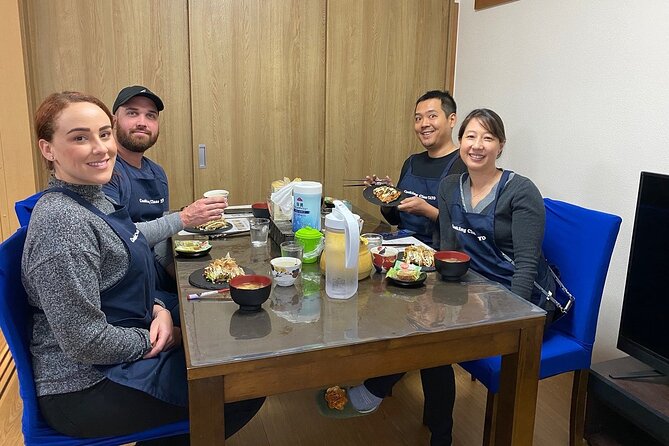
This experience is built around one simple idea: you learn faster when your hands are moving and your questions are welcomed. The class happens in the instructor’s home, which is exactly why it feels warm and personal. There’s a homey rhythm to it—less performance, more coaching.
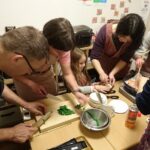
With a maximum of eight people, you won’t get lost in the crowd. You’re cooking, tasting, and adjusting in real time, which is what you want if you’re trying to go beyond ordering okonomiyaki somewhere later and hoping you can replicate it.
Your host is Yayo (the provider is Cooking Class YAYO). Based on what people highlight most, Yayo is the kind of instructor who explains not just what to do, but why it matters. That mindset is what turns this from a one-time meal into a skill you can use back home.
You can also read our reviews of more tours and experiences in Osaka.

Getting There from Noda Station: Easy to Find, One Big Tip
The meeting point is outside Noda Station in Osaka. The address listed for the end point is 1 Chome-1 Ohiraki, Fukushima Ward, Osaka, 553-0007, Japan, and the activity ends back at the meeting point.
You’ll start at the meeting point and head to the cooking studio from there. Since the class can’t guarantee late arrivals (arriving more than 10 minutes late may mean you can’t participate, and refunds aren’t offered for late arrival), I’d treat punctuality as part of the “plan.”
Also note the practical stuff: you’ll need your mobile ticket, and the studio is small—only guests with a confirmed booking can join. This is good news if you like a focused group, not a revolving-door bus tour.
The Menu Walkthrough: Miso Soup, Takoyaki, Okonomiyaki, and More
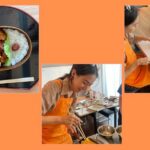
The class runs about 2 hours 30 minutes and typically includes lunch or dinner—whatever time slot you book. You’ll cook your dishes and eat them at the end, so you’re not spending the whole afternoon just watching.
Here’s the flow you can expect, in plain terms, plus what it teaches you.
Starting with miso soup (and the technique behind the taste)
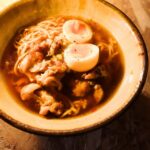
You begin with miso soup, and that’s a smart start. Miso soup can taste flat or delicious depending on technique—especially how the soup base is handled. The class emphasizes that small differences in preparation change the final result.
You’ll also get practical context for what’s happening in the bowl. Some people mention learning about dashi as part of the process, and that fits perfectly: miso soup is where Japan’s everyday flavor-building habits show up.
Why this matters for you: once you understand how the base works, your miso soup at home won’t rely on vibes. You can troubleshoot.
Takoyaki time: crispy outside, tender inside
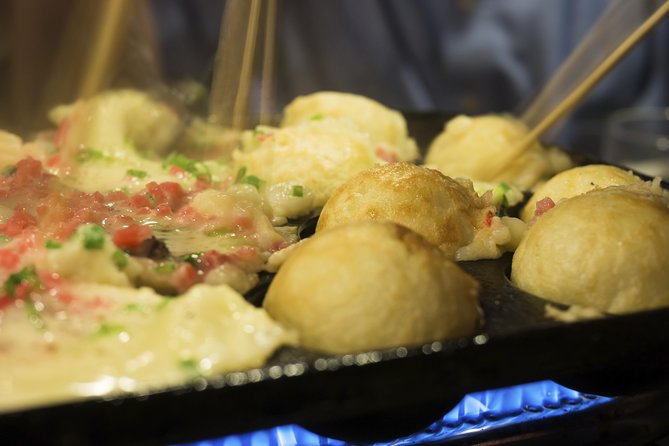
Next comes takoyaki—those deep-fried octopus balls with a signature texture: crisp edges and a soft, steamy interior. The class teaches you how to manage that balance, because takoyaki isn’t just frying batter. It’s timing, flipping, and letting the crust form correctly.
The dish is made with wheat flour batter stuffed with octopus, and you’ll work step by step. If you’ve never made takoyaki before, the good part is you don’t need special skills—Yayo’s job is to guide you through the method until it clicks.
Practical payoff: takoyaki is one of the most “repeatable” dishes to practice at home, because once you nail the batter thickness and flipping rhythm, you can make it again and again.
Okonomiyaki: assembling like a pro, not like a scramble
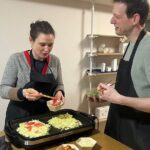
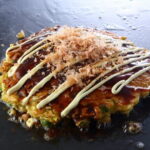
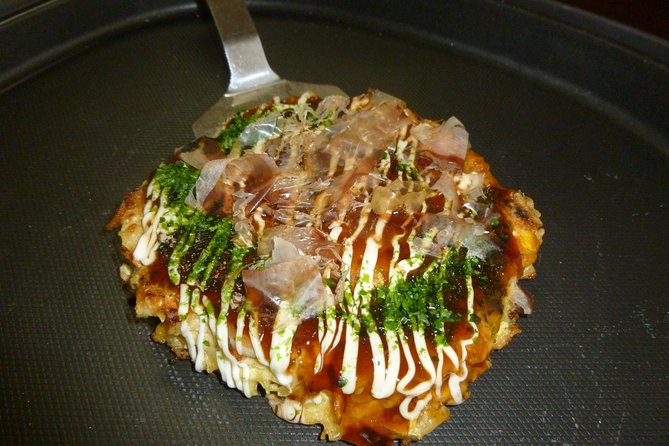
Then you’ll make okonomiyaki, a savory pancake built around ingredients like egg, flour, cabbage, pork, and dried bonito flakes. This part is great if you like learning by construction—like building layers that cook evenly.
Okonomiyaki is also where technique pays off. If cabbage is handled wrong or the batter-to-ingredients ratio is off, you can end up with uneven cooking. The class approach helps you learn how to combine and cook so the pancake becomes cohesive, not just a pile of parts.
What you’ll likely love here: okonomiyaki isn’t delicate. It’s forgiving in the sense that you’re learning what to adjust as you go.
Taiyaki and matcha: the sweet ending
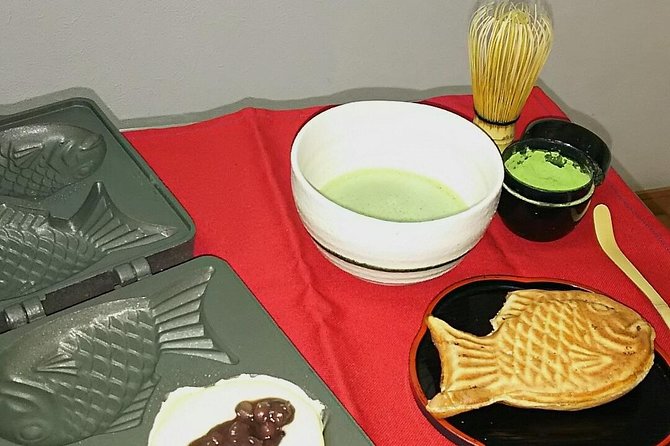
Before you head out, you’ll also get to try taiyaki, fish-shaped cake, along with matcha tea. This gives the class a full meal feeling: savory first, then a sweet finish with a drink that cleans your palate.
It’s also a nice example of how Japanese cooking often works—comfort food plus something refined, without turning it into a fancy event.
Optional sake and beer pairing: choose your flavor adventure
If you select it, you can add a sake and beer pairing with your meal. This is one of those extras that can help you understand how Japanese dining pairs food with drinks, rather than treating beverages as an afterthought.
If you like the idea of learning how locals approach the full table, this add-on is worth considering. If you’d rather keep it simple and just focus on the cooking, you can skip it and still eat everything you make.
The Real Value: What You Learn That Actually Transfers Home
A lot of cooking classes teach recipes. This one leans into something more useful: technique you can repeat.
You’re not just getting a list of ingredients. You’re learning process. People especially praise the way Yayo explains cooking details and the cultural background behind dishes. That doesn’t sound like “food” at first—but it is. When you know why a dish is built a certain way, you stop guessing.
A few examples of transferable skills you’ll likely walk away with:
- How to start miso soup so it tastes like more than salty water
- How to manage batter texture and cooking time for takoyaki
- How to assemble okonomiyaki so it cooks through and holds together
And because this is a home kitchen, you get a slightly different kind of instruction than you would in a commercial cooking studio. The tempo feels natural. You can ask questions and keep up without feeling rushed.
Food, Gifts, and the Home-Kitchen Touch
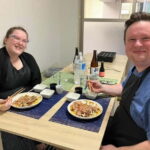
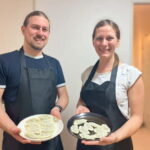
You’ll eat what you cook, which is a huge part of the value. You’re also likely to get small extras beyond the dishes themselves. Many people mention that Yayo provides snacks and drinks during the class, and take-home gifts that can include things like chopsticks and paper cranes tied to the guests’ home countries.
Even if you don’t care about souvenirs, those touches help explain the tone of the whole experience: you’re being welcomed, not processed.
One more “bring a stomach” note: people repeatedly say the class makes plenty of food. If you show up on an empty stomach and pace yourself while cooking, you’ll enjoy the process more.
Price and Value for $104.13: Worth It for the Right Traveler
At $104.13 per person, this isn’t the cheapest activity in Osaka. But it also isn’t priced like a casual snack stop.
You’re paying for:
- A hands-on class (not a demo)
- Ingredient and utensil coverage
- An English-speaking instructor
- A small group size (max eight)
- Lunch or dinner, based on your time slot
- The home-kitchen setting, where attention and coaching tend to be stronger
When this is good value: if you want a skill you’ll use later, not just a one-off meal. If you love food markets but also want to understand what you’re buying (and how it’s used), this fits well.
When it might feel pricey: if you mainly want a light tasting experience and don’t care about learning technique. In that case, a regular meal out might scratch the itch more economically.
Who Should Book This Osaka Cooking Class?
This class is a great match if you:
- Want authentic everyday Japanese cooking done hands-on
- Like small-group formats where you can ask questions
- Want to leave with a meal you can recreate, not just memories
- Enjoy okonomiyaki, takoyaki, miso soup, or taiyaki and want the process behind them
It’s also a solid option for solo travelers. Several write-ups highlight how the experience can feel special even when the group is small, because Yayo can focus more directly on you.
If you’re traveling as a couple or family, it’s also a nice shared activity. The home-kitchen setup makes it feel social without being crowded.
FAQ
What dishes do you make in the Osaka class?
You’ll make miso soup, takoyaki, and okonomiyaki. You’ll also try taiyaki and matcha tea before you leave. An optional sake and beer pairing may be available if you select it.
How long is the cooking class?
The duration is about 2 hours 30 minutes.
Where do you meet?
Meet outside Noda Station in Osaka. The listed address for the end point is 1 Chome-1 Ohiraki, Fukushima Ward, Osaka, 553-0007, Japan.
Is the class in a restaurant or a home?
It’s a hands-on cooking lesson in the instructor’s home (a local apartment-based cooking studio setting).
Is there an English-speaking instructor?
Yes. The class includes an English-speaking instructor.
Are vegetarian or pescatarian options available?
Yes. Vegetarian and pescatarian options are available upon request at the time of booking.
Can I add sake and beer to the meal?
Yes. There’s an optional add-on for local sake and beer pairing.
The Bottom Line: Should You Book Cooking Class YAYO?
If you want more than another dinner out, I’d book it. The small group size, the home-kitchen setting, and the clear teaching focus make it a strong choice for turning Japanese comfort food into skills you can repeat.
I’d especially recommend it if you’re excited about okonomiyaki and takoyaki, or if you like learning how technique changes flavor. Just show up hungry, arrive on time, and go in ready to cook and eat.