REVIEW · ROME
Rome: 2-in-1 Family-Friendly Pasta & Tiramisu Cooking Class
Book on GetYourGuide →Operated by Carpe Diem Tours · Bookable on GetYourGuide
Pasta and tiramisu come alive in Rome. You’ll learn two Italian classics hands-on, led by an English-speaking chef in a real Roman kitchen just about 10 minutes from the Colosseum.
In a small-group setup, I love that you actually touch the food, from kneading to cutting your own fettuccine. I also like the full meal payoff: you cook, sip drinks, and then sit down to eat what you made.
One drawback to plan around: this class uses gluten and dairy, so it can’t accommodate coeliac disease, lactose intolerance, or vegan diets.
In This Review
- Key highlights worth your time
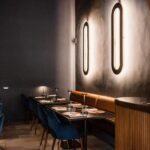
- A Real Roman Kitchen Just Off the Colosseum
- Your 3-Hour Plan: From Dough to Fettuccine
- Tiramisu Workshop: Cream, Eggs, and Timing
- Sauce Choice: Carbonara or Cacio e Pepe
- Drinks, Atmosphere, and Family-Friendly Energy
- What You Eat (and Why It Feels Like More Than a Snack)
- Recipes You Take Home (So You Can Recreate It)
- Price and Value: Is $93 Worth It?
- Who This Class Fits Best
- Before You Go: Timing and Dietary Rules
- Should You Book This Rome Pasta & Tiramisu Class?
- FAQ
- How long is the Rome 2-in-1 Pasta & Tiramisu class?
- Where do we meet for the cooking class?
- What dishes will we make?
- Is wine included?
- Can the class accommodate gluten-free, vegan, or dairy-free diets?
- Do you get recipes to take home?
Key highlights worth your time
- Small-group class near the Colosseum (about 10 minutes away), in a real Roman kitchen
- Make handmade pasta from scratch and cut your own fettuccine
- Tiramisu from scratch with fresh, locally sourced ingredients, chilled while you work on pasta
- Sauce choice: carbonara or cacio e pepe, so you get a real menu decision to make
- Included drinks with kid/sober options, plus a final Prosecco glass
- Take-home recipes in an ebook, so the skills don’t vanish after the class
A Real Roman Kitchen Just Off the Colosseum
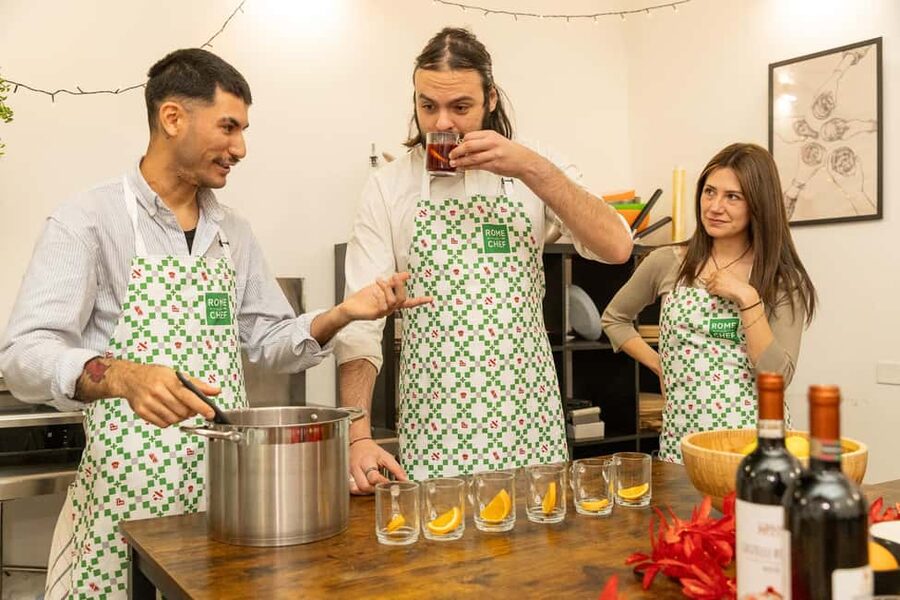
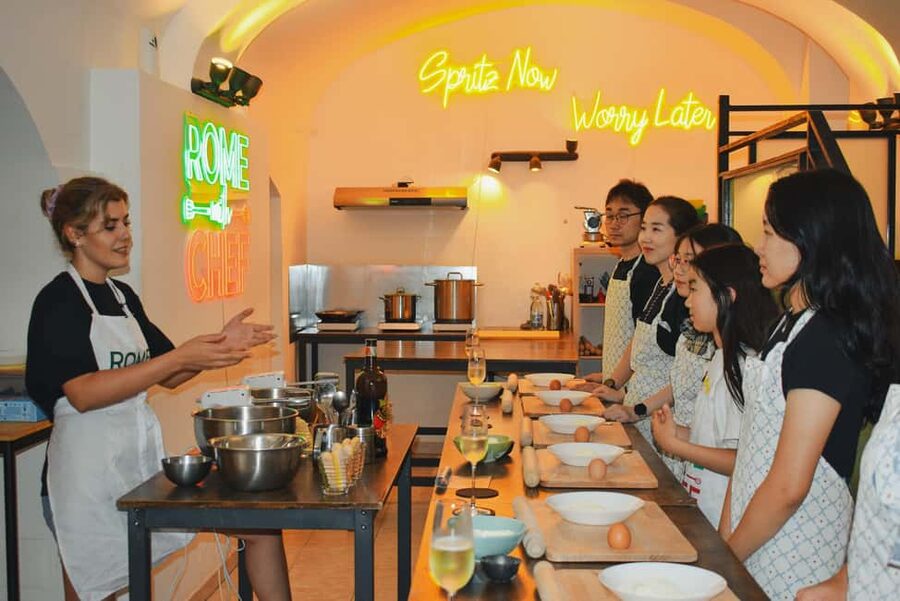
This cooking class is designed for people who don’t want to just watch. You roll up your sleeves and work dough with a chef who keeps things moving while still explaining what’s happening and why it matters.
The location is a big deal. It’s in the Lazio region, and the meeting point is only around 10 minutes from the Colosseum area—close enough that you don’t feel like you’re crossing Rome to do a cooking class. For the meet-up, you’ll go to Via Cesare Balbo 25 near Hotel 77, aiming to arrive 10 minutes early and looking for the small brown door next to a large green one.
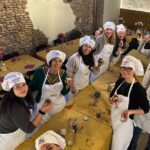
You’ll also like the “small group” feel. In past sessions, the class size has been around a dozen, which means fewer bottlenecks and more one-on-one help when you’re learning to roll and cut pasta.
You can also read our reviews of more tours and experiences in Rome.
Your 3-Hour Plan: From Dough to Fettuccine
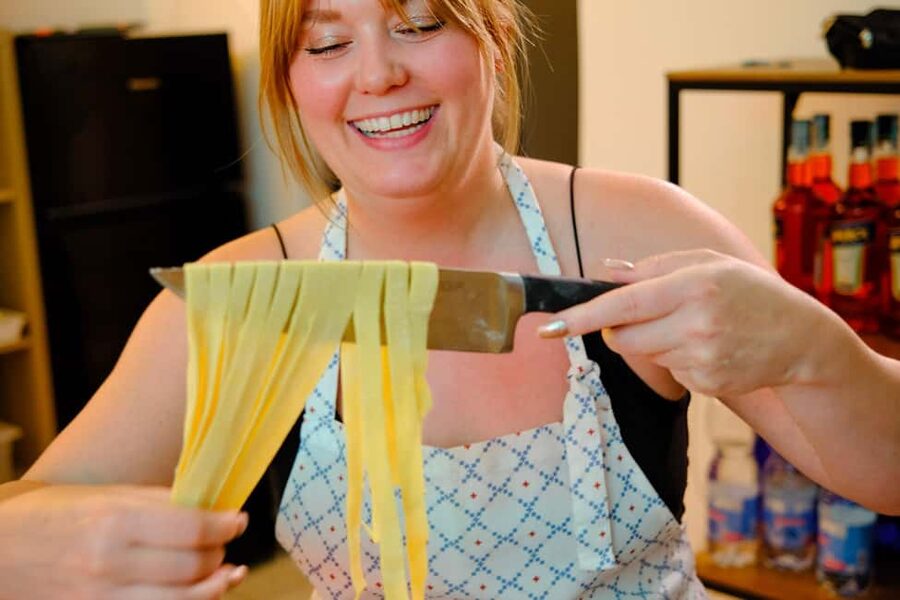
The class runs for about 3 hours, and the structure is simple: make pasta dough, produce your fettuccine, then pair it with an Italian sauce. The pacing is built so you don’t feel rushed, but you still get real hands-on time.
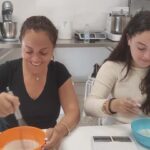
You start in the kitchen and begin working the pasta ingredients into a dough. The key skill here is learning the feel—how the dough comes together, how to handle it once it’s workable, and how to avoid common beginner mistakes that lead to sticky, tearing, or uneven dough.
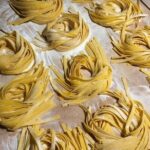
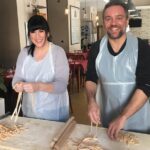
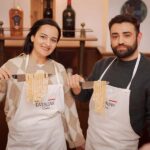
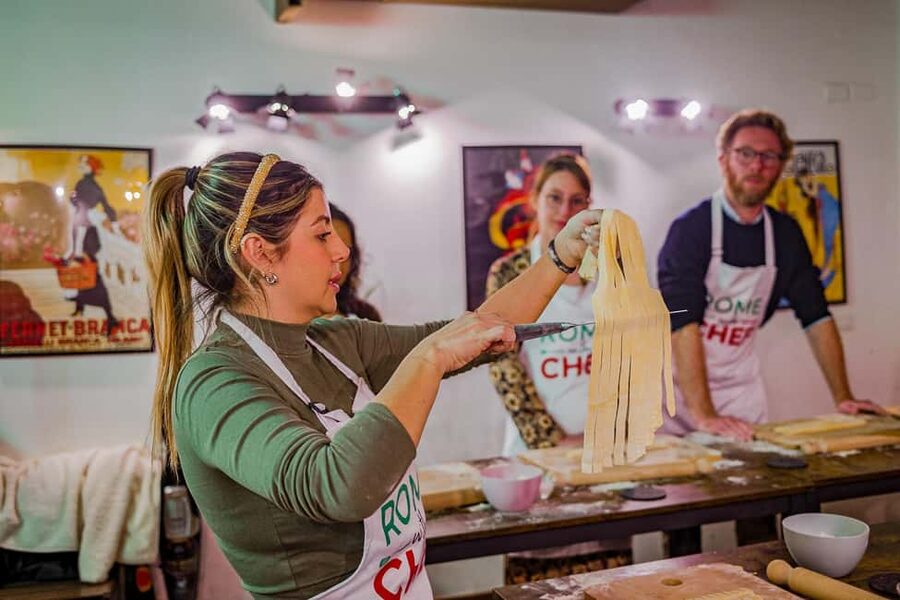
Then you shift from theory to motion. You’ll mix, roll, knead, and cut your dough into your own fettuccine. That step is more fun than it sounds. Rolling pasta is basically a quick lesson in patience and pressure control, and cutting gives you that satisfying moment where the work becomes something you can actually eat.
A detail I appreciate: while the tiramisu sets in the fridge, you’re not stuck waiting around. That keeps the flow moving and helps everyone stay busy with something productive.
Practical tip: wear clothes you’re okay getting flour on. Even when the kitchen is clean, pasta dough is a hands-on activity, and flour happens.
Tiramisu Workshop: Cream, Eggs, and Timing
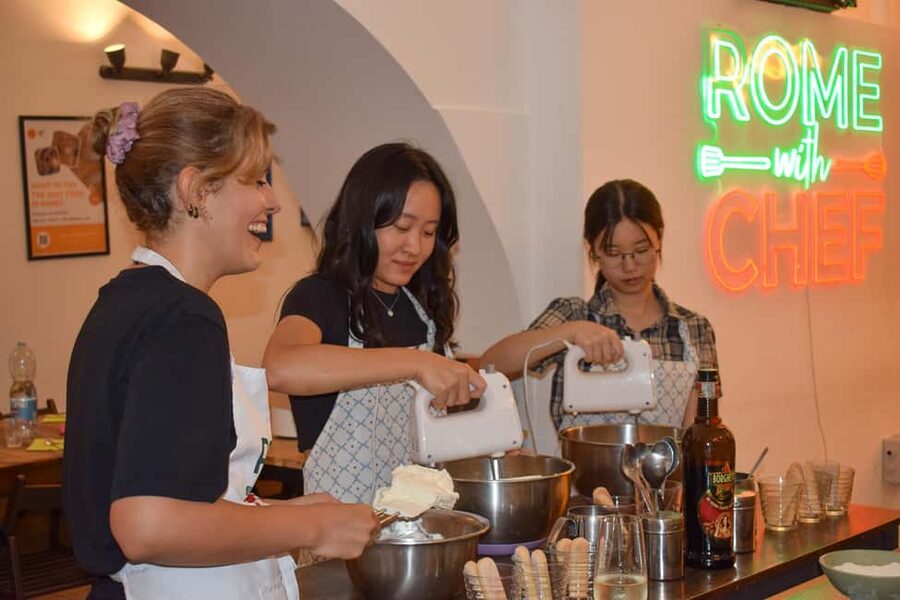
Tiramisu is the other half of the 2-in-1 deal, and it’s not treated like a shortcut dessert. You make it from scratch with fresh, locally sourced ingredients, and the class is set up so you do the real prep steps, not just assembly.
The experience centers on learning how the components come together into a creamy texture. You’ll mix and prepare the filling, then assemble the tiramisu so it can cool and set while you focus on pasta. That fridge time isn’t just for show—it’s part of getting the right consistency for the final tasting.
This portion is especially good for families and mixed experience groups, because beginners can succeed quickly. You might not have ever separated eggs or mixed cream before, but the chef’s guidance is designed to make the process approachable.
One other plus: your tiramisu doesn’t turn into a separate event you’ll have later. It’s integrated into the schedule, so the dessert feels like part of the same meal journey.
Sauce Choice: Carbonara or Cacio e Pepe
Here’s a feature that adds real value: you don’t just make pasta and then hope for the best. You learn how to pair it with an authentic Italian sauce, and you get to choose between carbonara or cacio e pepe.
Both are classic Roman-area styles, and the teaching focus matters. You’ll get instruction on what goes into the sauce and how the pieces should come together so your pasta tastes like a Roman plate—not like a frozen-then-boiled substitute.
The class also respects different preferences. If you’re aiming for a vegetarian option, that’s part of what they offer, but you should still remember the general dietary limits: gluten and dairy are part of the menu. If you’re deciding between carbonara and cacio e pepe, think about what kind of meal you want—richer and egg-forward with carbonara, or peppery and cheese-forward with cacio e pepe.
Drinks, Atmosphere, and Family-Friendly Energy
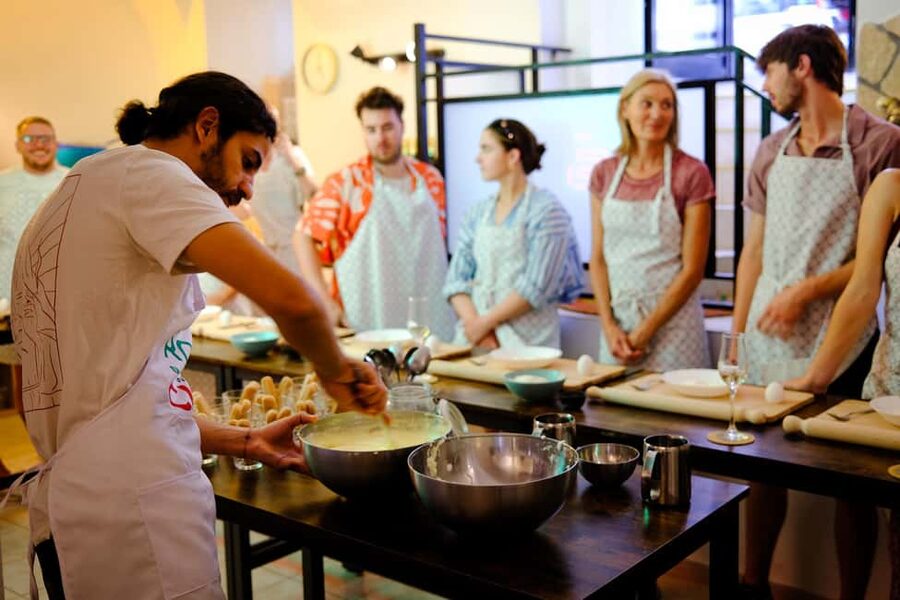
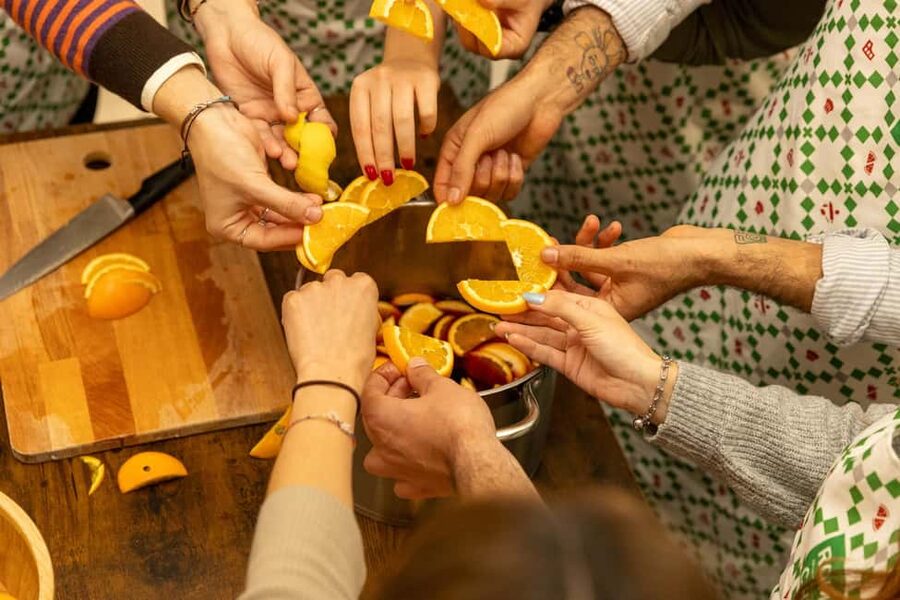
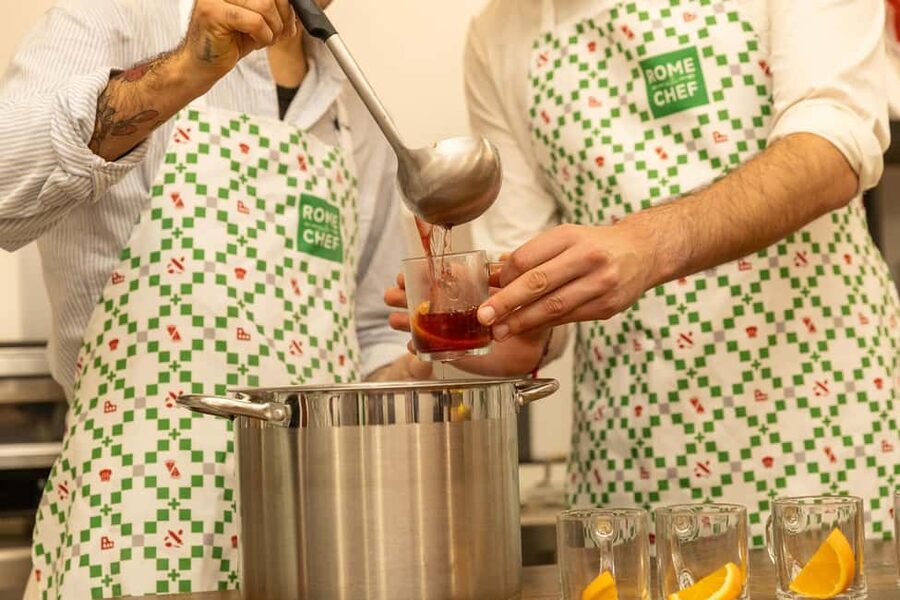
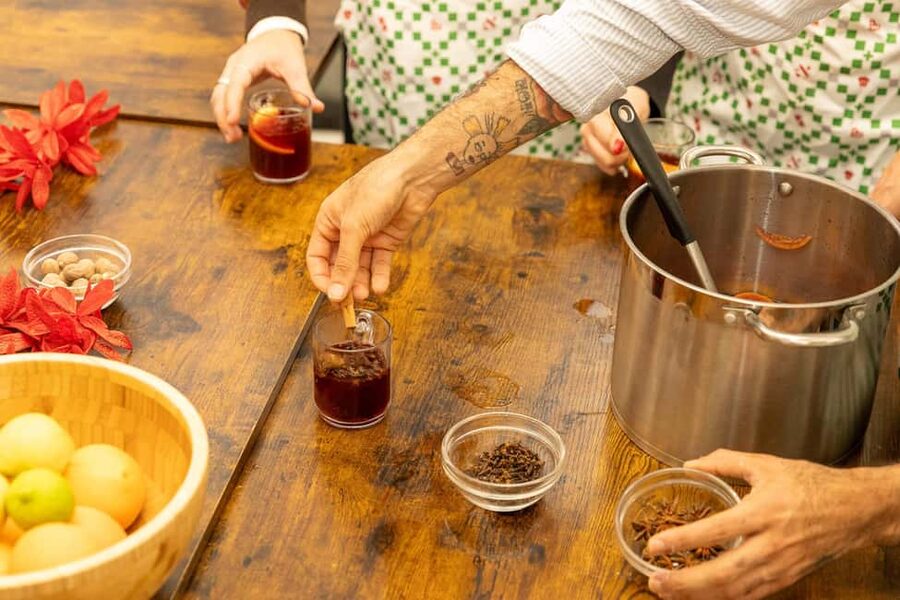
This is a cooking class with wine culture baked in, not sprayed on at random. As you cook, you can sip Italian wine (or choose a non-alcoholic beverage). The included drinks also include a glass of Prosecco, a glass of red wine, and a glass of limoncello, with unlimited water available throughout.
In practical terms, this does two things. First, it makes the class feel like an event, not a school drill. Second, it encourages social energy—so you’re more likely to talk with your group and learn from the questions others ask.
It also works for families. The activity isn’t suitable for infants, and younger kids must stay on an adult’s lap since there’s no separate workspace or seat. But kids over that age range have done well when they can actively participate—especially around shaping dough, doing simple steps, and watching the chef explain what to do next.
From the instructor names I’ve seen associated with these sessions—like Anna, Gio, Jem, Marzia, Eda, and Bart—you can expect English instruction and a teaching style that balances fun with clear steps. If you want a class where your kids feel included rather than watched, this kind of chef-led, hands-on format is the main reason people rate it so highly.


What You Eat (and Why It Feels Like More Than a Snack)
The final payoff is not a tiny tasting. After you’ve made your pasta and tiramisu, you sit down with your class meal and enjoy what you created.
Your pasta comes with your chosen sauce—carbonara or cacio e pepe—and the meal structure is designed to reflect a proper Italian rhythm: work first, then eat while everything is at its best.
The tiramisu is part of that same sitting. You’re not doing dessert later in the day when your appetite is gone. You end the class with the sweetness and a finishing glass of Prosecco, plus recipes you can take home.
That last part—leaving with the skills and the recipes—is one of the best values here. You’re not just paying for food you’ll forget the next day.
Recipes You Take Home (So You Can Recreate It)
You’ll finish with an ebook containing your recipes. That matters more than you might think.
Cooking classes can be hit-or-miss because people forget the steps after the flour settles. An ebook helps you repeat the process and remember what order to do things in—especially for pasta dough handling and the logic behind sauce consistency.
Even if you don’t plan to make fettuccine every week, having the instructions gives you a way to recreate the parts you loved most. And because this is a two-dish class, you’re taking home two different techniques: one for dough and one for dessert assembly and texture.
Price and Value: Is $93 Worth It?
At $93 per person for a 3-hour experience in central Rome, the value comes from what’s included, not the fancy setting.
You’re paying for:
- real instruction from an expert chef
- two handmade components (pasta and tiramisu)
- a sauce learning moment (carbonara or cacio e pepe)
- multiple included drink options (with non-alcoholic choices)
- the ingredients and the time to make everything from scratch
- a take-home ebook
If you’re comparing this to the cost of a good meal plus a single cooking lesson, it’s usually a more satisfying deal than doing one small thing and then eating out afterward. You’re essentially buying a guided “learn and eat” night, and you’re leaving with repeatable recipes.
The main value-fit question isn’t the price itself. It’s whether you want hands-on cooking skills more than sightseeing. If you do, the format is hard to beat.
Who This Class Fits Best

This class is a strong pick for:
- couples who want a memorable Roman night that’s not just dinner
- solo travelers who like meeting people and working side-by-side
- families with kids old enough to participate actively and comfortably
It’s especially good if you’ve tried to cook Italian food at home and realized it’s harder to “get it right” than it looks. The chef explanations and hands-on pacing are built to help you learn the feel of dough and the logic of classic flavors.
It’s also a good match if you want something central and practical. You don’t need a long commute. You’re near the Colosseum area, and the whole experience is self-contained—arrival, cooking, eating, and departure.
Before You Go: Timing and Dietary Rules
Plan for the meeting point and timing. Arrive about 10 minutes early at Via Cesare Balbo 25 near Hotel 77. If you show up late, you can’t join the class or receive a refund. The meeting point can shift slightly, but the alternate spot is still within a short walk of the first.
Dietary limits are the biggest planning item:
- No coeliac disease or gluten intolerance
- No lactose intolerance
- No vegan options
- Gluten and dairy are part of the menu
- Vegetarian options are available, but you need to request them in advance
If your group has mixed needs, tell the provider ahead of time. They say they can try to help for other needs, but they’re clear that gluten-free, vegan, and dairy-free requests aren’t supported by the standard menu.
Should You Book This Rome Pasta & Tiramisu Class?
Book it if you want a small-group, hands-on Rome experience that ends with a real meal and skills you can repeat at home. The pasta fettuccine-making and the scratch tiramisu are the core draw, and the sauce choice adds extra satisfaction because you control part of the final plate.
Skip it (or choose another option) if anyone in your party needs gluten-free or vegan food, because this class can’t accommodate those diets. Also, if you’re traveling with a very young child, remember it’s not suitable for infants, and the seating/workspace setup requires younger kids to stay on an adult’s lap.
If you’re flexible and you like cooking as an activity, this is one of those “do it once and you’ll keep it in your memory” nights in Rome—flour on your hands, Prosecco nearby, and two Italian classics you can actually make again later.
FAQ
How long is the Rome 2-in-1 Pasta & Tiramisu class?
The class lasts 3 hours.
Where do we meet for the cooking class?
You meet at Via Cesare Balbo 25 near Hotel 77. You should arrive 10 minutes early and look for the small brown door next to a large green one. The meeting point may shift slightly, but the alternate location is within a 5-minute walk.
What dishes will we make?
You’ll make handmade pasta (fettuccine) and tiramisu from scratch. You’ll also learn to make an authentic sauce to go with your pasta, with a choice of carbonara or cacio e pepe.
Is wine included?
Yes. The experience includes 1 glass of Prosecco, 1 glass of red wine, and 1 glass of limoncello. Non-alcoholic beverages are available for kids and sober chefs.
Can the class accommodate gluten-free, vegan, or dairy-free diets?
No. It cannot accommodate coeliac disease, gluten intolerance, lactose intolerance, or vegan diets. Vegetarian options are available, but the menu includes gluten and dairy.
Do you get recipes to take home?
Yes. You’ll receive your recipes in a handy ebook after the class.