REVIEW · ROME
Pasta and tiramisù Cooking class with Wine at Piazza Navona
Book on GetYourGuide →Operated by Cook and Eat Rome · Bookable on GetYourGuide
Two hours, fresh pasta, and wine in Rome.
This cooking class is a fun, hands-on way to learn Roman pasta and a classic tiramisù right near Piazza Navona. I like that it’s simple and direct: you’re kneading, rolling, shaping, and finishing your dessert with real guidance in an intimate setting. You’re also in one of the most charming neighborhoods in Lazio, which makes the whole afternoon feel like part of the city.
I especially like the flow from dough work to dessert technique. You’ll make tiramisù with a traditional approach using fresh ingredients, then sit down with your own pasta and a glass of local wine, plus a limoncello toast. One consideration: sauces are prepared by the restaurant staff that host the event, so you won’t see sauce prep step-by-step.
In This Review
- Key points to know before you go
- Piazza Navona: why the setting matters for this class
- Getting your hands ready: Roman fresh pasta from flour and egg
- Tiramisu practice: the classic recipe and how to get it right
- Wine included: how the meal pacing works
- From dough to real-life skills: recipes and certificate
- Price and value: is $55 fair for central Rome?
- Who this cooking class is best for
- Should you book this Piazza Navona pasta and tiramisù class?
- FAQ
- How long is the cooking class?
- Where is the class located?
- What is the price per person?
- What languages is the instruction in?
- What’s included in the class?
- Is wine included, or do I need to pay extra?
- Are sauces prepared by you?
- Is the class suitable for vegans?
- Are children allowed?
- What should I know about arriving on time?
Key points to know before you go
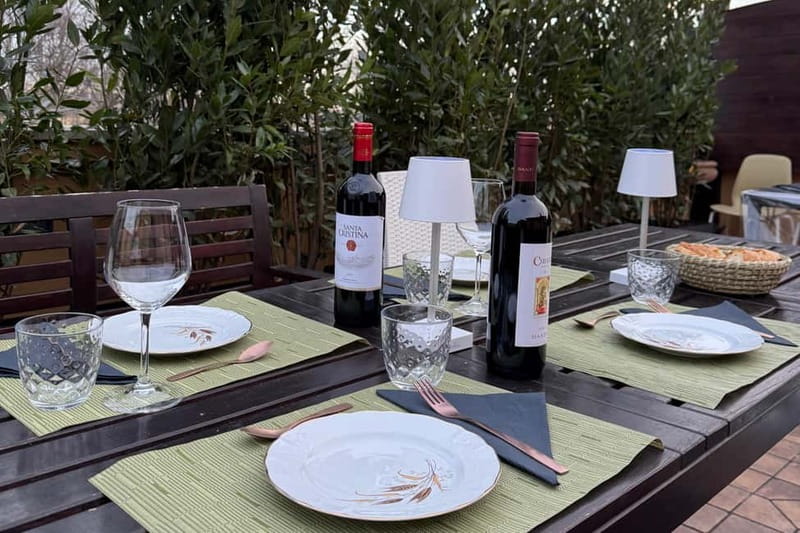
- Piazza Navona location: you’re close to a top Rome landmark, but the class happens in a restaurant setting
- Hands-on pasta: you make fresh pasta from scratch using flour and an egg, the traditional way
- Tiramisu training: you learn the classic recipe and how to get it right
- Wine included: red or white wine plus a limoncello toast to round out the meal
- Recipes included: you get what you need to recreate both dishes at home
- Not for everyone: wheelchair users aren’t suitable, and it’s not geared to vegans
Piazza Navona: why the setting matters for this class
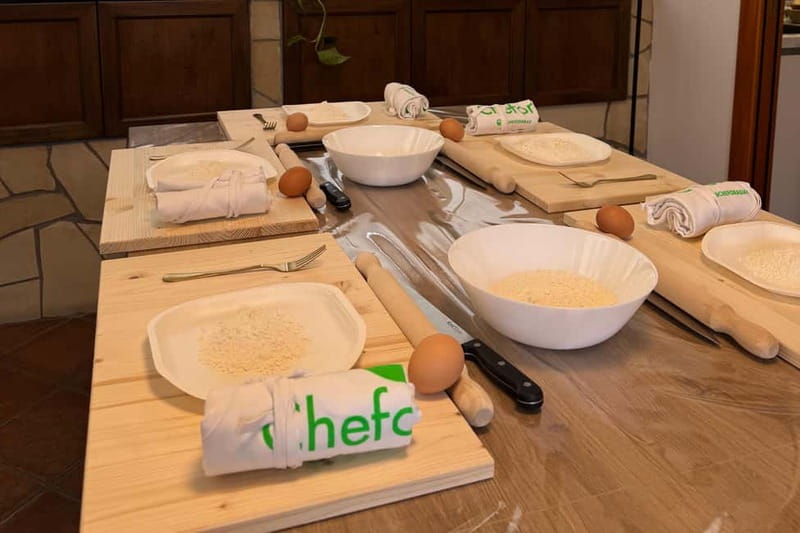
Rome cooking classes can feel either super touristy or oddly clinical. This one lands in the middle, because you’re near Piazza Navona but the focus stays on your workstation and the chef’s instructions. That location choice makes it easier to pair your class with the rest of your day without complicated travel.
The class also has a lively, people-first vibe. In the feedback I saw names like Lucas, Riccardo, and Alfons/Alfonso pop up as the kind of instructors who keep things moving and make you feel comfortable quickly. If you like your activities to feel social (without getting chaotic), this format usually hits the sweet spot.
Timing helps too. It’s only 2 hours, so you’re not trapped in a long food tour schedule. You’ll work, eat, and finish while your appetite is still high and your brain is still in cooking mode.
You can also read our reviews of more tours and experiences in Rome.
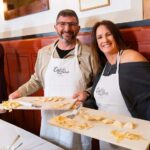

Getting your hands ready: Roman fresh pasta from flour and egg
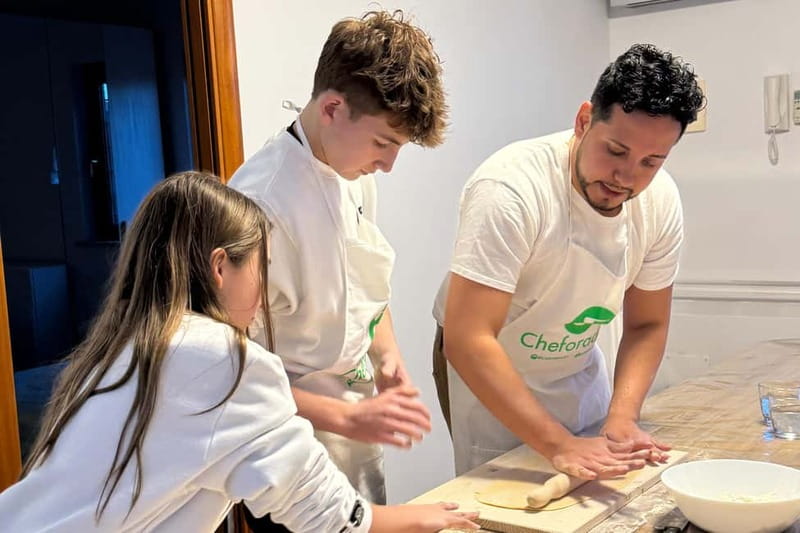
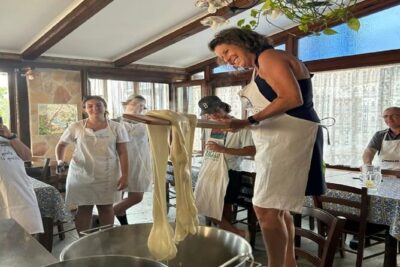
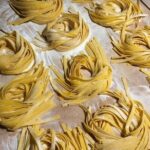
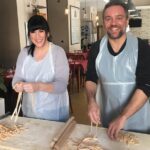
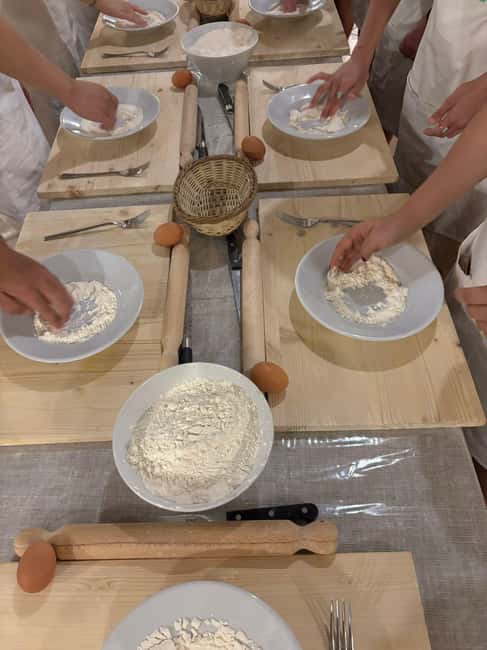
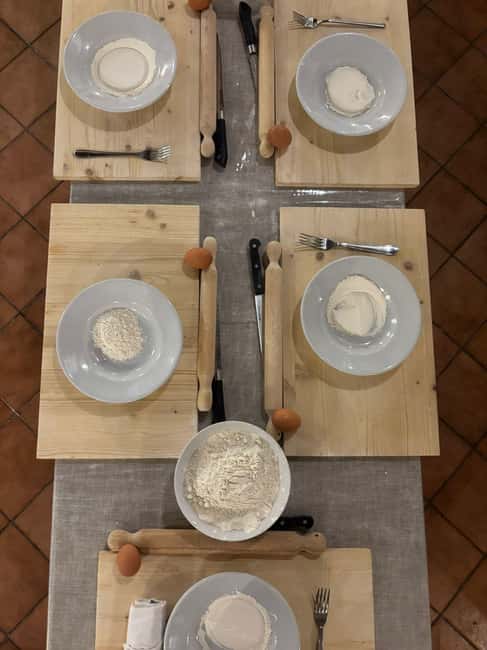
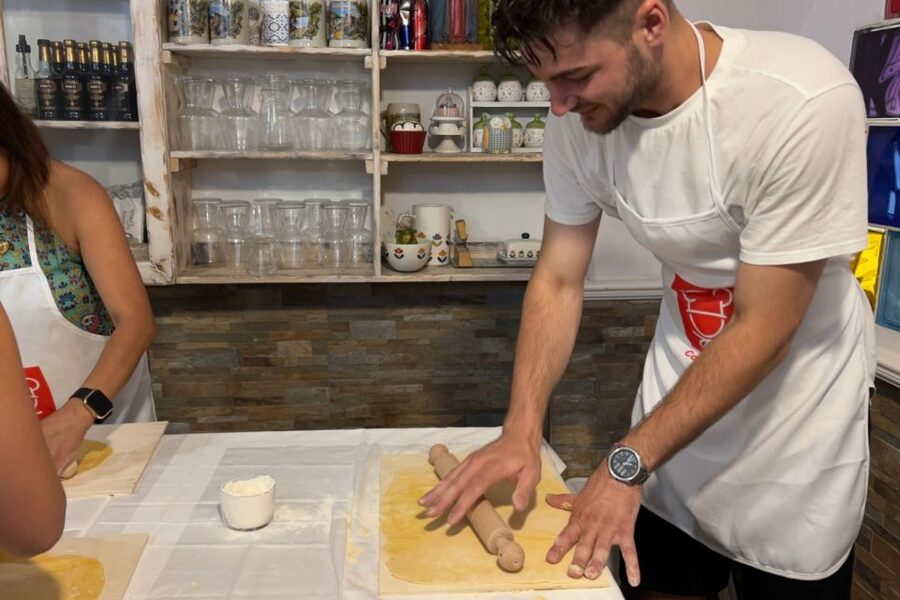
The backbone of the experience is making fresh pasta from scratch. You’ll start with the classic Roman approach: just flour and an egg, plus technique. You’ll knead, roll, and shape your own pasta, which is exactly where you learn the difference between reading about pasta and actually feeling the dough respond.
Here’s what you should pay attention to while you’re working:
- Dough texture is everything. The best classes teach you what the dough should feel like as you knead and roll, not just the steps.
- Gentle handling matters. One clear tip you’ll hear is that the dough needs to be handled gently, which affects how it cooks.
- Work at your own pace. With an English/Spanish instructor and a friendly team, it’s set up so beginners aren’t left behind.
One small but important reality: during the class, the pasta and tiramisù are your main focus. The sauces that finish your pasta are prepared by the restaurant staff, so you won’t be stuck doing every single part of the meal. If you’re the type who wants to taste, learn technique, and still get to your seat for dessert, this is a good tradeoff.
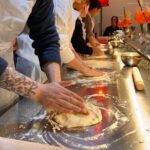
A practical note: you’ll likely stand or sit at a workstation while the chef circulates. This is a workshop style activity, so wear comfortable clothes you don’t mind getting a little flour on. The good news is that you’re using tools and ingredients provided, so you won’t have to bring supplies from your hotel.
Tiramisu practice: the classic recipe and how to get it right
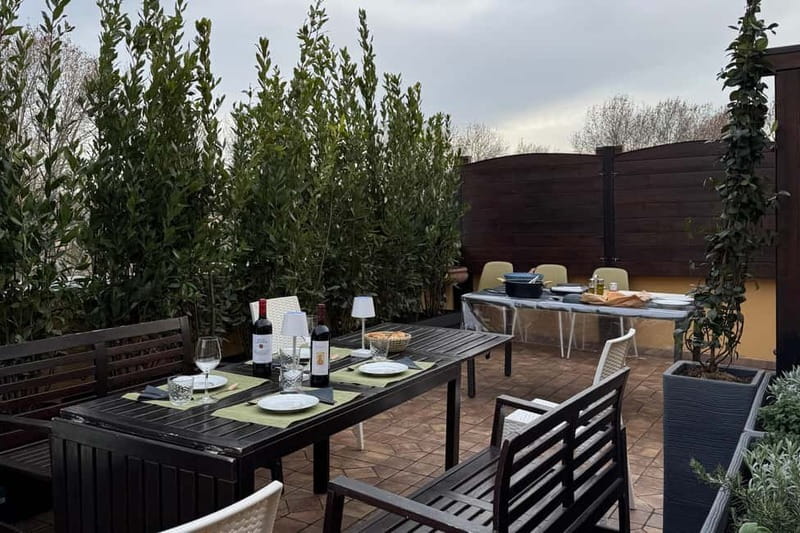
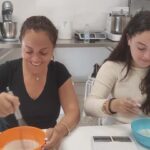
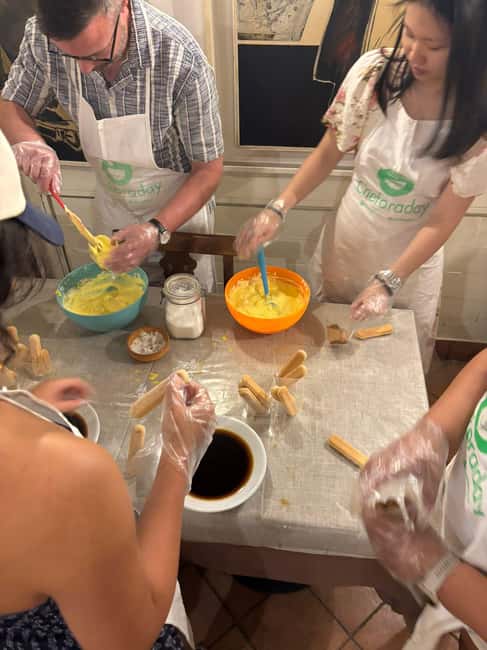
Tiramisu sounds simple on paper, but it’s actually about balance and timing. This class teaches the dessert in a way that makes sense: you’re following the original Italian recipe with fresh, high-quality ingredients, and you’re guided through what to do and why.
In the feedback, I noticed a repeating theme: chefs keep things hygienic and structured. For example, one class described washing hands before starting and doing careful, controlled taste testing during the process. That matters because tiramisu isn’t just cooking—it’s assembly, consistency, and careful finishing.
Two technique ideas to keep in mind:
- Consistency is non-negotiable. The “look and feel” of the mixture is what tells you you’re on track.
- Chilling time matters. Even if you eat it at the end of class, the chef’s explanation usually covers why tiramisu benefits from fridge time. That gives you the confidence to recreate it later at home.
Another reason tiramisù training feels valuable is that it’s not only a skill. It’s a story you’ll carry back to your kitchen: what the ingredients are supposed to taste like, how the dessert should come together, and what you can adjust if you prefer it a bit more or less intense.
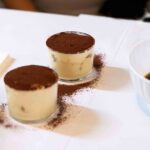
You’ll end up with a freshly made tiramisù for dessert. That means you get both the learning and the reward, instead of doing a “demo” and leaving hungry.
Wine included: how the meal pacing works
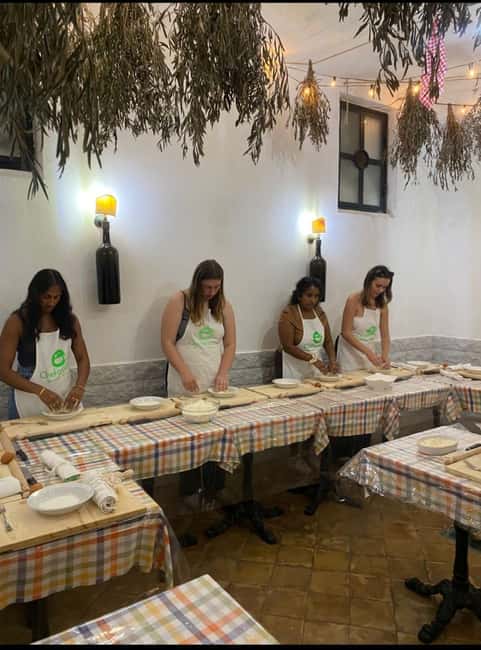
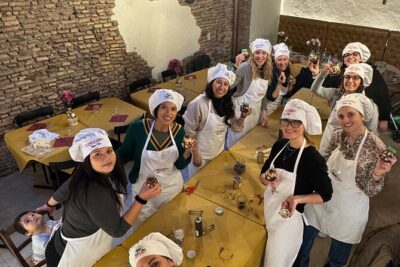
This is not just a cooking lesson where you get a snack. You cook, then you eat what you made—pasta with sauce and your tiramisù, plus wine.
What’s included:
- Refreshing water available throughout the class
- Wine (red or white)
- A limoncello toast
The pacing is designed so you’re not waiting around. You’ll sit down at the restaurant when your work is done, and the class ends with a proper tasting meal. That’s a big part of the value here: you leave with food you trust, made under guidance, not just a platter handed to you.
If you’re traveling as a couple or with friends, this is also a nice change from dinner plans you can find anywhere. A Rome night can be crowded and noisy. This tends to feel more controlled, with a chef who knows how to keep the room friendly and moving.
And if you’re traveling with kids, this structure often works well because they’re participating at their workstation, not just watching. Several families in the feedback mentioned kids loving it, even when the children were quite young, as long as they could share a station with an adult when needed.
From dough to real-life skills: recipes and certificate
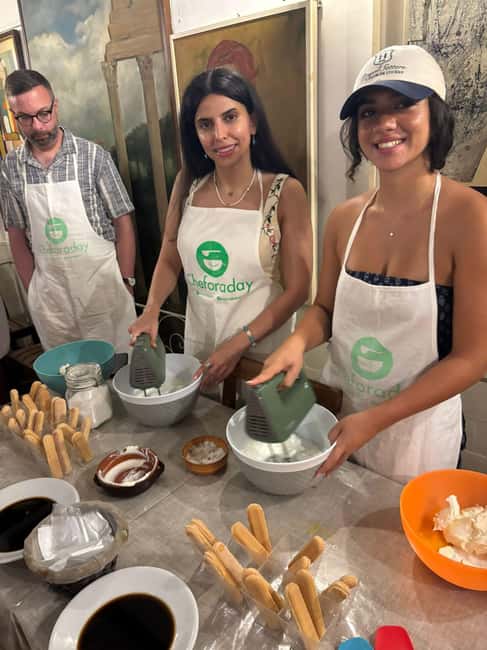
The best cooking classes don’t just entertain you; they give you a path back home. This one includes recipes so you can recreate both dishes later. That’s the difference between a “nice afternoon” and a skill you actually use.
You also get a certificate of participation. It’s not life-changing, but it’s a fun way to make the class feel official, especially if you’re traveling with family or celebrating a trip highlight.
One detail I appreciate: you’re not promised takeaway food like a tour bus stop. What you do get is the knowledge and the written recipes. The listing also notes what’s not included, like takeaway olive oil or limoncello, so you won’t waste time hoping you’ll be leaving with extra bottles.
What you’ll likely take away most clearly:
- How to start fresh pasta dough and shape it
- How to build a tiramisù properly and aim for the right texture
- How to think about consistency instead of guessing


Price and value: is $55 fair for central Rome?
At $55 per person for a 2-hour hands-on class near Piazza Navona, the value comes down to three things: instruction time, included food and drinks, and what you leave with.
In this price, you’re getting:
- Expert instructor time
- All equipment and ingredients for the activity
- Fresh pasta with sauce, plus tiramisù dessert
- Wine (red or white), water, and a limoncello toast
- Recipes to recreate the dishes later
- A certificate of participation
When you compare that to paying for dinner in a tourist-heavy area and then separately trying to find a cooking workshop, it often stacks up well. You’re effectively paying for an experience plus the meal. You’re not paying for “activity only” and then still covering food costs elsewhere.
Also, the small touches matter for value. Many chefs described in feedback as funny, energetic, and helpful, and that kind of teaching style turns a technical task into something you’ll remember. A class that keeps you engaged and makes you feel capable after the first few minutes is worth paying for.
If you’re trying to budget Rome, this can be a smart trade: one paid experience replaces a meal plan while still giving you a tangible takeaway (recipes and technique).
Who this cooking class is best for
This class fits best if you want a practical, social food experience with a clear outcome: you’ll make pasta and tiramisù and eat them. It’s also a good choice if you learn faster when you’re doing the steps yourself.
It’s especially suited for:
- Couples who want a date-like activity without formal dining pressure
- Families with children who enjoy cooking tasks at a workstation
- Food lovers who want Roman techniques, not just restaurant tasting
A few limits are worth noting:
- Wheelchair users: not suitable
- Vegans: not suitable
- Dietary restrictions and allergies: you should inform the organizers in advance, because the included menu matters
If you’re traveling with kids, the class can work well as long as the children can share a workstation with an adult when required (children under 7 are welcome to join for free with that arrangement). The teaching style also seems built to keep younger participants engaged.
Should you book this Piazza Navona pasta and tiramisù class?
If you want a Rome activity that’s hands-on, tasty, and not overly complicated, I’d book it. It hits a lot of traveler needs at once: technique you can use again, a real dessert outcome, and a meal that finishes your work instead of ending in an empty stomach.
Book it if:
- You like learning by doing
- You want Roman pasta basics and a classic tiramisù recipe
- You’d enjoy wine and a limoncello toast as part of the experience
Skip it (or look for another option) if:
- You need a fully vegan menu
- You use a wheelchair
- You’re hoping to prepare every part of the meal yourself, including sauce (since sauce prep is handled by the hosting restaurant staff)
In short: for most visitors to Rome, this is an efficient, satisfying way to turn an afternoon into a skill, a meal, and a memory tied to Piazza Navona.
FAQ
How long is the cooking class?
The class lasts 2 hours.
Where is the class located?
It takes place in Rome, near Piazza Navona.
What is the price per person?
The price is $55 per person.
What languages is the instruction in?
The instructor speaks English and Spanish.
What’s included in the class?
You get an expert instructor, group class format, equipment and ingredients, fresh pasta with sauce, freshly made tiramisù, water, wine (red/white), a limoncello toast, a participation certificate, and recipes to recreate the dishes at home.
Is wine included, or do I need to pay extra?
Wine is included. The class also includes water throughout.
Are sauces prepared by you?
No. The pasta is prepared by participants, but sauces are prepared by the restaurant staff hosting the event.
Is the class suitable for vegans?
No, it is not suitable for vegans.
Are children allowed?
Yes. Children under 7 are welcome to join for free, but they must share a workstation with an accompanying adult.
What should I know about arriving on time?
Please arrive 15 minutes before the class begins. Late arrivals may not be admitted and might need to be rescheduled, with a rescheduling fee of €15.00 per person.