REVIEW · MARRAKESH
Marrakech: Atlas Mountains Cooking Class with Berber Family
Book on GetYourGuide →Operated by Atlas Mountains Day Trips from Marrakech · Bookable on GetYourGuide
Above Marrakech, the day smells like bread. This full-day Atlas trip pairs market shopping with a hands-on cooking lesson in a High Atlas home, often guided by hosts such as Ibrahim and his mother Yemna or Badr and his aunt Yamina. You’re not just watching food happen—you’re learning the steps and the meaning behind them.
I also like the small group size (10 max), which makes it easy to talk and ask questions as the family teaches. One heads-up: the schedule can run longer than 7 hours and there’s usually a short uphill walk on mountain paths—so plan for time and wear grippy shoes.
In This Review
- Key things to know before you go
- Marrakech to the High Atlas: the ride you actually want to take
- Getting to the kitchen: pickup, access, and the short uphill walk
- Choosing ingredients at the market: where the meal starts
- The cooperative stop in the valley: meeting women and seeing daily life
- Cooking class with Berber family: what happens in the house
- Bread, tagine, and couscous: why your lunch tastes different
- Timing and the real 7-hour vs 9-hour issue
- Price and value: is $54 really fair?
- Who this tour suits best (and who should skip it)
- Practical tips before you go
- Should you book this Atlas Mountains Berber cooking class?
- FAQ
- How long is the Marrakech Atlas Mountains cooking class?
- How much does it cost?
- Is pickup included, and what if I stay in a riad in the Medina?
- What language will the guide speak?
- What’s included in the meal?
- Are dietary restrictions accommodated?
- What should I bring, and is it wheelchair-friendly?
Key things to know before you go
- Market-first cooking: You pick ingredients before you cook, so the meal starts with real choices.
- Family-led instruction: A grandmother or aunt runs the kitchen lesson, not a staged demo.
- Wood-oven cooking and mountain food: You’ll often make bread and cook dishes like tagine and couscous with fresh ingredients.
- 3-course lunch, but late: Lunch commonly lands around the 3–4 pm window, and the full day can stretch to ~9 hours.
- Terrace views and cats: The home setting includes scenic mountain views, and yes, there are cute cats.
- Two language modes: The guide is offered in English and French, but group mix can affect what you catch.
Marrakech to the High Atlas: the ride you actually want to take
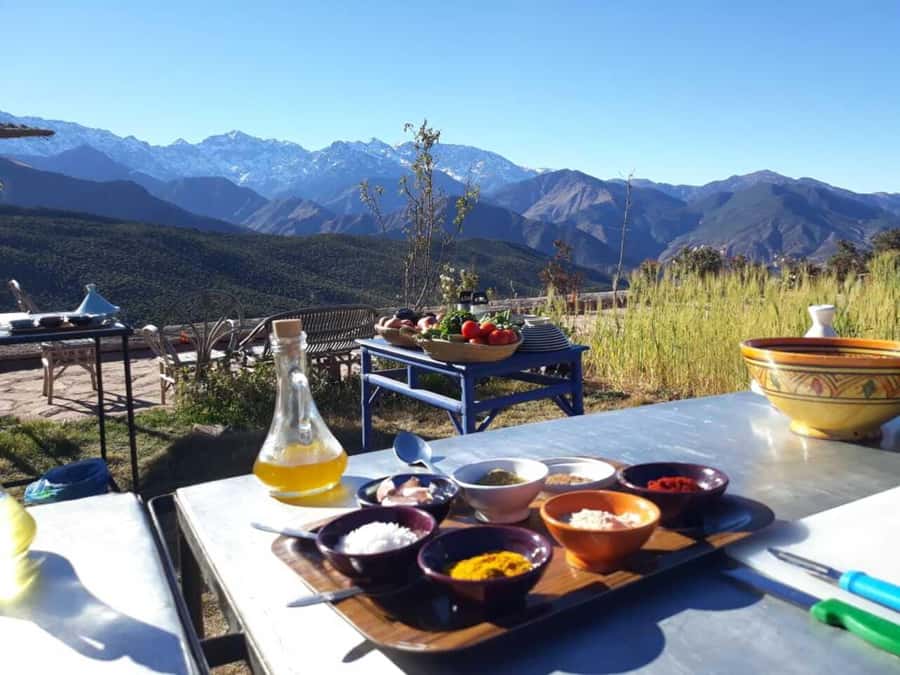
This day trip starts with hotel pickup in Marrakech. You’ll ride in an air-conditioned vehicle through countryside dotted with Berber villages, with the temperature shifting as you climb toward the High Atlas. It’s the kind of drive that feels like part of the experience, not a painful transfer.
Most days include stops en route for shopping and valley time, so you’re never just staring out the window for hours. Still, the big factor for your comfort is the mountain road: it can be windy. If you’re the type who gets car-sick, bring something preventive. One very practical note from past guests: some recommend having motion-sickness meds on hand like Gravol.
Timing also matters. The activity is listed as 7 hours, but plenty of people report it running closer to 9 hours total. That doesn’t mean it’s rushed; it means the day is paced around cooking and eating in a real home, not a factory-style timetable.
You can also read our reviews of more tours and experiences in Marrakesh.

Getting to the kitchen: pickup, access, and the short uphill walk
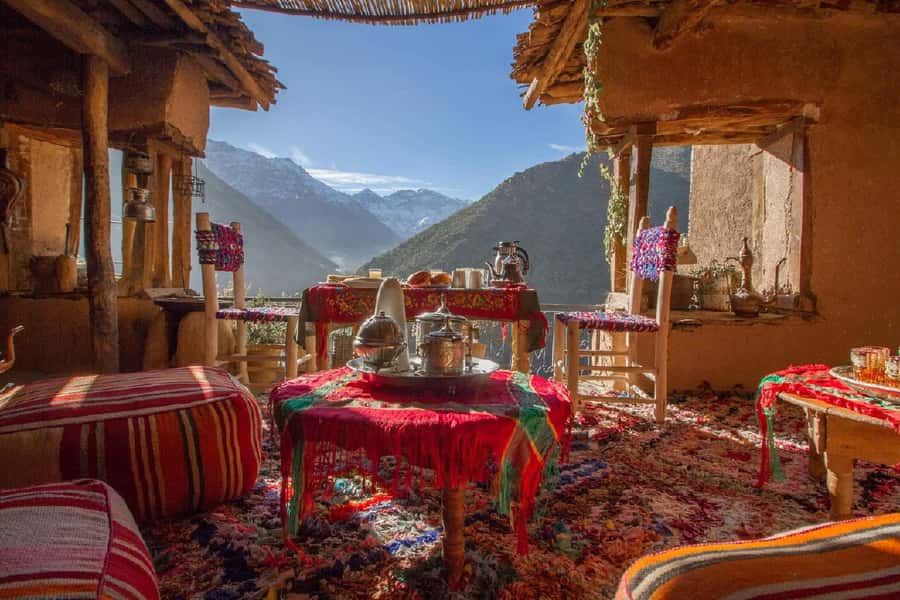
Pickup is included, and if you’re staying in a riad inside the Medina, the car may drop you at the nearest accessible point, then you’ll meet the group from there. From the vehicle to the host home, expect a bit of walking. Reviews consistently describe a short uphill trek—often around 10–15 minutes, sometimes closer to 5–7 minutes—on narrow paths with steps.
This is the main physical consideration. The experience is not suitable for wheelchair users or people with mobility impairments. If your comfort level with uneven ground is limited, choose a different style of tour. If you can handle a short uphill walk with good shoes, you’ll likely find the effort worth it once you reach the terrace and see the views.
Bring comfortable shoes and plan to use them. A sun hat helps too, but in winter the mountain air can be cold, so pack warm layers. One day can feel mild in Marrakech and chilly once you’re higher up.
Choosing ingredients at the market: where the meal starts
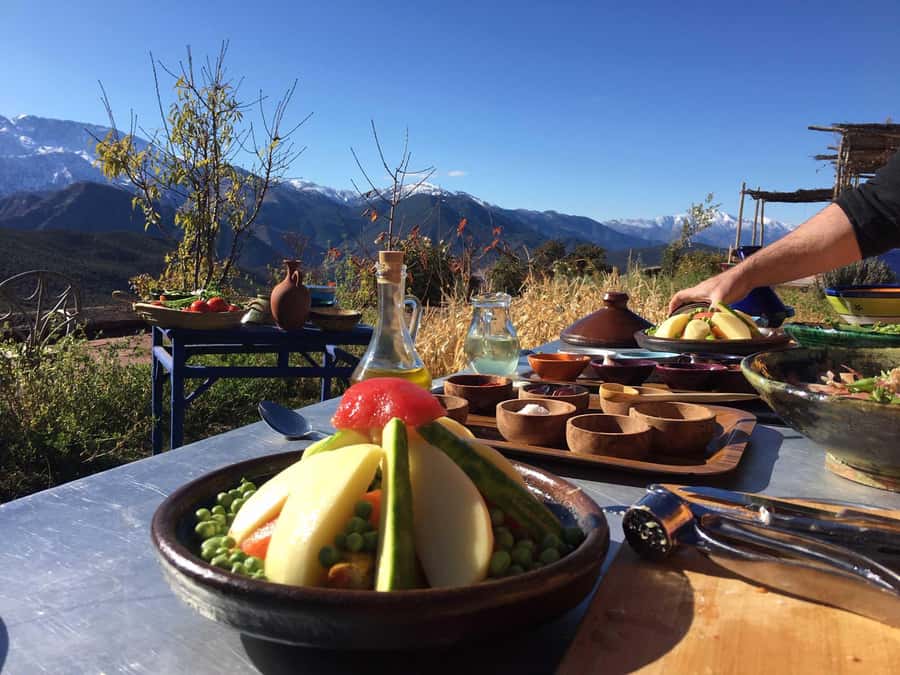
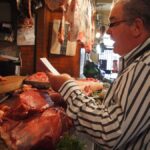
Before you cook, you’ll shop for ingredients at a local market along the way. This part is more than shopping for shopping’s sake. It teaches you what’s considered normal in a mountain kitchen: vegetables, herbs, and the building blocks for a tagine-style meal.
I like that you’re involved in the selection process. It makes the later steps feel logical, because you already know what’s going into the pot. One guest even said they were able to weigh and pick what they needed, which helps you translate the recipe later if you want to recreate it at home.
You also tend to get better storytelling here. Guides like Badr, Ibrahim, and Ismail often share context as you move through the market area—how food connects to daily life, local crops, and the Amazigh/Berber way of growing and using ingredients.
The cooperative stop in the valley: meeting women and seeing daily life
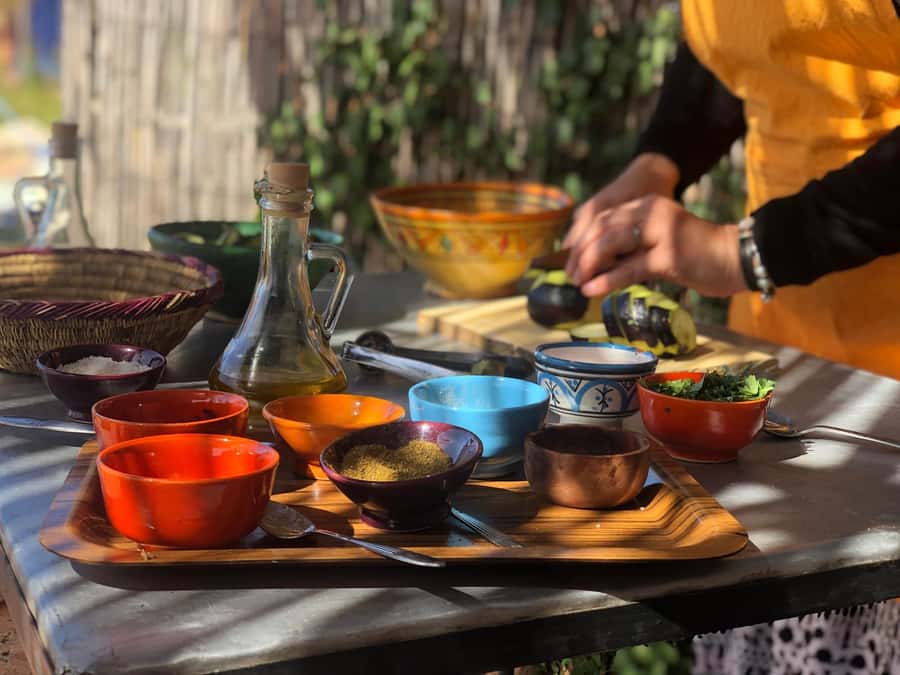
Part of the plan includes meeting women in a valley cooperative area. The description you’ll see refers to the Imlil Valley cooperative, and you may also see Ourika Valley mentioned in the same overall structure. Either way, the purpose is similar: you get a human connection beyond the cooking lesson.
This stop helps explain why the food matters. It’s not just flavors. It’s work, skills, and community. You’ll likely see how people organize and share tasks, and it’s an easy moment to ask questions about daily rhythms. Even if you focus mainly on the cooking, this is where the day becomes more than a meal.
A small detail that many guests appreciate: the cooperative or valley segment breaks up the drive so you’re not stuck in transport time for most of the day.
Cooking class with Berber family: what happens in the house
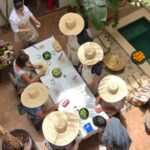
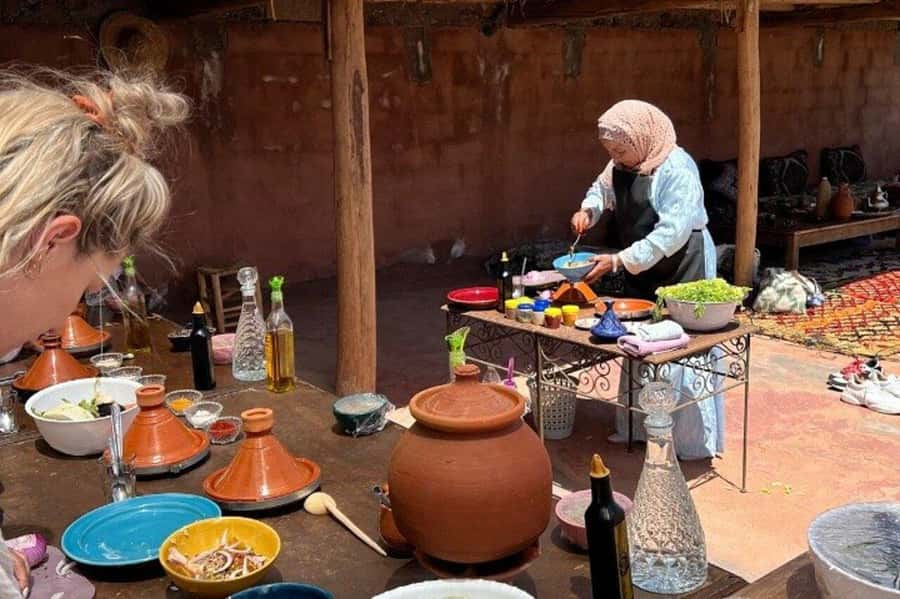
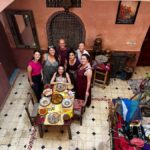
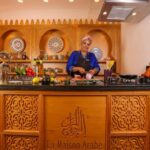
When you arrive at the family home, you’re greeted like a guest, not like a classroom student. The cooking lesson is typically led by a mother, aunt, or grandmother figure—people even call them Mama or Auntie in reviews. Names you might hear include Yemna and Yamina, and hosts like Ibrahim or Abdulaziz coordinate with the guide.
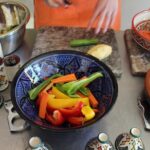
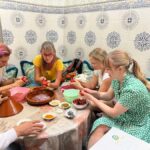
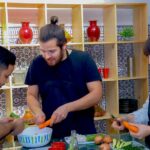
The structure is hands-on. You’ll prep ingredients, learn the order of tasks, and participate in cooking steps rather than doing one token chopping job and waiting. Past guests mention making things from scratch: preparing vegetables, making bread, and cooking dishes like chicken tagine and couscous.
What I like here is the way the instruction focuses on flow. You learn the sequence—what needs time, what goes in together, and why certain steps happen first. That matters because Moroccan cooking is often about pacing, not just ingredients.
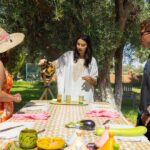
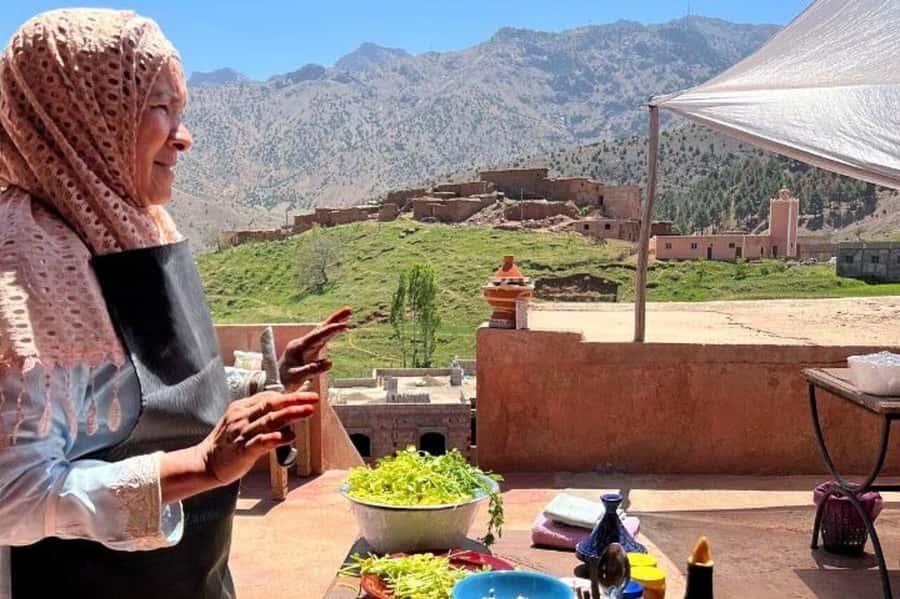
And yes, the home environment is part of the lesson: you may move through a terrace setting with mountain views, and cats often roam around. It sounds small, but it keeps the atmosphere relaxed, which helps you actually enjoy the work.
Bread, tagine, and couscous: why your lunch tastes different
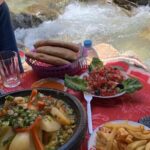
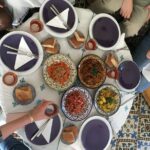
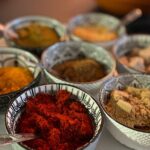
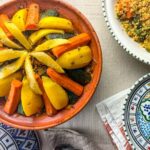
This isn’t a “cook one dish and leave” experience. You’ll have a 3-course lunch, and the class commonly includes a tagine, couscous, and traditional bread. Some families also emphasize how bread is baked using wood-fired ovens, which is a big clue about why the food tastes the way it does.
Here’s the difference you’ll feel: bread and slow-cooked stews don’t just taste better; they smell better while they’re cooking. The kitchen tends to be warmer and more aromatic than a restaurant pass-through. When you’re involved in the process, you notice timing and texture—how dough behaves, how spices perfume the room, and how couscous comes together.
Also, the menu can be adjusted. One guest with gluten-free needs and a nut allergy reported special care and separate tagine preparation. That’s a strong sign that the hosts can adapt when they know your needs. Still, I’d send your dietary details in advance so the family can plan properly.
Timing and the real 7-hour vs 9-hour issue
The trip is listed at 7 hours, but many reviews describe the day stretching to around 9 hours. Why? Because cooking and eating take time in a real home, and lunch can land between about 2:30 and 3:00 pm, with some saying closer to 3–4 pm depending on the group and pace.
So if you have an evening reservation, don’t book it too tight. I’d plan a relaxed evening and keep your schedule loose. The food portion is also described as plentiful, and you’ll likely work up an appetite from the drive plus that short uphill walk.
Air-conditioning can also be a variable. One review mentioned the aircon was on but didn’t cool much during the ride home. If summer heat is a factor for your travel month, bring water (it’s included), and consider wearing breathable layers.
Price and value: is $54 really fair?
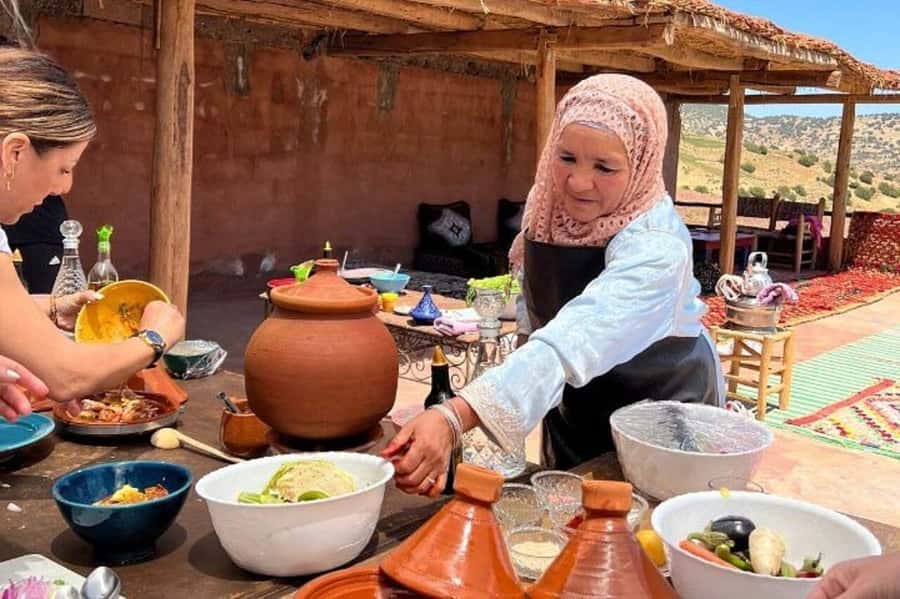
At about $54 per person, the value mostly comes from three things: you’re paying for family instruction, ingredient shopping, and a full 3-course meal—not just a cooking demo. The group stays small (10 max), which means you get interaction time with the guide and with the people teaching you.
You’re also paying for the Atlas setting. The drive out of Marrakech is part of the experience, and the terrace views make the meal feel like it belongs in that place. People repeatedly describe the mountain scenery as a highlight, and the quiet contrast from city noise is real.
Could it feel like a bit much for some people? One review said it was slightly pricey, even while praising the scenery and overall experience. That’s a fair take. If what you want is a quick, budget food tasting, you might find cheaper Moroccan cooking options in Marrakech. But if you want the full story—market to bread to tagine—this is one of the more complete value plays.
Who this tour suits best (and who should skip it)
This works best if you:
- Like cooking that involves real steps, not just observation
- Want a family-run cultural experience outside the city
- Enjoy conversation and want to hear about Amazigh/Berber daily life
- Can handle a short uphill walk on uneven paths
It may not be ideal if you:
- Need wheelchair access or have mobility limitations
- Have very tight evening plans (lunch may be later and the day may run longer)
- Get car-sick easily on windy mountain roads
For families: at least one review noted it worked even with a 5-year-old, so kids may be okay if they’re comfortable with the pace and walking. Just keep expectations realistic: this is a home environment in the mountains.
Practical tips before you go
A few small choices will make your day easier:
- Wear comfortable shoes with traction for steps and narrow paths.
- Bring warm layers if you’re traveling in cooler months; mountain cold can surprise you.
- Pack a sun hat for the exposed outdoor stretches.
- Bring water even though bottled water is included.
- If you’re prone to motion sickness, consider prevention meds for the ride.
- If you’re relying on English, ask before departure what language mix the group tends to have—one review mentioned that French-heavy groups can reduce what you catch.
Also, cameras matter. The terrace views and the food moment are both photo-friendly, and the mountain setting makes it feel like a day you’ll want to remember.
Should you book this Atlas Mountains Berber cooking class?
If your idea of a great Marrakech day is cooking with a real family, shopping for ingredients first, and eating a mountain lunch with a view, then yes—this is a strong booking. The small group size and the grandmother-led teaching style make it feel personal, and the repeated theme in reviews is genuine warmth from hosts like Ibrahim, Badr, Ismail, and the women who run the cooking.
Just be honest with yourself about two things: the short uphill walk and the timing. You’re likely to eat later than you think, and the day may stretch beyond the headline 7 hours.
If you want a quick and easy tour with minimal physical effort, skip it. If you want a day that links food to people, this is the kind of experience you remember long after the spice smell fades.
FAQ
How long is the Marrakech Atlas Mountains cooking class?
The experience is listed as 7 hours. Some participants report it running closer to 9 hours, and lunch is often ready around the 2:30–4 pm window.
How much does it cost?
It costs $54 per person.
Is pickup included, and what if I stay in a riad in the Medina?
Hotel pickup and drop-off are included. If you’re in a riad in the Medina, pickup is arranged from the nearest accessible point to your riad by car.
What language will the guide speak?
The live guide provides French and English.
What’s included in the meal?
You’ll cook during the class and enjoy a lunch with coffee and/or tea. The lunch is described as a 3-course meal.
Are dietary restrictions accommodated?
One review mentions gluten-free needs and a nut allergy being handled with special care, including a separate tagine. If you have restrictions, share them in advance.
What should I bring, and is it wheelchair-friendly?
Bring comfortable shoes, warm clothing, a sun hat, a camera, and water. It is not suitable for people with mobility impairments or wheelchair users, and there’s walking involved on mountain paths.