REVIEW · MARRAKESH
Marrakech: Moroccan Cuisine Cooking Class in Local Home
Book on GetYourGuide →Operated by Reiseführer Abdo · Bookable on GetYourGuide
Moroccan food tastes better when you cook it first. That’s the magic of this hands-on class in a local medina home, with a guide like Abdul/Abdo turning recipes into culture.
I love that it’s truly step-by-step, so even if you are not a kitchen person, you can chop, stir, and finish with a full meal. I also love that you’re not just tasting Moroccan food, you’re eating it together right where it’s made.
One thing to plan for: medina meeting spots can be confusing. You’ll want to follow the directions closely (and use Google Maps, not Apple Maps).
In This Review
- Key Things I’d Bookmark Before You Go
- Moroccan Home Cooking in the Medina: What You’re Really Buying
- Meet Your Guide in the Riads: Medina Logistics Made Simple
- The Dishes You’ll Cook: Tagines, Zaalouk, Salad, and Fresh Bread
- From Spices to Technique: How the Cooking Actually Works
- Tea, Stories, and Moroccan Social Life: Why the Host Matters
- Price and Value: Is $24 Worth It?
- Who This Class Suits Best (And Who Might Prefer Another Option)
- Practical Tips Before You Go (So You Enjoy It More)
- Should You Book This Moroccan Cuisine Cooking Class?
- FAQ
- How long is the Moroccan cuisine cooking class?
- Where does the class take place?
- How much does it cost?
- What dishes will I cook and eat?
- What language is the guide?
- Is the class suitable for beginners?
- Can the menu be changed for dietary restrictions?
- What should I bring?
- Is transportation included?
- What are the rules in the home?
- Where is the meeting point?
Key Things I’d Bookmark Before You Go
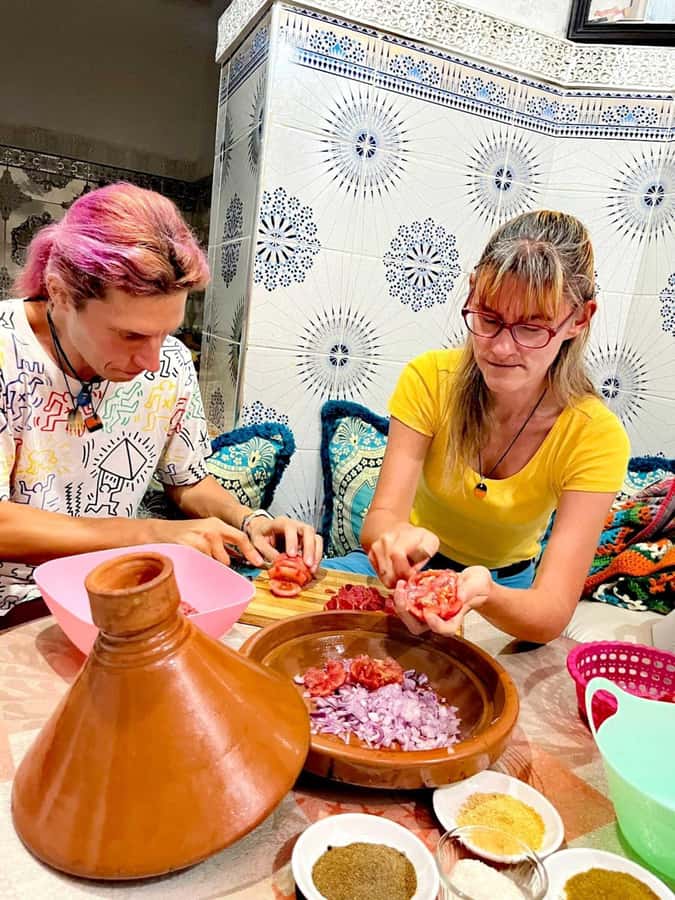
- A real local-home kitchen instead of a big, impersonal cooking school
- Three hours of hands-on work, from bread-making to tagines and salads
- Culture through stories, with tea and social traditions woven into the session
- Small-group energy that lets you actually participate (often enough hands for everyone)
- Take-home recipes so you can remake the dishes later
- Dietary changes are possible, since the menu can be adjusted
Moroccan Home Cooking in the Medina: What You’re Really Buying
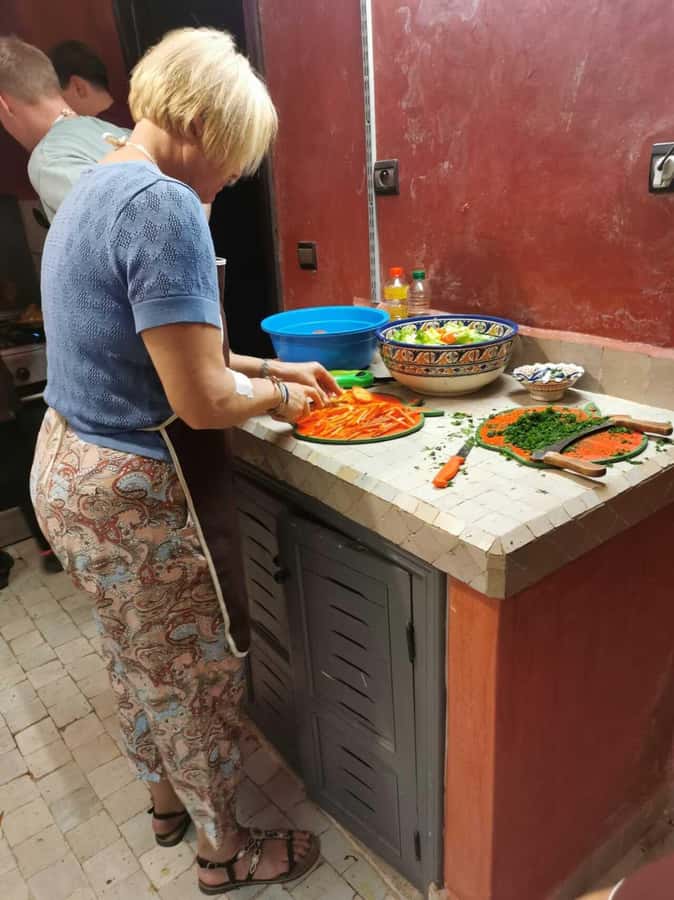
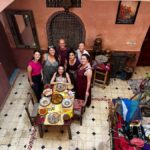
Marrakech can be loud, crowded, and a bit performance-y around the main sights. This class is different because it happens in a traditional home inside the medina area, not a staged venue.
You’re paying for three things at once:
First, you get cooking instruction that sticks. The meal isn’t random. It’s structured around Moroccan staples like tagines, salads, and bread. Second, you get context. Your host shares stories about Moroccan daily life, social habits, and tea culture while you cook. Third, you get a shared meal at the end, which is where the experience stops feeling like an activity and starts feeling like an evening with real people.
And yes, the food is the point. But the real win is how fast you go from watching spices get used to understanding why they taste the way they do.
You can also read our reviews of more tours and experiences in Marrakesh.


Meet Your Guide in the Riads: Medina Logistics Made Simple
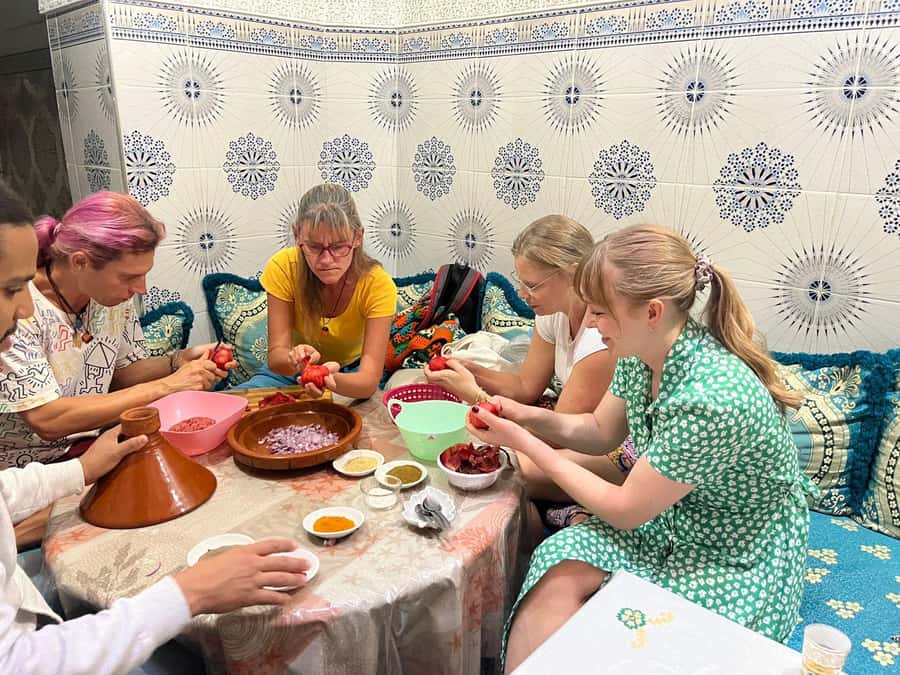
In the medina, “easy” can turn into “where am I standing?” quickly. This activity is manageable, but you need to follow the meeting instructions.
- The guide waits about 10 minutes before start time.
- If you arrive early, wait in front of Riad les Etoiles Berberes, not inside.
- Your guide will be easy to spot with a green hat and will check names so you’re with the right group.
- Use Google Maps, not Apple Maps. People specifically note that it helps you find the right spot faster.
If you’ve ever tried to navigate Marrakech by guessing, this will save you time and stress. Once you know the meeting point, the rest of the evening feels calm.
The Dishes You’ll Cook: Tagines, Zaalouk, Salad, and Fresh Bread
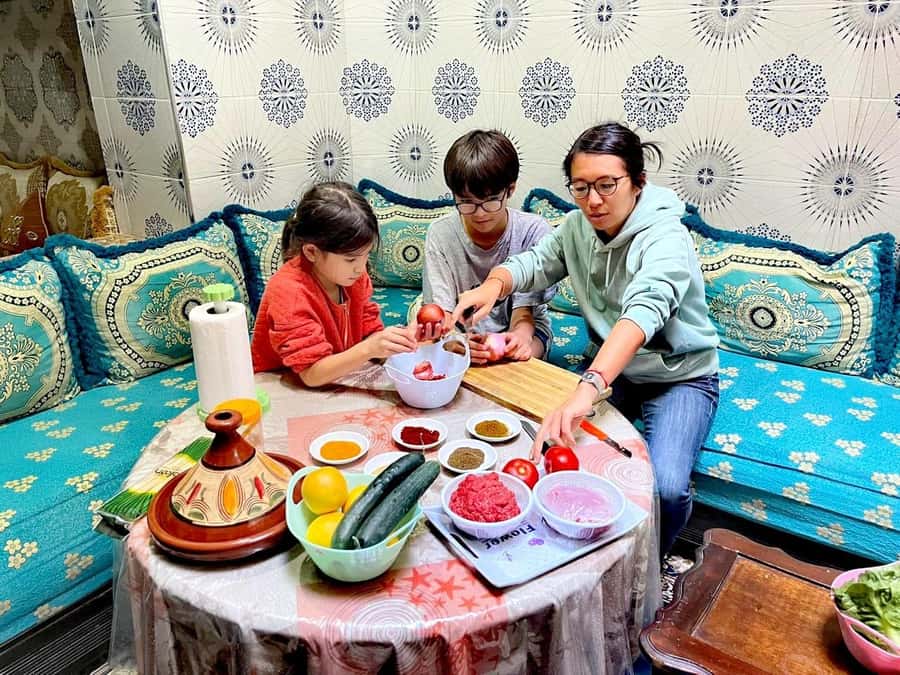
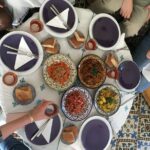
The menu is designed to give you both comfort-food satisfaction and real technique. Over the 3 hours, you’ll make a mix of dishes including:
- Fresh Moroccan bread (hands-on, not just warmed pita)
- Chicken tagine with olives and golden fries
- Meatball tagine topped with melted cheese
- A tomato and green pepper salad
- Zaalouk, a classic Moroccan eggplant dish
- A fruit salad for dessert
What I like about this lineup is the balance. You get saucy, spice-forward tagine cooking. You also get fresh elements like salad and a lighter dessert, so the meal doesn’t become one long heavy flavor.
Zaalouk is a great choice for learning because it teaches you how Moroccan eggplant-based dishes build depth: you’re not just making something soft, you’re working with seasoning and texture until it tastes right. And bread is a confidence builder. Even beginners feel proud when the dough becomes something you can break and eat.
One practical note: the menu is changeable if you have dietary restrictions. If you’re vegetarian, or you avoid certain foods, tell the host ahead of time so the cooking plan can be adjusted.
From Spices to Technique: How the Cooking Actually Works
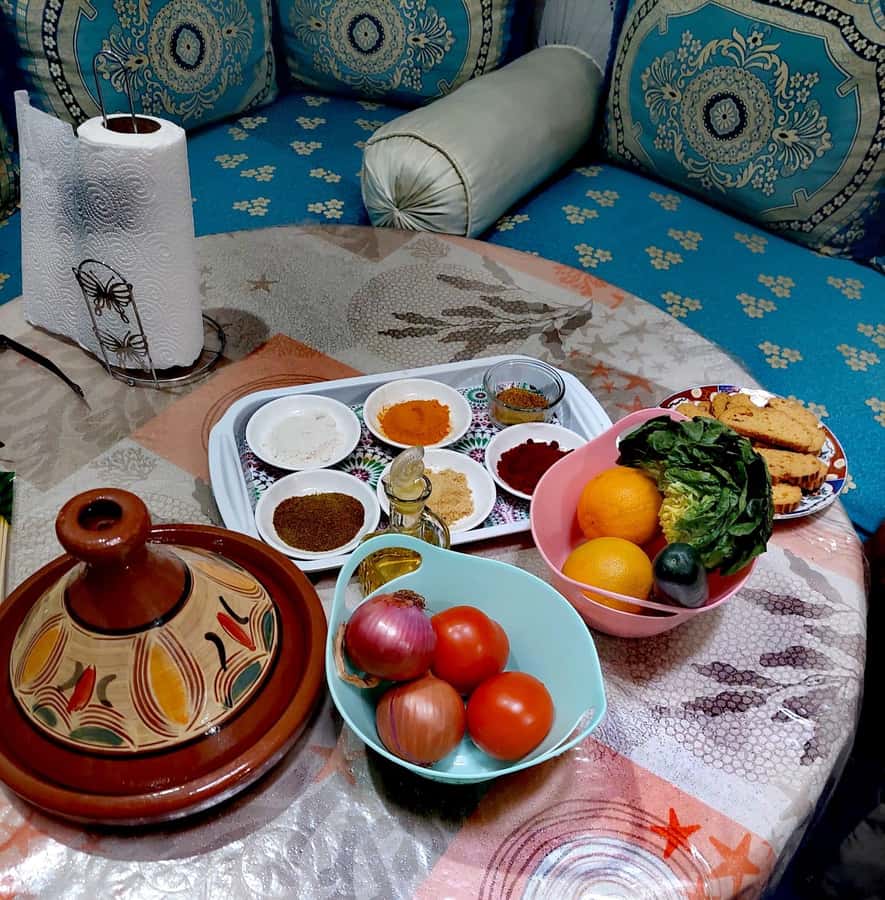
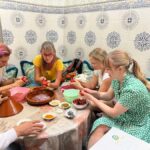
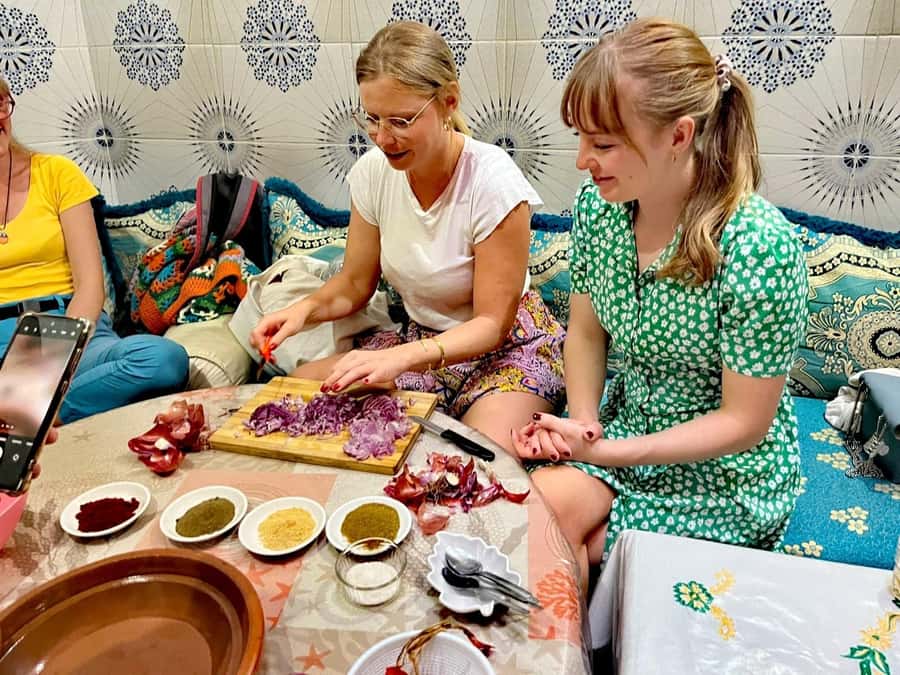
This isn’t a “watch someone cook while you take photos” situation. The class is built around you doing the work.
Expect a flow that looks like this:
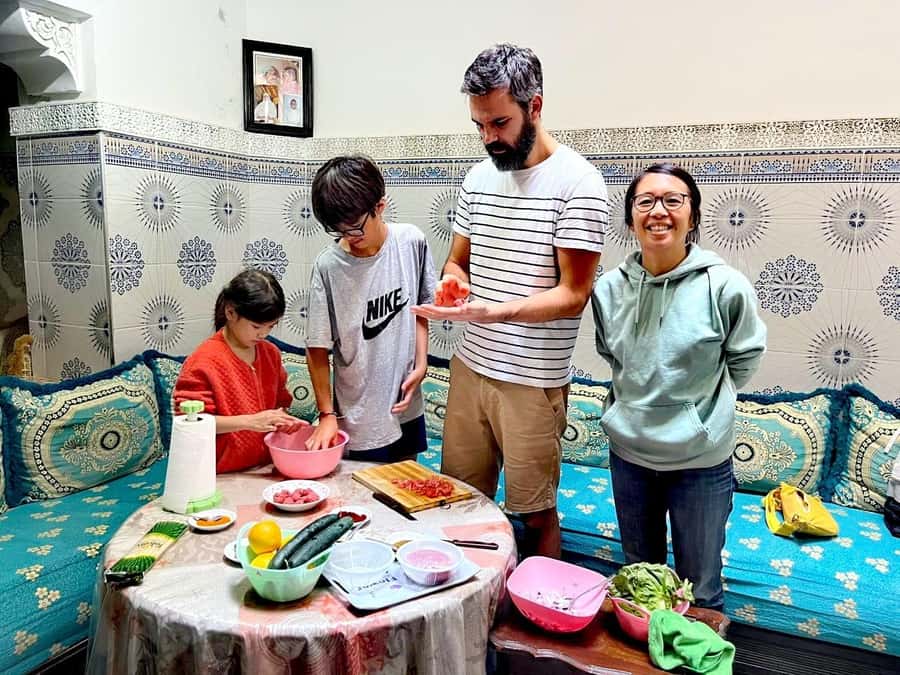
- You start with prep: chopping, mixing, and learning what ingredients are doing in the dish.
- You move into cooking steps for the tagines, including how to handle timing and heat.
- You get guidance while making the bread, so you can follow along without guessing.
- You finish with plating tips and then sit down together to eat.
Your host runs the show, but the group isn’t stuck as passive spectators. Many people highlight that everyone gets involved, which matters in a cooking class. It’s also why the time feels full. You are busy the whole way through.
This is also beginner-friendly. The class is described as suitable for people with no experience, and you can still benefit if you already cook.
Tea, Stories, and Moroccan Social Life: Why the Host Matters
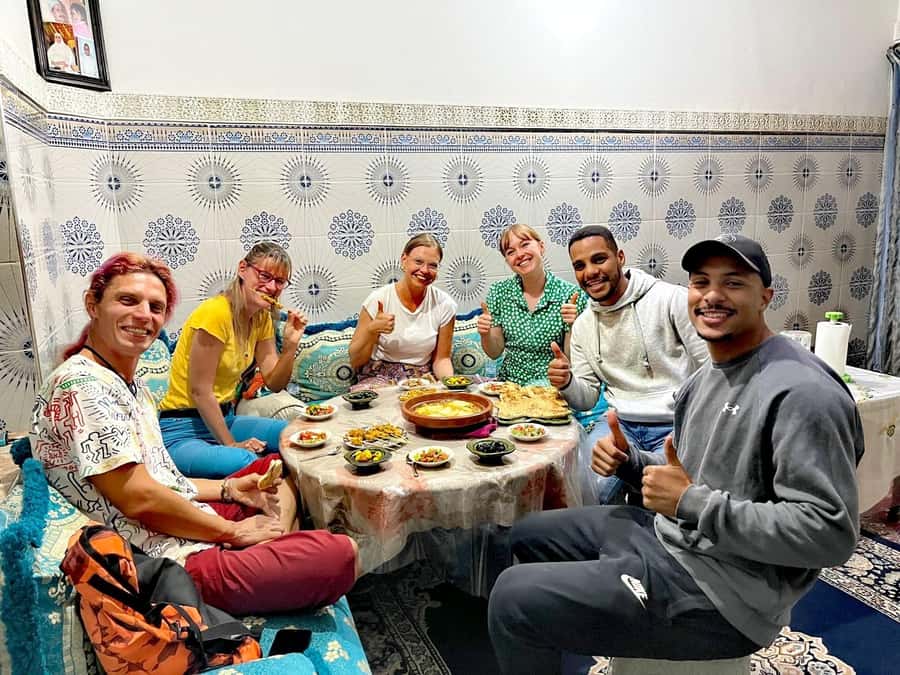
One reason this class earns such strong ratings is the way the host connects food to daily life.
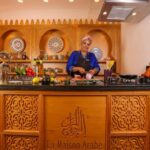
Guides like Abdul/Abdo share stories while you cook. That turns a recipe session into something you remember differently. Instead of only thinking, I made tagine, you end up thinking, I understand how Moroccan households socialize, eat, and serve tea.
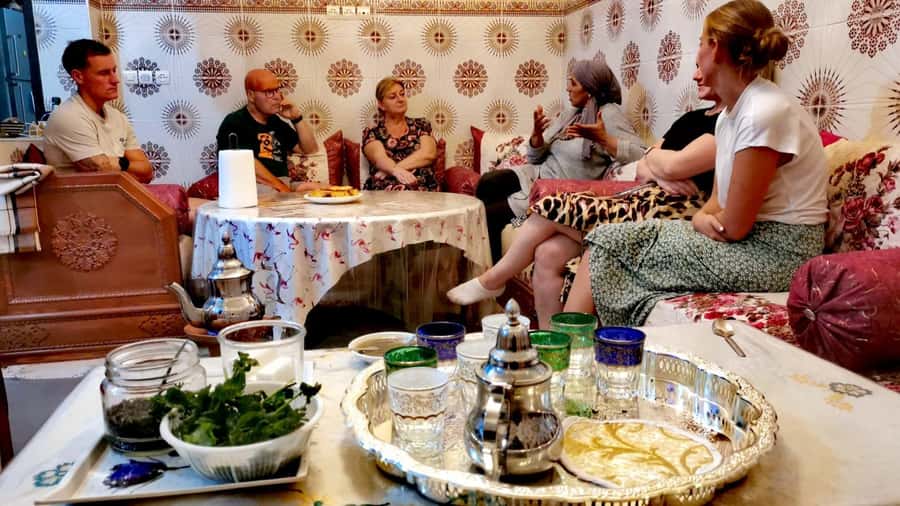
Tea shows up as more than a drink. You’ll hear about the tradition of Moroccan tea and the social side of tea drinking, and people also mention learning techniques and customs tied to it.
Also, there’s a real human warmth to the experience. Several people describe the host as funny, patient, and welcoming, with instruction that makes you feel comfortable even if you’re out of your comfort zone. That’s not fluff. In a medina kitchen, comfort is what makes you stay engaged instead of worried you’re doing it wrong.
If you like your cultural experiences to come with conversation, this is a great match.

Price and Value: Is $24 Worth It?
At $24 per person for a 3-hour guided, hands-on cooking experience in a local home, the value is strong.
Here’s why:
- You get more than one dish. You’re not paying just for a single recipe. You’re making multiple courses worth of food, from bread to tagines to zaalouk and fruit salad.
- You get instruction plus ingredients. The class includes authentic, quality ingredients and step-by-step guidance.
- You also get something intangible: cultural storytelling while you work.
- You leave with take-home recipes, which is how a fun evening becomes something you can repeat later.
Could you cook Moroccan food on your own at home? Sure. But that usually takes trial, mistakes, spice learning, and time. This compresses that learning into an enjoyable evening with someone standing next to you.
Transportation is not included, but that’s typical for medina-based activities. Most people simply walk from their riad when they can, or plan a short taxi/rideshare to get close.
Who This Class Suits Best (And Who Might Prefer Another Option)
This class fits best if you want a practical cultural experience, not a show.
It’s especially good for:
- Food lovers who want real techniques and seasoning habits
- Beginners who need step-by-step help
- Families and mixed groups (people mention ages ranging from young adults to older visitors, with the host adjusting the pace)
- Anyone who’s had a tough time finding activities that feel personal in a place as tourist-heavy as Marrakech
You might want to consider another option if:
- You get stressed by finding meeting points in the medina. The class is easy enough once you have the directions, but you do need to pay attention.
- You strongly prefer a cooking class where you only do one dish. This one covers a full meal.
- You need a very quiet, low-interaction environment. This is a social class with conversation and activity.
Practical Tips Before You Go (So You Enjoy It More)
A few small things make a big difference:
- Wear comfortable shoes. You’re in old streets and you’ll be moving around.
- Bring comfortable clothes that can handle kitchen work.
- Bring cash (cash is specifically mentioned).
- Bring a hair tie if you have long hair.
- Plan for the rules: no smoking, no alcohol, and no loud behavior/noise in the home setting.
If you’re unsure about what to expect from a Moroccan home kitchen, don’t worry. The class is designed to keep you involved. People repeatedly mention that the host makes you feel at ease, with clear guidance and a relaxed pace.
Also, if you like advice beyond cooking, you’ll often get it. Many people note that the host shares helpful tips for experiencing Marrakech well, not just what’s on the menu.
Should You Book This Moroccan Cuisine Cooking Class?
If your goal is authentic Moroccan food plus real cultural context, I’d book it.
Do it especially if you want:
- Hands-on learning (bread, tagines, salad, zaalouk)
- A small, friendly group where you can actually participate
- A guide-story vibe from someone like Abdul/Abdo
- A meal that feels like an evening, not a checklist
I’d hesitate only if you’re the type who hates medina navigation or you want a super quiet, strictly instructional class with zero conversation. Otherwise, for $24 and three hours in a local home, this is one of the smarter ways to spend an evening in Marrakech.
FAQ
How long is the Moroccan cuisine cooking class?
The class lasts 3 hours.
Where does the class take place?
It takes place in a local home in the Marrakech medina area.
How much does it cost?
The price is $24 per person.
What dishes will I cook and eat?
You’ll prepare items including Moroccan bread, chicken tagine with olives and golden fries, meatball tagine with melted cheese, tomato and green pepper salad, zaalouk (eggplant dish), and fruit salad for dessert.
What language is the guide?
The live guide is available in English, Dutch, French, and Arabic.
Is the class suitable for beginners?
Yes. It’s suitable for beginners, and people with prior cooking experience can also join.
Can the menu be changed for dietary restrictions?
Yes. The menu is changeable and can be modified according to dietary restrictions.
What should I bring?
Bring comfortable shoes, comfortable clothes, cash, and a hair tie.
Is transportation included?
No. Transportation is not included.
What are the rules in the home?
Smoking, alcohol and drugs, and making noise are not allowed.
Where is the meeting point?
Meet in front of Riad les Etoiles Berberes. The guide waits about 10 minutes before the starting time and will be wearing a green hat.