REVIEW · KYOTO
Kyoto: Ramen Cooking Class at a Ramen Factory with Souvenir
Book on GetYourGuide →Operated by Factory Alliance · Bookable on GetYourGuide
Kneading ramen dough is oddly satisfying. This Kyoto ramen factory class turns a Kyoto ramen obsession into a hands-on skill: you make noodles from flour, choose your soup and sauce combo, and then eat what you built. It’s also tied to Menbaka Fire Ramen, so you’re getting taught by a serious ramen ecosystem, not a one-off demo. I especially like the process of making from-scratch noodles step by step, including the very fussy folding work that makes the texture right.
My second favorite part is getting to customize your bowl with the featured ramen flavor directions like miso, salt, and soy, then tasting it while the class momentum is still fresh. There’s also a useful payoff: you get a full recipe sent to you by email so you’re not stuck with just memories. One practical consideration: the entrance is on the basement floor, and it can be tricky to spot if you rely only on what you see in Google Maps.
In This Review
- Key things you should notice before booking
- Why this Kyoto ramen factory class feels different from a restaurant meal
- Getting to the spot near Demachiyanagi (and finding the basement entrance)
- The 90-minute flow: apron on, video watched, and noodles made by hand
- Chicken seasoning: where flavor begins
- Noodles from flour: mixing, punching, kneading, draining, shaking
- Building the bowl: soup base and oils, then your sauce direction
- Making sense of miso, salt, and soy: your flavor choices in plain terms
- Eating your own ramen right after: why timing makes the lesson stick
- Recipe emailed + souvenir options: taking the skill beyond the lunch table
- 1) The ramen recipe gets sent to your email
- 2) You choose a souvenir before leaving
- Languages, guides, and dietary options (what you can realistically expect)
- Dietary notes: ask ahead, and expect accommodation
- Price and value: is $127 per person worth it?
- Who this class is best for (and who should think twice)
- Should you book the Kyoto ramen cooking class at the Ramen Factory?
- FAQ
- How long is the ramen cooking class?
- Where do I meet, and how do I find the entrance?
- Do they teach in English?
- Can they accommodate dietary preferences like vegetarian or pescatarian?
- Will I get a recipe to cook ramen at home?
- Are drinks included in the price?
Key things you should notice before booking
- Noodles from flour, not pre-made dough
- Over 100 folds as part of building the noodle texture
- Miso, salt, and soy sauce mixing for a tailored bowl
- Full recipe emailed so you can cook ramen at home
- English/Japanese instruction with staff used to first-timers
- A souvenir option (you’ll pick from multiple types)
Why this Kyoto ramen factory class feels different from a restaurant meal
Kyoto is packed with amazing food stops, but a ramen cooking class gives you something a bowl at a counter never can: control. Here, you’re not just tasting soy-based comfort. You’re learning what changes when you adjust the chicken seasoning, the soup base direction, and the oils/sauce mix that shapes the final flavor.
I like that the format is built around teaching the mechanics. You’ll start with the “serious” stuff first, like noodle dough handling, then move to flavor decisions, then finish by eating your own bowl right away. That order matters. It keeps the lesson from feeling like a random cooking activity and turns it into a repeatable ramen method.
Also, the ramen factory is positioned as a school linked to Menbaka Fire Ramen. In practice, that translates into a class that takes ramen seriously. From the way the steps are laid out (video overview, tool use, guided pacing) to the fact that you’ll leave with a recipe, it’s designed for you to take the skill home, not just the photo.
You can also read our reviews of more tours and experiences in Kyoto.
Getting to the spot near Demachiyanagi (and finding the basement entrance)
This class meets near Demachiyanagi (Keihan-line)—about a five-minute walk. The key detail is the approach: when you arrive, go for the staircase to the right of the supermarket, then go down to the basement floor.
If you plan to wander first, don’t. Walk in with that basement-floor game plan in mind. One of the most repeated real-world issues is simply “I couldn’t find it,” and the fix is straightforward: expect stairs and a basement level, even if your first impression looks like street-level storefront.
If you’re coming at a time when Kyoto streets are busy, this still feels easy because the meeting point is close to a station. Just give yourself a few extra minutes to locate the stair entrance and you’ll be fine.
The 90-minute flow: apron on, video watched, and noodles made by hand
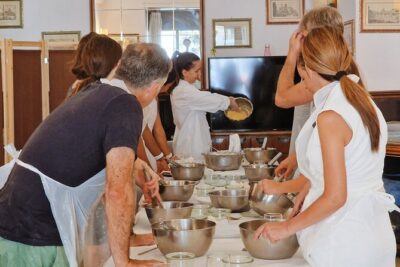
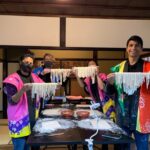
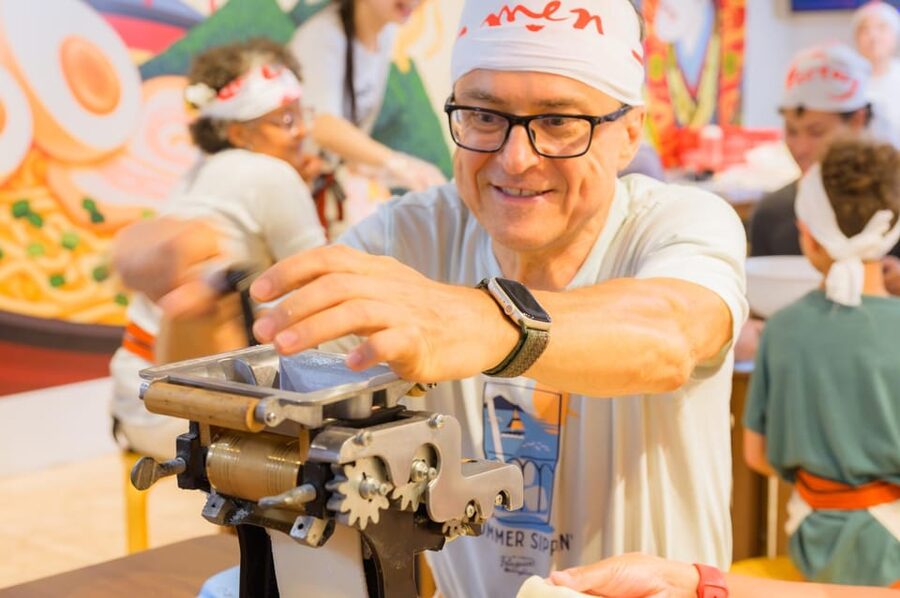
The class runs for 90 minutes, and it’s structured to keep you moving the whole time. You’ll start by putting on the ramen apron and headscarf. That sounds small, but it helps you settle in fast and makes the class feel more like a guided workshop than a lecture.
Then you’ll watch an overview video. This matters because ramen isn’t one technique. It’s multiple small ones—dough texture, seasoning timing, broth direction, and assembly—so having a quick picture of the whole path reduces stress later.
Chicken seasoning: where flavor begins
You’ll flavor the chicken with seasonings during the prep stage. You’re not just cutting corners with store shortcuts. The goal here is to show you how ramen flavor starts before the final broth bowl exists.
Even if you’re new, you can think of this stage as setting up the “base character” of the bowl. Later, when you choose your soup and sauce combo, you’ll understand how that choice interacts with what the chicken seasoning already did.
Noodles from flour: mixing, punching, kneading, draining, shaking
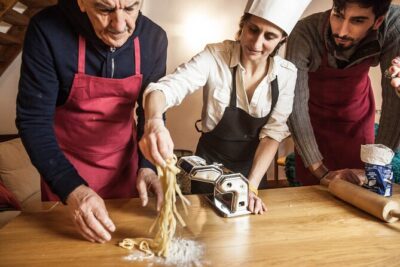
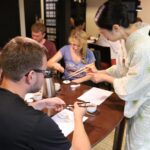
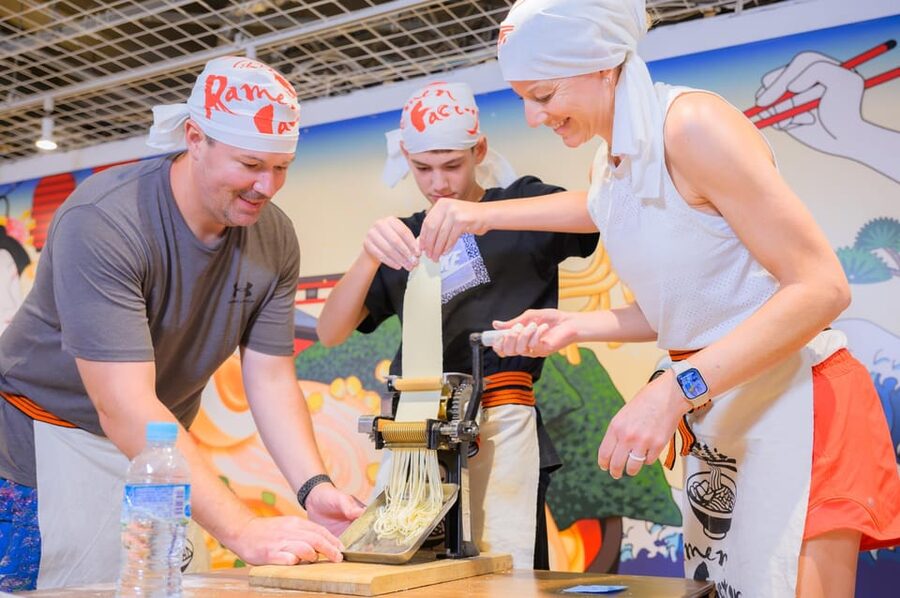
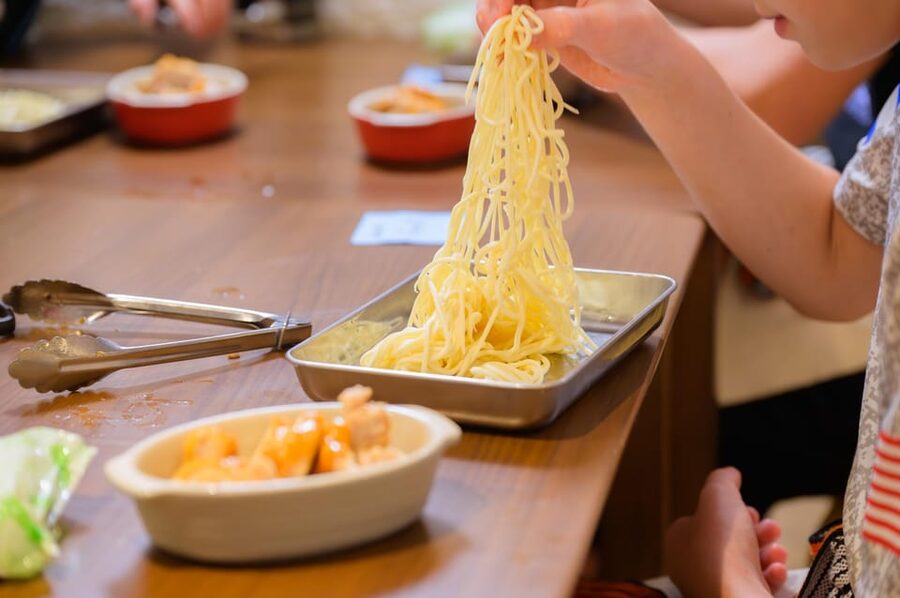
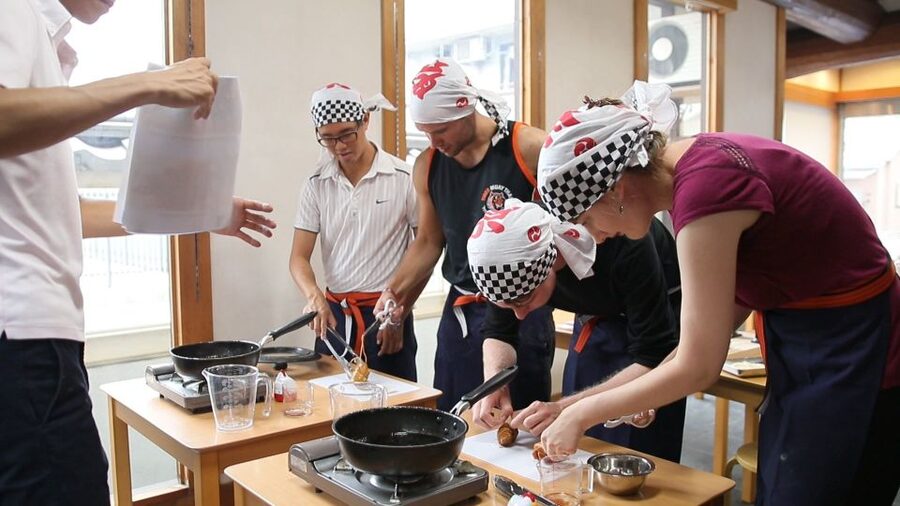
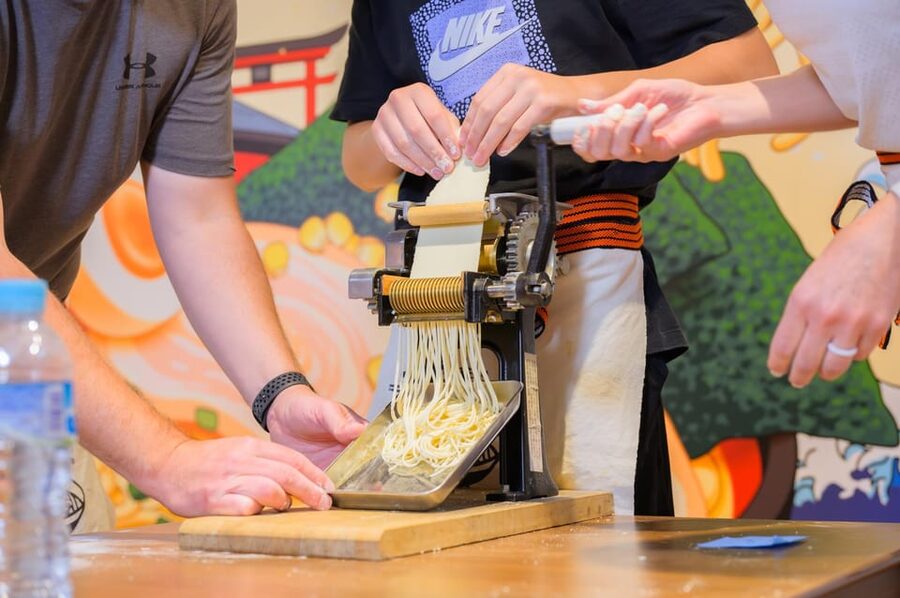
This is the star of the show. You’ll take flour and go through the full noodle build: mix, punch, knead, drain, shake—until the noodle dough becomes finished noodles.
One detail I really like is that the class doesn’t gloss over the handwork. You’ll fold the noodle dough over 100 times, and that repetitive motion is part of why the texture works. In other words, you’re not getting a “quick noodle trick.” You’re learning the noodle technique that Japanese ramen shops protect fiercely.
If you’ve ever struggled with homemade bread or pasta and wondered why it takes time, this class makes the idea clear: the process creates structure. With noodles, that structure affects bite and how the sauce clings.




Building the bowl: soup base and oils, then your sauce direction
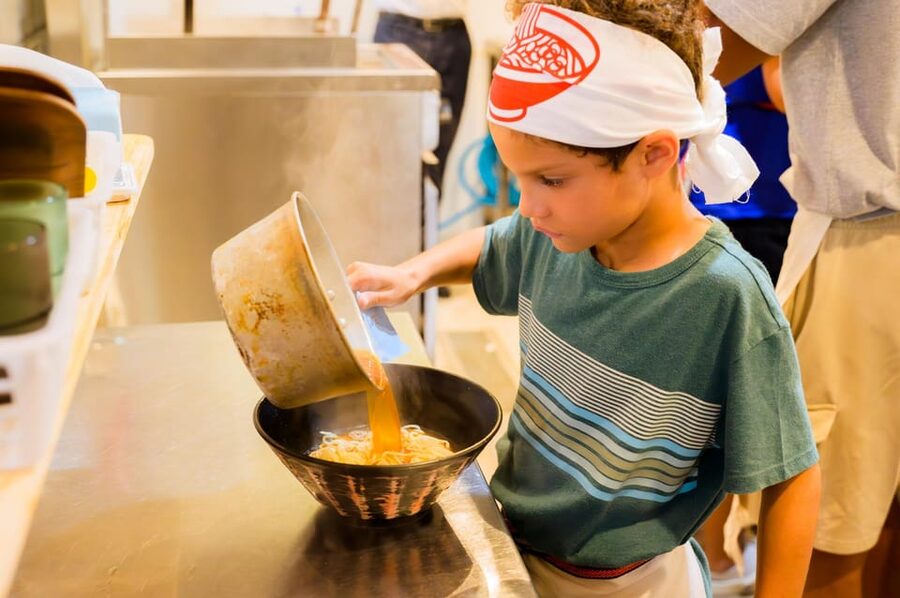
After the noodle part comes the part that makes the ramen feel personal. You’ll choose a soup and sauce combination and then set up your bowl.
The class frames ramen flavor around soup base and oils, plus featured sauces such as miso, salt, and soy. You’ll mix and pair these choices so your final bowl isn’t just “the one everyone gets.” It’s your version.
Making sense of miso, salt, and soy: your flavor choices in plain terms
Here’s the practical way to think about those featured sauces:
- Miso tends to feel deeper and rounder. In a bowl like this, it’s a strong direction if you like savory comfort.
- Salt is often about clarity. If you want your broth to feel lighter or more delicate while still flavorful, salt is your friend.
- Soy gives you that classic umami base flavor. If you like a familiar ramen taste but want to understand how to build it, soy makes sense.
The class also includes mixing in 3 types of featured sauces. That’s helpful because it teaches you that ramen flavor isn’t one ingredient. It’s a balance—like building a tuning fork for taste. You’re basically learning how flavor layers come together.
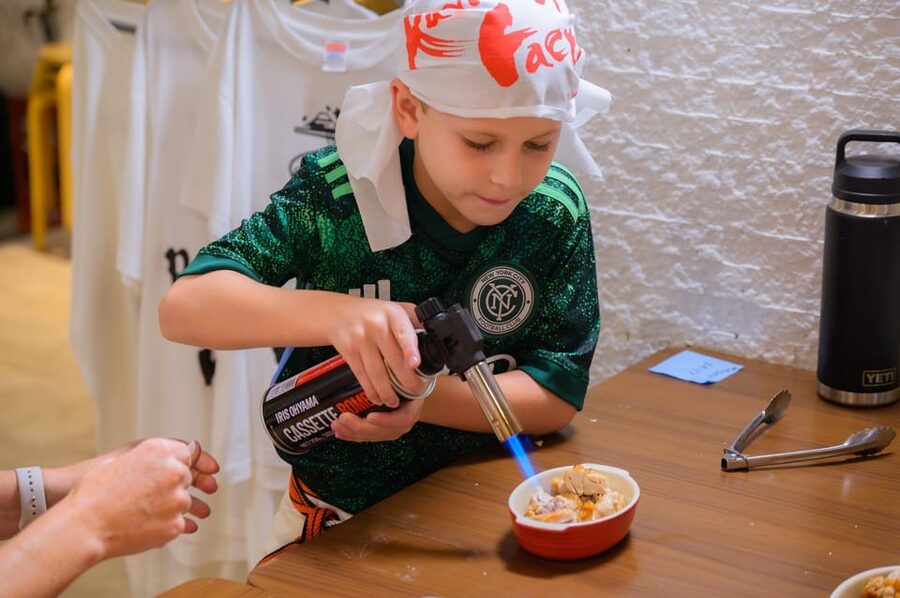
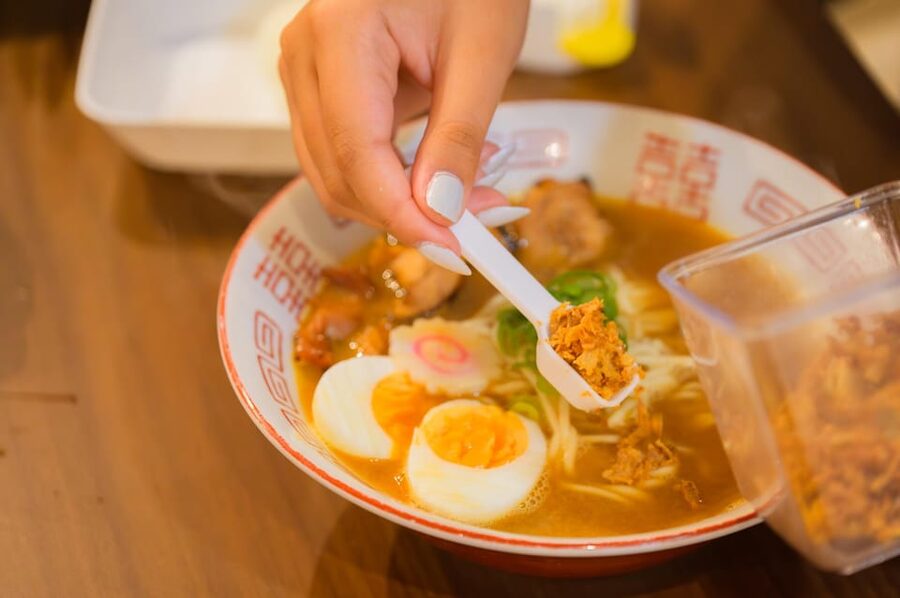
Once you choose your combo, you’ll assemble the bowl with toppings, egg, and condiments according to your taste. The egg and condiments step is more than decoration. It’s the finishing stage where you learn how small add-ons change the overall impression of the bowl.
Eating your own ramen right after: why timing makes the lesson stick
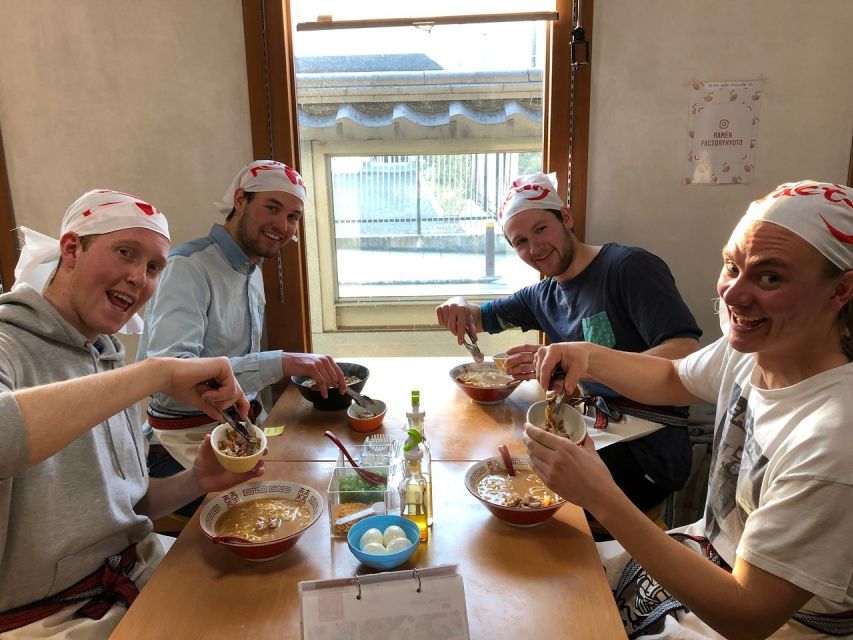
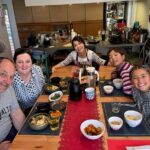
After you assemble your ramen, you’ll enjoy what you made while looking back at the experience during preparation. That detail sounds simple, but it improves learning.
If you eat right after the decisions are fresh—no long break, no fading memory—you connect:
1) what you did with the noodles,
2) what you chose for soup and sauce, and
3) how that reads on your tongue.
That’s the real value. You’re not just collecting a meal. You’re building a reference point so you know what to repeat later when you cook at home.
Recipe emailed + souvenir options: taking the skill beyond the lunch table
Two “take-home” items make this class more useful than many cooking workshops:
1) The ramen recipe gets sent to your email
You’ll receive the full recipe by email to cook ramen at home. This is what turns the experience into something actionable. You can practice, adjust, and improve instead of only replaying the day in your head.
I like that the class teaches enough steps that a recipe isn’t just trivia. It’s the blueprint for noodles, soup/sauce combination, and assembly so you can reproduce the results.
2) You choose a souvenir before leaving
Souvenir is included, and you’ll get to select from 4 different types of souvenirs. That’s a fun endcap, but it’s also practical: it gives you a Kyoto keepsake that’s tied to ramen knowledge, not just a generic shopping bag.
From a value standpoint, the souvenir plus the recipe email makes the price easier to justify because you’re leaving with both an item and a method.
Languages, guides, and dietary options (what you can realistically expect)

Instruction is available in English and Japanese. The class leadership includes energetic instructors—names you may see in the rotation include Sakura, Fuku, Moeka, Yuto, Haruka, Akemi, Maya, Kazuki, Moa, Kazuma, and Mahiro. The pattern is consistent: clear steps, a fun teaching tone, and staff who help with photos and pacing.
That matters for comfort. You don’t want to feel lost while everyone else is moving. The class is set up so first-timers can keep up.
Dietary notes: ask ahead, and expect accommodation
If you want a dietary option (pescatarian was specifically handled), you’ll need to get in touch with the local supplier after booking. The good sign here is that the class structure supports swaps; you’re not expected to silently “figure it out” with whatever is on the table.
This is especially relevant if you have allergies or a specific diet. Because you’ll be building the bowl yourself, it’s easier for the team to tailor what goes into it—if you communicate your needs before you arrive.
Price and value: is $127 per person worth it?
At $127 per person for 90 minutes, you’re paying for more than a meal. Here’s what that price is actually buying:
- A real noodle-making lesson (from flour, with guided handwork and multiple noodle steps)
- Soup and sauce instruction, including the featured directions like miso, salt, and soy
- Your bowl to eat, assembled with toppings and egg
- A recipe emailed after so you can repeat at home
- A souvenir option included in the experience
If you compare it to paying for ramen alone, the class is pricier. But if you compare it to paying for a hands-on workshop plus food plus an instruction follow-up, the math starts to make sense. You’re getting both entertainment and a skill you can reuse.
And the reviews-style pattern you can take seriously is this: people often walk in expecting “fun cooking,” but leave surprised by how solid the instruction feels and how good the result is when they taste their own ramen.
Who this class is best for (and who should think twice)
You’ll love this if:
- you’re a ramen fan who wants to understand how the taste comes together
- you want a short Kyoto activity that doesn’t eat your whole day
- you like hands-on cooking, and even better if you enjoy learning by doing
- you’re traveling with kids or teens; it’s active and you end with a full meal
You might think twice if:
- you’re only looking for a passive food experience and don’t want hands-on kneading work
- you’re expecting drinks to be included (they aren’t)
- you hate the idea of being photographed or filmed; media shooting is possible during the visit
If you book solo, you might also enjoy a more personal pace. One real example in the provided details describes a private-style lesson when only one person booked.
Should you book the Kyoto ramen cooking class at the Ramen Factory?
I’d book it if your Kyoto plan needs one thing that’s both fun and educational—and if you like the idea of taking ramen technique home. The combination of from-flour noodles, guided sauce decisions (miso, salt, soy), and a recipe emailed after makes this more than a one-time activity.
If you’re coming from other Kyoto highlights, this works well as a calming, satisfying reset. Just plan for the basement entrance, bring your appetite, and be ready to get your hands into the dough.
If ramen is on your must-do list, this class belongs on it.
FAQ
How long is the ramen cooking class?
The class runs for 90 minutes.
Where do I meet, and how do I find the entrance?
It’s a five-minute walk from Demachiyanagi Station (Keihan-line). The location is on the basement floor. When you arrive, go to the staircase to the right of the supermarket and then go down.
Do they teach in English?
Yes. The instructor can teach in English and Japanese.
Can they accommodate dietary preferences like vegetarian or pescatarian?
They can offer dietary options if you contact the local supplier after booking. Reach out in advance so they can prepare for your needs.
Will I get a recipe to cook ramen at home?
Yes. You’ll receive the full recipe via email.
Are drinks included in the price?
No. Drinks are not included.