REVIEW · BANGKOK
Hands on Thai Cooking Class and Market Tour
Book on Viator →Operated by House of Taste Thai Cooking School · Bookable on Viator
Four Thai dishes, cooked by you, in Bangkok. At House of Taste, you can either shop Asok Market or carve mango, then make curry paste from scratch with a pro chef.
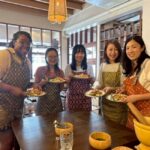
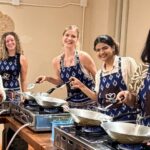
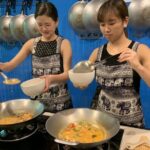
I love that the cooking part is hands-on but paced for all abilities, so you’re not stuck watching while everyone else cooks. I also love that you get a clear recipe handout and end up eating a proper Thai meal, not just a few bites.
One drawback to plan around: there’s no hotel pickup, and you’ll do some walking, so wear comfortable shoes and get yourself to the meeting point on time.
In This Review
- Key things to know before you go
- House of Taste Thai Cooking School: what this 3.5 hours feels like
- Price and value in Bangkok: what $45.66 buys you
- Picking your departure: Asok market in the morning, mango carving later
- Morning classes: Asok Market + cooking
- Afternoon/evening classes: mango carving instead of the market
- Finding the meeting point and planning your timing
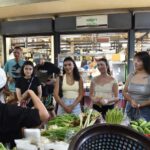
- Asok Market: ingredient shopping you can actually use at home
- Hands-on cooking: how you make curry paste from scratch
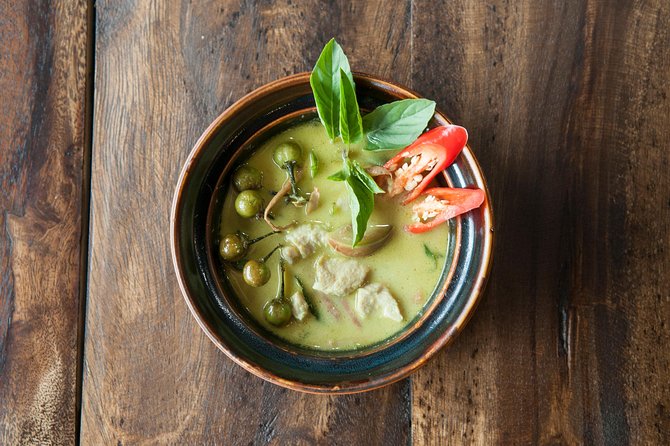
- The fixed menu gives you a real taste of Thai variety
- Appetizers and soups
- First main
- Second main courses (served with rice)
- Dessert
- What you actually eat: plan to arrive hungry
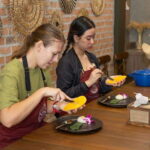
- Mango carving workshop: the fun Bangkok side mission
- Vegetarian, halal, kosher, and allergies: ask early
- Group size, comfort, and the “ask questions” factor
- Who this cooking class suits best
- Should you book this Hands-on Thai Cooking Class and Market Tour?
- FAQ
- How long is the cooking class?
- Where does the tour start and end?
- Is the market tour included?
- What will I cook during the class?
- Is vegetarian or halal food available?
- Do I get a recipe to take home?
- What food and drinks are included?
- What’s the group size limit?
- What happens if the weather is bad?
Key things to know before you go
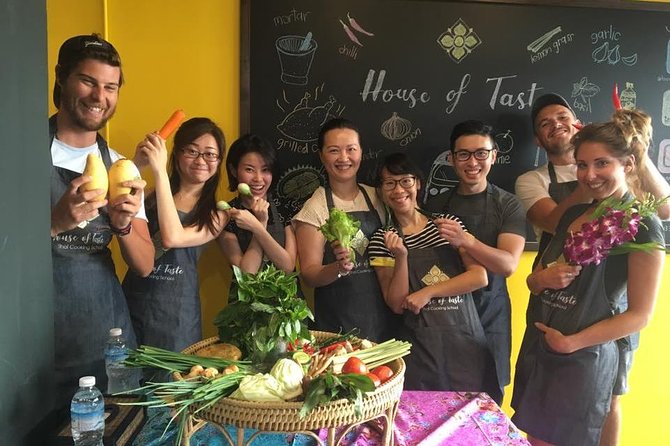
- Market morning vs mango carving afternoon/evening: pick your time slot based on what you want most
- Curry paste from scratch: you learn the backbone of Thai flavor, not just final dishes
- A pro chef runs the room: instruction is geared for beginners and experienced cooks alike
- Small group size: capped at 18 travelers, so questions actually get answered
- Air-conditioned cooking class: you work comfortably while learning about spices, herbs, and vegetables
- You eat what you make: the meal is included, with multiple courses and dessert
House of Taste Thai Cooking School: what this 3.5 hours feels like
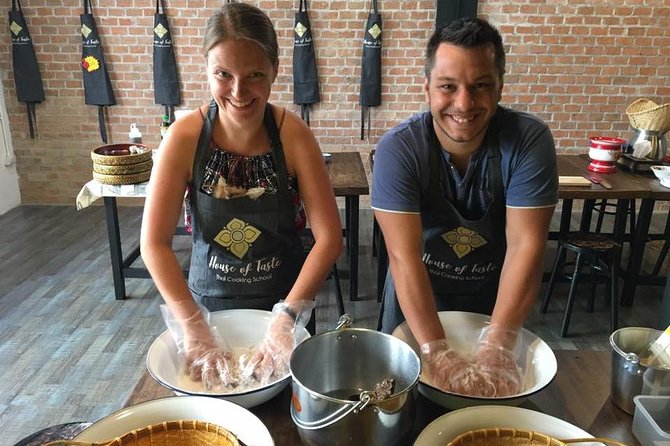
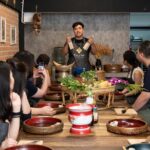
This is the kind of Bangkok activity that helps you connect the dots between what you see in markets and what ends up on your plate. You’re not just tasting Thai food. You’re cooking key dishes with guidance, learning why certain flavors work together, and then sitting down to eat the results.
The pacing is built around a hands-on flow: ingredient prep, cooking steps, and then the meal. The school runs the class in an air-conditioned setting, which matters in Bangkok, especially if you’re doing the morning market option and then switching gears indoors.
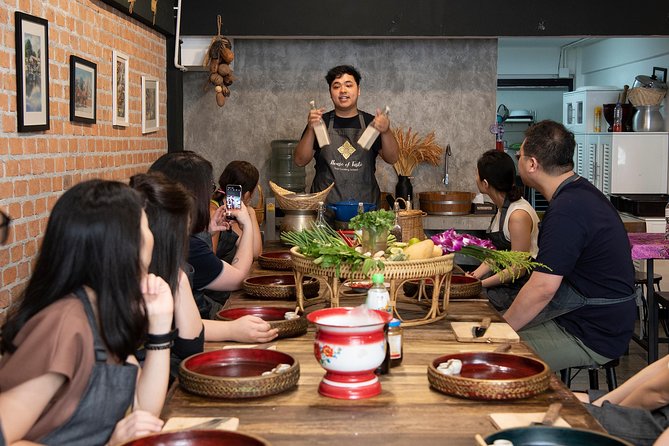
Expect a friendly, energetic instructor and a classroom-style feel—questions are welcome, and the guidance is step-by-step. In past classes, chefs like Jay, April, and May have shown up in reviews, often praised for clarity and humor. You shouldn’t count on a specific name, but you can count on a lively teaching style.
You can also read our reviews of more tours and experiences in Bangkok.
Price and value in Bangkok: what $45.66 buys you
At $45.66 per person, this price is strongest when you look at what’s included: a professional-led cooking class, water, a recipe, and a full sit-down meal. You’re also paying for the “learn by doing” format—making curry paste and multiple dishes with live coaching—plus a choice of experiences depending on the time of day.
Alcohol isn’t included (you can buy it), so you’re not forced into extra costs. And since taxes and fees are included, you’re not hit with surprise add-ons at the end.
The one cost to remember is your time and getting there yourself. There’s no hotel pickup or drop-off, so you’ll want to factor in transit or walking time to the meeting address on Sukhumvit.
Picking your departure: Asok market in the morning, mango carving later
This is one of the clearest reasons to choose a specific time slot.
Morning classes: Asok Market + cooking
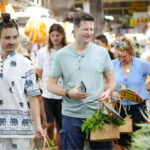
If you book the morning option, you start with a guided visit to Asok Market. You shop for ingredients, learn what to look for, and then head to the cooking school. There’s also tuk-tuk transport from the market, which makes the transition feel easy and local.
Afternoon/evening classes: mango carving instead of the market
For afternoon and evening departures, the market tour isn’t part of your day. Instead, you do a mango carving workshop (it’s included for those time slots). After that, you move into the cooking portion where you create curry paste and cook the Thai dishes.
If you’re the kind of person who likes to shop for food and see ingredients up close, choose the morning. If you want a fun Bangkok craft element to break up the day, choose the mango carving slot.


Finding the meeting point and planning your timing
The meeting point is at 147/4 Soi Sukhumvit 4, Khlong Toei, Khet Khlong Toei, Krung Thep Maha Nakhon 10110, Thailand. The activity ends back at the meeting point.
It’s near public transportation, which helps. Still, because there’s no hotel pickup, you’ll want to arrive with a little buffer. The class runs on a schedule, and you’ll be moving from ingredient shopping (in the morning) or workshop time (afternoon/evening) into the cooking lab.
Also, bring or wear comfortable shoes. A small amount of walking is involved, especially for the market option.
Asok Market: ingredient shopping you can actually use at home
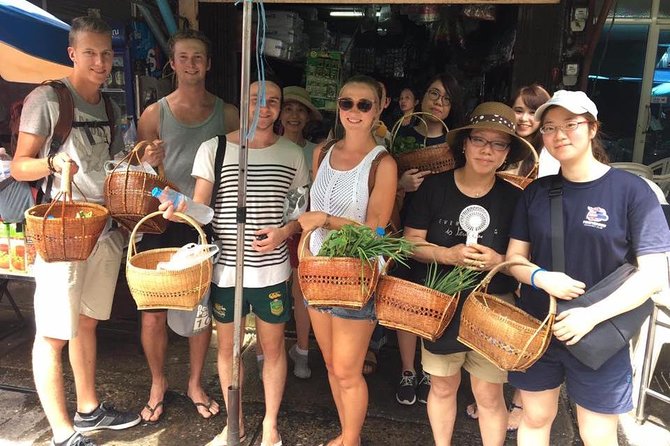
In the morning version, the market visit isn’t a passive stroll. It’s a guided ingredient shopping session, where you’re learning what Thai cooks look for before they start cooking.
This matters because most Thai dishes don’t rely on one magic ingredient. They rely on multiple flavor layers: the right herbs, the right type of chili, and the right balance of sour, salty, and sweet. When you see the ingredients in real life and learn what to choose, your curry paste and sauces make more sense later.
You’ll also be doing this at the right time—when ingredients are abundant—so the shopping portion feels practical rather than like a rushed souvenir stop.
Hands-on cooking: how you make curry paste from scratch
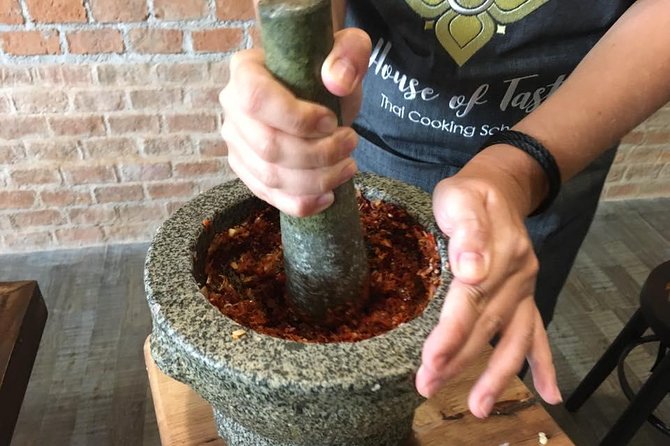
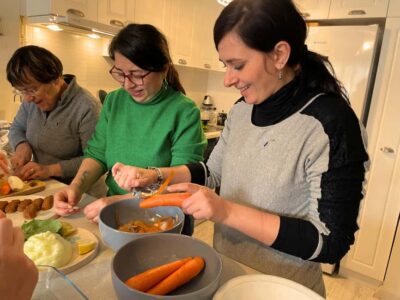
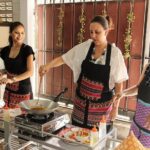
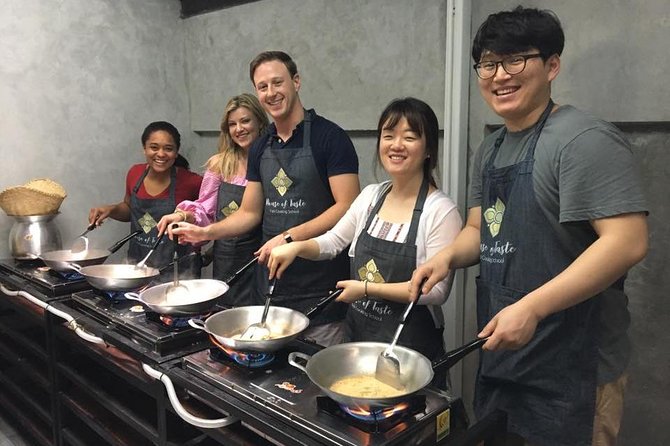
The cooking portion is where this class earns its keep. You’ll be introduced to Thai exotic ingredients, including vegetables, spices, and herbs, and you’ll work in an air-conditioned space.
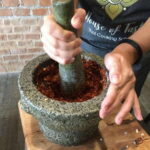
The key learning moment is making curry paste from scratch. Curry paste is the engine that drives Thai flavor, and doing it yourself helps you understand how aroma and heat build before the curry even hits the pan.
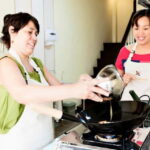
A good class design here is that you cook with a team around you. In past experiences with instructors such as April or Jay, the pattern has been consistent: clear explanations, step-by-step guidance, and plenty of room to ask questions. If you’re a novice, that’s gold. If you cook often, you’ll still appreciate the technique notes and ingredient alternatives.
The fixed menu gives you a real taste of Thai variety
The school’s daily menu includes a set list of classic dishes, and your class experience centers on cooking four favorite Thai dishes plus dessert.
Here’s what’s on the menu you may see and cook from:
Appetizers and soups
- Spicy Lemongrass Salad
- Spicy Shrimp Salad
- Green Papaya Salad
- Deep Fried Spring Rolls
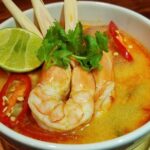
- Tom Yum Goong (spicy and sour shrimp soup)
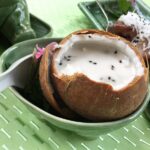
- Tom Kha Gai (spicy coconut soup with chicken)
First main
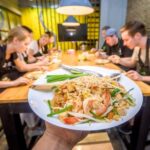
- Pad Thai Goong (stir-fried rice noodle with shrimp)
Second main courses (served with rice)
You can expect options like:
- Red Curry with Chicken
- Green Curry with Chicken
- Massaman Curry with Chicken
- Panang Curry with Chicken
Dessert
- Mango Sticky Rice
Even if you don’t cook every single dish from the menu, the menu lineup is useful to you. It signals the range you’ll learn: sour salads, noodle frying, curry styles, and the sweet finish.
What you actually eat: plan to arrive hungry
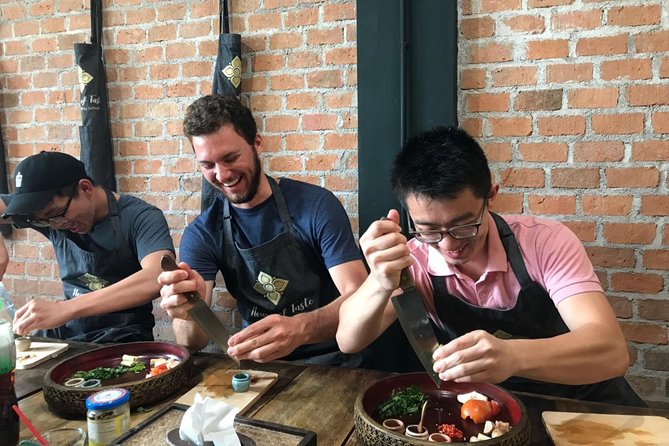
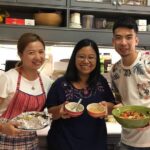
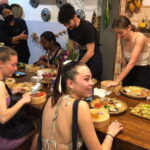
The meal is included, and it’s not just a “sample plate” situation. Depending on your class flow, you’ll end up eating the dishes connected to your four cooking wins plus dessert.
A practical tip: don’t schedule this right after a heavy breakfast. You’ll be working with ingredients, then sitting down to enjoy what you made. Many people come away feeling properly fed, so treat it like a real meal experience.
Mango carving workshop: the fun Bangkok side mission
If you’re on the afternoon or evening departure, you’ll do mango carving instead of the Asok Market tour. This gives you a different kind of Thai skill—less food chemistry, more craft.
It also helps the day feel varied. Without the market portion, the mango workshop acts like a cultural warm-up before you return to the kitchen to make curry paste and cook your Thai dishes.
If you’re traveling with kids or someone who wants an activity beyond chopping, this can be a strong reason to pick the later departure.
Vegetarian, halal, kosher, and allergies: ask early
The school can provide substitute ingredients for vegetarian, halal, kosher, and allergy needs. If you have dietary requirements, you should advise them at the time of booking so the team can plan the substitutions.
This is one of those details that makes a big difference. Thai cooking can involve shrimp paste, fish sauce, or other ingredients that aren’t obvious. Substitutions work best when the school knows your needs ahead of time.
Group size, comfort, and the “ask questions” factor
The class max is 18 travelers. That’s small enough to keep the room from turning into a lecture hall, and big enough that you won’t feel awkward or singled out.
You also get a personal locker and bottled drinking water. Those small logistics matter when you’re handling ingredients and equipment.
And because it’s in an air-conditioned class space, you get to focus on technique instead of just surviving the heat.
Who this cooking class suits best
This is ideal if you want a Thai cooking experience that’s structured but not intimidating.
You’ll likely love it if:
- You’re a beginner and want clear guidance, not vague instructions
- You want to cook core Thai flavors like curry paste, not only garnish dishes
- You prefer a class with a set menu so you know the range of what you’ll make
- You like “learning and eating” on the same schedule
- You want either a market ingredient lesson or a mango carving workshop, depending on your day plan
It’s also a good choice for families, since the experience is taught in an approachable way and can be entertaining, not stiff.
If you want hotel pickup, this isn’t built for that. You’ll need to handle getting yourself to Sukhumvit.
Should you book this Hands-on Thai Cooking Class and Market Tour?
Yes, if you want real skills and a full Thai meal in one tidy block of time. The value is strong because you’re not just tasting—you’re cooking curry paste from scratch and learning classic dishes with recipe support you can use later.
Book the morning if you want the ingredient shopping experience at Asok Market and like the idea of tuk-tuk transport. Book afternoon/evening if mango carving sounds like fun and you want that cultural craft moment before cooking.
Just do two things before you go: plan your transit to the meeting point (no pickup), and arrive ready to eat. If you do, you’ll leave with memories, recipes, and food you can confidently recreate.
FAQ
How long is the cooking class?
The experience runs about 3 hours 30 minutes.
Where does the tour start and end?
It starts at 147/4 Soi Sukhumvit 4, Khwaeng Khlong Toei, Khet Khlong Toei, Krung Thep Maha Nakhon 10110, Thailand, and it ends back at the same meeting point.
Is the market tour included?
The market visit is available only for the morning class. Afternoon and evening classes include a mango carving workshop instead.
What will I cook during the class?
You’ll cook four favorite Thai dishes, with curry paste made from scratch and traditional Thai dishes. The school’s daily menu includes items such as pad thai, red/green/massaman/panang curry with chicken, and mango sticky rice.
Is vegetarian or halal food available?
Yes. The school can provide substitute ingredients for vegetarian, halal, kosher, and allergy needs. You should advise your dietary requirements at booking.
Do I get a recipe to take home?
Yes. You receive a free standard recipe.
What food and drinks are included?
You get meals as per the itinerary (lunch or dinner depending on your departure), plus cold and hot drinking water. Alcoholic drinks are not included, but they are available to purchase.
What’s the group size limit?
The class has a maximum of 18 travelers.
What happens if the weather is bad?
This experience requires good weather. If it’s canceled due to poor weather, you’ll be offered a different date or a full refund.