REVIEW · BANGKOK
Bangkok: Maliwan Thai Cooking Class with Market Tour
Book on GetYourGuide →Operated by Maliwan Thai Cooking Class · Bookable on GetYourGuide
One market stop can change how you cook.
This Bangkok Thai cooking class pairs a tuk-tuk market tour with hands-on cooking in a small group, so you’re not just watching—you’re actually making Thai food. I especially like the way instructor Mae explains the why behind flavors, and how the class stays organized with clear steps and supportive help. One thing to note: you cook during the whole session and typically taste everything at the end, so if you want to eat bite-by-bite, plan for that wait.
You’ll start with fresh ingredients instead of guessing.
The local market part helps you understand what makes Thai food taste right—herbs, aromatics, chilies, and produce you can’t replicate well with a random supermarket haul. My other big favorite is the group size: it’s limited to about 6 participants, which keeps questions from getting lost. The possible drawback is that it isn’t a great fit if you have back problems or mobility limits, since you’ll be standing and moving between the market, kitchen, and dining area.
In This Review
- Key highlights at a glance
- A 4-hour Thai cooking class in Bangkok that starts with real ingredients
- Where you meet and how to find Maliwan Thai Cooking Class (Taladyod)
- The tuk-tuk market tour: where Thai flavor decisions start
- Welcome drink, a quick reset, then cooking starts with demos
- Hands-on cooking: you make 4 dishes with real guidance
- One cooking detail that shows how practical this class is
- What you actually eat: the informal sit-down, with rice and generous portions
- Take-home recipe handouts and an e-certificate you can keep
- Price and value: what $40 buys you (and what it doesn’t)
- Who this class is best for (and who should think twice)
- Practical tips to get more from the class
- Should you book Maliwan Thai Cooking Class?
- FAQ
- How long is the Maliwan Thai Cooking Class?
- Where is the meeting point?
- Is the class taught in English?
- Do you visit a market, and how do you get there?
- How many dishes will I cook?
- What’s included in the price?
- Do I need to pay extra for insurance?
- Are unaccompanied minors allowed?
- Is the class suitable for mobility impairments or back problems?
Key highlights at a glance
- Tuk-tuk market tour to pick the freshest ingredients up close in Bangkok
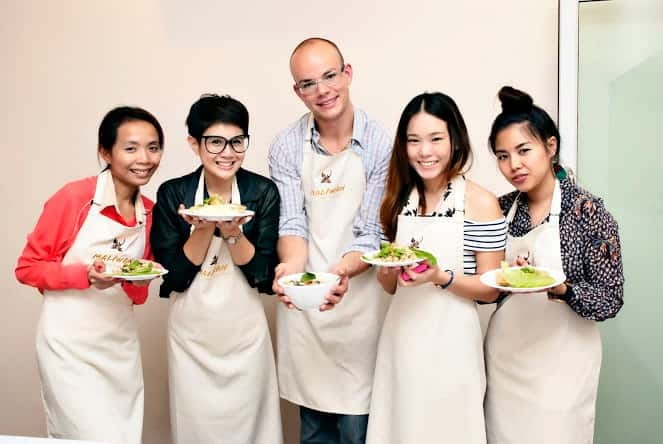
- Small group setting (up to 6) for more hands-on attention
- Cook 4 recipes and eat your results in an informal setup
- English instruction with a practical, step-by-step approach from Mae
- Take-home help: recipe handout plus an e-certificate of completion
A 4-hour Thai cooking class in Bangkok that starts with real ingredients
A Thai cooking class in Bangkok can be either fun…or kind of pointless if you never learn how the flavors are built. This one avoids that trap by starting at the market, then moving straight to the stove. You get the full “ingredient-to-dish” arc in about 4 hours, which is a smart length: long enough to learn something you can repeat, short enough to fit into a busy itinerary.
The value is also practical. At $40 per person, you’re paying for more than ingredients and a cooking session. You’re paying for someone to translate Thai cooking into repeatable technique, plus the setup that makes a beginner-friendly class possible—like a workspace that’s already fully equipped and staff support for chopping, prepping, and cleanup.
If you like Thai food but have struggled to recreate it at home, this class targets that gap. Instead of just teaching recipes, it helps you learn the approach: balancing sour, salty, sweet, and heat; using the right aromatics; and understanding which ingredients matter most.
You can also read our reviews of more tours and experiences in Bangkok.

Where you meet and how to find Maliwan Thai Cooking Class (Taladyod)
The meeting point is Maliwan Thai Cooking Class, 9 Sipsamhang Road, Taladyod, Phranakorn, Bangkok 10200.
If you arrive by taxi, the simplest local trick is to tell the driver to go toward Kraisi Road in the Banglumphu Market area, close to Khaosan Road. From there, you’re aiming for a small alley near the Chinese Shrine or Domino’s Pizza on Kraisi Road. Walk into the alley, turn right, then look for a four-story building painted dark grayish brown. Ring the bell and you’re set.
Why this matters: Bangkok meetings can be a scavenger hunt if directions are vague. Here, the directions are specific enough that you can stay calm and focused, especially if you’re coming from Khaosan or Banglumphu.
The tuk-tuk market tour: where Thai flavor decisions start
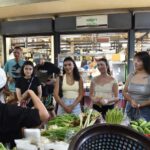
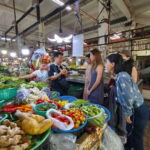
The class includes a local market tour, typically with pickup by tuk-tuk. That matters because it changes what you pay attention to. Instead of just buying what looks similar to Thai food online, you start noticing ingredients that actually drive the taste.
In the market, the instructor (Mae) talks you through what you’re seeing and why it’s used. This is where you learn small but important lessons, like:
- Fresh herbs beat dried herbs in many Thai dishes
- Aromatics and chili choices affect the whole flavor direction
- Produce selection changes texture and balance, not just appearance
And you get to practice judgment. You’re not relying on a recipe video; you’re choosing ingredients that will match the dishes you cook later. That’s why the market part feels like “Thai culture with meaning,” not just a photo stop.
A practical note: markets can be warm and active. Wear comfortable shoes and don’t plan to arrive in brand-new slip-ons. You’ll do some walking and scanning.
Welcome drink, a quick reset, then cooking starts with demos
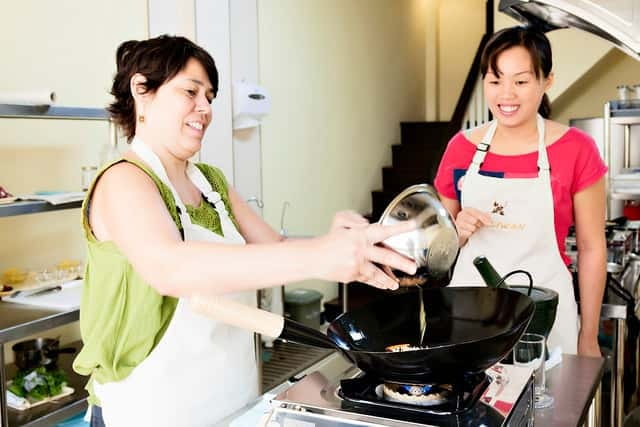
Once you head back to the cooking school, you’ll get a welcome drink and settle in. The instructor demonstrates the dishes and covers the essential moves before you take over. In most classes like this, there’s a big difference between someone describing technique and someone showing it—here, the demo stage helps you avoid beginner mistakes like overcooking garlic, scrambling eggs too early, or treating Thai sauces as “one-size-fits-all.”
What I like about this setup is how structured it is. The kitchen is presented as fully equipped, and staff support is clearly part of the process. You won’t be left to struggle with a mess of burners and utensils while everyone else is finished. There’s help for prepping and keeping things moving.
Also, the ingredients tend to be handled in advance. Some classes include ingredients that are already portioned or prepped, which means you can focus on learning technique instead of spending the whole class chopping for your life.
Hands-on cooking: you make 4 dishes with real guidance
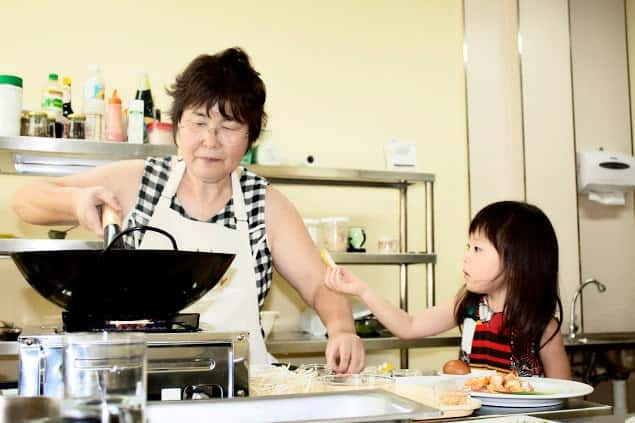
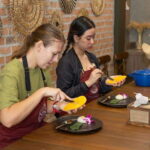
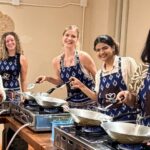
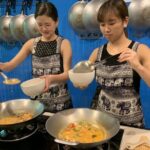
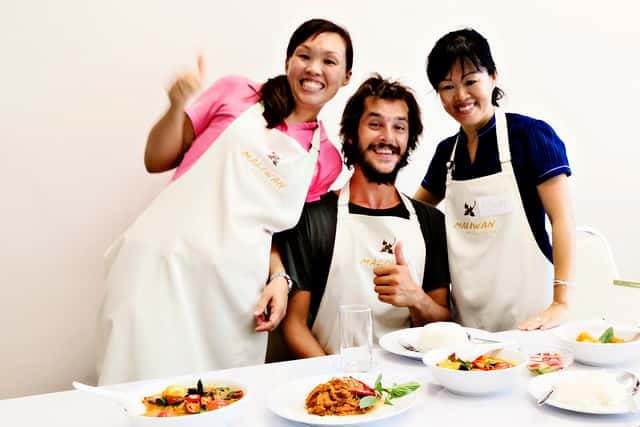
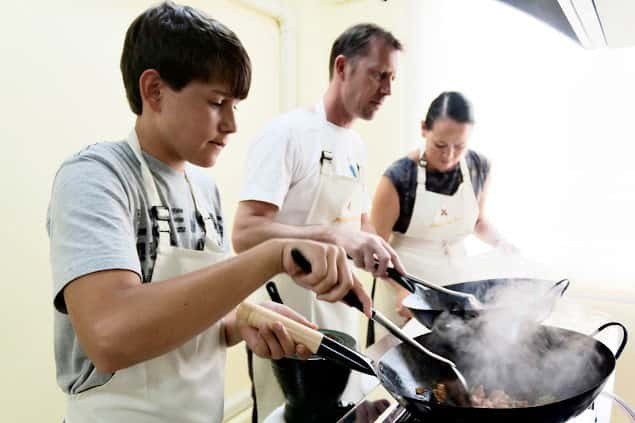
After the demo, it’s time for the part most people actually want: cooking on your own station. This class is hands-on throughout, and it’s designed for a small group—limited to no more than 8, with many sessions running at 6 participants. That smaller size is a big deal. It’s the difference between waiting 10 minutes for a question to get answered and having staff notice what you’re doing while you’re doing it.
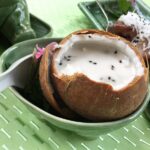
You’ll create four different recipes in a single session. The exact menu is decided by the instructor prior to your date, so you won’t always get the same dishes. Still, you can expect classic Thai staples—often including a mix of curry-style cooking, stir-fry or noodle flavor work, soups, and a dessert element like mango sticky rice.
From what you can learn in this format, the biggest win is confidence. Even if you start as a total beginner, the pacing is built around step-by-step instruction, so you can repeat the dish at home later without guessing.
A smart tip to give yourself: take notes on the flavor cues, not just the ingredient list. Thai cooking often follows “taste and adjust” patterns. If Mae explains when to add ingredients, how to texture the paste, and what the sauce should taste like at a certain stage, write that down. That’s the difference between an okay attempt and a “wow, this tastes right” attempt.



One cooking detail that shows how practical this class is
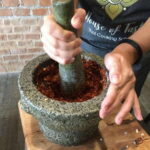
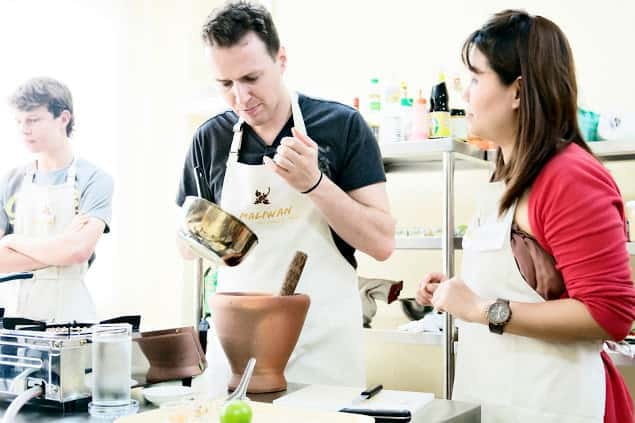
Some people love Thai cooking classes for the recipes. Others love them for the sauce mechanics—like making curry paste from scratch. There are hints that certain menus can include steps like crafting curry paste, so don’t be surprised if you do more than just open bottles and pour.
What you actually eat: the informal sit-down, with rice and generous portions
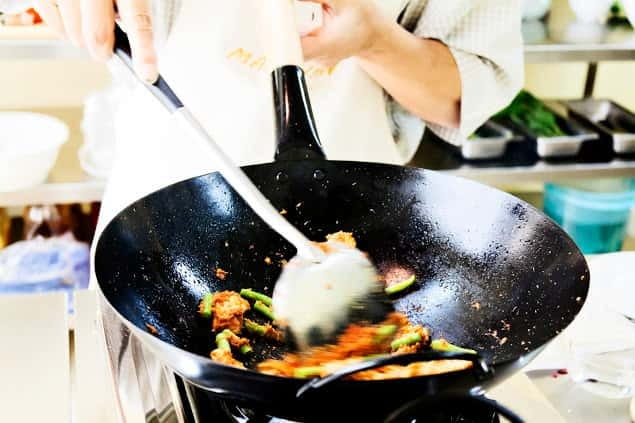
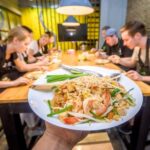
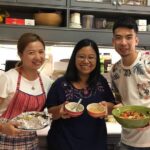
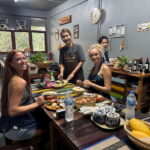
After cooking, you move to a dining area and eat what you made. The class is set up so you get rice serving, and there’s plenty of food from multiple dishes, not just a tiny “taste.”
From the way the class is described, you’ll sample the results at the end of the session, which is great for continuity but it means you might feel a little hungry while you cook. If you’re the type who needs immediate payoff, just know that the pacing is designed for learning first, eating after.
One extra plus: there’s usually enough food to be genuinely satisfying, and you can often take leftovers home if you don’t finish. That’s not just convenient—it adds value, especially when you’re feeding yourself in Bangkok and want a meal for later.
Take-home recipe handouts and an e-certificate you can keep
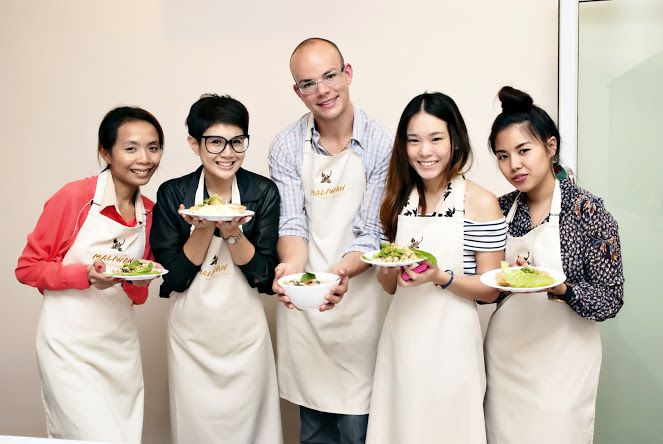
The class includes a cooked recipes handout that you can take home. This is more useful than it sounds. Cooking classes often give you “a list of ingredients.” A good handout gives you something you can use when you’re back in your own kitchen and staring at your pantry wondering what step came first.
You also get an e-certificate of completion. It’s a small thing, but it’s part of the complete package—like you actually finished a short course, not just attended a demo.
If you want to practice right away, keep the handout accessible when you shop for ingredients. The market part teaches you what to look for, but home cooking works only when you can find those key items again.
Price and value: what $40 buys you (and what it doesn’t)

At $40 per person, you’re getting:
- Market tour with tuk-tuk transport
- A fully equipped cooking workspace
- English instruction from Mae
- Hands-on help in small groups
- Four recipes cooked during the session
- Ingredients and water included
- A welcome drink and rice serving
- Recipe handout to take home
- E-certificate of completion
This price feels fair because it bundles experiences that would cost more separately. Market visits and guided ingredient selection are usually a standalone expense. A private lesson or full-day workshop would cost more. Here, the timing is efficient: you get the market context and the technique practice in one go.
What it doesn’t include is also clear: insurance isn’t included. If you travel with your own travel insurance plan, you’ll be covered. If not, check what your credit card or existing policy provides.
Who this class is best for (and who should think twice)
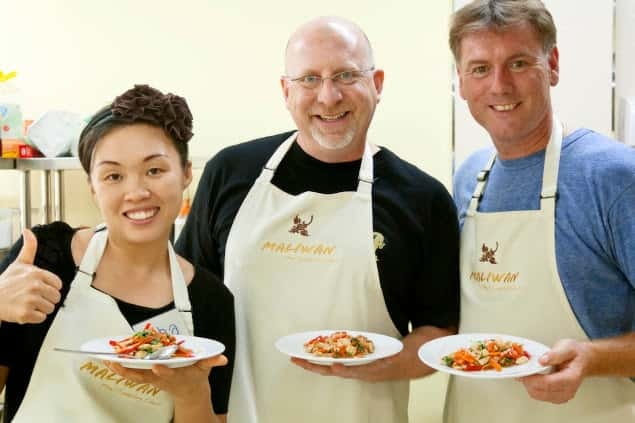
This is one of those activities that fits a lot of people, as long as you match the physical and food constraints.
You’ll likely love it if:
- You want to learn how Thai dishes are built, not just follow a tourist menu
- You’re a foodie who likes markets and wants context for ingredients
- You’re cooking-challenged but eager to improve
- You enjoy small groups and clear instruction
You might want to think twice if you:
- Have back problems or mobility concerns (the class notes it isn’t suitable for these situations)
- Are traveling with unaccompanied minors (unaccompanied minors aren’t allowed)
- Have serious dietary needs and expect a last-minute swap—menu changes may be limited if you don’t tell them ahead
If you have dietary restrictions, tell the team during booking. The class emphasizes that you should inform them about vegetarian, vegan, gluten-free, allergies, and other needs so they can adjust as possible. If you wait until arrival, options may be restricted.
Practical tips to get more from the class
If you want the experience to pay off back home, do these small things during the day.
Bring a simple mindset: learn ingredient logic. Thai food can look intimidating because the ingredient list feels long. But once you understand which items are “must-haves” and which are “adjust-to-taste,” cooking becomes much easier.
Then, focus your attention on the instructor’s timing cues. When do you add aromatics? When does chili go in? How does paste texture affect the curry or sauce? These moments are where technique lives.
Finally, don’t underpack. Wear comfortable shoes, expect warmth, and plan to eat what you make. If you’re thinking of scheduling another activity right after, leave enough buffer so you’re not rushed.
Should you book Maliwan Thai Cooking Class?
If you want a Thai cooking class in Bangkok that actually teaches you how to cook—starting with fresh ingredients, then turning that knowledge into four real dishes—this is an easy “yes” for most people.
Book it if you value hands-on learning, like a small-group pace, and enjoy markets with a purpose (not just browsing). It’s also a strong value at $40 because it includes market time, instruction, ingredients, meals, and take-home materials.
Skip it if you have mobility or back issues, because the notes say it isn’t suitable. And if you hate waiting to eat until the end, adjust your expectations—this class is built around cooking first, tasting after.
If you match those points, you’ll leave with not just great food that day, but skills you can use the next time you’re craving Thailand at home.
FAQ
How long is the Maliwan Thai Cooking Class?
The cooking class lasts about 4 hours.
Where is the meeting point?
You meet at Maliwan Thai Cooking Class, 9 Sipsamhang Road, Taladyod, Phranakorn, Bangkok 10200.
Is the class taught in English?
Yes. The instructor is listed as English.
Do you visit a market, and how do you get there?
Yes. You visit a local market, and the group travels there by tuk-tuk to select ingredients.
How many dishes will I cook?
You prepare 4 different recipes during the class.
What’s included in the price?
Included are the market tour, cooking ingredients, welcome drink, drinking water, rice serving, a cooked recipes handout to take home, and an e-certificate of completion.
Do I need to pay extra for insurance?
Insurance is not included.
Are unaccompanied minors allowed?
No. Unaccompanied minors are not allowed.
Is the class suitable for mobility impairments or back problems?
No. It’s listed as not suitable for people with back problems or mobility impairments.