REVIEW · ATHENS
Athens: Food Market Visit and Cooking Class with Wine
Book on GetYourGuide →Operated by Endless Events IKE · Bookable on GetYourGuide
Greek food tastes better when you buy it yourself. In Athens, you pair a market walk with a cooking class, then end by eating your own meal with wine and a shot of Greek digestif.
I love how the day starts at Varvakios Agora, where you pick ingredients with your cook and chat with local traders. I also love the “you actually cook it” pace, with a full course meal at the end, recipes included, so you can repeat the dishes at home instead of collecting only notes.
One consideration: the early market time can include fish and meat stalls, so if you’re very sensitive to that, plan ahead. You’ll also do about 30 minutes of walking, so wear comfy shoes and weather-appropriate clothes.
In This Review
- Key things to know before you go
- From Athinas 36 to Varvakios Agora: the day’s easy rhythm
- The Varvakios Agora market visit: what you’re really getting
- Back in the kitchen: hands-on cooking that feels doable
- The menu you’ll cook: classic dishes with clear technique
- Dolmades (vine leaves with herb-infused rice)
- Spanakopita (spinach pie with feta in pastry)
- Imam Baildi (roasted eggplant with rich sauce and feta)
- Tzatziki (Greek yogurt, cucumber, garlic)
- The sweet finish: portokalopita plus drinks
- Dietary needs and comfort in real life
- Price and value: what $81 covers in practical terms
- Practical tips so you enjoy it (instead of rushing)
- Who should book this Athens cooking class?
- Should you book?
- FAQ
- How long is the Athens food market visit and cooking class?
- Where is the meeting point?
- Do you visit a market before cooking?
- What dishes will you make?
- Is wine included?
- Can the class accommodate dietary needs?
- What should I bring or wear?
- Is it wheelchair accessible?
Key things to know before you go
- Varvakios Agora shopping walk: not a formal tour, but a real ingredient hunt with your cook
- Hands-on group cooking: you prep and assemble, not just watch
- A menu built for learning: dolmades, spanakopita, imam baildi, tzatziki, and portokalopita
- Drinks with your meal: local organic wine plus soft drinks, then a Greek liquor shot
- Dietary needs are taken seriously: vegetarian options and care for gluten/celiac situations show up in the way teams handle dishes
- English-speaking instructors: you may work with hosts like Vasia, Thanasis, or Despina depending on the session
From Athinas 36 to Varvakios Agora: the day’s easy rhythm
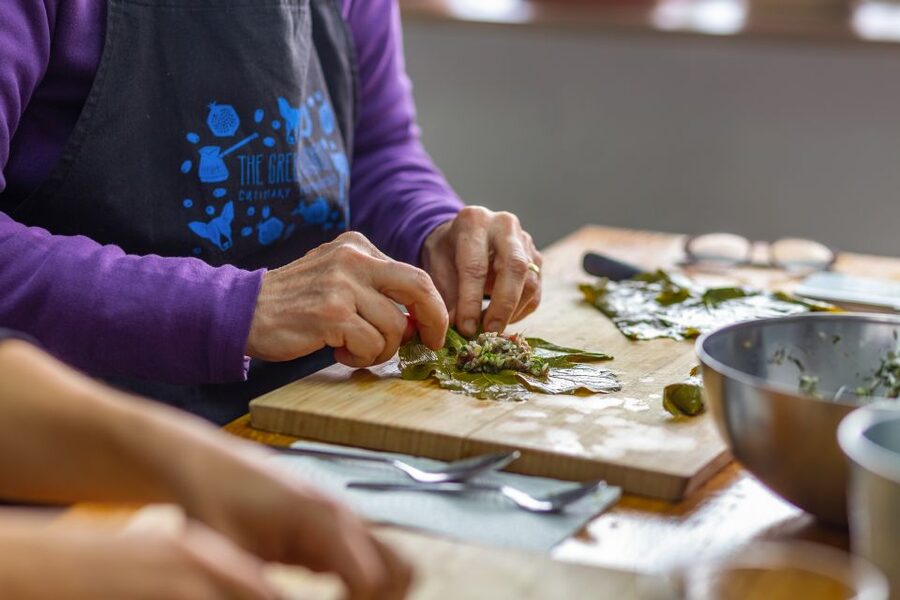
The experience is anchored at The Greek Kitchen, in a simple spot you’ll find at Athinas 36 on the first floor. I like that you can drop anything you don’t want to carry during the walk before heading out, because the market part can involve a lot of holding bags and figuring out where you’re going.
From there, the class shifts gears quickly. You leave for Athens Central Market and return when it’s time to cook, so you get the best of both worlds: street-level food reality in the morning (or afternoon) and a calmer teaching kitchen where you can focus.
The timing is also nicely digestible: it runs about 4 hours, which fits well if you want something memorable that still leaves room for dinner plans later. Sessions run either at 9:30 AM or 3:00 PM, so you can pick what matches your sightseeing schedule and the weather.
You can also read our reviews of more tours and experiences in Athens.

The Varvakios Agora market visit: what you’re really getting
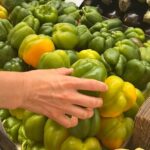
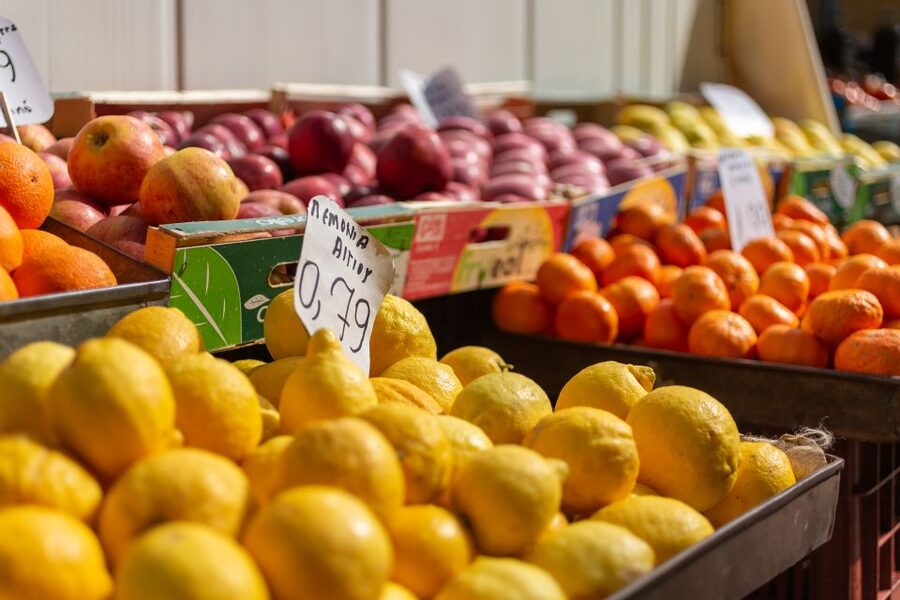
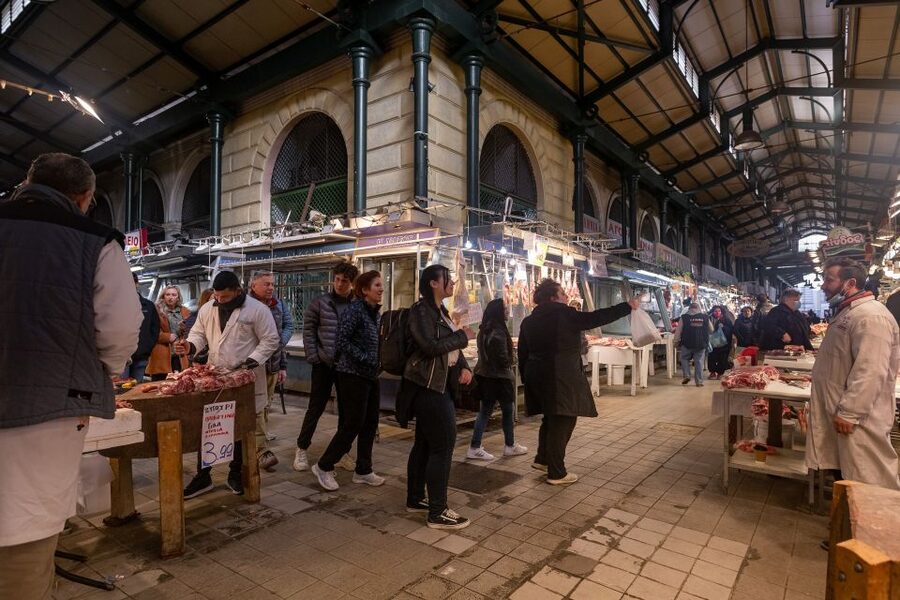
Varvakios Agora is Athens Central Market, and this stop is less about checking off facts and more about teaching your senses. You’ll walk with your cook and shop for ingredients you’ll use later. That matters, because Greek cooking is ingredient-led: you notice the difference between olive oil that smells grassy, herbs that actually smell like herbs, and produce that’s at its peak.
This isn’t presented as a scripted, museum-style “market tour,” which is a plus. You’ll still get context from your cook, including practical guidance on what to look for and why certain ingredients matter.
One more real-world detail: depending on what’s stocked and how your session flows, the market experience can include fish/meat areas. I’m saying this plainly because it can affect comfort levels. If you’re vegetarian, you may still get what you need and enjoy most of the produce shopping, but you should know that the market itself isn’t staged to exclude meat and fish.
Back in the kitchen: hands-on cooking that feels doable
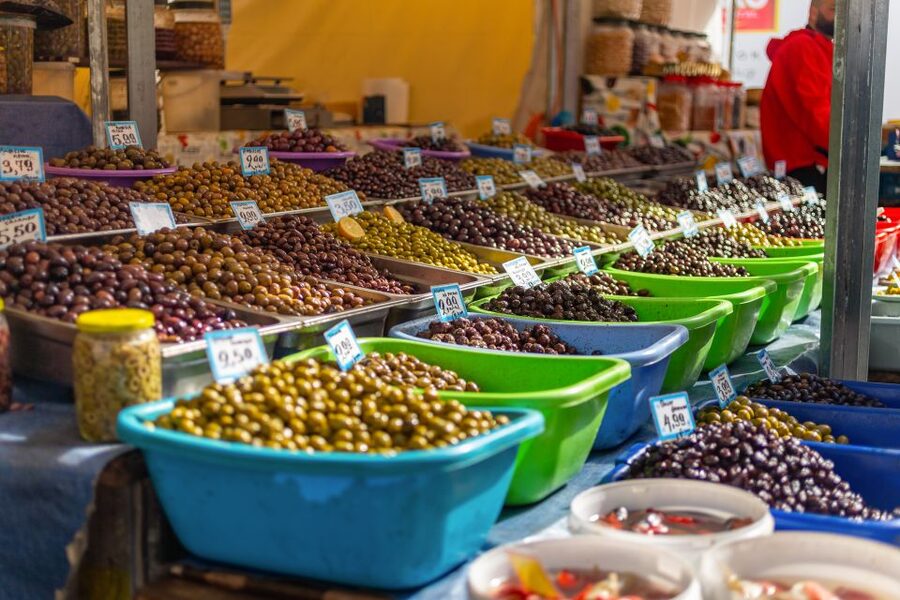
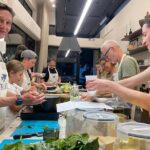
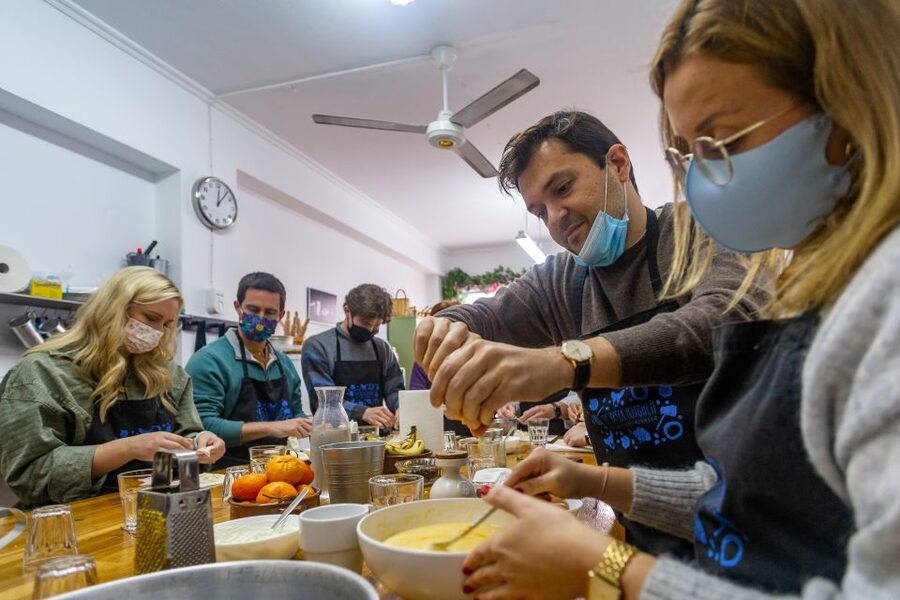
Once you’re back at The Greek Kitchen, the teaching mode kicks in. Your group gets to cook—this is not just a tasting class where you sample your way through Greece. Expect you’ll be involved in preparation across the menu, with instructors checking in and keeping things moving.
I like the way the class stays friendly and social. Some sessions lean playful, and you can see why: people bond fast when they’re chopping, rolling, and tasting side by side. In multiple sessions, hosts like Vasia or Thanasis have been described as funny and motivating, which helps if you’re the type who worries about messing up pastry or timing.
Also, the setup supports small-team work. One group account noted around 13–15 people, split across two tables, which suggests a size where you’re not lost in a crowd. The point: you should get enough attention to actually learn, not just “participate.”
The menu you’ll cook: classic dishes with clear technique
This is a Greek greatest-hits lineup, but it’s chosen for reasons you’ll feel while cooking.
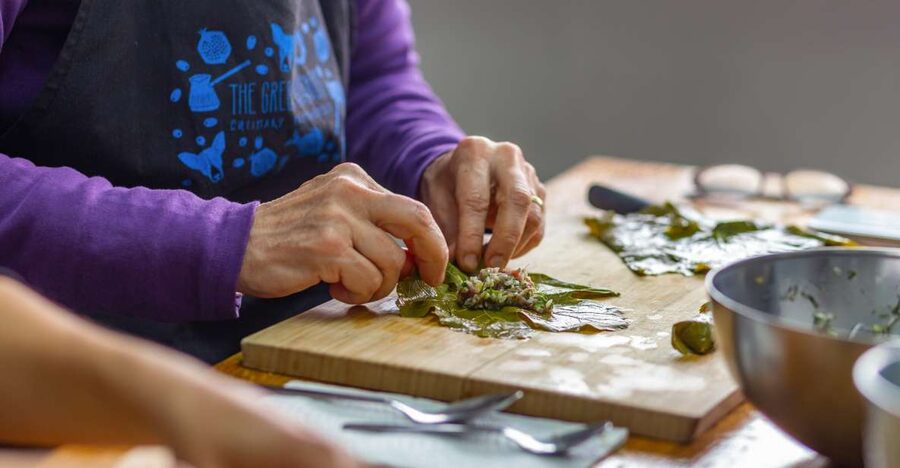
Dolmades (vine leaves with herb-infused rice)
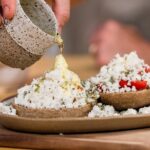
Dolmades are where you learn patience. Vine leaves need gentle handling, and the rice mixture is all about balance. You may be able to add beef if you want, but the core dish is built to work as a roll-and-steep method—useful technique you can transfer to other stuffed dishes later.


Spanakopita (spinach pie with feta in pastry)
Spanakopita is a skill-builder because it combines filling and pastry without being overly complicated. You’re working with spinach and a salty feta presence, wrapped in phyllo. Once you see the assembly in real life, it stops feeling intimidating.
Imam Baildi (roasted eggplant with rich sauce and feta)
Eggplant often gets a bad reputation, usually because people experience it cooked the wrong way. Imam baildi is a fix: roasted eggplant, topped with sauce and feta. It’s a dish that teaches you how Greek flavors layer—soft vegetable base, then depth from sauce and cheese.
Tzatziki (Greek yogurt, cucumber, garlic)
Tzatziki is your cool-down and your confidence builder. Greek yogurt plus cucumber and garlic is simple on paper, but the right texture and seasoning make it taste unmistakably Greek. You’ll also get to see how this sauce anchors meals: it’s not an afterthought, it’s part of the structure.
The sweet finish: portokalopita plus drinks
No Greek menu lesson is complete without something with orange and cinnamon, and portokalopita does that job. This sticky, soft orange pie uses phyllo pastry with oranges and cinnamon, which is a combination that feels both comforting and surprising at the same time.
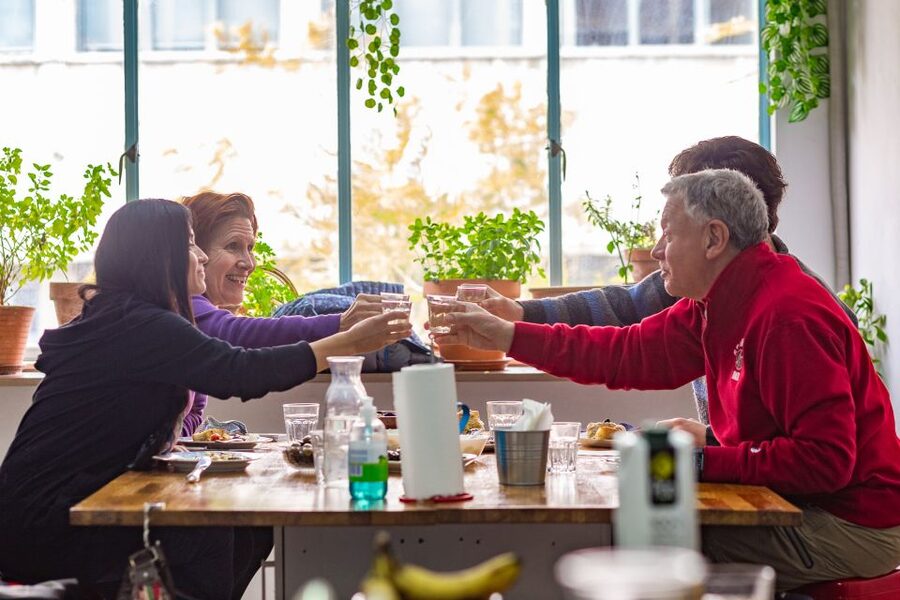
What seals the deal is how you eat. Your meal is served with local organic wine plus soft drinks, and you also get a complimentary shot of Greek digestive liquor. That’s not just “extra alcohol.” It’s a cultural cue: you’re ending the class as a meal, not as a snack break between activities.
Dessert timing matters too. You finish with a chance to relax, enjoy what you made, and let the staff handle the dishes. That’s a big part of the value: your work leads to a proper end, not a “now clean up and go.”
Dietary needs and comfort in real life
If you’re trying to travel smart with food restrictions, this class is one of the better options because it’s designed to adapt. The key detail: you need to let them know in advance using the messaging feature, since last-minute changes can be tough.
Based on what’s been described across sessions, you can expect real accommodation for common needs like vegetarian eating. There’s also evidence of careful handling for gluten/celiac needs, including steps to prevent cross contamination and prepare separate dishes. If that’s on your worry list, it’s worth feeling encouraged here.
That said, the market portion is still a market. So if your restriction is tied to strong aversions (like seeing fish/meat), you’ll want to decide what you can tolerate during the shopping walk.
Price and value: what $81 covers in practical terms
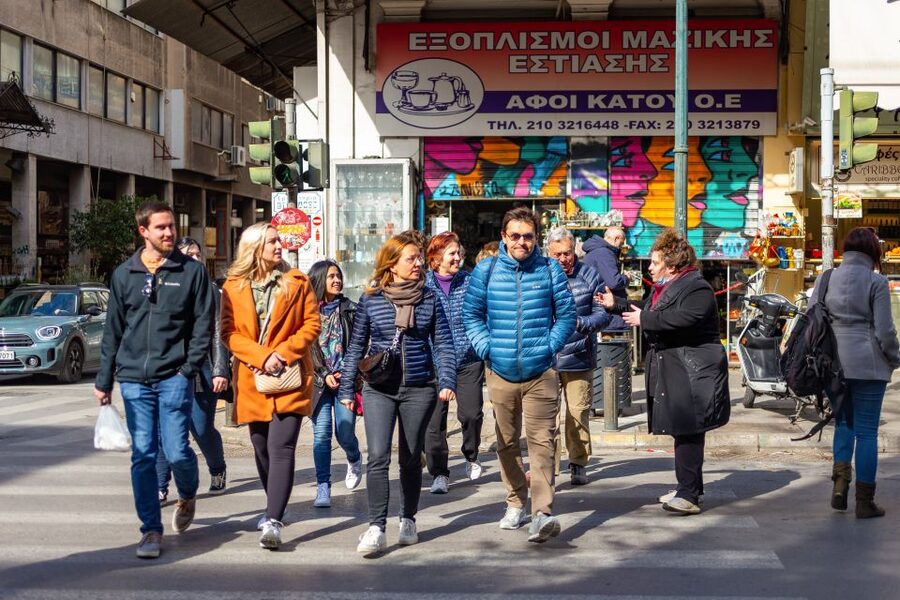
$81 per person can sound like a lot until you break it down. For roughly 4 hours, you’re getting:
- A market shopping experience with your cook
- Hands-on instruction and all ingredients
- A full-course meal (not just a bite of each dish)
- Wine, soft drinks, and a digestive liquor shot
- Recipes so you can cook again at home
In other words, you’re paying for the whole loop: ingredient sourcing, teaching, labor, and a finished meal with drinks. If you’ve ever taken a cooking class where you make one simple dish and leave hungry, this is the opposite. You’ll likely walk out with leftovers of ideas, at minimum, and enough recipes to repeat the dishes.
Practical tips so you enjoy it (instead of rushing)
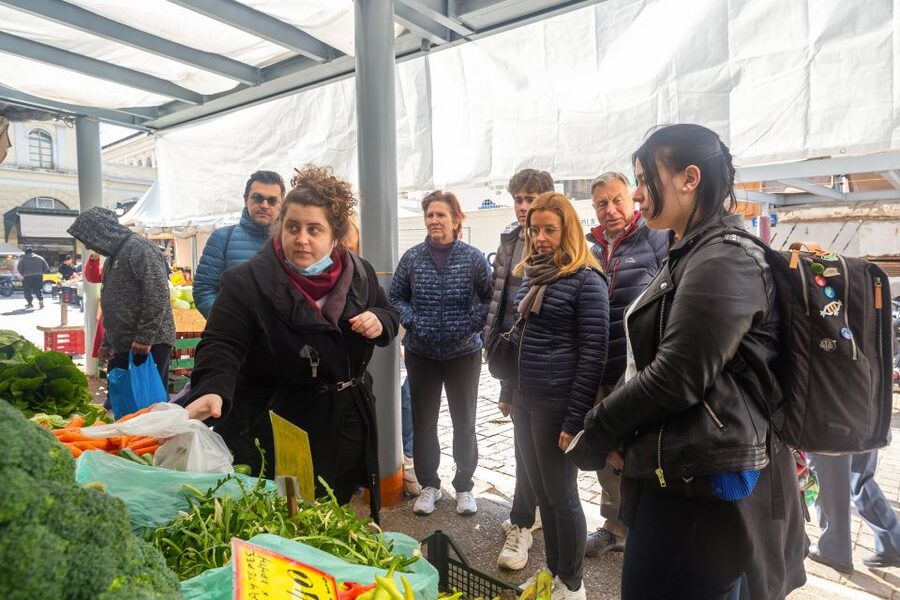
A few small choices make the difference between a fun class and an annoying one.
- Wear comfortable shoes. You’re doing around 30 minutes of walking during the market part.
- Bring a refillable water bottle. You can refill at the studio, so don’t rely on buying plastic bottles.
- Dress for the weather. Athens can swing from cool mornings to warm afternoons fast.
- Expect English and Greek instruction. If you want extra explanation, you’ll usually be able to ask questions in English.
- If you have dietary needs, message early. That’s the best way to get the version that fits you.
And one more tip that’s more mindset than logistics: plan to be present. This kind of class works best when you treat it like a shared meal project with people you just met.
Who should book this Athens cooking class?
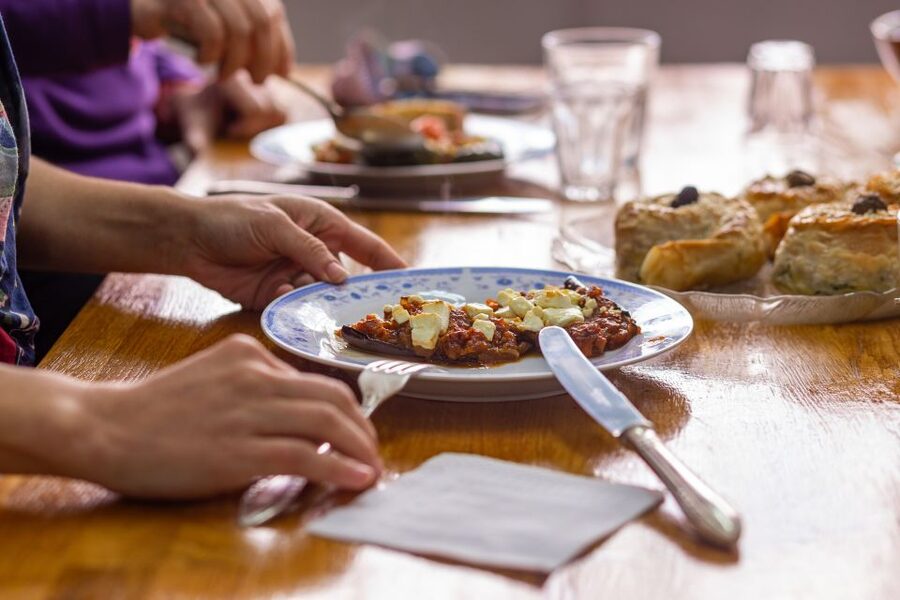
This is a great fit if you want:
- A hands-on Athens experience focused on food, not long transit
- A way to understand Greek flavors through ingredients you can actually shop for later
- A social activity that makes it easy to meet people at your table
- Classic dishes you can remake at home: spanakopita, tzatziki, dolmades, eggplant with feta, and portokalopita
It’s also a solid choice if you’re short on time and want your itinerary to include something “real,” like market-to-kitchen food work in one block.
It might not be the best match if you need full wheelchair accessibility, since it’s not suitable for wheelchair users. And if you’re strongly uncomfortable with fish or meat being present during the market walk, plan for that moment.
Should you book?
Yes, I’d book it if you’re the type who likes to learn by doing and you want a meal that feels earned. The combination of a real market shopping walk, a practical cooking lesson, and eating everything you made—with wine and dessert—creates strong value for the time.
Book it especially if you want recipes you can use again, not just a nice afternoon memory. Choose this class early in your Athens trip if you like the idea of recognizing dishes later at restaurants, since you’ll understand what you tasted and why it works.
FAQ
How long is the Athens food market visit and cooking class?
It lasts about 4 hours.
Where is the meeting point?
Meet at Athinas 36, Athens, at the partner cooking school location on the 1st floor.
Do you visit a market before cooking?
Yes. You’ll shop at Athens Central Market (Varvakios Agora) with your cook before returning to cook.
What dishes will you make?
The menu includes dolmades, spanakopita, imam baildi, portokalopita, and tzatziki.
Is wine included?
Yes. The meal includes water, wine, and soft drinks, plus a complimentary shot of Greek digestive liquor.
Can the class accommodate dietary needs?
They say they can cater to dietary needs, but you must contact them in advance using the messaging feature.
What should I bring or wear?
Wear comfortable shoes. Bring a refillable water bottle, which you can refill at the cooking studio.
Is it wheelchair accessible?
No, it’s not suitable for wheelchair users.
![Traditional Indian Cooking Class in Goa, Anjuna [vegetarian] - The 5-dish vegetarian menu: what you can expect to make](https://b.cookingtravelguide.com/wp-content/uploads/traditional-indian-cooking-class-in-goa-anjuna-vegetarian-400x267.jpg)