REVIEW · ATHENS
Athens: Classic Cooking Class with Market Visit and Wine
Book on Viator →Operated by The Greek Kitchen · Bookable on Viator
A cooking class starts at the market. I love the way it pairs Central Market Athens with hands-on cooking of classics, then lands you at the table with 250ml wine. It’s built for a small group, so you actually get work at the stations.
I also love that the hosts share recipes you can recreate later, not just a memory. One drawback to consider: the meeting spot is up two short flights of stairs, and you’ll walk in the market area for about 30 minutes.
In This Review
- Key Things You Should Know
- Athens Central Market to Your Dinner Plate: How the 4-Hour Flow Works
- Central Market Athens Walk: What You’ll Actually Get From the 30 Minutes
- Cooking Class Setup: Family-Style, Hands-On, and Built for Participation
- Tzatziki and the Greek Starter Loop: Why the Snacks Matter
- Spanakopita: Phyllo Work You Can Actually Recreate
- Dolmades and the Technique Lesson: Rolling Vine Leaves
- Imam Baidi: Roasted Eggplant Meets Sauce and Feta
- Portokalopita for Dessert: Orange, Cinnamon, and Phyllo
- Wine and Bread: The 250ml Detail That Changes the Feel
- Recipes You Can Actually Use Back Home
- Price and Value: Is $83.44 Worth It?
- Logistics That Matter: Where to Meet and What to Wear
- Who Should Book This Athens Cooking Class
- Should You Book The Greek Kitchen?
- FAQ
- What is included in the Athens cooking class price?
- How long does the experience last?
- Is wine included, and how much do you get?
- What dishes are on the menu?
- Where does the tour meet?
- Do I need hotel pickup or drop-off?
Key Things You Should Know
- Central Market Athens walk (about 30 minutes): You’re on foot, with sun and uneven spots to plan for.
- Small group size (max 16): The format makes it easier to participate, not just watch.
- A full menu, not one dish: You’ll work on several crowd-pleasers in the time window.
- Wine with lunch/dinner: You get 250ml of locally produced red or white, plus water.
- Bread and olives while you cook: They keep you fed during prep and snack breaks.
- Stairs at the venue: The cooking space is up two short flights—comfortable shoes help.
Athens Central Market to Your Dinner Plate: How the 4-Hour Flow Works
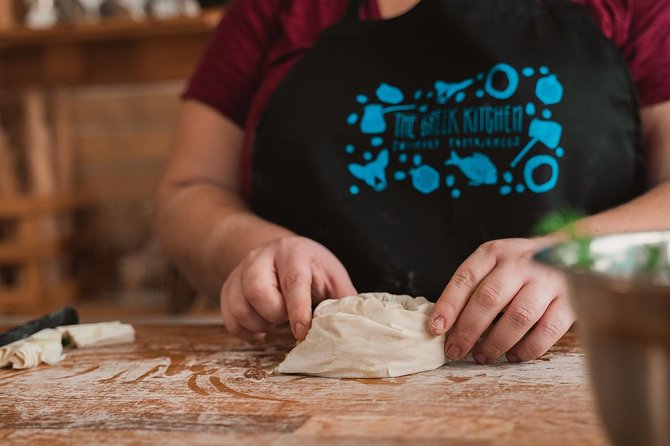
This is the kind of food tour that makes sense fast: you start in the market area, learn what to look for, then come back and cook what you’re about to eat. The whole experience runs about 4 hours, with the market portion lasting around 30 minutes and the rest focused on prep, cooking, and sitting down together.
The pace can feel quick, but that’s part of the value. You’re getting guided instruction and a multi-dish meal in one go, instead of spending hours on a single recipe. One practical tip: wear shoes you can stand in for a while. Even if you’re not doing heavy lifting, the work stations and food prep add up.
You can also read our reviews of more tours and experiences in Athens.

Central Market Athens Walk: What You’ll Actually Get From the 30 Minutes
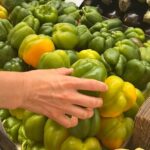
The market stop is not just window shopping. You’ll take a 30-minute walk to Athens Central Market as part of the experience, and your guide helps you spot what matters for Greek cooking—what people buy, what’s in season, and how everyday ingredients connect to meals.
This short walk is also useful because it sets context. When you later roll dolmades or build spanakopita, you understand why certain ingredients show up the way they do. It’s easier to cook better at home when you know what those ingredients are meant to do.
A few things to plan for:
- Sun and comfort: It’s outdoors walking time. Bring sun protection.
- Foot comfort: Comfortable shoes matter because you’re on foot for a chunk of time.
- Just a look, not shopping duty: The experience is designed to show you the market and how ingredients fit the menu; you’re not expected to do all the buying yourself.
Cooking Class Setup: Family-Style, Hands-On, and Built for Participation
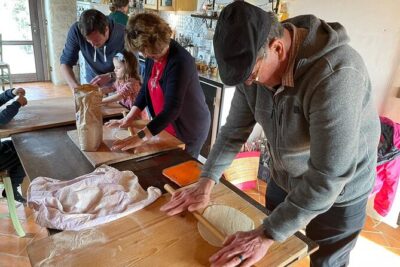
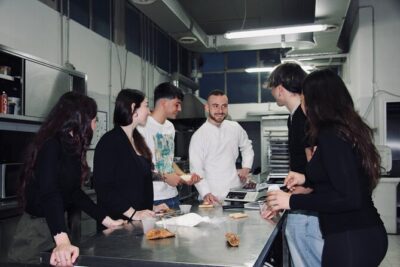
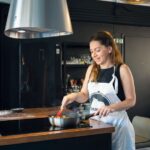
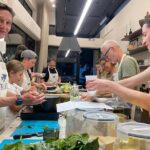
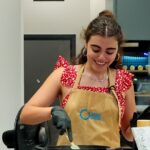
Back at The Greek Kitchen, the emphasis is on hands-on cooking. The menu is set, but the format is flexible enough that you’re not stuck waiting your turn. With a maximum group size of 16, you should have a realistic chance to help with prep and cooking tasks rather than being stuck as a spectator.
You’ll work through multiple dishes from start to finish, and you’ll likely rotate through steps as the day progresses. Several people highlight that the structure keeps things moving and lets everyone participate. That matters if you’re traveling solo or with friends—you’ll be busy, talking, and learning instead of hovering.
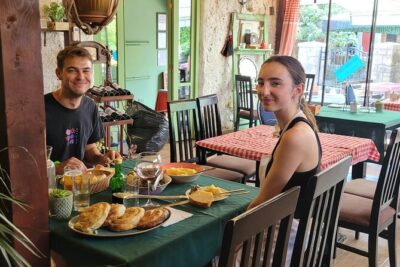
Also, the vibe is intentionally social. You’ll share the meal together at the end in a family-style setup, which is a great fit for meeting people from different places.
Tzatziki and the Greek Starter Loop: Why the Snacks Matter
Greek cooking starts with the things that set the table, and this class does it right. As you cook, you’ll have bread and olives at every class, plus seasonal snacks from the market and drinking water. That doesn’t just keep things casual and pleasant. It also helps you learn without getting wiped out by hunger or a long stretch of prep.
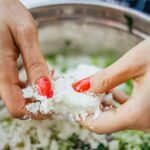
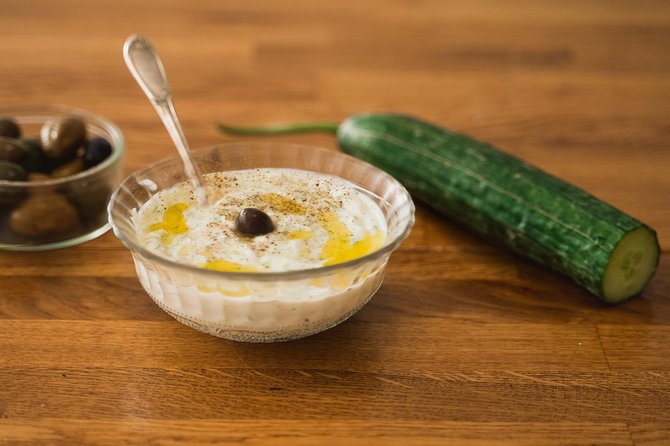
Then comes tzatziki, a thick yogurt-based sauce with fresh cucumber and garlic. It’s simple in theory, but it teaches a key lesson: Greek flavors often lean on balance, not complexity for its own sake. You’ll learn how garlic and cucumber work together and how to get that creamy texture that feels right with warm bread.
Spanakopita: Phyllo Work You Can Actually Recreate
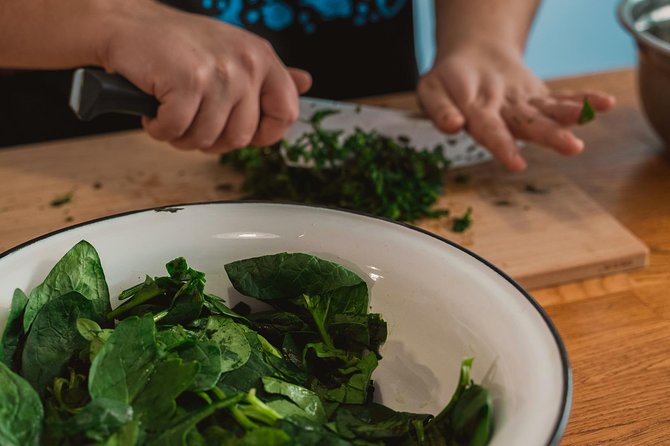
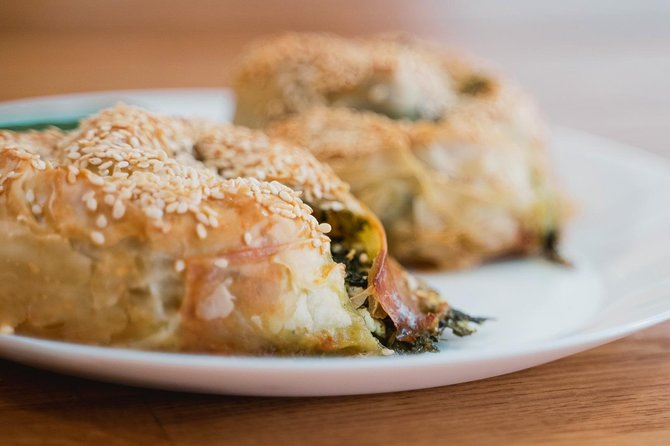
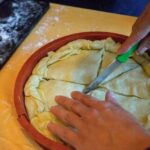
The class includes spanakopita, one of Greece’s best-known comfort foods. Expect a hands-on lesson focused on phyllo and filling—coils of phyllo wrapped around a mixture of spinach, feta, and herbs.
This is a great dish for your take-home goals. Phyllo work can look intimidating on TV, but when you’re guided through the steps, it stops being scary. You’ll see how to handle the dough, build the structure, and understand what you’re aiming for visually and in texture.
If you want to bring home a “wow” dish that still feels doable, spanakopita is a strong pick. It’s also a good match for vegetarians since the menu includes options that are prepared for different diets.


Dolmades and the Technique Lesson: Rolling Vine Leaves
Next up: dolmades—the dish that turns cooking into a craft. Dolmades are typically vine leaves rolled around fragrant rice and beef. You’ll learn the technique of rolling and shaping, which is the core skill here.
Even if you’ve never made anything like this, the payoff is huge. Rolling teaches patience and precision in a fun way, because each piece is small and manageable. And when you sit down to eat at the end, you can connect the labor to the result.
What I like about including dolmades in a class like this is that it forces you to understand more than flavor. You learn the how. That’s what makes it easier to cook again later rather than just memorizing a recipe.
Imam Baidi: Roasted Eggplant Meets Sauce and Feta
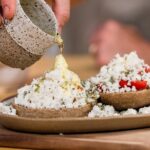
Then there’s imam baidi, a historical dish that came to Greece in the early 20th century. In plain terms, it’s roasted eggplant topped with sauce and feta—classic comfort with a smoky, savory backbone.
This part of the class helps you understand how Greek home cooking builds flavor in layers. Eggplant brings softness and depth. The sauce adds tang and body. Feta gives salt and a creamy finish. You’re not just following steps—you’re learning what each element contributes.
If you tend to cook at home and want recipes that don’t require fancy ingredients, imam baidi is a strong choice. It also fits well as a vegetarian-friendly dish, depending on how your group’s menu is adapted.
Portokalopita for Dessert: Orange, Cinnamon, and Phyllo
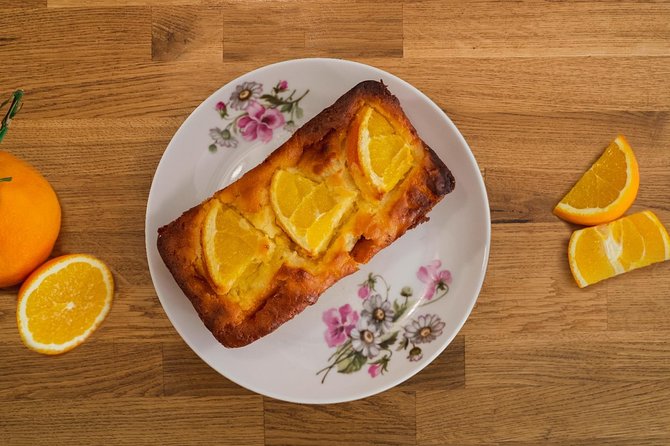
Dessert is portokalopita, which is described as another excellent pie that’s really more like a cake. It uses shredded phyllo soaked in orange and cinnamon syrup.
This dish is a great reminder that Greek desserts aren’t only about sugar. Citrus and spice matter. The syrup-soaked texture is also a useful technique you can apply later with other phyllo-based sweets.
And yes—you’ll be eating what you made. The class ends with the satisfaction of a meal made by your own hands.
Wine and Bread: The 250ml Detail That Changes the Feel
You’ll include a glass of red or white wine with your meal—250ml of locally produced wine, plus water. It’s not a party vibe, but it does change the tone. People tend to relax more. Conversations flow. And after a few rounds of prep, having wine at the table feels like a reward instead of a random add-on.
You also get bread and olives throughout the class, which keeps energy steady while you’re working. That matters because cooking classes can run long, and the market-walk-to-cooking transition can blur together if you’re hungry.
Recipes You Can Actually Use Back Home
This experience stands out because you get recipes of the dishes you made. That’s the real “memory saver.” A great class gives you food you enjoy right away—but a great class also gives you something you can reproduce, even if your kitchen is smaller and your phyllo anxiety is higher.
When you have recipes, you can repeat the dishes and adjust to your tastes. You can also make it easier to shop wisely next time. That’s where the market learning pays off: you’ll know what you’re looking for, not just what to cook.
Price and Value: Is $83.44 Worth It?
At $83.44 per person, this isn’t a cheap “snack and show” activity. But it also isn’t overpriced for what you get.
Here’s the value math that matters for most people:
- You’re paying for a hands-on cooking class, not an observation tour.
- You’re getting a multi-dish menu (tzatziki, spanakopita, dolmades, imam baidi, portokalopita).
- Your price includes wine (250ml), bread and olives, drinking water, and seasonal market snacks.
- You get recipes you can follow later.
If you’ve ever tried to recreate Greek dishes at home, you know the ingredients and trial-and-error add up. A guided class saves you that time. It also gives you the structure to learn the technique pieces—especially helpful for phyllo and rolling vine leaves.
Logistics That Matter: Where to Meet and What to Wear
Meeting point: Athinas 36, Athina 105 51, Greece. The experience ends back at the meeting point.
Two practical notes:
- The Greek Kitchen is up 2 short flights of stairs. This is small, but it’s not flat-ground easy.
- The market visit involves walking. Wear comfortable shoes and use sun protection.
On transport, it’s near public transportation, which helps if you’re combining it with other Athens sights.
And one more tip: since there’s no hotel pickup or drop-off, plan your route in advance. You’ll arrive under your own steam, then everything else runs on the class schedule.
Who Should Book This Athens Cooking Class
This is a great fit if you want:
- A classic Greek menu you can actually cook again
- A hands-on format where you participate
- A meal that ends with you sitting together, not just eating and leaving
- A social activity that works even if you’re traveling solo
It may not be the best fit if:
- You dislike group settings or family-style meals
- You’re sensitive to stairs
- You prefer unhurried cooking with lots of downtime (this is a structured 4-hour block)
Should You Book The Greek Kitchen?
If your goal is to leave Athens knowing how to make Greek food—not just tasting it—this class is a solid choice. The pairing of a market walk, guided cooking of several signature dishes, and recipes to bring home is what makes it work.
Book it if you want a practical food experience, enjoy learning by doing, and like sharing a table with other travelers. Skip it if stairs are a problem for you or if you want a long, slow pace with plenty of breaks.
If you’re choosing one food activity in Athens and you care about taking something real home, this one earns a spot on your calendar.
FAQ
What is included in the Athens cooking class price?
The price includes the hands-on cooking class with a Greek home cook, a 30-minute walk to Athens Central Market for a look around, drinking water, 250ml of locally produced red or white wine, bread and olives during the class, seasonal snacks from the market, and recipes of the dishes you made.
How long does the experience last?
It runs about 4 hours, approximately.
Is wine included, and how much do you get?
Yes. You receive 250ml of locally produced red or white wine with the meal.
What dishes are on the menu?
The class menu includes tzatziki, spanakopita, dolmades, imam baidi (roasted eggplant with sauce and feta), and portokalopita for dessert.
Where does the tour meet?
The meeting point is Athinas 36, Athina 105 51, Greece.
Do I need hotel pickup or drop-off?
No. Hotel pickup and drop-off are not included, and the experience ends back at the meeting point.