REVIEW · UBUD
Ubud: Balinese Cooking Class and Market Tour
Book on GetYourGuide →Operated by Group Wonderful Activities · Bookable on GetYourGuide
Spices don’t taste the same after a lesson. This Ubud Balinese cooking class pairs a morning local market tour (for morning sessions) with a hands-on workshop where you make at least 9 dishes and eat them right away. What I like most is the amount of cooking you do yourself, not just watching, plus the chance to understand ingredients at the source. The one drawback to plan around: the market and rice paddies are only for the morning option, and the traditional market experience can feel intense if you prefer clean, polished stops.
The price also makes sense for what you get. For about $23, you’re paying for a small group (up to 14), an English-speaking guide, hotel pickup/drop-off within Ubud, and a recipe PDF you can use later. If you want a low-stress activity with a clear structure, this is one of those “show up, learn, eat” experiences that runs smoothly.
You’ll leave with more than full plates. You’ll practice Balinese cooking steps with a chef, then sit down with the rest of your group and savor what you made, which is a big part of why these classes feel like a real cultural day instead of a demo.
In This Review
- Key Highlights You’ll Feel During the Day
- Ubud Balinese Cooking Class: Why This One Works for Food-First Travelers
- Morning vs Afternoon: Market and Rice Paddies or Canang Offerings
- Morning session: market tour + rice paddies
- Afternoon session: cooking workshop + Canang offering
- Ubud Pickup and the Small-Group Feel: Where the Day Starts
- Traditional Market Tour: Fruit Tastes and How Locals Shop
- Rice Paddies Stop (Morning Only): How Rice Becomes the Meal
- Hands-On Cooking: Making 9 Balinese Dishes by Hand
- The Meal: Taste What You Cook, Together
- What You Actually Get for About $23: Value That Adds Up
- Practical Tips That Make the Class Easier (and Better)
- Who This Ubud Cooking Class Is Best For
- Should You Book This Ubud Balinese Cooking Class?
- FAQ
- How long is the Ubud Balinese cooking class and market tour?
- Is the market tour included?
- What’s included in the afternoon class instead of the market?
- How many dishes will I cook?
- Is there a recipe handout after the class?
- What should I bring?
- Can I get a refund if I need to cancel?
- Is it suitable for kids or wheelchair users?
Key Highlights You’ll Feel During the Day
- Make 9 Balinese dishes by hand, with guidance so you aren’t stuck guessing
- Morning option includes a traditional market where you taste local fruit and learn what goes into cooking
- Rice paddies visit (morning only) to connect meals with how rice is grown and valued
- Afternoon option focuses on Canang offerings, including making a set up of the Balinese offering
- Small group size (max 14), often feeling more personal than big tour bus classes
- Recipe PDF so you can recreate the basics later for lunch or dinner
Ubud Balinese Cooking Class: Why This One Works for Food-First Travelers
Ubud is full of cooking classes. Most promise authenticity. This one delivers something more useful: you learn ingredients and technique in the same morning rhythm that Balinese families use for food shopping and prep.
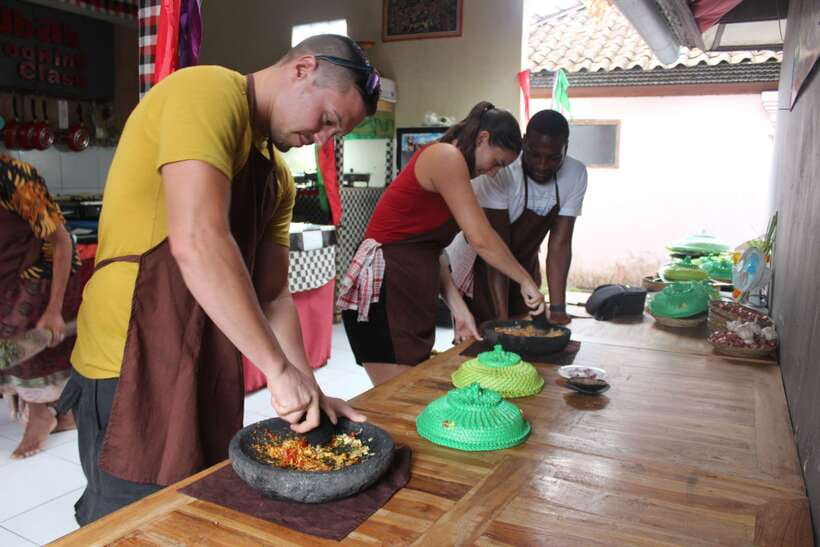
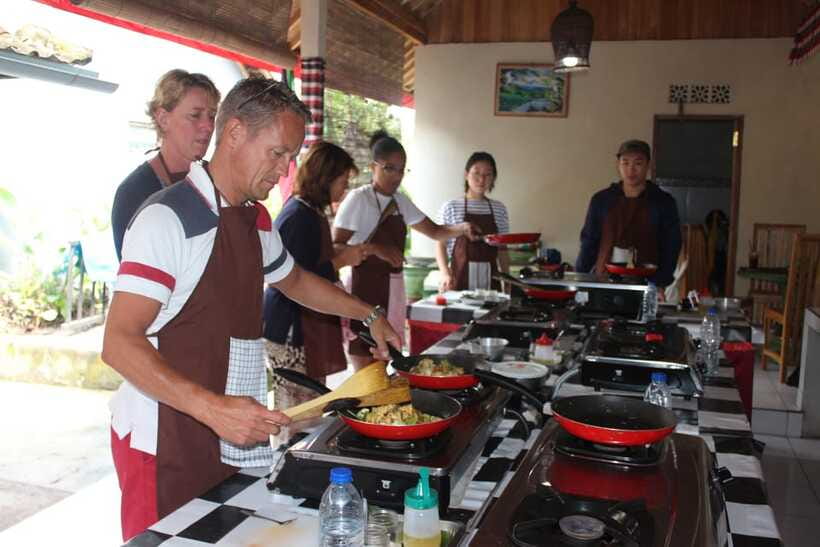
I like that it’s not just you standing around. You’ll be guided step by step to prepare at least 9 Balinese signature dishes, and the flow is designed so you taste and enjoy what you’re cooking instead of waiting until the very end. That keeps energy up, and it makes it easier to remember which step changed the flavor.
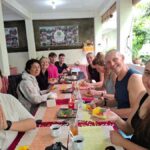
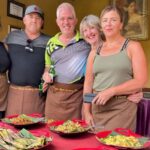
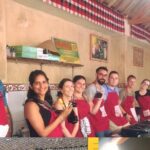
The other reason this class stands out is the human scale. You’re in a small group limited to 14, and the guides and instructors are described as friendly, attentive, and good at keeping the pace comfortable. Some classes feel like a factory. This one feels like a family kitchen with rules.
You can also read our reviews of more tours and experiences in Ubud.
Morning vs Afternoon: Market and Rice Paddies or Canang Offerings
This experience splits into two different “flavors” depending on your time slot, and choosing the right one matters.
Morning session: market tour + rice paddies
If you book the morning class option, you get a local market tour with a guide and the chance to taste local fruit. You’ll also visit local rice paddies as part of the morning program. This is the best choice if you want to understand what Balinese cooking starts with—produce you see with your eyes, not just ingredients listed on a menu.
Afternoon session: cooking workshop + Canang offering
If you choose the afternoon class option, you skip the morning market and rice paddies. Instead, you’ll focus on the cooking class plus making set up Canang offering (a Balinese Hindu offering). That adds cultural context without dragging the day out.
If you’re the type who likes to connect food to the land, morning is the move. If you just want the best chance to focus on hands-on cooking and an extra cultural craft, afternoon is a solid fit.
Ubud Pickup and the Small-Group Feel: Where the Day Starts
The logistics are simple: pickup and drop-off are included within the Ubud area. There’s also a free shuttle service in that zone, and if you’re outside Ubud you can meet the shuttle at the front of Ubud Palace or come directly to the class location.
This matters because cooking classes can get weird when transport is unclear. Here, the structure is designed so you arrive ready to work, not scrambling for directions. The group size also helps. With up to 14 participants, you’re more likely to get individual attention when questions pop up—especially when you’re learning knife work, mixing sauces, or balancing seasoning.
One practical note: bring headphones if you like, since market and compound stops can be noisy, and having your own audio comfort helps keep you focused.
Traditional Market Tour: Fruit Tastes and How Locals Shop
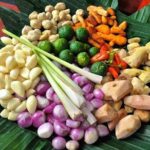
For morning sessions, the traditional market visit is a big part of the learning. You’re not walking past a curated food court. You’re seeing how produce and ingredients move through daily local life.
You’ll learn how ingredients are sold and bought, and you’ll likely taste items the guide brings out for sampling. The experience also includes cultural context around what people buy for cooking and what you’ll see related to Hindu offerings.
A word of honesty: this is a real market. Some descriptions point out it can be tight, and it may not look or smell like the markets you’re used to back home. If you’re easily put off by messier environments, you might prefer choosing the afternoon class instead. If you can handle that, you’ll get a much clearer picture of what “local sourcing” really means.
The best part is how it changes your cooking mindset. After you’ve seen fruits and ingredients up close, you stop treating the dishes like they’re just recipes on a card. You understand why certain flavors show up together.
Rice Paddies Stop (Morning Only): How Rice Becomes the Meal
The rice paddies visit is short, but it’s not random. Rice is central to Balinese food culture, and your guide explains why.
This stop works well because it connects your later cooking steps to the bigger picture. You’re not just learning how to make food. You’re learning why specific ingredients matter in daily life and why rice has such a big role in meals and routines.
If your guide has personal farming experience, that kind of detail comes through in the explanations. The goal here isn’t to turn it into a lecture. It’s to give you a mental link: food on the plate comes from systems on the ground.
Hands-On Cooking: Making 9 Balinese Dishes by Hand
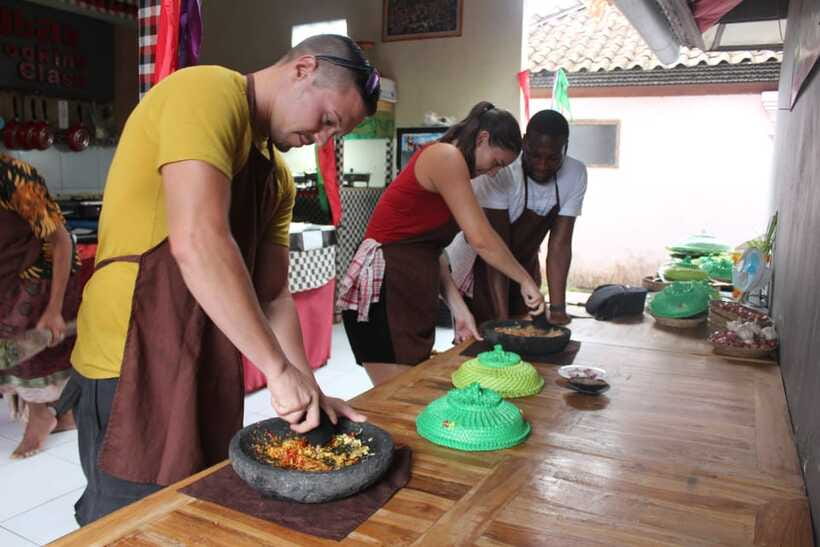
This is the heart of the experience, and it’s where you’ll notice the difference between a real workshop and a tourist performance.
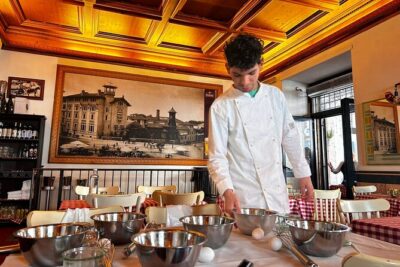
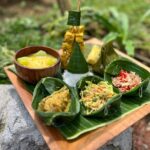
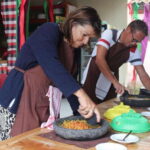
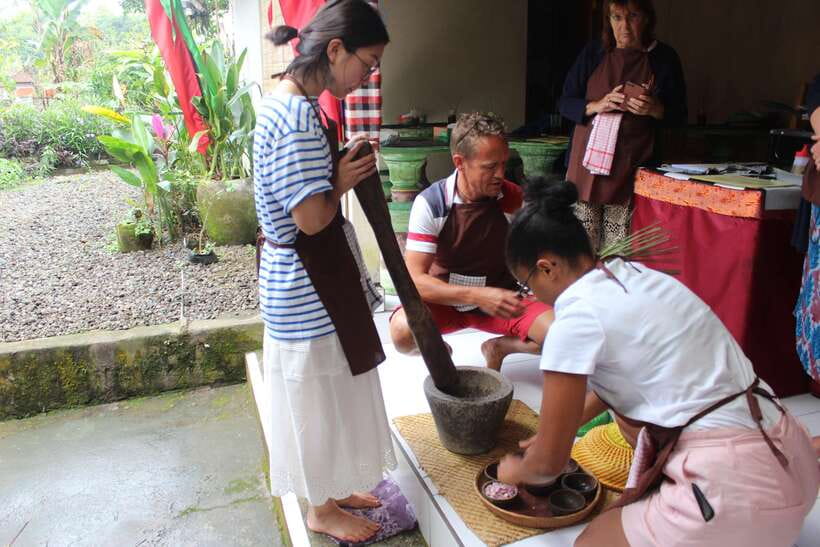
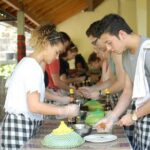
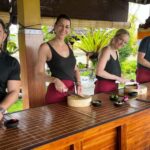
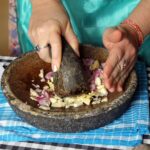
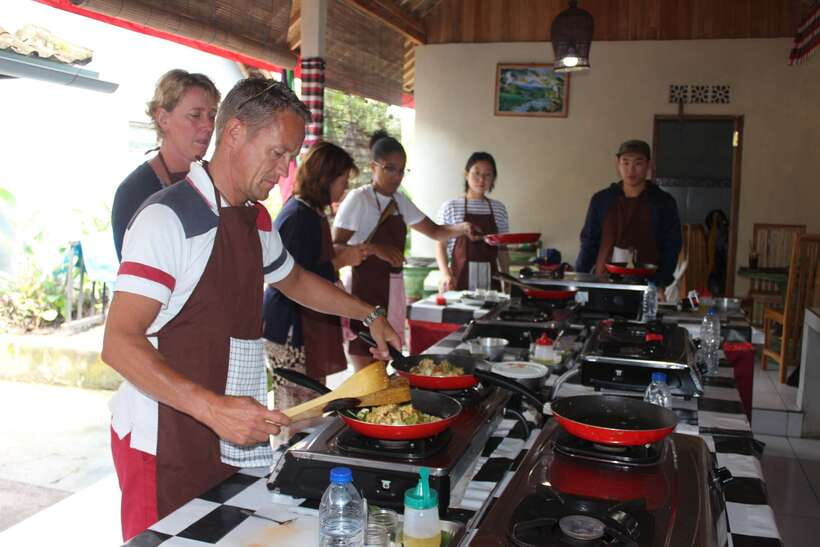
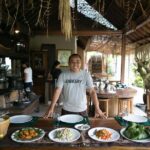
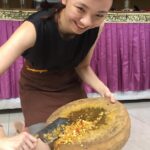
You’ll be guided by a Balinese chef step by step, and you’ll prepare at least 9 recipes. Expect a mix of dish types—people describe sauces and mains, plus a dessert. Even if the exact menu items vary, the structure is consistent: multiple stations, ingredients ready to use, and clear instruction so you can actually participate.
What I like most is the balance between doing and getting help. In well-run classes, you’re not left to fail in silence. You’re helped when you need it, and you still get credit for the work because your hands are doing the cooking.
The pace also helps. Several descriptions mention that everything ran smoothly, with instructors being patient and not stressed if you mix things a little differently than expected. You’ll taste along the way, which makes it easier to adjust seasoning and understand the flavor logic.
And yes, names come up often. Guides and chefs such as Putu, Butu, Wayan, and Tata are mentioned for being friendly, funny, and especially good at explaining what you’re making and why.
The Meal: Taste What You Cook, Together
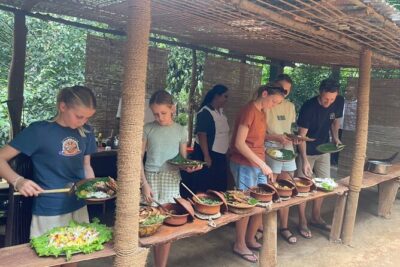
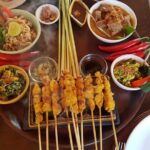
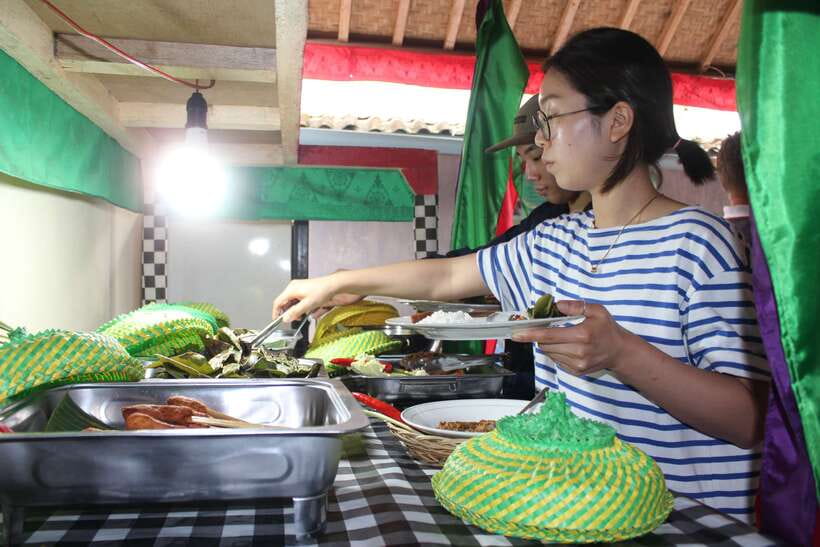
This class ends with you eating the food you made, and that’s a key part of the value. Some cooking classes hand you a tiny tasting portion and send you on your way. Here, you’re set up for a proper shared meal.
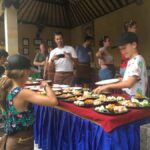
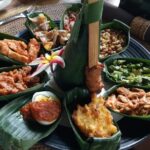
Because you cook multiple dishes, the table can feel like a feast. People describe it as a lot of food, enough for a real lunch, and that you enjoy what you made together. The built-in timing also means you’re not stuck eating lukewarm food you didn’t understand.
A small but useful detail: if you need a non-spicy menu or have allergies, there are notes that the staff can adapt for some dietary needs. If that applies to you, tell them clearly when you book or at pickup so the instructor can plan accordingly.
What You Actually Get for About $23: Value That Adds Up
Let’s do the math in real travel terms. For about $23 per person, you typically get:
- Pickup and drop-off in Ubud
- An English-speaking guide
- A chef-led workshop making 9 dishes
- A welcome drink
- Market tour and rice paddies for morning sessions
- Canang offering setup for afternoon sessions
- A recipe PDF after the class
That’s a lot of “included” for the price, especially when you compare it to cooking classes that cost much more but still feel like you watch more than you cook.
Also, small-group instruction is part of the cost. With up to 14 participants, you spend less time waiting and more time doing. And since you get a PDF recipe copy, you can turn the day into real home-cooking rather than a photo-only souvenir.
One optional add-on note from experience notes: some people mention cold beers available at reasonable prices. That’s not essential to the experience, but it suggests the meal setup is relaxed and not overly formal.
Practical Tips That Make the Class Easier (and Better)
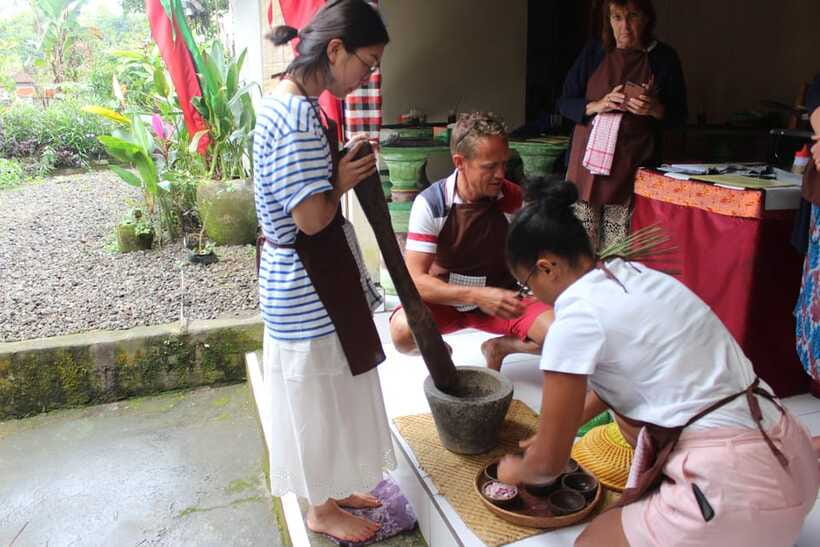
Here are the details that matter once you’re on the ground:
- Bring cash: the day includes market tasting and you may want small extras while you’re out.
- Bring a camera, but also give yourself time to look with your own eyes during the market and rice paddies stop.
- Choose morning if you want sourcing plus culture; choose afternoon if you want to focus on cooking and Canang offerings.
- Plan for a hands-on style: you’ll be making a lot in a short amount of time, so wear something you don’t mind getting a little fragrant.
- If you’re sensitive to mess, consider whether a traditional market stop feels comfortable for you.
Who This Ubud Cooking Class Is Best For
This experience fits especially well if you:
- Want a real cooking workshop where you cook, not just observe
- Like the combo of market + kitchen, not just one or the other
- Are traveling in a small group or solo and want a clear structure for half a day
- Care about learning how ingredients connect to Balinese flavors
It may be less ideal if:
- You strongly dislike traditional markets (morning only)
- You need wheelchair access, since it’s listed as not suitable for wheelchair users
- You’re traveling with kids under 6, since it’s not suitable for them
Should You Book This Ubud Balinese Cooking Class?
If you want value, hands-on cooking, and a day that feels grounded in how food actually starts, I’d book this. The combination of making 9 dishes, learning from an English-speaking Balinese team, and eating what you cook is the kind of payoff that’s hard to replicate elsewhere for the price.
My call depends on your priorities:
- Book morning if you want the full ingredient journey: market tastings and a rice paddies connection.
- Book afternoon if you’d rather skip the traditional market environment and add cultural depth through Canang offering making.
If you’re price-conscious but still want something you can use later (that recipe PDF helps), this is a strong pick.
FAQ
How long is the Ubud Balinese cooking class and market tour?
The experience runs about 4 hours. Starting times depend on availability.
Is the market tour included?
A local market tour is included only for the morning class option.
What’s included in the afternoon class instead of the market?
For the afternoon class option, you’ll do the cooking workshop plus making set up Canang offering.
How many dishes will I cook?
You’ll prepare at least 9 Balinese signature dishes.
Is there a recipe handout after the class?
Yes. You receive a copy of the recipes on a PDF file.
What should I bring?
Bring a camera, headphones, and cash.
Can I get a refund if I need to cancel?
Yes. You can cancel up to 24 hours in advance for a full refund.
Is it suitable for kids or wheelchair users?
It’s not suitable for children under 6 years and not suitable for wheelchair users.