REVIEW · BANGKOK
Bangkok: Blue Elephant Thai Cooking Class
Book on GetYourGuide →Operated by Blue Elephant Cooking School&Restaurant · Bookable on GetYourGuide
A Thai cooking class in Bangkok beats eating your way around. This one pairs a chef’s guidance with real ingredients and a hands-on 4-course meal in a famous setting.
What I like most is the structured flow: first you learn the why, then you cook the how. You also leave with real take-home tools like recipes, plus the apron and certificate that make it feel like an actual graduation, not a demo tour.
One thing to weigh: it can feel a bit fast-paced while you’re reading recipes and cooking at the same time. If you’re picky about timing or prefer a slower rhythm, plan to go in ready to focus.
In This Review
- Key things to know before you go
- Why Blue Elephant is a smart Bangkok cooking choice
- Getting to the meeting point without headaches
- Morning class market visit: pick ingredients like you mean it
- Afternoon class: straight to cooking mode
- The classroom start: theory, demos, and real technique
- Hands-on cooking stations: burners, wok, and guidance
- Your 4-course Thai meal: more than just one dish
- What you take home: recipes, certificate, and useful souvenirs
- Price and value in plain terms
- Who this class is best for
- Should you book Blue Elephant in Bangkok?
- FAQ
- What’s included in the Blue Elephant Thai cooking class?
- How long is the cooking class?
- Is there a market visit?
- Are there afternoon classes every day?
- Do I need to worry about language?
- What should I do if I have dietary requirements?
- What time or schedule should I plan for?
- What’s the meeting point and how do I get there?
- Is hotel transfer included?
- Can I cancel for a refund?
- Can I reserve now and pay later?
Key things to know before you go
- Market ingredient picking: Morning class includes a market visit to select herbs, spices, and staples.
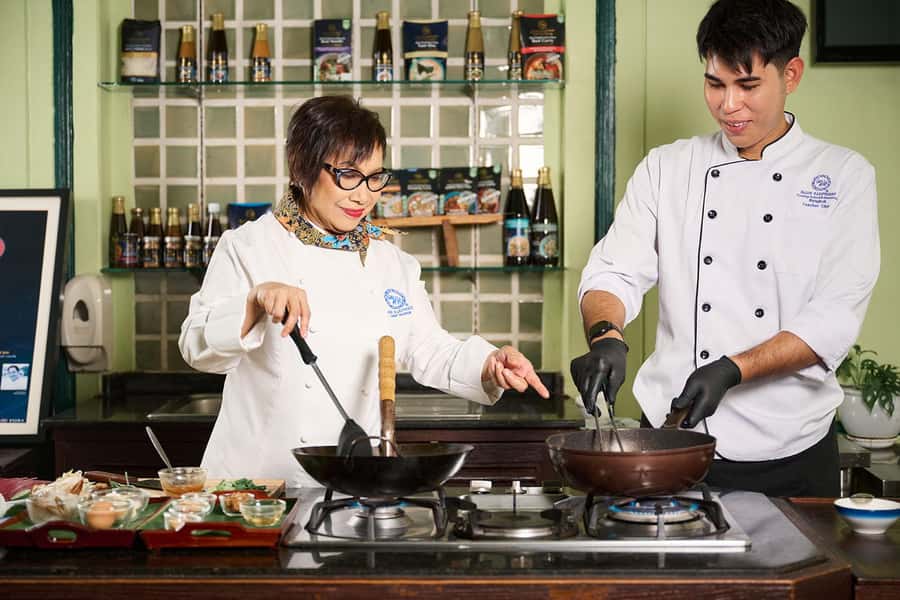
- Chef-led theory first: You start with instruction and demonstration before you get your hands on the wok.
- Built for hands-on cooking: Your station includes utensils, burners, and wok setup.
- A different menu each day: The dishes change daily, so flexibility is part of the experience.
- Take-home results: You receive recipes, a certificate, and a souvenir bag, plus staff-provided keepsakes like the apron.
Why Blue Elephant is a smart Bangkok cooking choice
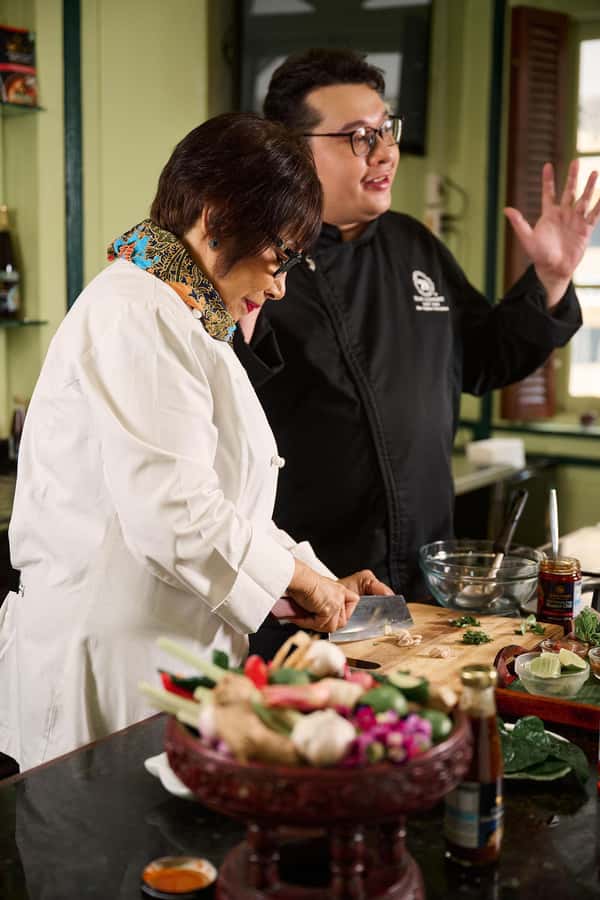
Bangkok has no shortage of cooking classes. What makes this one appealing is that it’s anchored at Blue Elephant Cooking School & Restaurant, a renowned Bangkok spot recognized by the Michelin Guide. That matters because it signals you’re not just paying for a kitchen novelty. You’re paying for a real program.
The value is also in the full loop. You don’t only watch. You shop (on the morning option), you learn techniques, you cook four dishes, and you eat what you make in the dining hall. The take-home recipes are the part that helps you turn a one-day experience into repeatable dinners later.
If you’re someone who loves flavor but wants more than taste, you’ll appreciate the way the day is organized around Thai cooking logic: ingredients, balance, heat, and timing.
You can also read our reviews of more tours and experiences in Bangkok.

Getting to the meeting point without headaches
You meet at The Blue Elephant, 233 S Sathorn Rd, in the Yan Nawa/Sathon area. If you want the easy transit approach, take the Skytrain to Surasak BTS Station. From there, it’s straightforward to finish by taxi or a short walk depending on your comfort level.
Plan to arrive a few minutes early. Even with smooth city transit, Bangkok traffic and walking can shift your timing. Also, the morning class starts with a market stop, so being on time helps you get the full ingredient-picking portion rather than rushing through it.
Note: hotel transfers are not included. If you’re staying far from the Sathorn area, it’s worth budgeting for taxi time.
Morning class market visit: pick ingredients like you mean it
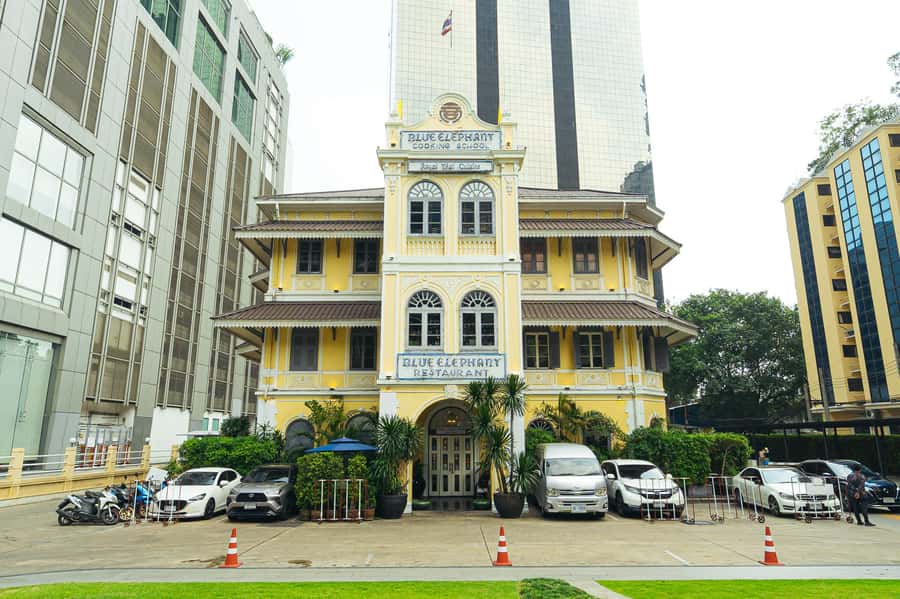
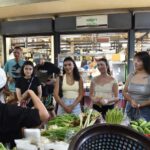
If you book the morning class, your day starts with a market visit to pick ingredients for what you’ll cook later. It’s not described as a long sightseeing marathon. It’s an ingredient hunt with context, which is the right focus if your goal is to learn Thai cooking at home.
You’ll go through multiple market stops to select things like herbs, spices, coconut, curry ingredients, and other staples used in Thai dishes. In real practical terms, this is where you learn the difference between an ingredient that looks similar and the one that performs the way Thai recipes expect.
A guide named Krishna is one of the names that shows up with clear praise. The way the market experience is run matters because it sets you up to cook with confidence, not just follow steps.
From a practical standpoint, this portion is also great if you’ve never cooked with fresh Thai herbs. You’ll get the chance to touch and smell ingredients in a way a supermarket can’t match. That sensory memory helps later when you’re trying to recreate flavors with your own pantry supplies.
Afternoon class: straight to cooking mode
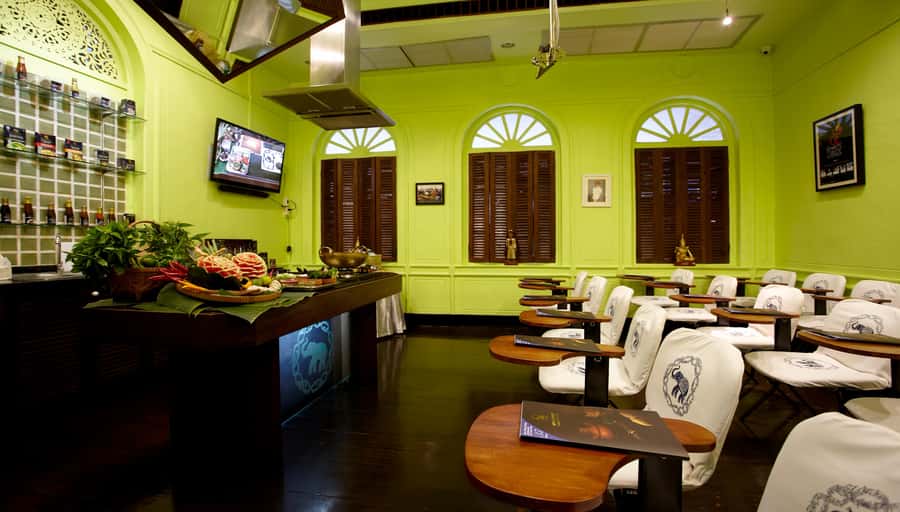
The afternoon option skips the market visit and jumps to the program’s cooking rhythm. That can be a good choice if you’re short on time, or if you already plan to explore Bangkok’s markets independently.
Keep in mind that the menu still changes daily. So even if you take the afternoon class, you’re not locked into one fixed set of dishes. You’re learning the approach and techniques, which is the transferable part.
Also, there are no afternoon classes on Sundays. If you’re traveling on a weekend, pick your class time carefully.
The classroom start: theory, demos, and real technique
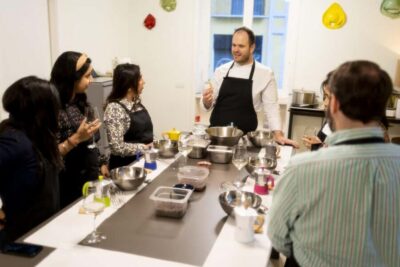
Your day includes a theory class before you start cooking. This is where the instructor explains ingredients and techniques behind Thai cooking, and you’ll see demonstrations for the recipes you’ll prepare.
This part matters more than it sounds. Thai cooking is about balance—sweet, salty, sour, bitter, and heat—and about using the right technique at the right moment. If you skip the theory, you can end up treating Thai food like a list of steps rather than a system.
The instruction is in English, and you’ll also hear Thai as needed from the team. Several people specifically praised the clarity of English, which is a big deal if language is your concern.
In some sessions, staff names like Teacher Yui show up in the context of supporting the class. That kind of teamwork is often what turns a group class from chaotic into manageable.



Hands-on cooking stations: burners, wok, and guidance
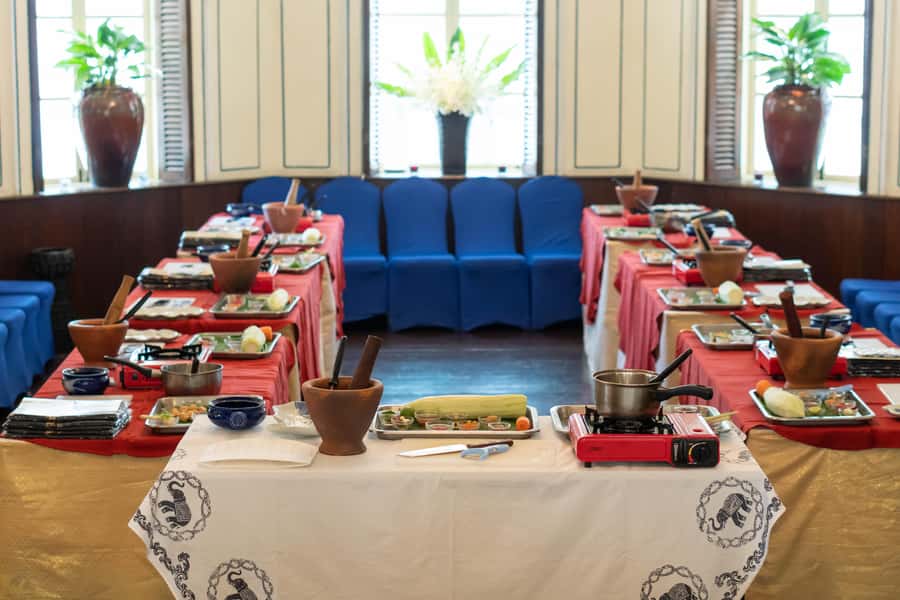
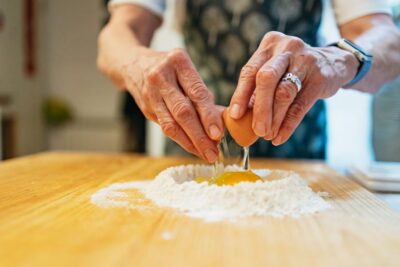
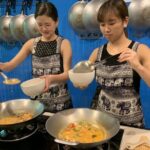
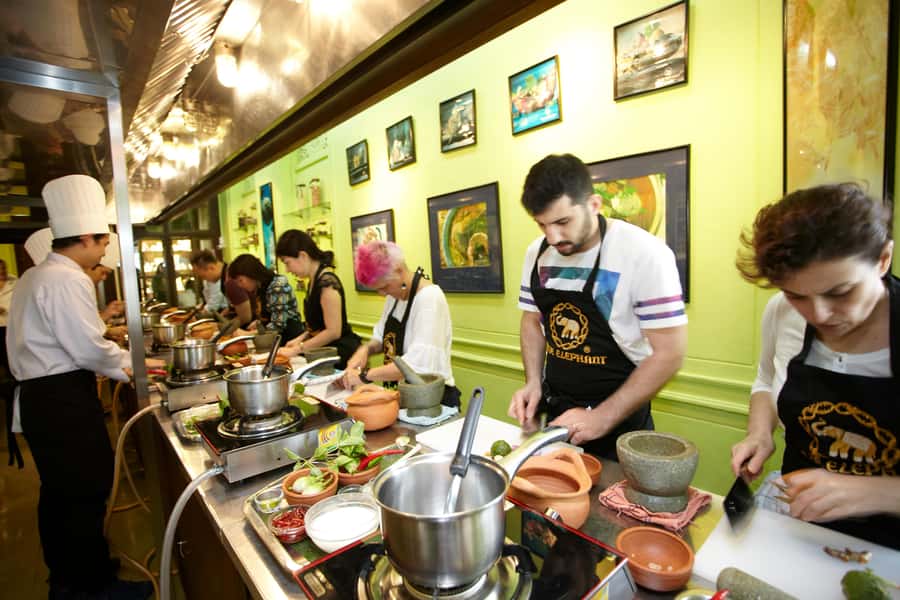
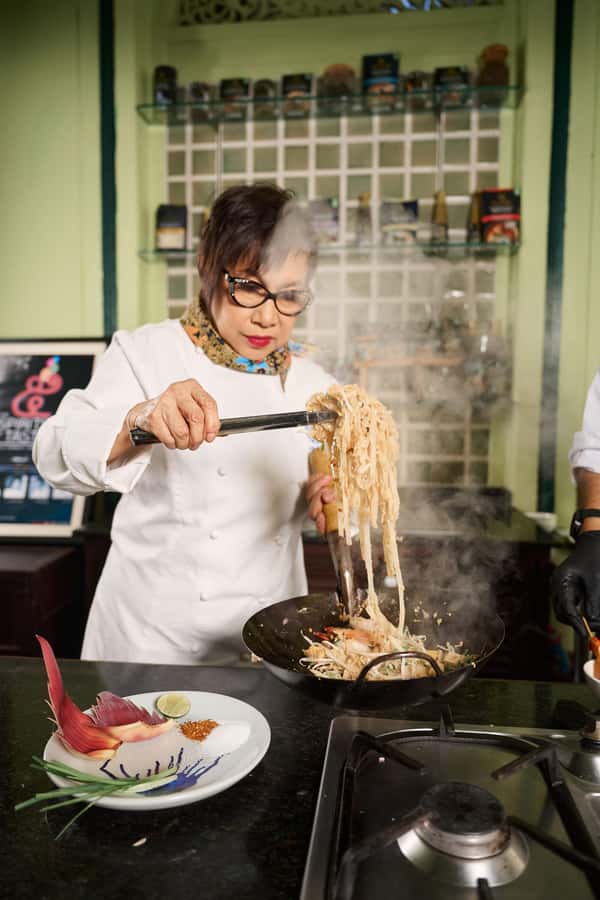
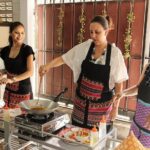
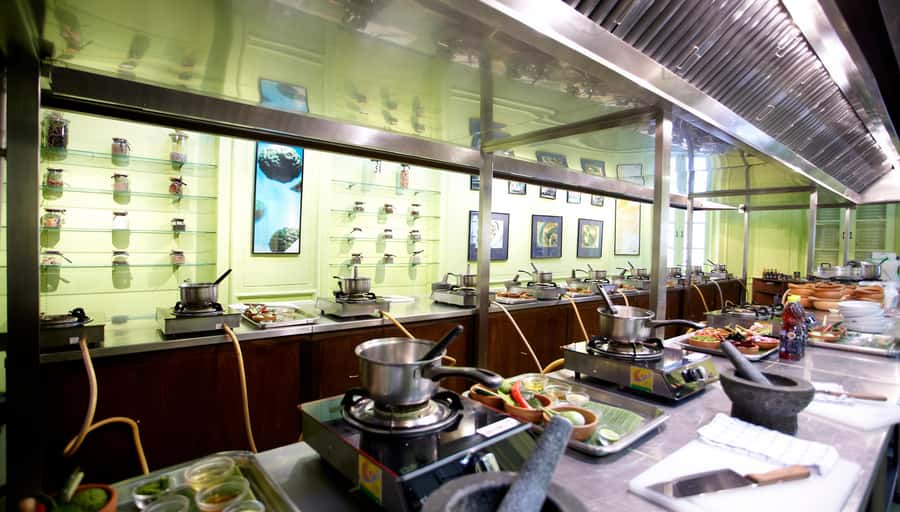
After the demonstration, you move into the hands-on portion. You’ll wear an apron and head to your station with what you need: ingredients, utensils, a burner, and a wok setup.
This format is worth appreciating because it’s designed for you to cook while still having help within reach. One helpful detail from the experience description is that your station is prepped with ingredients and equipment, so you’re not playing scavenger hunt while something cooks on the heat.
Expect the class to be hands-on enough that even if you’re not a strong cook, you can make progress. One review noted that even a self-described terrible cook still had success, which matches the idea that the instruction is timed and structured.
You’ll likely work on the four dishes across the session, with guidance from acclaimed chefs. Names like Chef Chay and Chef Mint appear in feedback, and they’re praised for showing technique clearly during demonstrations and coaching during the cooking time.
A practical tip: if you want less heat, don’t guess. Ask for adjustments early. One experience specifically mentioned spice levels being toned down and substitutions being offered for ingredients that are harder to find at home.
Your 4-course Thai meal: more than just one dish
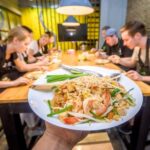
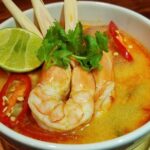
This class is built around preparing four dishes, then tasting and eating the meal you’ve made. That’s a strong value play for $143 per person because you’re not paying for a single-item cooking lesson. You’re paying for practice across multiple dishes and techniques.
The menu is different every day. That means you’ll learn how to handle variation in Thai cooking rather than memorizing one fixed menu. It’s also why the take-home recipes are important: they give you what you need to repeat the results later, even when the class day’s menu won’t match someone else’s.
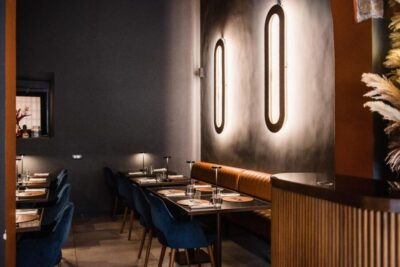
After cooking, you eat in the historic restaurant dining hall, which is part of the reason this class feels like an occasion. Instead of eating a quick sample, you get to sit down and enjoy what you cooked.
Also included is a Thai herbal drink. It’s a small touch, but it sets the tone that this is a cultural food experience, not only a kitchen lesson.
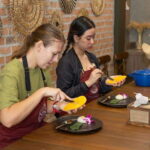
Some sessions end with small extras like mango sticky rice dessert, which shows up in feedback as a nice goodbye treat. Even if dessert varies by day, plan on finishing the meal feeling like you had a full lunch or dinner.
What you take home: recipes, certificate, and useful souvenirs
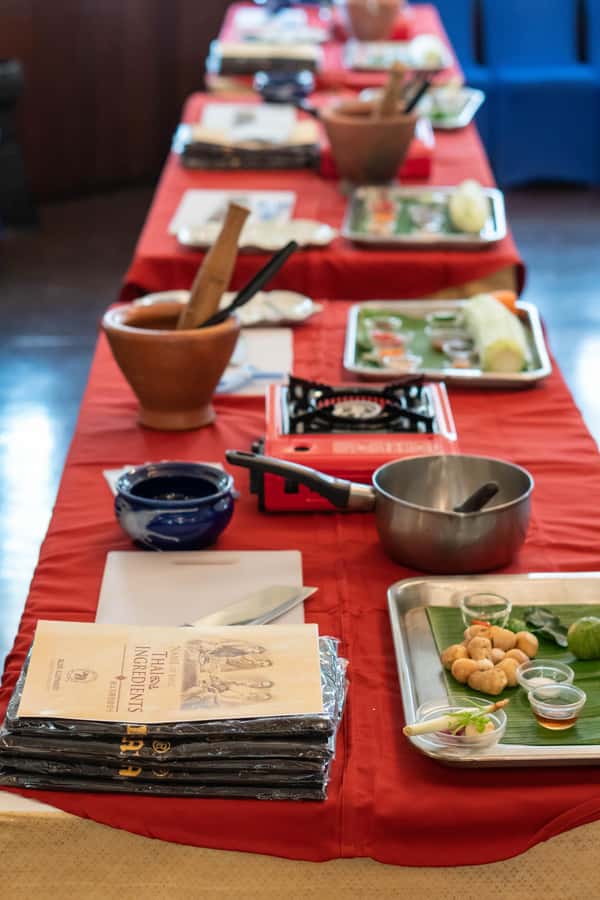
The best souvenir is often the one that changes your home cooking. Here, you take home recipes for the dishes you created, plus a culinary certificate and an apron. You also receive a souvenir bag.
This is more than memorabilia. The recipes help you cook again without reinventing the method. And because Thai cooking relies on specific ingredient behavior, having the written guidance reduces the guesswork.
If you’re cooking for friends after your trip, this take-home package makes it easier to host. You can recreate dishes in your kitchen without needing to translate your memory into cooking steps.
Price and value in plain terms
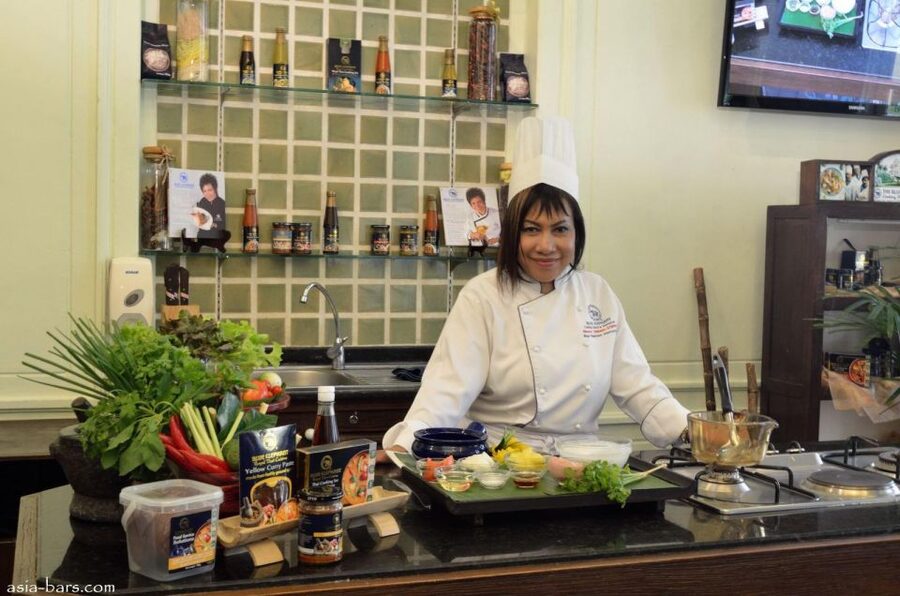
At $143 per person for a one-day experience, you’re paying for a lot that typical cooking classes don’t bundle: market visit (morning option), chef-led theory and demonstrations, hands-on cooking with provided ingredients and equipment, meals in the dining hall, and take-home recipes plus formal keepsakes.
In other words, you’re not just paying for someone to show you how to chop. You’re paying for kitchen time, ingredient access, staff coordination, and a structured program that leads to four cooked dishes.
Is it “cheap”? No. But it’s also not a gimmick price. With the market stop and the dinner you make yourself, the cost starts to make sense for a vacation day you’ll remember for more than the first bite.
Who this class is best for
This experience fits best if you want Thai cooking skills you can actually use later. It’s also a good pick if you enjoy food culture, but you want it anchored in technique rather than only tasting.
You’ll especially like it if:
- you prefer a structured class over casual cooking demos
- you want to cook multiple dishes in one day
- you’re excited to learn what ingredients do, not only what they are
- you want an English-speaking program with guidance during cooking
If you prefer a very slow, relaxed pace, or if you get stressed when multiple steps happen at once, you might feel the day move quickly. That doesn’t mean it’s poorly organized; it just means you’ll want to keep your attention on the recipe flow.
Should you book Blue Elephant in Bangkok?
I think it’s a strong booking if you’re serious about cooking Thai food, or if you want a vacation highlight that turns into real home meals. The combination of market ingredient picking (morning class), theory + demo, then hands-on cooking for four dishes is a clear recipe for learning.
Book it if you value:
- hands-on cooking with a chef team
- take-home recipes and a certificate that make it feel official
- a day that ends with a proper meal in a beautiful, historic dining setting
Skip it only if you’re mainly looking for casual sightseeing or you’re trying to keep costs very low. In that case, Bangkok has other free-and-cheap food options that give you flavor without a structured cooking day.
FAQ
What’s included in the Blue Elephant Thai cooking class?
You’ll create 4 dishes with a chef and English commentary. The price includes all ingredients and equipment, a Thai herbal drink, market visit for morning class only, recipes to take home, a Blue Elephant apron, a certificate, and a souvenir bag. Private class is included if you select that option.
How long is the cooking class?
The experience runs for 1 day.
Is there a market visit?
Yes, the market visit is included only for the morning class.
Are there afternoon classes every day?
No. There are no afternoon classes on Sundays.
Do I need to worry about language?
Commentary is provided in English, and instruction is described as Thai and English.
What should I do if I have dietary requirements?
You should indicate your dietary preferences before checkout. Specific dietary needs are handled in advance, so the team can adapt what you cook.
What time or schedule should I plan for?
The class is listed as 1 day, and starting times depend on availability. You’ll choose the session when you check availability.
What’s the meeting point and how do I get there?
Meet at The Blue Elephant, 233 S Sathorn Rd, Khwaeng Yan Nawa, Khet Sathon, Krung Thep Maha Nakhon 10120. You can take the Skytrain to Surasak BTS Station, or take a taxi directly there.
Is hotel transfer included?
No. Hotel transfer is not included.
Can I cancel for a refund?
Yes, you can cancel up to 24 hours in advance for a full refund.
Can I reserve now and pay later?
Yes. The listing offers a reserve now and pay later option so you can book without paying immediately.