REVIEW · BANGKOK
Sukhumvit: Hands-on Thai Cooking Class & Market Tour in BKK
Book on GetYourGuide →Operated by House of Taste Thai Cooking School · Bookable on GetYourGuide
Thai flavors get real fast in Bangkok. This Sukhumvit hands-on class pairs a morning market tour (for that session only) with guided cooking so you make Thai dishes from scratch. I love that you also tackle the hard part first: curry paste from scratch, not just opening a jar.
The second thing I really like is the pacing. You cook four dishes and eat them while they are hot, with the week’s menu rotating through classics like som tum, pad krapow, tom yum, and mango sticky rice. One thing to think about: your experience changes by time slot, because the market tour is only for the morning class and afternoons/evenings swap in mango carving instead.
In This Review
- Key things to know before you go
- Finding Sukhumvit: BTS Asoke meets MRT Sukhumvit
- Morning vs afternoon vs evening: the swap that changes everything
- What you learn when you shop (and why it matters)
- Your hands-on core skill: curry paste and coconut milk
- The four dishes: a weekly lineup of Thai comfort food
- Monday
- Tuesday
- Wednesday
- Thursday
- Friday
- Saturday
- Sunday
- How the class feels in the kitchen
- Price and value: why $45 can feel worth it
- Recipes afterward: your home Thai menu gets easier
- Dietary needs and ingredient swaps without drama
- Quick checklist: what to bring, how to pace yourself
- Should you book this Sukhumvit cooking class?
- FAQ
- Where is the meeting point for the morning class?
- Where do I meet for the afternoon and evening classes?
- Is the market tour included in every session?
- How long is the class?
- What dishes will I make?
- Do you provide recipes after the class?
- Are drinks included?
- Can you accommodate dietary restrictions?
- Do they use MSG?
Key things to know before you go
- Morning market tour for one time slot only: If you want ingredient shopping in a local market, pick the morning session.
- Curry paste making is hands-on: Expect to grind and build flavors, along with prep for coconut milk.
- Four dishes you make yourself: Each day’s set includes three savory dishes plus mango sticky rice.
- Step-by-step teaching in English and Thai: Clear instructions with friendly instructors like April, Jay, and Pitch show up in day-to-day instruction.
- Recipes arrive after class: You’ll get standard recipes by follow-up email, so you can repeat the dishes later.
- Diet swaps are possible: Vegetarian, halal, kosher, and allergies can be accommodated with advanced notification.
Finding Sukhumvit: BTS Asoke meets MRT Sukhumvit
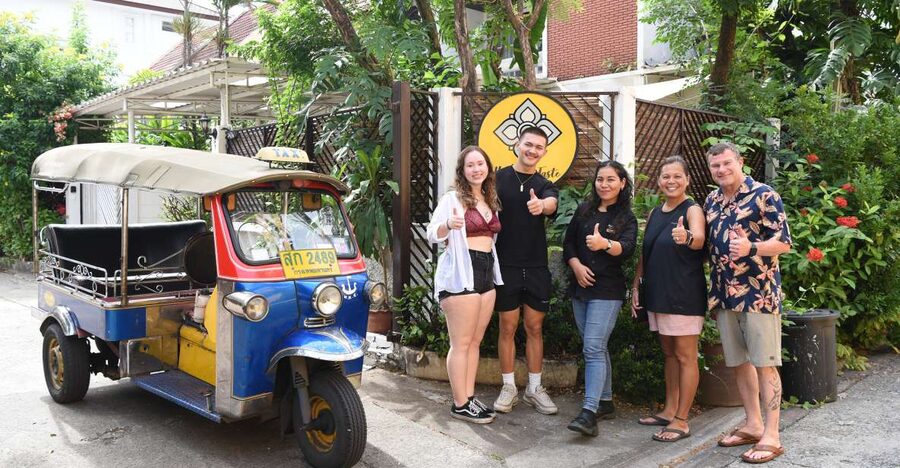
The morning meeting point is right where you want it if you are already riding transit. You meet at the street floor of BTS Asoke Exit 3 and MRT Sukhumvit Exit 3, then you head toward the nearby market for ingredient shopping.
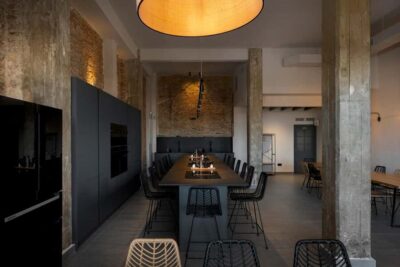
If you book the afternoon or evening session, the meeting point changes. You meet at the cooking school in Sukhumvit 4, and the ingredient introduction happens there instead of at the market.
This matters because Thai cooking classes can start on time. Wear comfortable shoes and give yourself a buffer to find the right spot, especially if you are hopping off the BTS or MRT in a hurry.
You can also read our reviews of more tours and experiences in Bangkok.
Morning vs afternoon vs evening: the swap that changes everything
Here’s the key decision: do you want the market experience?
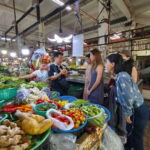
- Morning class: You get a guided market tour for the freshest produce and herbs, then you cook.
- Afternoon/evening class: Instead of the market tour, you do mango carving, and ingredient intro takes place at the school in Sukhumvit 4.
So when you choose your time slot, you are choosing the vibe. Morning feels like shopping and then cooking, while afternoon/evening leans more toward the cooking school experience plus the mango carving activity.
If you are the type who loves selecting herbs and vegetables in person, morning is the obvious pick.
What you learn when you shop (and why it matters)
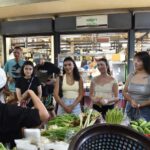
For the morning market tour, you browse ingredients with a guide who talks through what each one does in Thai cooking. You’ll see vegetables, rice, herbs, and spices, plus learn how coconut milk and curry paste get prepared from scratch.
This part is valuable because Thai food is built on balance, not just heat. Once you understand what’s fresh and what’s aromatic, the cooking feels less like following steps and more like learning why flavors work together.
Also, the market segment makes the class feel more grounded. You see how real Thai ingredients look and smell before you start cooking.
Your hands-on core skill: curry paste and coconut milk
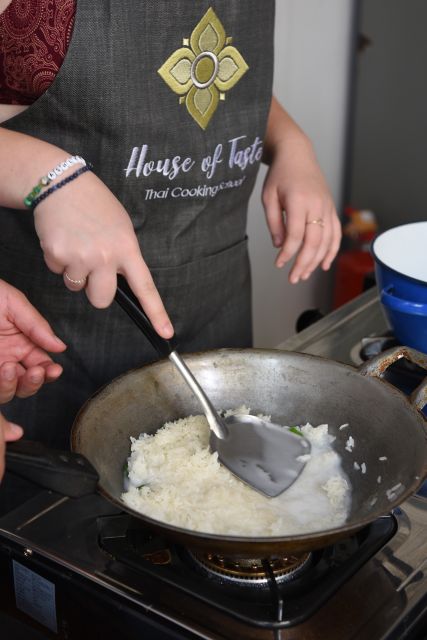
Most cooking classes teach you a recipe. This one teaches you a technique.
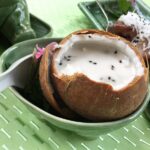
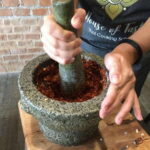
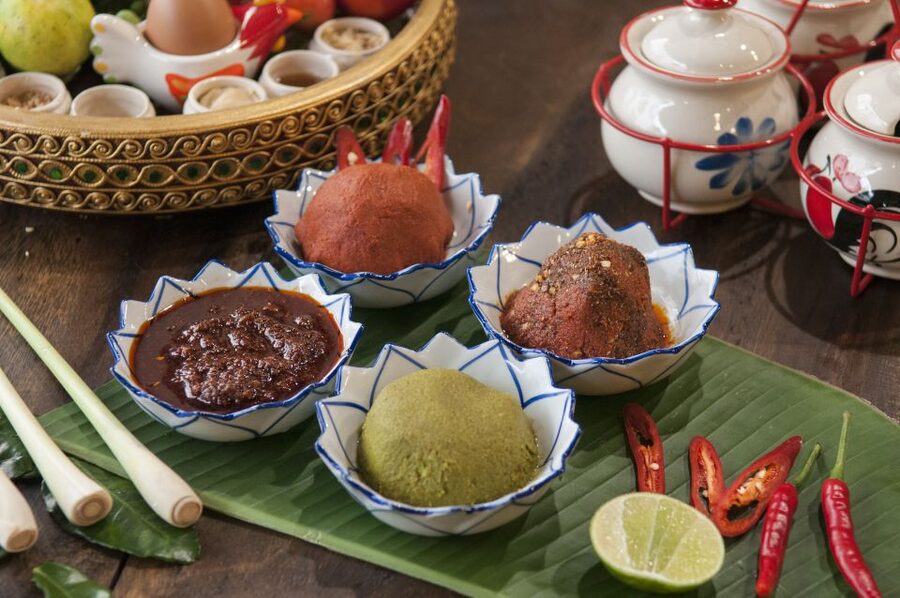
The highlight is getting your hands into the process of making curry paste from scratch. You also learn about coconut milk prep, which is a huge part of Thai curries’ smooth body and mellow richness.
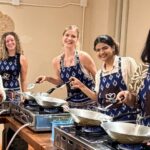
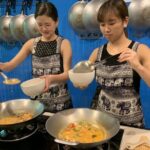
Expect practical instruction, not just watching. Tools and ingredients are set up for you, and the kitchen runs in a very organized way so you can actually cook, not just stand near a counter.
If you have ever wondered why homemade curry tastes different, this is your answer. Store-bought paste skips a lot of adjustment that happens when you build paste based on aroma and texture.
The four dishes: a weekly lineup of Thai comfort food
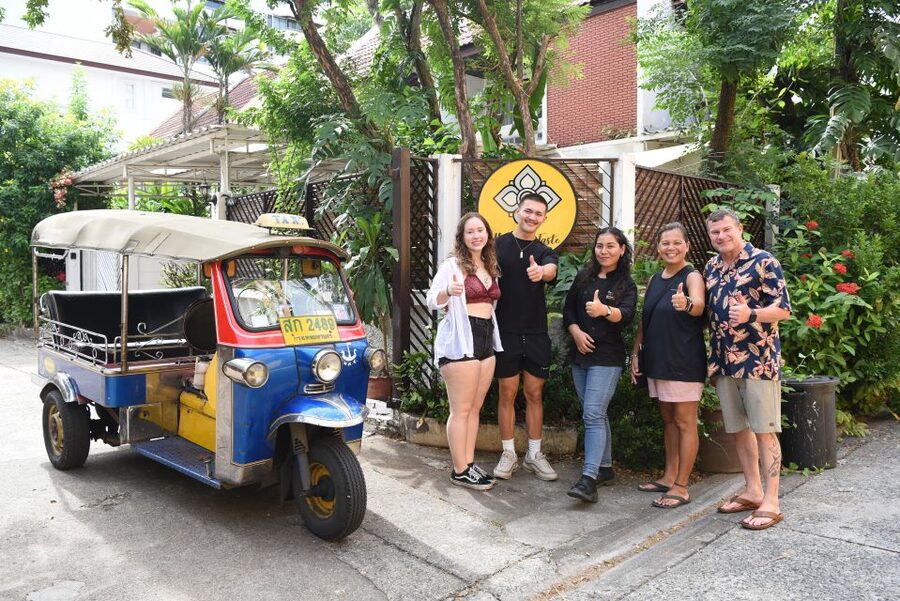
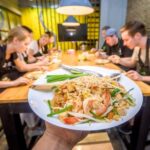
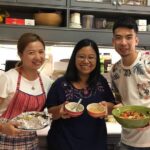
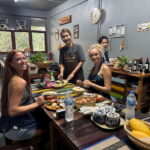
The class runs for about 210 minutes, and the menu rotates by day. Each day’s set includes three savory dishes plus mango sticky rice for dessert, and you eat your creations while they are still hot and fresh.
That last detail sounds small until you do it. Thai food changes fast after cooking, and eating it right away helps you notice how each dish is supposed to taste.
Below is the weekly rotation you should expect:



Monday
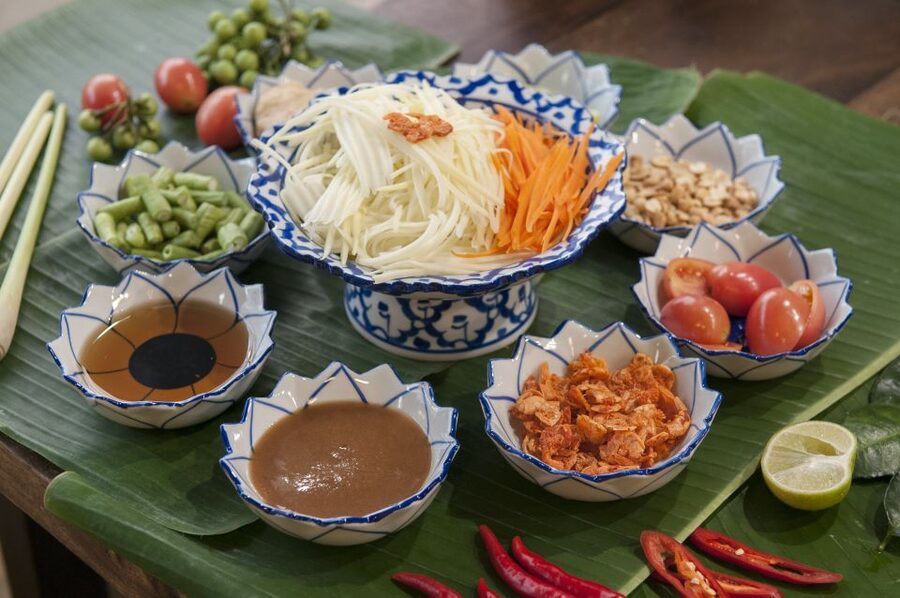
- Thai Papaya Salad (Som Tum)
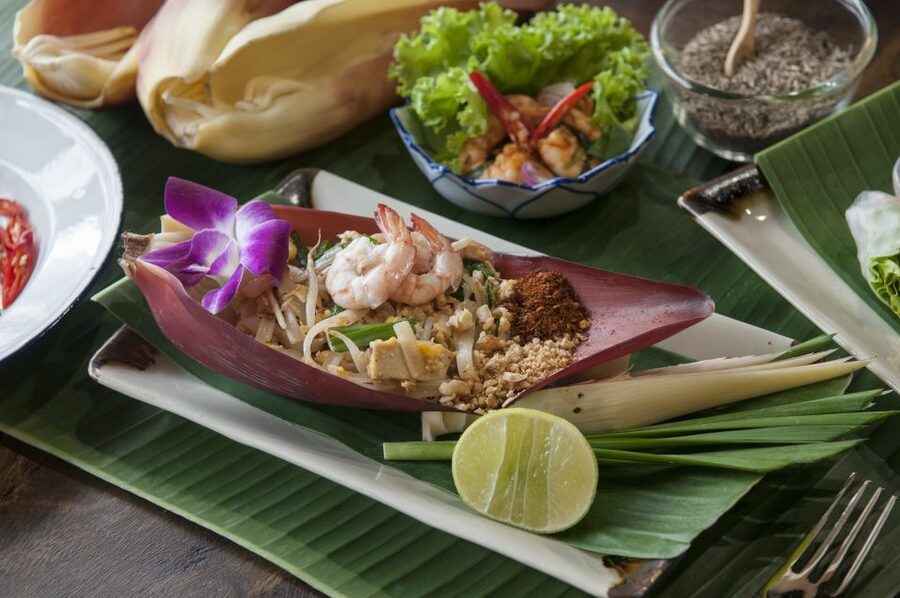
- Stir-Fried Noodles with Shrimp (Pad Thai)
- Green Curry with Chicken
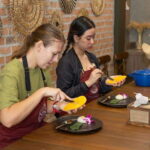
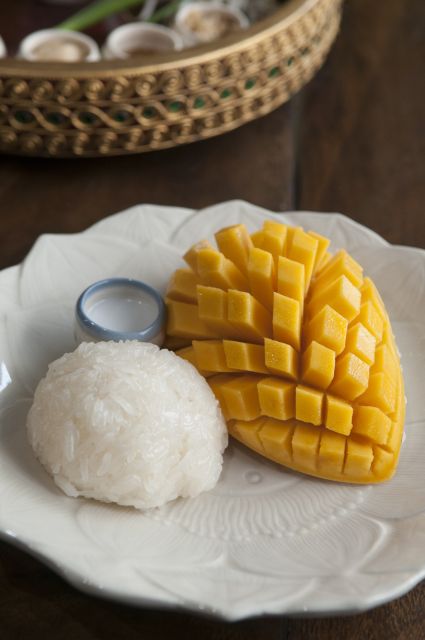
- Mango Sticky Rice
Tuesday
- Spicy Coconut Soup with Chicken (Tom Kha Gai)
- Stir-Fried Thai Basil Chicken (Pad Krapow Gai)
- Red Curry with Chicken
- Mango Sticky Rice
Wednesday
- Hot and Sour Soup with Shrimp (Tom Yum Goong)
- Stir-Fried Flat Rice Noodles with Chicken (Pad See Ew)
- Green Curry with Chicken
- Mango Sticky Rice
Thursday
- Spicy Minced Chicken Salad (Larb Gai)
- Stir-Fried Noodles with Shrimp (Pad Thai)
- Panang Curry with Chicken
- Mango Sticky Rice
Friday
- Thai Papaya Salad (Som Tum)
- Stir-Fried Thai Basil Chicken (Pad Krapow Gai)
- Red Curry with Chicken
- Mango Sticky Rice
Saturday
- Spicy Coconut Soup with Chicken (Tom Kha Gai)
- Stir-Fried Noodles with Shrimp (Pad Thai)
- Green Curry with Chicken
- Mango Sticky Rice
Sunday
- Hot and Sour Soup with Shrimp (Tom Yum Goong)
- Stir-Fried Flat Rice Noodles with Chicken (Pad See Ew)
- Panang Curry with Chicken
- Mango Sticky Rice
A smart move: look at the day you are going and choose the session that includes the dish you crave most. If you love sour heat, Sunday or Wednesday makes sense. If you want basil-forward street flavors, look for the pad krapow days.
How the class feels in the kitchen
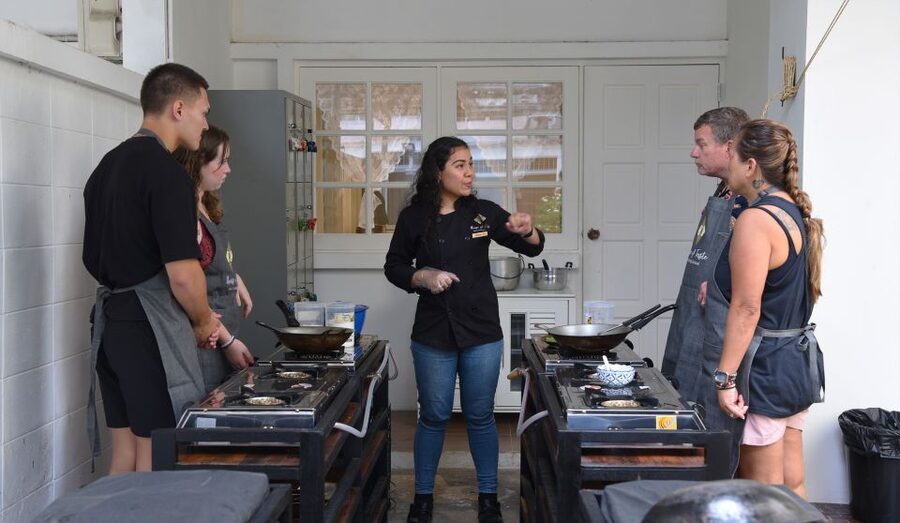
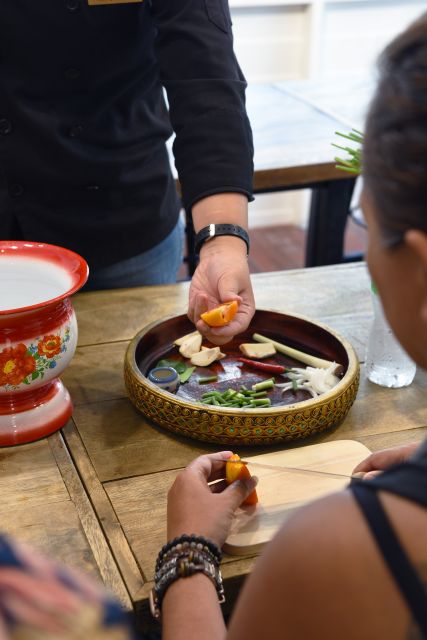
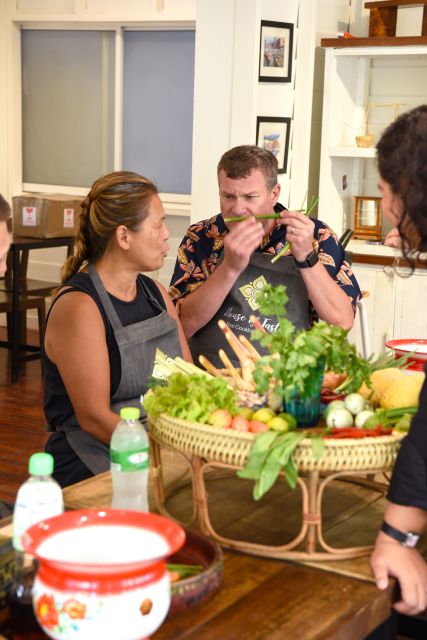
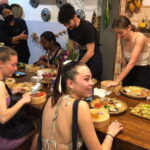
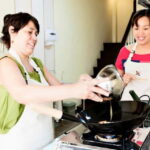
What makes this style of class work is organization. Ingredients are portioned and set up so you can follow the flow of each dish, and you get personal pacing as you cook.
English instruction is built in, and instructors also speak Thai, which helps when a question is small but confusing. You will also find that the teaching style is friendly and practical, with instructors such as April, Jay, and Pitch showing up in the program.
You do more than one dish, so speed matters. The class moves you through prep, cooking, and tasting so you finish meals while the kitchen is still cooking mode.
One small practical tip: bring an empty stomach. The class includes a four-course meal, and you will likely want space for second helpings.
Price and value: why $45 can feel worth it
At $45 per person, you are paying for four things at once: ingredients, equipment, instruction, and a meal you cook and eat.
Many Thai cooking classes charge similar amounts, but this one’s value gets stronger because you also make curry paste from scratch and learn ingredient choices in a market for the morning session. That is extra work, and it transfers to what you can cook later at home.
You also get recipes afterward via email, which helps you recreate the dishes without guessing.
No alcohol is included, but water is, and alcoholic drinks are available for purchase if that is your thing.
Recipes afterward: your home Thai menu gets easier
After class, you get standard recipes by follow-up email. That matters because Thai cooking often depends on balancing flavors, and recipes give you a starting point you can repeat.
A good practical idea: plan to take notes while you are cooking. Even if you get recipes, your own small changes (less chili, more lime, different shrimp size) will help the dishes feel like yours.
If you want to bring food back, consider bringing a container. Some people find it easier to pack up what’s left than rely on what’s around.
Dietary needs and ingredient swaps without drama
This class is set up to handle real dietary needs. Vegetarian, halal, kosher, and allergy requirements can be accommodated with advanced notification, and the swap approach is taken seriously.
That means you are not just limiting yourself. You can still learn technique and flavor building with adjusted ingredients.
One caution: send your dietary notes early. The program specifically asks for advanced notification, so you get the swaps you want without last-minute shortcuts.
Also note the program says no MSG is used.
Quick checklist: what to bring, how to pace yourself
- Wear comfortable shoes: the morning market tour involves walking, and you’ll be on your feet during cooking.
- Bring an empty stomach: you will eat plenty, since the class is a four-course meal.
- Optional but useful: bring a small container if you like to pack leftovers.
The whole experience runs about 210 minutes, so you can fit it into an evening plan. Still, schedule something light afterward, because you’ll likely be full.
Should you book this Sukhumvit cooking class?
Book it if you want Thai food that feels hands-on and repeatable. You get four dishes, you make curry paste from scratch, and you can choose a morning session for the market tour if that ingredient shopping piece is important to you.
Skip it or reconsider if you care more about passive sightseeing than cooking. This is a work-at-the-stations style class, and it is not designed for people with mobility impairments.
If you are deciding between sessions, use this rule:
- Want market ingredients and classic shopping energy? Pick morning.
- Want cooking school instruction plus mango carving? Pick afternoon/evening.
FAQ
Where is the meeting point for the morning class?
You meet at the street floor of BTS Asoke Exit 3 and MRT Sukhumvit Exit 3 for the morning session.
Where do I meet for the afternoon and evening classes?
For afternoon and evening sessions, you meet at the school in Sukhumvit 4.
Is the market tour included in every session?
No. The market tour is available only for the morning class. Afternoon and evening classes replace the market tour with mango carving.
How long is the class?
The duration is 210 minutes.
What dishes will I make?
Each day includes four dishes you cook yourself. The rotating menu includes items such as som tum, pad thai, green curry, tom kha gai, pad krapow gai, red curry, tom yum goong, pad see ew, panang curry, larb gai, and mango sticky rice depending on the day.
Do you provide recipes after the class?
Yes. You receive standard recipes by follow-up email.
Are drinks included?
Drinking water is included. Alcoholic drinks are available for purchase, but they are not included.
Can you accommodate dietary restrictions?
Yes. Vegetarian, halal, kosher, and allergy needs can be accommodated with advanced notification.
Do they use MSG?
No MSG is used.