REVIEW · UBUD
Balinese Cooking class with traditional morning market visit
Book on Viator →Operated by Bali Ubud Tour · Bookable on Viator
A morning market and a cooking class in one day works. You start with a traditional fresh-food market and end in the jungle-framed calm of Ubud’s workshop, guided by local hosts like Wayan and Dewa. It’s a hands-on way to understand what Balinese cooking tastes like and why.
I especially like the ingredient picking part, because you’re not just copying recipes. You also get the cultural craft of making Balinese offerings like canang before you cook, which changes how you think about the meal. The only real drawback is time: plan on about 6 hours, so this is best if you can give the morning a full block.
In This Review
- Key highlights worth waking up for
- Ubud’s morning market sets the tone for Balinese cooking
- Choosing ingredients with guidance (and a few tasty surprises)
- Laplapan village welcome and the canang offering lesson
- The jungle workshop kitchen: how the class actually runs
- What you’ll cook, eat, and take home
- Price and logistics: why $35 feels fair here
- Who this Balinese cooking class fits best
- Should you book this Ubud market + cooking class?
- FAQ
- How long is the cooking class with the morning market visit?
- Where does this experience happen?
- What does the price include?
- Is hotel pickup offered?
- How big is the group?
- Do you learn how to make Balinese offerings?
- Are vegetarian options or dietary needs supported?
- Do you get anything to help you recreate the dishes at home?
- What’s the cancellation policy?
Key highlights worth waking up for
- Morning market ingredient hunt where herbs, produce, and spices get explained in plain terms
- Canang (offerings) practice that adds meaning to the cooking, not just technique
- Small groups (max 8) so you get real help at the cutting board and stove
- Air-conditioned hotel pickup and transport that keeps the day comfortable in the heat
- Multi-dish cooking with sit-down meals so you leave fed and not rushed
- Recipe support mentioned in reviews, so you have a way to recreate flavors later
Ubud’s morning market sets the tone for Balinese cooking
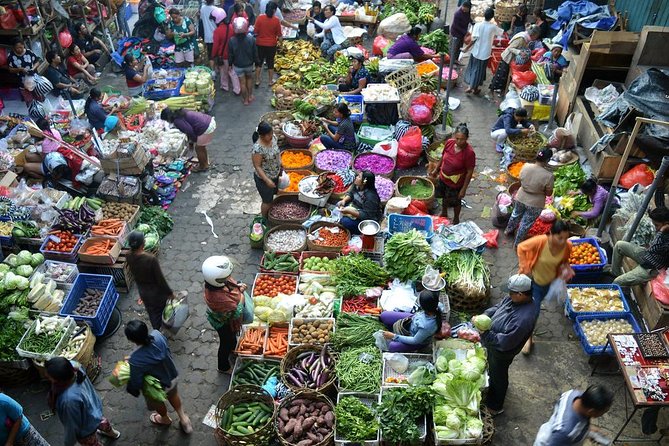
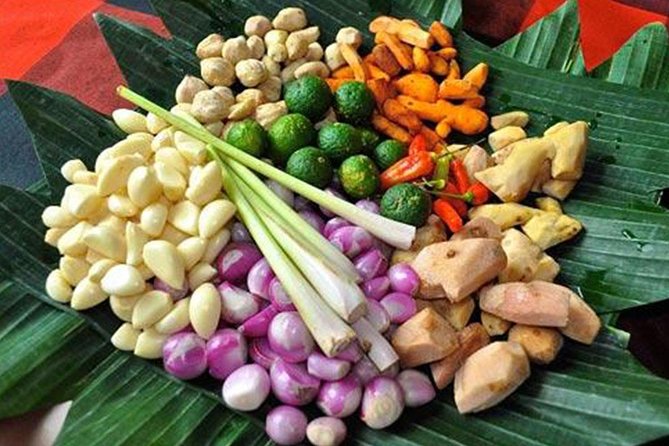
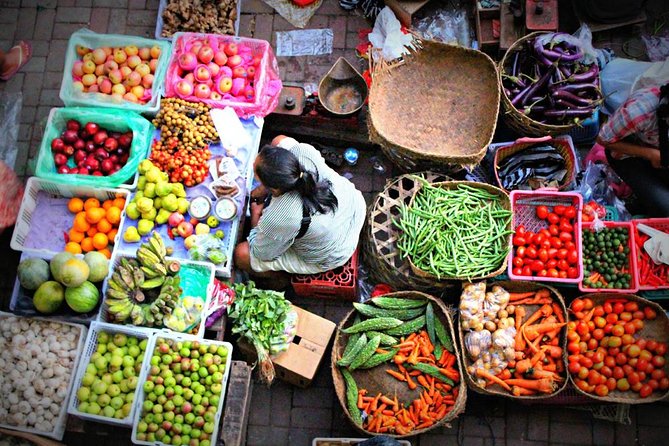
This experience starts the smart way: before the stove, you meet the ingredients in their natural habitat. You’re picked up from your hotel (transport is air-conditioned), then taken to a local traditional morning market where you choose what you’ll cook. That first stop matters, because Balinese cooking is built on fresh aromatics and spice blends, not just one signature ingredient.
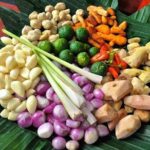
The market visit is also a quick cultural snapshot. You’ll see piles of fruits and vegetables, herbs laid out for daily use, and meats and spices that feel familiar once you know what you’re looking at. You’re encouraged to taste and ask questions, which is where the day becomes interactive instead of scripted.
A practical note: markets move fast and the morning energy is real. Go with comfy shoes and a willingness to smell things closely. If you’re the type who wants only air-conditioned comfort and minimal walking, this part might feel like work. If you’re curious about food, it’s the best kind of work.
You can also read our reviews of more tours and experiences in Ubud.
Choosing ingredients with guidance (and a few tasty surprises)
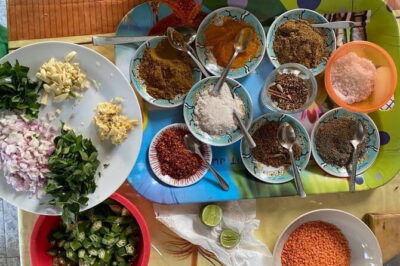
Here’s what you’ll actually do at the market: select items you want for your cooking class. That means you’re not waiting for someone to decide everything. You’re looking at vegetables, herbs, meat, and spices on display, and the guide helps you connect ingredient choices to the dishes you’ll make later.
I like this approach because it turns your class into a skill you can reuse. Instead of memorizing one menu, you learn how Balinese cooks think about balance—freshness, fragrance, and the way spices support the main flavors. Reviews back up that the market portion includes explanations and often includes small tastings, which helps you understand the ingredients beyond appearances.
You’ll also get a taste of how daily life in Bali revolves around food. Even if you’re not shopping for your own groceries, it’s one of the fastest ways to understand what locals buy often, not just what tourists buy.
Laplapan village welcome and the canang offering lesson
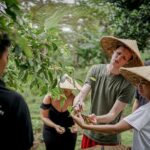
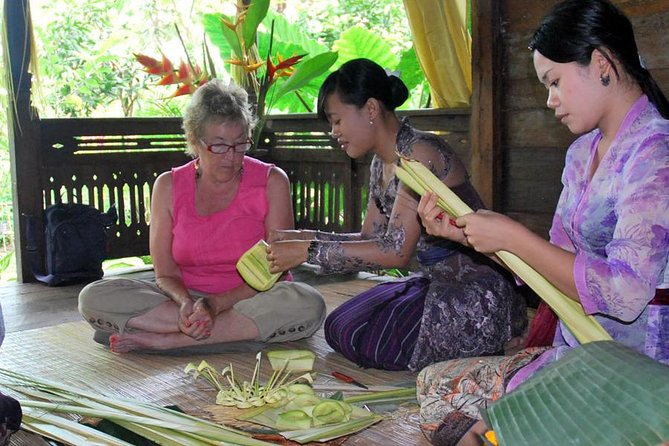
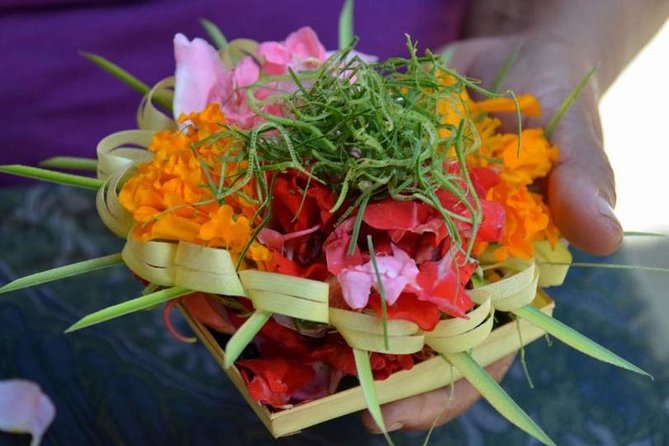
After the market, you head to a traditional village of Laplapan for a warm arrival. This is where the experience starts connecting food with ritual. Before the cooking begins, you follow the process of making Balinese offerings, including canang (a daily offering basket) and other offering equipment.
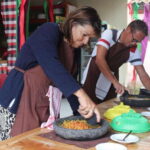
This part is surprisingly memorable because it’s practical, not just a lecture. You’ll learn what’s involved, make the offering yourself, and understand that these offerings are part of the rhythm of everyday Balinese life. Reviews mention how enlightening it is to learn the meaning behind the offering, and that you may even be asked to build your own.
If you’ve done cooking classes before, this is the difference-maker. Many classes teach technique. This one also teaches context, which makes the meal feel more intentional when you finally sit down to eat.
The jungle workshop kitchen: how the class actually runs
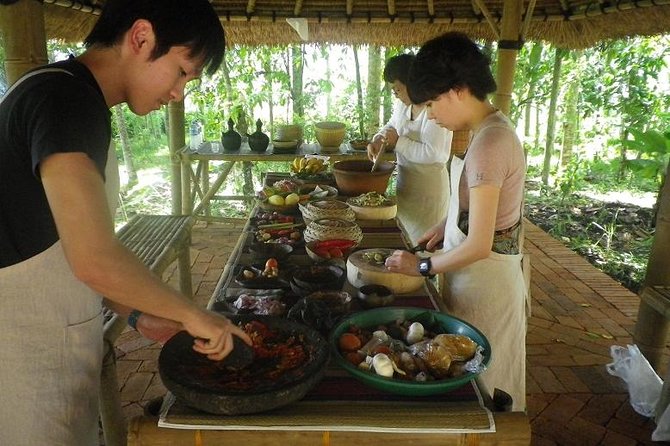
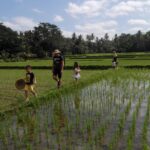
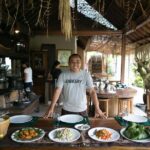
The cooking class happens in a workshop setting in the Ubud jungle surroundings. The atmosphere is quiet enough to focus, but not sterile. Reviews describe it as a clean, well-run environment, and you’ll feel the structure: you’ll prep ingredients, cook with guidance, and then share the results.
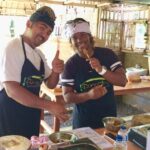
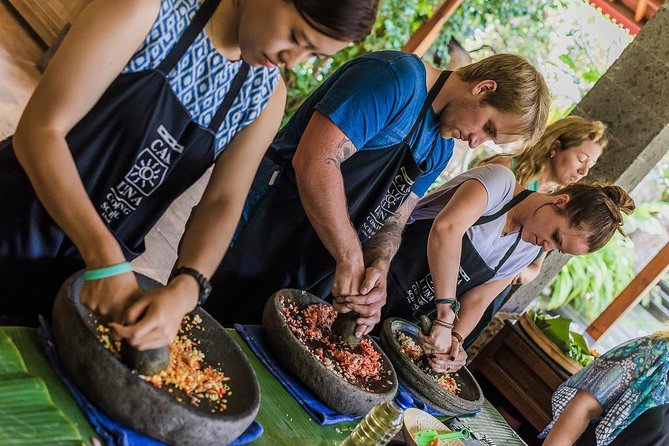
Because the group is limited to up to 8 travelers, the instructors can help people who need extra direction. That matters with cooking, where one small timing or cutting mistake can mess up texture. Reviews repeatedly praise patient, hands-on teaching, and note that instruction is clear even when participants are new to cooking.
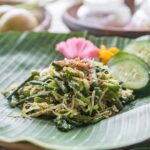
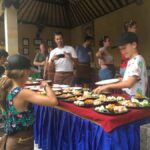
Most people come in expecting a couple of dishes. In practice, the day tends to be multi-course. Reviews mention groups making nine dishes and also describe a five-course set. Either way, you can count on starters, mains, and a dessert component, organized so you’re cooking enough to learn but not standing around the whole time.
If you have dietary needs, pay attention to this: at least one review specifically says the team adapted to dietary requirements and offered vegetarian options. That’s a big plus for value and comfort, since you can still participate fully without feeling like you’re watching.
What you’ll cook, eat, and take home
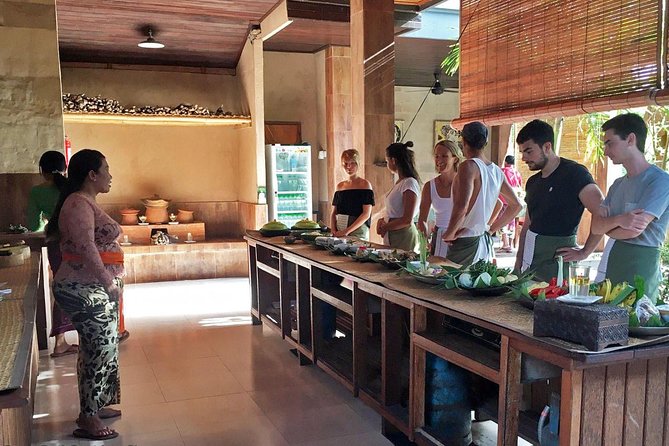
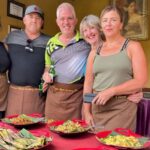
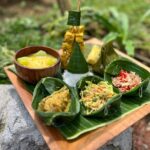
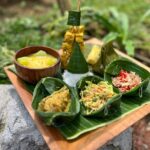
You’ll prepare several Balinese dishes during the class, guided by expert chefs and taught in an interactive way. The teaching style shows up in reviews: you’re expected to do your part, but you’re not thrown into it without support. The goal seems to be confidence by the end of the day, not just a pile of photos.
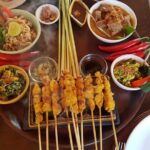
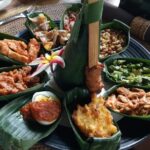
Then comes the best part: you sit down and eat what you made. The meal isn’t treated like an afterthought. It’s the payoff for everything you learned at the market and during the offering lesson.
Two value details stand out from reviews. First, food quantity is generous; multiple people say the class produced a lot of dishes and that they could finish and enjoy it all. Second, there’s often a tangible follow-up at the end. One review mentions receiving a recipe book so you can recreate dishes later. Even if you don’t get the exact same format every time, you should expect some kind of written help to take the flavors home.
Price and logistics: why $35 feels fair here
At $35 per person, this is one of those deals that only works because so much is included. You’re not just paying for a chef to stand there. You’re paying for hotel pickup, air-conditioned transport, cooking equipment, the cooking class fees, and taxes. That’s real overhead that many “cheap” classes make you cover separately.
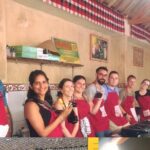
The other part of the value equation is the class size. A small group (max 8) usually means less waiting and more time with the instructor. Reviews repeatedly highlight personal attention and flexible pacing, including examples of private or more focused help when schedules align.
Also, this is a half-day to full-block day (about 6 hours). If you’re visiting Ubud and want one activity that combines culture, ingredients, and a full sit-down meal, it competes strongly with paying for a market tour and then paying again for a cooking class later.
The only cost to watch is personal spending. The provided info says personal expenses aren’t included, so bring cash or a card only for what you truly want at the market.
Who this Balinese cooking class fits best
This is a great fit if you want more than a cooking performance. You’ll likely enjoy it most if you’re the type who likes asking questions, tasting ingredients, and understanding how a dish is built. If you care about food culture, the offering-making lesson is a big reason to pick this over a purely technical class.
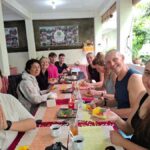
It’s also a good choice for mixed groups. Families and solo travelers both show up in reviews, and the small group setup makes it easier to connect and learn without feeling lost. If you’re traveling with someone who gets impatient at “lecture tours,” this still has enough hands-on cooking to keep the day moving.
Should you skip it? If you hate early mornings, dislike markets, or only want cooking with zero culture components, you might prefer a shorter class in a more controlled setting. But if you like Ubud-style learning, where food and ritual walk together, this is right in that lane.
Should you book this Ubud market + cooking class?
I’d book it if your goal is to leave with usable skills and a real sense of Balinese food culture. The standout reasons are the morning market ingredient selection, the canang offering lesson, and the small-group coaching that keeps you actively cooking. It’s also strong value at $35 because transport, equipment, and taxes are included, and you end with a proper sit-down meal.
I’d think twice only if your schedule is tight (6 hours can be a lot) or if markets don’t sound appealing. Otherwise, this is one of the most “do this, learn that” days you can plan in Ubud without turning it into a stressful checklist.
FAQ
How long is the cooking class with the morning market visit?
It runs for about 6 hours (approx.).
Where does this experience happen?
It takes place in Ubud, Indonesia, with cooking in the jungle surroundings and a stop at the traditional village area of Laplapan.
What does the price include?
The price includes the cooking equipment, air-conditioned vehicle, cooking class fees, and taxes.
Is hotel pickup offered?
Yes. Pickup from your hotel is included, and you’ll travel by air-conditioned transport.
How big is the group?
The experience has a maximum of 8 travelers.
Do you learn how to make Balinese offerings?
Yes. Before the cooking class, you’ll learn the process of making canang and other offering equipment.
Are vegetarian options or dietary needs supported?
Yes. Reviews mention vegetarian options and that dietary requirements can be adapted to.
Do you get anything to help you recreate the dishes at home?
Reviews say participants may receive a recipe book to help recreate what they cooked.
What’s the cancellation policy?
Free cancellation is available up to 24 hours in advance for a full refund. If you cancel less than 24 hours before the start time, the amount is not refunded.