REVIEW · MALAGA
Paella Cooking Class in Malaga
Book on Viator →Operated by Spain Food Sherpas · Bookable on Viator
Paella in Málaga is not complicated, but it is serious. This class blends a market walk with chef-led cooking, so you learn where the flavor starts before you ever touch a pan. You’ll pick ingredients at Atarazanas Market, then head about five minutes to a modern kitchen in the Soho district.
Two things I really like: you get practical chef guidance while you cook, and you leave with a plate of real Málaga food plus a set of recipes you can repeat at home. I also appreciate the built-in extras like olive oil tasting and local bites such as Aloreña olives and tostón de bacalao.
The main drawback to consider is timing and meeting-point clarity. One traveler issue centered on confusion about the correct start location, so you’ll want to confirm the exact meeting spot before you head out.
In This Review
- Key things to know before you cook paella in Málaga
- From Atarazanas Market to a modern kitchen in Soho
- Market time: what you learn before the pan heats up
- Snacks and olive oil tasting: the warm-up that teaches flavor
- Making gazpacho first: chilled soup with Andalucian logic
- Paella in your hands: sofrito, rice, and step-by-step timing
- What you eat: sangria, beer or wine, fruit, and churros
- Ingredients you can actually buy later (and what to ask for)
- Price and value: what $84.69 buys you in 3.5 hours
- Who this paella class is best for
- Small risks: meeting point confusion and recipe handouts
- Should you book the Paella Cooking Class in Málaga?
- FAQ
- How long is the paella cooking class?
- Where do I meet the guide for the class?
- Is the class offered in English?
- What’s included in the price?
- Is hotel pickup and drop-off included?
- Is there a vegetarian option?
- How big is the group?
- Are there any age limits for drinks?
- Is there confirmation after I book?
- Can I cancel for a full refund?
Key things to know before you cook paella in Málaga
- Atarazanas Market shopping first: you learn what to buy and why, not just what to cook
- Olive oil and local snacks included: Aloreña olives, roasted almonds, and tostón de bacalao show up before the paella
- Gazpacho and paella both made by you: you’ll whip up a chilled Andalucian soup and then build the sofrito base
- Small-group feel: the class caps at 12 people, so you aren’t stuck watching from the back
- Leave with recipes: all the recipes are included, plus seasonal fruit with the meal
- Ask your guide after the class: you can get recommendations for what to eat next in Málaga
From Atarazanas Market to a modern kitchen in Soho
Málaga can feel like two cities at once: old stone and busy waterfront, then trendy streets with design shops and bright bars. This experience uses that same contrast on purpose. You start at Atarazanas Market, then you walk a short distance to a modern cooking space in the Soho district where everything is set up for hands-on work.
You’ll meet your chef/guide and get oriented before the cooking starts. Guides you might cross paths with include Carmen, Jose, Anais, Elise, Javier, and Fernando, and chefs such as Alba, Pepo, or Ampora have led classes too. Even if your team is different, the flow is consistent: market first, then kitchen.
Because the group is small (max 12), the pace is usually friendly. You’ll have time to ask questions about ingredients, local food culture, and what you should actually hunt for on your own later.
You can also read our reviews of more tours and experiences in Malaga.

Market time: what you learn before the pan heats up
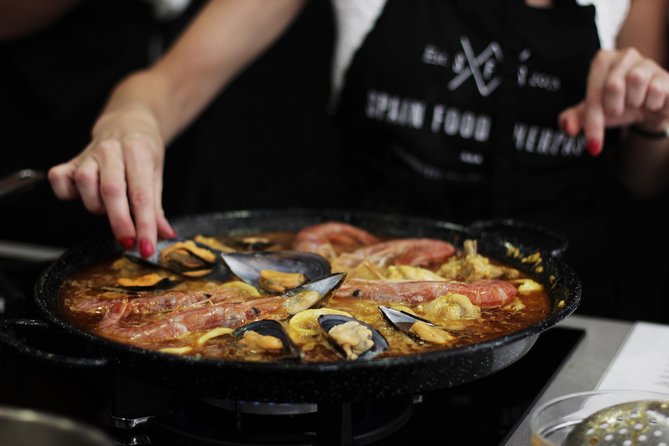
The Atarazanas Market part is where this class earns its keep. You’re not just walking past stalls while someone narrates. Your chef talks through the food you’re seeing and helps you choose the best ingredients for paella.
Expect an indoor maze of stands with fresh produce and cured goods. Your chef will point out how the market connects to the dishes you’ll cook in the kitchen. You’ll hear commentary on fruit, vegetables, and regional delicacies that matter in Andalucian cooking.
You also get a small reality check: good paella is built on ingredient quality. The market walk is where you learn what matters most, then you carry those choices into your cooking session.
One more useful bonus: the experience is offered in English, and a multi-lingual guide may be operating too. That matters if you want help deciphering signs and menus later. It’s a practical kind of language support, not a textbook one.
Snacks and olive oil tasting: the warm-up that teaches flavor
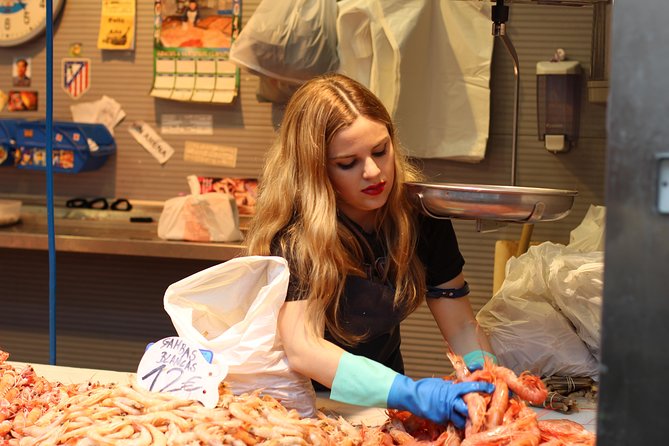
Before your paella moment, you’ll taste local food in a way that feels like a mini lesson. The class includes snacks such as Aloreña olives and/or roasted almonds, plus olive oil tasting and other bites like tostón de bacalao.
A few items on the menu are worth understanding because they’re uniquely Málaga:
- Aloreña olives: local olives from the region around Málaga. You’ll taste them before learning how other flavors show up in the final meal.
- Tostón de bacalao: thick-crusted cateto bread topped with salt cod and orange. It sounds like a strange combo until you try it, and then you get it.
You’ll also sample extra virgin olive oils. That olive oil tasting isn’t just a sip-and-smile event. It helps you notice how oils differ and why Spaniards treat olive oil like an ingredient with its own job in the kitchen.
If you have a strong interest in food basics, this is the section where you feel your brain clicking into place. You start thinking: what is going into the dish, and how is it layered?
Making gazpacho first: chilled soup with Andalucian logic
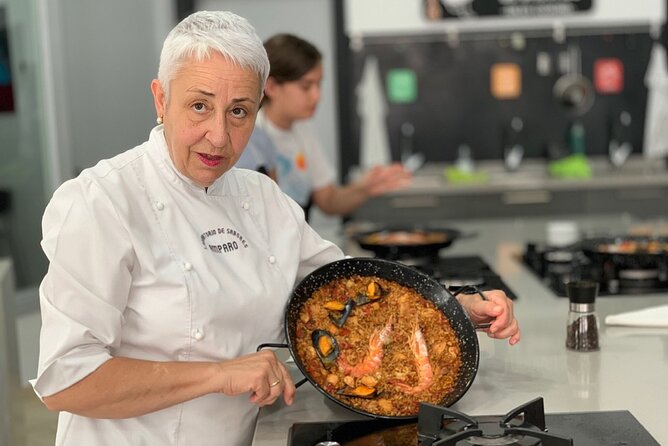
After the snack round, you move into the kitchen and start cooking with a recipe you’ll actually use at home. You’ll make gazpacho using a blender process (described as whizzing it up), which is the fast, modern way to get that smooth chilled texture.
Gazpacho is described as a much-loved Andalucian chilled soup usually made with raw tomatoes, cucumbers, and peppers. Even if you’ve had gazpacho before, making it from scratch changes how you taste it. You understand how freshness drives flavor and why balance matters.
This also works as a warm-up for the bigger skill you’ll practice next. Paella has structure and timing. Gazpacho is about quick transformation and seasoning. Two different cooking brain modes, both useful.
If you want to order gazpacho in a restaurant later, you’ll likely know what you’re looking for now: freshness, texture, and seasoning that doesn’t feel heavy.
Paella in your hands: sofrito, rice, and step-by-step timing
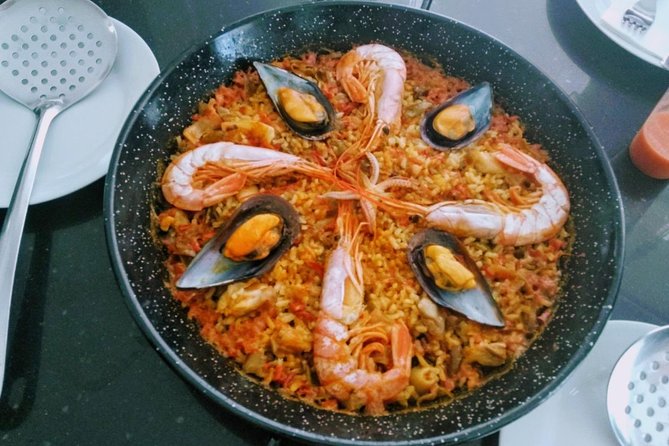
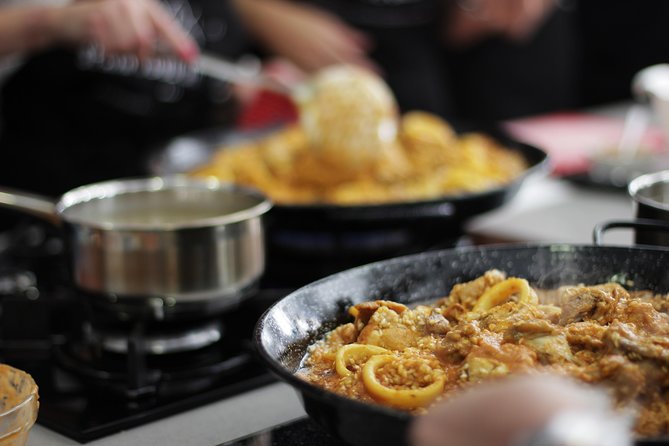
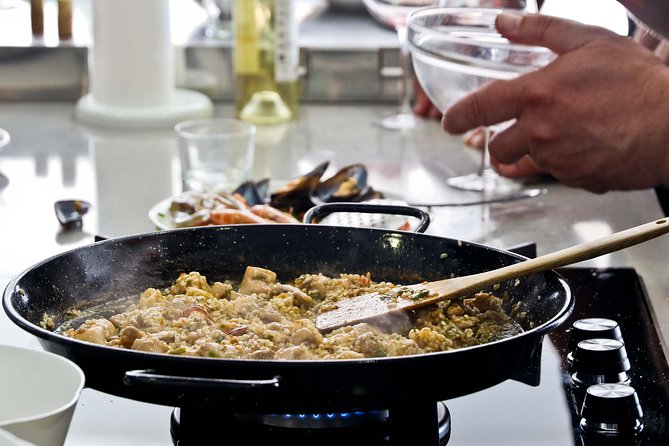
Now comes the main event: cooking your paella with step-by-step direction and practical tips from your chef. You’ll learn about the rice and which ingredients to use, and you’ll start by building the sofrito base.
Sofrito is the flavor foundation made from cooking aromatic ingredients into a sauce. In plain terms, it’s how you get depth before you ever add the full mix. The chef walks you through the process so you’re not guessing what the pan is supposed to smell like at each step.
Then you gradually bring together your paella ingredients in the pan. This gradual approach matters because paella isn’t just dumping ingredients and hoping. It’s cooking in stages so the flavors meld and the rice cooks properly.
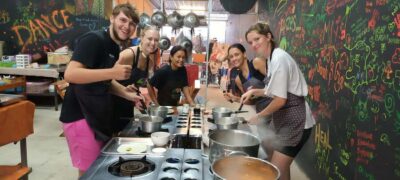
You’ll also get help in real time. One of the strongest themes from the experience is how hands-on the teaching is, with chefs checking your work and staying patient while you figure things out. People often pair up to work on their paella pan, which keeps everyone moving and makes the class feel interactive rather than lecture-heavy.
If you’re worried you’ll be clumsy with cooking, don’t. The modern kitchen setup and step-by-step instructions are made for non-chefs. The goal is confidence, not performance.

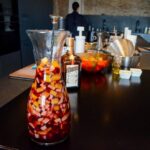
What you eat: sangria, beer or wine, fruit, and churros
Once your paella is ready, you sit down and eat what you cooked. This is included with wine or beer paired with the menu, and there’s also a non-alcohol option available (useful if you prefer to keep it light).
You’ll typically have a mix on the menu: gazpacho as a starter, mixed paella as the main, and sangria as part of the pairing. Dessert is churros, and you also get a selection of fresh seasonal fruits with the meal.
There’s a reason this matters beyond taste. Many cooking classes focus on the lesson and forget the meal. Here, the meal is part of the experience arc: you cook, you taste your work right away, then you finish with simple local comfort like churros.
Churros also act like a cultural bridge. You can taste something clearly Spanish, then ask your guide what else to look for in Málaga after class.
Ingredients you can actually buy later (and what to ask for)
One of the best practical parts is that your chef doesn’t just cook. They help you understand what to seek once you’re back on your own. You’re sampling things you can later find at markets and specialty shops, including olives, olive oil, and regional cured items.
After the class ends, one highlight is that you should ask your guide for tips and recommendations for what to eat next. Use that moment. Ask which stall items are best to buy for a home paella run, and ask what snacks in Málaga are worth repeating.
You can also ask for help deciphering menus and signs in Spanish. If you’ve struggled with confusing menus, this is the fastest way to learn what matters for food decisions. A good guide will translate without making it feel like a chore.
Price and value: what $84.69 buys you in 3.5 hours
At $84.69 per person, you’re paying for more than paella in a bowl. You’re paying for:
- a market walk at Atarazanas Market that includes ingredient guidance
- hands-on cooking in a modern kitchen
- olive oil tasting and snack sampling (including Aloreña olives or roasted almonds)
- gazpacho and paella that you cook and eat
- sangria plus wine or beer pairing
- churros and seasonal fruits
- all recipes to take home
Here’s the value logic. If you were to recreate this at home, you’d spend money on ingredients and time, and you probably wouldn’t get the chef coaching and structured step-by-step approach. If you were to eat at restaurants only, you’d get food but not the knowledge of how the dish is built.
This also helps if you’re traveling with friends who want something social but not stuck in a bar crawl. The group size (max 12) keeps it lively but manageable.
One “consideration” on value: this is a class, so you’ll be walking and cooking for most of the time. If you want only a quick tasting, this may feel like a lot. If you enjoy learning-by-doing, it’s money well spent.
Who this paella class is best for
This experience fits best if you want real local food, not a generic cooking show. I’d particularly recommend it to:
- Food lovers who like markets and ingredient stories
- Couples or small friend groups who want a social meal with a clear structure
- Travelers who want English support and help reading Spanish menus
- People who plan to cook again later and want usable recipes
It’s also a strong option if you care about pacing. You get snacks, then gazpacho, then paella, then churros and drinks. Nothing feels rushed.
If you’re vegetarian, there’s a vegetarian option available if you advise at booking. Minimum drinking age is 18, so alcohol pairing is naturally tied to that rule.
Small risks: meeting point confusion and recipe handouts
The class includes all the recipes, but one thing you should do is be alert at the end of the session. If recipe handouts are important to you, check they’re provided before you leave the kitchen area.
Also, double-check the start location the day of your class. One recurring issue has been confusion about the correct meeting spot. The meeting address listed is Kulinarea, Avenida de Manuel Agustín Heredia, 24, Distrito Centro, 29001 Málaga, Spain, and the activity starts there. The safer move: confirm your exact meeting point timing and details before you step into the neighborhood.
A quick habit makes this easy: bring your phone with your mobile ticket ready, and set a short buffer so you’re not sprinting across town.
Should you book the Paella Cooking Class in Málaga?
If you want a paella class with substance, I’d say book it. The combination of Atarazanas Market shopping, olive oil tasting, and real hands-on paella cooking makes this more than a meal. The class is built for learning you can repeat, not just taking a photo of food.
Book it especially if you like the idea of understanding local ingredients like Aloreña olives and building paella with a sofrito base. You’ll leave knowing what to buy, what to cook, and what to ask for when you’re hunting food in Málaga on your own.
Skip it only if you want a very passive experience. This is active. You’ll cook, walk, taste, and then eat what you made. If that sounds like your kind of travel day, this one belongs on your Málaga list.
FAQ
How long is the paella cooking class?
It runs for about 3 hours 30 minutes.
Where do I meet the guide for the class?
You meet at Kulinarea, Avenida de Manuel Agustín Heredia, 24, Distrito Centro, 29001 Málaga, Spain. The activity ends back at the meeting point.
Is the class offered in English?
Yes, English is offered.
What’s included in the price?
You get an olive oil tasting, snacks such as Aloreña olives or roasted almonds, gazpacho, paella, wine or beer paired with the menu, seasonal fruits, and all the recipes.
Is hotel pickup and drop-off included?
No. Hotel pickup and drop-off is not included.
Is there a vegetarian option?
Yes, a vegetarian option is available. You need to advise at booking.
How big is the group?
The experience has a maximum of 12 travelers.
Are there any age limits for drinks?
The minimum drinking age is 18.
Is there confirmation after I book?
Yes, you receive confirmation at the time of booking, and the tour uses a mobile ticket.
Can I cancel for a full refund?
Yes. Free cancellation is available up to 24 hours in advance for a full refund.