REVIEW · MALAGA
Paella Cooking Class with English Guide in Malaga
Book on Viator →Operated by Kulinarea · Bookable on Viator
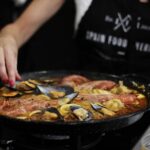
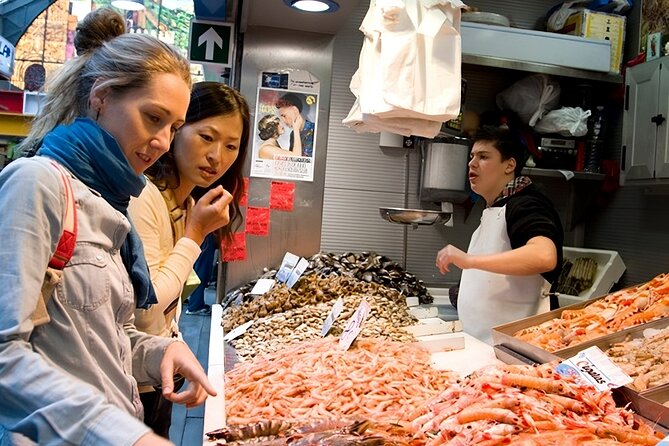
Paella lessons beat dinner plans. You start in central Kulinarea, then learn to make paella the Spanish way, with an English guide walking you through each step. For the daytime sessions (Monday to Saturday), the experience also includes a stop at Atarazanas Market, so you understand what goes into the pan before you light the stove.
I like the structure here: you taste three extra virgin olive oils first, then move straight into hands-on cooking. I also like the meal build: gazpacho, seafood paella, and churros come together with sangria and a regional wine, so you’re not just watching.
One consideration: it’s not recommended for people with celiac disease or severe allergies because of cross-contamination risk. If you eat vegan, note that vegan options aren’t recommended either.
In This Review
- Key things to know before you go
- Why Malaga Paella Starts at Atarazanas Market
- Cooking Classroom Set-Up in the SOHO Art District Kitchen
- What You’ll Cook: Gazpacho, Seafood Paella, Sangria, Churros
- The Olive Oil and Wine Part That Makes It Worth It
- English Guide Experience: Clear Instructions and Friendly Energy
- Duration: Half-Day Day Class vs 3-Hour Evening/Sunday Class
- Price and Value: What You Get for $84.69
- Who Should Book This Malaga Paella Class
- Where to Meet and How to Make the Most of Your Day
- Should You Book This Malaga Paella Cooking Class?
- FAQ
- How long is the paella cooking class in Malaga?
- Is the Atarazanas Market visit included every day?
- What food do you make and eat during the class?
- Can the paella be adapted for different diets?
- What drinks are included?
- Is the class offered in English?
- Where does the class start and finish?
Key things to know before you go
- Market stop is daytime-only (Mon to Sat) and skips certain holiday dates when Atarazanas Market is closed.
- Group size is capped at 14, which makes it feel less like a show and more like a real cooking lesson.
- You’ll make more than paella: gazpacho, sangria, and churros are part of the experience.
- English guidance is built in, and the chef and guide you get can really shape how smoothly it runs.
- Dietary limits are real: celiac and severe allergies aren’t recommended, and vegan diets aren’t listed as suitable.
Why Malaga Paella Starts at Atarazanas Market
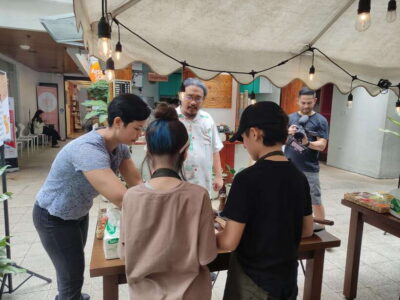
If you want paella that tastes like Malaga, starting at Atarazanas Market makes sense. In the daytime class (Monday to Saturday), you visit the market, where you’ll meet the ingredients that define the final flavor: seasonal produce, seafood, and meats. It’s the kind of stop that helps you shop smarter later, because you learn what to look for and why certain items matter.
This market visit is not universal. It’s only included for daytime sessions from Monday to Saturday, and the market is closed on a long list of holidays, including 1/1, 6/1, 28/2, and several dates around Holy Week plus key summer and winter holidays. If your trip lands on one of those days, you should expect a different rhythm for the experience and skip the market portion.
Also, you’re in the hands of a guide who can explain what you’re seeing in plain English. In past classes, guides like Anais have been called out for being warm and informative, and Javier has led groups in a way that makes the whole event feel friendly rather than rushed. That matters because market time can feel awkward if nobody puts it in context.
You can also read our reviews of more tours and experiences in Malaga.

Cooking Classroom Set-Up in the SOHO Art District Kitchen
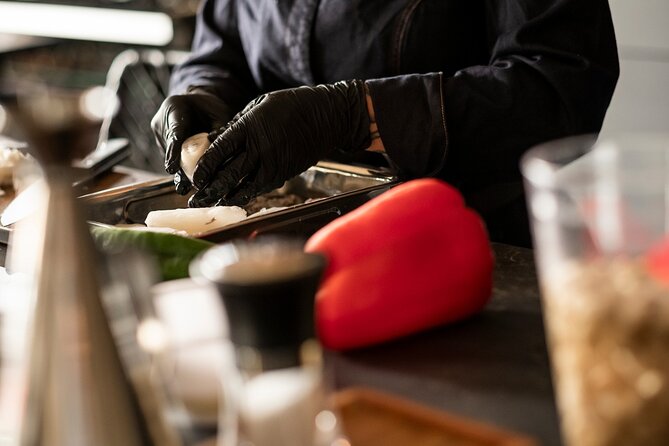
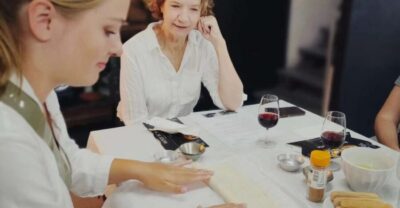
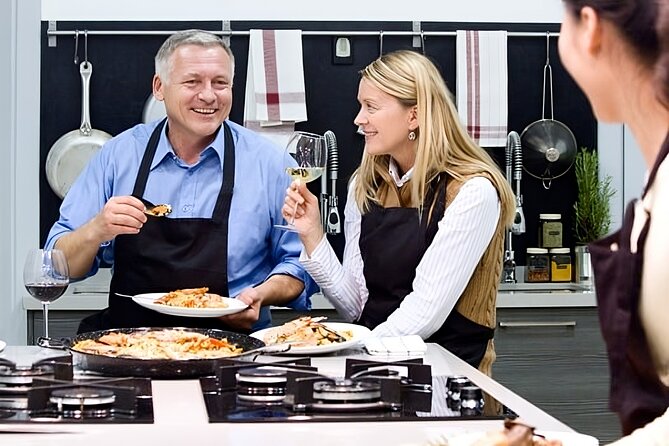
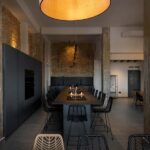
After the ingredients, you head to the kitchen. The modern facility is located in the SOHO Art District, and the room design helps keep the flow under control when you’re cooking, mixing, and plating.
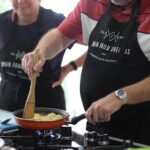
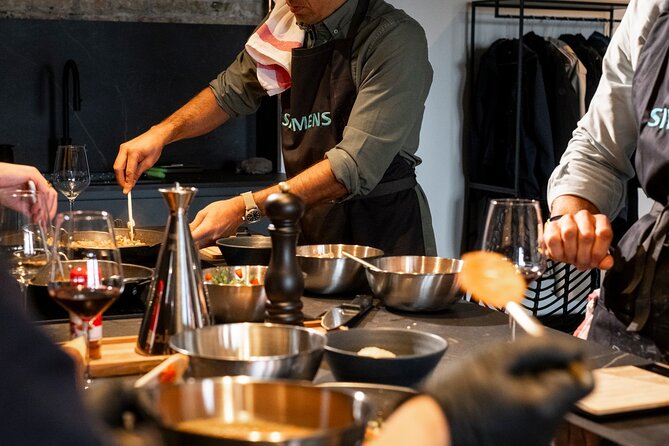
The class is designed for mixed skill levels. People who already know their way around a stove still get useful technique, and complete beginners can follow without feeling lost. One highlight that comes up again and again: the instructors keep directions clear and patient, and the pace is organized so you’re not waiting around while others do all the work.
There’s also a practical benefit to a small class: with a maximum of 14 people, it’s easier to get help when you hit a snag. In one example, the chef Alba was singled out for having everything prepared and for giving clear explanations during cooking, including the shift from tasting and prep to actual stovetop work.
One small thing to keep in mind: a few people have said the directions to the meeting spot were not super clear, and they nearly missed the event. My advice is simple: check your map route before you go, arrive a little early, and keep your phone location on standby.
What You’ll Cook: Gazpacho, Seafood Paella, Sangria, Churros
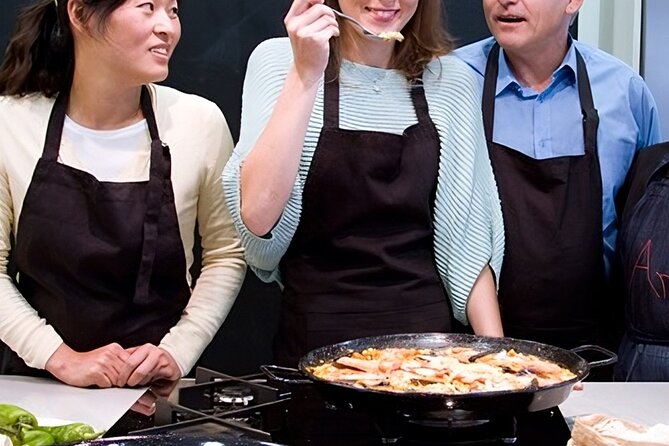
This is a full-food class, not a quick taste.
Starter: gazpacho
You’ll make gazpacho as the fresh, cooling start that fits Malaga’s warm weather and the overall Mediterranean rhythm of the menu. It also gives you something hands-on right away, so you’re not stuck waiting for the paella stage.
Main: seafood paella, with adaptations
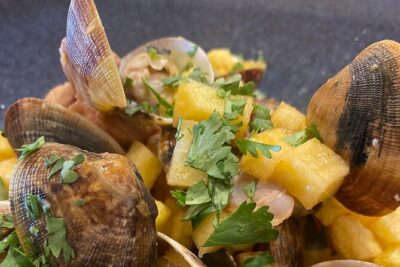
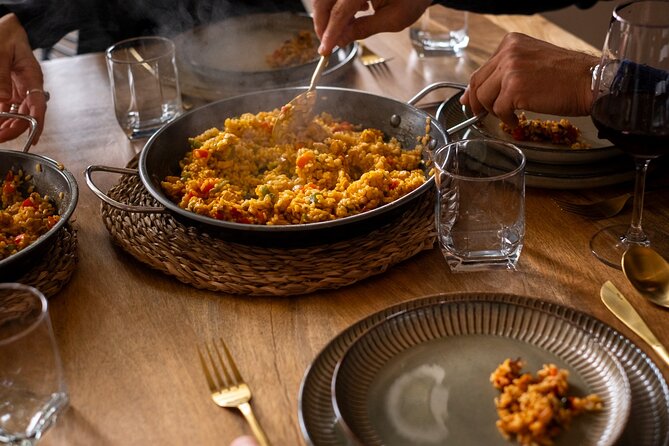
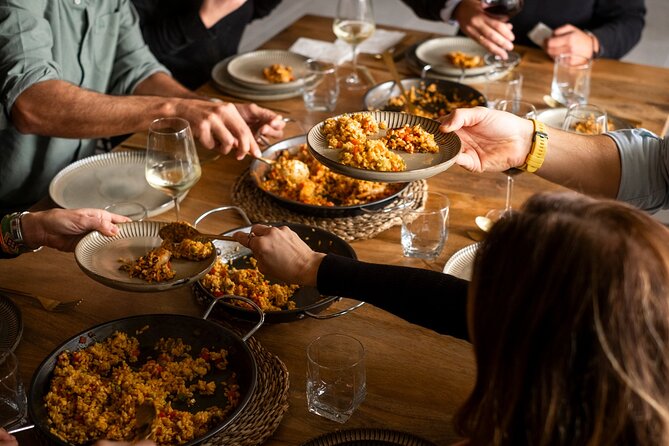
You’ll learn to make a seafood paella, and it can be adapted. If you’re vegetarian, you’ll make a vegetable paella. If you don’t eat fish, you’ll make a meat paella. That flexibility is a big value point, because it means the group meal still feels unified rather than everyone getting separate plates.
Sangria and churros
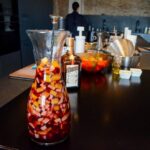
You’ll also prepare sangria and churros, rounding out the meal with the classic Spanish sweet-and-sippable pair. Sangria isn’t just a drink that appears; it’s part of the class flow.
One more detail that matters: the tasting and cooking portions are coordinated, so your olive oil, drinks, and food don’t feel like random extras. The result is a meal that actually makes sense as a sequence—start fresh, cook the centerpiece, then finish with dessert.
The Olive Oil and Wine Part That Makes It Worth It
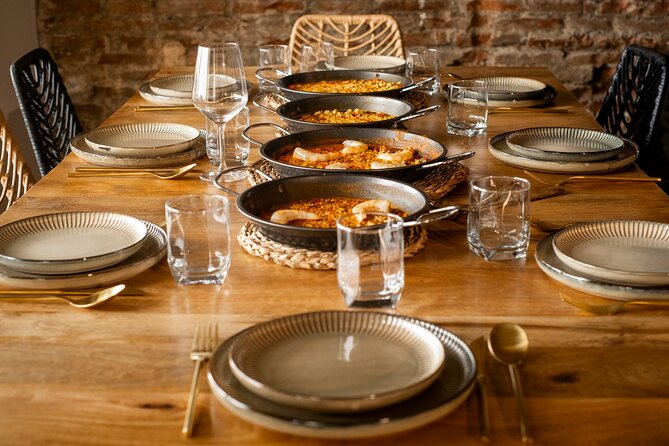
Before you touch the paella steps, you do an extra virgin olive oil tasting of three samples. This is not just a sip-for-fun thing. It trains your palate so that when you season and finish dishes, you understand what different olive oils contribute—think fruity notes, peppery finish, and overall balance.
After cooking, you eat your paella with included drinks: wine, beer, and sangria, plus a regional wine made with local grape varieties. In at least one case, the wine service has been described as feeling bottomless, which is exactly the kind of thing that makes a class feel generous rather than “sample-only.”
This pairing is also practical for understanding Spain. Paella is one of those dishes people treat like a standalone item, but the class nudges you toward the local reality: food plus wine plus conversation. If your Spain trip is heavy on museums and long walks, this meal structure can be a relief.
English Guide Experience: Clear Instructions and Friendly Energy
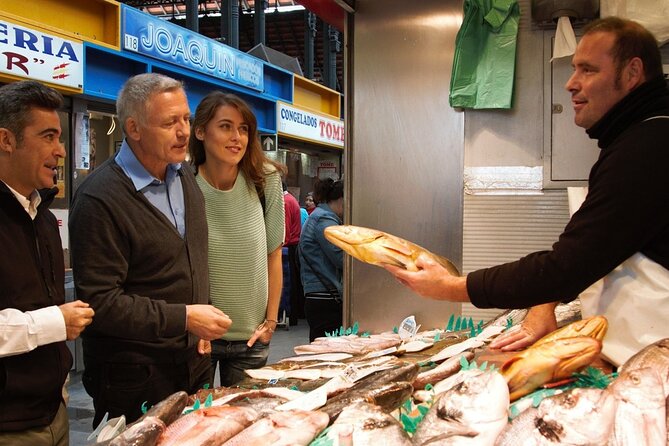
Language matters in a cooking class. If you don’t understand the steps, you’ll just end up following hand movements and hoping for the best.
Here, the tour is offered with an English guide, and that’s backed up by strong comments about how clearly instructions are given. One person highlighted Pepo (spelled PePo in one place) as fun, enthusiastic, and patient. Another described Pepo handling his first English cooking class well, with the kind of calm teaching that helps beginners feel capable.
Alba and Anais are also named as strong hosts in the experience. The point isn’t celebrity chefs; it’s that the guide-chef combo shapes the day. When the teaching is smooth, you walk out with actual technique you can use later, not just a full stomach.
Duration: Half-Day Day Class vs 3-Hour Evening/Sunday Class
The schedule depends on when you book.
- Daytime class: about 4 hours, and it can include the Atarazanas Market visit from Monday to Saturday (with holiday closures).
- Evening or Sunday class: lasts 3 hours.
In a practical sense, the 4-hour option is better if you want the full experience, including market shopping and the extra time it gives you to cook without rushing. The 3-hour option can work if you already know your way around Malaga and just want the food lesson portion—still a full meal, just tighter timing.
Because paella cooking takes time, I’d lean toward the daytime class if you can. If not, don’t worry: the class still covers the core dishes and drinks either way.
Price and Value: What You Get for $84.69
At $84.69 per person, this isn’t a budget snack class. But it’s also not overpriced when you look at what’s included.
You get:
- Lunch
- Alcoholic beverages: wine, beer, and sangria
- Snacks
- A regional wine made with local grape varieties
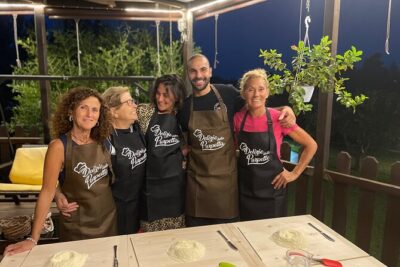
- A take-home gift: a Kulinarea apron
Add the fact that it’s led by an English guide, capped at 14 people, and run in a modern kitchen, and the price starts to look like it’s paying for a complete, guided experience—not just cookware and a recipe card.
So for the value-minded traveler: this is a solid pick if you want your food in one tidy package. It’s especially attractive if your day is already planned for central Malaga and you’d otherwise spend money eating out plus paying for drinks separately.
Who Should Book This Malaga Paella Class
This works well if you:
- Want a hands-on Spanish cooking experience with real ingredients
- Enjoy food lessons where you cook, eat, and drink in one session
- Like learning the market-to-pan connection, especially if it’s your first time visiting Malaga
It may not work well if you:
- Have celiac disease or a severe allergy that requires avoiding cross-contamination
- Are strictly vegan, since vegan options aren’t recommended
If you eat fish but want to learn, you’ll make seafood paella. If you don’t eat fish or you eat vegetarian, the class can adapt the paella to meat or vegetable versions—so most dietary variations you’d typically see in a group can still be accommodated.
Where to Meet and How to Make the Most of Your Day
The meeting point is Kulinarea, at Avenida de Manuel Agustín Heredia, 24, Distrito Centro, 29001 Málaga, Spain. The class ends back at the same meeting point.
It’s near public transportation, which helps if you’re planning to link the class with other things in the city. A good strategy is to treat the experience as your “anchor meal.” Eat early enough to enjoy the market and cooking process, then keep your evening lighter because you’ll likely have a full stomach and a few drinks.
And because at least one person reported poor directions (ending up somewhere else like a nearby shop), do this: open your map, confirm the address, and aim to arrive with a few minutes to spare.
Should You Book This Malaga Paella Cooking Class?
Yes, I’d book it if you want a memorable Malaga meal that includes market ingredients, real cooking instruction, and a full plate afterward. The combination of small group size, an English guide, and a menu that runs from gazpacho to seafood paella (with adaptations) plus sangria and churros is exactly the kind of value that makes a cooking class feel like a true experience.
Skip it if you need strict allergy-safe cooking for celiac or severe allergy needs, and don’t plan on this being vegan-friendly. If you’re in the middle—curious, hungry, and open to learning—this is a strong pick.
FAQ
How long is the paella cooking class in Malaga?
The daytime class lasts about 4 hours. The evening and Sunday class lasts 3 hours.
Is the Atarazanas Market visit included every day?
The market visit is included only in the daytime class from Monday to Saturday. The market is closed on certain holidays, so the market portion may not run on those dates.
What food do you make and eat during the class?
You’ll prepare and eat gazpacho as a starter, then make seafood paella. The menu also includes sangria and churros.
Can the paella be adapted for different diets?
Yes. The seafood paella can be adapted into a vegetarian vegetable paella or a meat paella for people who do not eat fish.
What drinks are included?
You’ll have wine, beer, and sangria included, and there’s also a regional wine with local grape varieties.
Is the class offered in English?
Yes, the experience is offered with an English guide.
Where does the class start and finish?
It starts at Kulinarea on Avenida de Manuel Agustín Heredia, 24, Distrito Centro, 29001 Málaga, Spain, and it ends back at the same meeting point.