REVIEW · UBUD
Ubud Cooking : All Inclusive Cooking Class
Book on GetYourGuide →Operated by Darsa Tour Indonesia · Bookable on GetYourGuide
Balinese cooking is best before the heat. This all-inclusive Ubud class pairs a morning market walk with a hands-on session where you cook Balinese dishes yourself. I like how it’s not a sit-and-watch show; you get to make the food and taste it along the way.
Two things I especially like: you learn at least 8 signature Balinese recipes, and the experience includes both a market stop and time exploring rice fields. One consideration: the class is Ubud-only for hotel pickup, so you may pay extra if you’re staying outside the area.
5 reasons this class works
- Pasar Pejeng market first, plus trying local fruits
- You cook your own Balinese menu items, guided step-by-step
- English instruction and a guide accompanying you
- A rice-field stop, not just a kitchen workshop
- Take home a recipe PDF you can actually use later
In This Review
- A Morning Market in Ubud: Where the Ingredients Start
- Hotel Pickup and the 5-Hour Rhythm (Ubud-Only)
- The Hands-On Cooking Part: You Do the Work
- Pasar Pejeng to Paddy Fields: Real Bali, Not Just a Kitchen Set
- Taste Test Time: Eating What You Just Made
- What You Get to Take Home: Recipe PDF for Later
- Price and Value: Why $24 Can Make Sense
- Who This Class Is Best For (And Who Should Skip It)
- Pro Tips to Make Your Cooking Class Go Smoothly
- Should You Book Ubud Cooking: All Inclusive Cooking Class?
- FAQ
- How long is the Ubud cooking class?
- What is included in the $24 price?
- Is the morning market included?
- Will the class be taught in English?
- Do I need cash?
- Where does pickup and drop-off happen?
- Is it suitable for people with altitude sickness?
A Morning Market in Ubud: Where the Ingredients Start
The day begins with a stop at Pasar Pejeng local market for about 30 minutes. This isn’t random browsing. You’ll look at how locals buy and sell ingredients you’ll soon be using, then sample local fruits as part of the experience.
This matters more than it sounds. Balinese cooking depends on specific flavors—spices, aromatics, and produce that taste right because they were picked and handled for real everyday meals. Walking through the market gives you a fast way to connect the finished dishes back to where the ingredients come from.
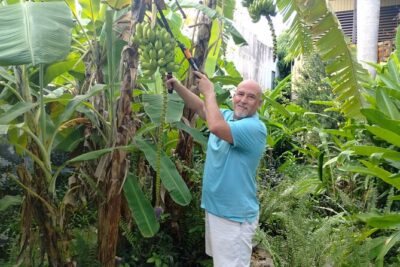
You’ll also learn about the types of rice grown in Bali, including how rice is cultivated and the harvesting process. Even if you never become a rice nerd, it gives you context for why rice and rice-field life show up again and again in Balinese food culture.
Hotel Pickup and the 5-Hour Rhythm (Ubud-Only)
This is a 5-hour experience that runs in the morning option. Hotel pickup and drop-off are available only in the Ubud area, with several pickup points listed around town. If you’re staying outside that zone, there’s an extra pickup cost.
That timing is a good match for most itineraries. You get out early, do the activity while your energy is still high, and then have your afternoon back. It’s also a nice rainy-day plan, since the core of the experience is structured and guided.
One practical note: the class is instructor-led in English, and you’ll be with a guide the whole time. That makes it easier to ask questions when you’re standing over a cutting board and not sure what to do next.
You can also read our reviews of more tours and experiences in Ubud.
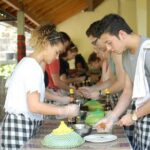
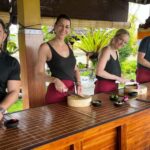
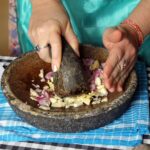
The Hands-On Cooking Part: You Do the Work
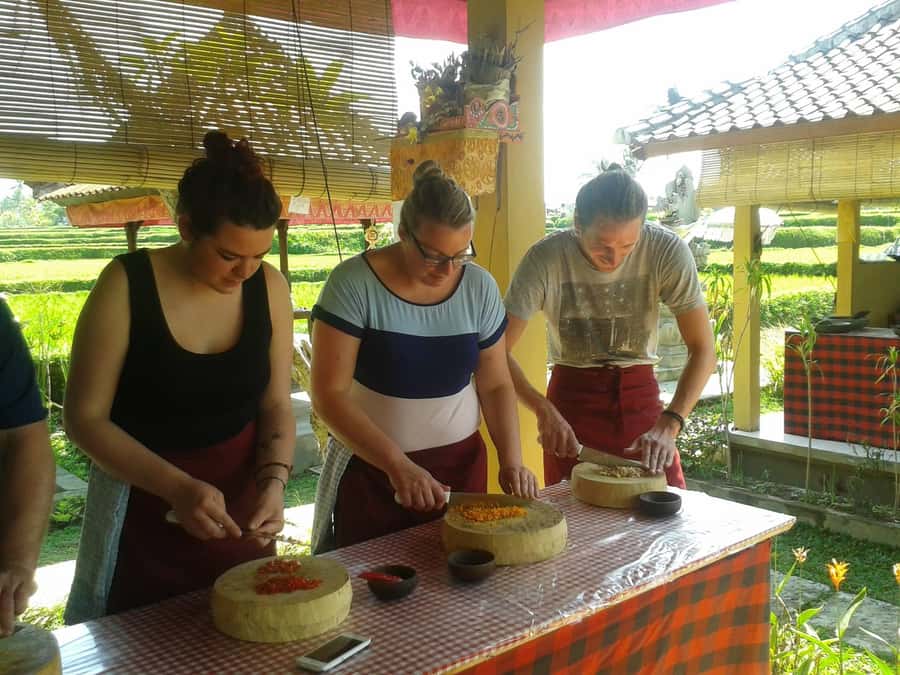
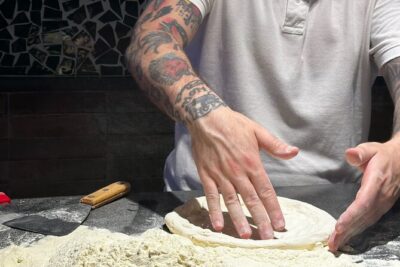
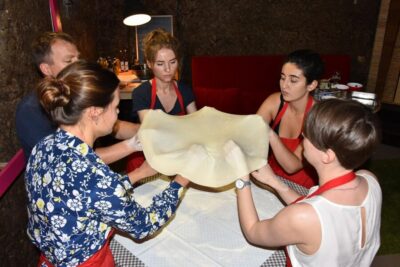
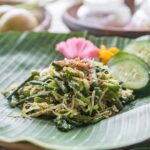
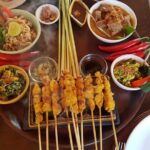
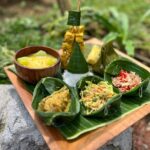
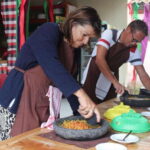
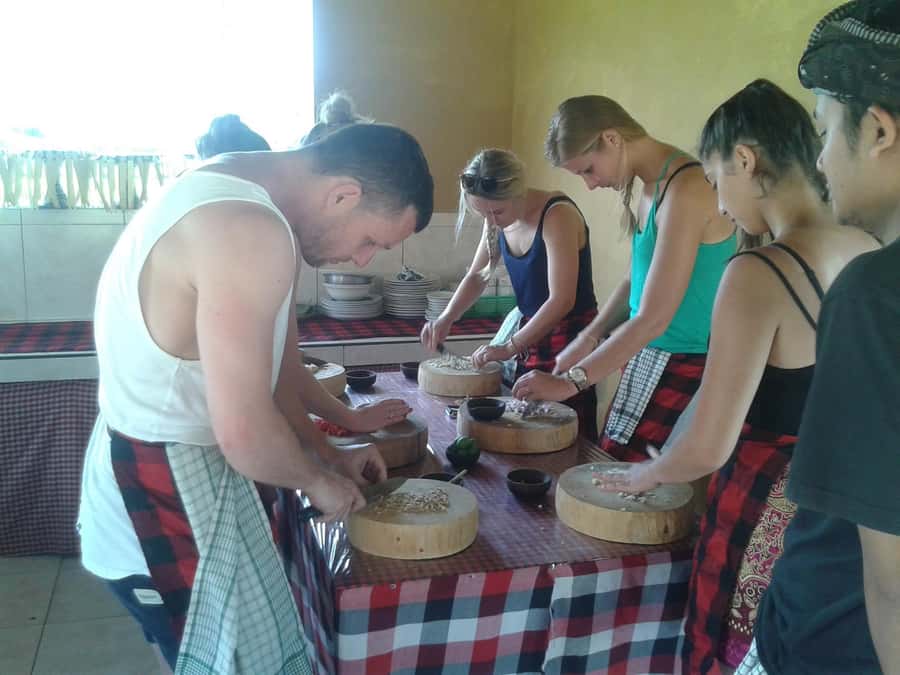
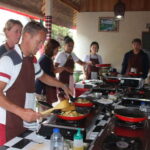
The cooking class happens at Ubud for about 2 hours. The big promise is simple: you learn Balinese cooking by doing it. You’ll make at least 8 recipes, and you’ll eat what you cook—so you’re learning flavors in real time.
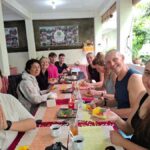
The class is built like a practical workflow. You’ll move through prep and cooking steps with guidance, then taste the results. Several participants highlighted that the guides are patient and that they let you do the work rather than taking over. If you’ve ever taken a cooking class where the chef does 90% and you do 10%, this one is designed to feel different.
Dietary fit is also something to call out. The experience has made room for vegetarian and vegan cooking, and there’s evidence of accommodating at least one specific allergy (a peanut allergy). If you have dietary needs, it’s worth telling the team ahead of time so they can adjust.
Also, no alcohol is allowed during the class, and you should expect a focused cooking environment rather than a party setup.
Pasar Pejeng to Paddy Fields: Real Bali, Not Just a Kitchen Set
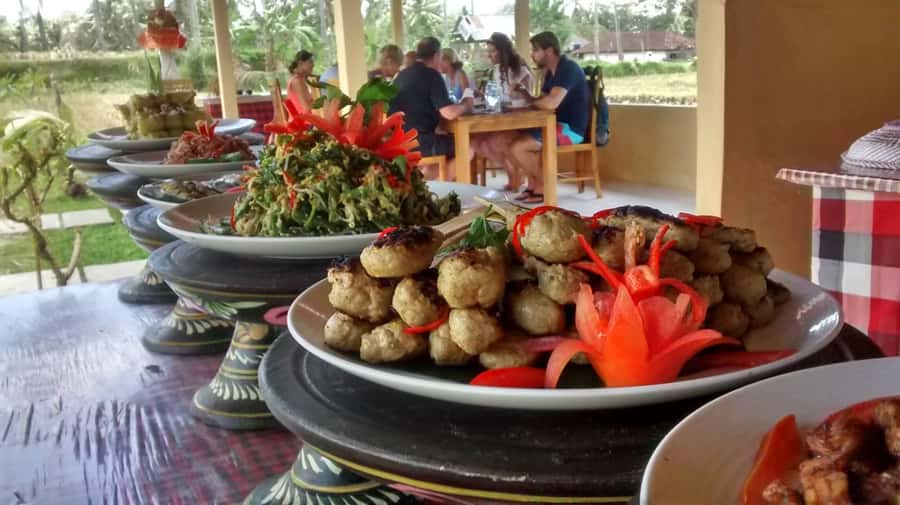
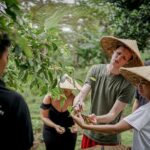
After the market, you head toward a cooking setting that ties the food back to everyday Bali. Included in the experience is time to explore beautiful paddy fields. This turns the class from a single-room workshop into something with more grounded context.
Even if you don’t care much about agriculture, the paddy-field segment helps the “why” click. When you’ve just learned about rice cultivation and then you step into rice-field scenery, you’re not treating rice as a generic ingredient. You’re seeing it as the backbone of meals in this part of the world.
This also changes the pace. The class isn’t just continuous heat and stove time. You get a brief reset outdoors, then return to cooking with a clearer sense of what you’re making and why.
Taste Test Time: Eating What You Just Made
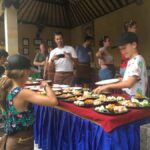
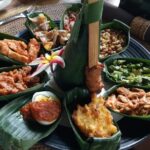
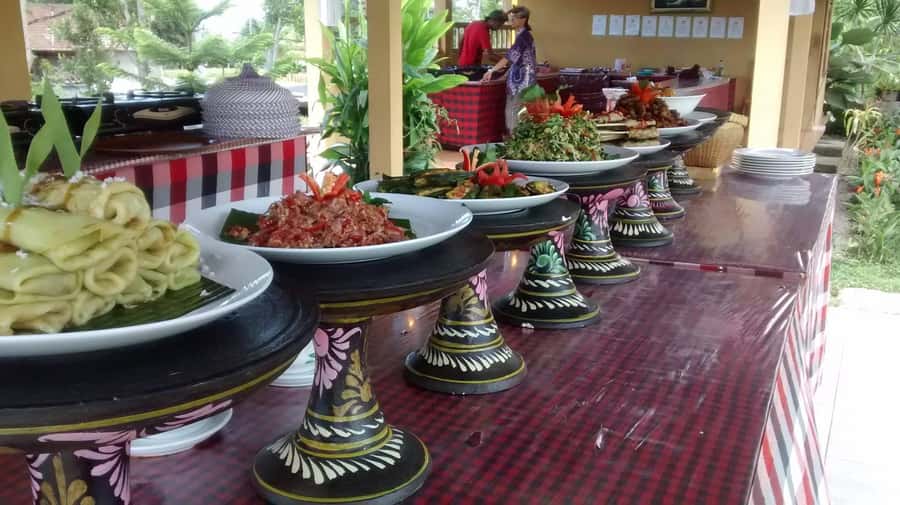
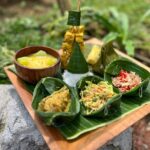
A key part of the experience is that you taste your food at the same time as you cook. This is one of those small design choices that makes a big difference.
Instead of getting a meal at the end where you’re too tired to notice flavors, you can compare dishes while they’re fresh in your mind. You can also adjust how you approach the next recipe because you’ve already learned what the earlier flavors should feel like.
One practical consideration: some participants felt the food was not enough to fully fill you up, so it’s smart to plan for eating before or after. If you’re the type who needs a solid meal to keep going, treat this class as a cooking lesson plus a taste experience—not automatically a full lunch.
What You Get to Take Home: Recipe PDF for Later
One of the best ways to turn a class into a real travel souvenir is being able to cook it again at home. Here, you receive a copy of the recipes in a PDF file.
That matters because Balinese recipes often rely on combinations of spices and aromatics. When you leave with only memories, you recreate dishes based on vague recollection. A PDF makes it more likely you’ll be able to repeat the process with fewer guesswork moments.
If you’re cooking for family, this is also a straightforward win. You’ll have the structure to make a special lunch or dinner later, using what you learned in Ubud.
Price and Value: Why $24 Can Make Sense
At $24 per person for a 5-hour guided experience, this class looks like strong value on paper. You’re paying for more than “watching someone cook.”
For that price, you get:
- Hotel pickup and drop-off in Ubud
- A guide accompanying you
- Market time at Pasar Pejeng
- Cooking instruction for at least 8 recipes
- A welcome drink
- Rice-field exploration
- A recipe PDF to take home
Where the value gets real is the mix of experiences. You’re not just in a kitchen. You start with ingredients, see rice context, cook with your hands, and then taste results as you go. If you’re comparing against cooking classes that skip the market and rice-field part, this one gives you more “Bali context per dollar.”
Just remember: the price doesn’t include extra pickup outside Ubud. If you’re far from the pickup zone, that could change the math.
Who This Class Is Best For (And Who Should Skip It)
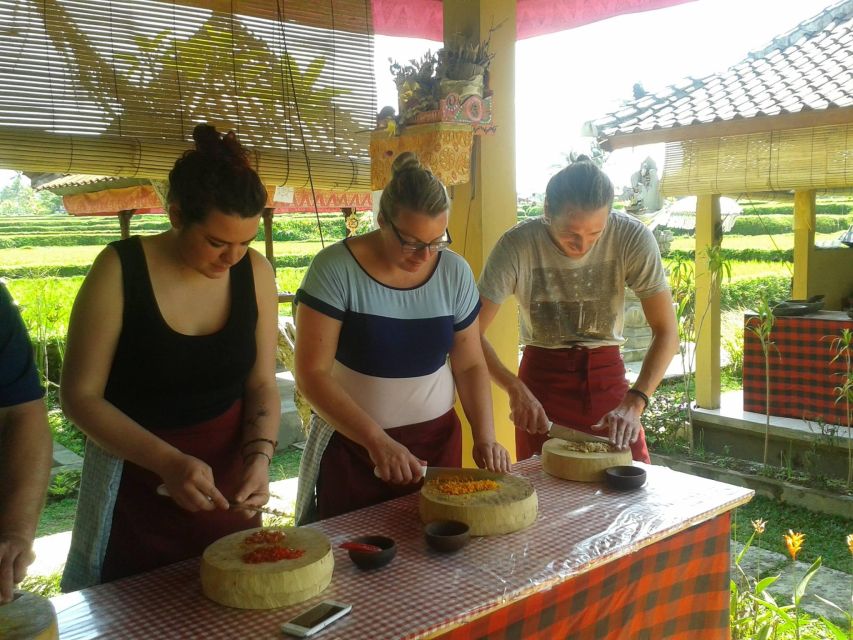
This is a good choice if you want a hands-on Bali experience that’s social, practical, and organized. It’s especially suitable for:
- People who like learning by doing, not just listening
- First-time visitors who want authentic Balinese food basics
- Veggie eaters, since vegetarian and vegan cooking is accommodated
- Anyone who likes having something to recreate later with the PDF recipes
It’s not for everyone. The class is not suitable for people with altitude sickness. Also, alcohol and drugs are not allowed, so expect a straightforward activity environment.
If you like a clear plan with a guide, you’ll probably find this an easy fit. If you hate early starts, the morning option might feel like extra effort, since you’re actively going out before the day gets long.
Pro Tips to Make Your Cooking Class Go Smoothly
A few practical moves will help you get the most out of the experience:
- Bring cash (it’s explicitly required).
- Choose the morning option if your priority is the market visit and fruit tasting.
- If you have dietary restrictions or allergies, make sure the team knows so adjustments can be made.
- Expect a cooking session that’s mostly hands-on, so wear or plan to move comfortably for prep and station work.
Finally, go into it expecting “learn and taste,” not a heavy buffet. The tasting is part of the lesson, and you can always top up with food before or after depending on your appetite.
Should You Book Ubud Cooking: All Inclusive Cooking Class?
If you want a short, structured Bali experience that connects market ingredients to real Balinese cooking, this is an easy recommendation. With a 4.8 rating from 140 reviews, strong marks for fun, patience, and hands-on guidance, and a recipe PDF you can use later, it offers more than a one-time activity.
I’d book it if:
- You’re excited to cook at least several Balinese dishes yourself
- You want the market and rice-field context, not just a kitchen workshop
- You like the idea of taking recipes home in a usable format
I’d think twice if:
- You’re outside the Ubud pickup area and don’t want to pay extra for transport
- You expected a full meal without needing anything else afterward
- You can’t do activities tied to early-morning conditions or you’re affected by altitude sickness
FAQ
How long is the Ubud cooking class?
The class lasts 5 hours total.
What is included in the $24 price?
You get hotel pickup and drop-off in Ubud, a guide, instruction to cook at least 8 Balinese recipes, a welcome drink, a market tour (morning option only), time exploring paddy fields, and a recipe PDF.
Is the morning market included?
Yes, the experience includes a visit to Pasar Pejeng local market and it’s part of the morning option.
Will the class be taught in English?
Yes. The instructor is English-speaking.
Do I need cash?
Yes, you should bring cash.
Where does pickup and drop-off happen?
Pickup and drop-off are available in the Ubud area only. If you need pickup outside Ubud, there is an extra cost.
Is it suitable for people with altitude sickness?
No. The activity is not suitable for people with altitude sickness.