REVIEW · TOKYO
Tokyo Sushi Making Experience & Japanese Cooking Class
Book on Viator →Operated by Tokyo Sushi Making Experience & Japanese Cooking Class · Bookable on Viator
Sushi making turns dinner into a lesson. In this small-group class in Tokyo, you learn sushi culture and technique from English-speaking instructors, then put it into practice fast. I like how direct the teaching is, and how quickly you move from sushi history to rolling and shaping.
My favorite part is making maki, temari, and nigiri yourself, using fresh ingredients like tuna, salmon, and flying fish roe. One thing to consider: the class includes sushi snacks, but bottled water and drinks (including alcohol) aren’t included, so you may want to plan a little extra if you’re adding sake or shochu.
In This Review
- Key points to know before you go
- A 90-Minute Sushi Workshop Near Shinbashi
- What You Make: Maki, Temari, and Nigiri (and Why It Matters)
- How the Class Teaches Sushi Etiquette and Culture
- Ingredients, Photos, and the Sake or Shochu Option
- Small Group Time: Getting Help Without Slowing Down
- Price and Value: Is $59.46 Worth It?
- Who Should Book This Sushi Class—and Who Might Skip It
- FAQ
- How long is the Tokyo sushi making class?
- What sushi types will I learn to make?
- Is the class in English?
- What’s included in the price?
- Can I add sake or shochu?
- What if weather is bad or the minimum number of travelers isn’t met?
- Should You Book This Tokyo Sushi Making Experience?
Key points to know before you go
- Small group max 15: more attention while you work with your hands
- Hands-on sushi types: you learn maki, temari, and nigiri
- English-based instruction: support for English, Traditional Chinese, or Simplified Chinese
- Fresh ingredients: includes items like tuna, salmon, squid, and flying fish roe
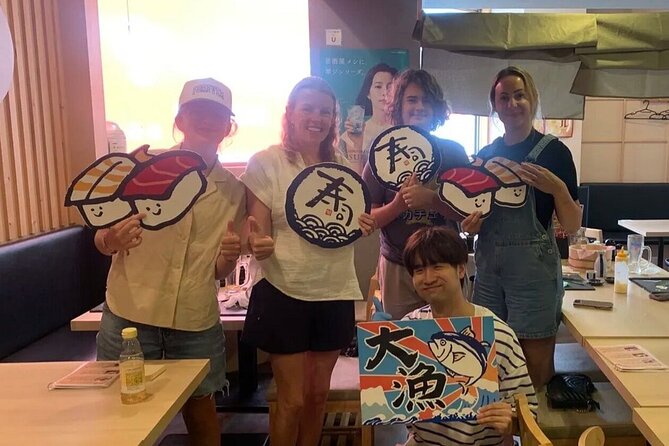
- Photo takeaways: commemorative photos help you remember what you made
- Optional drinks with ID: you can add sake or shochu, but Japan’s legal drinking age is 20
A 90-Minute Sushi Workshop Near Shinbashi
This is a tight, 1 hour 30 minutes experience that focuses on doing, not just watching. You meet in Minato City, Shinbashi at S-PLAZA弥生Ⅱ (Japan, 105-0004 Tokyo, Minato City, Shinbashi, 2-chōme1510), and it ends back at the same meeting point. It’s also near public transportation, so you’re not stuck fighting Tokyo transit for a long detour.
The mobile ticket is the other practical win. You’re not juggling paper confirmations or needing to find anything special at the last minute. If you’re building a day around this class, the short duration helps you keep your schedule realistic.
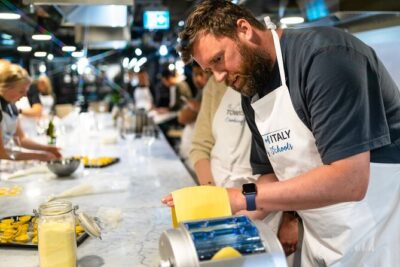
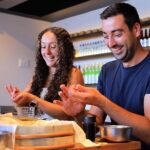
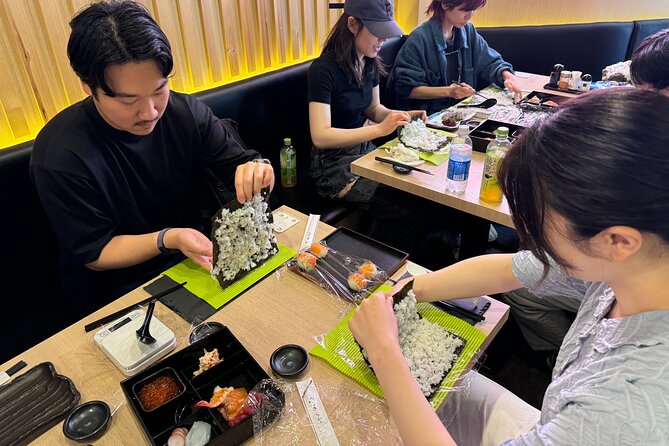
The vibe is classroom-style but active. Instead of a passive demo, you’ll work on your own sushi creations, with instructors available for help and corrections.
You can also read our reviews of more tours and experiences in Tokyo.


What You Make: Maki, Temari, and Nigiri (and Why It Matters)
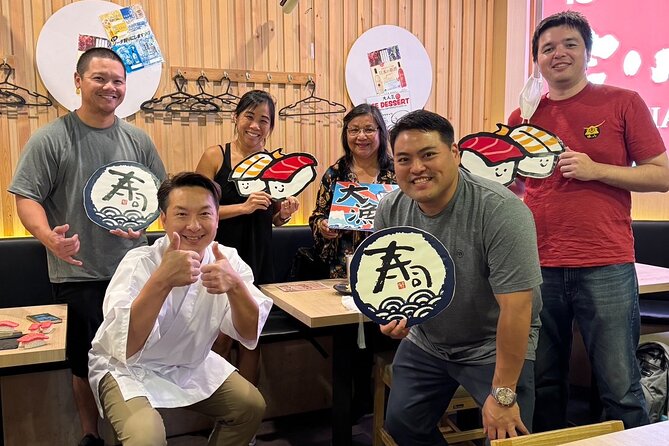
The class centers on three sushi forms: maki, temari, and nigiri. That mix is smart, especially if you’re new to sushi at home. You don’t just learn one technique; you learn the different logic behind different shapes.
- Maki gives you the rolling skills. You’ll work with ingredients like tuna and salmon and learn how the pieces come together as a bite-sized roll.
- Temari is about shaping. Instead of rolling in a seaweed sheet, it’s a hands-on way to form sushi into neat, biteable rounds.
- Nigiri teaches the balance of rice and topping. You’ll practice assembling the classic style where the shape and placement matter.
Even if your end result is not perfect on day one, the goal here is understanding. After a class like this, you’re more likely to remember how sushi is built and why each format has its own etiquette and texture expectations.
Also, the class uses fresh ingredients such as tuna, salmon, squid, and flying fish roe. That matters more than it sounds. When you work with the real components, you start to recognize the flavors and textures you’ll want later when you try to order or recreate sushi.
How the Class Teaches Sushi Etiquette and Culture
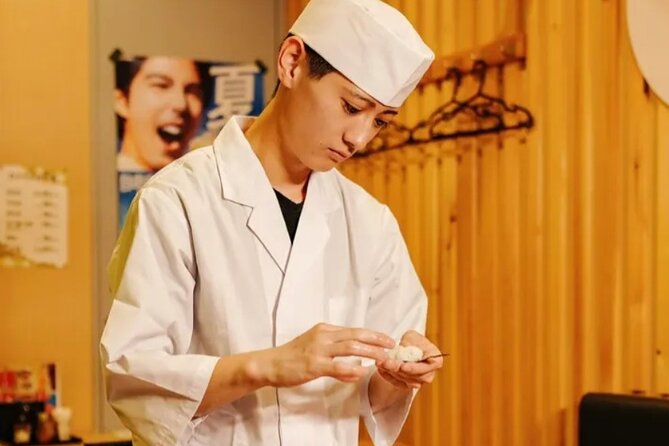
You don’t just learn technique; you learn the art and etiquette behind the bite. This is where the experience earns its cultural value without becoming a long lecture.
In plain terms, you get the context that helps sushi make sense. Sushi has rules, and many of them are about respect: how you handle it, how you eat it, and how you think about the bite as a crafted moment. In a small setting, you can ask questions and get adjusted based on what you’re doing, rather than hoping you guessed right.
The instructors are English-speaking, and the guide support can also run in Traditional Chinese and Simplified Chinese. That’s useful in mixed language groups because it lowers the friction. You’re not spending half the class translating your own questions.
I also like that the class is framed around sushi history and culture. Even with a short time window, it gives you something to connect to while you’re working. Instead of rolling blindly, you’re learning why this food evolved the way it did and how people talk about it.
Ingredients, Photos, and the Sake or Shochu Option
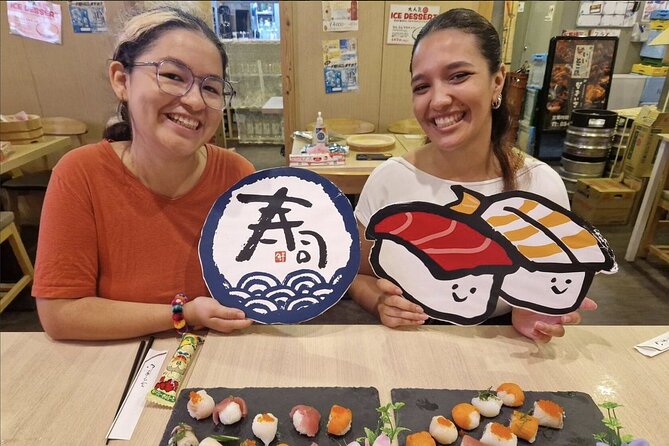
One of the best parts of a sushi class is the payoff: you finish by eating what you made. This experience includes snacks made from your creations, including sushi such as maki and temari (with ingredients like tuna, salmon, and squid). In other words, you’re not paying for ingredients and instruction and then leaving hungry.
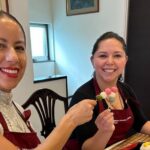
You also take away commemorative photos. That may sound like a small detail, but it’s a real memory-maker. Sushi can look good on Instagram, but it also gives you proof that you actually rolled it, shaped it, and assembled it with your own hands.
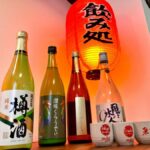
If you want the more authentic side of the meal, you can add sake or shochu, or other drinks. The class makes this an option rather than a requirement, which helps if you’re traveling with different preferences.
Do note the practical rule: Japan’s legal drinking age is 20. If you’re planning to drink, bring a valid ID that proves your age. The class itself highlights this so there’s no guesswork.
Also keep in mind what’s not included. You’ll need to order juice and alcoholic beverages separately, and bottled water isn’t included either. If you want a low-stress experience, it’s smart to budget a little extra so you’re not deciding on the spot.
Small Group Time: Getting Help Without Slowing Down
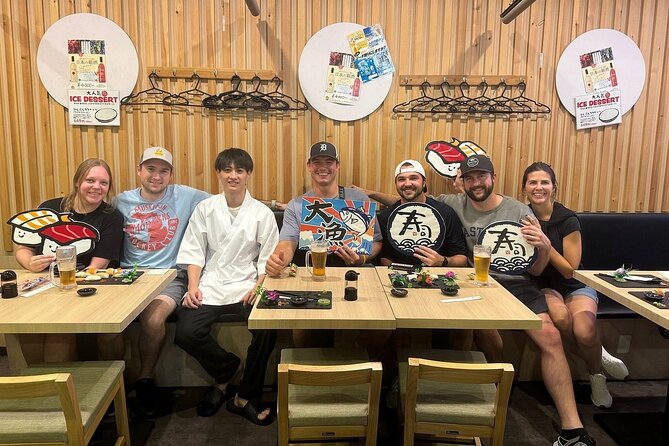
With a maximum of 15 travelers, you should expect a more personal class rhythm than in huge group tours. That matters because sushi is touch-based. If your roll is too loose, your shape too tall, or your assembly off, you need quick feedback.
This is exactly the type of setting where you can ask for help without feeling rushed. The class is designed for working hands-on, and you’ll be supported by friendly staff who can assist with sushi-making and taking commemorative photos.
If you’re traveling with kids, the age eligibility starts at 4 years old. In a small group, that’s important: younger participants can stay engaged and get assistance. One of the standout notes from the experience is that the hosts can be patient with families, so it’s not a rigid adult-only workshop.

Price and Value: Is $59.46 Worth It?
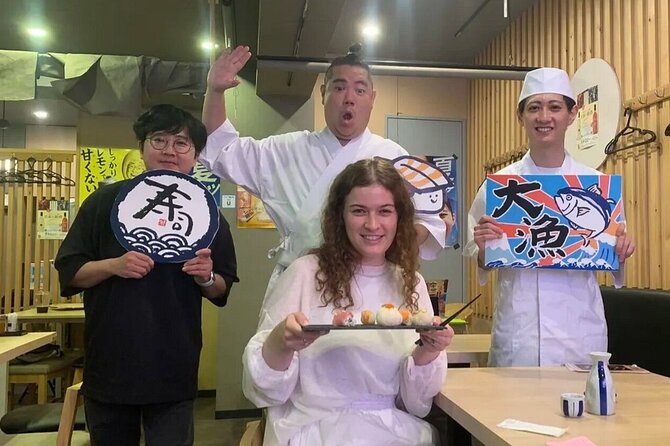
At $59.46 per person for about 1.5 hours, this class sits in the category of experiences that make sense when you care about learning a skill, not just buying a ticket to watch. Here’s why I think it’s fair value for what you get:
- You make three sushi styles (maki, temari, nigiri), not just one.
- Ingredients are part of the experience, including sushi components like tuna, salmon, squid, and flying fish roe.
- Snacks are included, so you’re not turning the class into a snack-less activity.
- Small group size (max 15) gives you real chances to get corrections rather than just copying a guide from far away.
- You get photos as a tangible takeaway.
Where value can dip is the extras. Bottled water isn’t included, and juice/alcohol must be ordered separately. If you add sake or shochu, your total cost can creep upward. But that’s also the point: it stays optional.
If your goal is to learn a skill you can repeat later at home, this is the kind of class where the price starts to feel like a reasonable trade for instruction and real ingredients.
Who Should Book This Sushi Class—and Who Might Skip It
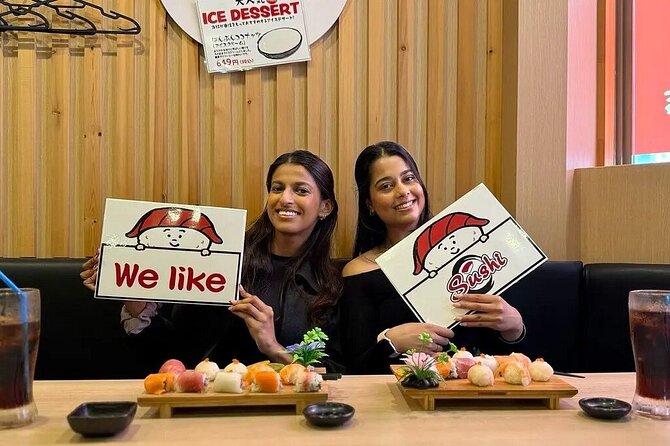
This class is a great fit if you want a fun way to understand Japanese food beyond ordering at restaurants. You’ll pick up technique, learn sushi etiquette, and walk away with a practical mental model for how different sushi forms work.
It’s also a strong match if you like English-guided experiences in Tokyo. The instructors are English-speaking, and additional support in Traditional or Simplified Chinese can help in a mixed group.
You might consider skipping or adjusting expectations if:
- You only want a quick photo op and don’t care about hands-on instruction. This class is built around working.
- You’re avoiding alcohol entirely. You can still enjoy it fully, but the experience highlights sake or shochu as an option, so you may want to treat drinks as extra purchases, not included perks.
- You’re traveling on a day with unpredictable conditions. The experience requires good weather, and if it’s canceled due to poor weather you’ll be offered a different date or a full refund.
If you’re the kind of traveler who likes to go home with one new skill, this lands in the sweet spot.
FAQ
How long is the Tokyo sushi making class?
It runs for about 1 hour 30 minutes.
What sushi types will I learn to make?
You’ll learn how to make maki, temari, and nigiri.
Is the class in English?
The guide provides English (and also Traditional Chinese and Simplified Chinese support).
What’s included in the price?
Snacks are included, including maki sushi and temari sushi with ingredients such as tuna, salmon, and squid. You’ll also get instruction and commemorative photos.
Can I add sake or shochu?
Yes, you can add sake or shochu (or other drinks), but alcoholic beverages and juice need to be ordered separately. Japan’s legal drinking age is 20, so bring valid ID if you plan to drink.
What if weather is bad or the minimum number of travelers isn’t met?
The experience requires good weather. If it’s canceled due to poor weather, you’ll be offered a different date or a full refund. If the minimum number of travelers isn’t met, you’ll also be offered a different experience/date or a full refund.
Should You Book This Tokyo Sushi Making Experience?
Yes—if you want a hands-on sushi skill you can actually repeat later. The combination of maki, temari, and nigiri, fresh ingredients, small group support, and photo takeaways makes it feel like more than a standard food stop.
I’d book it especially if you’re traveling with kids or you prefer English instruction with patience and clear guidance. Just remember that bottled water and any drinks (including alcohol) cost extra, so bring a little room in your budget if you want the full experience with sake or shochu.
If your idea of value is learning-by-doing, this is a solid Tokyo class to add to your itinerary.