REVIEW · TOKYO
Tokyo: Wagyu and 7 Japanese Dishes Cooking Class
Book on GetYourGuide →Operated by Cooking Sun · Bookable on GetYourGuide
Tokyos best souvenir might be a recipe card. This hands-on Wagyu and 7 Japanese dishes class turns you into part cook, part diner, in a small studio setting. I like the friendly English instruction step-by-step, and I like that Wagyu beef anchors the meal. One thing to plan for: the studio sits in a quiet residential area, so finding it takes a little attention.
You also eat what you cook, family-style, right after the cooking. The class runs about 3 hours with a small group capped at 8, which keeps things personal and practical. If you hate hunting for addresses, factor in time to locate the beige building and the right-side door.
In This Review
- Key Highlights You Should Know Before You Go
- A Homey Studio Where You Learn by Doing
- Finding the Beige Building in Shinjuku (And Why It Matters)
- The Menu: Wagyu Suikiyaki Plus 7 Practical Japanese Dishes
- Dashi and Miso Soup: The Flavor Engine You Can Recreate
- Omelette, Cucumber Salad, and Sesame Potato Salad: Small Cuts, Big Difference
- Tofu, Ginger, and Edamame: Comfort That Feels Clean
- Wagyu Beef in Suikiyaki: Tender, Juicy, and Not Just a Fancy Ingredient
- Dorayaki Dessert: A Sweet Ending With Real Technique
- Price and Value: What $67 Buys You in Tokyo Time
- Practical Tips From Instructors (Including Names You Might Hear)
- Who This Tokyo Cooking Class Fits Best
- Should You Book This Wagyu and 7 Dishes Class?
- FAQ
- How long is the cooking class?
- Is hotel pickup or transportation included?
- Where exactly do I meet the instructor?
- What dishes will I cook?
- Is the instruction offered in English?
- Is this a small group?
- Can the class accommodate dietary requirements?
- What’s included in the price?
Key Highlights You Should Know Before You Go
- English-speaking local instructors who explain what you’re doing and why it matters
- Full-course cooking: appetizer-to-dessert style, not just a single dish demo
- Wagyu centerpiece that’s tender, juicy, and noticeably different from typical beef
- Real Japanese staples like homemade dashi for miso soup and dorayaki for dessert
- Take-home recipes plus hands-on tips you can use at home
A Homey Studio Where You Learn by Doing
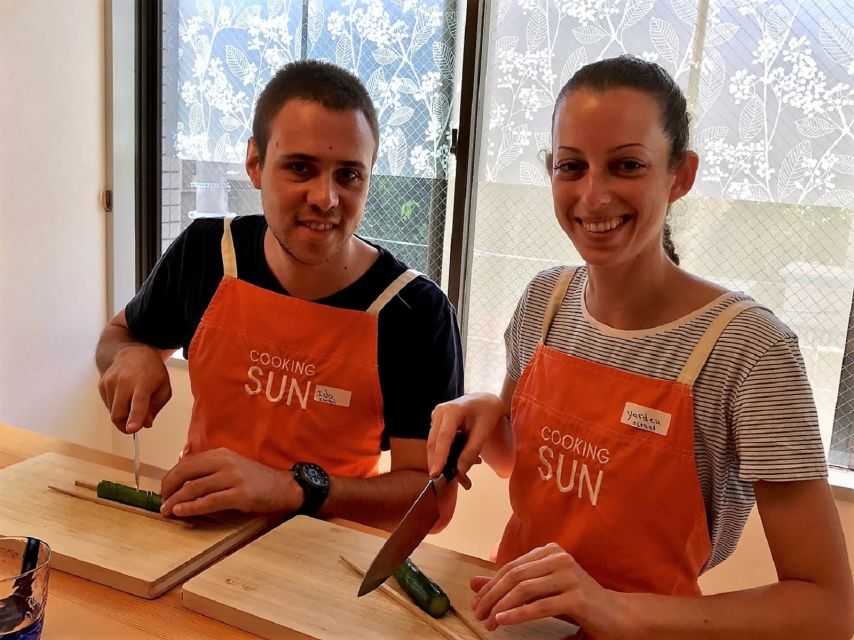
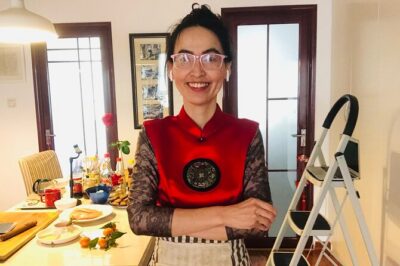
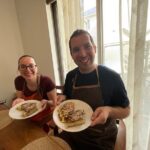
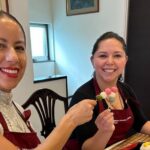
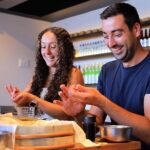
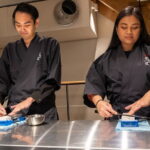
This isn’t a factory-kitchen class where you watch and then eat. You roll up your sleeves, cook alongside your instructor, and build a multi-course meal through the whole session. The atmosphere is clean and organized, and it stays friendly even when you’re learning basic techniques like cutting, simmering, and plating.
I especially like the pace. You get enough structure to feel confident, but you still do the work. Small-group size helps too; with a limited number of people, questions don’t get lost in the crowd.
You’ll also get that satisfying moment that makes cooking classes worth it: the meal lands hot, smells right, and you sit down to enjoy it as a finished course rather than a snack.
You can also read our reviews of more tours and experiences in Tokyo.

Finding the Beige Building in Shinjuku (And Why It Matters)
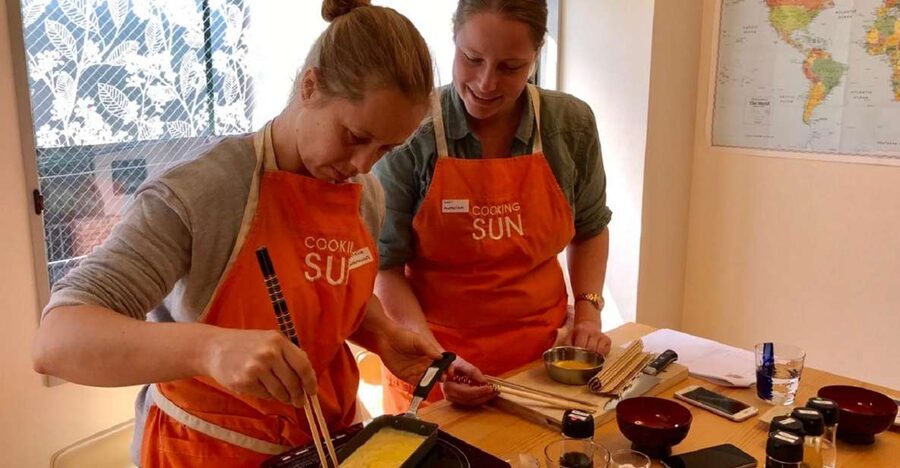
This class meets in a residential area, not a landmark location. The studio is on the 2nd floor of a beige apartment-style building. At the entrance, use the right-side door, then press 314 on the intercom if you need to call.
If you have Wi‑Fi, a fast move is using Google Maps and searching Cooking Sun Tokyo (Shinanomachi 18-39, Shinjuku-ku, Tokyo). If you do not, check the detailed directions in advance and give yourself extra time. The neighborhood is quiet, and you’re asked not to stop or wait in front of the building—use a nearby coin-operated parking lot if you arrive by car with a driver.
This sounds minor, but it affects your mood. Arriving calm makes the class better.
The Menu: Wagyu Suikiyaki Plus 7 Practical Japanese Dishes
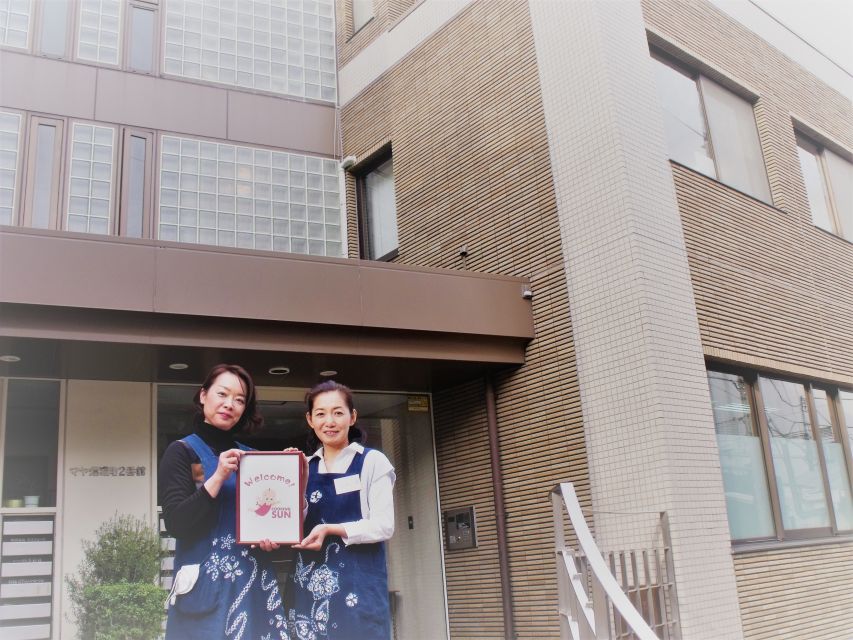
The class name is the clue: Wagyu is the star, and you’ll also make seven other Japanese dishes to build a full meal. Expect familiar comfort food forms, but with Japanese techniques behind them.
Here are examples of what you’ll be cooking in this class:
- a savory egg omelette you make yourself
- dashi from scratch for miso soup
- accordion-style cucumber salad and a sesame-based side like potato salad
- a hearty tofu dish stuffed with ground chicken, ginger, and edamame
- sukiyaki hotpot with Wagyu beef as the main highlight
- dorayaki as the Japanese-style sweet finish
Wagyu sukiyaki is the obvious draw. The other dishes matter because they teach you the repeating flavor logic of Japanese cooking: stock, seasoning balance, and how small cuts and simple sauces create big results.
Dashi and Miso Soup: The Flavor Engine You Can Recreate
If you learn one Japanese cooking skill here, make it dashi. You’re taught to make dashi from scratch for miso soup, which gives you the base that makes Japanese food taste like Japanese food.
I like this part because it’s both simple and transformative. Once you understand how the stock works, other dishes start to make more sense. The class also talks through ingredients and what to watch for so you don’t just follow steps—you build taste memory.
You’ll get practical instruction while you cook, not a lecture after. Then, when you sit down to eat, you can actually connect the flavors to the work you did in the kitchen.
Omelette, Cucumber Salad, and Sesame Potato Salad: Small Cuts, Big Difference
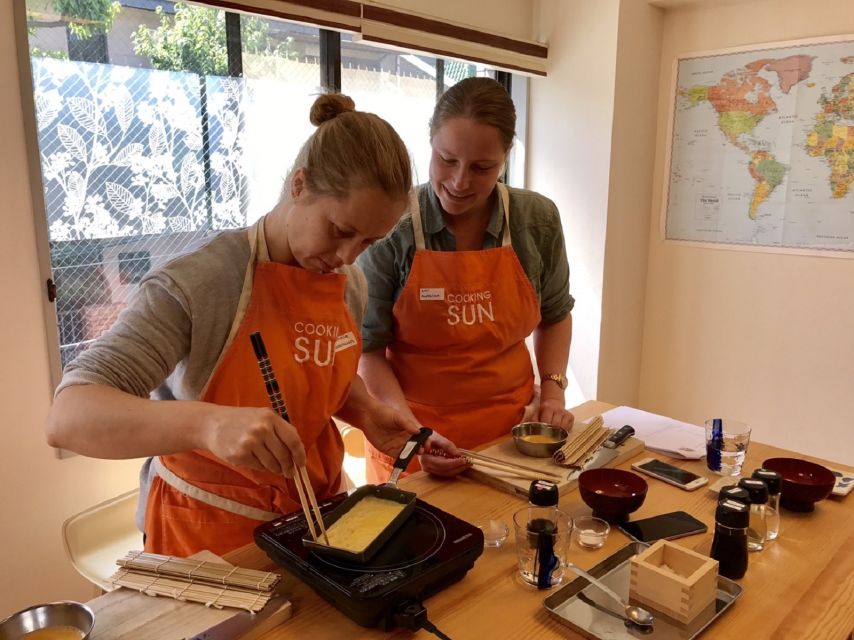
Japanese food often lives in the details. In this class, you get hands-on with a few tasks that seem small until you try them:
- making a rolled or shaped egg omelette
- cutting cucumbers into an accordion style for a pretty, crisp bite
- creating sides like sesame potato salad, where the sauce and texture carry the dish
These are the dishes that help you at home. They don’t require rare ingredients every time. Instead, they train you on technique: how to manage heat, how to mix without overworking, and how to balance seasoning.
If you’re a beginner, these steps help you build confidence fast. If you cook already, you’ll still pick up useful Japanese habits that many home cooks never practice.

Tofu, Ginger, and Edamame: Comfort That Feels Clean
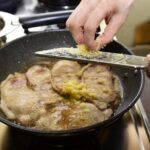
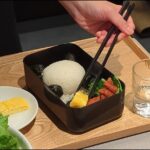
The tofu dish in this class is the kind of meal you’d want on a busy week. You’ll cook tofu stuffed with ground chicken, ginger, and edamame, a combination that brings comfort without heaviness.
This is one of the most teachable parts of the meal. You get practice with stuffing and seasoning, and you see how ginger adds lift while the filling stays savory. Edamame brings a sweet-green bite that keeps the dish from tasting flat.
Also, this is a good moment to ask questions. If you’re trying to cook in a way that fits your taste back home, instructors can guide you on substitutions and approach. They’re also upfront about dietary needs being possible to adjust.
Wagyu Beef in Suikiyaki: Tender, Juicy, and Not Just a Fancy Ingredient
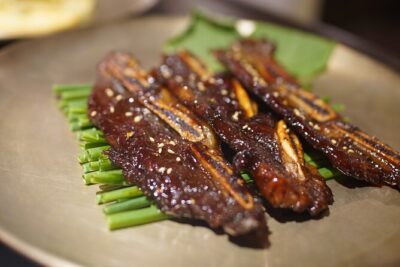
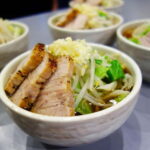
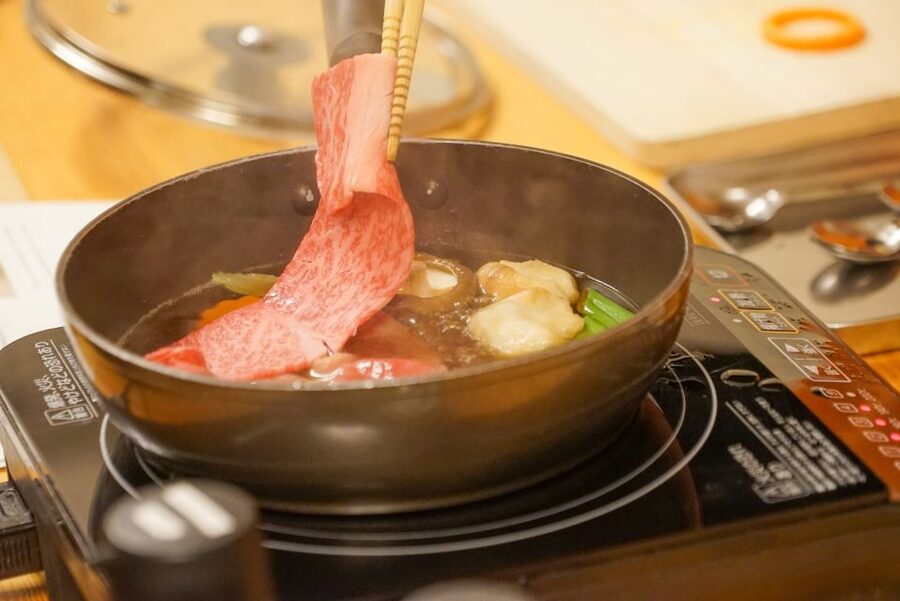
The Wagyu centerpiece is sukiyaki, a hotpot-style dish where you taste the impact of good beef and the power of the sauce. Expect a tender, juicy bite that many people find even better than what they’ve had at restaurants.
What makes this more than just a one-off luxury is that you learn how it all comes together. Hotpot cooking is about timing: don’t rush, don’t overcook, and keep the flavor moving. When you understand that rhythm, Wagyu stops being a mystery ingredient and becomes something you can plan around.
You’ll cook the dish and then eat it as part of the meal, so you get immediate feedback on what you did right.
Dorayaki Dessert: A Sweet Ending With Real Technique
Every great meal needs a finish, and here you end with dorayaki, the Japanese-style sweet made with pancakes and a filling. You’ll make the batter and create the pancakes yourself, so dessert becomes another skill set, not just a treat handed to you.
This part is valuable because it shows Japanese cooking’s practical side. Even when something tastes special, the process can be approachable. You also get a lesson in texture and timing, since pancake cooking is easy to mess up if the heat is off.
When the last course hits your plate, you’ll understand why this class is so popular as a memorable Tokyo day: you cook savory and sweet, then you eat both with pride.
Price and Value: What $67 Buys You in Tokyo Time
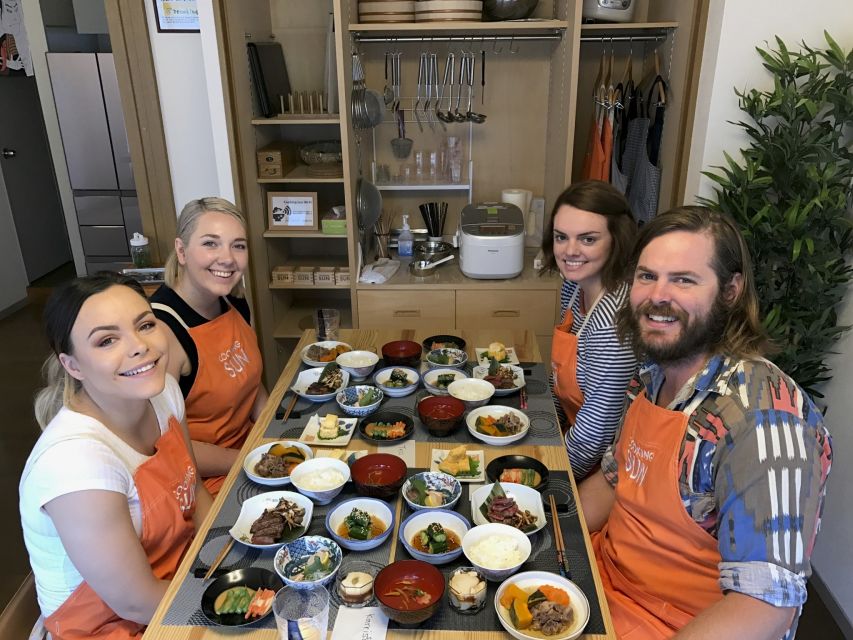
At $67 per person for about 3 hours, the value is in what’s included. You get recipes, all ingredients and utensils, plus a towel and apron rental and a welcome tea. That means you’re not paying extra to figure out where to buy specialty items or what tools you need.
You also get an English-speaking instructor and a small group capped at 8, which is a big deal in hands-on classes. The lesson isn’t passive. You’re actively cooking, asking questions, and learning techniques you can repeat.
One more value point: you’re eating what you make. In a city where dining adds up, turning your ticket into a full meal feels fair.
The one cost factor you should plan for is transportation. There’s no hotel pickup or transport included, so budget for getting yourself to the studio and back.
Practical Tips From Instructors (Including Names You Might Hear)
In past classes, instructors have included people like Aya, Kaori, Bifuka, and the Yuki/Yuko team. Regardless of who’s teaching your session, the teaching style stays consistent: clear step-by-step guidance plus cultural context so dishes feel less random.
A few themes that show up in the way the class teaches:
- explaining why ingredients matter, not just what to add
- offering substitutions when dietary restrictions come up
- giving home-cook tips so you can recreate dishes with normal shopping lists abroad
One useful note: they say they can substitute ingredients for allergies, gluten-free diets, religious dietary restrictions, vegetarian preferences, and more. If you avoid fish, some people have said this course worked well for them, but you should still inform the team so they can adjust appropriately.
Who This Tokyo Cooking Class Fits Best
This is a strong match if you want more than a meal. It works well for first-time Japan cooks who want the foundations: dashi, miso, hotpot logic, knife basics, and the sweet finish.
It also suits people who like interactive learning. If you’ve done cooking classes before and want hands-on technique and real explanation, the format still delivers because the group stays small and instruction stays close.
For families, it can be a nice activity too. One person attended with an 11-year-old and described it as structured and fun, with enough variety to keep everyone engaged.
Should You Book This Wagyu and 7 Dishes Class?
If your goal is to leave Tokyo with usable skills and a meal you helped create, I’d book it. The combination of Wagyu sukiyaki, homemade dashi, and a true end-to-end menu makes it feel like more than a one-dish experience. The format is beginner-friendly without being boring, and the small group helps you get real guidance.
The main reason to hesitate is logistics. You need to get yourself to a studio in a residential neighborhood and spend a little time finding the beige building and the right-side door. If that sort of thing stresses you out, plan extra time and use the directions.
FAQ
How long is the cooking class?
The class duration is 3 hours. The hands-on cooking portion is described as about 2.5 hours, followed by a sit-down meal of what you cooked.
Is hotel pickup or transportation included?
No. Hotel pickup and transportation are not included, so you’ll need to plan how to get to the meeting point yourself.
Where exactly do I meet the instructor?
The studio is in a residential area on the 2nd floor of a beige building. Use the right-side door at the entrance, and press 314 on the intercom. If you have Wi‑Fi, search Cooking Sun Tokyo on Google Maps.
What dishes will I cook?
You’ll cook a full-course style meal including Wagyu as the highlight (sukiyaki), plus examples like homemade dashi for miso soup, an egg omelette, cucumber salad, sesame potato salad, a tofu dish with ground chicken, ginger and edamame, and dorayaki for dessert.
Is the instruction offered in English?
Yes. The class instruction is listed as English.
Is this a small group?
Yes. It’s a small group with a limit of up to 8 participants.
Can the class accommodate dietary requirements?
They say they can substitute ingredients for dietary requirements, including food allergies, gluten-free diets, religious dietary restrictions, and vegetarian preferences. Let them know your needs when booking.
What’s included in the price?
The price includes recipes, all ingredients and utensils, towel and apron rental, and a welcome tea.