REVIEW · TOKYO
Ramen & Gyoza Cooking Class in Tokyo with Local Supermarket Visit
Book on Viator →Operated by YUCa's Japanese Cooking · Bookable on Viator
A steaming bowl and dumplings in Tokyo? That is the setup. You’ll learn ramen and gyoza in YUCa’s home-style kitchen, with a quick lesson on Japanese home cooking and lifestyle that makes the food feel personal, not just procedural. The small group setup keeps things friendly and hands-on enough to matter, and the result is a meal you can actually recreate.
What I like most: you get real technique for both ramen and gyoza, not just a watch-and-snack experience. And I especially like the upbeat teaching style of YUCa—she keeps the energy high while still explaining what you are doing and why. One thing to consider: the class can lean a bit toward guided steps rather than you doing every single task start-to-finish, and the supermarket stop is explicitly optional, so your experience may feel different depending on your time that day.
In This Review
- Key highlights to know before you go
- A Tokyo ramen and gyoza class in YUCa’s home kitchen
- Your schedule: lecture, ramen-and-gyoza cooking, then an optional supermarket walk
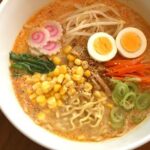
- Ramen like a home cook: building a noodle soup you can repeat
- Gyoza technique: minced pork dumplings and folding that feels doable
- The optional supermarket tour: shopping like you live here
- Group size, pacing, and how hands-on you will feel
- Vegetarian option and dietary requests: plan ahead
- Price and value: why $122.70 can make sense here
- Who this ramen-and-gyoza class suits best
- Should you book YUCa’s ramen and gyoza cooking class?
- FAQ
- How long is the ramen and gyoza cooking class?
- Where do I meet for the class?
- What time does the experience start?
- How many people are in the group?
- What dishes will I learn to make?
- Is there a vegetarian option?
- Is the local supermarket tour included?
- Do I need to bring anything?
- What is the price?
- Can I cancel and get a refund?
- Do I get a ticket for the experience?
Key highlights to know before you go
- Up to 7 people: small-group feel in a real home kitchen, so it does not turn into a factory line.
- Ramen + gyoza, hands-on: you will make both, then sit down to eat what you cooked.
- Short lifestyle lecture (15 minutes): quick context for Japanese home cooking and pantry habits.
- Optional local supermarket tour (12:30–13:00): great if you want to shop like a resident, not just a visitor.
- Vegetarian option available: request it when you book.
- Strong track record: 5/5 rating with 823 reviews and 100% recommended.
A Tokyo ramen and gyoza class in YUCa’s home kitchen
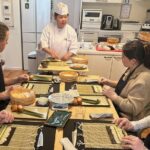
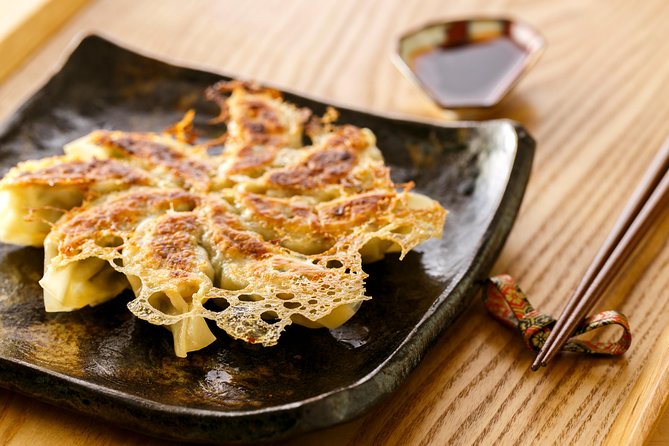
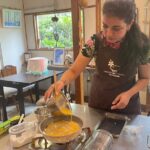
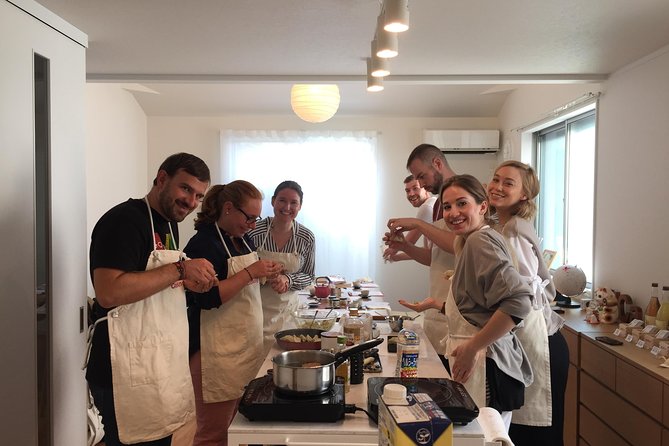
Tokyo cooking classes often fall into two buckets: “show cooking” where you barely touch anything, or “chaos cooking” where you are doing everything but learning less. This one sits in a very workable middle. You meet at YUCa’s Japanese Cooking in Arakawa City, then move into her kitchen setup where the focus stays on making a proper ramen-and-gyoza meal, together.
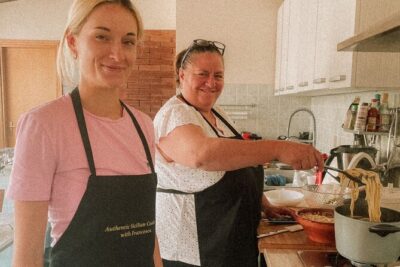
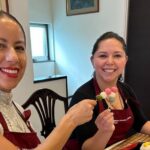
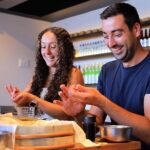
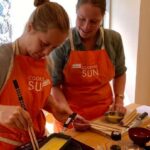
The vibe matters here. Reviews repeatedly describe YUCa as warm, welcoming, and energetic, and that shows in how the class flows: you get explanations, plenty of interaction, and a chance to meet other people in the group. Because the max is only 7 travelers, you are not lost in the background. You can ask questions without shouting over a crowd, which is rare in Tokyo tours.
Also, this is not in the “cartoon Tokyo” core. It is in a neighborhood setting, which you feel in two ways: the kitchen feels normal (in a good way), and the food ingredients feel like they belong to daily life. That is why this kind of class can be a highlight, even if you have already eaten excellent ramen in a restaurant.
You can also read our reviews of more tours and experiences in Tokyo.

Your schedule: lecture, ramen-and-gyoza cooking, then an optional supermarket walk
The timing is straightforward, and the structure keeps you from feeling rushed or bored.
- 10:00 meeting at YUCa’s Japanese Cooking (YUCa’s Japanese Cooking, 2-chōme-34-8 Nishiogu, Arakawa City).
- 10:15–10:30 short lecture on Japanese home cooking and lifestyle.
- 10:30–12:30 cooking and tasting.
- 12:30–13:00 local supermarket tour (optional).
In practice, that 15-minute lecture is a good speed-run. Instead of a long theory session, you get just enough context to understand how Japanese home cooks think about ingredients, routine, and how meals come together. Then you shift into action.
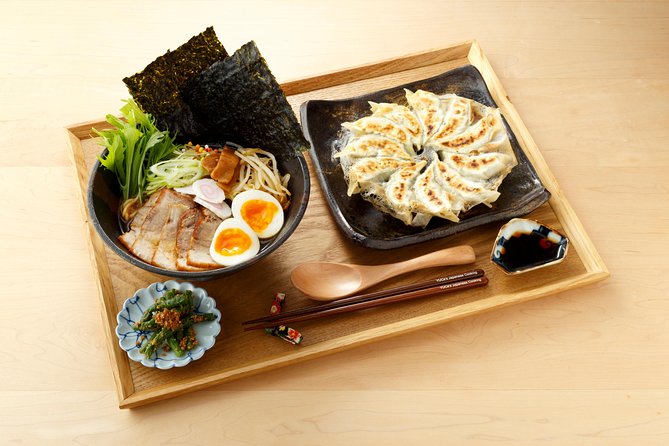
The main cooking block is where most of your value lives. Expect to work with the dough and filling for gyoza and to prepare elements for ramen so you can assemble and taste your own bowl. You also get time to eat in the end, not just stand around.
One caution: the supermarket tour is labeled optional. If supermarket shopping is a big reason you booked, plan to align your schedule so you can attend. And on the day, be ready for the reality that optional add-ons can be the first thing cut when plans need to flex.
Ramen like a home cook: building a noodle soup you can repeat
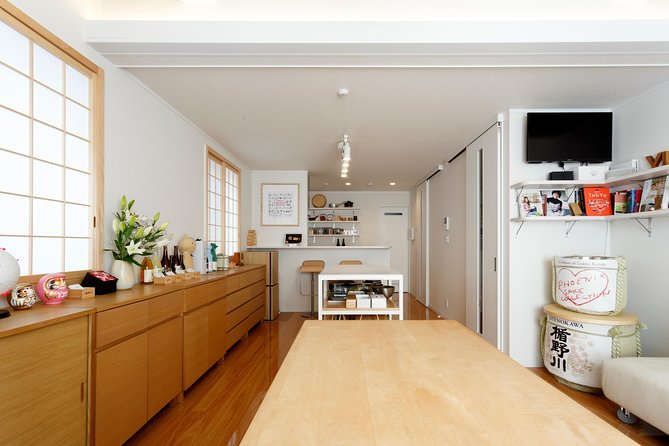
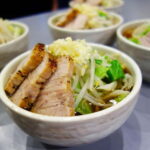
Ramen is one of those foods that looks simple until you try to make it. The class approach is smart: you learn the ramen recipe through steps you can follow later at home, then you taste what you made. That last part matters more than people think. When you taste your own version right after cooking, you start noticing the subtle differences you can control next time.
The course focuses on the idea of a “perfect noodle soup,” and you work with different vegetables and meat as part of the learning experience. You are not just learning one flavor profile; you are learning how to adapt based on ingredients. That is the kind of takeaway you can use in your own kitchen, because supermarket shelves back home rarely match Japan’s exactly.
A nice bonus from the teaching style is that YUCa explains not only the steps but also the cultural context behind home cooking. In a country where cooking methods and pantry choices are often second nature, that small dose of lifestyle guidance helps you understand why ramen in Japan is built the way it is.
What you should expect: you will likely do a mix of hands-on tasks and guided steps. Some people report wanting even more hands-on chopping and mixing, and that is a fair expectation check. But the overall goal remains the same—by the time you sit down to taste, you are confident you can reproduce the process.
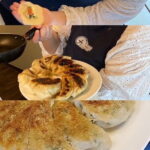
Gyoza technique: minced pork dumplings and folding that feels doable
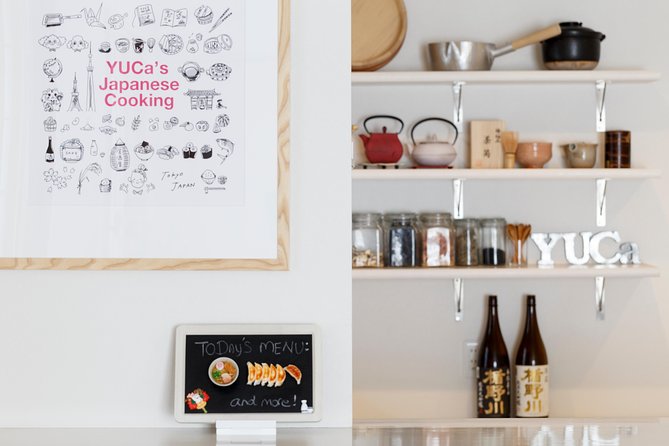
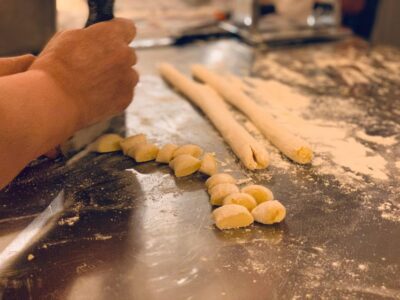
If ramen is about timing and balance, gyoza is about feel. The class centers on minced pork dumplings, and you work through preparation so you can make dumplings rather than just assembling pre-made items.
The biggest win is that you leave with muscle memory. Even if you are not a “dumpling person” before the class, the structure helps you build confidence: ingredients come together, you shape and form, and you end with a plate that proves the method works. Reviews also mention that the class is engaging and interactive, with YUCa making sure people participate, including families and kids.
One review mentioned that while waiting for ramen ingredients to cook, the group made gyoza by hand and that was a lot of fun for children. That tells you the dumpling portion is not purely passive. You have real tasks to do, and that keeps the morning from feeling like a lecture.
Are you going to fold gyoza perfectly on your first try at home? Probably not. But the class is designed to get you close enough that you can adjust. If you like the idea of cooking a meal from scratch, gyoza is one of the best training wheels you can get, because the skills are practical and the payoff is immediate.
The optional supermarket tour: shopping like you live here
Not every Tokyo cooking class includes a supermarket walk. This one gives you the option to join a local supermarket tour from 12:30 to 13:00.
Why that matters: Japanese cooking often hinges on small ingredient differences—noodles, sauces, seasonings, and vegetables you might never buy back home. A supermarket tour can teach you how to recognize products quickly and how to understand what is essential versus what is flexible.
When it runs, this stop is also one of the best ways to see Tokyo beyond the big sights. The supermarket is outside the most tourist-heavy areas, which keeps it grounded and lets you ask YUCa questions about what you are seeing. People who joined the tour described it as informative and fun, with a chance to ask about strange items you might wonder about.
Since it is optional, I’d treat it like a value add. If you love cooking and you want to bring Japanese ingredients back (or at least understand what to look for), choose it. If you would rather go straight back to sightseeing or rest, you can skip without feeling like you missed the “real class.”

Group size, pacing, and how hands-on you will feel
This experience caps at 7 travelers, and that small number is a big deal. In a class with 15 or 20 people, your attention gets chopped up fast. Here, it is easier for YUCa to check in, answer questions, and keep everyone involved.
The class also appears to mix teaching styles. Many guests loved the interactive atmosphere and felt involved, while at least one person said they wanted more cooking time rather than a few “add and pour” moments. That is useful information for you: if you are hoping for fully independent cooking where you control every step, you might want to mentally prepare for some guided demonstration.
Still, most people emphasize that the steps are easy to follow and the atmosphere is friendly. YUCa is described as patient and generous, and the class is organized and intimate. That combination usually means you do not get left behind.
Another small practical note: the location is near public transportation. If you are staying in central Tokyo, taxis or ride-hailing can also make the trip easier, especially when you do not want to transfer multiple times.
Vegetarian option and dietary requests: plan ahead
The class supports dietary needs, including a vegetarian option if you request it at booking. If your diet is specific—avoid certain ingredients, allergies, or preference categories—send that info during booking so YUCa can plan the recipe adjustments.
This is the kind of tour where your message ahead of time can make or break the experience. Cooking at home-style pace means substitutions need preparation, not last-minute guessing.
If you are flexible and just want a vegetarian version, you should be in good shape. If you have multiple restrictions, be extra clear when you book.
Price and value: why $122.70 can make sense here
At $122.70 per person, this is not a cheap “activity add-on.” But when you look at what you get, it can be good value.
You are paying for:
- a small-group class (max 7)
- instruction from YUCa in a real home kitchen
- hands-on ramen and gyoza prep
- tasting and eating what you make
- an optional local supermarket tour window
- a vegetarian option available by request
- a format with a high satisfaction rate (5/5 rating; 823 reviews; 100% recommended)
In big-city terms, paying for a guided cooking class is often less about the food cost and more about the lesson, the structure, and the ability to replicate the results later. Here, the payoff is practical: once you know how the dishes come together, you can cook them at home without relying on takeout.
Would you find a cheaper cooking class? Maybe. But if you want something that feels personal and not rushed, the group size and host energy are part of the price.
Who this ramen-and-gyoza class suits best
This class fits a lot of travel styles.
You should book it if you:
- love ramen and want to understand what makes it work beyond restaurant magic
- want a hands-on cooking skill you can repeat at home
- like small-group experiences where you can chat and ask questions
- are traveling with family members, including kids, because the class format is described as fun for all ages
It might not be your perfect pick if you:
- want a fully hands-on “every hand does every step” cooking marathon
- book specifically for the optional supermarket tour and cannot be flexible if it is skipped or changed on the day
A good middle-ground mindset helps. Think of it as a guided morning that teaches technique and leaves you fed, not a solo cooking retreat.
Should you book YUCa’s ramen and gyoza cooking class?
Yes—if your goal is to learn ramen and gyoza from someone who can explain both the steps and the kitchen culture in a friendly, organized way. The small group size, the chance to eat what you cook, and the high rating make it a strong bet.
My practical advice: if you care about the ingredient-shopping side, plan your day so you can attend the optional supermarket tour window. And if you prefer very hands-on work, go in with realistic expectations that you will do plenty, but you may also experience guided moments.
If ramen and dumplings are your kind of Tokyo, this is one of the more memorable ways to spend a morning.
FAQ
How long is the ramen and gyoza cooking class?
The class lasts about 2 hours 30 minutes, with the main cooking and tasting time from 10:30 to 12:30 and an optional supermarket tour from 12:30 to 13:00.
Where do I meet for the class?
You meet at YUCa’s Japanese Cooking, 2-chōme-34-8 Nishiogu, Arakawa City, Tokyo 116-0011, Japan.
What time does the experience start?
Start time is 10:00 am, with a lecture beginning at 10:15.
How many people are in the group?
The class has a maximum of 7 travelers.
What dishes will I learn to make?
You will learn to prepare ramen and gyoza, including making minced pork dumplings and making ramen noodle soup.
Is there a vegetarian option?
Yes. A vegetarian option is available, and you need to advise the host at time of booking.
Is the local supermarket tour included?
The supermarket tour is listed as optional, scheduled from 12:30 to 13:00.
Do I need to bring anything?
The information provided does not specify items you need to bring, so check your booking details for any guidance from the provider.
What is the price?
The price is $122.70 per person.
Can I cancel and get a refund?
Yes. Free cancellation is available up to 24 hours in advance for a full refund.
Do I get a ticket for the experience?
Yes. The experience includes a mobile ticket.