REVIEW · CORFU
Corfu: Greek Cooking Class & Olive Oil Tasting
Book on GetYourGuide →Operated by Corfu Outdoor & Leisure Activities · Bookable on GetYourGuide
A real day of Corfiot food starts at the port. This small-group experience, hosted by Yorgos (George) and his family, strings together market shopping, a wood-oven Greek cooking class, and an olive-oil moment you won’t forget.
What I like most is the chance to learn by doing, not just watching—plus tasting the kind of flavors you only get when the ingredients are chosen on the spot. The other big win is the olive grove and the visit to the old olive press, which turns olive oil from a product into something with context.
One possible drawback: it’s not a pure cooking-only session. You also spend time on Corfu Town walks and photo stops before you reach the countryside, so if you want minimal sightseeing, you may need to mentally plan for a slower pace.
In This Review
- Key highlights worth planning for
- Starting at the old harbor: the Corfu Town warm-up that actually matters
- Corfu Central Market shopping: how your lunch starts
- Cooking class at a country home: wood-oven Greek recipes, not tourist shortcuts
- Olive grove walk and the ruins of a 200-year-old olive press
- Olive oil tasting: learning what liquid yellow gold really means
- The 5-course meal with local wine or beer: the best kind of ending
- Value check: is $107 worth it for 5 hours in Corfu?
- Who this experience is best for (and who should skip it)
- A few smart ways to get the most from the day
- Should you book this Corfu cooking class and olive oil tasting?
- FAQ
- How long is the Corfu cooking class and olive oil tasting?
- What is the group size?
- Where does the experience start and end?
- Is hotel pickup included?
- Do I have to cook hands-on?
- What is included in the price?
- What is the menu for the lunch?
- Is transportation from the shopping area to the cooking home included?
- Are dietary restrictions accommodated?
- What languages are used during the experience?
Key highlights worth planning for
- Corfu Town market walk with Yorgos as your food guide, then shopping for your own meal ingredients
- Hands-on Greek cooking options at a country home with a chef and wood oven
- Olive grove walk and 200-year-old olive press ruins, paired with an olive oil tasting
- A real family-style 5-course meal with local wine or beer included
- Small group size (max 8), which makes it feel personal instead of rushed
Starting at the old harbor: the Corfu Town warm-up that actually matters
Your day begins back where it’s easy to orient yourself: outside the Konstantinoupolis hotel at the old harbor in Corfu Town. From there, you’re guided through a set of short walks and stops that are more than background scenery—they help you understand what you’re about to cook and eat.
First comes Konstantinoupolis, with a walk that helps you get bearings quickly. Then you’ll head to the New Venetian Fortress for a photo stop and a look around. It’s quick, but it gives you that sense of place that makes later countryside views feel connected instead of random.
Next, the focus turns to food and neighborhoods: you’ll visit the Corfu Central Market. The value here is that you’re not just browsing; you’re shopping with your host and building the meal from what’s actually available. You’ll smell the working market—fish, vegetables, fruit, herbs—then make choices that show you how locals think about freshness.
A stop at the Jewish Synagogue of Corfu adds a different kind of texture. You get time for sightseeing and shopping in that area, which helps explain why Corfu’s food culture isn’t one-note. Even if you’re not a history buff, it makes the day feel layered.
By the time you reach Old Port Square, you’ve basically done two things at once: you’ve learned the layout of Corfu Town on foot, and you’ve built your appetite the right way—through people, stalls, and ingredients.
You can also read our reviews of more tours and experiences in Corfu.
Corfu Central Market shopping: how your lunch starts
This is where the day earns its keep. The market segment isn’t a checkbox—it’s the foundation for your meal.
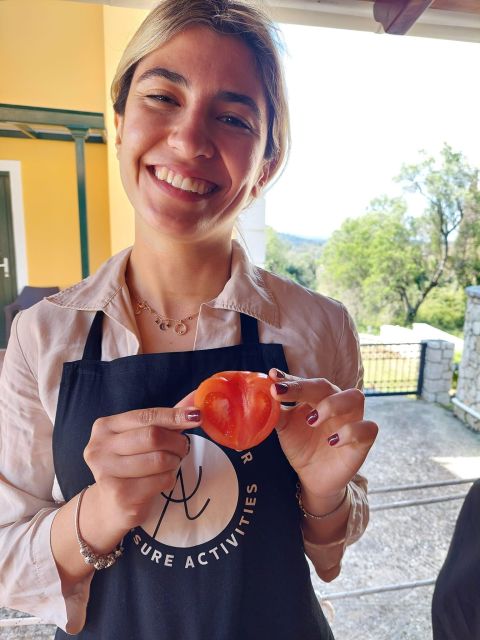
You’ll stroll through narrow alleys in the Corfu Town open market with your local food expert. The plan is to buy organic products harvested from the Corfiot fields only hours before. That detail matters because it changes the flavor of everything that comes after, especially things like salad vegetables, herbs, and fruit.
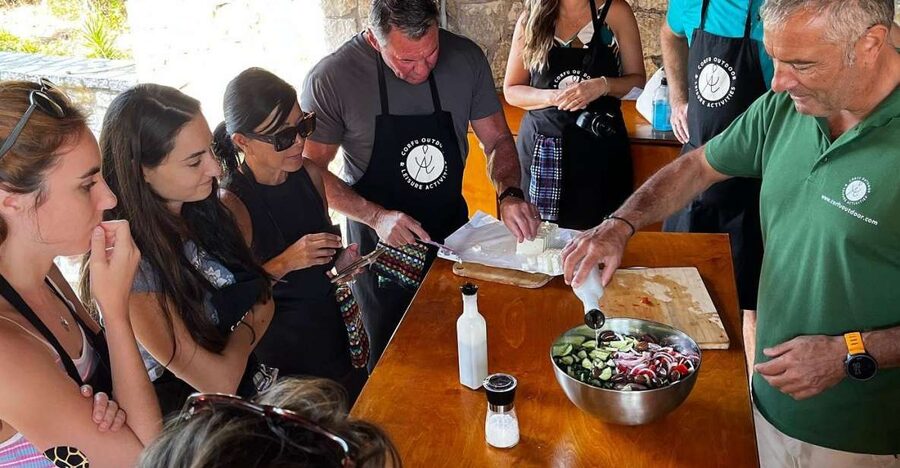
You’ll also stop by a local deli shop and try authentic feta cheese. This is a smart move. Cheese tasting in context helps you understand what you’re cooking with, rather than pretending feta is just feta.
Then comes the practical part: once you have the supplies, you move on toward the cooking home in the countryside. Some options include hotel pickup and/or transfer by minivan, but you should know one thing clearly: transportation from the shopping area to the cooking home is not included by default. It can be arranged, and the day offers choices (including driving yourself depending on the option you select). If you dislike logistics, choose pickup early rather than trying to wing it.
Cooking class at a country home: wood-oven Greek recipes, not tourist shortcuts
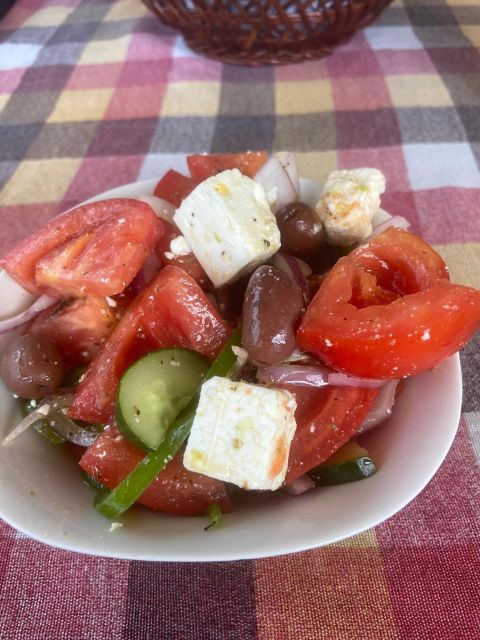
Once you’re out of town, the pace shifts. You’re heading to a country home where cooking happens the way Greek households often do it: with time, attention, and a wood oven.
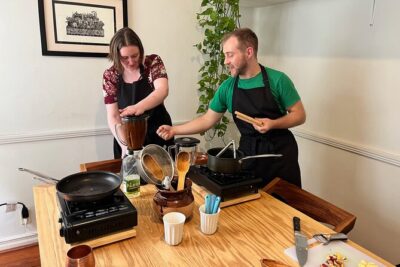
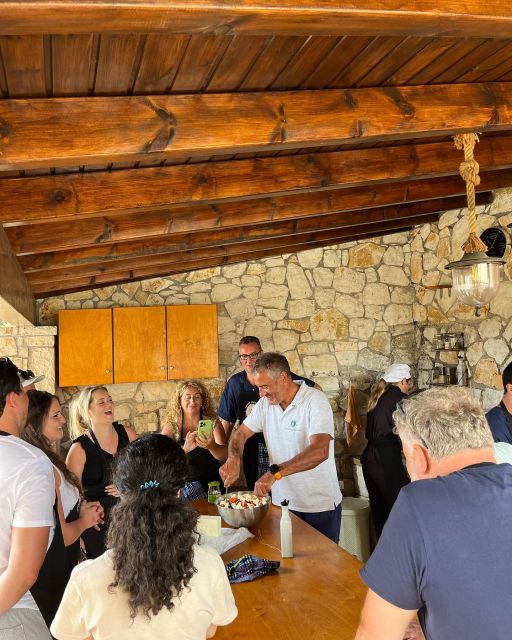
One of the best parts is that you can choose how involved you want to be. The class offers a hands-on option or a more relaxed “watch and learn” style. Either way, you’re still part of the flow—ingredients are explained, techniques are shown, and you’ll be guided toward the final dishes that make up the lunch.
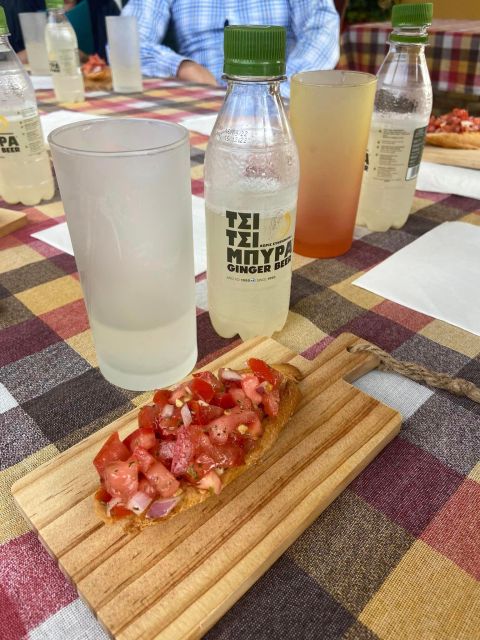
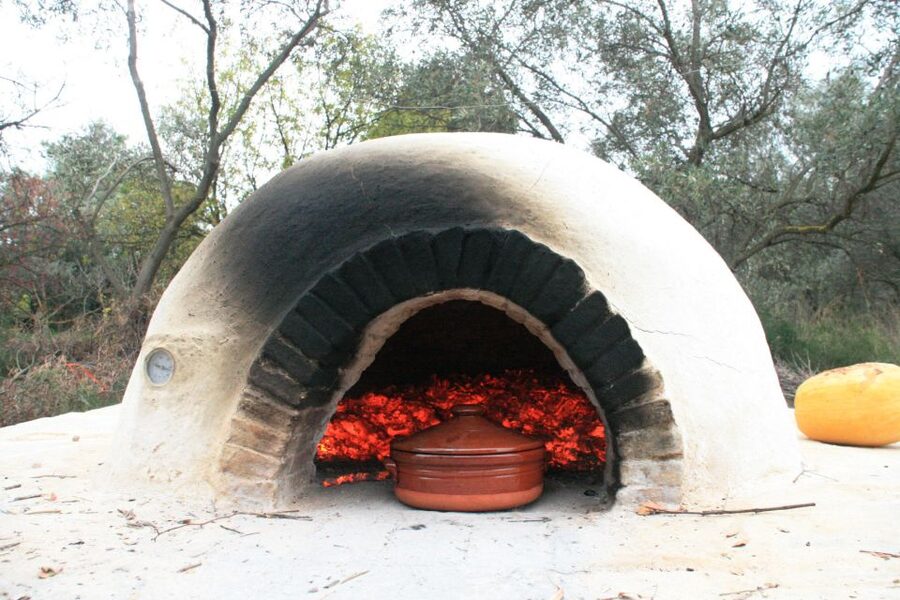
Before the main cooking begins, you get a welcome treat: Corfiot ginger beer plus freshly baked focaccia bread with tomato, garlic, and olive oil. It’s a small moment, but it sets the flavor theme—sweet, savory, herby, and citrus-bright.
The cooking menu unfolds like a proper Greek meal, not just a few recipes thrown together:
- Greek salad with fresh, organic vegetables, feta, and olives
- Tzatziki made from yogurt, garlic, and cucumber
- Homemade cheese pie with phyllo, feta, olive oil, and herbs
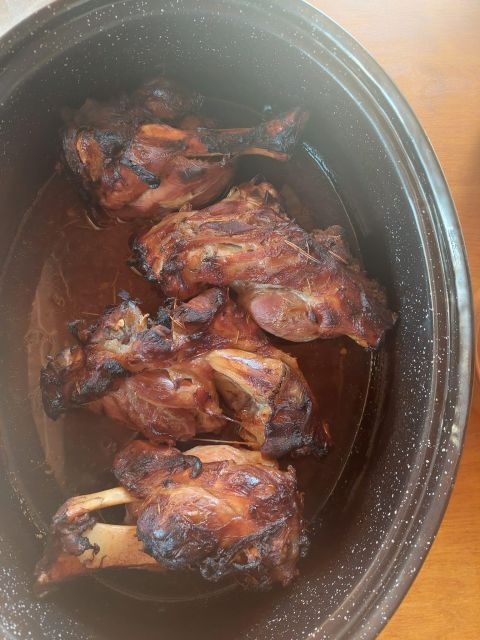
- A main course: pork knuckle marinated in Corfiot beer, honey, mustard, lemon juice, and rosemary, slowly cooked in the wood fire oven and served with potatoes in aromatic herb broth, drizzled with virgin olive oil, lemon juice, and parsley
- A dessert of sliced peaches or apples (depending on season) with crashed walnuts, honey and wine syrup, baked in the oven, served with Greek yogurt
- Drinks: Corfiot bottled wine or beer, plus soft drinks and water
The pork knuckle detail is a big clue about what you’ll learn. Slow cooking in a wood oven isn’t just cooking—it’s planning. You’ll see how marinades, time, and heat work together, and you’ll understand why the dish tastes deep rather than heavy.
Olive grove walk and the ruins of a 200-year-old olive press
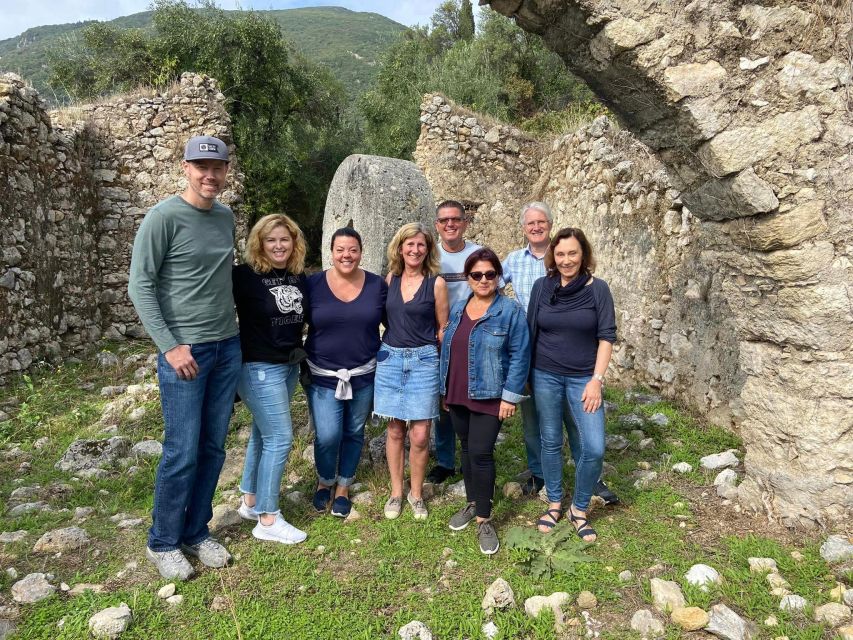
After (or just before) lunch builds in your schedule, you get two related experiences that most cooking classes skip: you walk through an olive grove and you see the ruins of a family olive press that are around 200 years old.
This is not a museum lecture. It’s a physical, outdoors stop where olive trees and old stonework do the explaining. Even if you’re short on time in Corfu Town, I’d treat this as the emotional core of the day. Olive oil tasting is often a neat extra. Here, it feels earned because you see the ground the olives came from and the tools that processed them long ago.
The olive press ruins also help you understand why olive oil culture in the Mediterranean sticks. It’s not a flavor trend. It’s a family craft with generations of repetition behind it.
Olive oil tasting: learning what liquid yellow gold really means
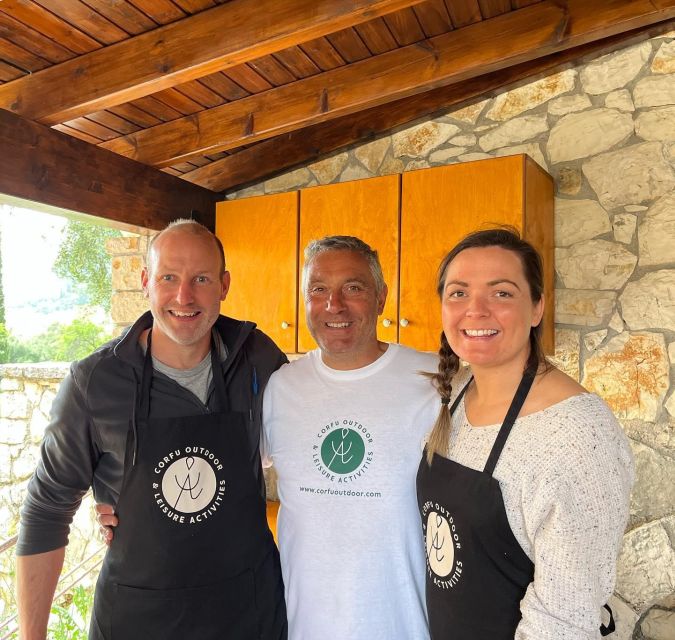
Then comes the part that makes people remember this experience long after the recipes are saved to your phone: the olive oil tasting.
You’ll learn what makes olive oil quality stand out, and you’ll get guidance on what you’re tasting—why some oils taste more peppery, why others feel softer, and how to think about the difference between using oil and experiencing it.
The phrase used for olive oil here—liquid yellow gold—isn’t just marketing. The day’s structure backs it up: the grove walk sets the stage, the olive press ruins give history in stone and mortar, and the tasting gives you the sensory language to recognize quality.
Practical tip: take a moment during the tasting to slow down and taste without multitasking. This isn’t the time for scrolling. You’ll get more out of it when you focus.
The 5-course meal with local wine or beer: the best kind of ending
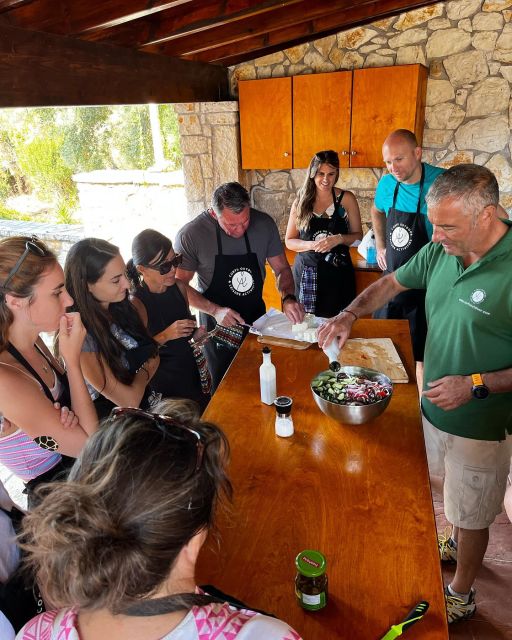
When the cooking work wraps up, you eat what you made. This is a meal with momentum: you’re not being shuttled out after the class. You sit together and enjoy the full set of dishes, with local wine or beer included, plus water and soft drinks.
The menu is built so each course makes sense after the last:
- Bright and cooling (salad and tzatziki)
- Comfort and savory depth (cheese pie)
- Long-cooked main with citrus-herb lift (pork knuckle with potatoes and olive oil drizzle)
- Sweet finish (baked fruit with walnuts, honey, syrup, and yogurt)
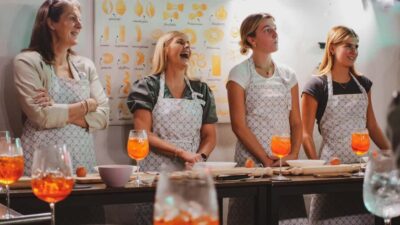
What I appreciate is that it feels like a family table rather than a performance. Everyone participates in the food-making, then everyone shares the meal. If you enjoy the social side of cooking classes—asking questions, comparing preferences, learning how people eat at home—this format clicks.
The small group size (max 8) helps a lot here. You get enough time to talk without feeling like you’re waiting for the next instruction.
Value check: is $107 worth it for 5 hours in Corfu?
For $107 per person and about 5 hours, you’re paying for more than recipes. You’re paying for a full arc: market shopping, a chef-led cooking class, an olive oil tasting, a grove walk, and a look at old olive press ruins—plus a 5-course meal with wine or beer.
Here’s how that value breaks down in plain terms:
- Market shopping with an expert host saves you the time and guesswork of figuring out what to buy for a Greek menu
- The wood-oven cooking experience is the kind of “how it’s actually done” that you can’t easily recreate from a recipe alone
- Olive press ruins plus tasting adds a distinct element beyond typical cooking classes
- The meal is included and actually substantial, not just a light snack
It’s not the cheapest cooking activity on the island, but it’s also not trying to be a factory. The small group is a key part of the price justification.
The one caution: transportation details matter. If you’re not doing hotel pickup, the transfer from the shopping area to the cooking home isn’t included by default, even though you may be able to arrange it. Before you book, decide whether you want to handle driving on your own or prefer the option that includes pickup.
Who this experience is best for (and who should skip it)
This is a great fit if you:
- Want a real Corfiot food day instead of a short “tasting only” stop
- Like hands-on cooking and learning by doing
- Care about olive oil culture and want to see the grove and press, not just taste a sample
- Prefer small groups and a warm family atmosphere
You might want to choose something else if you:
- Only want cooking with zero town walking, since the day includes market time and multiple stops around Corfu Town
- Get stressed by transfers and want everything handled for you, in which case hotel pickup options will matter a lot
A few smart ways to get the most from the day
- Wear comfortable shoes for Corfu Town walks and the olive grove area. You’ll be on your feet.
- Bring your appetite. The course order is generous, and you’re tasting as you go.
- If you have dietary restrictions, tell the team ahead of time. The day asks you to inform them in case of dietary restrictions.
- If you’re not comfortable cooking, pick the watch option. You still get the meal and the learning.
Should you book this Corfu cooking class and olive oil tasting?
If you want the kind of Corfu experience that goes beyond eating well and includes why the food tastes that way, I think it’s an easy yes. The combo is unusually complete: market-to-villa cooking, a full 5-course lunch, and olive grove + olive press + olive oil tasting all in one 5-hour block.
Book it especially if you like small groups and you’re curious about how Greek families cook, shop, and share meals. Just be honest with yourself about one thing: you’re signing up for a full morning/afternoon day, not a quick kitchen session. If that sounds like your kind of travel, this is one of the best ways to spend time in Corfu.
FAQ
How long is the Corfu cooking class and olive oil tasting?
It lasts about 5 hours.
What is the group size?
The group is limited to 8 participants.
Where does the experience start and end?
It starts outside the Konstantinoupolis hotel at the old harbor in Corfu Town, and it ends back at the same meeting point.
Is hotel pickup included?
Pickup is optional. You can choose pickup and drop-off for hotels in areas including Dassia, Gouvia, Ypsos, Kontokali, Barbati, Nissaki, Alepou, Corfu Town, Paleokastritsa, and Liapades.
Do I have to cook hands-on?
No. You can choose to participate hands-on or to watch the cooking preparation.
What is included in the price?
Included are the shopping experience, olive oil tasting, a walk through an olive grove, ruins of a family olive press, ingredients and equipment for the class, the chef and cooking class, and a 5-course meal with local wine or beer. A local host is included too.
What is the menu for the lunch?
It includes a welcome treat, Greek salad, tzatziki, homemade cheese pie, pork knuckle with potatoes, and a fruit dessert (peaches or apples depending on season), plus local bottled wine or beer, soft drinks, and water.
Is transportation from the shopping area to the cooking home included?
No. Transportation from the shopping area to the home for the cooking classes is not included, but it can be arranged.
Are dietary restrictions accommodated?
You’re asked to inform the team if you have dietary restrictions.
What languages are used during the experience?
The live tour guide offers English and Greek.