REVIEW · PARIS
Paris: Full-Day Cooking Class with 3-Course Lunch
Book on GetYourGuide →Operated by Le Foodist · Bookable on GetYourGuide
Paris smells like butter and wine. This full-day cooking class in the Latin Quarter turns a simple 5-hour block into a hands-on lesson in classic French technique, ending with a shared 3-course meal.
I especially like how the day starts with a real market plan, then turns those fresh ingredients into your menu. You’ll also leave with hard copy and electronic recipes in English, plus a convivial French teacher who can spin food stories going back about 2,500 years.
One consideration: at $222 per person, you’re paying for food, wine, instruction, and a professional kitchen setup—so if you’re a very seasoned home cook, you may find parts of the technique review feel a bit basic.
In This Review
- Key takeaways before you book
- Why this Latin Quarter class feels like more than a cooking demo
- From Le Foodist to the market: where your menu starts at 10:30
- Classic French techniques you’ll actually use again at home
- Cooking with wine: why the pace stays friendly
- The 3-course lunch: wine, cheese, and stories with real cultural weight
- Group size, station work, and how much time you spend cooking
- Value check: $222 for 5 hours, recipes, wine, and a real kitchen
- Skill level and dietary needs: who benefits most
- What to do before you go (so the day runs smoothly)
- Should you book this cooking class?
- FAQ
- Where do I meet for the cooking class?
- How long is the experience?
- What’s included in the price?
- Is there wine during the class and with lunch?
- How big is the group?
- Are children allowed?
- Can the chef accommodate dietary restrictions?
- What language are the recipes and the host communication in?
- What if I need to cancel close to the date?
Key takeaways before you book
- Market-to-menu flow: you build the appetizer, main, and dessert based on what’s available that day
- Small group focus: typically 3 to 7 people, with some sessions described as larger (around 10)
- Technique count, not just recipes: you’ll learn about 6 to 8 different cooking techniques
- Wine and cheese at lunch: paired red and white wines plus generous cheese as part of the meal
- English-friendly instruction: the host guides in English and tells culinary stories while you cook
- You eat what you make: lunch usually lands around 15:00, and you’re not hurried out
Why this Latin Quarter class feels like more than a cooking demo
If you’ve ever wondered why French food tastes so good even when ingredients seem simple, this class gives you the how. It’s not about memorizing fancy names. It’s about learning the step-by-step reasoning behind classic results.
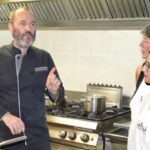
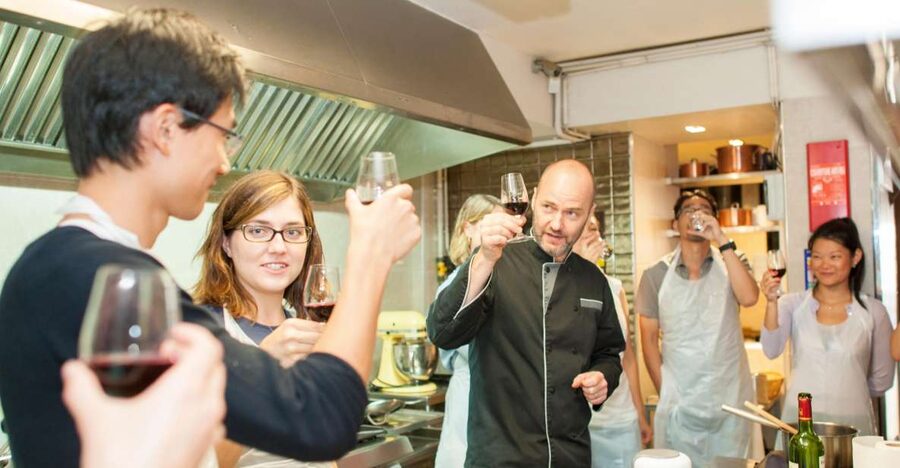
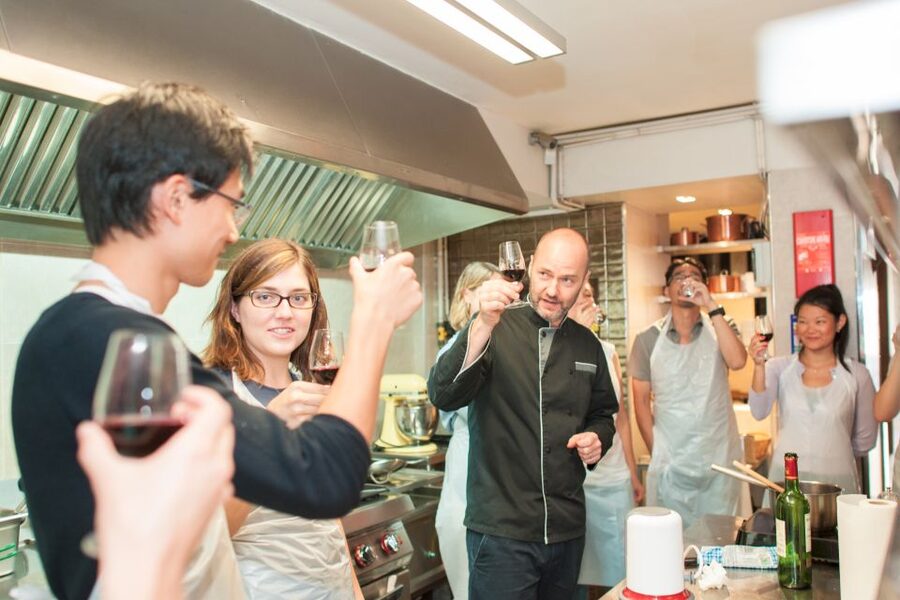
I like that the setting is built for hands-on cooking, not watching from the sidelines. The experience is also naturally social because you cook, taste, and sit together at the end. And if you end up with an instructor such as Luc or Paulo, you’re likely to get both teaching and personality—serious skills delivered with humor.
The best part for me is the combination of structure and flexibility. You start planning around what the market brings, then you work through a menu using well-known French methods. That mix makes the class feel grounded in real life, not a scripted performance.
You can also read our reviews of more tours and experiences in Paris.


From Le Foodist to the market: where your menu starts at 10:30
You’ll meet at Le Foodist, 59 rue Cardinal Lemoine, 75005 Paris, in the Latin Quarter. The welcome is scheduled for 10:30 after your hosts head out and return with fresh produce, so you begin with ingredients that already look and smell like Paris.
Here’s the practical magic: instead of handing you a rigid shopping list, the day’s menu is built from what’s available. You then start creating an appetizer, a main course, and a dessert from those ingredients. That’s a great way to learn how to plan meals in a way that still works after you go home and shop locally.
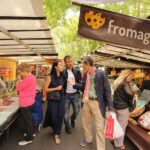
If your session includes time near the area’s classic street-market vibe—one reviewer highlighted the proximity to Rue Mouffetard—you’ll likely feel like the neighborhood is part of the class. You’re in a part of Paris where you can easily keep the day going after lunch with a stroll and a casual bite.
One small downside: you’ll want to be present and ready. Since the menu depends on market conditions, you can’t expect every ingredient to match a specific recipe fantasy you might have going in.
Classic French techniques you’ll actually use again at home
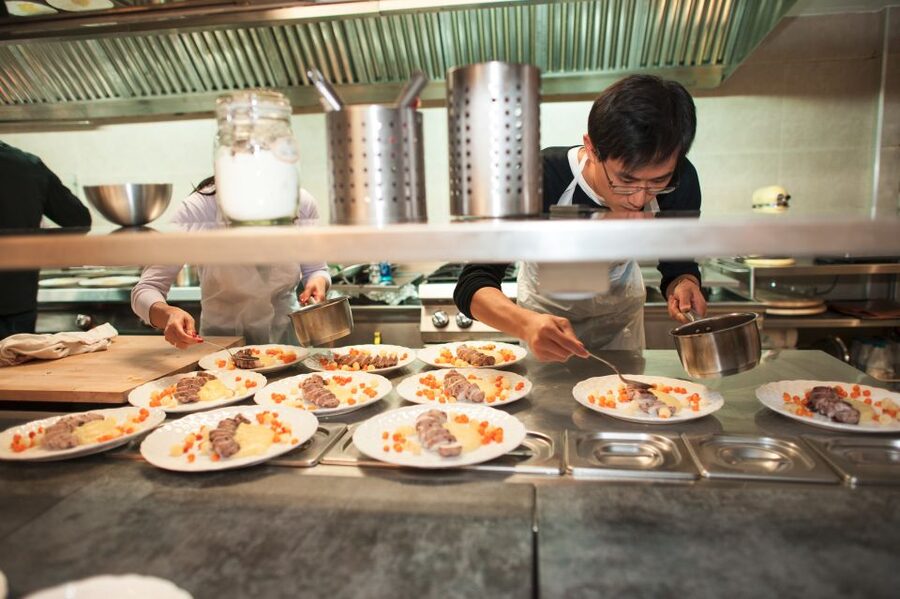
This isn’t a one-sauce-fits-all kind of class. You learn about 6 to 8 different techniques, and the day focuses on the methods that make French cooking consistent. Think planning ahead, timing, and understanding what to do while something cooks.
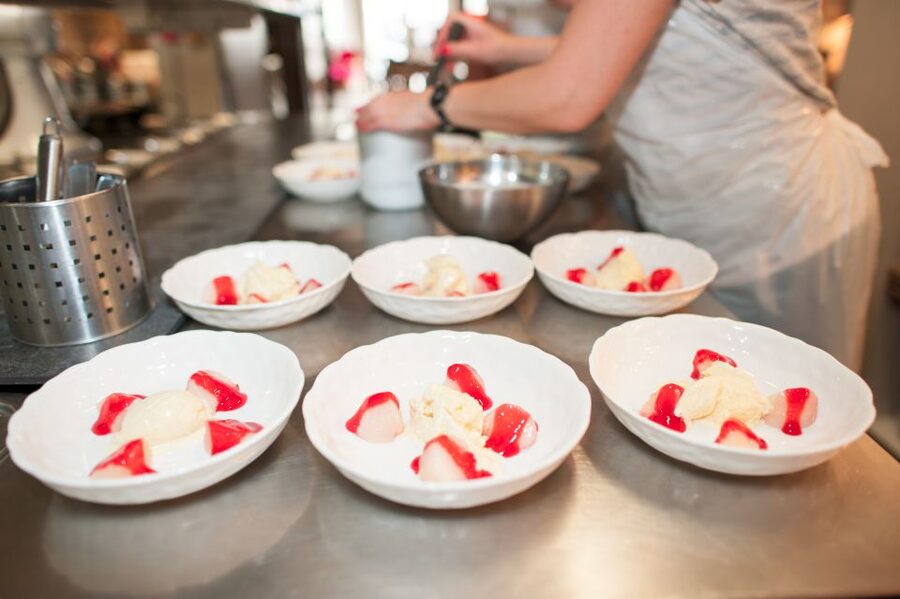
Your menu typically includes classic building blocks such as an ice cream element and a wine sauce element. That matters because these are the kinds of techniques people get wrong at home: they’re not hard, but they do require attention to temperature, timing, and reduction.
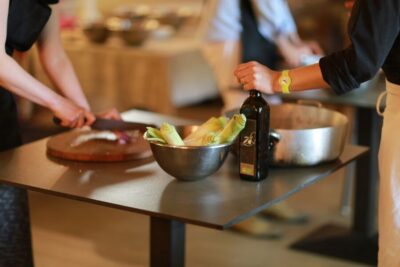
I also like how instruction is designed for different levels. In some sessions, you may work at stations and switch tasks so everyone participates. One review noted that even when participants didn’t do every step personally, the station setup still helps you learn what matters and move fast without feeling lost.
If you care about knives and hands-on prep, you’ll likely appreciate the emphasis on practical tips. Multiple reviews mention learning knife skills and the kind of small professional habits that make cooking smoother—like breaking tasks into manageable chunks and knowing when to prep versus cook.
And because it’s not just “cook this exact thing,” you’re learning how to build a French-style meal. That means you can repeat the approach later, even if you swap in different produce.
Cooking with wine: why the pace stays friendly
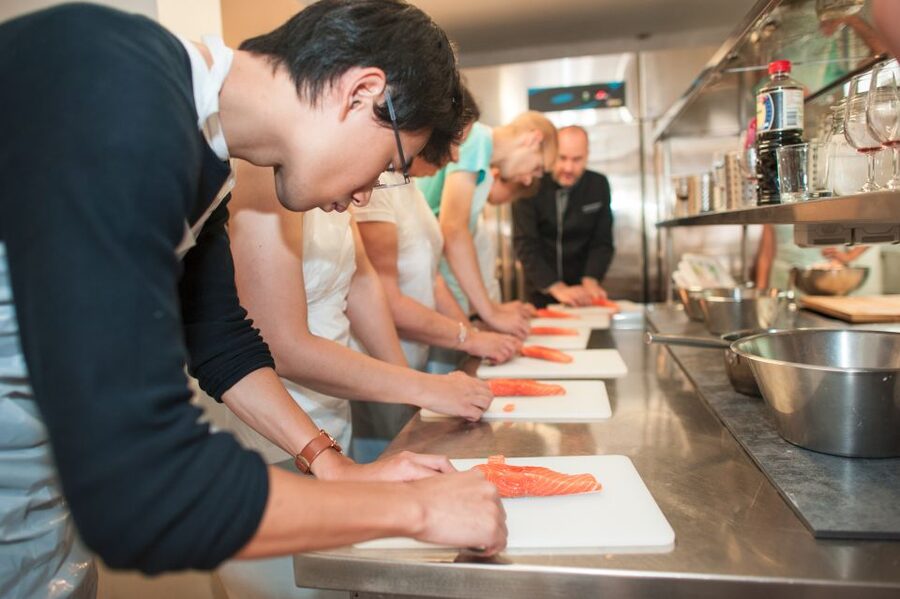
About two hours into cooking, you’ll get your first break and then you shift into eating mode. During the cooking portion, you’ll be fortified with a glass of wine or two, which helps explain why the atmosphere often feels relaxed.
This isn’t a class where you’re constantly running around like a line cook. The structure is more like a guided kitchen rhythm: you’re doing real work, but the teaching is paced so people can keep up.
I found this pacing especially important for travelers who don’t cook daily. The goal isn’t to test you. It’s to get you comfortable enough that the final meal feels like yours, not just something prepared for you.
One note: since your menu is tied to market ingredients, some dishes may require minor adjustments. The good news is the host team guides you through it, and you’re in a professional kitchen setup with equipment available for the task.
The 3-course lunch: wine, cheese, and stories with real cultural weight
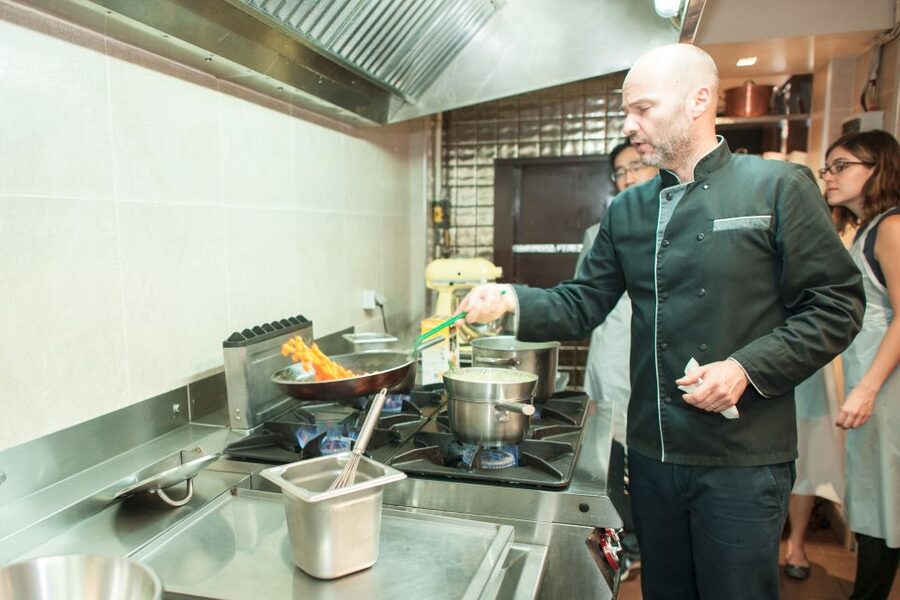
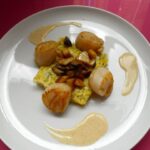
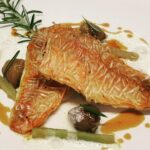
After cooking, you sit down to enjoy what you made. The meal is served as a 3-course lunch, with cheeses and both red and white wines included. You’re typically finishing around 15:00, and you can actually linger—nobody is rushing you out the door.
This meal part is more than an add-on. It’s the point where the “technique” becomes “taste,” and that’s when the lessons stick. French cooking can feel mysterious until you taste what the method produces—then suddenly the steps make sense.
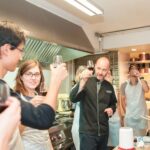
I also enjoy the way the dining experience gets cultural. A native Frenchman joins you and shares culinary stories, including the long arc of French food tradition—spanning about 2,500 years. Reviews repeatedly mention humor and anecdotes, and that combination makes the table feel like a shared conversation rather than a formal lecture.
If you end up with an instructor like Frédéric or Luke, you may notice a similar pattern: clear guidance, plenty of patience, and a fun energy that keeps the day from feeling stiff. One review even described the class as a highlight that turned into a recipe-and-friendship kind of day.
The practical takeaway for you: plan the rest of your afternoon loosely. Lunch is part of the experience, and you’ll likely want time to decompress afterward.

Group size, station work, and how much time you spend cooking
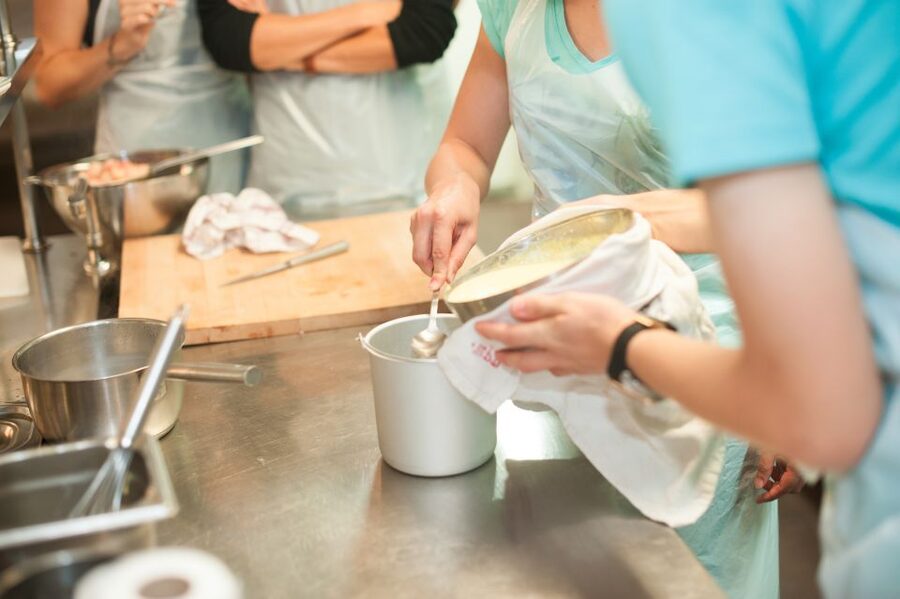
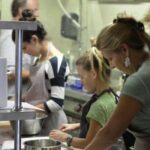
The class is typically limited to between 3 and 7 people to keep things intimate and personal. That small footprint is what makes it easier for the chef to explain, check in, and correct technique without leaving you hanging.
That said, at least one described session was larger, around 10 people. If that happens, the kitchen setup still seems designed to handle it—reviews mention plenty of space and station-style participation so everyone can do meaningful work.
What does this mean for you? You’ll likely cook enough that you understand the steps, even if station logistics prevent you from doing every action in every part. The best part is that you can follow the logic and learn the techniques even when someone else handles a task during peak time.
For many first-timers, that’s exactly what you want. You don’t need to be the only person touching the stove to learn how the dish comes together. You just need a clear path through each phase.
Value check: $222 for 5 hours, recipes, wine, and a real kitchen
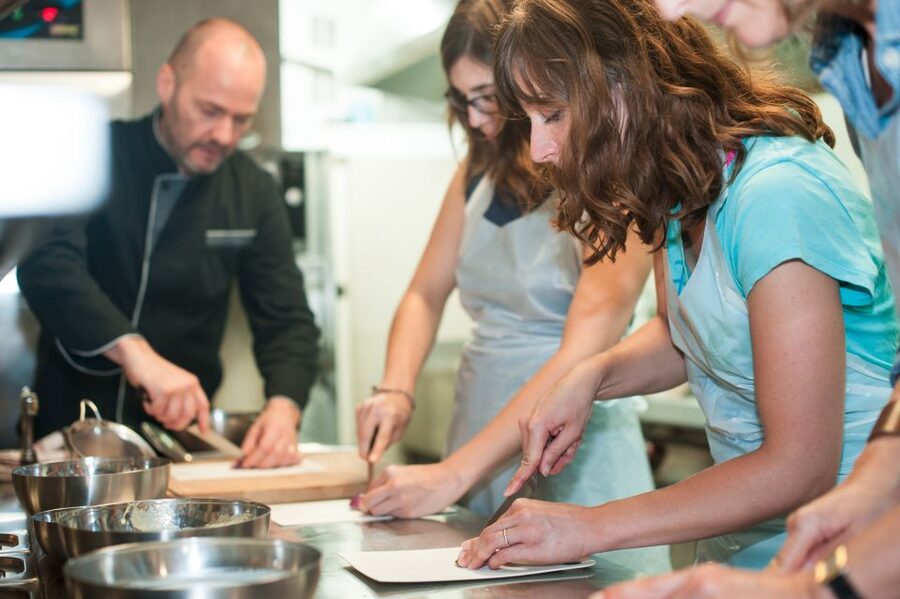
Let’s talk money, since this is a big number on a Paris activity list.
At $222 per person for about 5 hours, you’re paying for several things at once: hands-on instruction, professional kitchen access and equipment, the full ingredients for a 3-course meal, cheeses, and red and white wine. On top of that, you get both hard copy and electronic recipes in English.
If you were to replicate this day at home, the cost would usually jump because of the combination: buying specialty ingredients, taking the time to prep everything, and learning technique without a guide. Here, you get a teacher, a kitchen built for cooking, and a meal that ends up feeding you instead of just teaching you.
I also like that the recipes are provided in English in two formats. That’s useful because French technique is easier to repeat when your notes are clear. One review even highlighted not just receiving recipes by email, but appreciating them as a practical takeaway for later cooking.
Potential downside: since you’re effectively paying for food and wine in addition to instruction, this isn’t the cheapest way to learn cooking in Paris. But if your goal is to leave with skills and a full lunch you actually eat, the value makes more sense.
Skill level and dietary needs: who benefits most
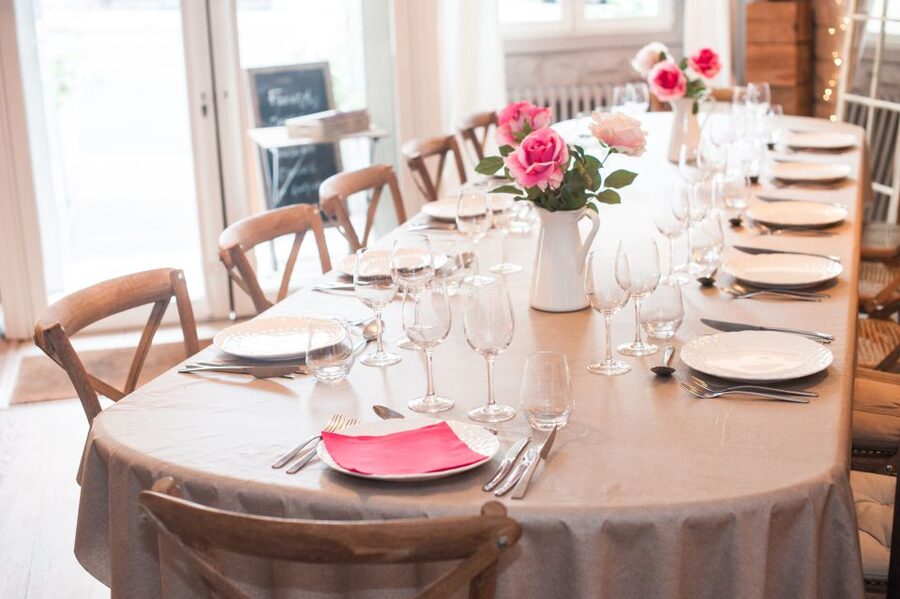
This class is a good fit if you want technique plus a finished meal, without having to plan, shop, and manage timing yourself. It’s also a great match for couples and small friend groups who want to do something more memorable than a standard museum half-day.
If you’re a beginner, you’ll likely appreciate the step-by-step support, the patience described in reviews, and the station pacing that keeps things moving. One vegetarian-focused account also notes the chef accommodated dietary needs by designing the menu accordingly, which is a strong sign they take restrictions seriously.
If you’re an advanced home cook, you might find portions review-like, and one review explicitly suggested the full-day format could be a bit basic for very seasoned cooks. Still, even then, you may enjoy the experience for the wine, cheese, professional kitchen workflow, and the chance to refine classic methods.
Also note the age rule: children under 10 aren’t permitted. If you’re traveling with a family group and multiple children, you’ll want to check what works for your specific situation.
What to do before you go (so the day runs smoothly)
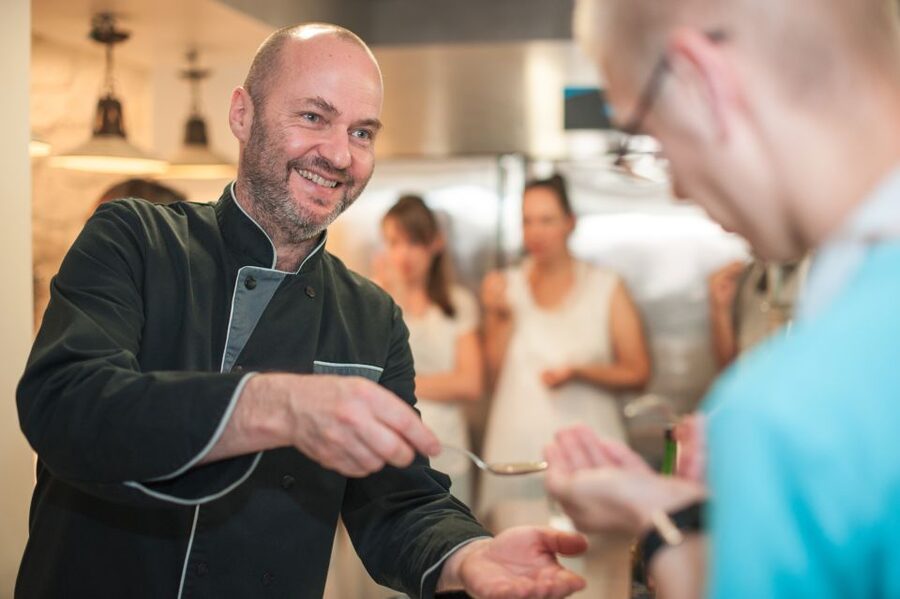
A few practical moves will make your cooking day easier.
First, plan to communicate dietary restrictions at least 24 hours in advance. That’s your best chance to have the menu adjusted correctly rather than shoehorned last minute.
Second, dress like you’ll be standing and moving around. You’ll use professional kitchen space and equipment, and comfort matters when you’re working with heat and prep stations. An apron is provided, but you’ll still want stable shoes and layers you can manage during cooking.
Third, bring curiosity. The day is built around technique explanations and cultural food stories. If you ask questions—especially about timing, substitutions, or how to do the sauce and dessert components—you’ll get more out of the lesson.
Finally, after lunch, give yourself breathing room. The experience ends around 15:00, and the Latin Quarter is perfect for a slow wander afterward.
Should you book this cooking class?
I’d book it if you want a hands-on French meal with real technique teaching, a market-to-kitchen menu, and a lunch you’ll actually sit down to and enjoy with wine and cheese. It’s especially strong if you’re traveling with a partner or a small group and you want an experience that feels social but still structured.
Skip it (or at least temper expectations) if your cooking is already advanced and you mainly want highly technical, complex variations. You might still learn a few small habits, but you may not feel like the day is a constant stretch.
If your priority is leaving Paris with recipes in English and the confidence to recreate a classic 3-course French meal, this is one of those days that pays you back every time you cook afterward.
FAQ
Where do I meet for the cooking class?
You’ll meet at Le Foodist, 59 rue Cardinal Lemoine, 75005 Paris.
How long is the experience?
The class runs for about 5 hours.
What’s included in the price?
The experience includes a 3-course meal with cheeses, red and white wines, use of cooking equipment and an apron, and recipe copies (hard copy and electronic) in English.
Is there wine during the class and with lunch?
Yes. During the cooking portion, you’ll have wine, and lunch is paired with both red and white wines.
How big is the group?
The class is typically limited to between 3 and 7 people, but at least one session has been described as having around 10 participants.
Are children allowed?
Children under 10 are not permitted to take the cooking class.
Can the chef accommodate dietary restrictions?
You should advise of dietary restrictions at least 24 hours prior to the class. The menu can be designed to accommodate certain needs.
What language are the recipes and the host communication in?
The class is in English, and you receive recipes in English.
What if I need to cancel close to the date?
You can cancel up to 24 hours in advance for a full refund.