REVIEW · PARIS
Paris Cooking Class and Lunch with Wine plus Market Visit Option
Book on Viator →Operated by Le Foodist · Bookable on Viator
Paris food, made practical and personal. This is a hands-on class in central Paris where you cook a full 3-course lunch and learn how to match it with wine. You can add an optional open-air market stop near the Latin Quarter to buy ingredients and taste along the way.
I love how much you actually do. From planning your meal to working at stations in the kitchen, the class is built around doing the steps yourself, not watching from the sidelines. I also love the teaching style—Chefs like Chef Fredrick and Chef Luc show techniques clearly and keep things friendly, so even beginners feel included.
One consideration: it can be loud and active, and you’ll eat a lot. If you’re sensitive to fast French accents or you hate getting messy, plan for a busy kitchen vibe and tell your instructor about any food issues early.
In This Review
- Key things that make this class worth it
- Where you start in Paris: 59 Rue du Cardinal Lemoine and the kitchen setup
- The market visit near the Latin Quarter: buying lunch like a local
- A note on dietary needs
- Cooking your 3-course lunch: planning, stations, and real technique
- A sample menu so you know the style
- What “hands-on” really means here
- How long you’ll cook
- Wine pairing at lunch: half a bottle and a lesson you’ll remember
- The practical takeaway
- The teachers make it: Chef styles you can expect (and what to watch for)
- What you take home: electronic recipes and a Drop-Stop for pours
- Value check: is $240.65 per person a smart deal
- Who this class is for (and who should think twice)
- Should you book it?
- FAQ
- How long is the Paris cooking class?
- Where do we meet and where does it end?
- Is the class offered in English?
- What does the class include with lunch?
- Does the 6-hour option include a market visit?
- Can the class accommodate vegan or dairy-free diets?
- What are the age rules?
Key things that make this class worth it
- Market ingredients first so your lunch feels grounded in what’s in season
- Small-group attention with a max of 12 people
- Hands-on cooking stations that move you from prep to plating
- Wine pairing with lunch plus half a bottle per person
- Recipe copies after so you can recreate what you made at home
- Practical take-home tools including a Drop-Stop for pouring
Where you start in Paris: 59 Rue du Cardinal Lemoine and the kitchen setup
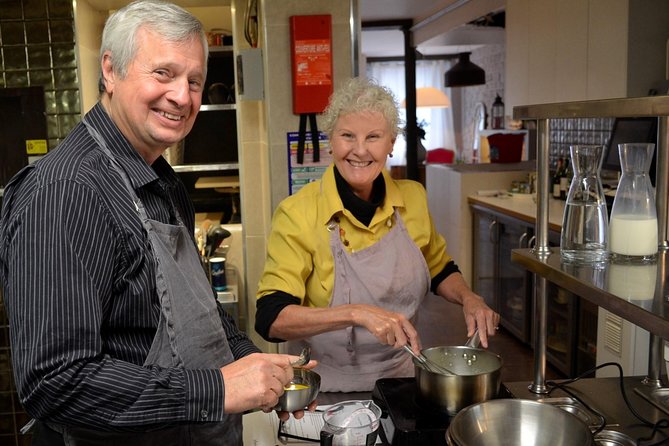
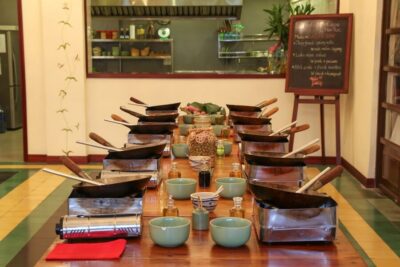
Your day begins at 59 Rue du Cardinal Lemoine (Latin Quarter area), in a cookery-school setting that’s convenient for getting there by public transport. You’ll start with your instructor and then move through the experience like a planned workflow—no wasted time, no wandering around trying to figure out what comes next.
For the 6-hour option, you begin gently with a croissant and coffee or tea before anything else. That small start matters. It gets you into the rhythm of French breakfast without turning the class into a slow, touristy intro. It also makes the market stop easier because you’re not hungry and frantic while you’re trying to choose produce and cheeses.
The class also runs in English, which keeps the learning curve realistic. And with a mobile ticket and an end time that returns you to the meeting point, you’re not stuck figuring out how to get out of the day.
One practical tip I’d give: wear clothes you can move in. You’ll be standing and working, and the meal is generous—more than “a bite or two.” If you’re the type who hates kitchen mess, bring an extra layer you don’t mind getting splashed.
You can also read our reviews of more tours and experiences in Paris.
The market visit near the Latin Quarter: buying lunch like a local
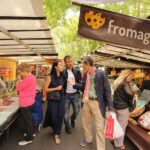
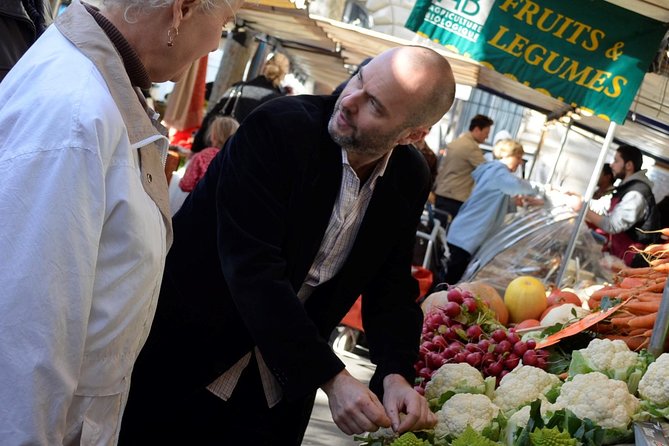
If you pick the longer (6-hour) experience, the market visit is the heart of the day. You head to an open-air food market near the Latin Quarter with your instructor, and you’ll do two things that most cooking classes skip: you learn how to select good ingredients, and you taste along the way.
You also get an appetizer moment before cooking kicks in. In class, you’ll sample cheese with your instructor, which is more than a fun stop. Cheese tasting trains your palate quickly. You start thinking about what flavors will work together in the meal you’re about to cook.
What you gain here is confidence. Instead of treating French cooking like a mysterious set of rules, the market makes it feel like choices you can understand: what looks fresh, what smells strong, what tastes balanced. It also helps you notice how French meals build flavor in layers, not just through sauce.
And you’re not just passively looking at stalls. You’re buying ingredients for the meal you’ll cook later. That’s why it feels like food-to-table, not food-for-photo. When you come back to the kitchen, you’re working with ingredients that already have a story—and you’ll remember what the instructor said while you held them.
A note on dietary needs
This experience asks you to advise dietary requirements when booking. The data also states that vegan or dairy-free diets can’t be accommodated in the regular classes. Still, one strong detail from the experience: in at least one group, the chef replaced cream with toasted almond milk when there was a dairy-free participant. That suggests the team takes adjustments seriously when possible. Your best move is to message your needs clearly during booking so you’re not guessing on the day.
Cooking your 3-course lunch: planning, stations, and real technique
Once you’re back at the cookery school, the flow shifts into active cooking. For the 6-hour option, your market walk feeds into the planning stage. For the shorter (4.5-hour) option, you start after your instructor returns from the market and jump into menu planning right away.
Either way, you’re planning and cooking a 3-course lunch—starter, main, dessert. And you’re not only selecting recipes; you’re learning the logic behind the steps. The class breaks cooking into stations and concentrates on ingredients and technique before you start mixing and cooking.
A sample menu so you know the style
You may cook a menu like:
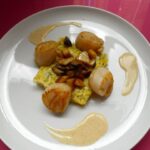
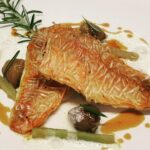
- Starter: salmon tartare with yuzu, served on soy-poached turnip
- Main: Parisian-style coq au vin
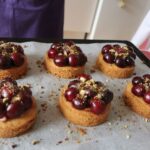
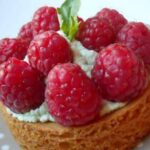
- Dessert: poached peach, raspberry coulis, and homemade vanilla ice cream
Even if your exact menu changes, this gives you the flavor range: classic French comfort (coq au vin), refined technique (tartare with yuzu), and classic pastry-style payoff (homemade vanilla ice cream plus fruit and coulis).

What “hands-on” really means here
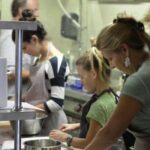
In a good class, you do the work that makes the dish work. Here, you get time in the kitchen building your courses, and the instruction includes both steps and small technique fixes—things like how to handle timing, how to season as you go, and how to think through texture and doneness.
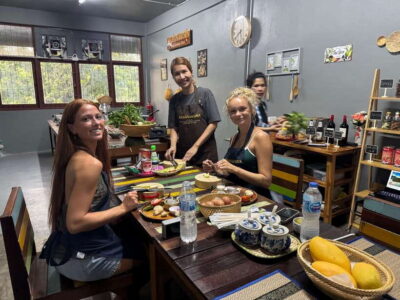
The energy in the kitchen is also social. With a small group, you’ll likely rotate through tasks and collaborate, especially when stations need more than one pair of hands. One review-style theme that fits this format: people praised how Chefs kept everyone involved and explained things clearly while staying patient. If you’re shy, this structure helps you participate without being thrown in alone.
How long you’ll cook
The experience is about 6 hours total (approx.), and the time in the kitchen is roughly two hours before you move to the table. That’s long enough to feel like you truly cooked, not just assembled.
Wine pairing at lunch: half a bottle and a lesson you’ll remember
Cooking is only half the story. This class pairs your meal with wine and teaches you how to think about pairing, not just which bottle to pick.
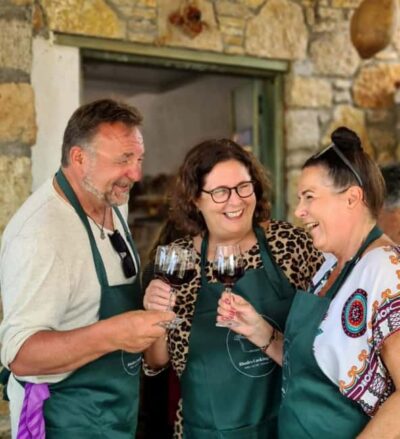
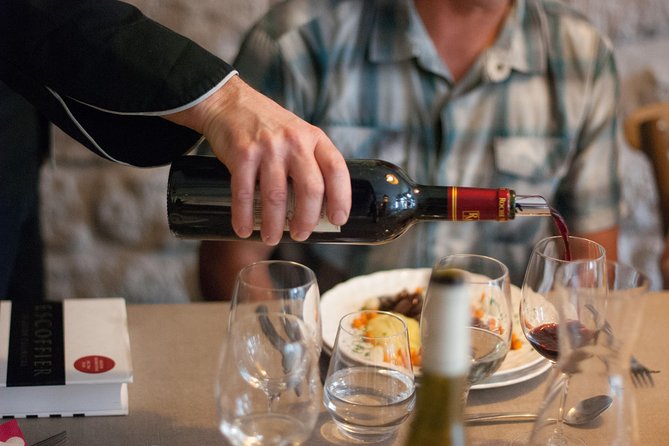
You’ll sample different wines with your food, and then at the dining table you’ll enjoy half a bottle of white or red wine per person. That part is important for two reasons:
- You taste while the food is fresh and hot.
- You make a connection between flavors while your brain is still in cooking mode.
This isn’t a lecture-only pairing. It’s about pairing as you go. You’ll learn how acidity, richness, and aromas interact with dishes like coq au vin (rich and savory) or a fruit-forward dessert like peach with raspberry and vanilla.
The practical takeaway
After a class like this, you’ll stop asking What wine goes with French food? and start asking What does the dish taste like? For most people, that’s the real value of wine pairing lessons—transferable thinking for your future dinners.
And yes, you’ll likely be full. One common piece of advice fits: don’t schedule a nice dinner later the same evening. You’ll already have the meal, wine, and kitchen satisfaction.
The teachers make it: Chef styles you can expect (and what to watch for)
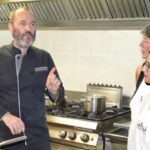
The instructors associated with this experience include Chef Fredrick, Chef Luke, Chef Luc, and Chef Paolo, depending on the session. Across those names, the recurring theme is clear: the chefs are engaging and keep the class moving.
What stands out from the teaching style is patience. People describe instructors as staying attentive, answering questions, and keeping everyone involved—especially in groups around 10. That matters because cooking classes can feel stressful if you’re waiting for permission to touch ingredients. Here, the format tends to prevent that.
There’s also a small timing note worth sharing. One feedback point: an instructor’s French accent can be hard to follow if they speak quickly. That doesn’t mean you’ll miss everything, but it’s smart to sit where you can hear, and it’s okay to ask for clarification if you don’t catch a detail.
What you take home: electronic recipes and a Drop-Stop for pours
You get electronic copies of the recipes after the meal. That’s one of the best parts of booking a class like this, because it turns the day into something lasting. You’re not just eating and learning; you’re leaving with a path back to the same dishes.
If you like to cook at home, look for the dishes that match your comfort level and gear. Coq au vin is a classic; if you’re willing to commit to slow-simmer comfort, you’ll get the most payoff. The tartare-style starter can teach you finesse with seasoning and handling. The dessert makes a bigger impression, but having the recipe will make it realistic rather than intimidating.
You also receive a complimentary Drop-Stop designed for a better pour every time. It sounds like a small item, but it’s a practical souvenir. It’s also a quiet reminder that this class is aimed at helping you repeat the experience at home, not just take photos.
Value check: is $240.65 per person a smart deal
At $240.65 per person, this isn’t a bargain cooking class. But the pricing starts making sense when you match it to what’s included and how much time you get.
Here’s what you’re paying for:
- Professional instruction through planning, cooking, and serving
- A 3-course lunch you make yourself
- Wine included (half a bottle per person)
- Market visit option (only for the 6-hour class), plus cheese samples
- Equipment and required attire
- Electronic recipe copies
- A Drop-Stop for pouring
What helps the value is time. Six hours is a real block, and you’re not rushed from one tiny task to another. With a maximum group size of 12, you also get enough attention to learn rather than just survive.
If you’re considering alternatives like a longer restaurant meal and a separate wine tour, this package often wins. You get skill-building plus a full meal plus wine, all in one day.
The main “cost” isn’t money; it’s how full you’ll feel afterward. If you like to keep your evenings open, this might not be the best fit.
Who this class is for (and who should think twice)
This experience is a great fit if:
- You want hands-on French cooking with a guided structure
- You love markets and want to connect ingredients to technique
- You enjoy wine pairing and want a teachable framework
- You travel solo or with friends and like small-group energy
- You want recipes you can recreate later
It might be less ideal if:
- You need a vegan or dairy-free menu in a strict way, since regular classes can’t accommodate vegan or dairy-free diets
- You don’t handle active kitchen environments well (you’ll be working, standing, and eating a lot)
- You’re looking for something quiet or very low-pressure
Age notes matter too. The minimum age is 12, and unaccompanied children aren’t accepted. Drinking age is 18, since wine is included.
Should you book it?
Book this if you want a true Paris food day: ingredients first, then technique, then wine with the meal you created. The format is built for learning, not just entertainment, and the small-group size plus hands-on stations make it feel personal.
I’d especially recommend the 6-hour version if you like the idea of selecting ingredients in an open-air market near the Latin Quarter. The market visit adds meaning to the cooking step, and it often becomes the part people remember when they compare classes.
If you’re on the fence, think about what you actually want from Paris. If your answer is skill, confidence, and a lunch you’ll replicate later, this is a strong choice.
FAQ
How long is the Paris cooking class?
The experience runs for about 6 hours for the full option, and there is also a shorter option listed at about 4.5 hours.
Where do we meet and where does it end?
You meet at 59 Rue du Cardinal Lemoine, 75005 Paris, and the activity ends back at the meeting point.
Is the class offered in English?
Yes, the experience is offered in English.
What does the class include with lunch?
You make and eat a 3-course lunch, and wine is included (half a bottle per person). Electronic recipe copies are provided after.
Does the 6-hour option include a market visit?
Yes. The market visit is included only with the 6-hour option, and you’ll also have cheese samples.
Can the class accommodate vegan or dairy-free diets?
The information states that vegan or dairy-free diets can’t be accommodated in the regular classes. You should still advise dietary requirements at booking, since the team may take concerns into account where possible.
What are the age rules?
The minimum age is 12. No unaccompanied children are accepted, and the minimum drinking age is 18.