REVIEW · AO NANG
Krabi: Traditional Thai Cooking Class with Expert Cook
Book on GetYourGuide →Operated by Smart Cook Krabi,Thailand · Bookable on GetYourGuide
Thai cooking classes rarely feel this hands-on. In Krabi, you cook in a clean open-air kitchen with your own station and utensils, then you sit down and eat what you made. I especially liked how the instructors pace things so you are not just waiting around.
What really made it click for me is the easy Ao Nang pickup and drop-off, which removes the usual hassle of getting to a cooking school. The possible drawback: it is not suitable for people with diabetes, so check that before you book.
In This Review
- Smart Cook Krabi in One Look: Hands-On, Not Just Watching
- Getting to the Kitchen: Ao Nang Pickup That Actually Helps
- Inside the Clean Open-Air Kitchen: Your Station and Your Wok
- Meet the Hosts: The Family-Run Feel and Different Instructor Styles
- How the Class Flows: Cook, Eat, Then Cook Again
- The Menu You’ll Make: 4 Courses With Curry, Stir-Fry, and Dessert
- Ingredients and Teaching Style: What You Actually Learn
- Dietary needs: Ask in advance
- The Meal Moment: Eating as a Group, Not a Checklist
- Take-Home Value: PDF Recipes and a Digital Photo Album
- What’s Included, What’s Not: Real Cost Breakdown
- Is it worth it?
- Who Should Book This Cooking Class
- Practical Tips Before You Go
- Should You Book Smart Cook Krabi?
- FAQ
- What does the class cost?
- Where does the class take place?
- Do I get hotel pickup and drop-off?
- What do I cook during the class?
- Is the class taught in English?
- What’s included in the price?
- Is alcohol included?
- What should I bring?
- Who is the class not suitable for?
- Can I cancel for a refund?
Smart Cook Krabi in One Look: Hands-On, Not Just Watching
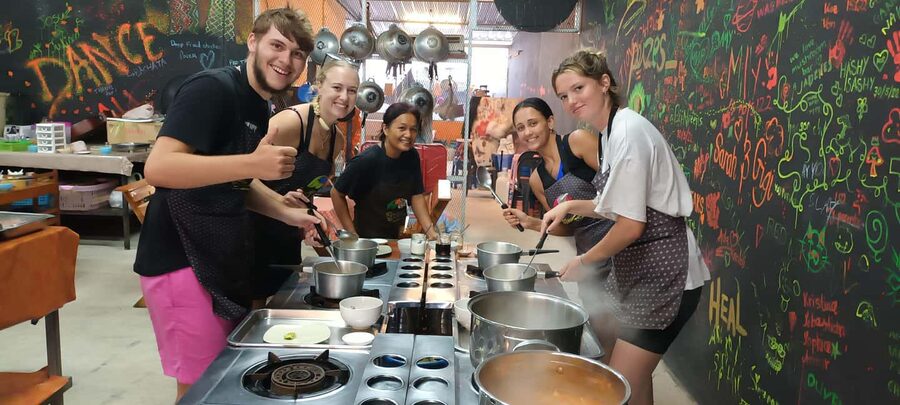
This is a Thai cooking workshop built around doing, not observing. You show up, meet the host family, choose what you want to cook, and then the kitchen turns into your classroom. The vibe feels casual and friendly, but the workflow is organized enough that you still leave with real technique, not just a list of dish names.
If you are learning Thai food for the first time, this setup helps. You are working with the ingredients as you go, and you learn how dishes come together step by step. If you already love Thai cooking, it is a chance to tighten your methods and get flavor balance right.
Getting to the Kitchen: Ao Nang Pickup That Actually Helps
Logistics can make or break a day like this. Here, you get hotel pickup and drop-off from Ao Nang, so you do not have to coordinate rides or worry about timing near the water. In reviews, drivers were described as on time and friendly, which matters when you are booking a class during a tight Krabi itinerary.
The transfer also helps you mentally. You arrive ready to cook, not still figuring out directions. It is a small thing, but it turns the experience into a smooth half-day or evening plan instead of a scavenger hunt.
You can also read our reviews of more tours and experiences in Ao Nang.

Inside the Clean Open-Air Kitchen: Your Station and Your Wok
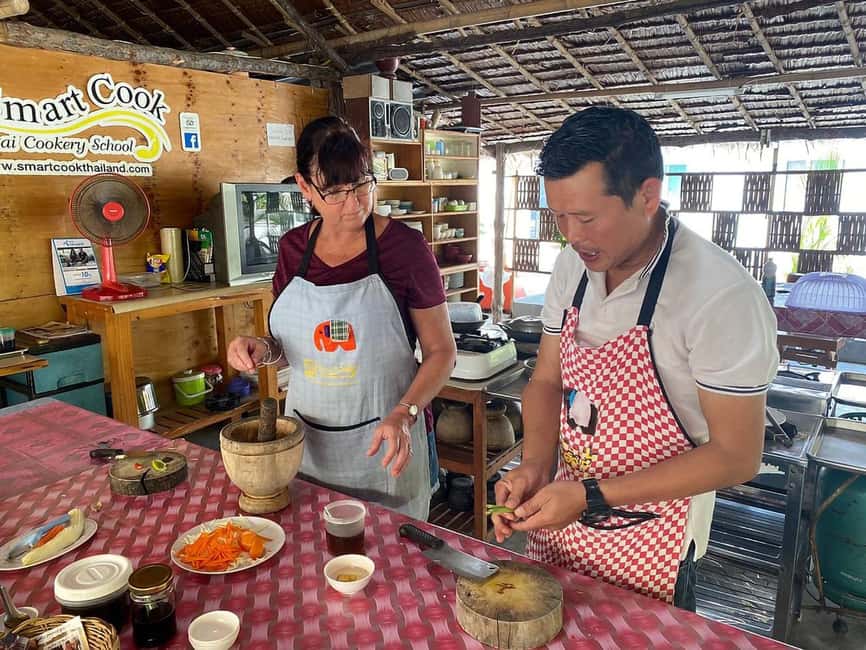
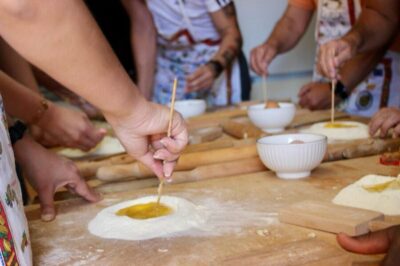
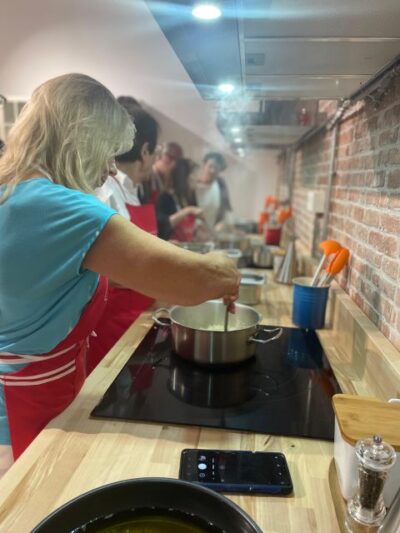
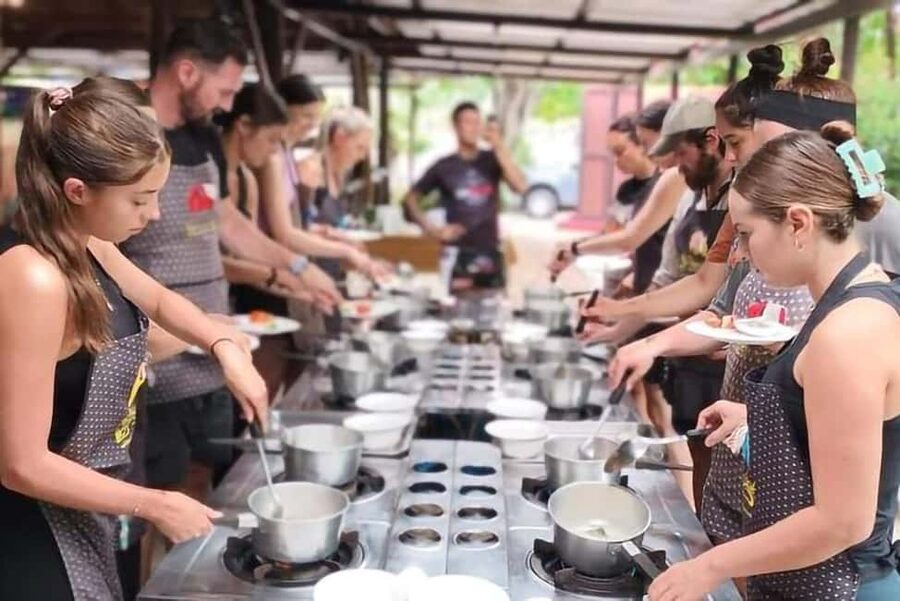
The most practical part is the setup. The class runs in a clean open-air kitchen with individual stations, tools, and a wok. That means you are not crowding around one stove like a cooking show finale. You cook at your own pace and you can actually see what you are doing.
You also get the “real kitchen” feeling of Thai cooking. Open-air kitchens are common in Thailand because heat, ventilation, and daily workflow match how people cook at home. Expect a lively environment, plenty of fresh ingredients, and a working kitchen vibe that feels more authentic than a classroom with props.
And yes, you get to do the cooking yourself. Reviews repeatedly call out that it is hands-on, not just demonstration.
Meet the Hosts: The Family-Run Feel and Different Instructor Styles
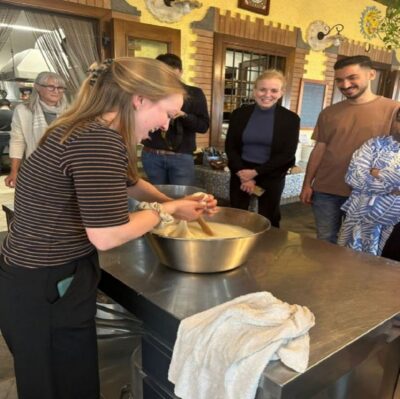
You do not just meet a teacher. You meet the people running the kitchen. The host family is part of the experience, and you get guidance through each step of the process.
One reason reviews are so consistent is how varied instructors connect with different personalities. Names you may see mentioned include New, Anne, Gataii, Poppy, Lia, Annie/Annie, Mac, Mark, and others. The common thread is humor and a pace that keeps you focused. If you learn better when someone talks you through small decisions (how to prep, when to stir, when to taste), you are likely to enjoy this style.
How the Class Flows: Cook, Eat, Then Cook Again
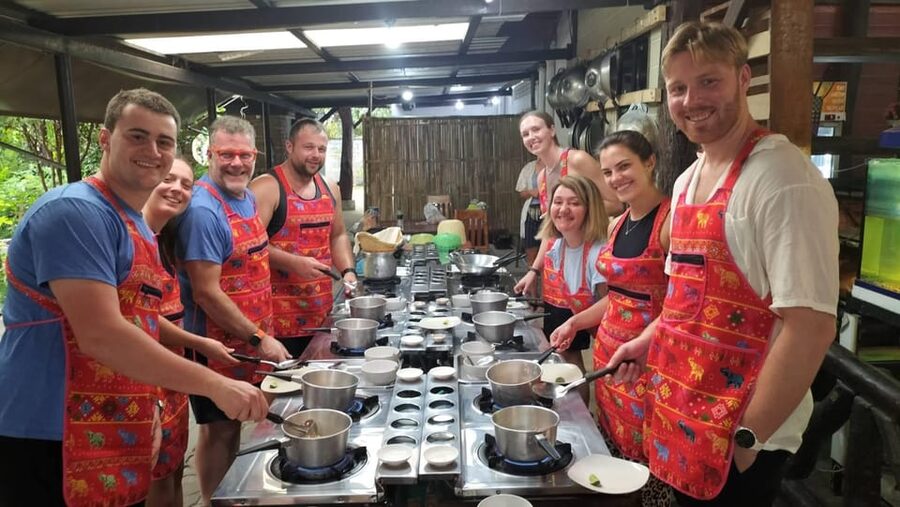
Many cooking classes are one long wait until the final meal. This one is structured differently. The cooking is broken into stages, and you eat the dishes while they are hot and freshly prepared. It keeps the energy up and it prevents the classic letdown of lukewarm food at the end.
That matters for technique too. Thai flavors can shift fast as you cook. If you taste earlier, you start correcting your cooking as you go. You learn what green curry should smell like at the moment it comes together, and you get a feel for stir-fry timing so it stays lively instead of overcooked.
If you are a foodie who likes immediate feedback, this pacing is a big plus.
The Menu You’ll Make: 4 Courses With Curry, Stir-Fry, and Dessert
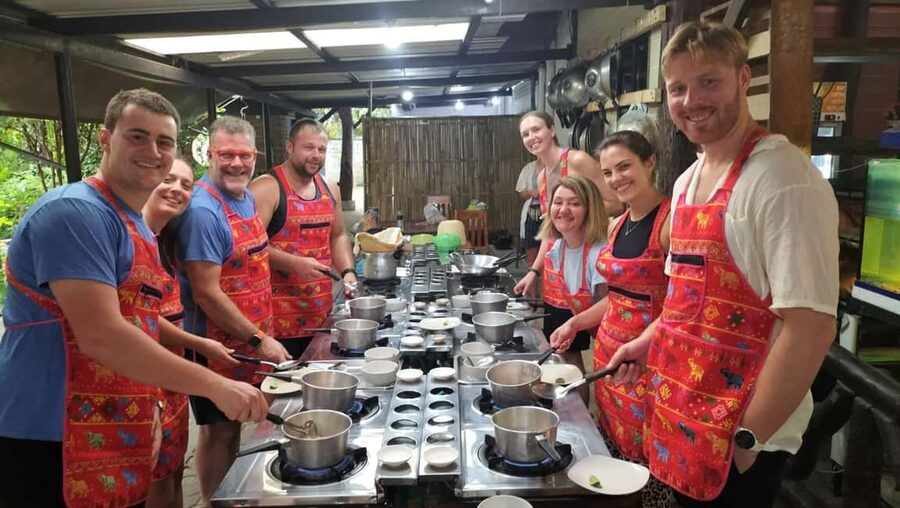
The class is built around a 4-course meal. The specific menu can vary, but you can count on core Thai categories like curry and stir-fry, plus a dessert.
Some people describe ending up cooking 5 dishes or more, depending on the exact choices in their session. The takeaway for you: you should plan to leave fed, with multiple finished dishes under your belt.
A few dish types that show up in reviews and descriptions include:
- Curry (often highlighted as something you make from scratch)
- Stir-fry dishes
- Tom Yum (mentioned as a favorite option)
- Papaya salad (mentioned as a choice some people love)
- Mango sticky rice (a dessert people rave about)
This is one of those classes where you should go in hungry. Reviews even note that if you do the early session, you might want to skip breakfast because the portions and number of courses can be generous.
Ingredients and Teaching Style: What You Actually Learn
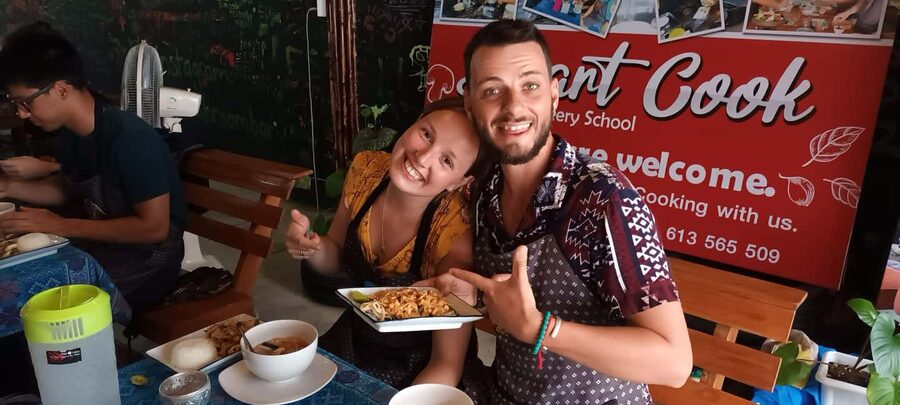
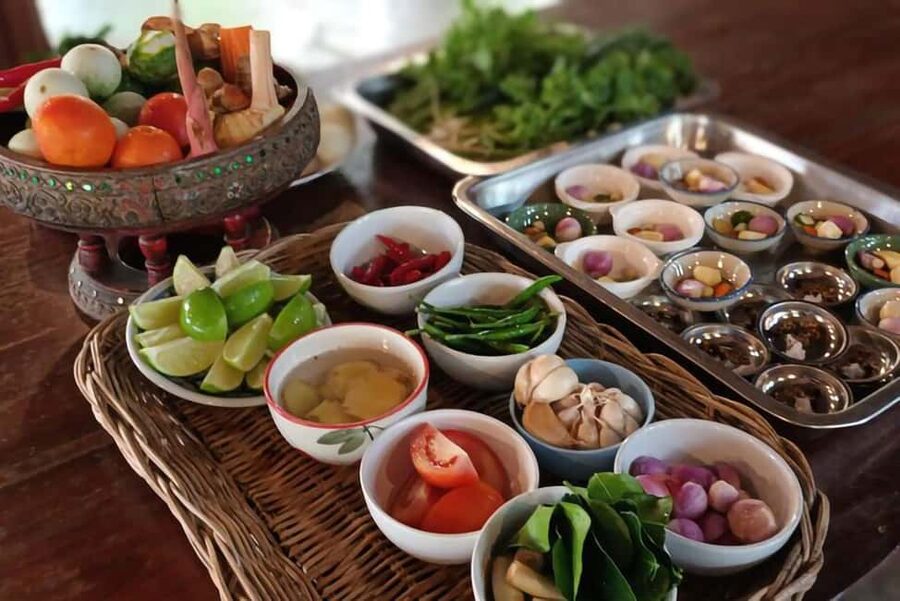
Thai cooking is about balance. Sweet, salty, sour, heat, and aromatics all work together. In this class, you are not just getting a recipe. You are learning how ingredients behave when you cook them.
You also get practical prep guidance. Reviews mention thorough explanations of ingredients and how something tastes or acts differently in Thailand compared to elsewhere. That is the kind of small insight that makes homemade Thai food taste more like the real thing.
Dietary needs: Ask in advance
This class says it is not suitable for people with diabetes. Beyond that, it may handle some other needs, depending on what you request.
One review mentions a coeliac experience with gluten-free soy sauce and oyster sauce. Another mentions vegetarian alternatives. So if you have gluten-free or vegetarian preferences, ask ahead and be clear about what you need. I would not assume every session can match every restriction, but there are signs they can be flexible.
The Meal Moment: Eating as a Group, Not a Checklist
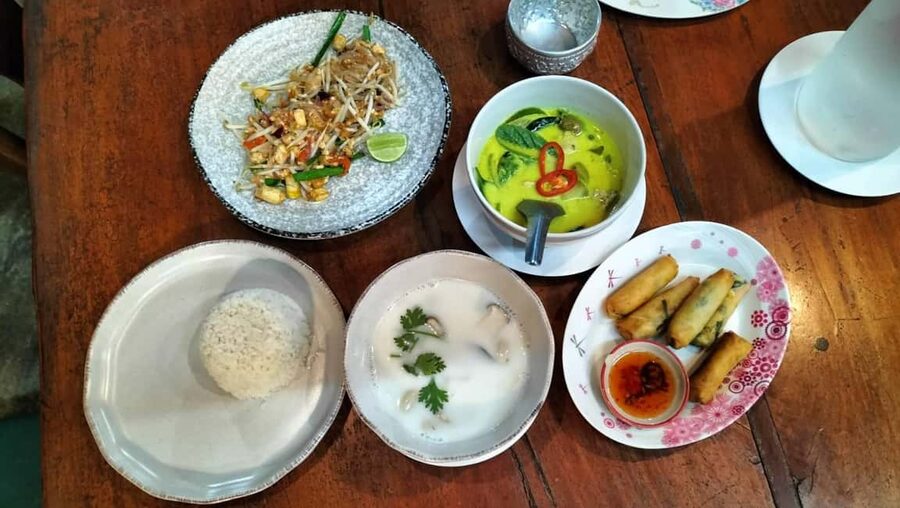
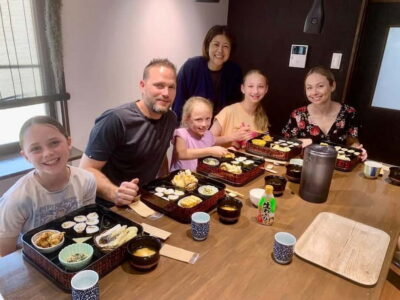
When you finish cooking, you sit down together to eat what you made. That group meal part matters more than it sounds. You get a chance to compare flavors across dishes, swap notes on what worked, and ask quick questions while food is on the table.
Some reviews call out the setup as a nice touch: everyone eats the food they made, together, which helps you feel the full payoff of the class.
And dessert is not an afterthought. Mango sticky rice, in particular, shows up as a standout.
Take-Home Value: PDF Recipes and a Digital Photo Album
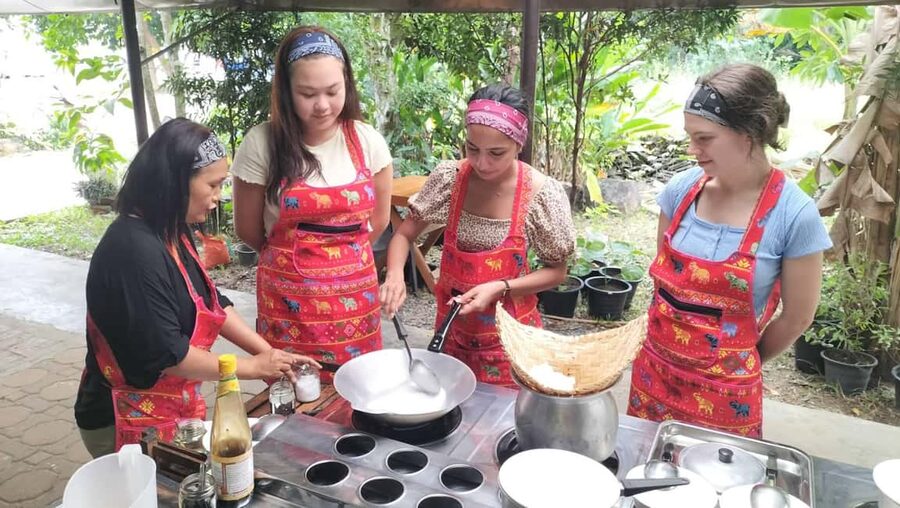
You do not leave empty-handed. You get an online PDF version of the recipe book to recreate the dishes later. You also get a digital photo album, which is handy if you like to remember which step looked a certain way or you want to show your cooking wins.
One balance note: there was at least one complaint that a PDF guide was promised but not received. That is not the norm based on the overall feedback, but it is worth checking that the PDF link arrives after your class so you can cook with confidence at home.
What’s Included, What’s Not: Real Cost Breakdown
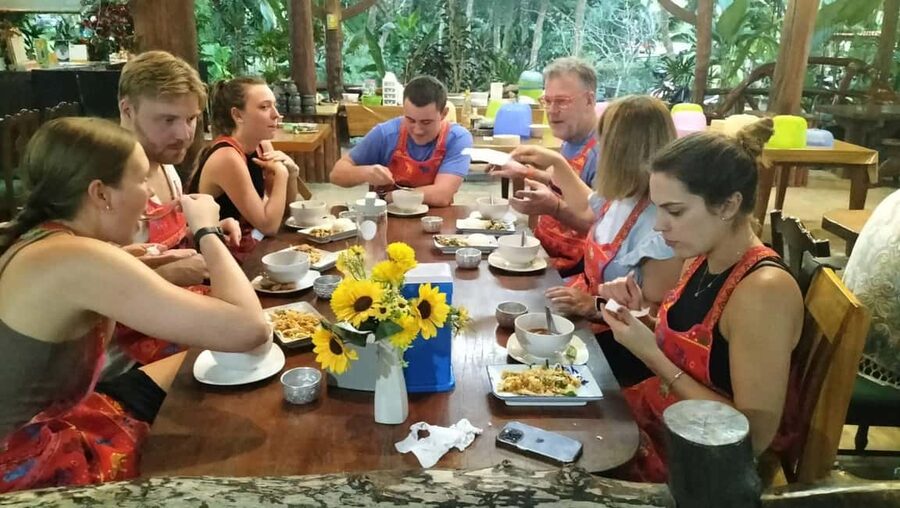
At about $45 per person, the price can feel like a lot at first—until you look at what you get.
Included:
- Hotel pickup and drop-off in Ao Nang
- Local host
- All ingredients
- Meal
- Drinking water
- Online PDF recipe book
- Digital photo album
Not included:
- Beer or any alcohol
There is no alcohol included, which keeps the class focused on food. If you are hoping for drinks, plan to purchase separately if that is available on-site.
Is it worth it?
For me, it is strong value because you pay for the full package: transport, ingredients, instruction, and the meal. If you tried to replicate this yourself from scratch in Krabi, you would still spend money on ingredients and you might not get the same step-by-step guidance that helps you nail sauces and timing.
Who Should Book This Cooking Class
This works especially well if you:
- Want hands-on Thai cooking instead of a food tour with stops
- Like learning from a chef who explains choices and pacing
- Travel solo or as a couple and want an easy social setup
- Care about a take-home recipe format you can actually use later
It may not fit you if:
- You need a diabetes-friendly option (the class is listed as not suitable)
- You have altitude sickness concerns (listed as not suitable)
- You are over 95 years (listed as not suitable)
Practical Tips Before You Go
- Wear comfortable clothes. The kitchen is active, and you will be standing and cooking.
- Bring a basic open mind. Thai cooking often uses flavors and ingredients that behave differently than what you might know at home.
- If you want specific dishes like Tom Yum or papaya salad, check how you choose your menu options for your session.
- If you book a morning session, consider eating light beforehand. You may end up with plenty of food, and you will be cooking and eating across stages.
Should You Book Smart Cook Krabi?
Yes, if you want a Thai cooking experience that feels like actual kitchen time. The combination of a clean open-air kitchen, hands-on stations, and a meal that is built into the schedule makes it a great use of your time in Krabi. The take-home PDF recipe book and photo album make it easier to keep cooking after you get home.
Skip it if your health needs fall into the listed categories, especially diabetes. And if you care about getting the PDF without any hiccups, make sure you confirm you receive it after your class.
FAQ
What does the class cost?
It costs $45 per person.
Where does the class take place?
It takes place in Krabi, Thailand, in an open-air kitchen.
Do I get hotel pickup and drop-off?
Yes. Pickup and drop-off are provided for hotels in Ao Nang.
What do I cook during the class?
You prepare a 4-course meal that includes dishes such as curry, stir-fry, and dessert. You choose from the menu, and some sessions result in cooking additional dishes beyond the 4-course structure.
Is the class taught in English?
Yes, the class is offered in English.
What’s included in the price?
Hotel pickup and drop-off, a local host, all cooking ingredients, the meal, drinking water, an online PDF recipe book, and a digital photo album.
Is alcohol included?
No. Beer or any alcohol is not included, and alcohol is not allowed.
What should I bring?
Wear comfortable clothes.
Who is the class not suitable for?
The class is listed as not suitable for people with diabetes, people with altitude sickness, and people over 95 years.
Can I cancel for a refund?
You can cancel up to 24 hours in advance for a full refund.