REVIEW · PARIS
Amazing Sweet Crêpe Cooking Class Paris
Book on Viator →Operated by Amazing Sweet Crêpe Cooking class · Bookable on Viator
A skillet, a story, and a perfect crepe. This hands-on Paris class turns mixing batter into something you can actually repeat at home, and it’s packed with real food talk, not just demos. I especially loved how Chef Stéphane keeps the room moving with energy and clear instructions, then you get to taste what you make right away.
My second big love: the lesson goes beyond technique. You learn why sweet crêpes and savory galettes exist, plus Breton vocabulary and cultural context, so the whole thing feels rooted—not random. Even practical steps like using the rozell and working a billig griddle have meaning once you understand what you’re aiming for.
One consideration: it’s a full 3-hour block with plenty of talking and hands-on time, and it’s not a fit if you need celiac-safe, lactose-free, or vegan ingredients. If that sounds like your situation, you’ll want to skip this one.
In This Review
- Key moments that make this class worth your time
- Sweet crêpes in Paris, taught by chef Stéphane
- Finding Caramel Sarrasin near public transport
- The 3-hour flow: batter secrets to tea-time tasting
- 1) Start and batter basics (the foundation)
- 2) Pro secrets for better crepes
- 3) Cooking and tasting your own crêpes
- 4) Photos, recipe email, and a gift
- What you actually learn: from rozell to perfect flipping
- What’s on the menu (and what to expect with drinks and toppings)
- Price and value: why about $106 can make sense
- Who should book (and who should skip)
- Family-friendly energy and solo-friendly teaching
- Should you book this sweet crêpe class in Paris?
- FAQ
- What time does the class start in Paris?
- Where is the meeting point?
- How long is the experience?
- Is the class in English?
- What food and drinks are included?
- Is it suitable for celiac, lactose intolerance, or vegan diets?
- Can I cancel for a refund?
Key moments that make this class worth your time
- Small group (max 8) means real attention while you cook, not just watching
- Chef Stéphane’s style: funny, fast, and patient enough to keep kids engaged
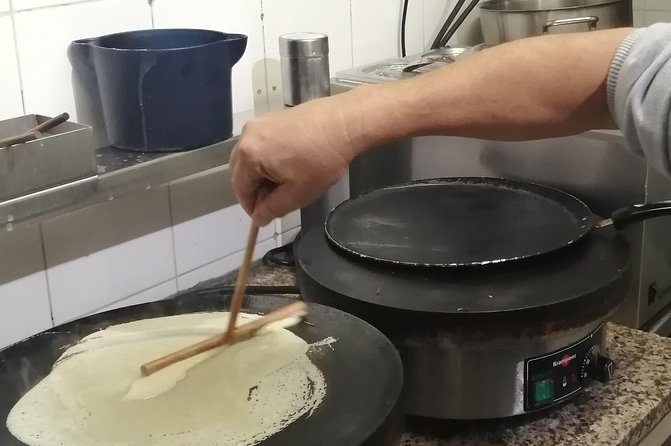
- Batter to griddle skills: lump-free mixing and smooth spreading for better crepes
- Sweet crêpes meet Breton context: crêpes vs galettes, language variations, and origin stories
- Tea-time tasting plus included drinks: coffee and/or tea, and soda/pop
- You leave with more than food: recipe by email, photos, and a gift (often homemade caramel)
Sweet crêpes in Paris, taught by chef Stéphane
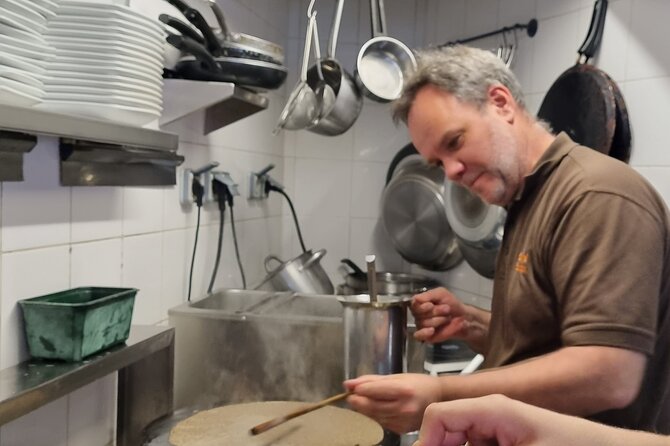
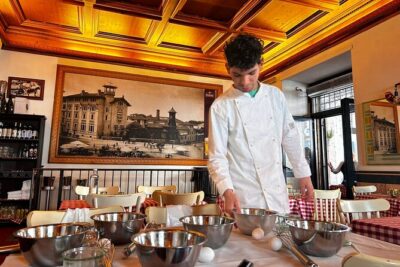
If you want a Paris activity that feels like an experience, not a ticketed meal, this sweet crêpe class delivers. You’re learning the kind of technique that matters: getting the batter right, spreading it evenly, and cooking thin, flexible crêpes without turning them into sad rubber circles.
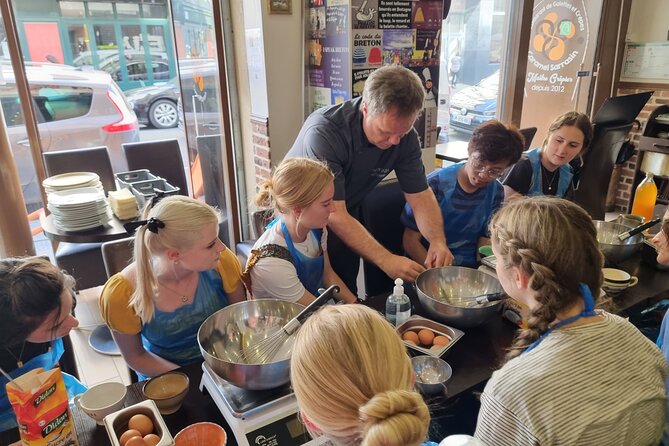
Chef Stéphane runs the class with big-personality teaching—energetic, humorous, and very focused on getting you results. A theme from the class style: you’re not just learning what to do. You learn how to judge when the batter is mixed enough, when the pan is ready, and what you should aim for as the crepe cooks. That’s why people leave feeling like they can actually make better crêpes at home later.
And there’s a bonus angle that I think you’ll appreciate: the class frames crêpes and galettes as part of regional French culture. You don’t need a culinary degree to follow it. You’ll just walk out with a clearer sense of where these foods come from, and you’ll know the names you’re hearing in France.
You can also read our reviews of more tours and experiences in Paris.


Finding Caramel Sarrasin near public transport
You meet at Caramel Sarrasin, at 47 Rue du Faubourg Montmartre, 75009 Paris. The start time is 3:45 pm, and the activity ends back at the meeting point.
Why that matters: you can treat this like a late-afternoon anchor. It’s long enough to feel like an event, but it ends where you started, so you’re not trying to solve a cross-city commute right after you’re done cooking.
The location is described as near public transportation, which is exactly what you want in Paris. Plan to arrive a few minutes early and take a moment before class to settle in. Since you’ll be cooking, you’ll be glad you’re not sprinting through the final blocks.
The 3-hour flow: batter secrets to tea-time tasting
This class is built like a steady rhythm. You learn, you practice, you eat. The total time is about 3 hours, which is enough to teach technique and still let you taste what you make—without rushing you into silence.
Here’s what the flow looks like in plain terms:
1) Start and batter basics (the foundation)
You begin by learning how to make a pancake batter the right way. That means more than “mix until it looks fine.” You’ll work on getting a batter that’s smooth and consistent so your crepes cook evenly.
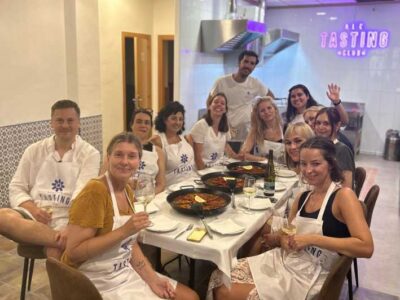
This is where small-group size really pays off. With up to 8 travelers, you can ask questions and adjust as you go. You’re not stuck waiting for the chef to notice you only after everyone else finishes.
2) Pro secrets for better crepes
After the basics, the class adds the “why.” You’ll get practical secrets that improve texture and cooking results. From the technique details used during class, you’ll hear the specific terms that French cooks actually use—so when you see tools like the rozell (the rake) or hear about the billig (the Breton word for the griddle), it won’t feel like random vocabulary.



3) Cooking and tasting your own crêpes
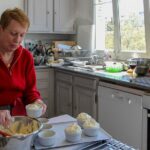
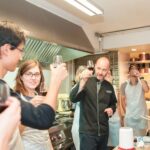
Then comes the fun part: you cook your pancakes to taste during a tea time party. This is an important detail. You’re not just making a product for a photo. You’re making it for eating while it’s at its best.
The class also includes coffee and/or tea plus soda/pop. That sets a friendly pace, so you’re not running on empty while you learn.
4) Photos, recipe email, and a gift
The end of the experience includes photos and gift giving. On top of that, the recipe is sent to you by email. Practically, that means you can focus during class and worry less about writing down every tiny step.
A common highlight people mention: there’s often homemade caramel to take home. Even when you don’t leave with the exact same item, you’ll still leave with the recipe and the skills to rebuild the flavor at home.
What you actually learn: from rozell to perfect flipping
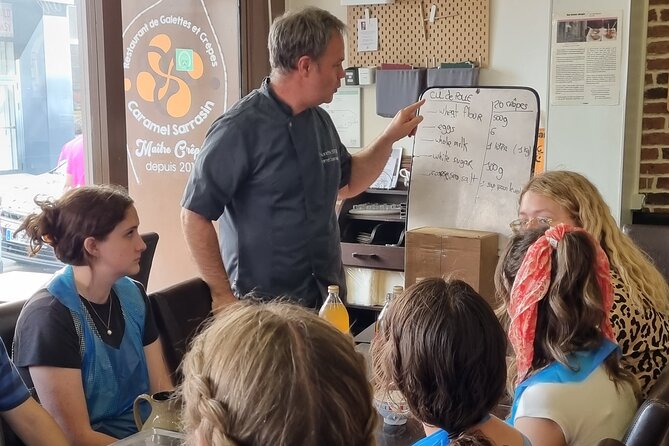
This is the kind of cooking class where technique becomes repeatable. If you’ve ever had crepes fail at home—tearing, thick centers, or dry edges—this class targets the reasons those problems happen.
Based on what’s taught during the session, you’ll practice the “critical controls,” like:
- Lump-free batter mixing: you learn the method so your batter doesn’t end up with texture issues that show up in the final crepe
- Spreading the batter smoothly: you’re shown how to spread thinly so the crepe stays flexible
- Cooking timing: you learn what “done” looks like on the griddle, so you don’t overcook and dry it out
- Folding technique: the final step is about finishing the crepe so it’s easy to serve and eat
And here’s the part that makes this class more than a “cook one thing” workshop: you also get the distinction between galettes and sweet crêpes. Sweet crêpes are the version you cook in this class. Galettes are the savory cousin, and learning the difference helps you understand what you’re seeing on menus across France.
If you like food culture, this part is especially satisfying. You’ll hear Breton-related terms and the origin story behind the foods. It turns a simple dessert into something with context, which makes the experience more memorable.
What’s on the menu (and what to expect with drinks and toppings)
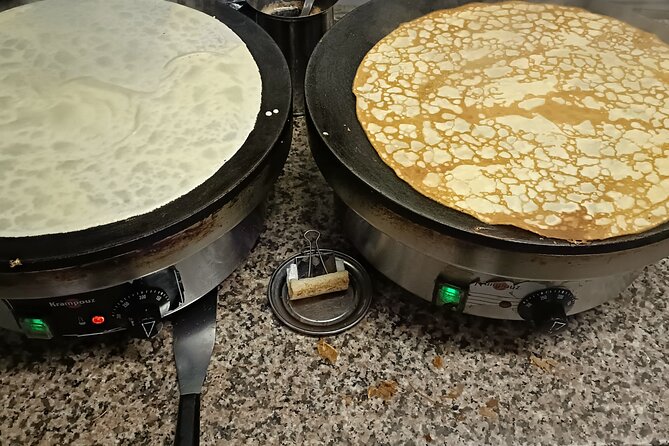
The sample dessert is a sweet wheat pancake—basically, the classic sweet crêpe you’re making during the tea-time portion. You also get coffee and/or tea and soda/pop as part of the experience.
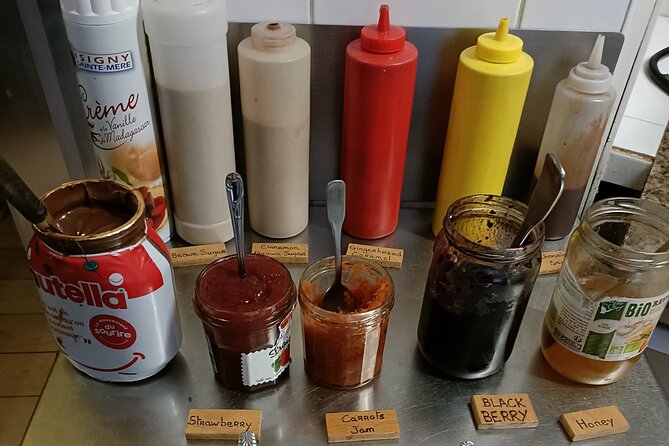
The class experience tends to include options for enjoying your crêpes. People mention toppings and add-ins, including homemade caramel sauce. Even if you come in only expecting a plain sweet crêpe, you’ll likely taste it in a more satisfying “build your plate” way.
A useful note for your planning: this is not described as a full restaurant meal. It’s a dessert-focused class with tasting, plus the drinks. It’s ideal if you want something fun and food-focused in the afternoon or early evening—then you can still enjoy a proper Paris dinner after.
Price and value: why about $106 can make sense
At $105.86 per person for an about 3-hour small-group class, the cost isn’t “cheap,” but it isn’t out of scale for a hands-on Paris food experience either.
Where the value comes from:
- You actively cook, instead of watching from the sidelines
- Max 8 people means attention and correction while you learn
- You get coffee/tea and soda/pop, so you’re not paying extra for drinks during the session
- You receive the recipe by email, which increases the chance you’ll actually use what you learned
- You end with photos and a gift, which adds to the “leave with more” feeling
If you’re comparing it to a generic cooking demo where you don’t cook much, this feels more direct. If you’re comparing it to a private class, it’s more affordable because it’s group-based—without becoming a big crowd.
Who should book (and who should skip)
This is a great fit if you:
- want a small-group, hands-on Paris activity
- enjoy cooking and want technique you can reuse
- like food culture and regional context (sweet crêpes, galettes, and Breton terms)
- are traveling with kids age 8+ (the minimum age listed is 8)
It may not be a fit if you:
- need celiac-safe or lactose-free options, or you follow a vegan diet (it’s not recommended for those dietary needs)
- have very young kids who can’t handle a 3-hour session with both cooking and explanation
- want private transportation included (it’s not included)
English is offered, so you can relax if you’re not fluent in French. You’ll still get cultural language pieces, but you won’t be left behind.
Family-friendly energy and solo-friendly teaching
One of the smartest things about this class design is that it works for mixed groups. Parents seem to like it because it’s engaging enough for kids, and adults get enough food technique to feel like it’s worth leaving the sightseeing circuit.
For teens and older kids, the appeal is clear: they’re not stuck in a long lecture. They’re cracking, mixing, spreading, and cooking, then eating what they make.
And if you’re solo, you’re not invisible. With a group capped at 8, you get pulled into the cooking rhythm rather than standing off to the side. It’s the kind of class where you meet people naturally while you work.
Should you book this sweet crêpe class in Paris?
Book it if you want a fun, hands-on Paris food moment with actual technique and quick payoff. The combination of small-group coaching, tasting during a tea-time break, and the finish with recipe email plus photos (and often caramel) is exactly what makes people feel like the time was worth it.
Skip it if your main goal is a low-effort “just watch” experience, or if your dietary needs don’t match what this class uses. Also, if you know your group can’t handle a full 3-hour activity with sitting and cooking, look for something shorter.
FAQ
What time does the class start in Paris?
The class starts at 3:45 pm. It ends back at the same meeting point.
Where is the meeting point?
The meeting point is Caramel Sarrasin, 47 Rue du Faubourg Montmartre, 75009 Paris, France.
How long is the experience?
It lasts about 3 hours.
Is the class in English?
Yes. The class is offered in English.
What food and drinks are included?
You get coffee and/or tea plus soda/pop. The class focuses on making a sweet crêpe (sweet wheat pancake) that you taste during the tea-time portion.
Is it suitable for celiac, lactose intolerance, or vegan diets?
No. It’s listed as not recommended for celiac, lactose intolerant, and vegan participants.
Can I cancel for a refund?
Yes. You can cancel for a full refund if you cancel at least 24 hours in advance.