REVIEW · SEMINYAK
Balinese Cooking Class in Seminyak
Book on Viator →Operated by The Amala Bali · Bookable on Viator
Cooking Bali starts with spices you can smell. This Balinese cooking class in Seminyak is a hands-on, 3-hour experience where you cook a full 3-course meal with guidance from a chef, then eat what you make. If you pick the morning option, you can also head to the Jimbaran fish market with the chef to shop for ingredients and spices.
What I like most is the combination of market-to-kitchen learning and actually cooking real Balinese dishes, not just watching. You’ll work through menu staples like lawar salad, steamed fish in banana leaf (tum ikan), and palm-sugar coconut pancake (dadar gulung), with a second menu that swaps in seafood papaya soup, chicken satay on lemongrass sticks, and fried banana. And there’s a true vegetarian menu too, with peanut-dressed gado-gado, pepes tofu, and black rice pudding.
One consideration: market time isn’t always guaranteed for everyone, since the market add-on requires at least 2 people per booking. Also, hotel pickup is only within the Seminyak area, so if you’re staying farther away, you may need to sort extra transport.
In This Review
- Key highlights at a glance
- Why a Seminyak cooking class feels more local than you think
- Your menu choices: Lawar salad and tum ikan, or papaya soup and fried banana
- Menu 1: lawar salad, tum ikan, and dadar gulung
- Menu 2: young papaya soup, chicken satay on lemongrass sticks, and godoh biu
- Vegetarian menu: gado-gado, pepes tahu, and black rice pudding
- Market time at Jimbaran: how you shop like a chef
- Inside The Amala: a small group and real cooking time
- The 3-course cooking: what you’re really learning (beyond the recipe)
- You’ll learn spice-and-sauce thinking
- You’ll practice banana leaf cooking
- You’ll get dessert technique, not just a sweet finish
- Eating what you cook: lunch or dinner, and how to time your hunger
- Price and value: what $66.67 buys in real terms
- Pickup, timing, and who this class fits best
- Should you book this Balinese cooking class in Seminyak?
- FAQ
- How long is the Balinese cooking class in Seminyak?
- Do I get hotel pickup in Seminyak?
- Where does the class take place?
- Is there an option to visit the fish market?
- What time do the morning and afternoon sessions start?
- What dishes will I cook?
- Is a vegetarian menu available?
- Can a solo traveler book the market visit?
- What age is the class suitable for?
- Can I cancel, and what happens if weather is bad?
Key highlights at a glance
- Optional Jimbaran fish market with your chef for ingredient shopping and smarter buying tips
- 3-course menu cooking with specific dishes like tum ikan and dadar gulung
- Vegetarian menu available (gado-gado, pepes tahu, bubur injin)
- Small group size with a maximum of 10 travelers
- Private transfer within Seminyak plus return drop-off included
- Apron souvenir and completion certificate to take home
Why a Seminyak cooking class feels more local than you think
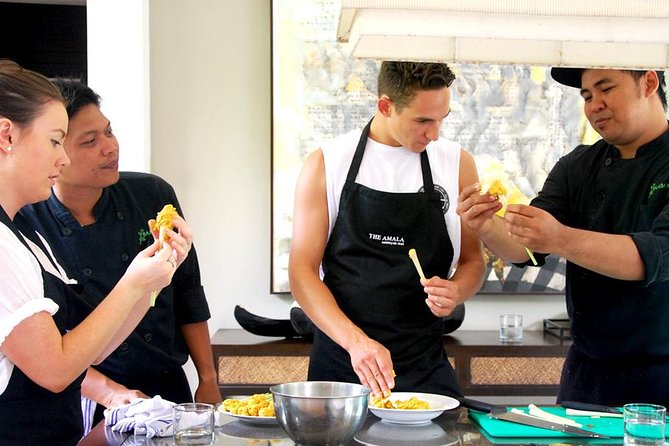
Seminyak gets a lot of attention, but this class doesn’t feel like a tourist set-up. It’s based around a real cooking workshop at The Amala Boutique Retreat (Jl. Kunti I No.108) with an expert chef leading the way. You’re learning the method behind Balinese flavors—how ingredients come together, and why certain pairings work.
You’ll also get a clear structure for the day. You either cook as a morning session (with an optional market stop) or as an afternoon session (with a later start time). For many people, that makes it easy to fit into an already-packed Bali itinerary without feeling rushed.
You can also read our reviews of more tours and experiences in Seminyak.

Your menu choices: Lawar salad and tum ikan, or papaya soup and fried banana
Here’s the big practical point: everyone in the class selects from the same menu during that session. So before you go, decide which set of dishes you want, including whether you want the vegetarian option.
Menu 1: lawar salad, tum ikan, and dadar gulung
Menu 1 leans into classics with a mix of fresh, savory, and sweet:
- Lawar salad with green beans, fresh coconut, and chicken
- Tum ikan (steamed fish in banana leaf)
- Dadar gulung (coconut pancake with palm sugar and split coconut)
This menu is a great pick if you want seafood but also want a strong “Balinese salad + pancake” arc. You’ll also get practice with banana leaf cooking style, which is one of those Bali details you can’t really fake at home without knowing the technique.
Menu 2: young papaya soup, chicken satay on lemongrass sticks, and godoh biu
Menu 2 shifts the focus toward warming soups and street-food style flavors:
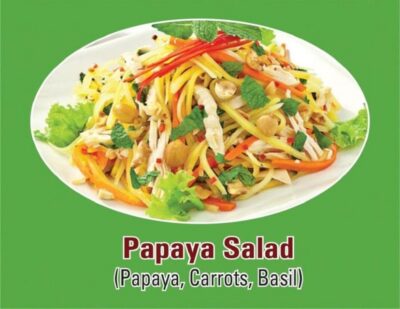
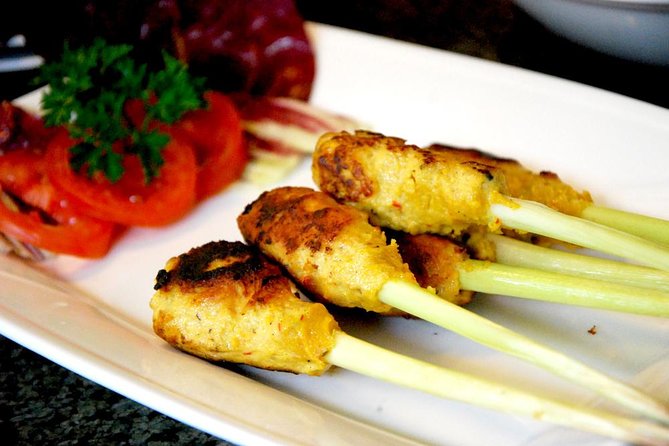
- Jukut gedang mekuah (young papaya soup with seafood)
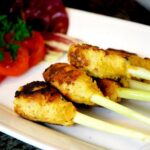
- Sate lilit ayam (chicken satay on lemongrass stick, plus steamed rice)
- Godoh biu (Balinese fried banana)
If you like stronger savory flavors and want to cook something closer to what you might see at local food stalls, this is the set. It’s also the menu that most clearly teaches you how to build flavor in stages, especially through the soup base and satay seasoning.
Vegetarian menu: gado-gado, pepes tahu, and black rice pudding
Vegetarian doesn’t mean one sad dish and a side salad. The vegetarian menu is built as its own full trio:
- Gado-gado (vegetable salad with peanut dressing)
- Pepes tahu (steamed bean curd in banana leaf)
- Bubur injin (Balinese black rice pudding)
Pepes tahu is the standout here. You’re still using banana leaf steaming, so the vegetarian side stays very Balinese rather than feeling like a substitute.

Market time at Jimbaran: how you shop like a chef
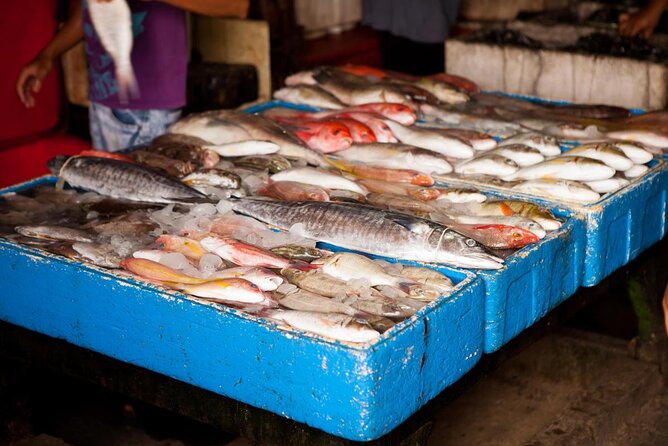
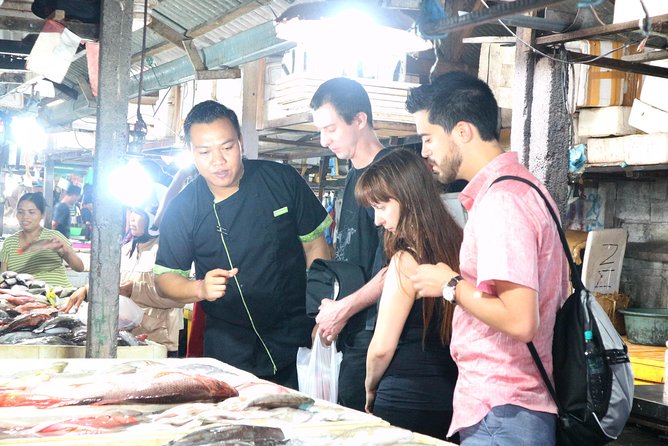
If you choose the morning session with the optional market visit, you’ll go to the Jimbaran fresh fish market with your chef. The point isn’t just sightseeing. It’s learning how ingredients are chosen and why freshness matters once you start cooking.
In classes led by chefs such as Chef Putu, the guidance can get very specific. One cooking tip you may hear: when selecting red snapper, look for redder eyes as a sign of freshness. That’s the kind of detail that makes the market visit feel useful, not random.
You’ll also have time to purchase fresh ingredients and spices for your cooking class. For most people, that means you leave with two wins:
1) You understand what’s going into your dishes in plain terms.
2) You learn what to prioritize at the market, so you can recreate the cooking logic later.
Inside The Amala: a small group and real cooking time
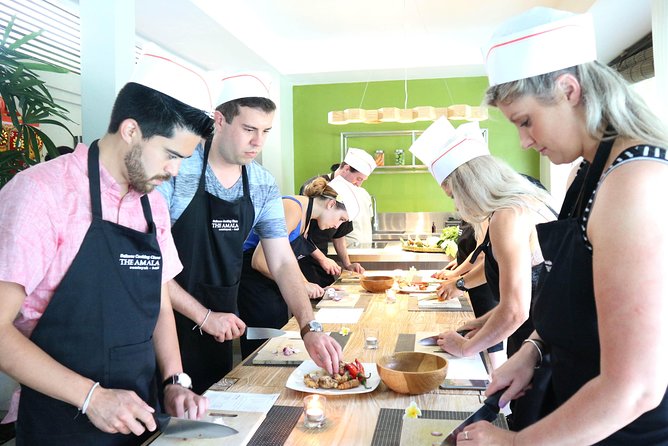
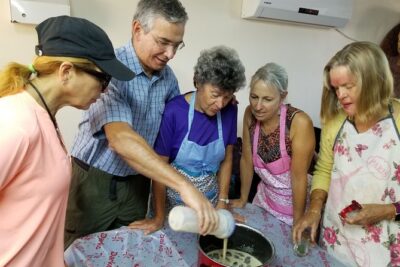
The cooking happens at The Amala, and the group stays small (up to 10 travelers). That matters. In a big class, you can end up standing around while someone else does all the work. In a smaller group, you have more chances to touch ingredients, mix components, and learn the steps in the moment.
Many classes are guided by chefs like Chef Putu, with friendly team support from people such as Evi and Manik. That kind of setup usually means you’re not just thrown into a station and told to figure it out.
Also, come prepared for the fact that Balinese cooking is hands-on. Expect plenty of prep work like chopping and cutting, not a glossy cooking show where everything magically appears. If you’re the type who enjoys tactile cooking tasks, you’ll probably love it.
The 3-course cooking: what you’re really learning (beyond the recipe)
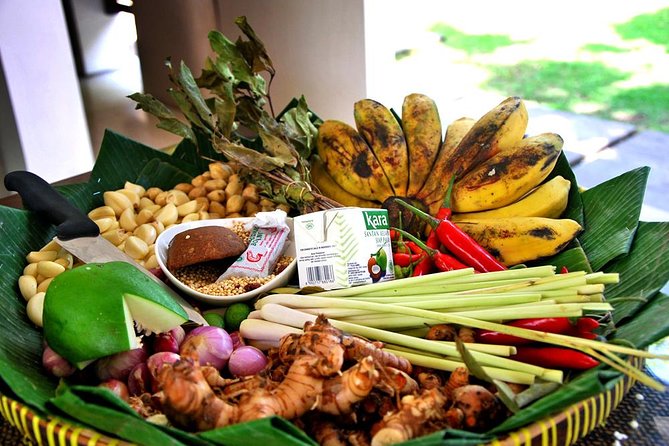
Yes, you’ll cook a meal. But the smarter value is the “why” behind the flavor combinations and techniques.
You’ll learn spice-and-sauce thinking
Balinese food isn’t just spicy. It’s layered—salty, fresh, aromatic, and often balanced with ingredients like coconut. When you’re making things like lawar salad or the papaya-based soup, you’ll see how coconut and aromatics bring everything together.
You’ll practice banana leaf cooking
Tum ikan and pepes tahu both rely on banana leaf steaming. That teaches you more than one trick. You learn how to wrap with the right intent, how flavors stay contained, and how the fish or tofu texture holds up during cooking.
You’ll get dessert technique, not just a sweet finish
Dadar gulung and bubur injin aren’t “just dessert.” Dadar gulung gives you the palm sugar sweetness and the coconut pancake method. Bubur injin teaches you how black rice turns into a creamy dessert base.
And if you want something to take home, ask questions while you’re working. Several people leave feeling like they understand which ingredients are essential and which might be hard to source back home, plus how to adapt those choices.
Eating what you cook: lunch or dinner, and how to time your hunger
Your meal lands right after you finish the final cooking steps. The class runs about 3 hours, so you’re not left waiting half a day.
Morning option works like this: you can start with the market at around 9:30 AM, then meet the chef later (around 11:00 AM). You start first prep around 11:30 AM and finish around 1:00 PM, then you eat your lunch.
Afternoon option shifts everything later: you meet the chef around 4:00 PM, start prep around 4:30 PM, and finish around 6:00 PM for dinner.
One small note to keep your expectations realistic: a few people have reported that the meal can be on the cooler side by the time it reaches the table. So if warm food matters to you, plan to eat right away once it’s served.
Price and value: what $66.67 buys in real terms
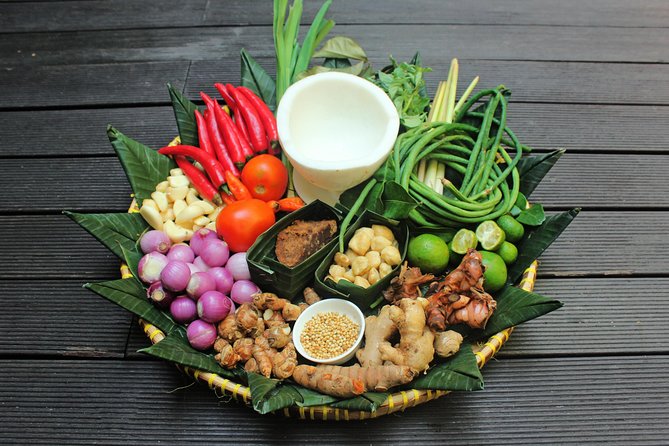
At $66.67 per person, you’re paying for more than “a cooking lesson.” The class includes:
- a chef-led cooking experience
- a 3-course meal (lunch or dinner)
- private round-trip transfer within Seminyak
- an apron you can keep as a souvenir
- a completion certificate
That’s a good value mix if you compare it to the cost of paying for ingredients plus paying for instruction plus paying for transport separately. The market add-on (Jimbaran fish market) can also add extra value if you’re curious about how ingredients are selected in Bali.
Two practical value points:
- You get a small-group experience capped at 10 people.
- Your food is part of the learning loop—you cook, then you eat, while the flavors are still fresh in your mind.
Pickup, timing, and who this class fits best
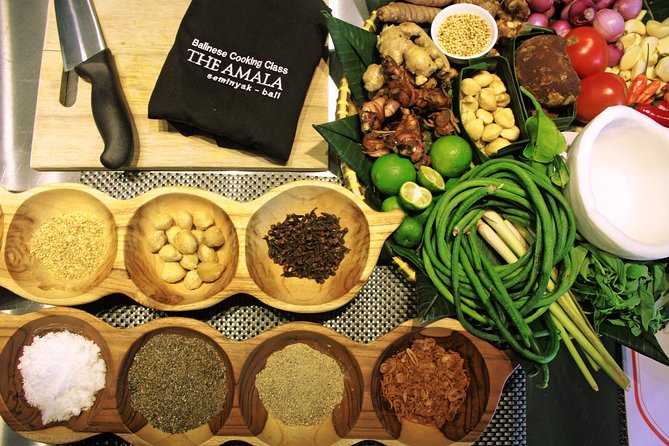
Pickup is offered for stays within the Seminyak area, and the class ends back at the meeting point. If you’re staying outside Seminyak, double-check transport before you go—some guests staying farther away have reported extra transfer costs.
Minimum age is 12, and the class is limited in size. If you’re traveling as a couple or small group, it’s usually a good fit since you can focus on technique rather than just moving through stations.
This is also a strong choice if you want an authentic Bali skill you can use at home. You’ll likely get enough detail to recreate the dishes more confidently, especially because you’ll understand which ingredients drive the flavor and how the steps connect.
If you’re the type who dislikes prep work (lots of chopping and hands-on cutting), you might want to set that expectation now. The cooking is real, not just assembly.
Should you book this Balinese cooking class in Seminyak?
You should book if you want:
- hands-on Balinese cooking with a chef
- a full 3-course meal you’ll actually eat
- an optional Jimbaran fish market experience in the morning
- a class in a small group at The Amala location
You might hesitate if:
- you’re booking solo and want the market visit (the market tour has a minimum of 2 persons, and a solo surcharge may apply)
- you’re staying outside Seminyak and don’t want to handle extra transport
- you’re hoping for a mostly low-prep, watch-and-snack style class
If those aren’t issues for you, this is a smart, well-rounded Bali activity. It’s not just about eating well; it’s about leaving with a clearer sense of how Balinese flavors are built—and how to recreate that at home.
FAQ
How long is the Balinese cooking class in Seminyak?
The class is about 3 hours.
Do I get hotel pickup in Seminyak?
Yes. Round-trip private transfer is included within the Seminyak area, with the activity ending back at the meeting point.
Where does the class take place?
The meeting point is at The Amala Boutique Retreat, located in Seminyak.
Is there an option to visit the fish market?
Yes, there’s an optional morning visit to the Jimbaran fresh fish market, accompanied by the chef.
What time do the morning and afternoon sessions start?
Morning is built around a market start around 9:30 AM (if you choose the market option), with cooking starting later. The afternoon session meets the chef at about 4:00 PM and finishes around 6:00 PM.
What dishes will I cook?
You choose one of three menus, and everyone in the class uses the same menu. Menu 1 includes lawar salad, tum ikan, and dadar gulung. Menu 2 includes young papaya soup with seafood, chicken satay on lemongrass stick, and Balinese fried banana. The vegetarian menu includes gado-gado, pepes tahu, and black rice pudding.
Is a vegetarian menu available?
Yes. There is a vegetarian menu option.
Can a solo traveler book the market visit?
The market tour requires a minimum of 2 persons per booking. If there is only 1 person, an extra charge of Rp100,000 net is required.
What age is the class suitable for?
The minimum age is 12 years.
Can I cancel, and what happens if weather is bad?
You can cancel up to 24 hours before the experience for a full refund. The class requires good weather; if it’s canceled due to poor weather, you’ll be offered a different date or a full refund.