REVIEW · KYOTO
Kyoto: Ramen, Gyoza, and Onigiri Cooking Class
Book on GetYourGuide →Operated by Friendship Adventures Co., ltd · Bookable on GetYourGuide
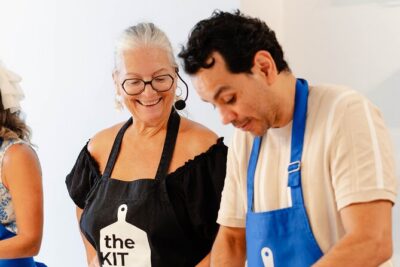
Your hands smell like Japan in 90 minutes. In Kyoto, this small-group class focuses on the skills most people skip: making ramen broth from simple ingredients, mastering gyoza wrapping, and shaping onigiri with English-speaking instructors like Nori and Kairi.
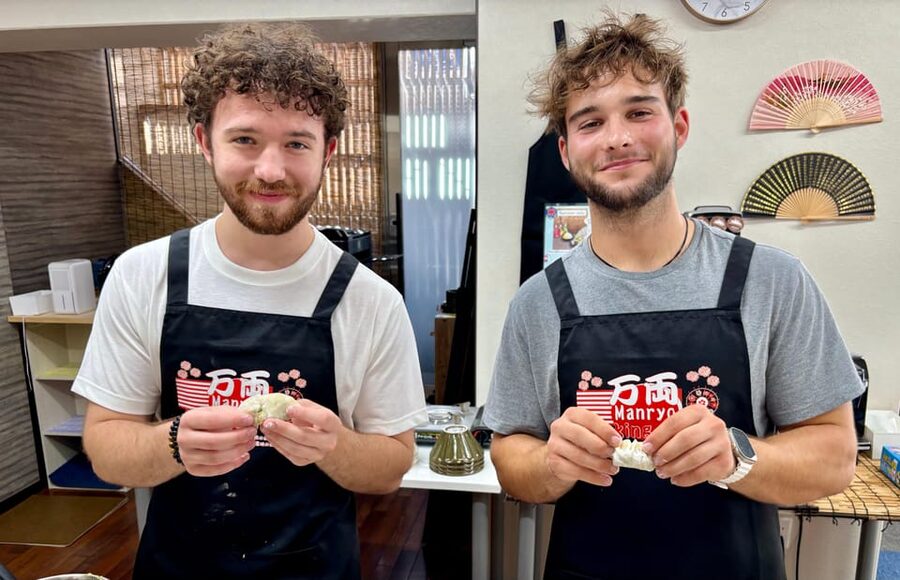
I love that you leave with practical technique, not just a meal. The gyoza work is especially good because you get clear steps for filling and shaping, so your dumplings look right and seal properly—gyoza you can actually repeat at home.
One big consideration: this class isn’t designed for special diets. There are no vegan, pescatarian, or gluten-free options, and it expects participants 13+ who can cook independently.
In This Review
- Key things I’d pay attention to
- Finding the Classroom Off the Main Street
- Ramen Broth 101: Miso vs Shoyu Without Making Noodles
- The flavors they’re teaching you to recreate
- Gyoza Wrapping: How to Get the Shape and Seal Right
- What makes the instruction click
- Onigiri Shaping: Making Rice Balls That Actually Work
- The hidden value: texture control
- Lunch Break Without Waiting: Eat What You Cook
- Price and Value: Is $90 Worth 90 Minutes?
- Who This Class Suits Best (and Who Should Skip It)
- Who should be careful
- My Practical Recommendation: Should You Book?
- FAQ
- What dishes do I make in the class?
- Do you make the ramen noodles during the lesson?
- Are there vegetarian options?
- Can they accommodate vegan, pescatarian, or gluten-free diets?
- What is the minimum age for participants?
- Is the class wheelchair accessible?
- How long is the cooking class?
- How large are the groups?
- What’s included in the price?
Key things I’d pay attention to
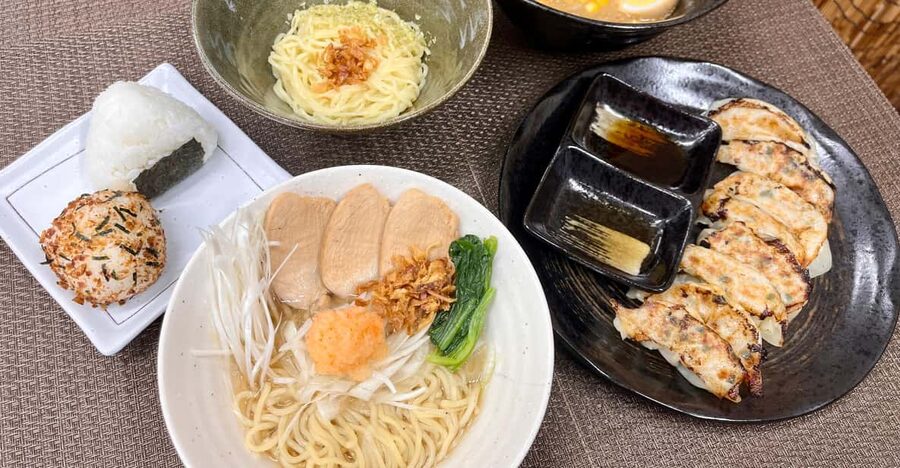
- Ramen broth focus (no noodle-making) so you learn the part most restaurants guard
- Miso and shoyu broth taught side-by-side with simple, home-friendly ingredients
- Gyoza wrapping drills to get shape and sealing down
- Onigiri shaping practice so rice balls hold together as a real snack
- Small group, hands-on pace (limited to 8) with multiple instructors helping
- Strict menu rules: regular menu or vegetarian (pork swapped for tofu)
Finding the Classroom Off the Main Street
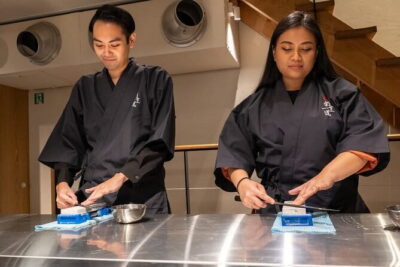
This takes place in a classroom on B1 of Life Building. It’s not on the main drag, so plan to get oriented before you rely on last-minute directions. If you’re taking a cab, get off in front of Family Mart at Sanjo Keihan, then walk about 2 minutes.
When you arrive, wear comfortable shoes and clothes you don’t mind getting a little cooking-stained. The room is set up for hands-on work, so you’ll be standing, moving, and cooking as part of the lesson—not just watching.
The good news: the class is structured so you can find your station fast and start right away. That matters, because the 90 minutes move quickly.
You can also read our reviews of more tours and experiences in Kyoto.
Ramen Broth 101: Miso vs Shoyu Without Making Noodles
Here’s what makes this class different: you don’t make noodles. Instead, you focus on the ramen broth, which is the hardest part to recreate at home. You’ll learn how to build a rich soup using ingredients you can usually track down outside Japan, plus standard Japanese pantry items.
You’ll make two styles of broth:
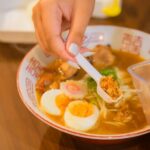
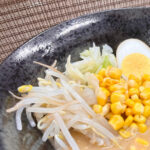
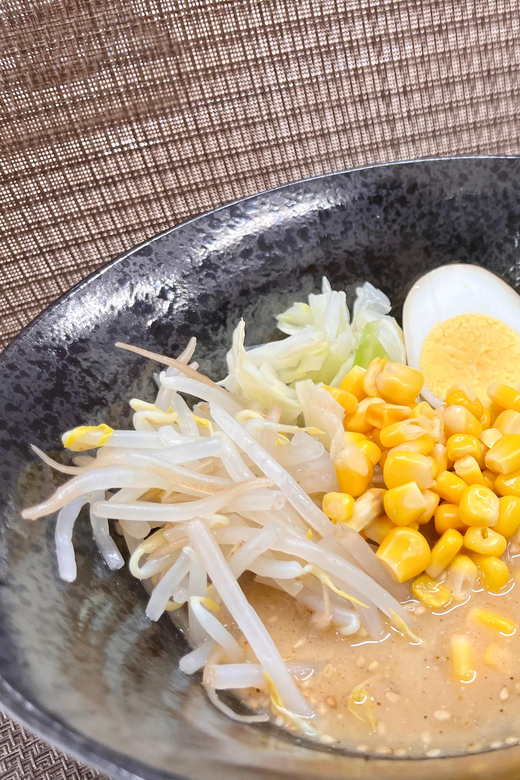
- Miso ramen, topped with a boiled egg, bean sprouts, green onions, and sweet corn
- Shoyu ramen, topped with chicken, bamboo shoots, and green vegetables
And the instructors make an important point that you can use later: toppings should not bully the broth. Since the soup already has a strong base, the toppings should be simple and fresh-tasting. That’s why the class uses straightforward vegetables, and keeps the topping flavors balanced.
The flavors they’re teaching you to recreate
The ingredient list is very practical. Expect things like soy sauce, miso, garlic, ginger, sesame oil, mirin, salt and pepper, and cooking sake. You’ll also run into core umami boosters such as chicken stock powder, oyster sauce, fish powder, and chili oil. For the miso style, there’s also butter in the mix.
One more useful takeaway: you’ll learn the logic behind building depth, not just following a single sauce bottle. Once you understand the role of each ingredient, you’ll feel less stuck when you’re buying supplies at home.
Gyoza Wrapping: How to Get the Shape and Seal Right
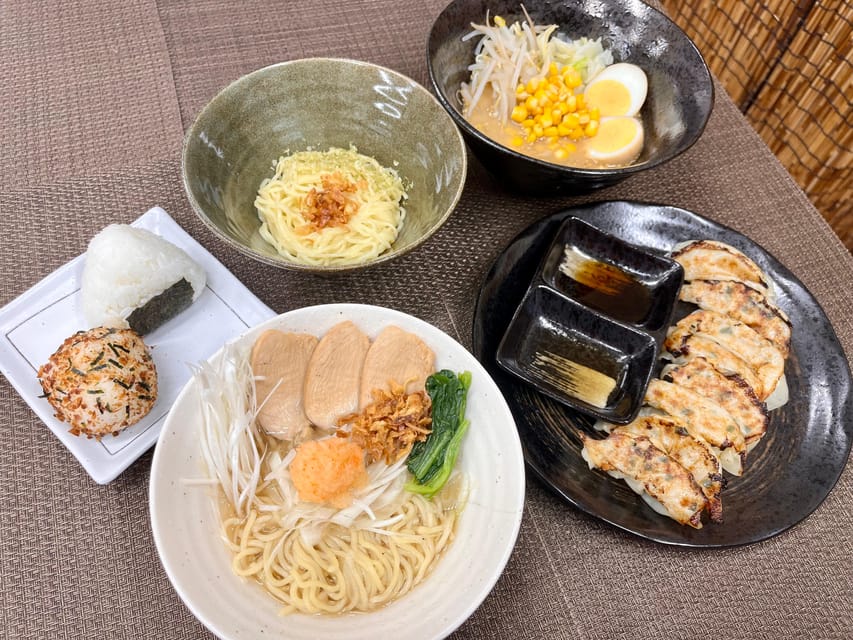
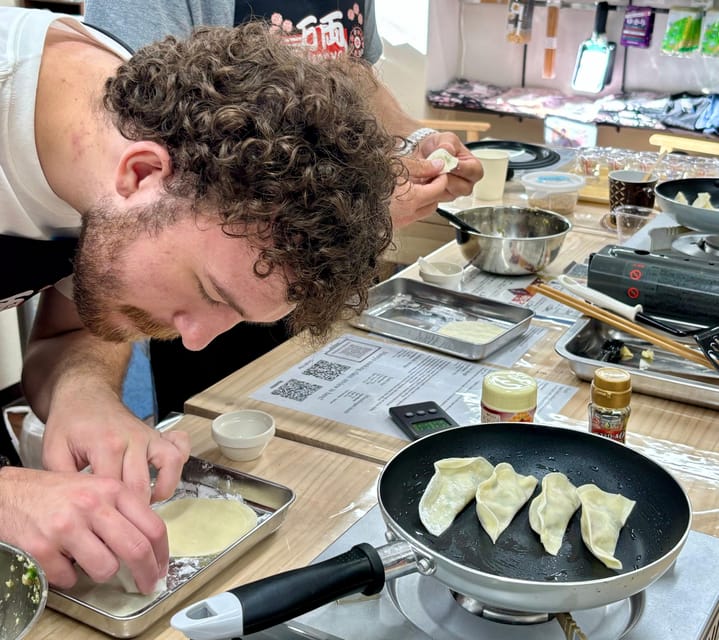
Gyoza is where a lot of cooking classes get fuzzy—mostly you chop, then you eat. This one is built around wrapping and sealing so you really learn the technique.
You’ll work through the key pieces:
- creating the filling balance (meat plus vegetables and seasoning)
- portioning so the dumplings aren’t overstuffed
- folding/wrapping to get the right shape
- sealing so they hold together during pan-frying
From the ingredient list, you can expect elements like ground pork plus vegetables such as cabbage, onion, and chives. The seasonings lean Japanese: soy sauce, garlic, ginger, and pepper tones show up, along with items like lard and mirin for richness.
What makes the instruction click
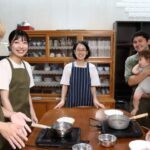
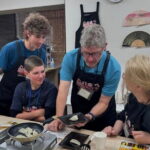
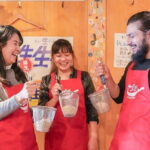
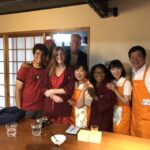
A repeated theme in the teaching style is that the guidance is both clear and fast. Instructors like Nori, Aoi, Ayuna, Riho, and Kairi (names you may meet depending on the day) keep the pace moving while still checking that your folds make sense.
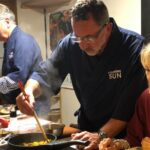
The class runs with multiple people helping at the stations. Even when it’s busy, you’re not left to guess. That’s a big deal for gyoza, where one wrong step can make the dumpling open in the pan.
So come ready to do real work with your hands. This is not a sit-and-watch photo session.

Onigiri Shaping: Making Rice Balls That Actually Work
Onigiri sounds simple until you try it. This class makes it approachable by having you practice forming rice balls with an emphasis on getting a clean shape and a good hold.
Onigiri is the kind of food you want to know for everyday life in Japan and beyond. It’s an easy grab-and-go snack, and it’s also a fun lunch alternative to a sandwich. The class uses fillings and flavors variety, so you get a sense of how onigiri can shift depending on what you stuff inside.
The hidden value: texture control
Even though the class is only 90 minutes, rice ball technique is one of those skills that sticks. Once you learn how to handle the rice, you stop fighting sticky lumps and start thinking about shape, packing, and consistency.
If you’ve ever been frustrated making rice balls at home, this is the kind of class that fixes that frustration by showing you what to aim for—step by step.
Lunch Break Without Waiting: Eat What You Cook
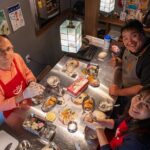
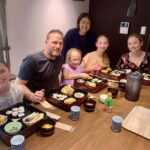
This class is designed so you eat what you make. That’s not just a perk—it changes how you learn. When you taste your own broth and gyoza, you quickly connect cooking choices with results.
The meal is substantial. People consistently note the amount of food you end up cooking and eating in 90 minutes, and it can feel like more than a quick workshop. If you want the full experience, plan to arrive not stuffed from an early breakfast.
You’ll also get printed recipes for ramen and gyoza, which makes the whole session more repeatable after you return home. Even if you forget one tiny folding detail, the recipes give you a way to rebuild your results.
And if you want to keep it relaxed after class, some participants mention you can purchase beer for after the meal. It’s optional, but it’s nice if you’re the type who celebrates with a cold drink.
Price and Value: Is $90 Worth 90 Minutes?
$90 can sound steep until you look at what’s actually included. You’re paying for:
- English-speaking instruction
- all ingredients and cooking equipment
- the food you make
- printed recipes for ramen and gyoza
- free coffee and tea
Then there’s the value you can’t measure on a receipt: technique. Ramen broth is the core flavor engine in Japanese ramen, and gyoza is a craft skill. You’re not just tasting dishes—you’re learning a process you can repeat for family or friends.
Could you spend less and eat ramen and gyoza at a restaurant? Sure. But restaurants won’t teach you how to build broth, wrap dumplings, or shape rice balls. This class helps you bring part of Kyoto home with you.
One practical note: because the class does not make noodles, you’ll still need to cook noodles separately later if you want full bowl-at-home results. The payoff is you now know how to make the soup.
Who This Class Suits Best (and Who Should Skip It)
This fits best if you:
- love Japanese comfort food and want hands-on technique
- cook at home at least sometimes
- enjoy working through step-by-step folding and seasoning tasks
- prefer small groups (it’s limited to 8)
It’s also a nice bonding activity for couples and families with older kids. Several participants mention it working well with teens, and the class expects independence.
Who should be careful
This class is not suitable for:
- children under 12 (and the experience expects participants 13+)
- wheelchair users
- people with recent surgeries
- anyone who needs vegan, pescatarian, gluten-free, or other special diet substitutions
So if your dietary needs are strict, this one isn’t a match.
My Practical Recommendation: Should You Book?
If you want one Kyoto activity that teaches real skills, I’d book this. The focus on ramen broth (without making noodles) is a smart way to learn something you can actually replicate. Add in gyoza wrapping practice and onigiri shaping, and you get a full skill set for Japanese home cooking, not just a single dish.
Skip it if you need dietary flexibility beyond the two provided menus. And if you hate fast-paced classes, know the 90 minutes can feel busy because you’re cooking, not waiting.
If you show up ready to cook and you’re fine with the menu limits, this is a high-value, memorable way to spend an afternoon in Kyoto—one where you leave with food in your hands and recipes in your bag.
FAQ
What dishes do I make in the class?
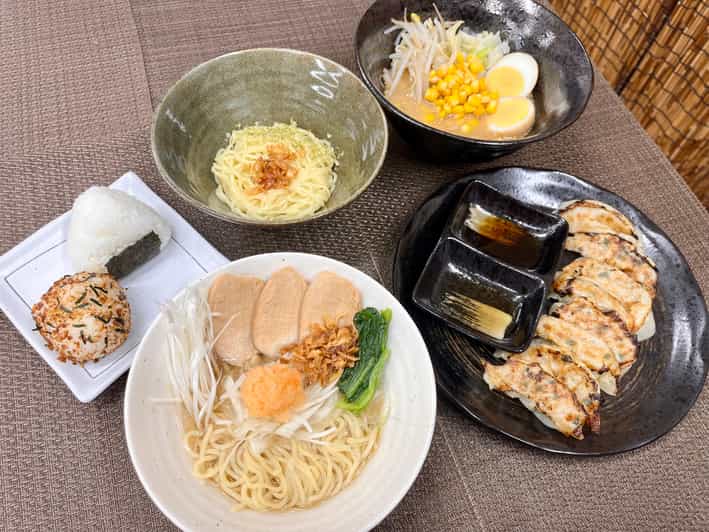
You’ll make ramen broth (miso and shoyu), gyoza, and onigiri. The broth includes the topping components used in the class.
Do you make the ramen noodles during the lesson?
No. This class teaches how to prepare the ramen broth, but you do not make the noodles.
Are there vegetarian options?
Yes. The vegetarian menu replaces pork with tofu, while other ingredients remain the same.
Can they accommodate vegan, pescatarian, or gluten-free diets?
No. The class cannot accommodate vegan, pescatarian, gluten-free, or any other special diets.
What is the minimum age for participants?
The class is not suitable for children under 12, and it also specifies that participants must be 13 and able to cook by themselves without staff help.
Is the class wheelchair accessible?
No. The activity is not suitable for wheelchair users.
How long is the cooking class?
The duration is 90 minutes.
How large are the groups?
It’s a small group limited to 8 participants.
What’s included in the price?
English-speaking instructors, all cooking ingredients and equipment, the food you make, recipes for ramen and gyoza, and free coffee and tea.