REVIEW · KYOTO
Kyoto: Morning Japanese Bento Cooking Class
Book on GetYourGuide →Operated by Cooking Sun · Bookable on GetYourGuide
Cooking breakfast in a real Kyoto kitchen hits different. This class turns bento from a cute box concept into real skills you can use at home, with hands-on cooking and English guidance. I especially like the pace (it’s busy but not chaotic) and the fact you end up eating what you make as a proper bento lunch. One catch: there’s no hotel pickup, so you’ll need to get yourself to Cooking Sun in Shimogyo Ward.
You’ll start with ingredients, apron, and utensils, then follow the chef through building multiple Japanese dishes inside your box. I also like how the instructors slow things down for beginners, with clear steps and lots of practical tips, even when you’re short on cooking confidence. The main consideration is planning your morning route well, because you’re expected to arrive on time at the meeting point.
In This Review
- Key things to know before you go
- A Kyoto morning that starts with real cooking, not sightseeing
- Where the class meets (and why location matters)
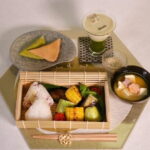
- What you’ll cook: sushi, tempura, teriyaki chicken, miso soup
- How the class actually flows in 3 hours
- The instructor style: patient, English-friendly, and practical
- Bento lunch as a lesson in Japanese food habits
- Price and value: why $67 can be a good deal here
- Dietary needs: you can usually make it work
- Getting the most out of the morning (practical tips)
- Who this Kyoto cooking class suits best
- Should you book Kyoto Morning Bento Cooking at Cooking Sun?
- FAQ
- Where is the meeting point?
- How long is the class?
- What will I learn to make?
- Is lunch included?
- Is the class taught in English?
- Does the price include ingredients and equipment?
- Is hotel pickup and drop-off included?
- Are dietary requirements accommodated?
- What are the skills like? Is it a knife-focused class?
- Is the activity wheelchair accessible?
- What is the cancellation policy?
Key things to know before you go
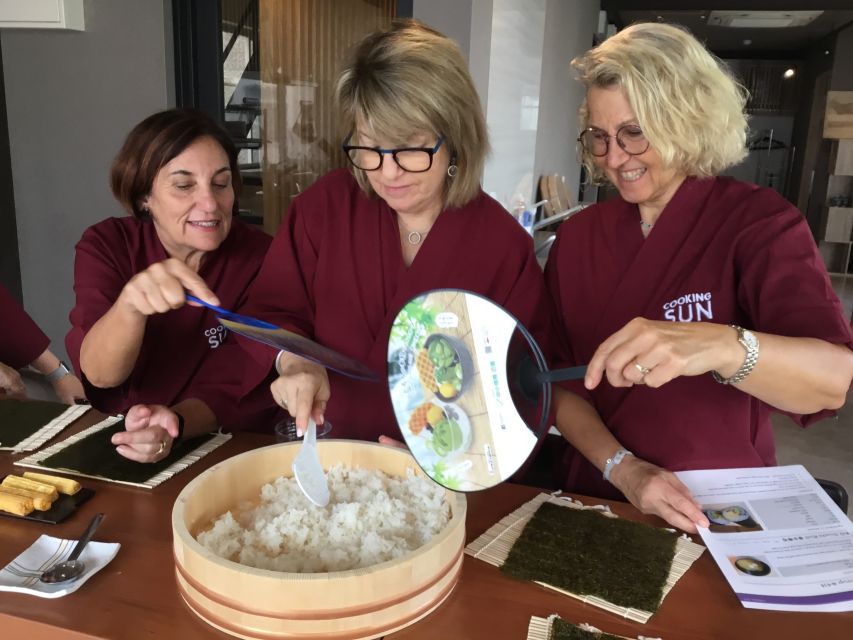
- Small, hands-on groups help you actually participate, not just watch and hope
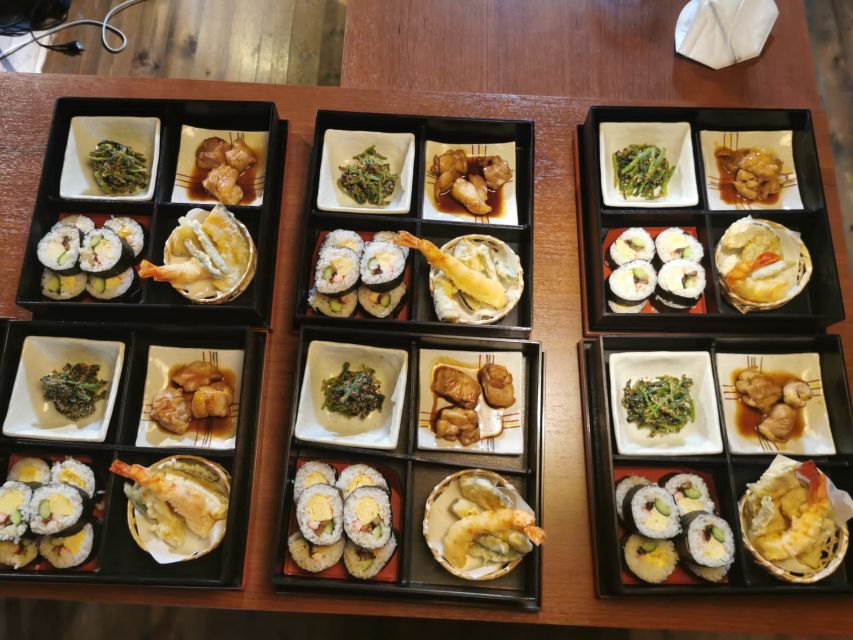
- You’ll make core bento staples: sushi, tempura, teriyaki chicken, and miso soup
- Your lunch is included, so you leave fed (and not just with photos)
- English instruction plus written recipes make it easier to repeat at home
- Some classes include extra dishes beyond the big four, depending on the day
A Kyoto morning that starts with real cooking, not sightseeing
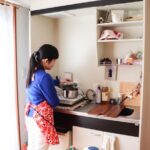
Kyoto mornings can feel like a checklist: shrine, alley, coffee, repeat. This experience swaps that rhythm for something more useful. In about 3 hours, you’ll work in a compact kitchen setting, learn what goes into bento food, and build a lunch that looks intentional—not random cafeteria food.
The best part is that you’re not just learning flavors. You’re learning how Japanese home cooks think about portions, textures, and timing. Bento is practical food design. You’re basically learning the logic behind why each compartment exists.
You can also read our reviews of more tours and experiences in Kyoto.
Where the class meets (and why location matters)
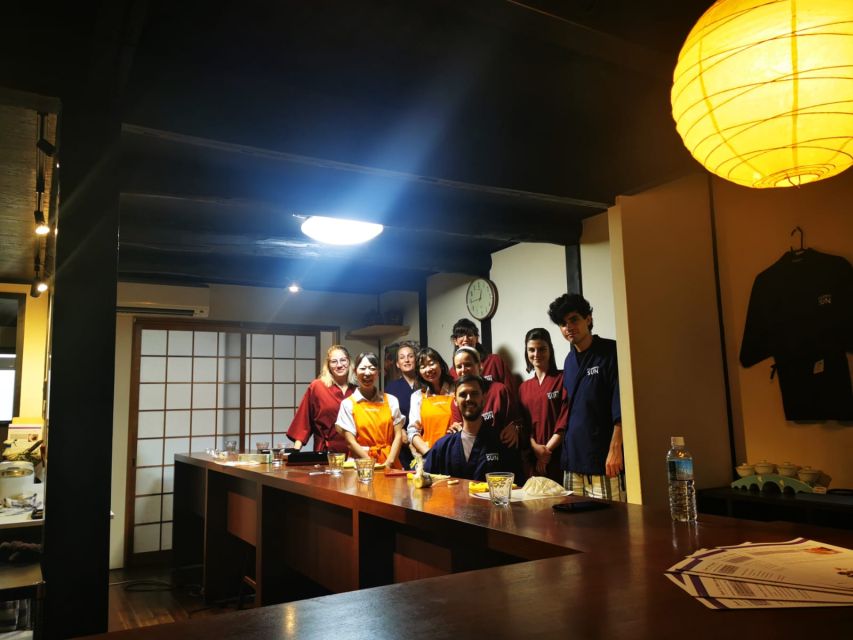
The meeting point is Cooking Sun, Funayacho, Shimogyo Ward, Kyoto, 600-8466. There’s no hotel pickup, so plan to arrive under your own steam.
Why that matters: you’ll want a little buffer time. These classes run on a short clock. If you show up late, you’ll miss the early prep and lose momentum for the rest of the cooking.
What you’ll cook: sushi, tempura, teriyaki chicken, miso soup
This is a bento-focused class, so the menu centers on familiar Japanese comfort foods—plus the skills to make them properly.
Here’s what the class is set up around:
- Sushi: You’ll learn how to handle sushi as part of a bento box, where neat presentation and bite-friendly portions matter.
- Tempura: Expect techniques for batter/frying and how to keep it from getting soggy when it ends up in a box lunch.
- Teriyaki chicken: You’ll practice the sweet-savory balance that makes teriyaki so “everyone loves it” at first bite.
- Miso soup: You’ll learn the basics of making miso soup as a matching companion to the bento.
You may also make additional dishes depending on the day. Some class reports mention making a wider set of items (like around six or seven dishes total), with ingredients often prepped ahead of time so you can focus on cooking steps rather than basic knife skills.
How the class actually flows in 3 hours
The day is built in a clear sequence: arrive, prep, cook, eat.
1) Arrival and setup
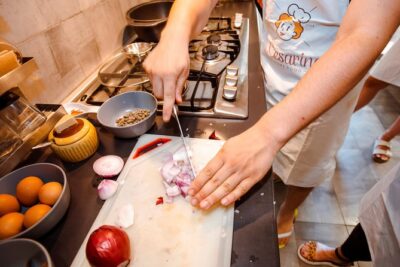
You show up for a class length of about 2.5 to 3 hours. Then you collect what you need—ingredients, an apron, and utensils.
2) Chef demo and key tricks
You watch your chef demonstrate the dishes and explain the tricks that make bento food look good and taste right. This is where you learn the small things that separate home cooking from “I tried.” Think: timing, texture, seasoning approach, and plating choices inside the box.
3) Hands-on cooking
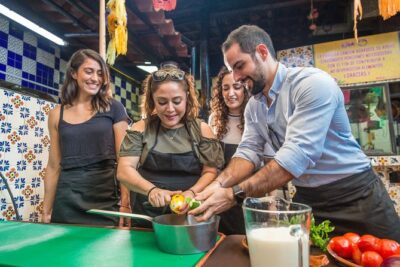
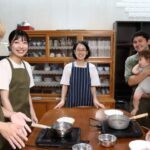
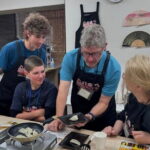
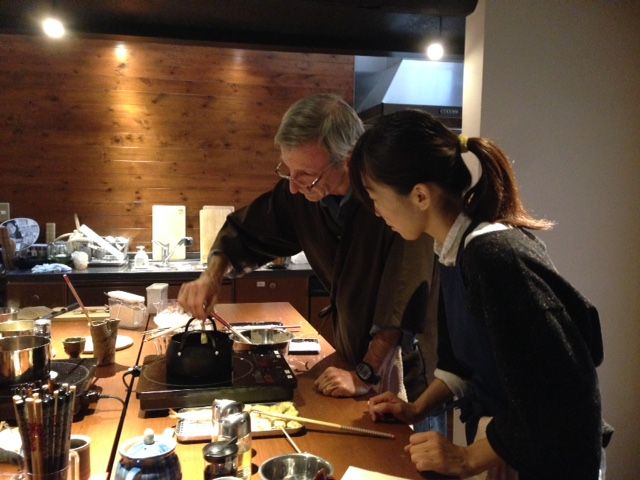
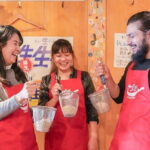
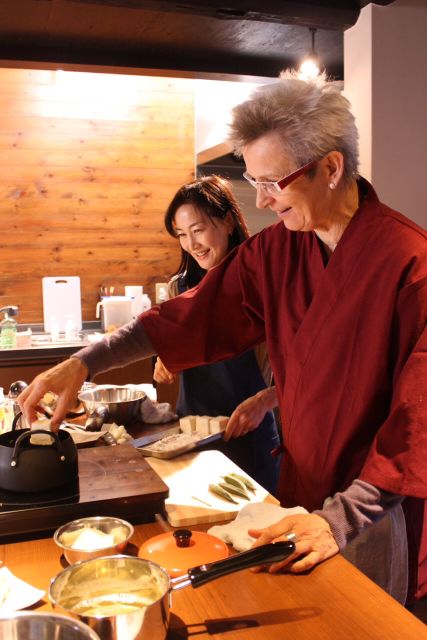
After the demonstration, you follow along and cook the components yourself. Multiple instructors guide the room, and because groups tend to be small, you have a realistic chance to get help when something doesn’t look like the example.
4) Lunch: your finished bento box
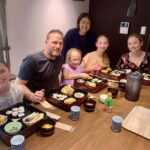
Once cooking is done, you eat what you made. It’s not a tasting menu with a theoretical finish. It’s lunch—hot where it should be, arranged where it matters.
A helpful reality check from past participants: this isn’t a raw beginner “knife skills boot camp.” Many ingredients are already prepped, so you can concentrate on the actual cooking moves and flavor decisions.
The instructor style: patient, English-friendly, and practical
English instruction is part of the setup. In practice, what stands out is how instructions match real cooking life—clear steps, pacing that doesn’t leave you behind, and guidance when you’re mixing or timing something.
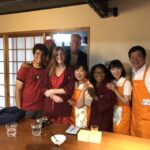
You might work with instructors such as Mei, Mae, Tomoko, Yukari, Coco, or Ikari, depending on the schedule. Past classes describe a friendly teaching vibe, with instructors taking time to explain what you’re doing and why.
One small but meaningful detail: multiple people mention helpful written recipes. That matters because you’ll likely want to recreate this once you’re back home and the memories start turning into guesses.

Bento lunch as a lesson in Japanese food habits
Eating your bento isn’t just the reward. It’s part of the learning.
Bento is a takeaway format, but the goal isn’t fast food. It’s balanced food in a portable shape. When you build sushi, tempura, teriyaki chicken, and miso soup together, you start noticing how the meal is designed:
- Hot and comforting (miso soup)
- Crispy texture (tempura)
- Sweet-savory main (teriyaki chicken)
- Bite-sized satisfaction (sushi)
This is also where the bento “container thinking” clicks. You learn how Japanese cooks think about compartments—how to keep flavors working together without turning everything into the same taste.
Price and value: why $67 can be a good deal here
At $67 per person for about 3 hours, you’re paying for more than food. You’re buying:
- Guided instruction in English
- Ingredients included
- Apron and utensils provided
- And lunch at the end
Is it “cheap”? No. But it’s also not just a restaurant meal. This is paid practice: you get a structured cooking session, you make multiple dishes, and you leave with recipes you can use again.
In Kyoto, it’s easy to spend money on experiences that stay abstract. This one turns into something you can cook later. That’s where the value tends to land for people—especially if you enjoy cooking and want skills, not souvenirs.
Dietary needs: you can usually make it work
When booking, you’re asked to advise of dietary requirements. That’s important because Japanese cooking often includes common ingredients that don’t always fit everyone’s needs.
Past class experiences mention vegetarian accommodations and no-shellfish options, which is a good sign that the team can adapt. If you have restrictions, write them clearly when you book so the kitchen can plan.
Getting the most out of the morning (practical tips)
Even with prepped ingredients and clear steps, you’ll enjoy this more if you come prepared like you’re joining a workshop, not just a show.
A few practical pointers:
- Arrive a bit early so you can settle in, find your station, and start without stress.
- Bring questions. If you’re unsure about sauce thickness, frying timing, or how to arrange items, ask early.
- Treat the written recipes as your “home menu.” Take a close look while the steps are still fresh.
- If you’re a first-time sushi or tempura cook, don’t judge yourself by round one. You’re learning technique, not perfection.
Also, if you’re sensitive to timing, remember that bento is about arranging foods that still taste good together. The cooking team will guide you, but you’ll get better results if you follow their order and don’t rush ahead.
Who this Kyoto cooking class suits best
This class is a strong fit if you:
- Want hands-on cultural food learning in a short time window
- Enjoy cooking and like the idea of recreating dishes at home
- Prefer small-group formats where you can interact and get help
- Like a morning activity that ends with a real lunch
It’s also a good option for people who don’t want to spend the whole day on transfers between sights. You’ll get a focused experience in one place, and you’ll leave with food skills tied to Kyoto’s daily-life culture.
If you’re the type who hates kitchens, fumes, or standing at a station for a bit, then this may feel like hard work instead of fun. But if you’re curious, it’s a very friendly entry point.
Should you book Kyoto Morning Bento Cooking at Cooking Sun?
I’d book it if you want something practical, Kyoto-shaped, and repeatable. For $67 you’re getting a structured 3-hour cooking session with ingredients, instruction in English, and lunch—plus written recipes that help the skill stick.
If you’re short on time or hate navigating to a meeting point on your own, then the no-hotel-pickup part is the one thing to weigh. Otherwise, this is the kind of experience that turns travel memories into meals you’ll actually make later.
FAQ
Where is the meeting point?
The meeting point is Cooking Sun, Funayacho, Shimogyo Ward, Kyoto, Kyoto 600-8466.
How long is the class?
The duration is listed as 3 hours.
What will I learn to make?
You’ll learn how to make bento dishes including sushi, tempura, teriyaki chicken, and miso soup.
Is lunch included?
Yes. Lunch is included, and you eat what you cook.
Is the class taught in English?
Yes. The instructor teaches in English.
Does the price include ingredients and equipment?
Yes. Ingredients, an apron, and utensils are included.
Is hotel pickup and drop-off included?
No. Hotel pickup and drop-off are not included.
Are dietary requirements accommodated?
You should advise of any dietary requirements when booking, and the class can prepare alternatives based on what you share.
What are the skills like? Is it a knife-focused class?
The class materials indicate it is about cooking and following steps; many ingredients may be prepped, so it’s not described as a knife-skill-only workshop.
Is the activity wheelchair accessible?
Yes, it’s listed as wheelchair accessible.
What is the cancellation policy?
You can cancel up to 24 hours in advance for a full refund.