REVIEW · KYOTO
Kyoto: Japanese Washoku Bento Small Group Cooking Class
Book on GetYourGuide →Operated by Yamamoto Rie · Bookable on GetYourGuide
Bento making beats guessing every time. In this Kyoto class, you learn washoku habits from a local chef while you cook a full boxed lunch step by step. I love that it is hands-on and interactive, not a sit-and-watch demo. I also like how the class teaches core skills you can actually repeat at home, especially tempura frying and dashi. One thing to plan for: you have to arrive right on time at the Kyoto Laundry Cafe, or your reservation can be canceled.
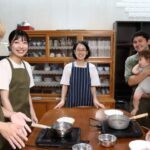
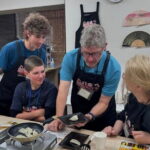
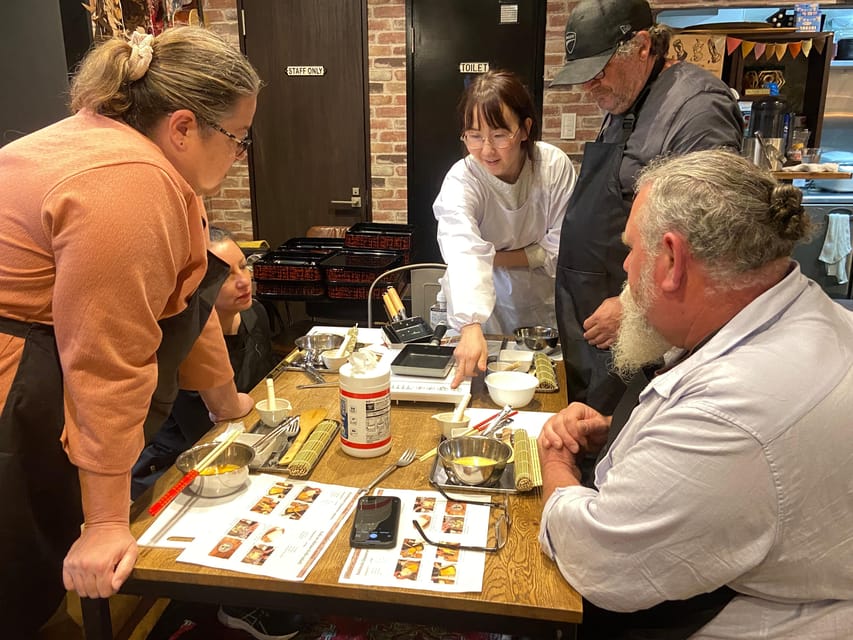
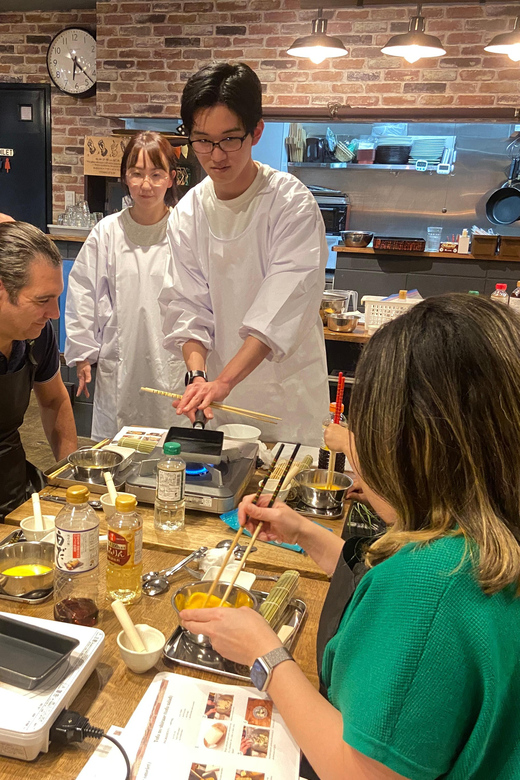
This is the kind of activity that feels like a skill workshop and a lunch date at once. You’ll work in a small group (up to 5), chop and prep with the proper Japanese approach, and then sit down to eat what you made while chatting with your chef and fellow cooks.
The food isn’t just “tasty.” It’s built around balance: flavors, colors, textures, and seasonal ingredients—the washoku idea of eating with intention.
In This Review
- Key Highlights at a Glance
- Where You Go in Kyoto: Kyoto Laundry Cafe and Saiin Station Area
- What You Cook: Bento Components, Tempura, Dashi, and Rolled Omelette
- Knife Skills in Japan: Cutting With Purpose, Not Just Speed
- Dashi Stock and Tempura Frying: The Two Skills You’ll Actually Use
- Eating Together: Why the Bento Tastes Different After You Make It
- Price and Value: Is $58 Worth It in Kyoto?
- Who This Bento Class Fits Best (and Who Should Skip It)
- How to Prepare for the Class Day
- Should You Book This Kyoto Washoku Bento Class?
- FAQ
- Where is the meeting point for the Kyoto bento class?
- How long is the cooking class?
- What’s the group size?
- What languages does the instructor speak?
- What dishes will we make during the class?
- Will we learn dashi and tempura techniques?
- What happens if I arrive late to the meeting point?
- Is this class wheelchair accessible, and is it suitable for young children or diabetes?
Key Highlights at a Glance
- Small group (max 5 people) so you get real attention while you cook
- Knife skills with a Japanese approach, not just random cutting tips
- Dashi stock and tempura frying techniques taught by a chef
- You make a full bento, not a single dish you nibble and forget
- Multiple instructors you might meet, including Ai, Miyu, Chef Rie, and Nana
- You eat the results together, so there’s payoff built into the schedule
Where You Go in Kyoto: Kyoto Laundry Cafe and Saiin Station Area
The class meeting point is Kyoto Laundry Cafe (Kyoto Laundry Cafe / 京都ランドリーカフェ). It’s about a five-minute walk from Saiin Station on the Hankyu Railway line. The nice part is that you’re not trying to decode a complicated address system once you land. You just get yourself to the cafe, using Google Maps, and wait.
On the program day, the chef comes to pick you up at Kyoto Laundry Cafe. That detail matters more than it sounds. This is not “meet at a restaurant counter somewhere in Kyoto.” It’s a tight start, and the chef’s timing is part of how the class flows.
Also, be strict with your arrival time. If you show up more than 15 minutes after the scheduled meeting time, your reservation is automatically canceled. You’ll also want to know that late arrival day-of issues can’t be fixed with a refund or schedule change. In plain terms: treat this like a train you can’t miss.
What to do if you’re worried about getting lost? Give yourself a cushion. Saiin is easy enough once you’re there, but Kyoto can still throw you curveballs with walking routes and station exits.
You can also read our reviews of more tours and experiences in Kyoto.
What You Cook: Bento Components, Tempura, Dashi, and Rolled Omelette
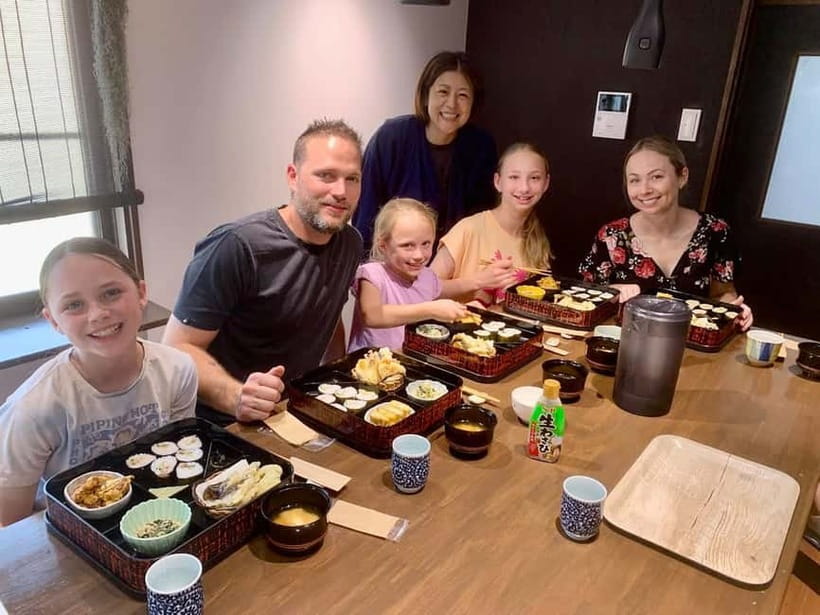
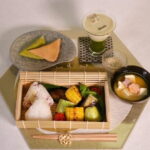
You’re making a portable meal called bento. The concept is simple: several separate dishes packed together, so you get variety in one box. The washoku twist is that each component is chosen for balance—freshness, seasonality, and harmony of flavors and textures.
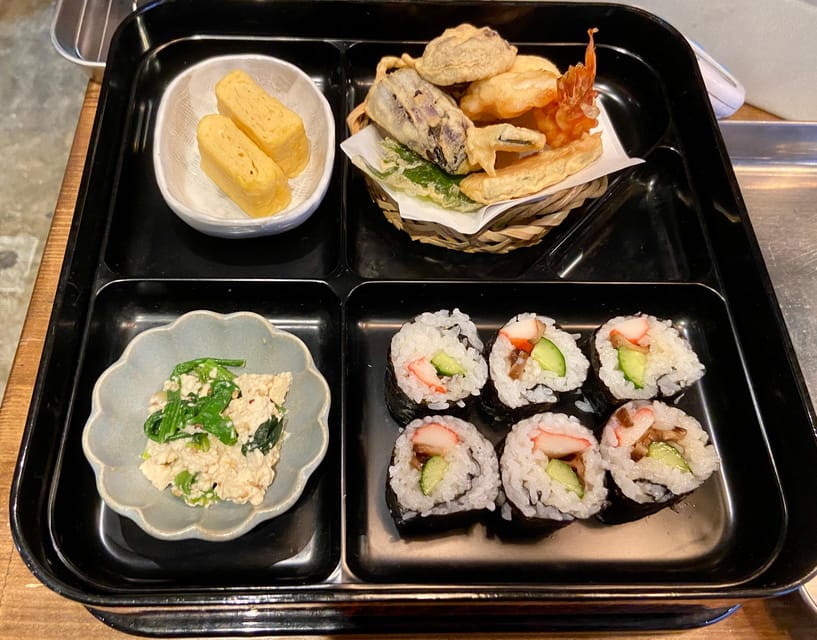
In this class you’ll cook four dishes, plus learn the techniques that connect them. Based on what the chefs teach in this format, expect a mix like:
- Sushi rolls (learn the prep and rolling basics as part of the bento plan)
- Tempura (fried with guidance on how to handle the frying process)
- Tofu salad (often tied to sesame-forward flavors)
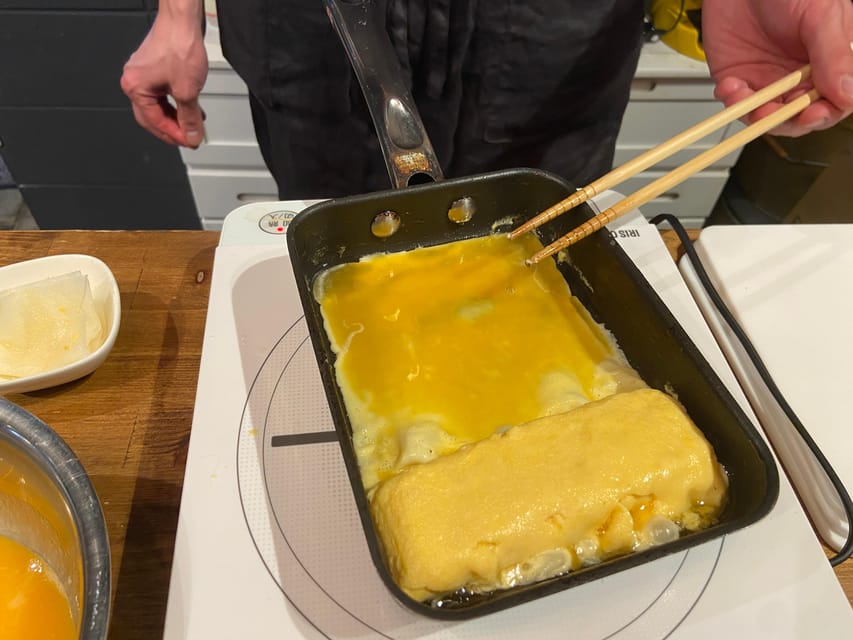
- Japanese rolled omelette (dashimaki is commonly mentioned by past participants)
You’ll also learn to make dashi, a foundational Japanese stock used to season and build flavor. Dashi is the kind of skill that makes home cooking feel less like imitation and more like you actually understand the seasoning logic.
One reason this class gets such strong praise is that it doesn’t treat each dish like a random recipe. Each component has its own method and utensils, and the instructors explain what you’re doing and why. That’s why you end up not only with food, but with repeatable technique.
A practical note: the schedule is about 150 minutes (2.5 hours). That’s enough time to cook, troubleshoot, and then eat—without turning the class into a marathon.
Knife Skills in Japan: Cutting With Purpose, Not Just Speed
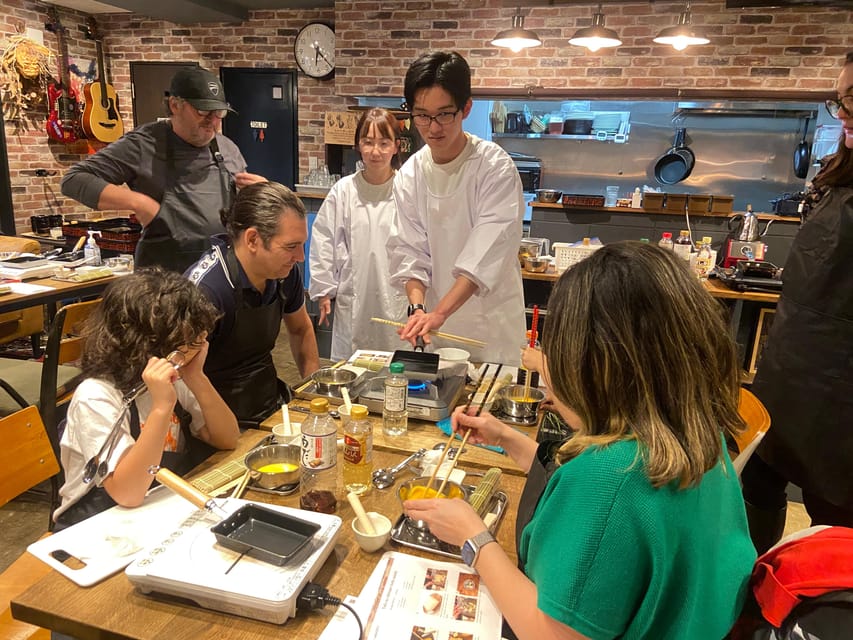
Knife work is a major part of this experience. You’ll improve your technique and learn the proper Japanese approach during the class. That can sound vague, but in a hands-on cooking class it usually means two things: better control and better consistency.
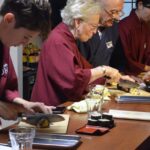
You’ll practice while you’re cooking, not just with a theory lecture. That’s the win. Instead of learning knife skills as a separate “blade class,” you use them for real bento components. It forces your brain to connect cutting style to the final dish—shape, texture, and even how ingredients cook.
You’ll also get coached on posture and the way to hold and guide the knife. The goal isn’t to make you a sushi chef by the end. It’s to help you avoid common mistakes like uneven cuts that cook at different speeds, or rushing that makes everything harder.
If you’re a cautious cook, this is also reassuring. The instructors (many led by chefs like Ai or Miyu, and sometimes Chef Rie with support from Nana) are hands-on with guidance. People often mention that the class feels encouraging and patient, especially when you’re learning something new.
If you want a simple way to prepare: bring a mindset that you’re here to learn. You’ll get better faster by focusing on technique than on perfection.
Dashi Stock and Tempura Frying: The Two Skills You’ll Actually Use
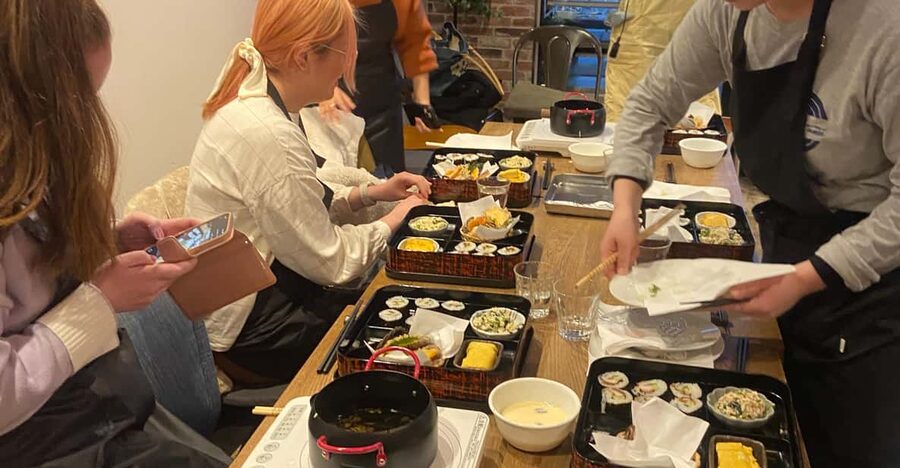
If you only remember one thing from this class, make it dashi. Dashi stock is what gives lots of Japanese home cooking its depth without making it taste heavy. In this class you learn how to make dashi, and you get the process taught directly, not left to guesswork.
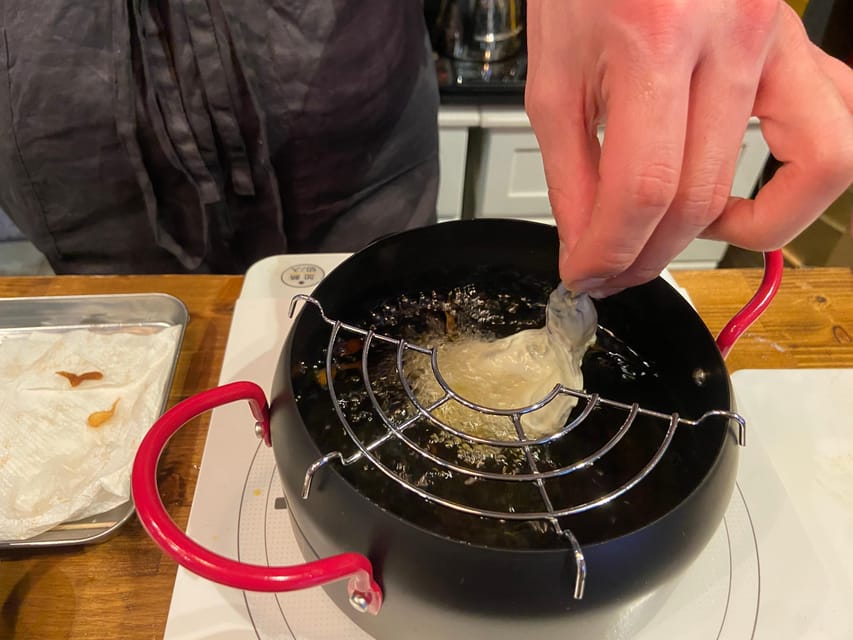
Then you move into tempura frying. Tempura sounds like one skill, but the real learning is in how you handle the fryer and timing. Tempura is sensitive. Get the heat wrong or move too slowly, and you end up with greasy or uneven results. You’ll learn the approach to frying and how to work efficiently without panicking.
Past participants frequently point out that the class is well prepared and the steps flow logically. That matters because frying is stressful when instructions are unclear. Here, you learn in a guided rhythm: prep, fry, and adjust as you go.
And the payoff is immediate: you eat what you cooked. That turns practice into confidence. Many people say they were proud of what they made—and some even bring the recipe process home for repeat lunches.
If you’re the type who wants to cook again right away, ask your chef about home-use notes. Some classes include follow-up recipes by email, and if that’s important to you, it’s worth checking in during your session.
Eating Together: Why the Bento Tastes Different After You Make It
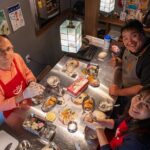
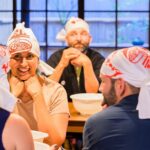
You don’t finish with a quick “here’s your plate, bye.” After cooking, you sit together and eat your bento while chatting. That social part is real value. You learn what to adjust, how the chefs expect flavors to land, and how people from different countries approach the same bento box.
This is also why the meal hits harder. When you cook each component yourself, you notice details. You understand which part is seasoned, which part brings texture, and which component balances sweetness, salt, and umami.
The bento style also helps. Bento is meant to be satisfying even when eaten away from a kitchen. So the flavors are designed to hold up—not bland, not overly complicated, and built to work together inside one box.
And since the class teaches washoku’s emphasis on fresh, seasonal ingredients, the final plate tends to feel lighter than you might expect from fried tempura and rice-based sushi rolls. You’re getting the intended balance, not just a pile of food.

Price and Value: Is $58 Worth It in Kyoto?
At $58 per person for a 150-minute class, the value is mainly in what you get—not the fact that it’s cheap or expensive. You’re paying for:
- A small group format (up to 5), which reduces the teacher-to-cook ratio
- Real technique instruction (knife approach, dashi stock, tempura frying)
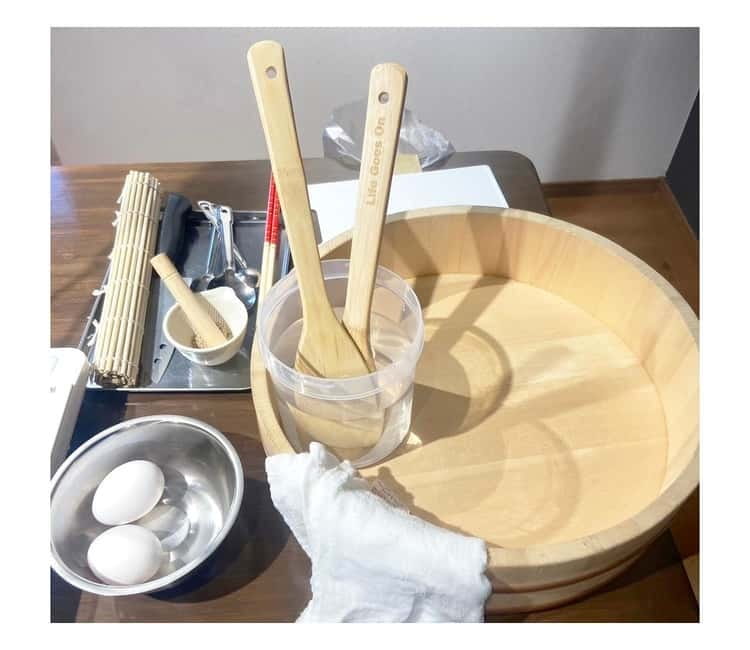
- Ingredients and equipment, including aprons and the utensils needed for multiple dishes
- Four dishes plus shared eating time, so you leave fed and with a skill set
Many cooking classes in big cities give you a single dish and call it “hands-on.” This one pushes farther. You make a full bento, and you learn more than one category of cooking. That’s why people often describe it as a highlight early in their Japan trip: it gives you a foundation fast.
The class also fits well if you want a focused Kyoto experience without spending all day commuting to distant neighborhoods. It’s set around Saiin Station, with the meeting point at Kyoto Laundry Cafe and the chef handling the start.
For budgeting: plan to treat this as a meal and a workshop together. If you were going to pay for a nice lunch plus a paid activity, this often stacks up as a fair trade.
Who This Bento Class Fits Best (and Who Should Skip It)
This class is a strong pick if you want a Kyoto experience that’s practical, cultural, and not stuck behind language barriers.
It’s especially good for:
- Food lovers who want technique, not just tasting
- Beginners who feel nervous about cooking Japanese food and want guided steps
- People who like small groups, where you actually talk and get corrected
- Anyone who wants to bring home lunch skills, especially dashi and tempura basics
It may not be a fit if:
- You need wheelchair accessibility, since wheelchair users aren’t accommodated
- You’re managing diabetes, since the class isn’t suitable for people with diabetes (as listed)
- You’re traveling with young children. It’s not suitable for children under 2, under 3, under 4, and babies under 1 (based on the stated limitations)
If you have allergies, it’s smart to communicate clearly. One participant with a shrimp allergy reported the chef made an appropriate substitution. That’s a good sign that the instructors take allergies seriously, but you still should notify the chef ahead of time if possible.
How to Prepare for the Class Day
You can make this experience smoother with a few simple moves:
- Arrive early enough that you’re never flirting with the 15-minute rule.
- Come hungry. You cook and then eat, and the class covers multiple dishes.
- Wear clothes you don’t mind getting splashed during cooking.
- Be ready to use chopsticks and tools as taught. You don’t need to be an expert going in, but you’ll learn faster if you stay engaged.
- If you want to cook these dishes later, take notes as the chef demonstrates steps. Even a short list of what you did for dashi and frying will help later.
Also, remember the class uses English and Japanese. Even if your Japanese is basic, you’ll still get enough structure to follow along, and you can ask questions when something feels unclear.
Should You Book This Kyoto Washoku Bento Class?
I think you should book it if you want a memorable Kyoto meal that also teaches you how to make Japanese food with confidence. The best part is that you leave with a real bento plus repeatable skills: dashi stock, tempura frying technique, and a better sense of how washoku builds balance.
Skip it if you’re looking for a purely sightseeing-focused day, or if you can’t meet the on-time start requirement. And if you fall into the stated limitations (wheelchair users, diabetes, very young children), this won’t work.
If your goal is authentic, hands-on Kyoto food with a chef who teaches you how to cook, this is an easy yes.
FAQ
Where is the meeting point for the Kyoto bento class?
You meet at Kyoto Laundry Cafe (京都ランドリーカフェ). The cafe is about five minutes from Saiin Station on the Hankyu Railway line, and the chef will come to pick you up there.
How long is the cooking class?
The class lasts about 150 minutes, which is roughly 2.5 hours.
What’s the group size?
It’s a small group limited to 5 participants.
What languages does the instructor speak?
The instructor speaks English and Japanese.
What dishes will we make during the class?
You’ll make four dishes as part of your bento box. The class includes sushi rolls, tempura, tofu salad, and a Japanese rolled omelette.
Will we learn dashi and tempura techniques?
Yes. The class includes how to make dashi stock and how to fry tempura.
What happens if I arrive late to the meeting point?
If you arrive more than 15 minutes after the scheduled meeting time, the reservation is automatically canceled, and late arrivals can’t be fixed with refunds or schedule changes.
Is this class wheelchair accessible, and is it suitable for young children or diabetes?
No. It is not suitable for wheelchair users, it is not suitable for people with diabetes, and it is not suitable for children under 2, under 3, under 4, or babies under 1.