REVIEW · VERONA
Verona: Pasta and Tiramisu Cooking Class With Free Flowing Wine
Book on Viator →Operated by The Roman Food Tour - Food Tour Rome · Bookable on Viator
Fresh pasta beats sightseeing any day.
This 3-hour Verona cooking class is a break from walking tours, with Prosecco on arrival and a small-group kitchen experience in central Verona. I like that the teaching is step-by-step, and you’ll work in a real restaurant setup, with an English-speaking guide and plenty of chances to ask questions.
The best part for me is the hands-on payoff: you learn the basics of fresh pasta dough and then make tiramisu to eat together with wine. One watch-out: this is built around the traditional recipe, so it’s not recommended for vegans, lactose intolerants, people with gluten issues, or anyone with an egg allergy.
In This Review
- Key Things I’d Bet You’ll Enjoy Most
- Why Verona’s Pasta and Tiramisu Class Feels Different
- Meeting in Central Verona and Getting the Kitchen Pass
- Hands-on Fresh Pasta: Dough, Flour, and Pasta Fresca vs Secca
- Fettuccine and Ravioli Lessons Plus a Real Restaurant Rhythm
- Tiramisu Step-by-Step, Then Wine at the Table
- Included Meal, Drinks, and What You Actually Take Home
- Price and Value: Is 71.35 Worth It?
- Who Should Book (and Who Might Skip)
- Final Call: Should You Book This Verona Cooking Class?
- FAQ
- What do you learn and cook in this Verona class?
- Where does the class take place?
- How long is the experience, and how many people are in the group?
- What drinks and meals are included?
- Is it suitable for dietary restrictions or allergies?
- What is the cancellation policy?
Key Things I’d Bet You’ll Enjoy Most
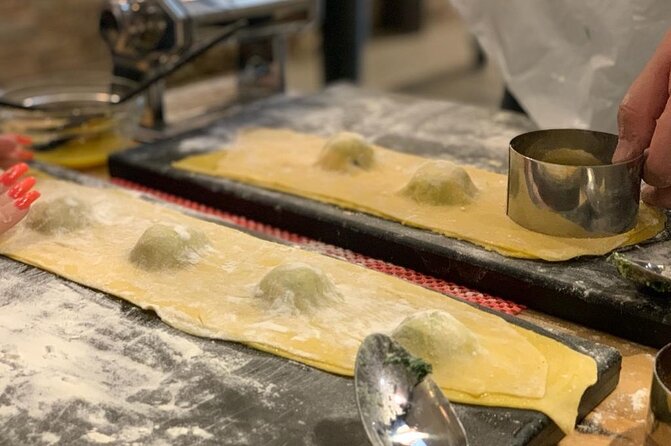
- Welcome Prosecco first: it sets the relaxed tone before you start chopping, kneading, and rolling.
- Max 12 people: the small group size tends to mean more hands-on coaching and fewer bottlenecks.
- Fresh pasta dough basics: you’ll get guidance on flour choice and on pasta fresca vs pasta secca.
- Two pasta formats plus tiramisu: the class centers on making pasta (with fettuccine and ravioli in the menu) and finishing with tiramisu.
- You eat what you make: the meal is served together, so your cooking becomes your dinner plan.
- Traditional focus, allergy limits: substitutes are offered, but the instructions stay traditional and cross-contamination can’t be guaranteed.
Why Verona’s Pasta and Tiramisu Class Feels Different
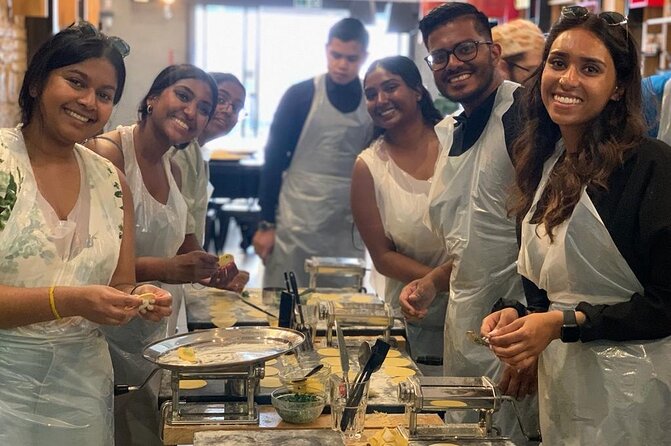
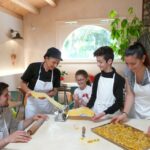
This isn’t the kind of cooking class where you watch someone else do all the work. You’ll step inside a restaurant in central Verona, get settled, then move into the kitchen area to cook at your station. It’s hands-on, social, and built around two dishes that actually taste like Italy, not like a cooking demo.
I also like the way the class teaches technique, not just outcomes. You’ll get the basics for pasta dough—like what flour to use—and you’ll hear the difference between pasta fresca (fresh pasta) and pasta secca (dried pasta). That matters because once you understand what you’re doing, you’re less likely to end up with dough that tears, sticks, or never rolls properly.
The format keeps you moving too. You’ll start with dough, shift into shaping and assembling (including ravioli), then finish with tiramisu. By the time you sit down to eat, you’ve done the hard part: you made the food and you understand what makes it work.
You can also read our reviews of more tours and experiences in Verona.
Meeting in Central Verona and Getting the Kitchen Pass
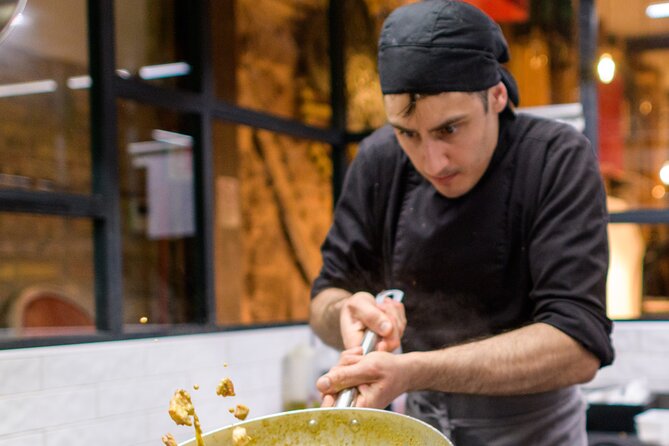
You meet in a central Verona restaurant area that’s near public transportation. Several sessions are described as being close to the Arena, and it’s the kind of location that’s easy to plug into a day of sightseeing. You’ll have a mobile ticket, and the whole experience is run in English.
When you arrive, the welcome glass comes first: Prosecco before you even put on your apron. That small detail changes the mood. It turns the class into something closer to an evening plan with friends rather than a classroom exercise.
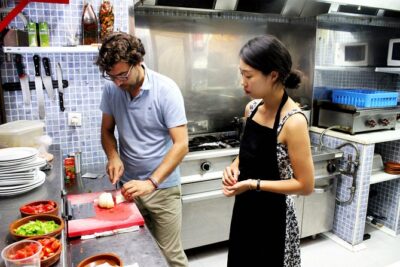
Inside, you also get a peek behind the scenes at how a restaurant works. The class includes time before cooking starts, where you can see how the kitchen and dining side fit together. Then you’re in the mix at your workstation, with step-by-step guidance from an English-speaking guide. Reviews specifically call out instructors like Elodie, Carlo, Ava, Victoria, and Jasmine, often mentioning clear instructions and a relaxed, welcoming tone.
Practical note: because it’s in a working restaurant, you’re cooking in a real environment with normal restaurant rhythms. If you’re sensitive to heat, plan to wear breathable clothes.
Hands-on Fresh Pasta: Dough, Flour, and Pasta Fresca vs Secca
The core lesson is pasta dough. This class focuses on teaching you how to make the dough correctly, including which type of flour to use and the fundamentals of fresh pasta vs dried pasta.
Why this matters: fresh and dried pasta behave differently. Fresh pasta dough tends to be softer and more fragile, and it needs attention during rolling and shaping. Dried pasta (pasta secca) relies on a different process entirely, and it doesn’t react the same way in sauce.
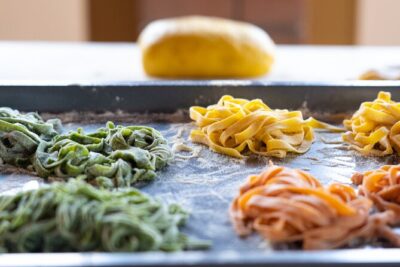
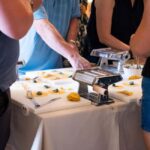
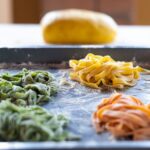
In the sessions, your menu centers on fresh pasta formats. You’ll make pasta you can eat right away, and the sample menu includes fettuccine with tomato sauce plus ravioli ricotta and spinach with butter and sage, with Prosecco and wine served during the meal. Many experiences also highlight hands-on shaping of pasta like ravioli, not just rolling noodles.
One more thing I’d encourage you to take seriously: technique beats speed. If the dough feels too dry, too sticky, or tears when you roll, the fix is usually small—flour, handling, and timing. The guide’s job is to help you correct it in the moment, and that’s where the small group size (max 12) becomes a real advantage.
Fettuccine and Ravioli Lessons Plus a Real Restaurant Rhythm
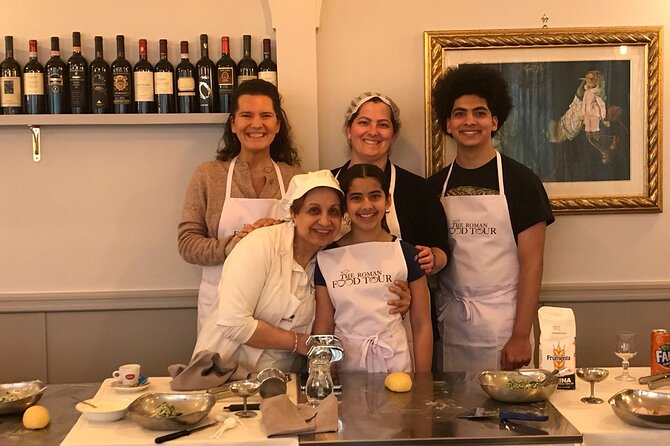
Your cooking work typically follows a clear arc. First you build the dough. Then you move into shaping and forming pasta. Based on the menu, that includes fettuccine and ravioli, with ingredients like ricotta and spinach, plus butter and sage in the finished course.
This part is where you’ll learn the most “transferable” skills. Even if your goal is just to try one recipe at home later, rolling and shaping properly is the difference between pasta that looks right and pasta that actually tastes right.
Also, the class includes time where the restaurant itself is part of the experience. Some sessions involve prepping/cooking in the dining room or at the edge of it, and a few reviews mention eating outside later in a patio area. So while it’s hands-on, it’s not set up like a lab. You’ll likely feel like you’re part of a real evening meal service, just with instruction added in.
A balanced heads-up from the experience details: the teaching focus is on pasta and tiramisu, and sauce-making isn’t the main lesson. If you’re hoping for a full workshop on multiple sauces, this may not be the fit. You’ll eat sauces that go with the pasta, but the center of gravity is still the dough and assembly skills.
Tiramisu Step-by-Step, Then Wine at the Table
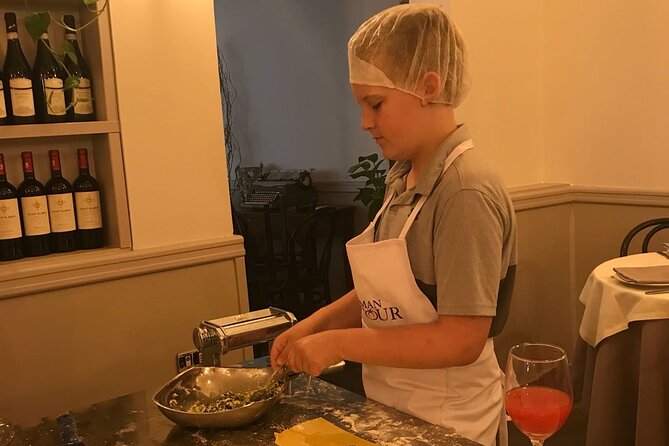
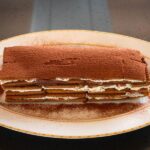
Then comes tiramisu. This is one of those desserts that feels intimidating until someone shows you the rhythm: layers, timing, and getting the texture right. In this class, you’ll follow guided steps to prepare tiramisu and you’ll have the chance to learn how it comes together.
And you don’t finish with dessert and go home. The whole class ends with you eating together. You’ll sit down for lunch or dinner while sipping included wine, plus soft drinks.
The drink setup is worth planning around:
- You start with a Prosecco welcome glass.
- The meal includes wine with your pasta and tiramisu.
- Non-alcoholic beverages are also included.
A practical tip: if you want the “wine-forward” vibe, consider choosing a time slot later in the day when the meal energy tends to be more relaxed and celebratory. Some reviews also note you might be able to get a refill of your welcome Prosecco if you ask nicely, so you can treat this as a social, not a rushed, experience.
Included Meal, Drinks, and What You Actually Take Home
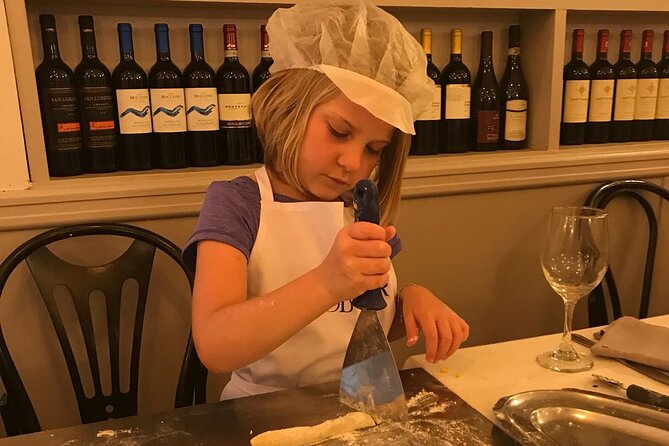
What’s included is clear, and that’s part of the value. You get:
- Lunch or dinner
- Wine or soft drinks
- Tiramisu
- Welcome glass of Prosecco
- English-speaking guide
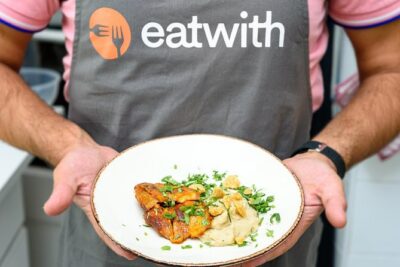
The sample menu shows what your meal can look like: fresh pasta with tomato sauce and ravioli ricotta and spinach with butter and sage. You’ll also have both wine and non-alcoholic options available.
Now, about what you “take home.” You’ll leave with two kinds of memories:
- The sensory memory: the taste of fresh pasta and properly made tiramisu.
- The skill memory: how the dough should feel and how to shape and assemble what you’re making.
Even if you don’t recreate the exact dish in your first attempt, this class helps you avoid the most common pasta mistakes. And tiramisu is approachable once you understand how the layers should go together.
One small variability to expect: some sessions may involve sharing tasks depending on class flow and timing. Reviews mention instances where not everyone makes an individual tiramisu, with some people helping form components. So if your personal goal is to do every single step end-to-end, keep expectations flexible and focus on learning the method.
Price and Value: Is 71.35 Worth It?
For $71.35 per person and about 3 hours, you’re paying for more than ingredients. You’re paying for instruction, a real kitchen setup, and the full experience of cooking plus eating in one block of time.
Here’s why it feels like good value for the right traveler:
- You’re not only learning to cook; you’re also getting your meal included.
- Wine and Prosecco are included, which can easily add up on your own at a restaurant.
- The class size cap of 12 is the kind of detail that can change your learning experience. More individualized help usually means fewer frustrations and better results.
Compared to DIY planning, you also save time. You don’t have to find a specialty grocery list, figure out pasta dough techniques from scratch, and then deal with cooking plus cleanup. The class wraps that into one evening or afternoon.
It’s not the best deal if your only interest is eating and you hate cooking. But if you like food, technique, and meeting people, the included meal/drinks turn this into a full experience rather than a half-activity.
Who Should Book (and Who Might Skip)
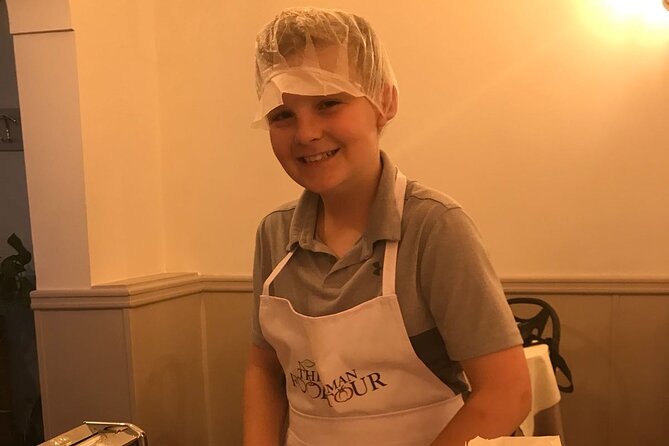
This is a great fit if you:
- Want a hands-on Verona cooking class instead of another museum stop
- Like learning technique, especially pasta dough and assembly
- Want to eat what you made, with included wine and a sit-down meal
- Prefer small-group dynamics (max 12)
- Travel with kids who can handle an engaging, guided kitchen setting (many reviews describe it as enjoyable for younger ages)
It’s not the best fit if you:
- Need to avoid eggs, dairy, gluten, or lactose (it’s not recommended for egg allergy, lactose intolerance, vegan diets, gluten intolerance/allergy)
- Are highly sensitive to cross contamination risks. Even with substitutes, the class uses the traditional recipe focus and can’t guarantee 100% free cross contamination.
Also, if you already cook pasta at home and want advanced sauce chemistry or deep restaurant-level pastry technique, you may find the lesson scope more introductory than expert-level.
Final Call: Should You Book This Verona Cooking Class?
If you want a fun, structured, food-centered afternoon in Verona that ends with a real meal, I’d book it. You’re getting fresh pasta dough instruction, ravioli shaping, tiramisu, and a shared lunch or dinner in a central location near public transport. Add the welcome Prosecco and included wine, and it becomes a full-value experience rather than a quick activity.
Just book with clear expectations: this is traditional and ingredient-sensitive, so check your dietary needs early. And if you’re the type who gets frustrated in warmer rooms, plan for a working restaurant kitchen environment.
If that sounds like your kind of Verona day, this class is a solid choice.
FAQ
What do you learn and cook in this Verona class?
You’ll learn step-by-step fresh pasta dough skills (including flour choice and the difference between pasta fresca and pasta secca), then you’ll make fresh pasta such as fettuccine and ravioli, and finish with tiramisu.
Where does the class take place?
It’s held in a central Verona restaurant near public transportation. Some sessions are described as being opposite the Arena.
How long is the experience, and how many people are in the group?
The class runs about 3 hours, and the group size is capped at a maximum of 12 travelers.
What drinks and meals are included?
You’ll get a welcome glass of Prosecco, plus wine (and soft drinks) included with your lunch or dinner. Tiramisu is included as the dessert you make.
Is it suitable for dietary restrictions or allergies?
It is not recommended for vegans, lactose intolerants, gluten intolerants/allergic, or people with an egg allergy. Substitutes may be offered, but the instructions focus on the traditional recipe and 100% free of cross contamination can’t be guaranteed.
What is the cancellation policy?
You can cancel for a full refund up to 24 hours before the experience start time. If you cancel less than 24 hours before, the amount paid is not refunded.