REVIEW · MARRAKESH
Marrakech: Traditional Moroccan Cooking Class & Market Visit
Book on GetYourGuide →Operated by Khmisa Workshops · Bookable on GetYourGuide
A pot, a plate, and a plan: you’ll cook Moroccan food the way locals do.
I love that this class pairs a real market run with hands-on cooking led by Moroccan chefs, and I also love the focus on the mint tea ritual, not just a quick pour. One thing to consider: it’s held in a Medina riad, so it’s not suitable for wheelchair users and you’ll want comfortable shoes for the souk walk.
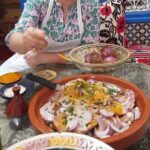
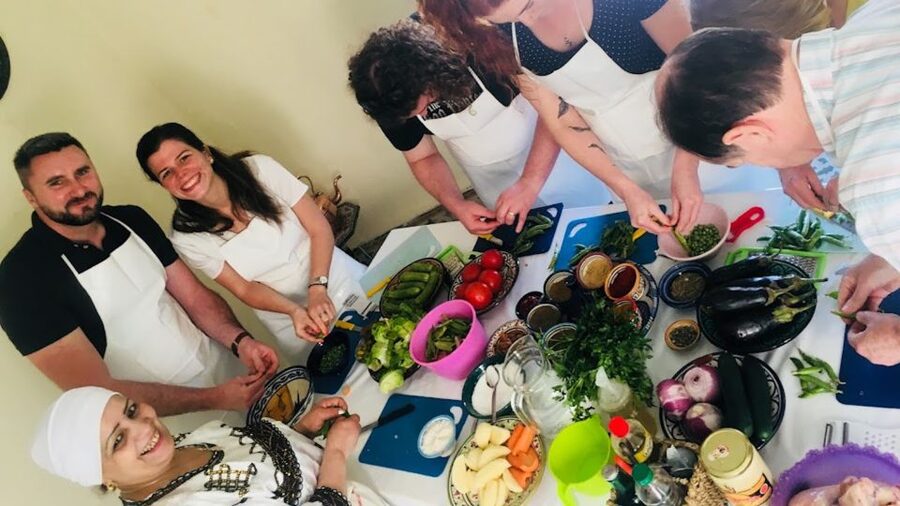
In practice, you’ll start with an allergy check, then move with a guide into the local food Souk away from the most touristy lanes. Back at the workshop, local women and chefs guide you through seasoning, technique, and timing as a group, not a lecture.
You’ll leave fed, with recipes sent afterward by email, and you can often buy spices used in class. The menu is built around typical Moroccan dishes, commonly including chicken or vegetarian tagines and dessert like Pastilla of Milk.
In This Review
- Key Things I’d Prioritize in This Marrakech Cooking Class
- Inside Khmisa Workshops: Cooking in a Traditional Medina Riad
- The Souk Walk You Actually Need: Fresh Ingredients and Spice Shopping
- Moroccan Mint Tea Ritual: Learning the Steps That Make It Different
- Hands-On Cooking at the Table: Tagines, Starters, and Team Spice Work
- Tagines: The Centerpiece You’ll Want to Recreate
- Starters and Salads: Flavor Training in Smaller Bites
- Dessert: Pastilla of Milk Brings the Sweet Finish
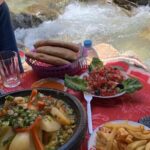
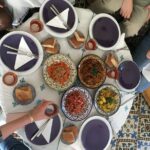
- Eating What You Made: A Real Meal, Not Samples on Paper Plates
- What You Take Home: Recipes by Email and Spice Purchases
- Price and Value: Why $40 Can Feel Like More Than a Meal
- Group Size and Timing: What Changes From Session to Session
- Who This Marrakech Cooking Class Is Best For
- Practical Tips Before You Go (So It Feels Easy)
- Should You Book This Marrakech Cooking Class?
- FAQ
- FAQ
- What’s included in the price?
- Is hotel pickup and drop-off included?
- How big is the group?
- What do we cook and eat?
- Do they teach the mint tea ritual?
- Do they accommodate food allergies and restrictions?
- What language is the class taught in?
- What should I bring to the class?
- Are there any rules about food or drink during the class?
Key Things I’d Prioritize in This Marrakech Cooking Class
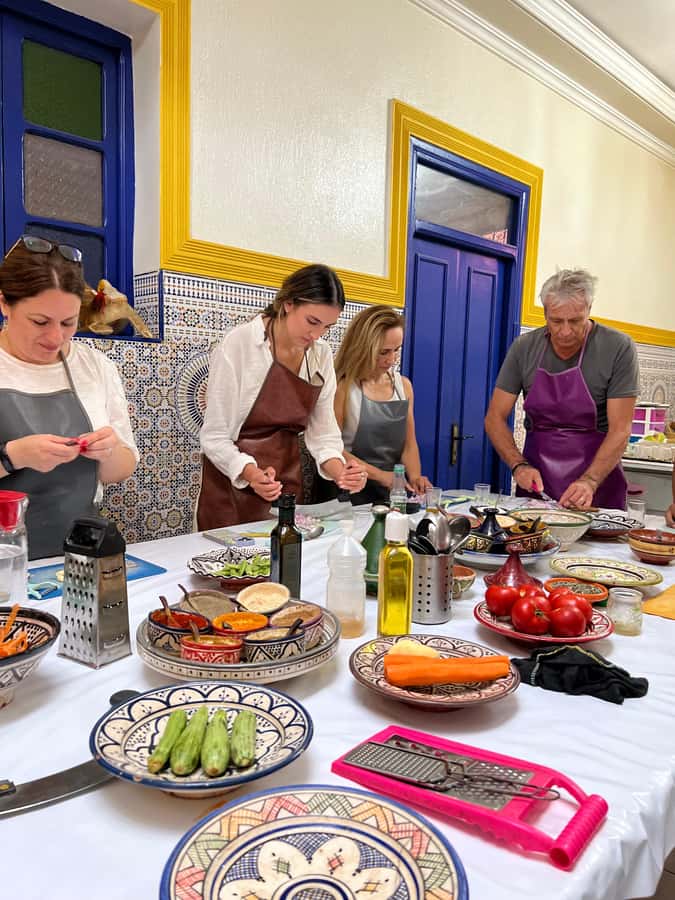
- Market-first shopping for fresh produce and spices in the Souk
- Moroccan mint tea ritual taught as a ceremony, not a shortcut
- Tagines and starters made together with practical spice guidance
- Group participation so you’re chopping, seasoning, and assembling, not just watching
- Recipes after class sent electronically so you can repeat it at home
Inside Khmisa Workshops: Cooking in a Traditional Medina Riad
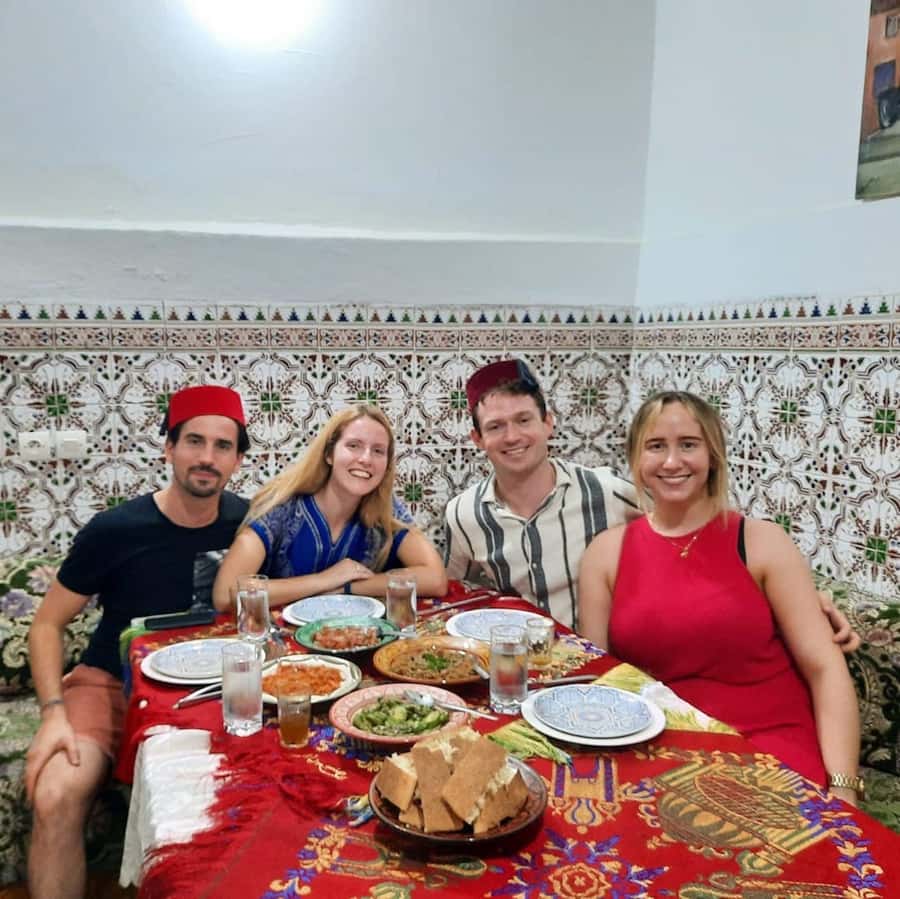
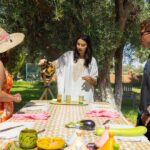
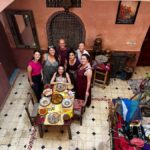
This experience is centered on Khmisa Workshops, an intimate riad inside the Medina of Marrakech. That matters, because Morocco’s food culture is domestic in feel. Instead of a studio kitchen, you’re in a home-style setting where the meal is the point, and the atmosphere stays warm and human.
You’ll be welcomed before cooking with traditional mint tea. Multiple guides and instructors are named across the experience’s descriptions and feedback, including Kawtar (and also Leila in some cases). That local, woman-led hosting style is a big part of what makes the class feel more like learning from family than attending a show.
The workshop setup is also practical. Groups report that the property can be comfortable even during warmer hours, with notes about an air-conditioned space. You’ll still be cooking and standing some, so plan on movement, not a seated demo.
You can also read our reviews of more tours and experiences in Marrakesh.
The Souk Walk You Actually Need: Fresh Ingredients and Spice Shopping
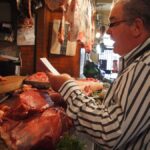
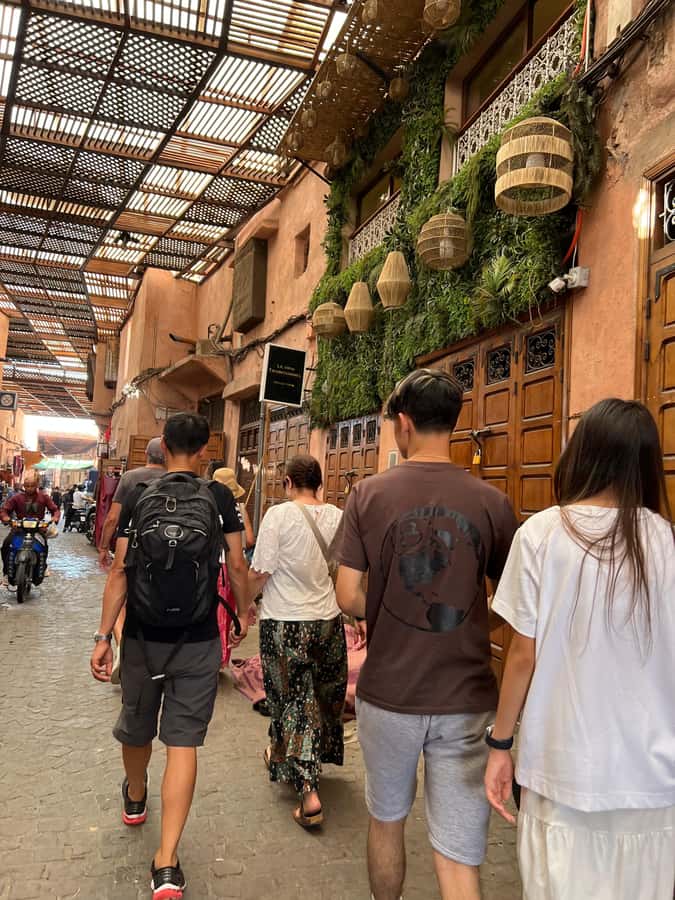
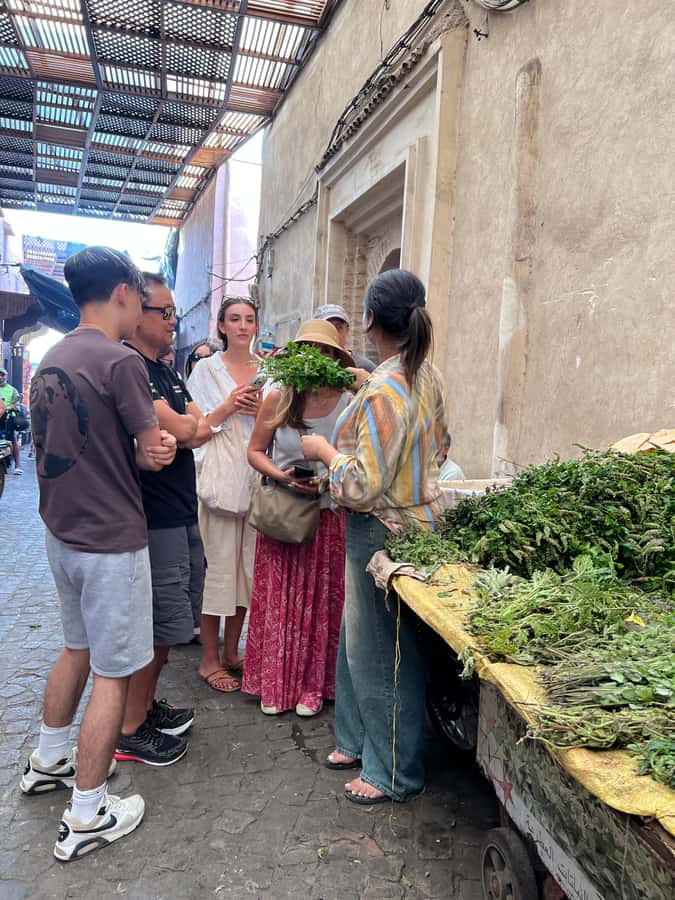
The class doesn’t start with menus or postcards. You start with ingredients. After discussing your food allergies and restrictions, you’ll walk to the local market (Souk) to buy groceries for your meal.
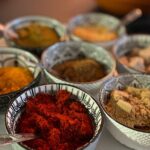
The walk is short, but it’s guided in a way that helps you understand what to buy and why. You’ll move through stalls where spices sit among everyday food goods, and you’ll see how Moroccan cooking is built: aromatic spices, dried pantry items, and fresh produce that’s meant to be used soon.
In smaller moments, you can tell it’s designed for participation. In many groups, everyone gets a turn: picking produce, helping select items, and choosing what goes into the dishes. That’s the difference between a cooking class and cooking confidence.
One extra value point: some spices used in the recipes are available to purchase fresh or prepared for home use. That gives you a way to recreate flavors without hunting across multiple stores after you return.
Moroccan Mint Tea Ritual: Learning the Steps That Make It Different
Mint tea in Morocco isn’t just a drink. It’s a ritual, and this class treats it that way.
Before you cook, you’ll learn the mint tea ceremony steps and how to prepare it traditionally. People often expect mint tea to be as simple as steeping mint and adding sugar. This class specifically corrects that idea by showing how the ritual is done and how the tea is served as part of hospitality.
Why I think this is worth your time: tea is a gateway to the rest of the meal. When you understand how Moroccans treat a drink like a ceremony, the cooking instructions land differently. You start to cook with intention—timing, balance, and aroma—rather than just following steps.
Also, the tea moment breaks the day up nicely. You go from shopping, to tea, to cooking without feeling rushed. It’s a calm reset inside the Medina rhythm.
Hands-On Cooking at the Table: Tagines, Starters, and Team Spice Work
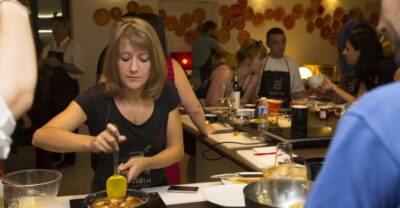
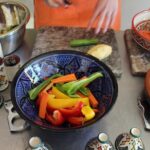
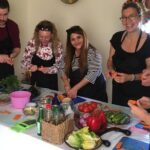
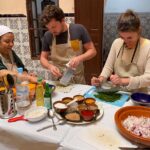
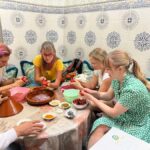
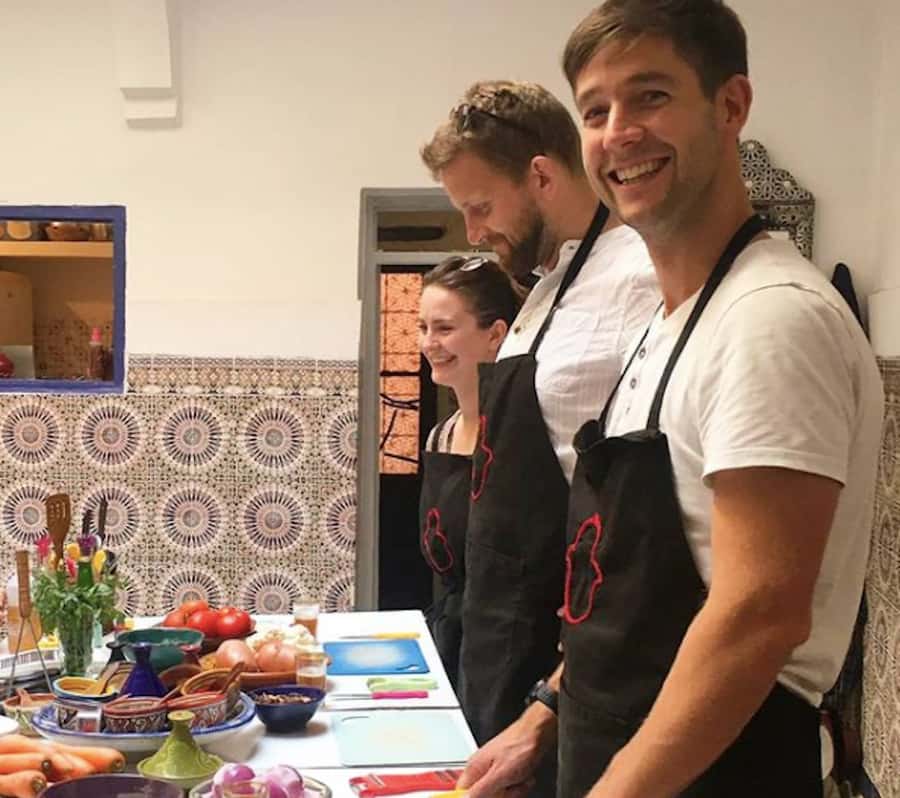
Cooking happens as teamwork. You’ll prepare dishes together, with instructors guiding you step-by-step and making sure you understand the role of spices and ingredients.
The menu generally includes 3 to 6 dishes, often structured as starters, a main course, and dessert. Pastilla of Milk is specifically mentioned as the dessert component you may make. Depending on what’s chosen for your group, you might see a mix of vegetarian and meat options.
Tagines: The Centerpiece You’ll Want to Recreate
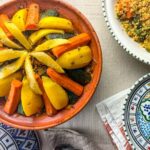
Tagines are where Moroccan technique shines, and this class tends to include them for good reason. Across the experience details and feedback, chicken tagine is a favorite, and vegetarian tagine also comes up often.
You’ll learn how to work with seasoning while cooking, and you’ll be involved in assembling and adding components. People highlight the chicken tagine experience as especially enjoyable because it’s both hands-on and deeply flavorful. In other words: you’re not just watching it happen—you’re doing it.
Starters and Salads: Flavor Training in Smaller Bites
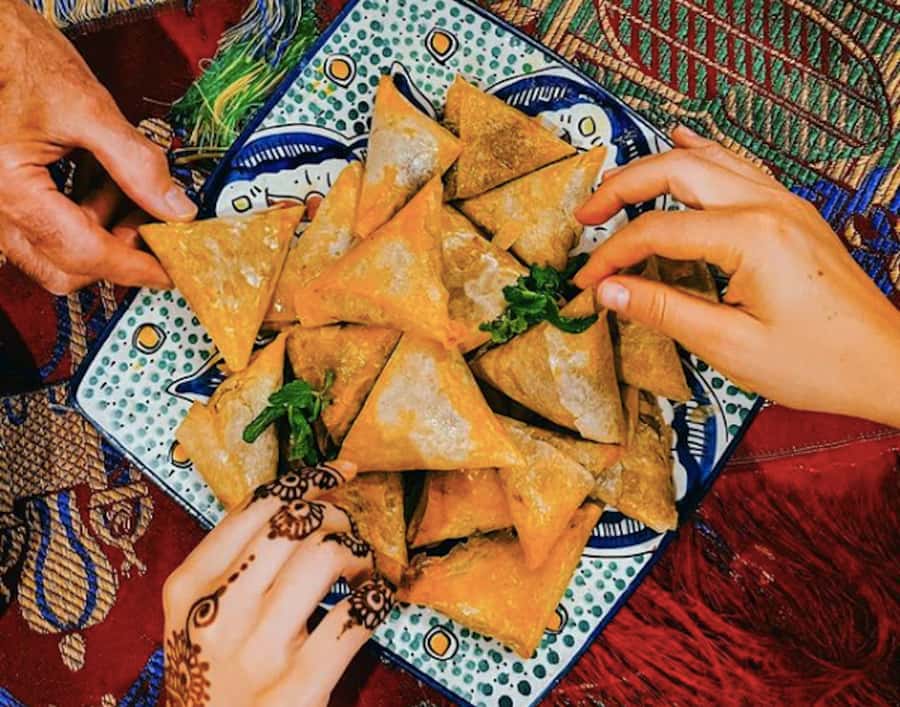
Before the main dishes, you’ll make Moroccan starters—sometimes multiple appetizers and salads. This is valuable for home cooking because starters teach you seasoning combinations and texture approaches without needing one perfect main-course timing moment.
It also means you’ll eat a lot. Feedback repeatedly notes that the meal feels filling and satisfying, not “snack-sized.”
Dessert: Pastilla of Milk Brings the Sweet Finish
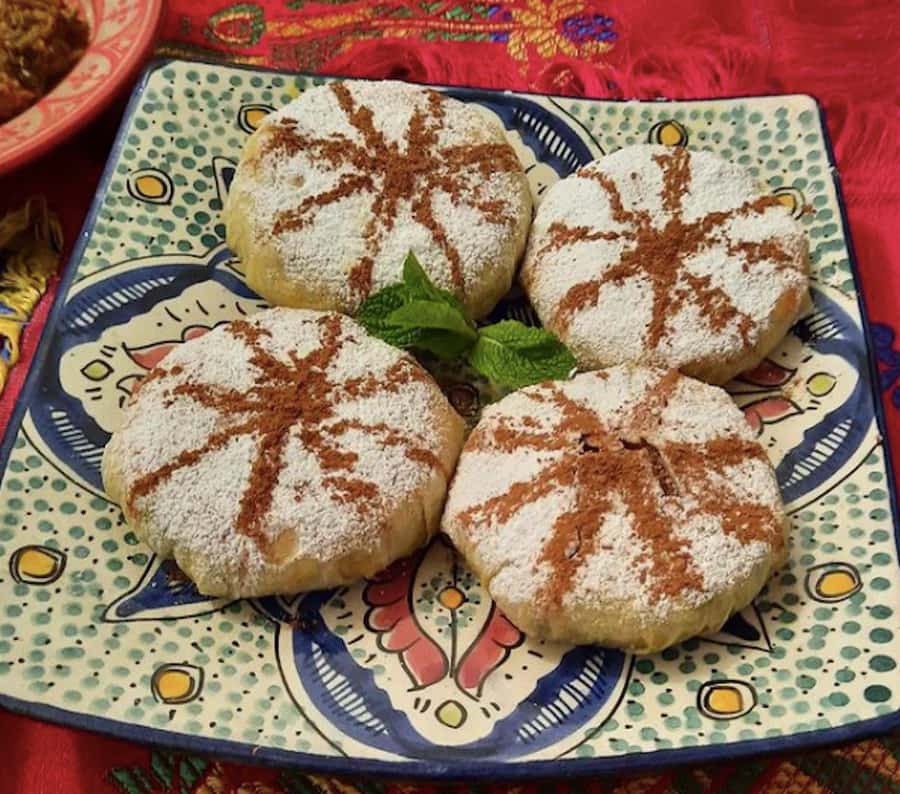
Pastilla of Milk adds a traditional dessert note to the class. Even if you’re new to Moroccan sweets, having dessert included helps make the experience feel like a complete meal rather than a single-dish workshop.
Eating What You Made: A Real Meal, Not Samples on Paper Plates
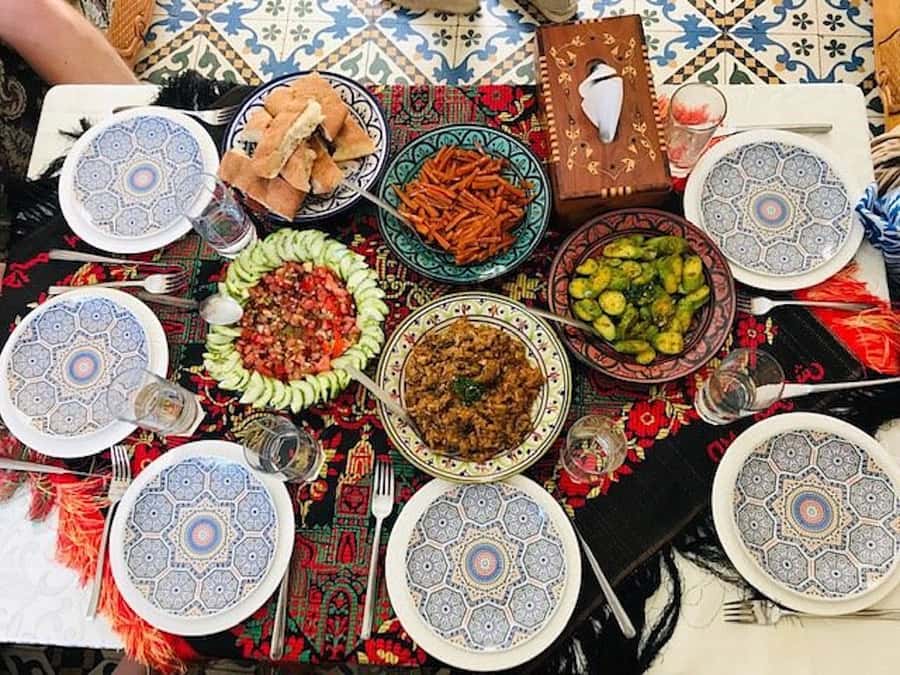
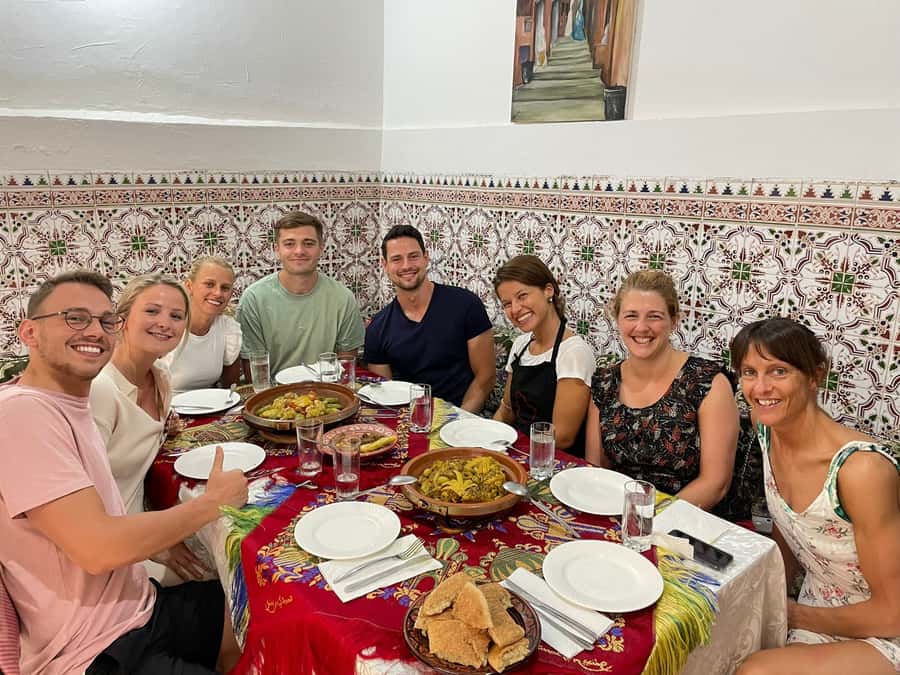
After cooking, you’ll sit down and taste what you’ve prepared as a group. This matters more than it sounds. When you taste the food right after making it, you connect the flavor outcome to the actions you did: the spices you added, the timing you followed, and the choices the chef guided.
Food is described as delicious and plentiful in many cases. People also mention the meal as among the best they ate during their Marrakech stay. That’s not guaranteed for every class, but when a menu includes tagines, multiple starters, and dessert, you’re set up for a satisfying table.
If your group includes different dietary needs, it’s worth noting that vegetarian options show up in the cooking plans. The class is also set up to handle allergies and restrictions at the start, because they ask you first.
What You Take Home: Recipes by Email and Spice Purchases
You don’t just leave with full stomachs. You leave with tools.
All recipes are sent afterward by email, and they’re described as electronic. That’s a big deal because Moroccan cooking can feel intimidating if you only take memory cues home. With a recipe file in front of you, you can recreate the steps with less guesswork.
Some people also mention buying spices before leaving. That helps you rebuild the flavor base at home. If you want tagine nights later, having the right spice mix is half the battle.
One more practical point: because the class is taught by Moroccan women chefs and local hosts, the recipes feel more usable than overly stylized “demo” classes. The guidance tends to focus on doing the cooking for real.
Price and Value: Why $40 Can Feel Like More Than a Meal
At $40 per person, you’re paying for several components at once:
- guided ingredient shopping in the Souk
- cooking instruction from Moroccan chefs and local women hosts
- a welcome Moroccan mint tea ritual
- a full meal (lunch or dinner depending on your session)
- ingredients included
- recipes sent afterward by email
- group teaching with practical participation
The value is strongest if you want both culture and skill. If you only want food, you could eat in a restaurant for less or similar money. But if you want to understand spices, shop like a local, and cook a Moroccan menu at home later, the bundled experience is hard to beat.
Two things to keep in mind about logistics: hotel pickup and drop-off are not included, and the meeting point is inside the Medina area. You’ll likely need to get yourself there, so plan time to reach your start location comfortably.
Group Size and Timing: What Changes From Session to Session
The experience runs as a shared group class, commonly described as a group of 12 people (it can vary). Some sessions are smaller, and that usually improves hands-on time because there’s less pressure to rush the table.
Duration can be around the 2.5-hour range in some cases, and sessions can shift in start time. If you have a tight schedule, it’s smart to confirm the day before and keep your evening or lunch window flexible. The class is structured enough that it still works, but time changes can happen.
Who This Marrakech Cooking Class Is Best For
This is a strong fit for you if:
- you want authentic Moroccan cooking technique, not just tasting
- you like active learning and want to participate in chopping, seasoning, and assembling
- you care about market shopping and ingredient awareness
- you want recipes you can actually use back home
It also seems to work well for mixed groups. Feedback includes families and multiple ages, including kids who were able to join actively (with the instructors ensuring everyone participated).
It’s not a great fit if:
- you use a wheelchair or need step-free access, because it isn’t suitable for wheelchair users
- you don’t enjoy markets or walking at least a little in the Medina
And if you’re a serious alcohol fan: alcohol and drugs aren’t allowed in the experience, so the class stays focused on Moroccan tea and meal culture.
Practical Tips Before You Go (So It Feels Easy)
Bring comfortable shoes. The Souk walk and kitchen work mean you’ll be on your feet. A hair tie can help too, especially if you have long hair and want it out of the way during cooking.
If you have allergies or dietary restrictions, share them up front. The class is designed to discuss allergies and restrictions before shopping, so that’s the moment to speak clearly.
Also, get the meeting details you need. One practical note from feedback: the meeting point can be described by a large landmark, so you’ll want specific directions like the front entrance of a nearby mosque, not just a broad location.
Finally, if you’re hoping to buy spices or specific ingredients, remember you’ll be shopping during the class window. Going in with a calm pace helps.
Should You Book This Marrakech Cooking Class?
Book it if you want the full Morocco story: souk shopping, mint tea ceremony, and cooking tagines and starters together in a traditional riad setting. For many people, the best part is not just the food, but the confidence gained from learning spices and techniques with a team that keeps everyone involved. The emailed recipes and optional spice purchases make it easier to repeat at home without guessing.
Skip it if you need wheelchair access or you dislike markets and group cooking. Also, if your schedule is rigid, remember that start times can shift and hotel pickup isn’t included.
FAQ
FAQ
What’s included in the price?
Lunch or dinner is included, along with Moroccan tea, all ingredients, a short market walk to shop for ingredients, and recipes sent electronically. You also get a local French, English, and Arabic-speaking guide and a Moroccan local chef.
Is hotel pickup and drop-off included?
No. Hotel pickup and drop-off are not included.
How big is the group?
It’s a shared class with a group size around 12 people, though it can vary.
What do we cook and eat?
The menu is typically 3 to 6 dishes, including starters, a main course, and dessert such as Pastilla of Milk. Tagines are commonly part of the experience, and vegetarian options can be included.
Do they teach the mint tea ritual?
Yes. You’ll be welcomed with Moroccan mint tea and taught the ritual making ceremony before you start cooking.
Do they accommodate food allergies and restrictions?
Yes. You discuss your food allergies and restrictions before shopping and cooking.
What language is the class taught in?
The class is supported in French, English, and Arabic.
What should I bring to the class?
Wear comfortable shoes and bring a hair tie.
Are there any rules about food or drink during the class?
Pets are not allowed, and smoking, alcohol, and drugs are not allowed.