REVIEW · SAN GIMIGNANO
Tuscan Cooking Class
Book on Viator →Operated by Podere di Monti · Bookable on Viator
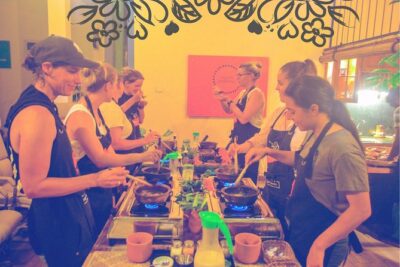
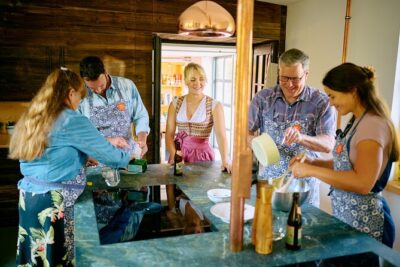
Tuscan cooking classes are often staged. This one feels like real family cooking in a working farmhouse kitchen. You’ll learn a 5–6 course Tuscan lunch or dinner, based on seasonal local products, and sit down right after with wine pairings made for what you just cooked.
The two big wins for me are the hands-on teaching style and the food you actually make. Hosts like Fulvio and Katia (and on some dates, Flavio or Luigi) focus on technique, not just recipes, and the class stays small, with a maximum of 8 travelers.
One thing to consider: the farmhouse setting can be a little tricky to find if you’re driving yourself. A couple of people flagged wayfinding issues, so plan for extra time or use a reliable navigation app.
In This Review
- Key points
- San Gimignano Farmhouse Cooking: What You’re Actually Getting
- Arriving at Agriturismo Il Vicario: The Setting Sets the Tone
- The Core Lesson: Making a 5–6 Course Tuscan Lunch or Dinner
- Starter zone: Antipasto, bruschette, and cheese details
- Primo piatto: Hand-made pasta and simple sauces done right
- Secondo piatto: Meat or vegetarian second course
- Don’t just copy recipes—learn the “why”
- Wine Pairings That Tie to the Courses
- Truffle Hunt Add-On: A Tuscan Ingredient Story in Real Time
- The Pace and Group Size: Why It Feels Personal
- Menu Flexibility: Seasonal Cooking That Still Feels Structured
- Getting There and Timing Your Day from San Gimignano
- Who Should Book This Class (and Who Might Skip It)
- Should You Book the Tuscan Cooking Class in San Gimignano?
- FAQ
- Where is the meeting point for the class?
- How long is the Tuscan cooking class?
- Is this a small group experience?
- What will we cook and eat?
- Are there vegetarian or gluten-free options?
- Do you include wine with the meal?
- Is there an option related to truffles?
- What ticket format do I receive?
- Can I cancel for a full refund?
Key points
- Small group (max 8) means you get time at the cutting board, not just watching
- Hands-on 5–6 courses with fresh pasta, bruschette, and classic sauces you can repeat at home
- Local wine pairings designed around each part of the meal, not random bottles
- Seasonal menu using products from the area, so it feels less like a script
- Truffle hunt add-on if you want a more special Tuscan ingredient story
San Gimignano Farmhouse Cooking: What You’re Actually Getting
This class is priced at $157.21 per person for about 3 hours, and the value comes from what’s included. You’re not paying for a quick tasting. You’re paying for a guided cooking lesson that turns into a full meal: up to six courses, fresh pasta, and multiple local wines paired across the table.
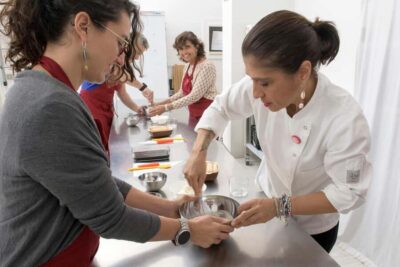
The format also makes a difference. With a max of 8 travelers, the host can correct your technique while you’re working. That’s how you go from struggling with pasta to understanding how to shape it and cook it without fear.
And it’s not just about eating Italian food. The instructors explain how Tuscan recipes are built—how flavors balance, why certain pairings work, and what to adjust when something tastes off.
You can also read our reviews of more tours and experiences in San Gimignano.

Arriving at Agriturismo Il Vicario: The Setting Sets the Tone
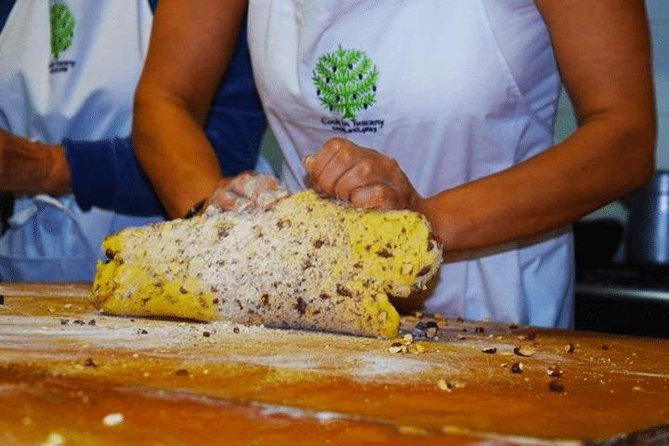
You meet at Agriturismo Il Vicario – Tuscan cooking class, Loc. S. Andrea, 1, 53037 San Gimignano SI, Italy. The experience ends back at the same meeting point, so you’re not dealing with transfer logistics after your meal.
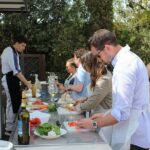
What I like about this kind of farmhouse class is the quiet shift in pace. You start in a real agricultural home setting, and you move from ingredient to dish with a host who’s comfortable teaching in a conversational way. Several past participants described a warm, family-style atmosphere, and kids were even welcome in some groups—so the vibe tends to be relaxed rather than stiff.
One practical note: the exact house location can be hard to spot. If you’re driving, give yourself extra time and be ready to follow directions carefully. If roads are new to you, a driver can take stress off the day.
The Core Lesson: Making a 5–6 Course Tuscan Lunch or Dinner
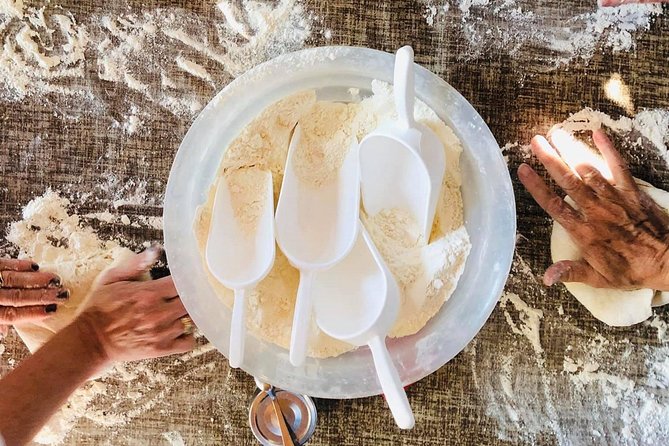
The class teaches you to prepare an authentic 5–6 course Tuscany lunch or dinner. The menu is seasonal and based on local products from the area, so don’t expect the exact same dishes every time. Still, the structure stays consistent: you’ll help make multiple courses, then eat them together.
Starter zone: Antipasto, bruschette, and cheese details
The sample menu includes an antipasto with bruschette such as:
- Bruschette with tomatoes
- Bruschette with extra virgin olive oil
You may also see a cheese tasting with jam and honey. What matters isn’t just the ingredients—it’s the idea that Tuscan antipasti can mix salty, sweet, and aromatic elements in a way that feels intentional, not random.
Primo piatto: Hand-made pasta and simple sauces done right
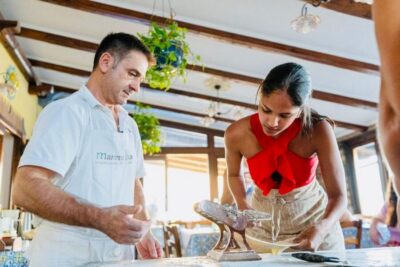
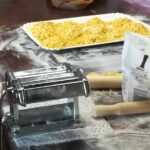
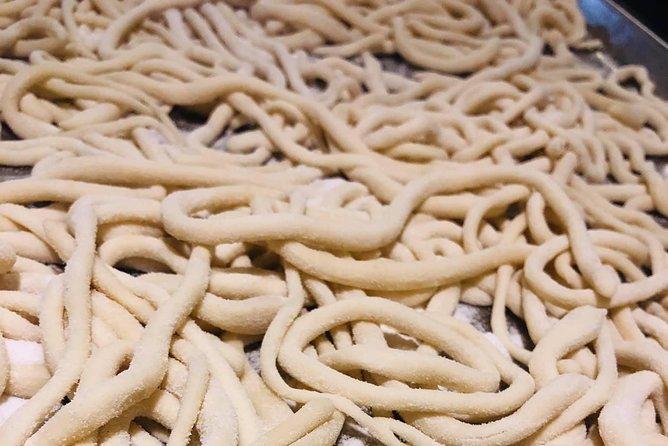
For the first main course (primo piatto), the sample menu lists pici or tagliatelle made by hand, plus pasta with another sauce. Pici is that thick, hand-rolled Tuscan pasta people often fall for because it’s forgiving but still requires technique.
One of the most praised moments in the feedback is pasta instruction that breaks things down into simple steps. If you’ve struggled with pasta at home, this kind of coaching can be a game-changer, because the focus tends to be on how to work the dough and how to build sauces that taste correct on the plate.
Secondo piatto: Meat or vegetarian second course
The second main course (secondo piatto) can be meat or vegetarian. The exact choice may vary by season and what’s available locally. The key takeaway is that you’re not stuck making only pasta. You’ll learn how Tuscan meals move from starter to pasta to a second course that rounds out the flavors.
Don’t just copy recipes—learn the “why”
What separates this class from a cooking demo is the explanation of taste. Hosts have been described as talking through balance—how seasoning and flavor pairing affects what you perceive first, and how you can fix a dish if something tastes flat or too sharp.
That style shows up in the way people talk about making sauces using basic ideas, even adapting what’s already in the fridge. You’re learning patterns, not just memorizing one dinner.
Wine Pairings That Tie to the Courses
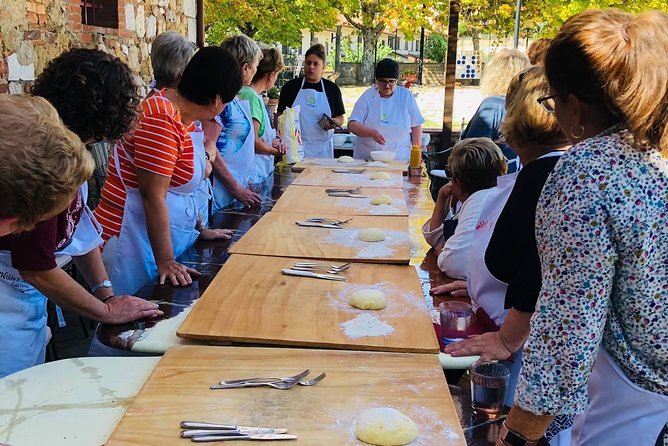
Each course is paired with local Tuscan wines. That matters because it trains your senses while you cook. Instead of tasting wine as a separate activity, you’re tasting it alongside each part of your meal while the flavors are still fresh in your head.
In practical terms, it also helps you understand why Tuscan dishes work with certain wine styles. You’ll likely notice how acidity, fruit notes, and tannins change the way tomato tastes on bruschetta or how a sauce feels on handmade pasta.
If you like learning through flavor comparison, this pairing setup is one of the smartest parts of the experience.
Truffle Hunt Add-On: A Tuscan Ingredient Story in Real Time
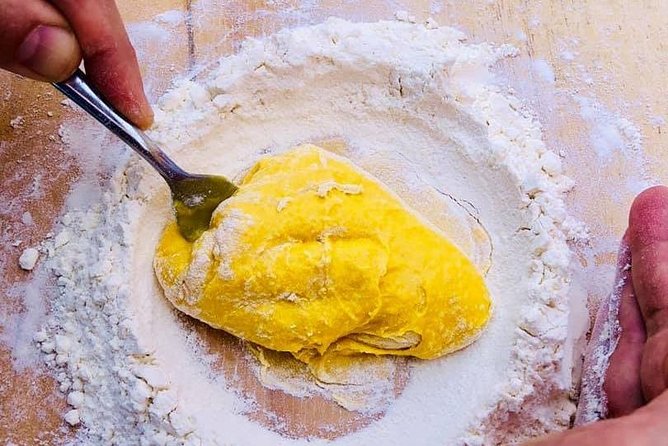
There’s an optional truffle hunt add-on. If you choose it, you’ll prepare truffle-based specialties afterward.
This isn’t just about adding luxury. It helps you connect ingredient to cooking. Truffle flavor can be subtle, and people often struggle to get the balance right at home. A focused lesson like this gives you a clearer sense of how much to use and when it should show up in a dish.
If you’re a truffle fan or you want one memorable “Tuscan” moment beyond pasta-making, this add-on is the easiest way to do it.
The Pace and Group Size: Why It Feels Personal
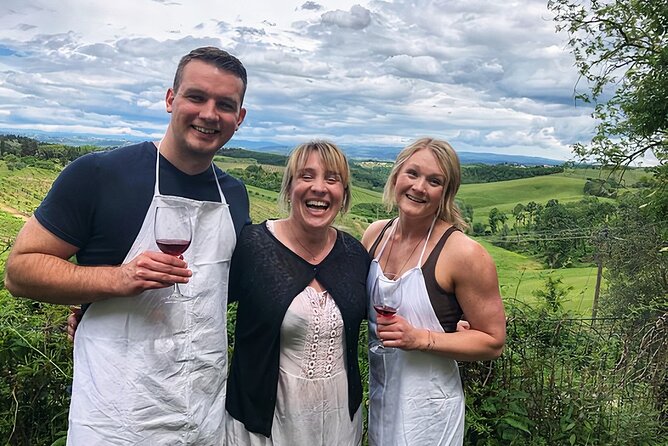
Your session lasts about 3 hours, which is long enough to cook multiple courses but not so long that everyone loses focus. A lot of the positive feedback points to an easy pace and a family-style flow: everyone gets hands-on time, you laugh, and you sit down to eat what you made.
The maximum group size of 8 is a big part of why it works. In larger groups, you can end up cooking in bursts and then standing around. Here, the host can keep an eye on what you’re doing—especially during pasta steps where timing and texture matter.
Also, the class accommodates different dietary needs. The experience notes vegetarian and gluten-free cooking classes, and they can accommodate food allergies if you let them know.
That makes it a good choice for mixed groups where not everyone eats the same way.
Menu Flexibility: Seasonal Cooking That Still Feels Structured
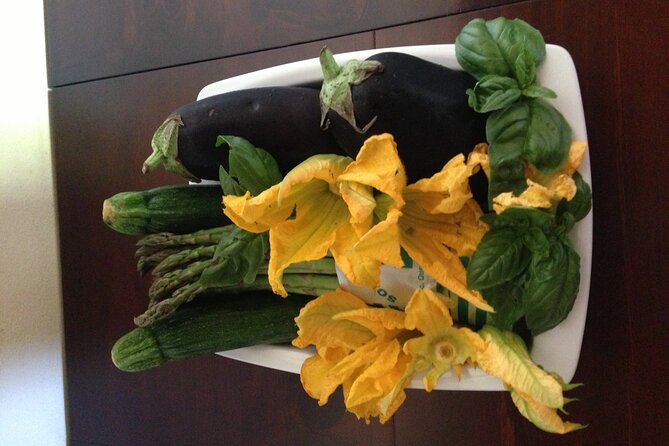
One reason this class earns repeat praise is that it has structure but not rigidity. The sample menu gives you a clear idea: antipasto bruschette, handmade pici or tagliatelle, another pasta course, and a secondo of meat or vegetarian. But seasonal/local shopping means the exact dishes can shift.
That flexibility is good travel value. You’ll eat food that reflects the region and the ingredients available right then, not a museum version of Tuscan cooking.
Some participants also described additional elements like bread salads such as Panzanella, and there were mentions of chicken and pork dishes in some meals. You should treat the sample menu as a guide, not a promise of every exact plate on your day.
Getting There and Timing Your Day from San Gimignano
San Gimignano is the reference point, and the farmhouse is described as a short drive away—around ten minutes in at least one account. That’s close enough to pair the class with other sightseeing, but far enough that you should plan transportation.
A good approach:
- If you’re staying in San Gimignano, plan on driving or arranging a driver for the short hop
- Give yourself extra margin to locate the farmhouse and parking area
- Expect to finish back at the start point, so you can wrap dinner plans around your return
If you’re the type who likes to wander slowly after a lesson, this timing works well because you won’t be racing right after eating.
Who Should Book This Class (and Who Might Skip It)
This experience is ideal if you want:
- A hands-on Tuscany lesson you can reproduce at home
- A small-group setting with conversation and technique coaching
- A full meal with wine pairings that feel connected to what you cooked
- A more personal Tuscan experience than a big tour bus meal
It may be less ideal if:
- You want a purely sightseeing day with lots of walking and views and minimal sitting at a table
- You dislike driving to a countryside farmhouse (though you can solve this with a driver)
- You only want a quick tasting experience rather than making multiple courses
Families can also fit well here. One account described the host engaging patiently with kids, and the overall vibe described in feedback is supportive rather than strict.
Should You Book the Tuscan Cooking Class in San Gimignano?
Yes, you should book this class if you’re chasing the kind of Tuscany you can take home: technique, flavor balance, and a real meal made in a real farmhouse kitchen. For the price, what you get is unusually complete—multiple courses, fresh pasta work, and local wine pairings—plus a small-group size that actually teaches.
I’d especially recommend it if pasta is on your travel wishlist. The teaching style credited in past classes suggests you’ll come away with practical steps and a clearer sense of what makes sauces and dough work in a Tuscan style.
If you’re deciding last-minute, do it like this: if you want to cook, eat, and learn in a calm family setting for a few hours, this is a strong match. If you want only a tasting and no hands-on time, look for something shorter or more demo-based.
FAQ
Where is the meeting point for the class?
You meet at Agriturismo Il Vicario – Tuscan cooking class, Loc. S. Andrea, 1, 53037 San Gimignano SI, Italy.
How long is the Tuscan cooking class?
The duration is about 3 hours.
Is this a small group experience?
Yes. The experience has a maximum of 8 travelers.
What will we cook and eat?
You’ll prepare a traditional 5–6 course Tuscan lunch or dinner, including fresh pasta. The sample menu includes items like bruschette, cheese tasting, handmade pici or tagliatelle with sauces, and a meat or vegetarian second course.
Are there vegetarian or gluten-free options?
Yes. The class can be arranged as vegetarian and gluten-free, and they can also accommodate food allergies if you let them know.
Do you include wine with the meal?
Yes. Each course is paired with local Tuscan wines.
Is there an option related to truffles?
Yes. You can opt for a truffle hunt add-on and prepare truffle-based specialties.
What ticket format do I receive?
The class offers a mobile ticket.
Can I cancel for a full refund?
Yes, free cancellation is available up to 24 hours in advance of the experience start time for a full refund.