REVIEW · SIGIRIYA
Organic cooking class sigiriya (kumara & family)
Book on Viator →Operated by Organic Cooking & lesson [Treditional Sri Lanka Foods] · Bookable on Viator
There is no restaurant shortcut here. This organic cooking class in Sigiriya starts in the family garden and ends with a real Sri Lankan dinner table, taught by Kumara and his family, not a script.
What I like most is the farm-to-kitchen feel: you see the herbs and garden vegetables first, then you cook them yourself.
The hands-on part is the second big win. You get guided help through the curries, the spice prep, and cooking on an outdoor setup, then you sit down to enjoy what you made. The only real catch is you’re outdoors and around active cooking, so plan for warm weather and bring your own bottled water just in case.
In This Review
- Key highlights you’ll actually care about
- Organic garden walk at Sigiriya’s home kitchen
- Spices and ingredients: how the traditional prep changes the flavor
- Cooking your Sri Lankan curry dinner in a wood-fired outdoor setup
- Learning the traditional Sri Lankan table arrangement
- What you’ll eat and drink: organic garden vegetables, tea, and water
- Value check for a $28, 2.5-hour family cooking workshop
- Practical tips so your class goes smoothly
- Who should book this class in Sigiriya?
- Should you book Organic cooking class sigiriya (Kumara & family)?
- FAQ
- How long is the organic cooking class in Sigiriya?
- Is this cooking class private?
- What will I cook during the class?
- Will I learn about Sri Lankan spices and how they are prepared?
- Do they provide bottled water and tea?
- Where does the class start?
- Does it include tasting the meal you cook?
- Is the ticket digital?
- What is the cancellation policy?
- What happens if the weather is poor?
Key highlights you’ll actually care about
- Garden-first start: you pick up ingredient context before the first curry ever hits the pan
- Traditional spice handling: you learn how spices are prepared in a customary way
- Hands-on cooking tasks: you don’t just watch, you prep and cook with guidance
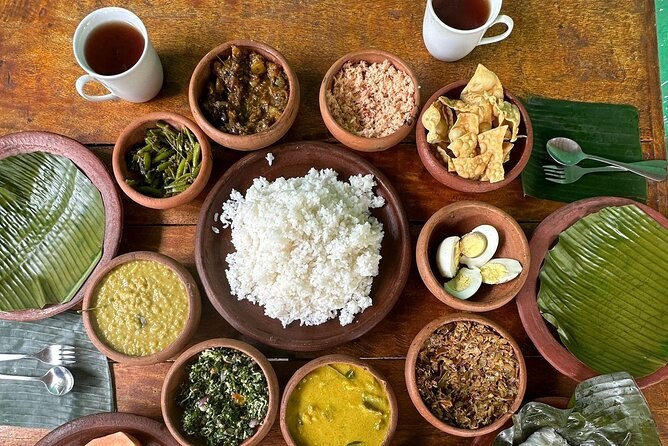
- A real Sri Lankan dinner table: you learn how it’s arranged and how the meal is served
- Organic produce from their garden: the vegetables you cook are grown on site
- Eat what you cooked: you finish with an evening meal plus herbal tea
Organic garden walk at Sigiriya’s home kitchen
Your class begins at Organic cooking class sigiriya (kumara & family), 284 kahatagahayaya, kalapuraya, Sigiriya 21120, Sri Lanka. Expect the day to start with a short, practical orientation—then you move straight into the place that makes this experience different: their organic garden.
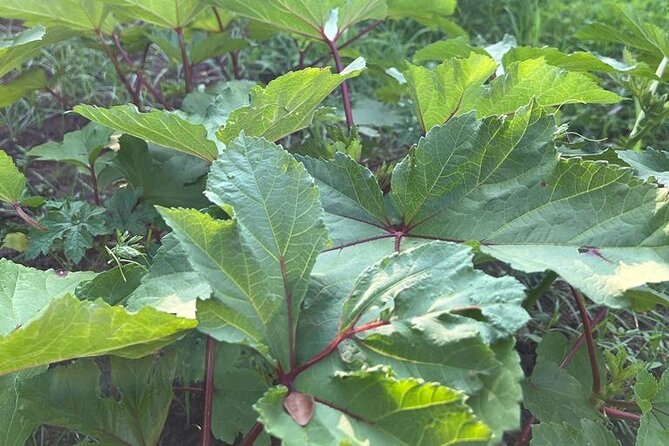
This isn’t a quick photo stop. The family shows you the plants they use and explains what they do in day-to-day cooking. Several guests also mention learning about herbs and plants tied to traditional health ideas, including Ayurvedic eating. Even if you’re not trying to turn the trip into a wellness course, it helps you understand why Sri Lankan food tastes the way it does: ingredients aren’t “mystery powders,” they’re specific leaves, roots, and seeds with a job.
You’ll also get a sense of scale. This is home cooking supported by real growing, not a storefront that buys everything in. And because you’re seeing ingredients before you cook, you start connecting flavors while you work, instead of just following steps.
A small practical note: this is an outdoor-in-nature style workshop. Wear shoes you don’t mind getting a little dusty, and think about sun and insects when you pick your timing.
You can also read our reviews of more tours and experiences in Sigiriya.
Spices and ingredients: how the traditional prep changes the flavor
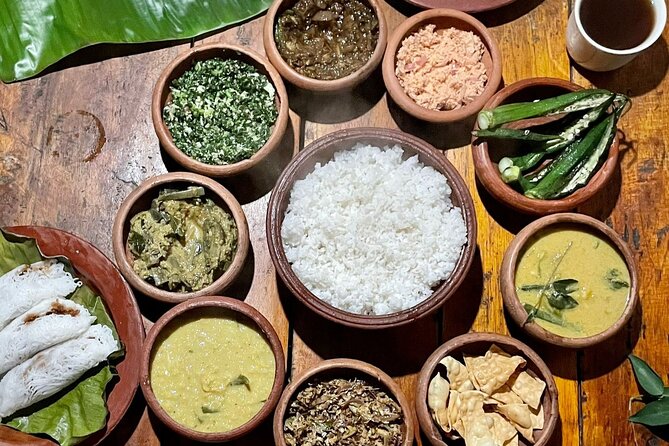
Next comes the part you’ll feel later in every bite: spice preparation and ingredient quantities. You’ll get an introduction to the curries you’ll cook and how they’re made, plus an introduction to the spices and ingredients used in those dishes.
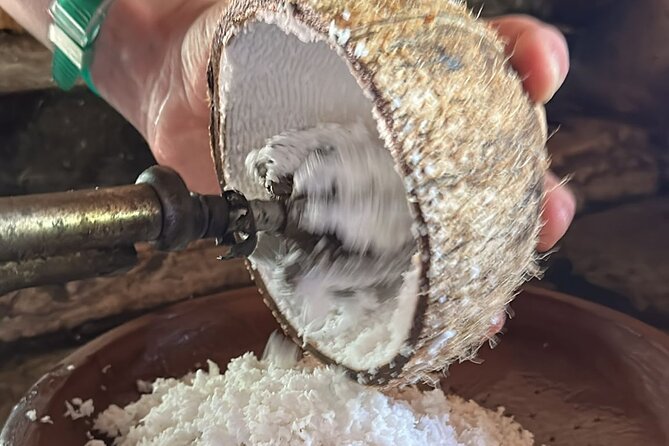
What matters here is that you don’t just learn what goes into a curry. You learn how spices are prepared in the traditional way, which changes the aroma you’ll notice while cooking. Whole spice handling and early grinding can make a big difference in how fragrant a curry feels once it simmers.
You also get hands-on instruction about prepping ingredients based on what’s needed. That’s a surprisingly useful skill if you’re the kind of traveler who wants to recreate food later. Sri Lankan cooking often depends on balance—spice load, aromatics, and timing all work together—so understanding quantities keeps you from making a “tasty but off” version at home.
If you’re paying attention, you’ll start noticing patterns:
- One curry might rely on spice bloom early, then a slower cooking phase.
- Another might feel more about vegetable handling and how long you let it soften.
- Accompaniments often add texture and brightness so the whole meal doesn’t taste flat.
This is where the class earns its value: it gives you working knowledge, not just a meal.
Cooking your Sri Lankan curry dinner in a wood-fired outdoor setup
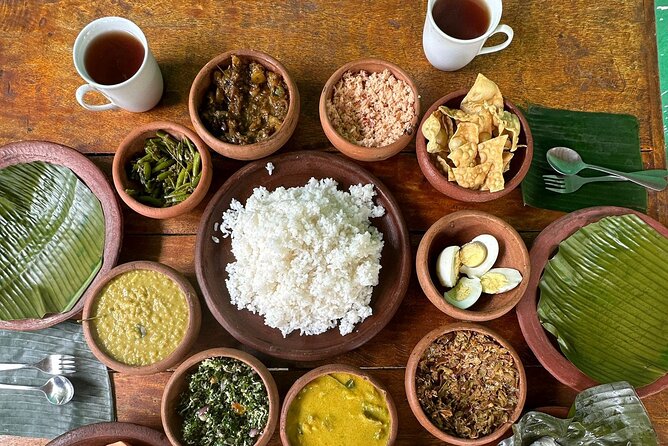
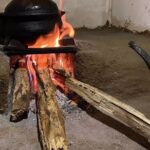
Once your ingredients and spice prep are clear, it’s time to cook. The format is hands-on: you’ll experience cooking with tips as you go. Guests describe cooking in an outdoor kitchen style setup, including wood-fire cooking. That matters because it adds a smoky note and a different heat rhythm than a standard stove.
The menu can shift based on what’s being grown and what the family decides for the day. But across recent classes, people have commonly cooked a multi-dish curry spread. Examples mentioned include curries like dahl, aubergine, and pumpkin, plus items such as sambal and string hoppers (and sometimes dessert). Other guests also describe coconut rotis and a sweet dish as part of the meal.
The best way to think about this stage is like training with a chef-friend. You’ll have tasks—cutting, mixing, helping with curries, shaping or preparing accompaniments—rather than standing at the side watching someone else do everything. That’s why even experienced cooks tend to enjoy it. You’re not trying to reinvent the wheel; you’re learning the wheel as it’s used locally.
And yes, there’s fun built in. A recurring theme in guest comments is laughter, teamwork, and a family energy that makes you feel welcome even if your cooking skills are rusty.
One drawback to keep in mind: because you’re actively cooking, your hands might get warm and you’ll be in the cooking area longer than you expect. If you have mobility limits or hate close-to-fire work, tell the host what you’re comfortable with ahead of time.
Learning the traditional Sri Lankan table arrangement
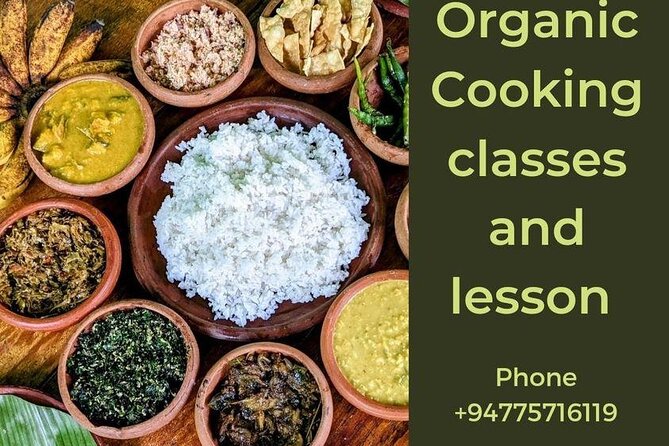
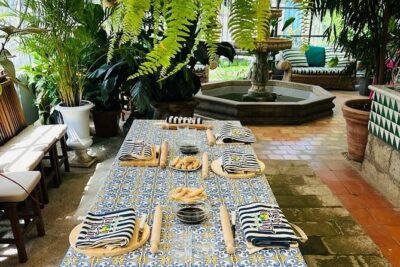
After cooking, the class doesn’t stop at food. You’ll also learn about how a Sri Lankan dinner table is arranged in a traditional way. This might sound small, but it changes how you eat.
When your plates are set up in a local style, you naturally try a mix of curries and sides in each bite. It’s less about eating one dish at a time and more about building your mouthful—spice plus starch plus something crunchy or spicy—until the flavors click.
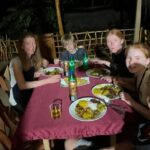
Guests also describe the meal as a shared family-style experience: you cook together, then eat together. That’s a big reason this feels more memorable than a cooking demo. The “table skills” part is your bridge between learning recipes and understanding how Sri Lankans actually enjoy food at home.
What you’ll eat and drink: organic garden vegetables, tea, and water
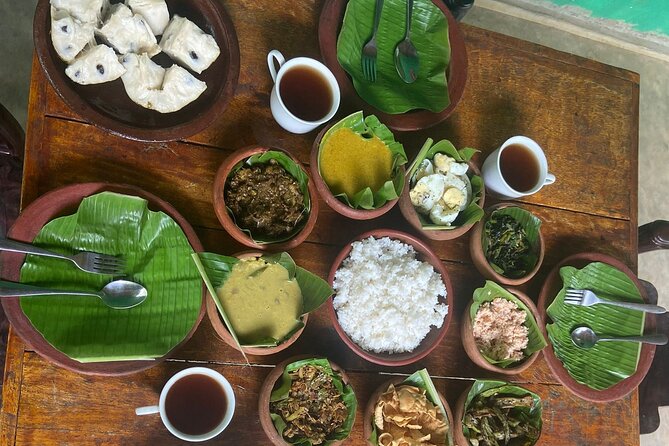
Your meal is the direct result of your work. The food is based on garden vegetables and described as organic, because the family grows what you use on site.
You can expect a multi-dish evening meal with herbal tea. The description also says bottled water is included. At the same time, some guests advise bringing your own bottled water and note that hot tea and tap water may be offered instead of bottles.
So here’s the smart move: bring a bottle. It costs little, and it keeps you from worrying about hydration while you’re outside cooking.
Food-wise, expect bold spice aromas, plenty of vegetable character, and sides that make the meal feel complete—not just a plate of curry. Many participants highlight that the results were some of the best food they had in Sri Lanka, which makes sense: the ingredients are fresh, and you’re cooking with guidance, not guessing.
If you’re the type who worries about dietary fit, note that some guests mention plant-based or vegan-leaning recipes. But since the exact dishes can vary by day, the safest approach is to tell the host your dietary needs when you book.

Value check for a $28, 2.5-hour family cooking workshop
For $28 and about 2 hours 30 minutes, this is strong value if you want more than a meal. What you’re paying for is:
- Ingredient access you can’t easily replicate at a restaurant
- Hands-on cooking with traditional spice prep
- A shared, family-led dinner
- The chance to learn recipes in a way you can repeat
Also, this class is positioned as a private, half-day experience. Even when small groups form, it still feels close to a home lesson: one family teaching in their own space, using what they grow.
Is it expensive compared to a casual meal? Sure. But it’s cheap compared to paying for a cooking class plus paying for dinner separately plus paying for market time. Here, the meal is the class output.
One more value detail: some guests mention receiving recipes afterward in detail. That turns the experience into something you can use at home, not just a memory.
Practical tips so your class goes smoothly
A few things can make the difference between a good day and a great day.
- Bring bottled water to be safe. Even though tea is provided, some people recommend their own bottle for hydration.
- Wear comfortable shoes for garden paths and an active kitchen area.
- Come hungry and curious. You’ll taste and eat what you cook, and it’s better when you’re ready for it.
- Ask questions about ingredients. The most useful moments happen when you connect the plant name to the dish you’re making.
- Be ready for wood-fire energy. If you’re sensitive to smoke, sit where you feel comfortable and let the host know.
If weather turns rough, the experience requires good weather. That’s not a “maybe”; it’s important because parts of the class are outdoors.
Who should book this class in Sigiriya?
Book this if:
- you want real Sri Lankan cooking with traditional spice methods
- you care about organic ingredients and garden-to-table logic
- you’d like a food experience that includes the family side of travel, not just the food side
- you enjoy hands-on activities, even if you’re not a confident cook
You might skip it if:
- you hate cooking or don’t want to work with ingredients
- you strongly prefer air-conditioned, indoor-only activities
- you’re uncomfortable with outdoor settings (heat, insects, and wood-fire cooking)
If you’re traveling with a partner or solo, this can be a perfect fit because it’s structured, social in the best way, and focused on learning.
Should you book Organic cooking class sigiriya (Kumara & family)?
Yes, if your idea of a great Sigiriya day is food plus culture plus doing real things with your hands. For $28, the value comes from the organic garden foundation and the fact that you cook and then eat as part of one connected experience. It’s not a factory-style class, and that shows.
Before you go, do two quick checks: wear shoes for outdoors and bring your own bottled water. If those are handled, you’re set up for one of the most memorable meals in Sri Lanka.
FAQ
How long is the organic cooking class in Sigiriya?
The experience lasts about 2 hours 30 minutes.
Is this cooking class private?
It’s described as a private, half-day organic cooking workshop.
What will I cook during the class?
You’ll learn how a typical Sri Lankan meal is cooked and prepare a multi-dish curry dinner. The class includes an introduction to the curries, ingredients, and spices, plus hands-on cooking. Dishes mentioned by previous participants include curries such as dahl, aubergine, and pumpkin, along with items like sambal, string hoppers, and dessert.
Will I learn about Sri Lankan spices and how they are prepared?
Yes. The experience includes learning about the ingredients and spices used and how the spices are prepared in a traditional way.
Do they provide bottled water and tea?
The description says bottled water and herbal tea are included. Some participants recommend bringing your own bottled water anyway, since tea and water from the tap may be offered.
Where does the class start?
The meeting point is Organic cooking class sigiriya (kumara & family), 284 kahatagahayaya, kalapuraya, Sigiriya 21120, Sri Lanka.
Does it include tasting the meal you cook?
Yes. You’ll sit down and enjoy the freshly prepared evening meal after cooking.
Is the ticket digital?
Yes, you get a mobile ticket.
What is the cancellation policy?
Cancellation is free. You can cancel up to 24 hours in advance for a full refund, based on the experience’s local time.
What happens if the weather is poor?
This experience requires good weather. If it’s canceled due to poor weather, you’ll be offered a different date or a full refund.