REVIEW · SIGIRIYA
Sajee’s Place Cooking Class
Book on Viator →Operated by Sajee’s place cooking class sigiriya · Bookable on Viator
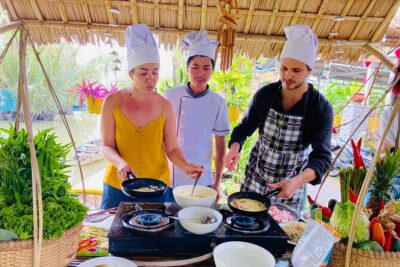
Spice lessons happen fast in Sigiriya. At Sajee’s Place Cooking Class, Sajeeva and Suzy guide you through Sri Lankan cooking with hands-on steps, from learning spice basics to making curry staples like coconut milk yourself. I love that the class is small (max 10) and that you get clear, practical explanations you can repeat at home. One thing to consider: the menu includes a choice of chicken or fish curry along with vegetables and sambol, so if you have strict dietary needs, message them first.
You’ll start at a real neighborhood cooking setup on Fourth Mile Post, then work your way into a full shared meal you cooked. The pacing is relaxed, but you still get plenty to do in about 3 hours.
In This Review
- Key highlights worth booking
- Sajee’s Place in Sigiriya: what makes this cooking class feel real
- Meet Sajeeva and Suzy, then learn spices the useful way
- The hands-on workflow: what you’ll likely cook and do
- Rice & curry skills you can use at home
- The final meal: eat what you cooked, not just what you watched
- Price and value: is $35 reasonable in Sigiriya?
- Logistics that matter: location, group size, and timing
- Who should book this cooking class (and who might skip it)
- Should you book Sajee’s Place Cooking Class in Sigiriya?
- FAQ
- Where is the meeting point for Sajee’s Place Cooking Class?
- How long is the cooking class?
- How much does the class cost?
- How many people are in the group?
- What dishes will I cook during the class?
- Is the class suitable for beginners?
- Will I learn about spices during the class?
- Can the class accommodate different preferences like vegetarian or meat eaters?
- How do I book or contact them?
- What is the cancellation policy?
Key highlights worth booking
- Small group size (max 10) means more chances to ask what you’re doing and why it works.
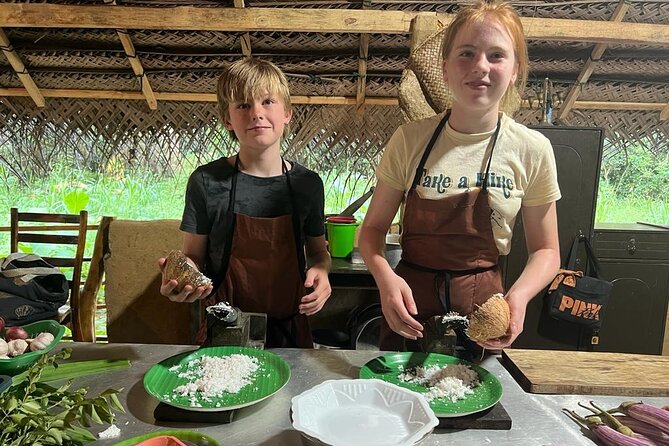
- Coconut milk from scratch teaches a key Sri Lankan skill, not just instructions.
- Spice education with origins and benefits helps you use what you buy later, not just copy recipes.
- Hands-on curry cooking includes vegetable curries, coconut sambol, and either chicken or fish curry.
- Beginner-friendly guidance explains techniques step by step so you’re not just standing by a cutting board.
Sajee’s Place in Sigiriya: what makes this cooking class feel real
Sigiriya is famous for views and history, but eating well there is its own adventure. This cooking class turns Sri Lankan food into something you can actually make again, not just something you watch happen.
The biggest reason I like it is that it teaches method. You don’t only learn what goes into curry; you learn how spices behave, how coconut and aromatics change the final flavor, and how to build dishes in a step-by-step way. The second standout is the format: a small group, led by Sajeeva and his wife Suzy, with everyone cooking and tasting along the way.
Potential drawback? The class includes a set style spread—vegetable curries plus coconut sambol and either chicken or fish curry. If your diet is very specific or you have strong preferences, it helps to communicate ahead so they can steer you toward the best fit.
You can also read our reviews of more tours and experiences in Sigiriya.
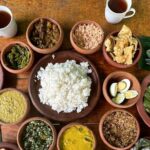

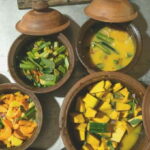
Meet Sajeeva and Suzy, then learn spices the useful way
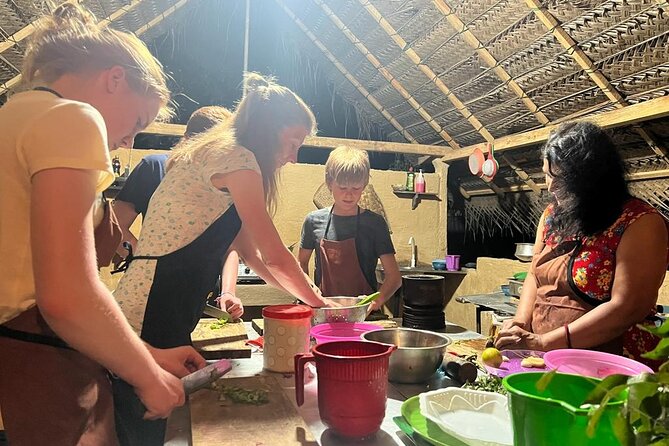
You meet at Sajee’s Place Cooking Class, No 92 Fourth Mile Post, Sigiriya 21120. It’s also described as near public transportation, which matters in Sri Lanka where you might hop between spots rather than rely on one long taxi day.
Right away, the tone is welcoming. Sajeeva and Suzy explain traditional Sri Lankan cooking methods in a hands-on, no-rush way. A lot of classes stop at chopping and stirring, but here you get a real focus on spices—what they are, why they’re used, and tips for using them without turning your pot into regret.
From the way they teach, you learn practical spice handling. You’ll hear about different kinds of spices and their benefits and origins. You’ll also learn the difference between tasting a spice and cooking with it, which is a big deal if you’re used to bland supermarket jars.
One detail I appreciate: they’re explicit about teaching for different experience levels. Even if you’re a cooking newbie, the class is built so you can follow along and still feel like you understand what’s happening.
The hands-on workflow: what you’ll likely cook and do
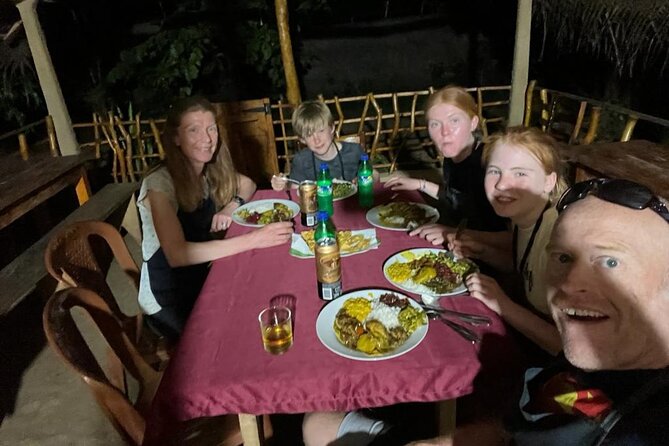
This isn’t a two-hour show-and-tell. It’s a work-at-the-stove session with you doing key parts of the cooking.
Here’s the overall flow you can expect:
- Prep time with instruction
You’ll get guided steps for early components, which helps prevent that classic vacation-cooking moment where you don’t know what matters most.
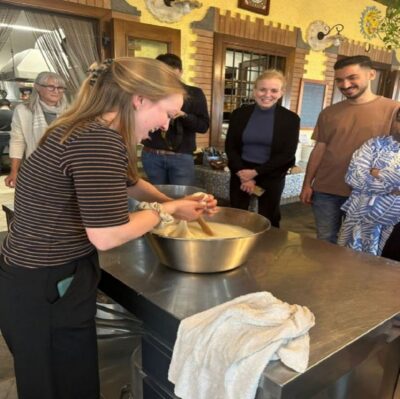
- Making coconut milk yourself
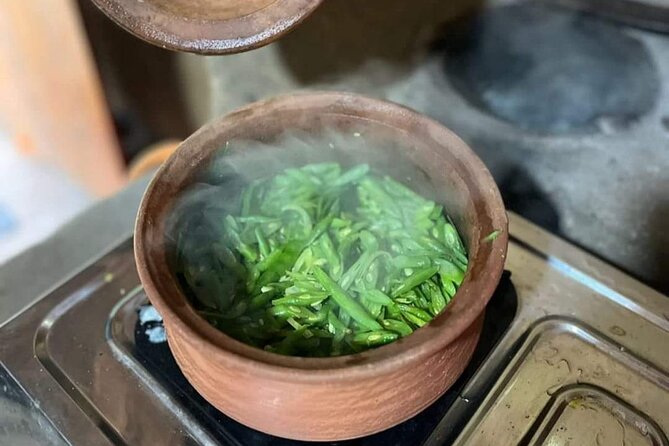
This is a highlight mentioned in the experience details and reinforced by people who took the class. Making coconut milk from scratch teaches you what to look for—texture, richness, and how it affects the curry base.
- Cooking curry components
You’ll prepare seasonal vegetable curries as part of the session. Seasonal vegetables matter because they influence both flavor and how the curry tastes at the end.
- Coconut sambol preparation
Coconut sambol is included as part of the experience, and it’s the kind of side that changes everything. It’s also one of those Sri Lankan staples you’ll actually want to make again once you taste it.
- Finishing with either chicken or fish curry
The class includes either a chicken or fish curry (your final choice may depend on what’s arranged for the group). This gives you a full range of Sri Lankan curry flavors beyond just vegetables.
During the cooking, the class style focuses on repeatable technique. They explain each step so you’re not just copying motions; you learn how heat, timing, and seasoning changes the result.
Rice & curry skills you can use at home
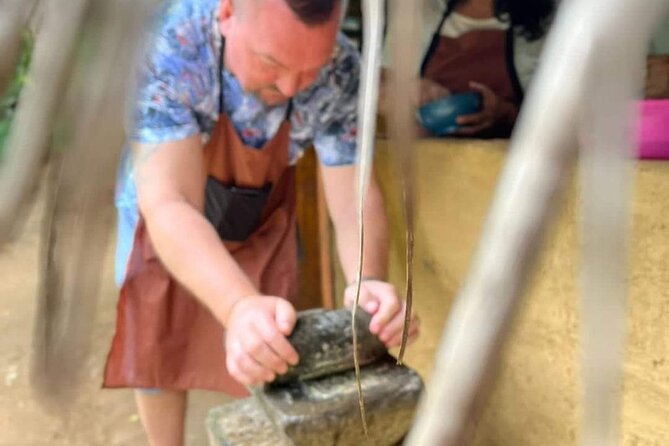
You’re paying for a meal, sure. But what you really want is the ability to reproduce the flavors when you’re back in your own kitchen. That’s where this class has value.
Sri Lankan rice and curry cooking tends to feel complicated from the outside. In this class, you learn how to think about it in parts: spice mix, aromatic base, coconut contribution, and the way curries develop as they cook. Even if your kitchen is missing a few specialty ingredients, the principles transfer.
A few “aha” skills to watch for:
- How to balance spice intensity so the curry has flavor rather than only heat.
- How to use fresh aromatics and spices so they don’t taste harsh.
- How coconut milk changes thickness and mouthfeel, not just taste.
It’s also set up for different preferences. The experience notes that they explain things for cooking newbies and that they can take preferences into account, including meat vs vegetarian and spice levels. If you want your meal mild or if you’d rather avoid one protein, it’s smart to tell them ahead using the contact options they provide.
The final meal: eat what you cooked, not just what you watched
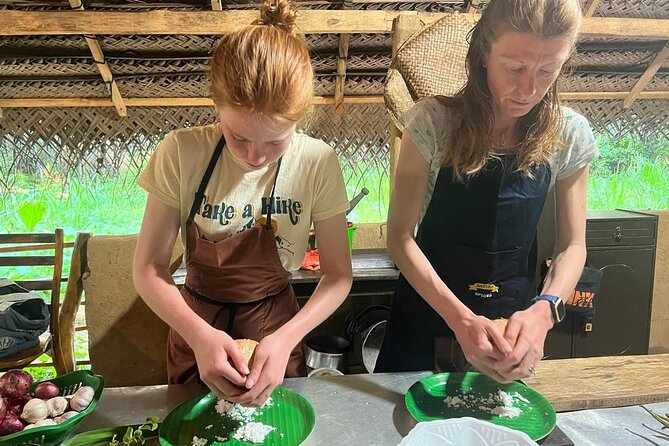
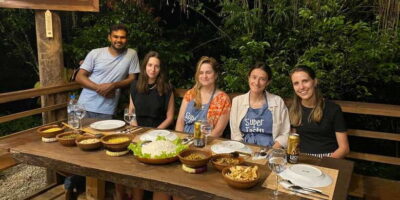
At the end, you share the meal you made. That sounds simple, but it’s actually part of why this class works: you don’t leave with a clipboard of instructions. You taste the results and connect the lesson to the outcome.
Your meal will include the dishes made during the class, including curries and coconut sambol, with rice as part of the rice & curry style. Since this is a group setting, you also get a relaxed atmosphere where everyone’s food ends up tasting like one shared event rather than separate plates.
If you’re thinking about food as an ongoing travel souvenir, this is the type that lasts. Spices and techniques travel well. A week from now, you’ll remember how the coconut milk felt when it thickened, and how the curry tasted once the spice had cooked properly.

Price and value: is $35 reasonable in Sigiriya?
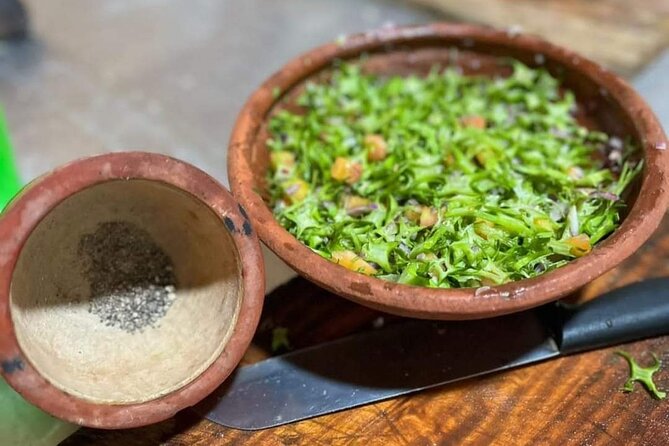
At $35 per person for about 3 hours, this class sits in the “more than a snack, less than a full day tour” category. That can be a good thing, especially if you’re splitting your time between Sigiriya activities and other local experiences.
Here’s why the price can make sense:
- You get a structured, hands-on class with multiple dishes built during the session.
- You learn spice basics, not just a single recipe.
- You prepare coconut milk and included Sri Lankan staples like sambol and curries.
- The group cap is 10 travelers, which usually supports better instruction and less waiting around.
Still, do the common-sense math. If you only want one dish or you’re short on time, $35 might feel high compared to an ordinary restaurant meal. If you want a skill-focused experience that becomes useful after your trip, this is the kind of value that pays off later.
Logistics that matter: location, group size, and timing
You’ll start and finish back at the meeting point: No 92 Fourth Mile Post, Sigiriya 21120. That means you don’t lose time bouncing between places.
The class runs about 3 hours. That’s long enough for real cooking work but short enough to fit into a day that also includes Sigiriya sights and possibly other nearby stops.
Group size is capped at 10, so it stays intimate. It’s also listed as near public transportation, which helps if you’re not booking private transfers all day.
Mobile ticketing is mentioned, and confirmation is received at booking time. If you prefer smooth communication, they provide a WhatsApp number you can use to ask questions.
Who should book this cooking class (and who might skip it)
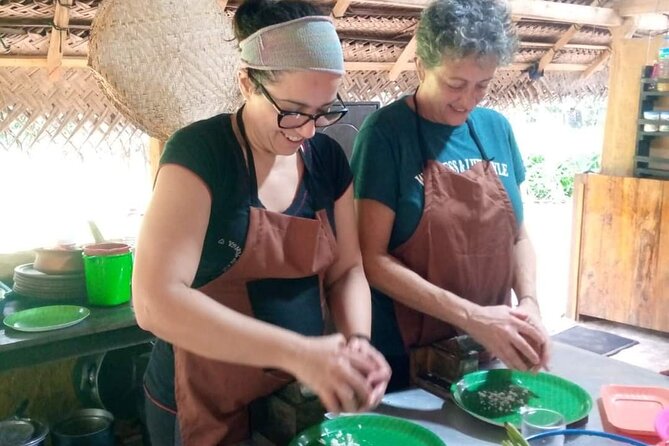
This is a great fit for:
- People who want a hands-on food skill rather than just a meal.
- Anyone who’s curious about Sri Lankan spices and how to use them.
- Families and groups that like interactive activities (the small group format tends to keep energy up).
- Beginners who need step-by-step guidance.
You might consider skipping (or messaging first) if:
- You have strict dietary needs that aren’t covered in advance. The menu includes either chicken or fish curry, plus vegetable curries and coconut sambol, so it helps to confirm what will be prepared for you.
- You’re very short on time and only want a quick bite.
If you do book, bring curiosity and a willingness to taste as you cook. The best learning happens when you pay attention to smell and texture, not just flavor.
Should you book Sajee’s Place Cooking Class in Sigiriya?
Yes, if you want something practical you can repeat and you like the idea of learning Sri Lankan spices with real cooking steps. The combination of small group teaching, coconut milk from scratch, and an end meal based on what you made gives this class more staying power than a typical dining experience.
My advice: message them before you arrive if you have protein preferences, spice-level needs, or dietary constraints. Then show up ready to stir, taste, and ask why something works. If you do that, you’ll leave with a meal in your belly and skills in your head.
FAQ
Where is the meeting point for Sajee’s Place Cooking Class?
It starts at Sajee’s Place Cooking Class, No 92 Fourth Mile Post, Sigiriya 21120, Sri Lanka, and ends back at the same meeting point.
How long is the cooking class?
The class lasts about 3 hours.
How much does the class cost?
The price is $35.00 per person.
How many people are in the group?
The class has a maximum of 10 travelers.
What dishes will I cook during the class?
You’ll prepare seasonal vegetable curries, coconut sambol, and either a chicken or fish curry.
Is the class suitable for beginners?
Yes. The class is explained for cooking newbies, including explanations of spices and how to use them.
Will I learn about spices during the class?
Yes. You’ll learn about different kinds of spices, including their benefits, origins, and tips for using them.
Can the class accommodate different preferences like vegetarian or meat eaters?
The experience notes that they take different preferences into consideration, including meat eater and vegetarian preferences and spice levels.
How do I book or contact them?
You can find Sajee’s Place Cooking Class Sigiriya on Google, and you can also contact them by WhatsApp at 0094767419738.
What is the cancellation policy?
Free cancellation is available. You can cancel up to 24 hours in advance for a full refund. If you cancel within 24 hours of the start time, you won’t get a refund.