REVIEW · KRAKOW
Pierogi Cooking Class with Market Shopping and Local Snacks
Book on Viator →Bookable on Viator
Pierogi are the kind of food you can’t fake. In this small-group class, you get hands-on pierogi making in a real local’s apartment, plus market shopping and tastings that turn ingredients into a story. The one drawback to plan for is that it’s 3 hours of focused eating and cooking, so you’ll want to keep your schedule light after.
I like that you learn the whole sequence, from dough and filling to shaping and boiling, instead of just watching. You’ll also get culture mixed in—Kraków tips and culinary traditions—so the meal feels earned, not staged.
In This Review
- Key Highlights You’ll Feel Immediately
- Why This Pierogi Class Feels Personal (Not Like a Factory Line)
- The Market Walk at Kraków’s Old Marketplace (Why Ingredients Matter)
- From Dough to Dough Rolling: What You Actually Learn
- Pleating the Pierogi: The Skill That Turns Lunch into a Project
- Boiling and Eating: The Part Where It Finally All Clicks
- Starters, Snacks, and Regional Alcohol: Drink With Intention
- Timing, Meeting Point, and Small-Group Pace
- Price and Value: What $83.48 Buys You in Kraków
- Who Should Book This (And Who Might Skip It)
- Practical Tips for a Smooth Pierogi Afternoon
- Should You Book This Kraków Pierogi Class?
- FAQ
- How long is the pierogi cooking class?
- What is the price per person?
- How big is the group?
- Is the class offered in English?
- Does the class include market shopping?
- Where do I meet the host?
- Where does the experience end?
- What food is included?
- Do I need a printed ticket?
- Is cancellation free?
Key Highlights You’ll Feel Immediately
- Small-group size (max 6): You cook, not just observe.
- Market shopping first: You pick ingredients before the kitchen work starts.
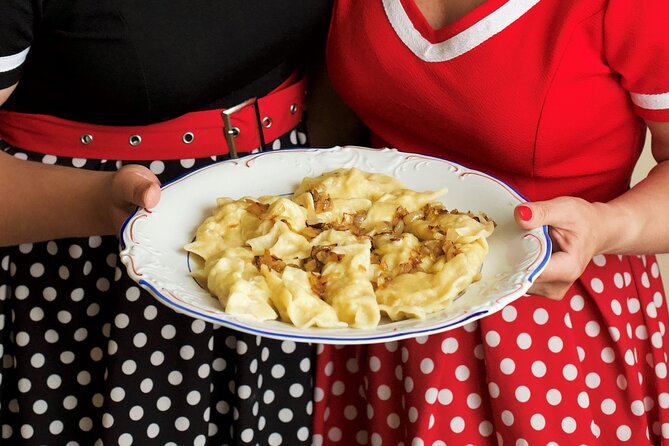
- Traditional filling: Cottage cheese, potatoes, and caramelized onions.
- Hands-on technique: Dough kneading, rolling, and pleating skills.
- Food + drinks built in: Seasonal snacks and regional alcohol with your dumplings.
- Home-apartment setting: Cozy, personal, and comfortable for learning.
Why This Pierogi Class Feels Personal (Not Like a Factory Line)
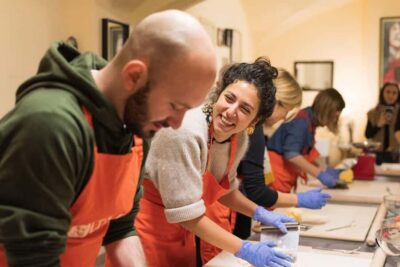
This is one of those Kraków activities where the setting changes everything. The cooking happens in a local apartment, not a big studio, and that makes the class feel more like a shared project than a performance. With a maximum of 6 people, you get real attention while you’re kneading dough and figuring out the pleating.
I also like that you’re not just eating pierogi. You’re learning the process end-to-end—dough making, filling prep, shaping, then boiling—so you can recreate the dish later at home. The experience also includes starters and regional alcohol, which turns it into a full meal moment rather than a quick demo.
One practical note: because it’s a home kitchen experience, expect a normal, cozy setup. It’s intimate, but it may not feel like a restaurant kitchen with unlimited space. Plan to move at a calm pace and you’ll be fine.
You can also read our reviews of more tours and experiences in Krakow.

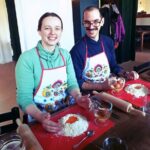
The Market Walk at Kraków’s Old Marketplace (Why Ingredients Matter)
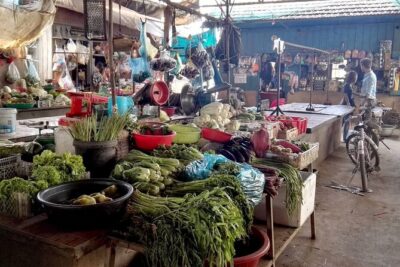
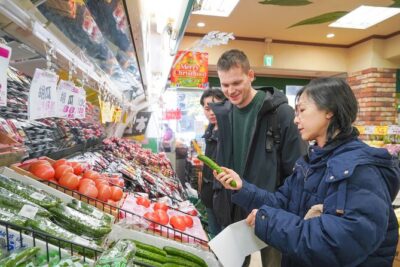
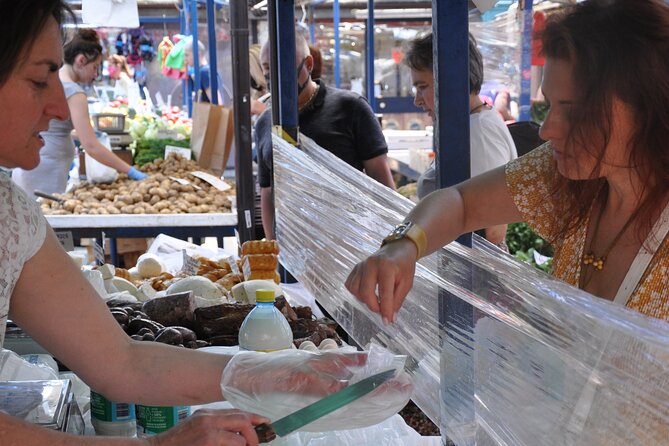
The day starts with a walk through the oldest marketplace in town. This isn’t just a stroll for photos. You’ll buy the ingredients you need for the class, and you’ll likely find yourself snacking along the way as you check out local products.
What makes this part valuable is the logic. Pierogi taste simple, but the quality depends on details—especially the cheese. In past classes, the shopping portion has included fresh and smoked cheese tastings, plus ingredient advice so you understand what to look for (and why). You’ll also get context for Kraków’s food culture as you walk.
Here’s the one scheduling wrinkle: on Sundays, the class runs without a visit to the food market. If market time matters to you, choose a non-Sunday slot.
From Dough to Dough Rolling: What You Actually Learn
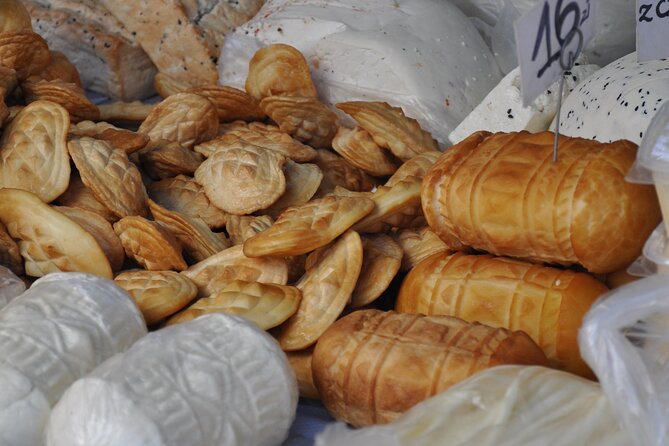
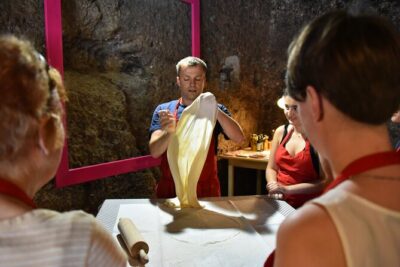
Once you reach the apartment, it’s straight into cooking. You’ll learn the typical Polish skill of making pierogi: dough preparation and shaping. A big focus is the feel of the dough—kneading, getting the right consistency, and knowing what to do (and what to avoid) while you work.
This is the part I’d watch most closely if you want to cook again at home. Several people highlight that the instruction is patient and detailed, with practical dos and don’ts for kneading. You also get guidance on rolling the dough so it’s workable for filling and sealing.
You’ll then prepare the traditional filling: fresh cottage cheese, potatoes, and caramelized onions. Even if you’ve made dumplings elsewhere, the combination and method here are very much the classic Polish direction. The filling is described as vegetarian, which makes it a nice option for mixed groups.
Pleating the Pierogi: The Skill That Turns Lunch into a Project
Shaping pierogi can sound easy until you’re holding the dough. The good news is you’ll learn the technique step by step here, including how to create the familiar shapes. You’ll assemble the dumplings, then move toward cooking them.
In class, the pleating is taught in a way that aims for repeatable results, not just a pretty final picture. If you’ve ever tried dumpling folding at home and ended up with a few angry-looking seams, you’ll appreciate the pacing. It takes a few tries to get comfortable, and that’s normal.
One review mentioned the group making a large number of pierogi—over 100 in one session—so you can expect to stay busy. Another note: some classes include time to boil and then assemble your meal with toppings like sour cream.
Also, you might be able to take some pierogi home. One past participant specifically noted extra pierogi to bring away, so if that’s important to you, ask your host if you can pack a few at the end.
Boiling and Eating: The Part Where It Finally All Clicks
After you’ve shaped your pierogi, it’s time to boil them. This is where you confirm whether your dough and sealing worked. The class is designed so you don’t miss steps—meaning you’ll get to see how the dumplings come together in the pot, and then how they taste on the table.
Then comes the meal. The sample menu is built around:
- seasonal local snacks as a starter
- pierogi with cottage cheese, potatoes, and caramelized onions as the main
- regional alcohol (homemade liquor or a selection) paired with your dish
In real terms, that means you won’t leave hungry and you won’t need to scramble for an early dinner plan. In fact, one very clear piece of advice from prior participants: don’t make dinner reservations for that night. This class has lots of eating baked into it.
Starters, Snacks, and Regional Alcohol: Drink With Intention
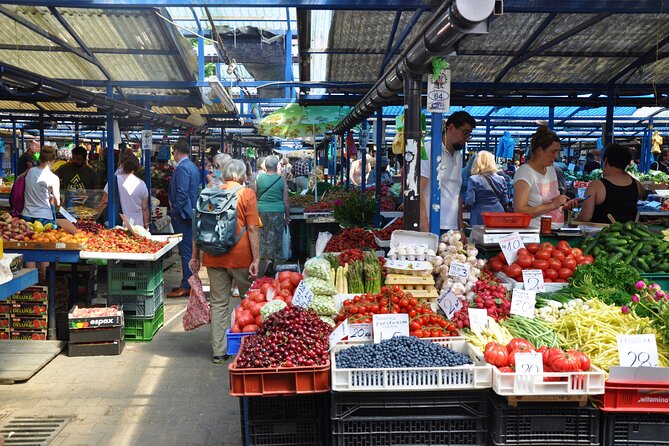
Food is a central theme here, but the drinks are part of the story too. Before and during cooking, you’ll be treated to local snacks and drinks. These can include things like Polish sausage, sour cucumbers, sour cabbage, and local cheeses. What you get depends on the season, so your class might vary slightly from someone else’s menu.
The alcohol is served after the main course as a kind of dessert. Based on past sessions, that may include homemade liquor and can include regional vodka options. One detailed review described bison grass-infused vodka served in an unusual way, which shows how memorable the pairing can be.
If you’re not a big drinker, you’ll still get plenty from the food side. But do keep your pace sensible, especially if you’re heading back to your next stop by public transportation afterward. Save your tough-on-the-town energy for another day.
Timing, Meeting Point, and Small-Group Pace
This experience runs for about 3 hours and ends back at the same meeting point. You start at Grunwald Monument, plac Jana Matejki, 30-001 Kraków, Poland. It’s near public transportation, and you’ll use a mobile ticket.
The small-group size (max 6) is a big part of the value. With fewer people, you’re more likely to get hands-on corrections while you knead and shape. That also makes it easier to cook at a pace that works for your hands, not the clock.
English instruction is included, so you won’t feel stuck if Polish isn’t your strong suit. And because confirmation is sent within 48 hours of booking (subject to availability), you generally won’t be left wondering for long.
Price and Value: What $83.48 Buys You in Kraków
At $83.48 per person, you’re paying for more than an appetizer and a short lesson. The class includes:
- market shopping for ingredients (normally)
- hands-on teaching in a home kitchen
- a complete meal: snacks + traditional pierogi main
- regional alcohol paired with the food
- small-group instruction (max 6)
If you’re doing Kraków on a budget, you might wonder if it’s “too much” for dumplings. But when you compare it to paying for an ingredient market tour plus a cooking lesson plus a meal (and in many cases, alcohol separately), the package starts to look fair.
It’s also a high-value buy for families and food lovers. One parent noted the class was great for kids, because everyone got to make and shape. If you want an activity that feels like a real contribution to your meal—not just entertainment—this is exactly that.
Who Should Book This (And Who Might Skip It)
You’ll likely love this class if you fit one of these profiles:
- You want a hands-on Kraków food experience, not just tasting
- You enjoy learning technique you can repeat at home
- You travel with family or a mix of ages and want everyone included
- You like food culture stories alongside what you’re cooking
It may be less ideal if you hate structured cooking tasks or you’re short on time and can’t spare 3 hours plus meal time. And if Sundays are your only possible day, remember the market stop is not part of the experience that day.
Practical Tips for a Smooth Pierogi Afternoon
A few simple moves will make the day easier:
- Arrive a bit early at the Grunwald Monument meeting point so you can start calm.
- Wear sleeves and shoes you don’t mind getting dough on.
- Bring curiosity. Ask about cheese choices and how to keep the filling right—those are the details that make pierogi taste right later.
- If you’re planning to drink the regional alcohol, take it slow and pace water between sips.
- If you want to bring pierogi home, ask at the end. Some sessions include extras to take away.
Also, keep your evening open. You’ll likely leave full, and it’s a nice way to avoid the stress of finding food right after.
Should You Book This Kraków Pierogi Class?
If you want an activity that feels genuinely Kraków, this is a strong pick. The home-kitchen setting, the small group size, and the full hands-on learning—from dough to boiling—make it more than a “food tasting.” Add in the market shopping and the included snacks and regional alcohol, and the price starts to feel like a package that saves time and simplifies your day.
I’d book it if you like comfort food with technique behind it, and if you want a friendly host guiding you through Kraków’s culinary traditions. Skip it only if your schedule is too tight, your idea of a vacation doesn’t include cooking work, or you’re expecting a market experience on a Sunday.
FAQ
How long is the pierogi cooking class?
It lasts about 3 hours.
What is the price per person?
The price is $83.48 per person.
How big is the group?
The class is a maximum of 6 travelers.
Is the class offered in English?
Yes, it’s offered in English.
Does the class include market shopping?
It includes a visit to the food market as part of the experience, but on Sundays the experience takes place without a visit to the food market.
Where do I meet the host?
Meet at Grunwald Monumentplac Jana Matejki, 30-001 Kraków, Poland.
Where does the experience end?
It ends back at the meeting point.
What food is included?
You get seasonal local snacks, then pierogi made with cottage cheese, potatoes, and caramelized onions. You also get regional alcohol paired with the main dish as a dessert.
Do I need a printed ticket?
No. You’ll have a mobile ticket.
Is cancellation free?
Yes. You can cancel up to 24 hours in advance for a full refund. If you cancel less than 24 hours before the start time, the amount paid isn’t refunded.