REVIEW · PALERMO
Palermo: Market Tour and Sicilian Cooking Class with Lunch
Book on GetYourGuide →Operated by Towns of Italy · Bookable on GetYourGuide
Palermo smells like dinner before you even cook. Start with a guided walk through Mercato del Capo, then move into a small-group kitchen with a professional chef to build a classic Sicilian 3-course meal. The best part is how practical it feels: you’re not just watching, you’re learning what to buy, why it matters, and how to turn it into food.
What I love most is the hands-on cooking. You’ll make Sicilian staples like arancini and pasta alla norma, then finish with cannoli. One consideration: this experience is not suitable for celiac and it’s also not for gluten intolerance, so plan accordingly if you need strict gluten-free options.
In This Review
- Key highlights at a glance
- From Mercato del Capo to Your Apron: How the Day Flows
- Mercato del Capo: What You Learn While You Shop
- The Kitchen Setup: Professional Teaching Without the Snob Factor
- The 3-Course Palermo Menu: Arancini, Pasta alla Norma, Cannoli
- Arancini: Frying With Confidence
- Pasta alla Norma: Comfort Food With a Serious Sense of Place
- Cannoli: The Sweet Finale You’ll Want to Repeat
- Lunch With Unlimited Wine: Eating What You Cook
- Price and Value: Why $65 Can Actually Make Sense
- Who This Class Is Best For (and Who Might Not Love It)
- Practical Tips: Timing, Meeting Point, and What to Bring
- Should You Book This Palermo Market Tour and Sicilian Cooking Class?
- FAQ
- How long is the Palermo market tour and cooking class?
- What dishes will I cook in the class?
- Is the Mercado del Capo market visit always included?
- Is this class suitable for vegetarians?
- Is it safe for people with celiac or gluten intolerance?
- What drinks are included with lunch?
- Where do I meet, and when should I arrive?
Key highlights at a glance
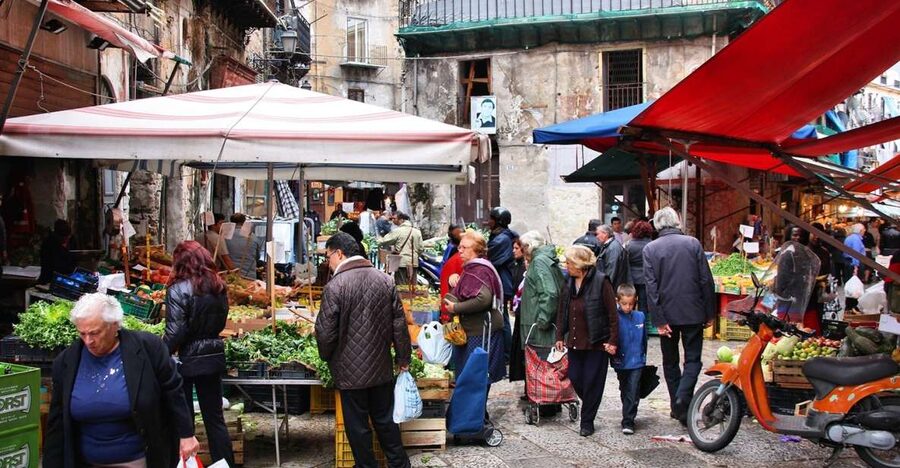
- Mercato del Capo market walk focused on choosing fresh ingredients (seasonal picks included)
- Chef-led, small-group instruction with clear, step-by-step coaching
- 3-course Sicilian lunch you prepare and then eat, not just a tasting
- Classic Palermo dishes such as arancini, pasta alla norma, and cannoli (menu can vary by season)
- Digital recipe booklet and certificate after class
- Unlimited wine with lunch, plus water is available
From Mercato del Capo to Your Apron: How the Day Flows
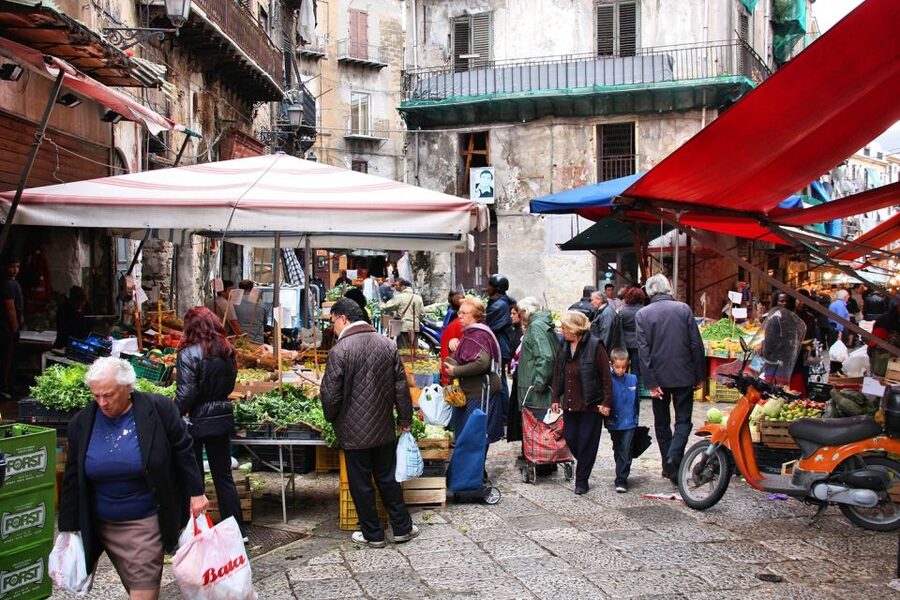
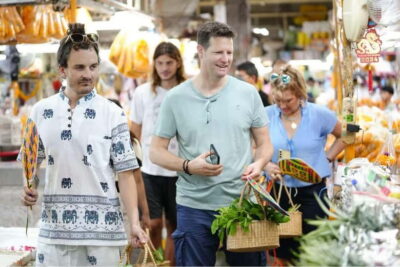
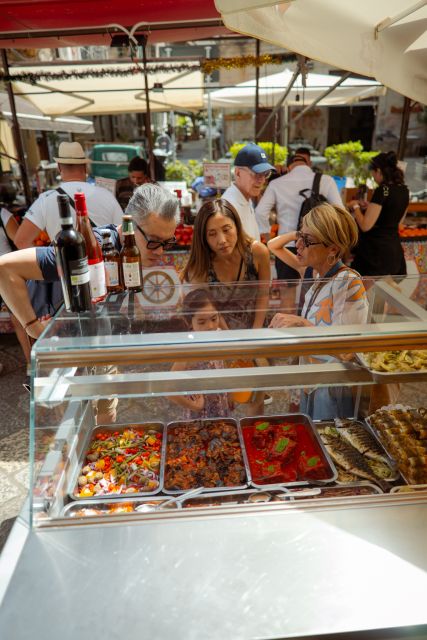
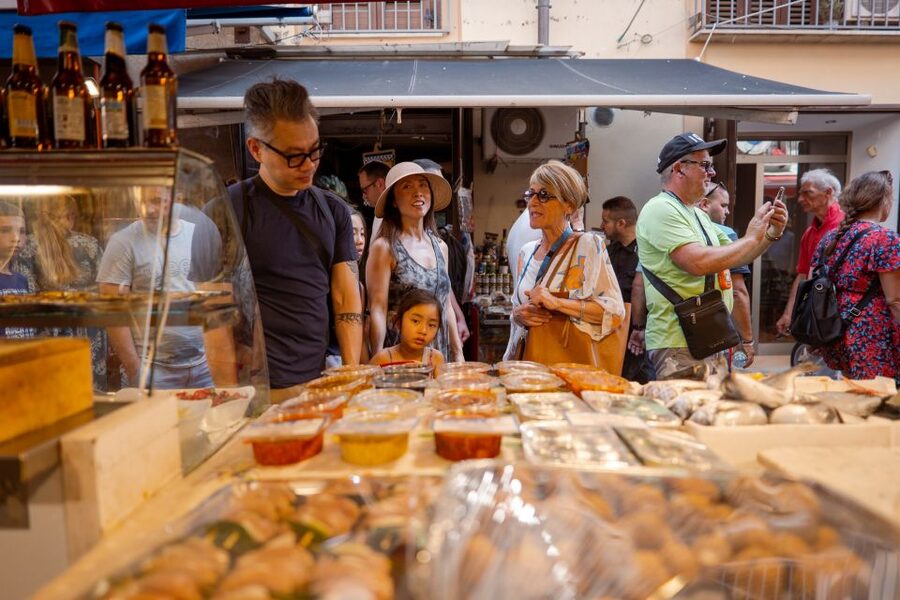
This is one of those Palermo experiences that makes sense fast. You begin outside, where food is alive: stalls, aromas, and piles of produce that look too good to be real. Then you go straight into the kitchen and translate what you saw into what you cook.
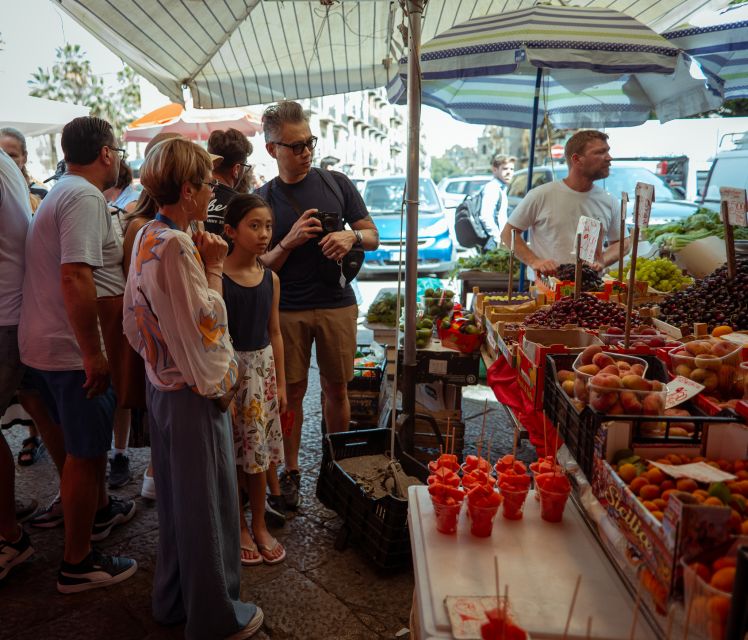
The market stop is more than sightseeing. You get guided help with picking ingredients based on what’s in season and what’s appropriate for Sicilian cooking. That’s the quiet advantage of doing a market first: when you later slice, fry, fill, or shape, your brain understands the logic behind the flavors.
In the reviews, you’ll see a theme: the chefs (like Marcello, Salvo, Enza, and Lidia) keep the pace friendly and the explanations clear. It’s not a lecture. It’s more like cooking with someone who actually wants you to succeed. If you’ve ever felt lost in “authentic Italian cooking” classes that move too fast, this style is usually the fix.
One more point that helps your expectations: the class is designed to run smoothly in a few hours. That can mean some prep may already be underway so you can still finish all three courses and eat together at lunch. If you’re the type who wants every single step from zero to plating, you might want to keep that in mind.
You can also read our reviews of more tours and experiences in Palermo.
Mercato del Capo: What You Learn While You Shop
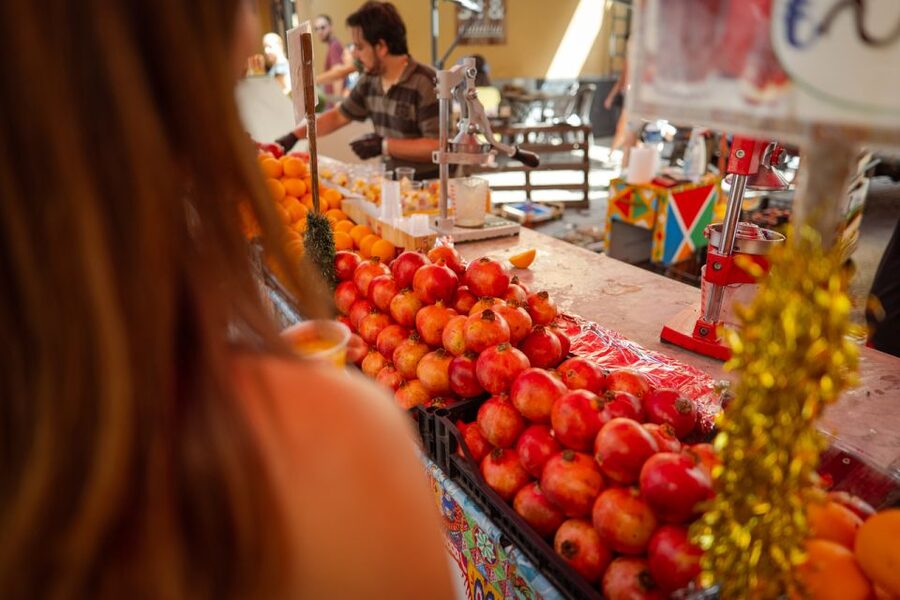
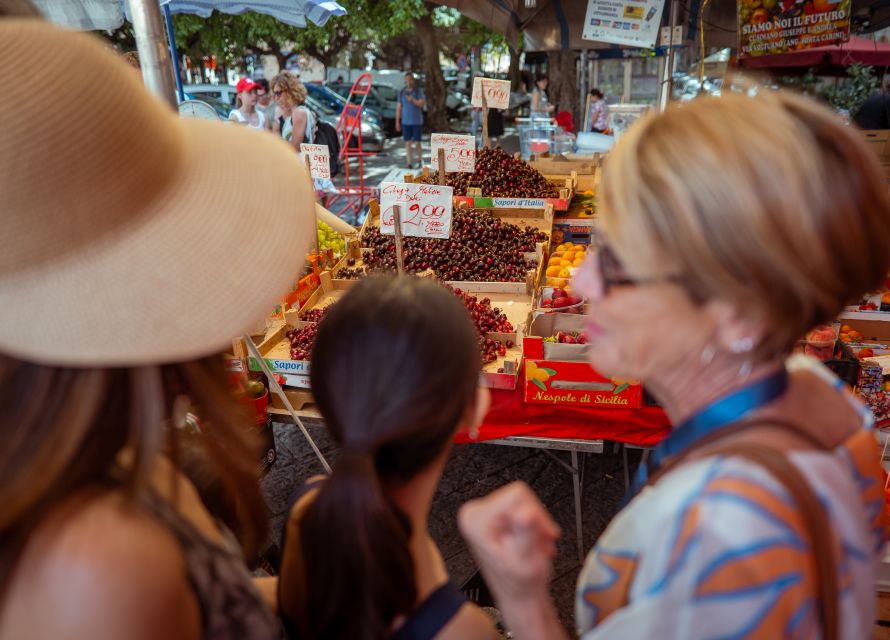
Mercato del Capo sits at the heart of Palermo’s everyday food world. You’re not touring a theme park market. You’re walking among vendors and everyday shoppers, with the feeling that the ingredients are the main event.
What you get out of it depends on how you watch. I think the most useful part is learning how ingredients are chosen. The class frames shopping as part of cooking: fresh produce, the right cheese or filling base, and the kind of pantry items that make Sicilian flavors taste like Sicily instead of just Italian.
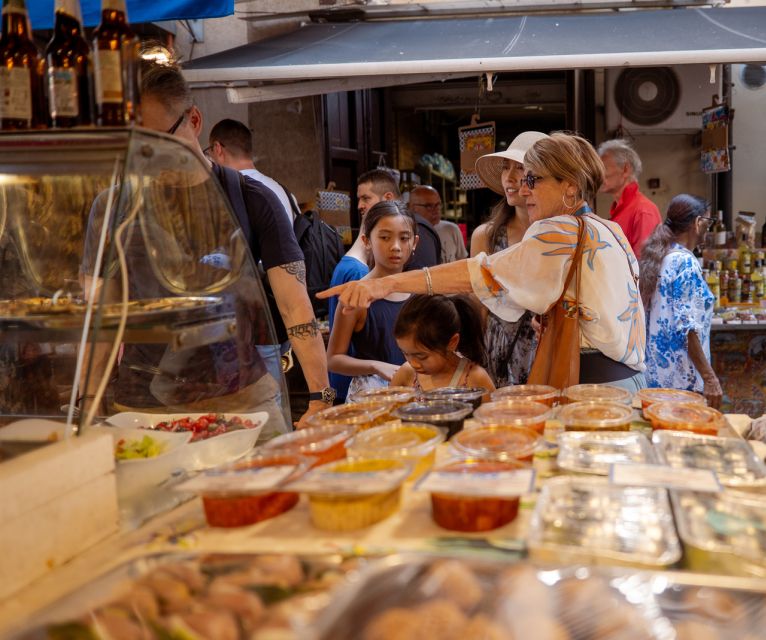
Expect to learn practical discrimination, like what to look for in produce freshness and how certain ingredients fit Sicilian traditions. You’ll also get the benefit of “buying with a plan.” Instead of wandering and buying random things, you’re collecting what your chef says you’ll actually use.
Here’s the balancing note: a couple of people found the market segment less valuable than they hoped, preferring more direct hands-on time. If you’re mainly there for cooking technique and would rather skip shopping time, you can still benefit, but go in knowing the market is part of the curriculum, not optional.
The Kitchen Setup: Professional Teaching Without the Snob Factor
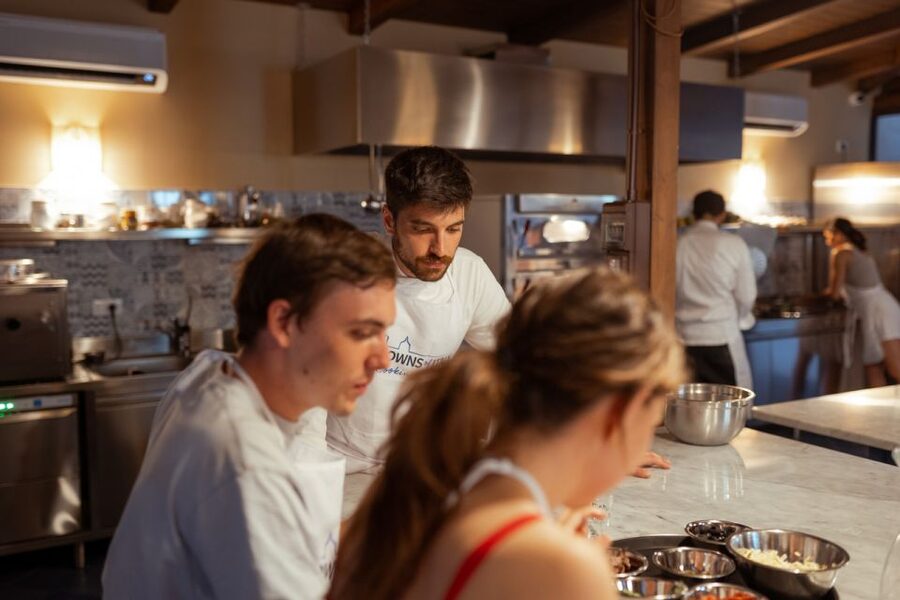
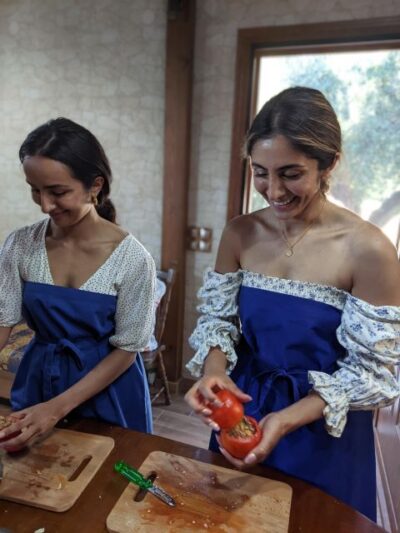
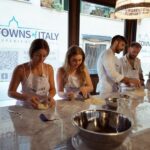
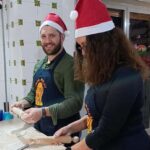
The cooking portion takes place at the cooking school tied to Towns of Italy, and you’ll be provided with the tools and ingredients needed for lunch. You’ll also get an apron, which sounds basic, but it’s a small thing that keeps the day comfortable and organized.
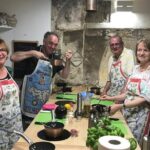
Instruction is in English, and the class is described as a small group. That matters more than it sounds. In a kitchen with limited stations, small-group coaching often means you can actually ask questions and get feedback while you’re working.
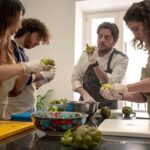
From the feedback, chefs like Marcello, Salvo, and Enza are repeatedly praised for being welcoming and keeping energy up. You’ll see comments about how they explain steps thoroughly and coach students when they jump in to cook. Even if you’ve cooked pasta before, the Sicilian twist can help: different sauces, different shapes, different textures, and details in fillings and frying.
You’ll also likely notice the hygiene and comfort level in the kitchen. One review specifically called out cleanliness and the feeling of being in good hands. That’s not something you can see on a website, so it’s worth taking seriously.
The 3-Course Palermo Menu: Arancini, Pasta alla Norma, Cannoli
The menu can vary based on seasonal ingredients, but the core Sicilian line-up is consistent. You’re looking at three iconic dishes that each teach a different cooking skill.
Arancini: Frying With Confidence
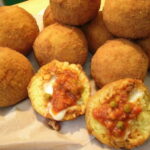
Arancini are famous for a reason: they’re a lot of work, but they’re also very learnable when someone shows you the method. Expect to shape fried rice meatballs (often with a filling that can include meat sauce and peas, depending on the menu). The real skill isn’t just frying. It’s getting the shape and filling right so the result holds together.
Because you’re in a class setting, you’ll get timing guidance and handling tips so you can focus on technique rather than guessing.
Pasta alla Norma: Comfort Food With a Serious Sense of Place
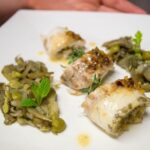
Pasta alla norma is where Sicilian cooking identity really shows. Even when you’ve had eggplant pasta somewhere else, this dish tends to hit differently because of balance, texture, and sauce approach.
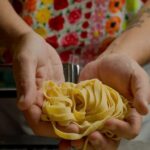
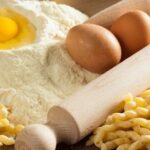
You’ll learn to make the pasta and put the dish together. That means you’re not only eating an Italian favorite, you’re learning how Sicily turns humble ingredients into a standout plate.
Cannoli: The Sweet Finale You’ll Want to Repeat
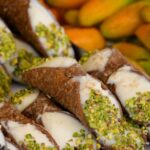
Cannoli are the closer, and they’re also a great measuring stick for whether a class is really worth it. The core of the experience is learning how to make cannoli from scratch and then eating what you made.
In the reviews, cannoli is frequently called the favorite course. That lines up with how students react when they see the filling process and the shell handling. It’s fun, a little messy, and very satisfying when it comes out right.
Also note a practical reality: because the whole class must finish within a few hours, some students mention that parts of preparation may be staged. Still, the overall experience stays centered on hands-on cooking, and you’ll take home the process through the recipe booklet.
Lunch With Unlimited Wine: Eating What You Cook
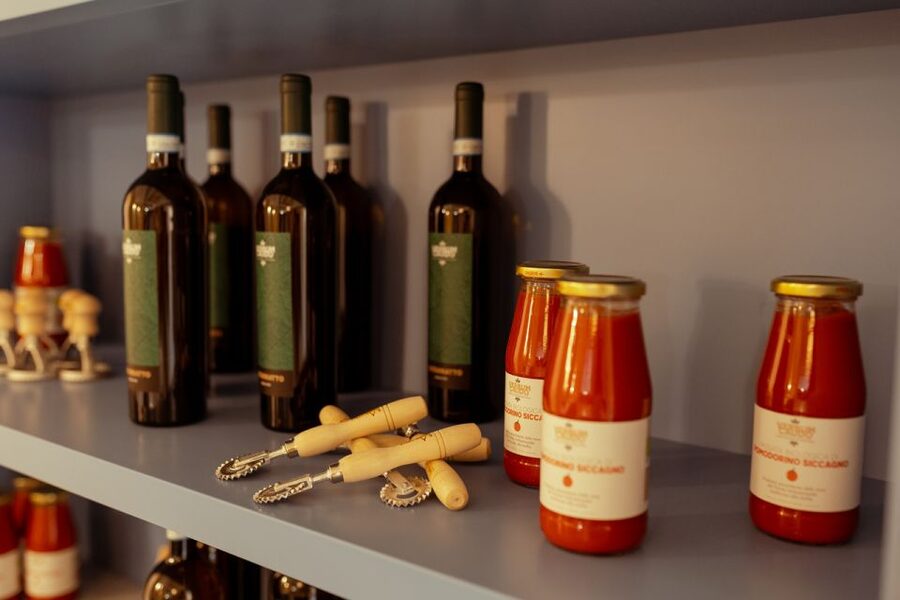
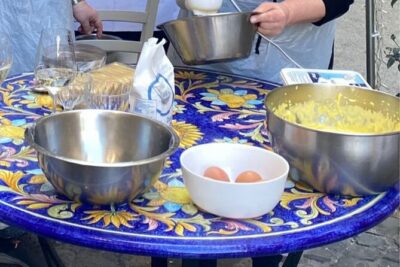
After cooking comes the most important part: you eat your work. The meal is not a separate restaurant lunch where you forget what you made. You’re enjoying the 3 courses you prepared, which makes the learning stick.
Wine is included with lunch, described as unlimited. Water is also mentioned, so you’re not stuck only with wine. This is also a nice social element. Sharing the table after a hands-on session gives the whole day a calm “we did it” feeling.
In terms of portions, expect enough food to feel like a real lunch, not a light snack. Multiple reviews point out there’s a large amount to eat. This matters if you plan the rest of your day. You won’t want to schedule a heavy dinner right after.
Price and Value: Why $65 Can Actually Make Sense
At about $65 per person, the value here comes from stacking several things that are usually sold separately: market guidance, professional chef time, ingredients, a 3-course meal, and take-home materials.
You’re not paying only for a recipe. You’re paying for:
- a chef-led three-course cooking session,
- an included market visit when the longer option is chosen (and a substitute when the market is closed),
- ingredients and tools for lunch,
- and a digital booklet plus a completion certificate.
Unlimited wine also adds value, especially because lunch is part of the core experience. Even if you don’t drink much, it helps create a relaxed, celebratory meal rather than a formal class vibe.
The main “value watch” is your interest in the market segment. If you’re hoping for maximum kitchen time, you might feel the day is weighted slightly toward both shopping and cooking. Still, even the market segment has a real purpose: it supports better cooking results.
Who This Class Is Best For (and Who Might Not Love It)
This works especially well if you’re:
- a food traveler who wants Palermo through its ingredients, not only landmarks,
- someone who learns best by doing rather than watching,
- traveling as a family (the experience is described as easy and fun for families),
- or a solo traveler who still wants a social day in a small group.
It’s also a good choice for people who want to return home with a repeatable plan. The digital booklet makes it easier to recreate the dishes without guessing.
The big mismatch is dietary needs. This class supports vegetarians and other diets if you inform the provider when booking. But it’s not suitable for celiac and not for gluten intolerance. If you need strict gluten-free accommodations, you should look for a different class and not assume adaptations will work.
Finally, if you want total control over every tiny step of dough-making or filling assembly with no time constraints, this format may feel like a guided “best-of Sicilian” experience rather than a full deep-lab process. Most people still love it, but keep your expectations aligned.
Practical Tips: Timing, Meeting Point, and What to Bring
The experience runs about 3 to 5 hours depending on the option. Plan your schedule with a real lunch afterward. You’ll likely eat enough that dinner plans should be light.
Meet at the Towns of Italy hub and cooking school in Palermo:
- Via Volturno, 44, 90138 Palermo
Arrive at least 15 minutes early. Latecomers can’t be accommodated.
Language is English, so you won’t need to rely on Italian to understand the steps. The class is also described as wheelchair accessible, which is good to know if mobility is a factor.
Dietary info matters. If you have food intolerance or allergies, you should inform the provider in advance. And remember: this tour is not suitable for celiac and it’s not suitable for gluten intolerance.
One final tip: wear shoes you can walk in. Even though it’s not described as a long trek, you’ll still be moving through the market area and into the kitchen environment. Easy, comfortable clothing helps you focus on cooking.
Should You Book This Palermo Market Tour and Sicilian Cooking Class?
I’d book it if your goal is a Sicilian “skills + lunch” day. The market stop gives you context for ingredient choices, and the kitchen time gets you making classics like arancini and cannoli, not just tasting them.
It’s also a strong value when you consider what’s included: chef-led instruction, ingredients and utensils, a full 3-course meal, unlimited wine, and take-home recipes plus a certificate.
I would think twice if you’re dealing with celiac or gluten intolerance, since this experience isn’t suitable. And if your main goal is purely cooking technique with maximum hands-on time, you may find the market portion slightly less satisfying than the kitchen segment.
If you’re open to learning how Sicilians shop as well as cook, this is one of the more practical ways to understand Palermo through food.
FAQ
How long is the Palermo market tour and cooking class?
The duration is listed as 3 to 5 hours, depending on the option you select.
What dishes will I cook in the class?
The class is described as a 3-course Sicilian meal. Common examples include arancini, pasta alla norma, and cannoli, but the exact menu may vary based on seasonal ingredients.
Is the Mercado del Capo market visit always included?
A market visit is included if you choose the 5-hour option. If the market is closed, the experience substitutes a special introduction and extra tastings at the cooking school instead.
Is this class suitable for vegetarians?
Yes. The experience is suitable for vegetarians, and you should inform the activity provider in advance.
Is it safe for people with celiac or gluten intolerance?
No. This tour is not suitable for celiac, and it is not suitable for people with gluten intolerance.
What drinks are included with lunch?
Lunch includes unlimited wine.
Where do I meet, and when should I arrive?
You meet at the Towns of Italy hub and cooking school, Via Volturno, 44, 90138 Palermo. Arrive at least 15 minutes before departure.