REVIEW · MALLORCA
Palma: Mediterranean Cooking Class with Drinks
Book on GetYourGuide →Operated by Sailpalma.com · Bookable on GetYourGuide
Wine, knives, and Palma dinner in three hours. At Omare in Plaza Olivar, you’ll cook Mediterranean fusion with a chef while sipping included local wines, turning island ingredients into a full meal you can repeat back home.
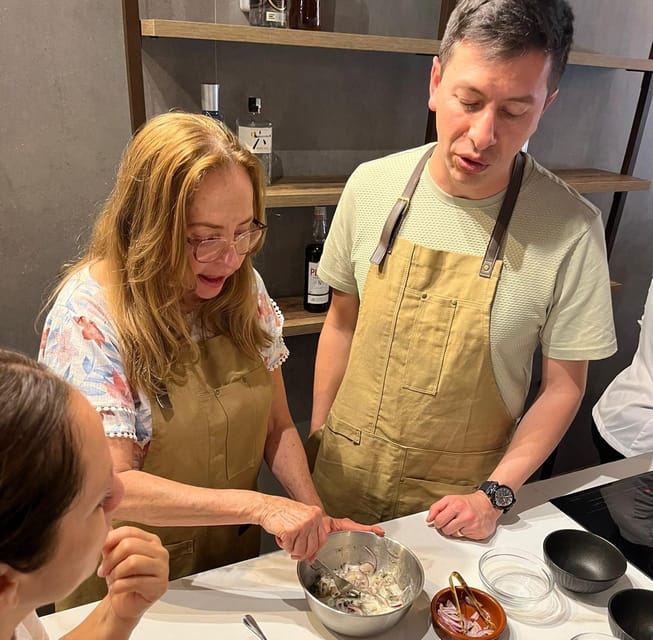
I love the hands-on format—everyone gets involved, from chopping to sautéing to plating with real guidance from people like Chef Aurelia and Laura. I also love the group vibe: it’s social, relaxed, and designed for you to chat while you work.
One possible drawback: there’s no vegan food offered, so if your diet is strict, plan ahead before you book.
In This Review
- Key things to know before you book Omare’s Palma class
- Finding Omare in Plaza Olivar: where your class actually starts
- Mediterranean fusion, explained in food you can make again
- The 3-hour flow: drinks first, cooking second, then you eat like it matters
- How the hands-on part feels in real life
- What you’ll likely cook: Spanish staples plus fun fusion twists
- Allergy and diet reality check
- Drinks, music, and why this class feels like a night out
- The small-group style helps
- Your hosts and chefs: you’re guided by real people, not scripts
- The value question: is $105 worth it in Palma?
- Who should book this cooking class in Palma?
- Who should double-check first
- Accessibility
- Practical tips so you enjoy every minute
- Should you book the Palma Mediterranean Cooking Class at Omare?
- FAQ
- Where does the cooking class meet in Palma?
- How long is the Palma Mediterranean cooking class?
- What’s included with the drinks?
- Is vegan food included?
- What languages does the instructor speak?
- Is free cancellation available?
Key things to know before you book Omare’s Palma class
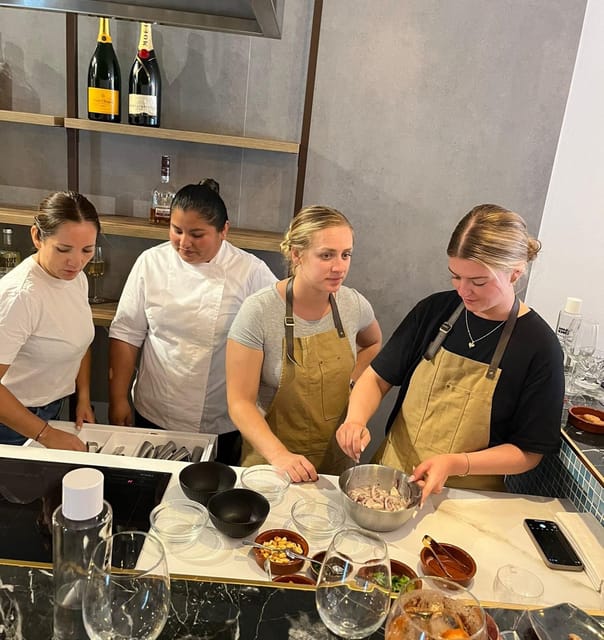
- Hands-on cooking with a chef-led rhythm: you’re not just watching; you’re actively making parts of the meal.
- The open bar is part of the experience: water, soft drinks, wines, and beer are included.
- Mediterranean fusion is the point: expect Spanish classics blended with outside influences in a way that still feels very Mallorca.
- Farm-to-table style ingredients: market-fresh fish, local farm goods, and picked vegetables show up in the cooking.
- Food format can be shared: some dishes involve split roles rather than one person doing every step alone.
- Diet limitations are real: no vegan option is listed, and fish/meat shows up in many traditional plates.
Finding Omare in Plaza Olivar: where your class actually starts
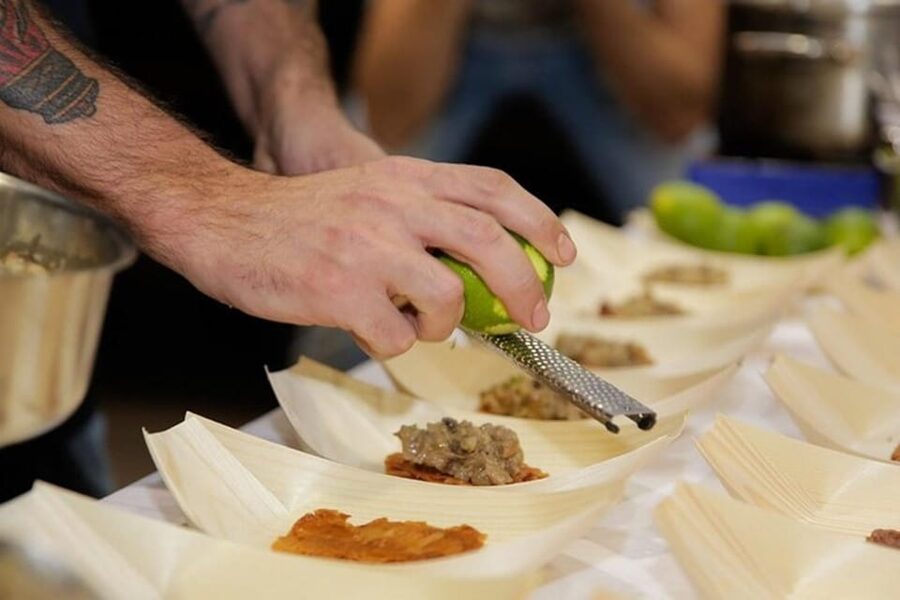
Palma’s best food experiences often begin in the right small room, not under a giant spotlight. This class meets at Omare in Plaza Olivar, with the instructor holding a name card at the entrance of the cooking class section (Plaza Olivar, No. 5, local 4, Palma).
In practice, this matters because you’ll spend less time stressed and more time focused on what you came for: cooking and eating. It’s also in a straightforward location, so you can tack this onto your day without needing a complicated itinerary.
The class runs for 3 hours, which is long enough to get real cooking practice but short enough that you still have energy for an evening stroll afterward.
You can also read our reviews of more tours and experiences in Mallorca.
Mediterranean fusion, explained in food you can make again
Mediterranean fusion can sound like marketing. Here, it’s more practical than that. You’re learning how Mediterranean flavors build a base—olive oil, fresh vegetables, herbs, citrus, and seafood or local proteins—then twist into something with international touches.
The payoff is that you don’t just taste a new combination; you learn how the flavors are put together. People often leave with a few recipes they feel confident making again, not just a memory of a good plate.
One reason this works in Palma is that the “Mediterranean” part is already part of everyday island cooking. The chef’s job is to show you the logic behind the fusion—what changes, what stays, and how to keep the dish balanced.
The 3-hour flow: drinks first, cooking second, then you eat like it matters
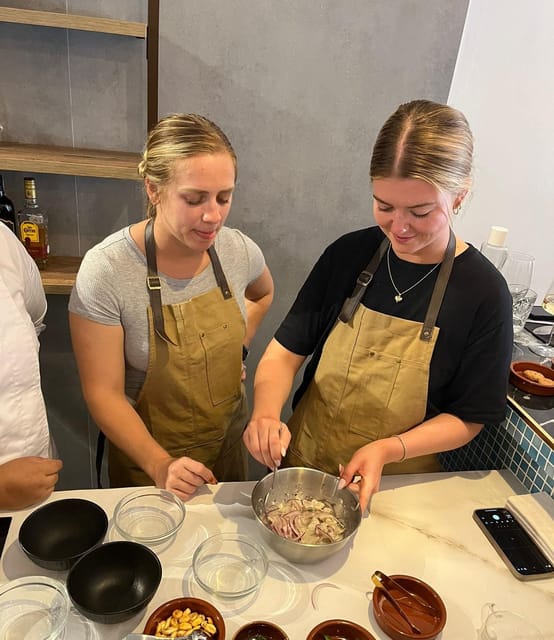
This class is structured like a dinner you participate in, not a lecture with food at the end. It usually starts with a quick greeting and getting settled with a drink, then moves into cooking prep—chopping, sautéing, and assembling.
After you’re set up, you’ll begin cooking your meal using locally sourced ingredients. Many groups mention there’s plenty of food across multiple parts of the menu. One person specifically called out 5 courses plus appetizers, while others described a sequence that included several dishes (and even multiple “meals” during the evening).
As the cooking continues, you’ll eat what you’ve made, with local wines and drinks included. The rhythm is social: you’ll work in turns, learn the technique from the chef, then taste right away so the lesson sticks.
How the hands-on part feels in real life
You might not cook every step of every course by yourself. Some people loved that it was shared—everyone got chances to participate—while another review suggested the cooking is split rather than each participant handling every dish simultaneously.
So if you love one-on-one knife time for every course, you should mentally expect a shared kitchen workflow. The good news: you still get involved, and you still learn.
What you’ll likely cook: Spanish staples plus fun fusion twists
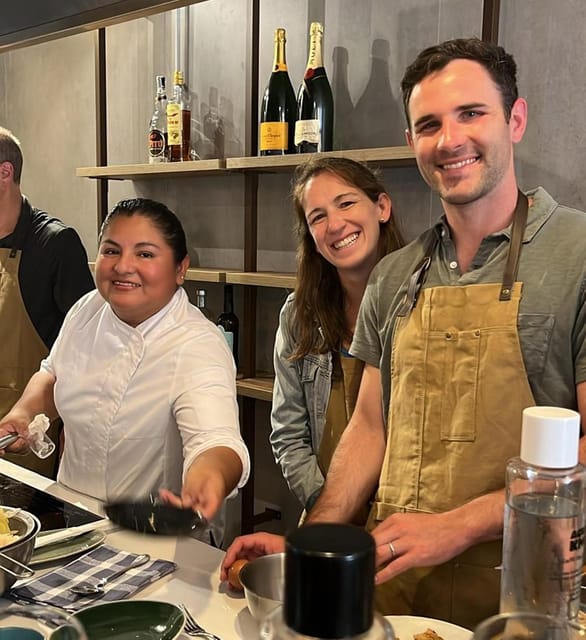
Your menu can vary, but the core ingredients and dish types are clear from what’s been cooked in recent classes. Expect a mix of traditional Spanish dishes and Mediterranean fusion elements with outside influences.
Here are examples of what people reported making:
- Spanish tortilla (a classic, and a solid skill to take home)
- Ceviche with leche de Tigre (a Peruvian-style influence that shows up in some sessions)
- Paella (including seafood versions, so allergies matter)
- Yuzu sorbet (a dessert surprise that adds bright citrus at the end)
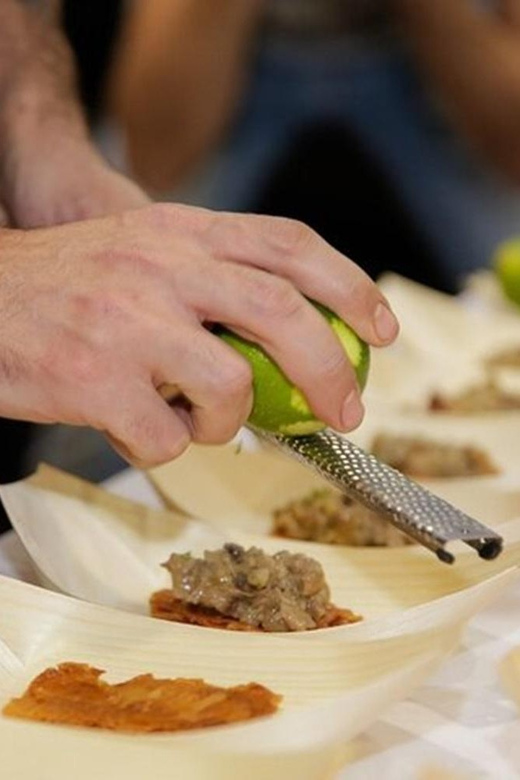
There’s also a recurring theme: seafood and vegetables show up alongside farm-fresh produce. One participant described recipes that used market-fresh fish, local farmed ingredients, and hand-picked vegetables—exactly the kind of ingredients you want if you’re trying to understand Mallorca’s flavor logic instead of just eating it.
Allergy and diet reality check
If you have allergies, don’t treat this as a casual note. One review mentioned shellfish allergy communication didn’t lead to the expected main-dish alternative, which is a reminder to contact the team clearly ahead of time.
And if you’re vegan, the data is straightforward: no vegan food is offered. If you’re vegetarian, you might find options depending on what the chef can prepare, but the only guaranteed statement here is the lack of vegan meals—so confirm before you go if that affects you.
Drinks, music, and why this class feels like a night out
The “with drinks” part isn’t just a tiny pour. The open bar includes water, soft drinks, wines, and beer. Several reviews also mention wine and Prosecco being generous, and many people describe the drink flow as abundant.
That matters because it changes the energy of the room. You’re cooking, chatting, and tasting at the same time, and the hosts keep the pace light. Multiple reviews mention music, laughter, and a relaxed vibe—less tense than some cooking classes that feel like homework.
It also makes a difference if you’re traveling solo. One guest said going alone turned out great because the small group setting helps you meet people quickly. Another review described a group across multiple countries (and multiple passports) where everyone shared, cooked, and ate together.
The small-group style helps
Many participants describe the experience as small-group friendly. That typically means:
- you get more chances to cook or assist
- the chefs can answer questions
- the room doesn’t get too loud to hear instructions
Your hosts and chefs: you’re guided by real people, not scripts
This class stands or falls on who’s in the room, and the names keep coming up. People specifically credited chefs and hosts like Chef Aurelia, Laura, Charlotte, Lorena, Isabel, and assistants such as Mily.
What you’re looking for is teaching that makes food feel doable. Reviews highlight friendly instruction, helpful tips, and hosts who keep the room warm—especially for first-timers who might be anxious about cooking techniques.
A few practical signs you’ll likely notice on arrival:
- You’ll be greeted and introduced to the instructor before cooking starts.
- You’ll have an English or Spanish-speaking guide, depending on the session.
- You’ll get explanations as you work—so it doesn’t turn into just a party with food.
If you’re a foodie, you’ll also appreciate the “why” behind the dish logic, not only what to do with your hands.
The value question: is $105 worth it in Palma?
At $105 per person for 3 hours, the main question is whether you’re paying for instruction and ingredients or just for a meal with a cooking demo.
Here’s what you get that supports the price:
- Cooking class with local cuisine experts
- Food (meals are included)
- Open bar with water, soft drinks, wines, and beer
- Ingredients, cooking materials, and recipes
So the value isn’t just “eat a fancy dinner.” You’re paying for the full package: chef instruction plus the ingredients and gear to make it, plus drinks along the way.
Compared to booking a private lesson, it’s clearly not in that category. Compared to a standard restaurant meal in a tourist-heavy setting, you’re also getting the experience component and recipes to take home.
The best way to judge fit is simple: if you’d happily pay for a nice dinner and a couple of drinks, then add a fun skill you can repeat later, this tends to make sense.
Who should book this cooking class in Palma?
This is a good match if you want a hands-on evening that’s also social. Reviews repeatedly describe:
- people making new friends
- groups cooking together
- a relaxed environment with plenty of food and drinks
- a fun option for celebrations (including bachelorette groups)
It’s also a smart choice if you’re the type who likes learning through doing. You’ll chop and sauté with island ingredients, then eat what you make—so the learning sticks.
Who should double-check first
- Vegans: no vegan food is offered.
- Shellfish allergies: you should contact the team well ahead of time, and don’t assume a swap will happen for the main dish.
- Anyone who hates shared roles: some sessions are shared across dishes/steps, so expect collaboration more than solo cooking for every course.
Accessibility
The activity is wheelchair accessible, which is a big plus if you need that to be true.
Practical tips so you enjoy every minute
You’ll have the best time if you show up ready for a hands-on meal, not in “watching only” mode.
- Wear comfortable shoes. Even a kitchen setting can involve standing and moving.
- If you have dietary needs, message clearly before arrival. Don’t rely on vague instructions.
- If you’re going solo, treat this like a conversation opportunity. Cooking classes like this work well when you’re willing to mingle.
- If drinks are part of your plan, pace yourself. You’re cooking for hours, not just sipping for an hour.
Should you book the Palma Mediterranean Cooking Class at Omare?
Book it if you want a fun, practical evening in Palma where you cook real Mediterranean fusion, eat well, and leave with recipes you can use again. The combination of hands-on instruction, farm-to-table ingredients, and a generous included drink setup is the reason so many people rate it highly.
Skip—or at least confirm—if vegan food is essential for you, or if your allergy needs are complex. For most people, though, this is one of those rare tours that feels like dinner plus a skill workshop, without turning stiff.
If your goal is to experience Mallorca through food you can taste and then recreate, this is a strong choice.
FAQ
Where does the cooking class meet in Palma?
You meet at the entrance of the cooking class section at Omare in Plaza Olivar. The exact location is Plaza Olivar, No. 5, local 4, Palma, and the instructor will meet you with a name card.
How long is the Palma Mediterranean cooking class?
The class lasts 3 hours.
What’s included with the drinks?
An open bar is included with water, soft drinks, wines, and beer.
Is vegan food included?
No. Vegan food is not included.
What languages does the instructor speak?
The instructor provides the class in English and Spanish.
Is free cancellation available?
Yes. You can cancel up to 24 hours in advance for a full refund.