REVIEW · SORRENTO
Sorrento: Authentic Local Cooking Class and Meal
Book on GetYourGuide →Operated by Anteo Srl Unipersonale · Bookable on GetYourGuide
Three hours in Sorrento and you cook dinner. This hands-on class is built around family recipes and fresh, seasonal ingredients, starting with a Prosecco welcome and cheese/meat tastings before you roll up your sleeves for pasta and dessert. I especially like the small group setup (2 to 10 people) that keeps you involved, and I love that you actually taste ingredients as you cook so quality isn’t just a slogan. The one drawback to consider is simple: transfers aren’t included, so you’ll need to make your own way to Via Fuorimura, 20.
You’ll be with an English-speaking instructor, and the sessions run 11:00 AM–1:30 PM or 6:00 PM–8:30 PM. Kids are welcome and are treated like part of the kitchen crew, not a problem to manage. If you want a meal that feels personal—because you made it—this is a strong fit for date nights, friend trips, and solo travelers who like learning by doing.
In This Review
- Key highlights
- Your Sorrento Cooking Class Starts With Prosecco and Real Ingredients
- The Hands-On Lesson: Pasta, Sauce Logic, and Garden Herbs
- Dessert in a Real Italian Timeframe (Not a Long, Stressy Project)
- The Meal You Cook: Three Courses and Wine Pairing
- Menus That Fit Your Eating Style: Meat, Vegetarian, or Fish
- Small Group Energy: Why 2 to 10 People Works So Well
- Price and Value: What You’re Really Paying for at $169.93
- Timing in Sorrento: Morning vs Evening Sessions
- Getting There: The One Logistics Thing You Must Handle
- Who Should Book This Class
- Should You Book Chef Tony’s Sorrento Class?
- FAQ
- How long is the cooking class?
- What are the class session times in Sorrento?
- Where is the meeting point?
- Is the instructor fluent in English?
- How many people are in the class?
- What food and drinks are included?
- Can I choose a meat, vegetarian, or fish menu?
- Are transfers included from your hotel?
Key highlights
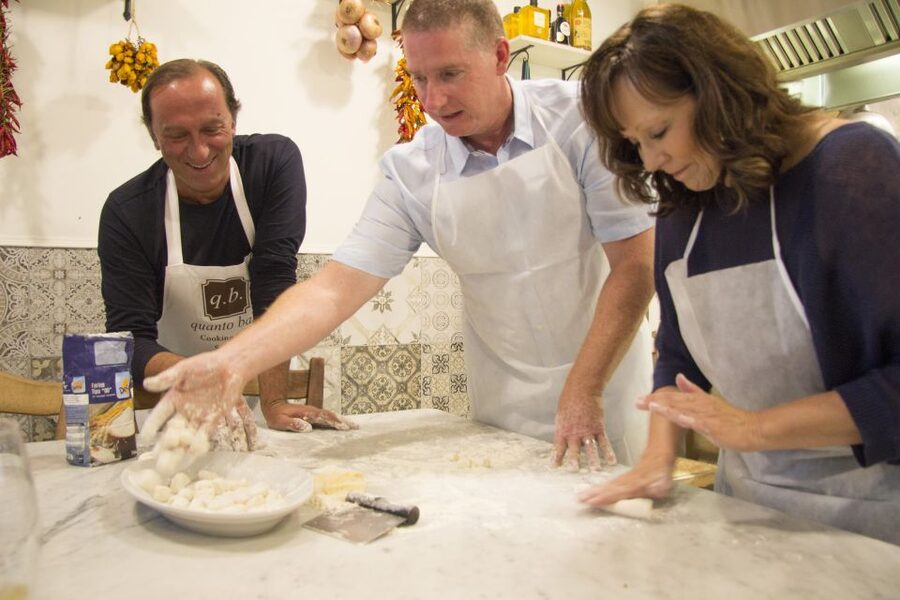
- Prosecco welcome plus cheese and meats tasting sets the tone before you cook
- Small groups (2–10) help you get turns and hands-on guidance
- Garden-based herbs and seasonal produce show up in the recipes you learn
- Pasta course and dessert are taught end-to-end, not just demo-style
- 3-course meal with local wine pairing happens right after cooking
Your Sorrento Cooking Class Starts With Prosecco and Real Ingredients
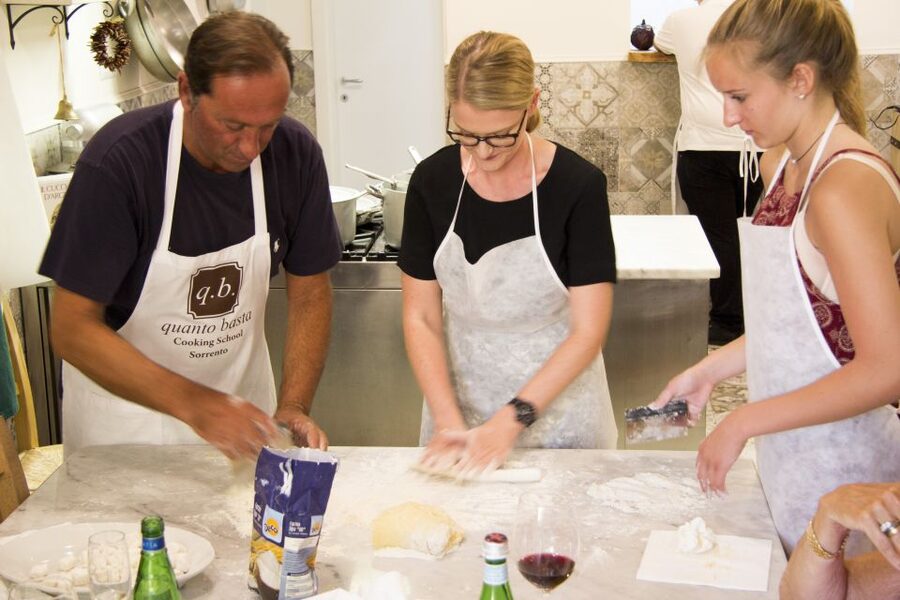
This experience is built for people who want more than a quick food show. You walk into the cooking school at Via Fuorimura, 20, and the first thing you get is a welcome Prosecco cocktail with snacks, plus tastings of local cheeses and meats.
That opening matters because it trains your palate early. You’re not guessing what good Italian ingredients taste like; you’re sampling them, then using that same focus while you cook.
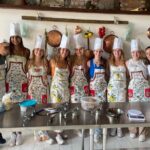
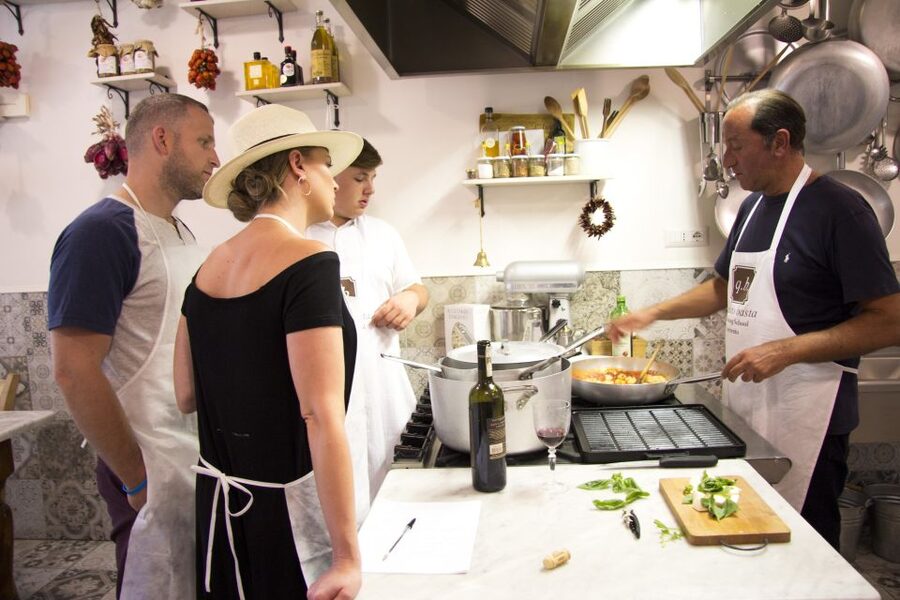
Chef Tony leads the class in English, and the team support you in the kitchen too (you may work alongside assistants such as Emanuele or Angie, depending on the session). The vibe tends to be friendly and structured: you learn steps, you get feedback, and you’re not stuck watching other people do everything.
You can also read our reviews of more tours and experiences in Sorrento.

The Hands-On Lesson: Pasta, Sauce Logic, and Garden Herbs
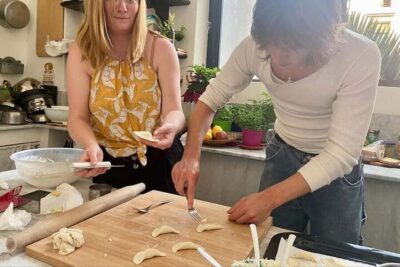
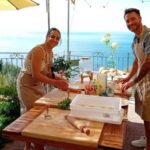
After the tastings, you move into the main class: preparing and cooking a pasta course and learning how to build flavor with local ingredients. The approach is interactive, so you’re doing the chopping, stirring, shaping, and cooking—not just standing around.
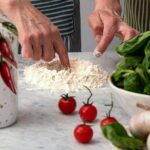
You’ll work with fresh, seasonal produce and herbs from the garden, which is a big deal in Campania cooking. When you can taste the difference in the raw ingredients, it becomes obvious why Italian meals often start with restraint and quality rather than heavy complexity.
The class includes sampling during prep too. That means you get to understand quality as you go, not only after the dish is finished. For a beginner, it’s a fast way to learn what to look for; for a confident cook, it’s a chance to compare your instincts with an Italian method.
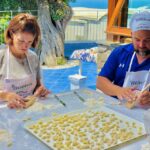
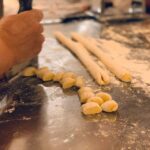
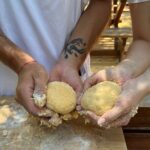
In the pasta portion, you can expect a traditional course and technique focus. Some sessions also include regional pasta shapes from the area (for example, one group reported making scialatielli, a shape tied to the Amalfi coast), so you may see a distinctly coastal Campania direction rather than generic “Italy-style” pasta.
Dessert in a Real Italian Timeframe (Not a Long, Stressy Project)
Dessert is part of the main teaching block, so you get instruction on something that feels Italian-home style rather than bakery-special. The class runs for about three hours, so the pace stays practical: you learn what you need, then move to finishing and tasting.
Dessert is one of the most satisfying parts for first-timers because it turns what you learned into a finish you can serve. If you’re thinking you might mess it up, the setup helps—there’s time in the schedule for adjustments and coaching instead of rushing you toward a final plate.
A lot of people leave talking about their finished dessert, and one highlight that came up repeatedly is tiramisu. Even if your exact dessert choice differs by menu, the “you make it, you plate it, you eat it” format stays the same.
The Meal You Cook: Three Courses and Wine Pairing
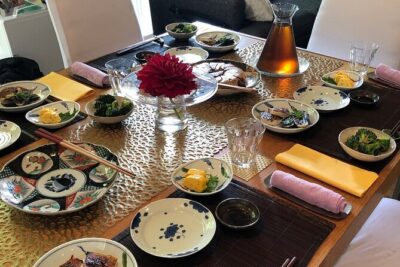
After cooking, you sit down together to eat what you made as a group. This is a key difference from classes where you cook a component and then someone else handles the rest. Here, the meal is treated as part of the lesson—eat it while it’s still fresh, and the flavors you tasted during prep make immediate sense.
The meal is 3-course, and it comes paired with local wine. You also get mineral water included, and the experience provides a bottle of white or red wine for every two people, so wine isn’t a separate add-on that makes the budget feel slippery.
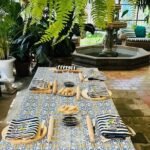
This is also where the class becomes a social experience without getting corny. You’re cooking alongside others in the kitchen, then sharing the same table afterward, which makes it easy to talk food and compare what you learned.
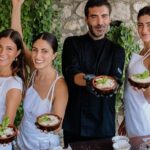
For many people, the best part is how satisfying it feels to eat a dish you assembled with your own hands. It’s not just education; it’s dinner with proof.
Menus That Fit Your Eating Style: Meat, Vegetarian, or Fish
You can choose a menu option ahead of time, and the class offers meat, vegetarian, or fish. That matters because it keeps the experience coherent—your cooking steps and your final meal match the menu you signed up for.
The practical advantage: you’re not stuck with a limited substitution. In a good Italian cooking class, the vegetarian or fish route needs to feel like a real meal, not a compromise plate.
If you’re traveling with mixed preferences (for example, one person wants vegetarian and another wants meat), this format gives you a fair shot at learning something you can actually reproduce. You’ll still be in the same kitchen, but you won’t be forced into dishes that don’t match your appetite.
Small Group Energy: Why 2 to 10 People Works So Well
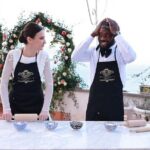
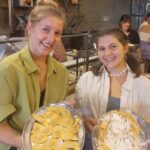
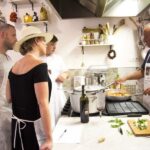
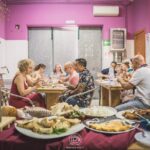
The group size is 2 to 10, and that’s a sweet spot. With that many people, you get active turns without long waiting between steps, and the instructor can correct technique in real time.
In the best sessions, you’re not just adding ingredients—you’re practicing the flow: timing, taste checks, and how you adjust when something needs a tweak. People repeatedly highlight how interactive Chef Tony is, including the way he teaches rookies without talking down to them.
There’s also something reassuring about a smaller group when you’re cooking in a new country. You feel supported, and you’re less likely to freeze when the recipe moves quickly.
Price and Value: What You’re Really Paying for at $169.93
At $169.93 per person, this is not a bargain cooking workshop. But it can be good value if you compare it to what you’d pay for a high-quality meal plus instruction plus wine.
You’re getting a lot bundled in:
- a structured cooking class (about three hours)
- mineral water
- Prosecco welcome with snacks
- tastings of local cheeses and meats
- a 3-course meal
- wine pairing (a bottle for every two people)
If you’re used to paying separately for a tour guide, a food experience, and drinks, the math shifts. For a couple or a small group, wine included can noticeably reduce the “hidden cost” you usually run into when booking food-focused activities.
Also, the learning is not theoretical. You cook the pasta and dessert, then eat it. That makes the price feel less like an admission ticket and more like a guided dinner you’ll remember.
Timing in Sorrento: Morning vs Evening Sessions
You have two options: 11:00 AM–1:30 PM or 6:00 PM–8:30 PM. I like the evening slot if you want the class to anchor your night—cook, then sit down and eat your work right away.
The morning slot is a smart choice if you’re planning other sights later. It gives you a full afternoon window afterward, and you still get the Prosecco and full meal experience.
One more timing reality: this is a kitchen activity, so plan your day like it’s part tour, part meal. Come with a bit of hunger and a relaxed attitude, because you’ll be tasting during the class.
Getting There: The One Logistics Thing You Must Handle
No transfers are included. You’ll need to get to the meeting point at Via Fuorimura, 20, on your own.
If you’re basing yourself in Sorrento, this is usually simple. If you’re staying in places like Positano or farther away, you’ll want extra time to make the schedule and avoid rushing, since the class ends back at the meeting point.
Who Should Book This Class
Book it if you want:
- a hands-on cooking experience that includes instruction and a shared meal
- an English-led class in a smaller group
- a fun foodie activity that isn’t only about tasting
- something suitable for couples, friends, and family groups (kids are welcome)
It’s also a great choice for rainy-day planning. When the weather turns, a kitchen-based class can save your day while still giving you a real local food moment.
Should You Book Chef Tony’s Sorrento Class?
Yes—if your idea of a good Sorrento day includes cooking real food and eating it immediately. The best reason to book is that the format is built around participation: you learn pasta and dessert, you taste as you go, and then you sit down for the meal with local wine.
Skip it only if you don’t want to handle your own transport to Via Fuorimura or you’re looking for a low-effort, sit-and-watch experience. For everyone else, this feels like one of the most practical ways to bring Campania flavors home—because you learn them by making them.
FAQ
How long is the cooking class?
The class lasts about 3 hours.
What are the class session times in Sorrento?
There is a morning session from 11:00 AM to 1:30 PM, and an evening session from 6:00 PM to 8:30 PM.
Where is the meeting point?
You meet at the supplier’s cooking school on Via Fuorimura, 20, 80067 Sorrento NA, Italia. The activity ends back at the meeting point.
Is the instructor fluent in English?
Yes. The instructor is listed as teaching in English.
How many people are in the class?
The class is designed for 2 to 10 participants.
What food and drinks are included?
You get a welcome cocktail with snacks, mineral water, Prosecco at the start, a tasting of local cheeses and meats, and a 3-course meal. A bottle of white or red wine is provided for every two guests.
Can I choose a meat, vegetarian, or fish menu?
Yes. You can select meat, vegetarian, or fish menu options depending on what you choose.
Are transfers included from your hotel?
No. Transfers are not included, so you’ll need to make your own way to the meeting point.