REVIEW · SORRENTO
Authentic Pasta & Pizza Cooking Class with Sorrento Coast Pickup
Book on Viator →Operated by Dimora del Conte Sorrento coast · Bookable on Viator
Pizza with a view: worth the calories. This Sorrento coast pasta and pizza cooking class takes place at a historic 19th-century residence on a panoramic terrace over the Gulf, where Chef Enzo shows you how to make real Neapolitan pizza dough and then build a full meal from scratch. The main catch is it requires good weather, so you’ll want a Plan B if conditions aren’t right.
I love how hands-on it is. You’re not just watching. You knead, shape, and learn technique, then you sit down to eat what you made with local wines, limoncello, and music in the background. The small group size (max 18) helps you get real attention, not a quick walkthrough.
One more practical note: if you have intolerances, you need to tell them well in advance so they can prepare for you. That matters here because the menu includes pizza, ravioli, and dairy-heavy desserts, plus wine and limoncello.
In This Review
- Key highlights you’ll actually feel
- Getting there from Piazza Giovanni Battista de Curtis (5pm starts make sense)
- The 19th-century villa terrace: where the lesson starts with the view
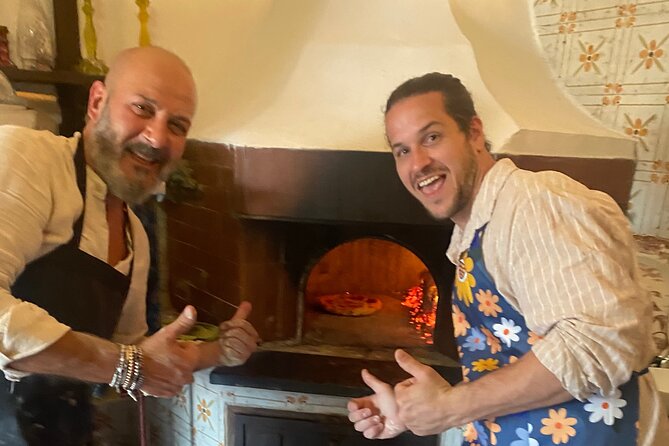
- Neapolitan pizza dough and wood-fired calzones in the 250-year-old oven
- Making Caprese ravioli the hands-on way (and why it’s not as scary as it looks)
- Limoncello preparation: the ancient Sorrento recipe demo you’ll want to remember
- Tiramisu with limoncello: sweet finish, southern-Italy style
- Wine, music, and the best part of a cooking class: eating together
- Price and value: is $157.28 worth it
- Who should book this class, and who might not love it
- A quick packing and prep checklist for a smoother evening
- Should you book this Sorrento pasta and pizza cooking class?
- FAQ
- What time does the cooking class start in Sorrento?
- How long is the cooking class?
- Where does the activity start and end?
- Is the class offered in English?
- How big is the group?
- What dishes are included in the class?
- Is limoncello part of the experience?
- Are drinks included?
- What if I have intolerances or dietary restrictions?
- Is cancellation free, and up to when?
- Are service animals allowed?
- FAQ
- Is the cooking class dependent on weather?
- Will I get a mobile ticket?
- Is the location near public transportation?
- Can most travelers participate?
- What happens if the class is canceled due to weather?
Key highlights you’ll actually feel
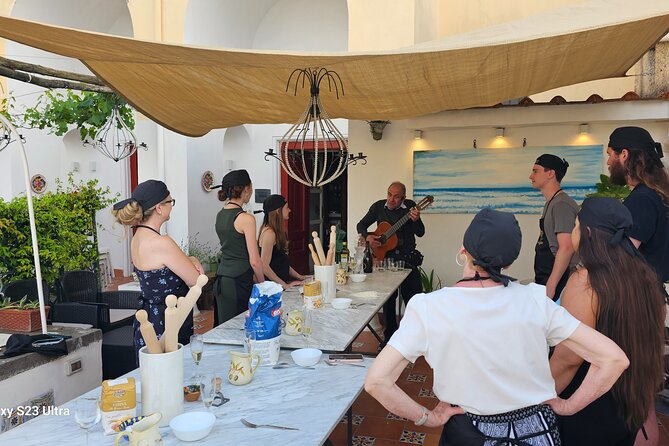
- Chef Enzo’s hands-on coaching for pizza dough, pasta, and plating your meal
- A 250-year-old wood oven for pizza and calzones, with classic toppings
- Caprese ravioli from scratch, filled with mozzarella, ricotta, and parmesan
- Limoncello demonstration using an ancient Sorrento recipe, plus limoncello in dessert
- Tight group size (max 18) and a terrace view of the coast and Vesuvius area
Getting there from Piazza Giovanni Battista de Curtis (5pm starts make sense)
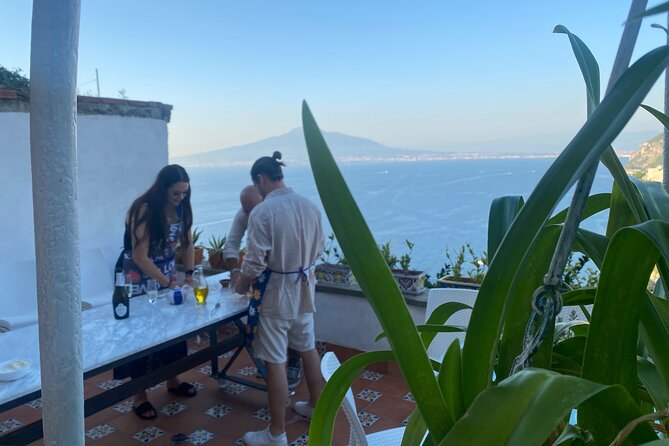
Most evenings in Sorrento feel like a rush: day ends, dinner happens fast, then you move on. This class gives you a calmer rhythm because it starts at 5:00 pm and runs about 4 hours. When you book, check your exact pickup details, but the experience is set up for Sorrento coast pickup and then you’ll meet at Piazza Giovanni Battista de Curtis, 80067 Sorrento.
Meeting there also helps because it’s easy to orient yourself. Once you arrive, the pace shifts. Instead of searching menus, you get into apron mode and your hands start doing the work.
If you’re basing your trip in central Sorrento, this kind of timing is a smart swap. You avoid the busiest dinner hour, and you still end the evening back at the same meeting point.
You can also read our reviews of more tours and experiences in Sorrento.



The 19th-century villa terrace: where the lesson starts with the view
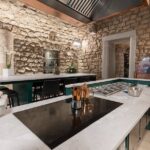
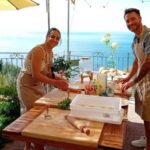
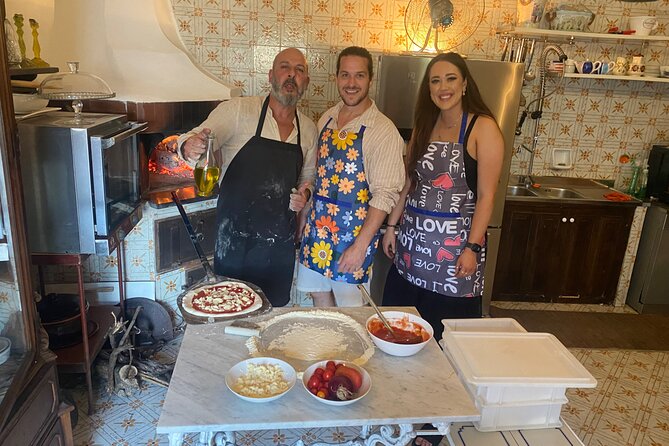
The setting is the first ingredient. Your class happens in a historic residence from the 19th century, on a panoramic terrace looking out toward the Gulf of Sorrento. When you’re kneading dough or rolling pasta, that view keeps tugging your attention back up from the table.
This matters more than it sounds. Cooking classes can feel like small kitchens with bland lighting. Here, the atmosphere makes it easier to relax and focus on technique. And if you’ve been living on pizza slices all week, it’s a good reality check to learn what makes the dough and oven method work.
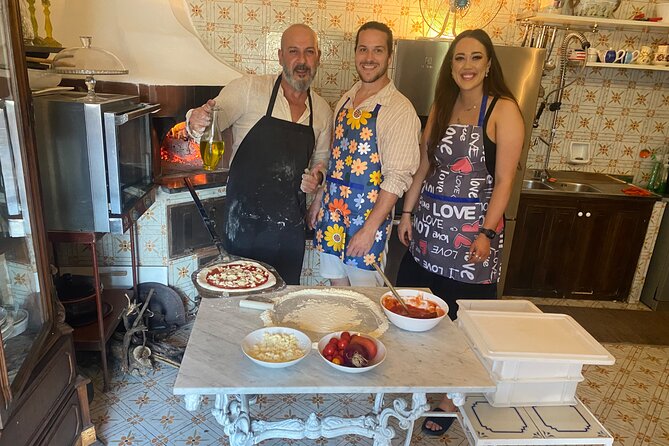
Also, the group stays small (max 18). Many kitchens struggle with crowd control. This one is set up so the instructor can check your dough and help you correct mistakes while you’re still holding it in your hands.
Neapolitan pizza dough and wood-fired calzones in the 250-year-old oven

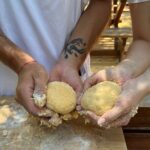
The core of the class is pizza, and not the watered-down version. You start by learning to prepare real Neapolitan pizza, including kneading the dough properly. That kneading step is where the texture gets its backbone. It affects elasticity, stretch, and that classic chewy-yet-light bite.
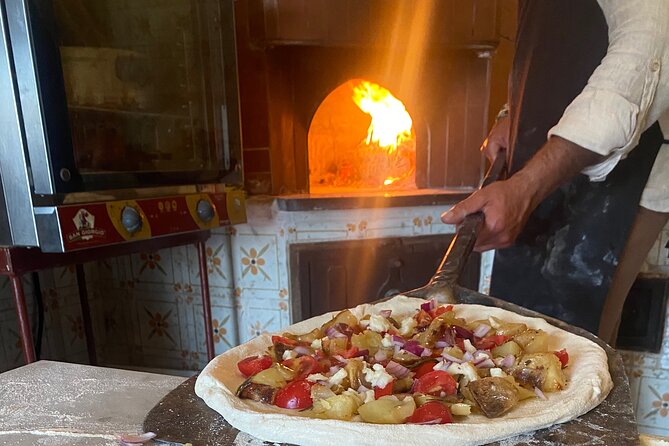
Then you move into the wood-oven world. Pizza and calzones are cooked in a 250-year-old oven fired with wood. Wood heat changes everything: the speed of cooking, the way the dough reacts, and the way toppings and moisture behave.
You’ll work with classic toppings like mozzarella, tomato, basil, extra-virgin olive oil, and parmesan. This is also where the “Italian cooking class” idea becomes real. You’re not memorizing a recipe you can’t reproduce at home. You’re learning fundamentals you can repeat: dough handling, building a pizza, and understanding how the heat hits quickly.
Practical tip: wear sleeves that won’t trap flour. Pizza-making is fun, but flour has a hobby of clinging.
Making Caprese ravioli the hands-on way (and why it’s not as scary as it looks)
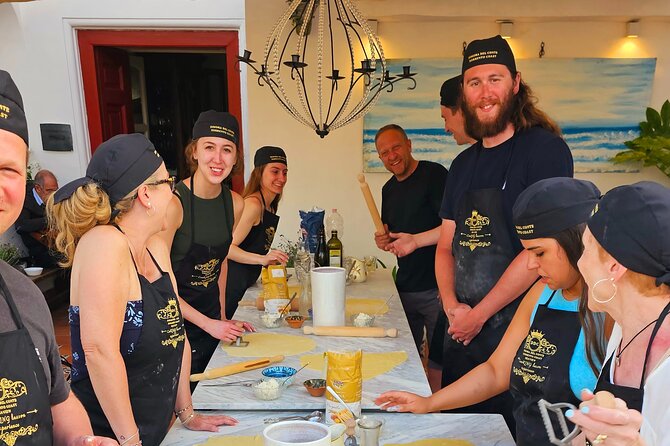
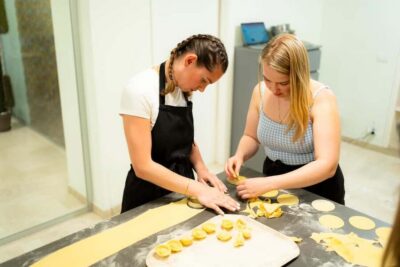
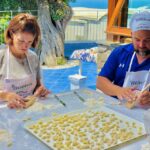
After pizza, you shift to pasta. The main course is Caprese ravioli: pasta filled with mozzarella and ricotta, finished with parmesan and Vesuvius tomato.
Ravioli can sound intimidating. The good news is you’re not doing it alone. The instructor guides you through the process step-by-step, and with a small group size, you can get corrections quickly when something isn’t right.
What I like about this part of the menu is that it’s both classic and teachable. Caprese flavors are familiar (tomato, mozzarella), but the ravioli form forces you to practice a skill set:
- shaping and handling dough
- working the filling without overstuffing
- sealing so it cooks cleanly
Then you get to taste the result as part of the meal, not as an afterthought.
And yes, you’ll likely get plenty of conversation during the hands-on stretches. The energy tends to be friendly and upbeat, with music and local wines flowing while you work.
Limoncello preparation: the ancient Sorrento recipe demo you’ll want to remember
Dessert here isn’t just sweet. It’s a mini lesson in Sorrento identity.
You get a demonstration of how to prepare limoncello, using an ancient Sorrento recipe. That’s a nice add-on because it explains the drink beyond the bottle. Even if you don’t get every step of home production in the class, you come away with a better understanding of what makes limoncello taste the way it does and why lemons are central to the region’s food culture.
If you’ve only had limoncello as a shot after dinner, this changes the story. It becomes a technique and a tradition, not just a flavor you’re chasing.
Then you’ll enjoy limoncello as part of the overall tasting. Many people describe the whole night as both fun and genuinely educational, and limoncello is one of the pieces that helps it feel “earned.”


Tiramisu with limoncello: sweet finish, southern-Italy style
Your final course is tiramisu with limoncello. It’s the kind of dessert that makes sense in this setting: coffee bitterness plus lemon brightness, with a smooth, creamy structure that doesn’t feel too heavy after all the work you’ve done.
In the sample menu, you’ll also see the limoncello tied in twice: there’s a limoncello home-made element (and the limoncello prep demo), and then limoncello is folded into the tiramisu experience.
This is a good moment to slow down. You’ve been working with dough and sauce and timing. Once you sit down, you can enjoy the view again, take a breath, and eat in a more relaxed way.
Wine, music, and the best part of a cooking class: eating together
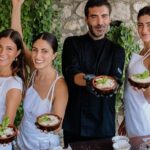
The class includes excellent local wines, plus limoncello and time to share the meal. That combination matters, because it turns the cooking class into an actual dinner experience. You’re not rushed out after the “work” part.
It also helps that the setup leans toward small conversations. Reviews highlight that instruction stays close and personal, and the vibe often turns into a bonding experience, especially when the group is small.
You might also meet or hear stories from the staff, including an assistant often mentioned by name in reviews: Angela. When there’s an assistant keeping an eye on dough, checking portions, and helping with technique, everyone benefits. It can be the difference between hands-on and stressful.
And the setting does the rest. You’re cooking and then eating with the coast and Vesuvius area in view. That combination is a big reason people come back.
Price and value: is $157.28 worth it
At $157.28 per person for about 4 hours, this class lands in the mid-to-upper range for cooking experiences. Here’s how I think about value with this one.
First, you’re paying for more than recipes. You’re getting:
- hands-on instruction for pizza and pasta
- a wood-fired oven cooking experience
- a dessert sequence that includes limoncello
- wine and limoncello during the meal
- a setting tied to a historic residence and a terrace view
Second, the group size cap (max 18) is part of the value. In bigger classes, your instruction often becomes generic. Here, you’re more likely to get real feedback while you’re still doing the step.
Third, the ingredients appear to be a point of pride. Reviews repeatedly mention that many ingredients come from the host’s garden or are homegrown. That boosts the quality of what you taste, not just the show.
So if you want a cooking class that feels like a full evening in Sorrento (not a quick demo), this price starts to make sense. If you’re only chasing the view, you might find cheaper ways to get that. But if you want both food skills and a memorable dinner, this is strong value for the region.
Who should book this class, and who might not love it
This is a great fit if you:
- want to learn real technique for Neapolitan-style pizza dough and fresh pasta
- enjoy eating what you make
- like small groups and personal coaching
- want an evening plan that feels different from restaurant-only dinners
You might consider skipping or choosing another option if:
- you’re likely to get frustrated with hands-on food work (it’s not a watch-and-learn format)
- you have dietary needs that you haven’t communicated in advance
Also keep in mind the class runs with wine and limoncello included. If alcohol isn’t your thing, you can plan around that, but the experience is built to include it.
A quick packing and prep checklist for a smoother evening
You’ll thank yourself for being practical. This class includes dough work, so:
- wear clothes you don’t mind getting flour dust on
- bring layers, because terrace evenings can shift as the sun drops
- expect to taste and drink, so plan to stay local afterward
- if you have intolerances, message the provider well ahead of time so they can accommodate you
And if you’re coming from a day of walking around Sorrento, give your feet a break first. This is a sit-and-cook rhythm, but you will still be standing at the work stations at points.
Should you book this Sorrento pasta and pizza cooking class?
Book it if you want a hands-on Sorrento evening with real food technique, strong local ingredients, and a setting that makes dinner feel like an event. The combination of pizza dough practice, caprese ravioli, and a limoncello-led dessert sequence is a smart spread, and the small group size helps you actually learn instead of just moving through steps.
I’d also book it if you care about authenticity. This isn’t just generic Italian pasta. The focus is Neapolitan pizza foundations, wood-oven cooking, classic Sorrento flavors, and a limoncello tradition explained in context.
One last scheduling point: because it requires good weather, you’ll want flexibility. If you can handle that, this class is the kind of night you’ll remember for more than one plate.
FAQ
What time does the cooking class start in Sorrento?
The start time is 5:00 pm.
How long is the cooking class?
It lasts about 4 hours.
Where does the activity start and end?
It starts at Piazza Giovanni Battista de Curtis, 80067 Sorrento NA, Italy, and ends back at the meeting point.
Is the class offered in English?
Yes, it is offered in English.
How big is the group?
The maximum group size is 18 travelers.
What dishes are included in the class?
You’ll make pizza and calzones, then Caprese ravioli, and finish with limoncello (demonstration) plus tiramisu with limoncello.
Is limoncello part of the experience?
Yes. There is a demonstration of how to prepare limoncello using an ancient Sorrento recipe, and limoncello is included with dessert.
Are drinks included?
Yes. The experience includes excellent local wines and limoncello.
What if I have intolerances or dietary restrictions?
You should inform the provider well in advance so they can provide suitable options.
Is cancellation free, and up to when?
Free cancellation is available. You can cancel up to 24 hours in advance for a full refund.
Are service animals allowed?
Yes, service animals are allowed.
FAQ
Is the cooking class dependent on weather?
Yes. The experience requires good weather.
Will I get a mobile ticket?
Yes, the tour includes a mobile ticket.
Is the location near public transportation?
Yes, it is near public transportation.
Can most travelers participate?
Yes, most travelers can participate.
What happens if the class is canceled due to weather?
If it’s canceled due to poor weather, you’ll be offered a different date or a full refund.