REVIEW · NORTE REGION
Porto: Pastel de Nata Cooking Class with Grandma’s Recipe
Book on GetYourGuide →Operated by Porto Cooking Class · Bookable on GetYourGuide
Custard tart alchemy happens in a real Porto home. This Pastel de Nata cooking class puts you in Joana’s kitchen to learn a long-loved family method, then you sit down and eat what you just baked—warm, flaky, and creamy straight from the oven. What I like most is the hands-on, from-scratch approach and the way the afternoon ends with a friendly table setup (coffee, tea, and orange juice) instead of a rushed grab-and-go pastry.
One consideration: the experience takes place in a home setup that is not suitable for wheelchair users, and you’ll be directed to ring the doorbell marked 2 Andar when you arrive.
In This Review
- Key things to know before you go
- Entering Joana’s Porto home: why this feels more personal than a studio
- Your 2-hour game plan: welcome, baking, and a sit-down tasting
- The Grandma recipe method: what you’re really learning
- Dough and custard: how the process stays manageable in a small kitchen
- The oven moment: why baking together feels like the real highlight
- The table finish: drinks, conversation, and eating what you earned
- Price and value: is $33 worth it?
- Getting there from Porto: short ride, clear directions, easy options
- Who should book this class (and who might want a different option)
- What you’ll take home: skills, recipe, and confidence
- Should you book this Porto pastel de nata cooking class?
- FAQ
- How long is the pastel de nata cooking class?
- How many people are in the class?
- Is transportation included?
- What’s included in the class?
- What drinks are served at the end?
- Is the host speaking English?
- Where is the meeting point?
- How can I get there from Porto using public transport?
- Is the activity wheelchair accessible?
- Can I cancel and get a refund?
- Is there a pay-later option?
Key things to know before you go
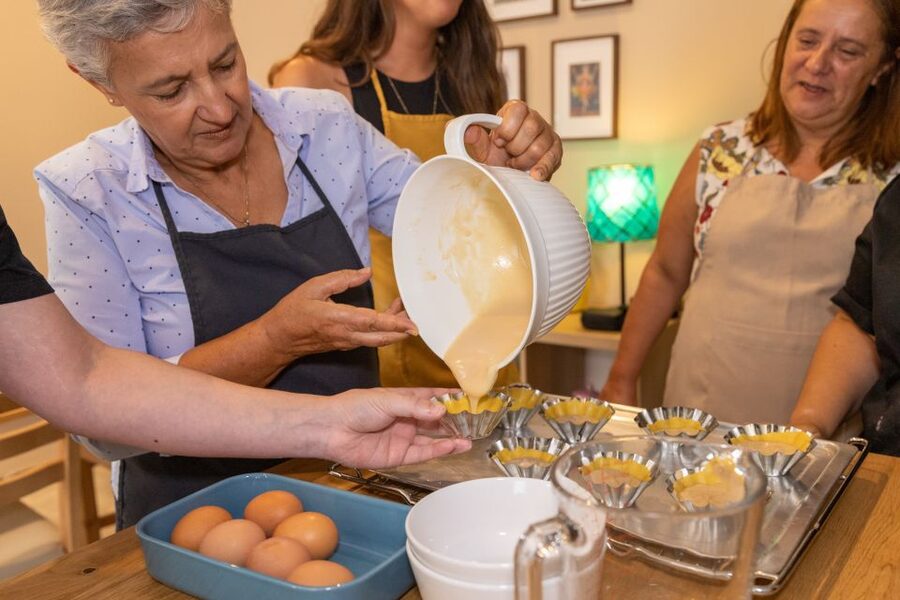
- Grandma’s recipe feel: you follow a method passed down through the host’s family.
- Small group energy: limited to 10 participants, so you can actually participate.
- From scratch steps: you make the pasteis de nata process, not just assemble.
- You bake, then you taste together: coffee, tea, orange juice, and freshly made tarts.
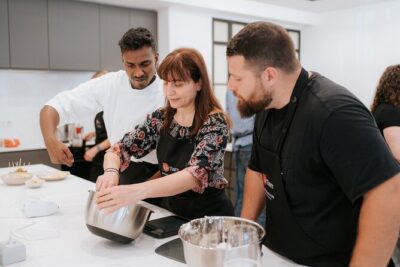
- A welcoming home setting: calm kitchen space with lots of natural light and a cozy atmosphere.
Entering Joana’s Porto home: why this feels more personal than a studio
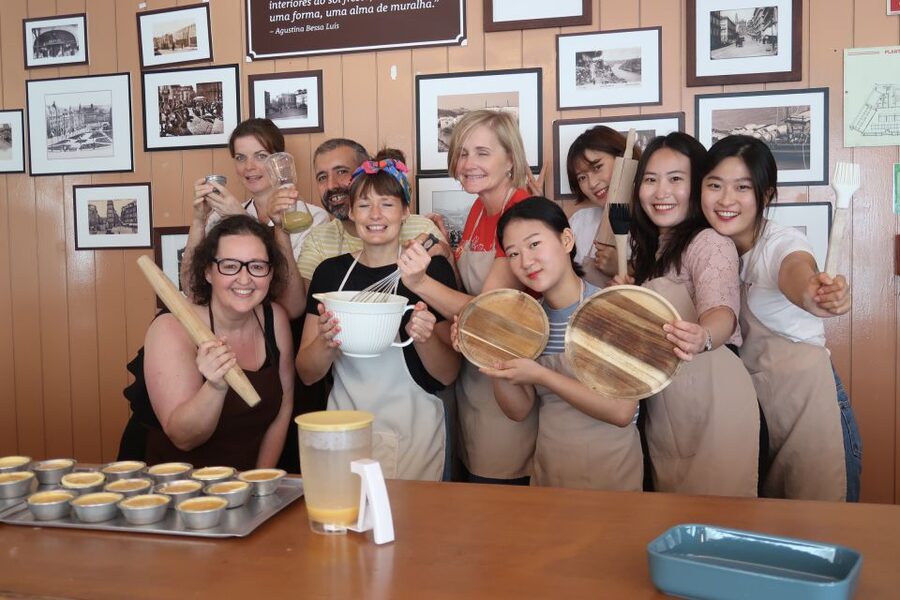
This isn’t a factory-feeling cooking show. You’re stepping into a real local home about 10 minutes by car from Porto city center, and that changes the mood fast. The class starts with a welcome that’s clearly meant to put you at ease—especially if you’re not a “serious baker.”
I like that the host connects the pastry to people. You’re not just learning ingredients and steps. You learn about the host and her family, plus the roots of pasteis de nata, which makes the food feel less like a souvenir and more like a living tradition. The language is English, and the group size stays small (up to 10), which means you get better attention than in big, crowded workshops.
If you want a Porto food experience that feels human—warm, interactive, and not rushed—this kind of setup usually delivers.
Your 2-hour game plan: welcome, baking, and a sit-down tasting
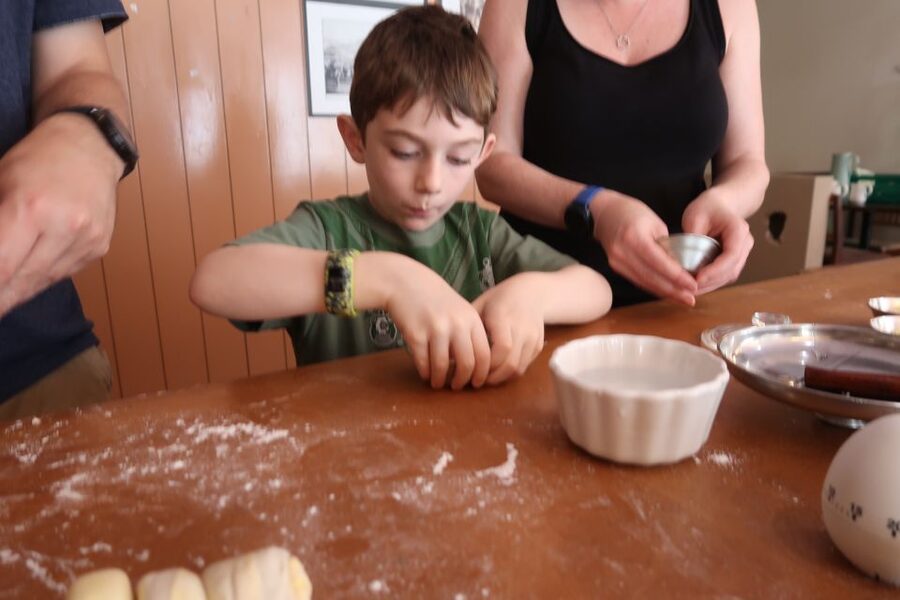
The whole class runs about 2 hours, and it’s built around a simple rhythm: arrive, get oriented, bake together, then eat together.
Here’s how the time usually flows based on what you’re told to expect:
- You start in the kitchen with introductions and a bit of context about the recipe.
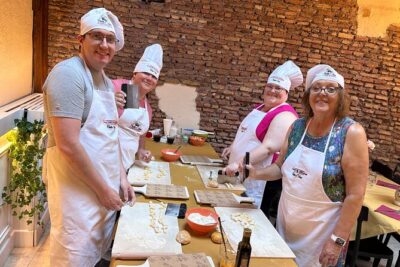
- Then you roll up your sleeves and bake the pasteis de nata steps from scratch.
- Throughout, you rotate tasks so everyone participates and learns.
- You finish at the table with drinks—coffee, tea, and orange juice—and the freshest pastries from the batch you just made.
That end part matters. A lot of cooking classes teach you how to make something, but the tasting is an afterthought. Here, the structure makes you sit down and actually enjoy the results with the group.
The Grandma recipe method: what you’re really learning
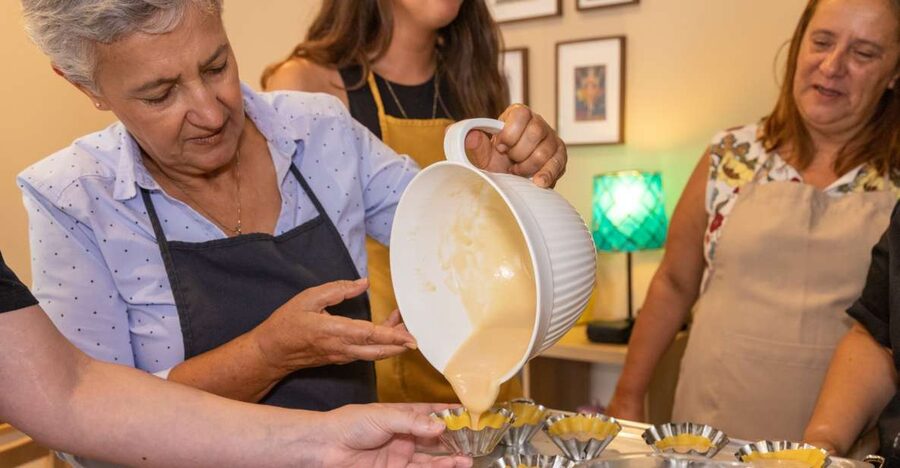
Pastel de nata is famous for good reasons: that crisp, flaky pastry edge; the creamy custard center; the slightly caramelized top. But the magic usually isn’t a single ingredient. It’s technique—timing, mixing, and how you assemble before baking.
This class leans hard into that technique because it follows a recipe connected to the host’s grandmother and uses a calm, guided kitchen process. You’re not just watching someone else do the work. You’ll be involved in rolling, filling, and managing the steps as you go, with plenty of time for the host to explain and check in.
From scratch is a key detail. Some pastry classes arrive with part of the dough already prepared, turning the experience into mostly filling and baking. Here, people specifically call out that you learn the process including the pastry part, so you leave with more control if you try again at home.
The hands-on rotation also helps. You get to learn by doing—mixing when it’s your turn, assembling when it’s your turn, and then seeing how the finished tart should look and feel once it bakes.
Dough and custard: how the process stays manageable in a small kitchen
Even if you’re not a confident baker, the class is designed to be doable. The structure sounds intentionally paced: you work in a calm space, with everything you need provided (ingredients and utensils), and the host guides you step by step.
What tends to make pasteis de nata tricky for home cooks is that you need the custard to be smooth and the pastry to bake into the right texture. This class supports you on both fronts:
- Custard consistency: you learn how to create a creamy custard that bakes up properly.
- Pastry handling: you learn the pastry steps so your tart has the right structure when it comes out of the oven.
- Assembly timing: you put things together within the flow of the recipe, so your tarts bake in the intended way.
If you’re thinking, I can’t mess this up, this is the kind of class where that thought is more realistic than in a “watch and hope” workshop. People also point out the host’s patience and ability to make instructions clear in English—useful if you’re traveling and learning something new with zero prep.
The oven moment: why baking together feels like the real highlight
The best part is what happens after you assemble: the oven turns everything into that signature pastel de nata look and texture. In this class, you don’t just get a pastry at the end. You get the satisfaction of making the batch and then tasting the results immediately while they’re fresh.
A big reason people love this format is fresh from the oven quality. Pasteis de nata are at their best when the pastry is crisp and the custard is creamy. Waiting until later usually means the magic dulls a bit.
You also get the comfort of a small group. With a limited headcount (10 max), the host can keep an eye on what’s happening in the kitchen rather than juggling a long line of participants.
And it’s not only technique—it’s atmosphere. Several comments mention a relaxed home vibe, including music playing in the background, which makes the kitchen feel less like a classroom and more like a friend’s place where you’re learning something fun.
The table finish: drinks, conversation, and eating what you earned
When the baking is done, the class doesn’t end with a paper bag. You gather around a table with your group and enjoy what you made.
Included drinks are non-alcoholic and include coffee, tea, and orange juice. It’s a simple setup, but it’s a smart one. Eating together right after the bake helps you notice texture and flavor while everything is still at peak quality.
This is also where the cultural part clicks. The class begins with family stories and pastry roots, then ends with you sharing the results and swapping tips. Even if you come alone, the structure encourages easy conversation because you’re all working toward the same thing.
Price and value: is $33 worth it?
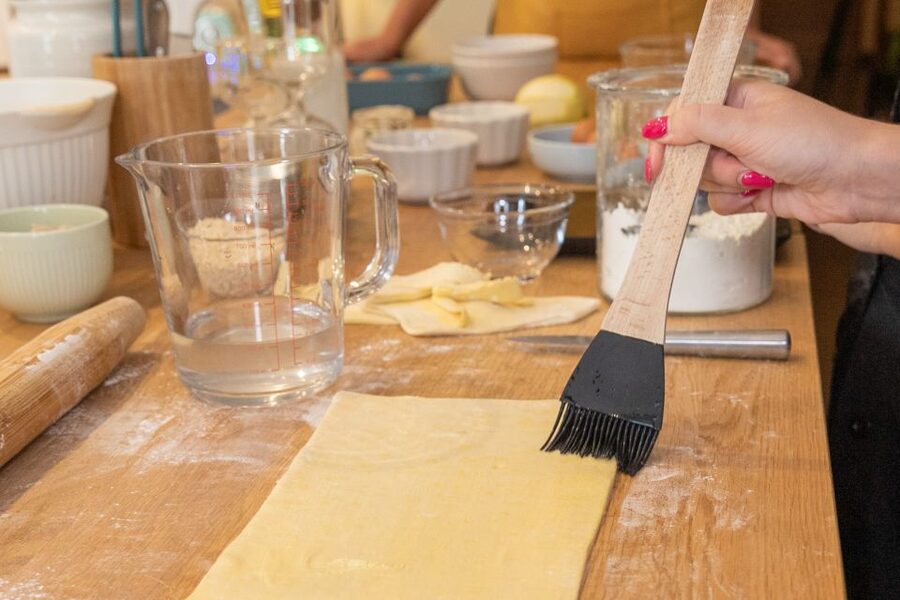
At $33 per person for a 2-hour small-group class, you’re paying for more than ingredients. You’re paying for:
- guided instruction in English,
- ingredients and cooking utensils,
- participation during the whole process,
- and a sit-down tasting with drinks.
The value is strongest if you want both skills and experience. If you only want to taste pastel de nata, you could do that around Porto for less. But you’d miss the technique—and you’d miss the part that makes this feel like a cultural moment in someone’s home.
This is also one of those prices that makes sense when you compare it to paying for multiple pastries and then still spending time searching for the “best one.” Here, you get a guided path and a repeatable skill base.
If you like food tours where you learn something you can actually use later, this price usually feels fair.
Getting there from Porto: short ride, clear directions, easy options
Transportation isn’t included, and that matters because the home is about 10 minutes from Porto city center by car. For many people, Bolt or Uber is the fastest, especially if you’re traveling in a group of more than two and want to keep costs down.
You have a couple of public-transport options too:
- From Bolhão, bus 800 or 801 stops across the street from the house on a direct route (about 20 minutes). You’ll need coins to buy the ticket inside the bus.
- From Trindade Station by metro, take the Orange Line to Fânzeres (about 30 minutes), then walk about 700 meters (around 10 minutes).
When you arrive, the host is waiting inside the home, and you should ring the doorbell with the writing 2 Andar.
Practical tip: give yourself a little extra buffer the first time. Home addresses can be easy once you see them, but you don’t want to cut it too close.
Who should book this class (and who might want a different option)
This class is a great fit if you:
- want a Portuguese home-cooking experience instead of a commercial demo,
- like hands-on learning and want to participate in more than one step,
- enjoy small-group interactions (up to 10 people),
- and want a technique-forward lesson on pasteis de nata.
It’s also a good rainy-day plan. The time is set indoors, and the cozy kitchen setup makes it feel comfortable rather than cramped.
It might be less ideal if you:
- need wheelchair accessibility (the activity is not suitable for wheelchair users),
- or you strongly prefer experiences where you don’t coordinate arrival by transit or rideshare.
If you fall into the “I want local, not touristy” camp, you’re probably in the right place.
What you’ll take home: skills, recipe, and confidence
You leave with more than a good pastry memory. You leave with a process you can repeat. That’s the real value of pasteis de nata training: if you understand the pastry and custard workflow, you’ll know what to adjust when your own tarts look different at home.
Many participants mention that the host shares the recipe afterward. Even if you’re the kind of person who forgets details easily, that matters. A written recipe turns the class into something you can revisit later, instead of relying on taste memory alone.
And if you’re the type who likes improving over time, the step-by-step approach gives you a baseline to practice from—so your next homemade batch isn’t a guess.
Should you book this Porto pastel de nata cooking class?
Yes, I think you should book it if you want pasteis de nata made in a real home, with a small group, and with enough guidance that you can reproduce the process later. The $33 price feels like good value because you’re getting instruction plus ingredients plus a full tasting, not just a one-bite sample.
Skip it only if your priorities are strictly convenience (like “walk in, eat, walk out”) or if accessibility is an issue. Otherwise, this is the kind of Porto experience that turns a famous pastry into something personal.
If you’re in Porto and you enjoy hands-on food learning, put this on your shortlist and book a slot that fits your schedule.
FAQ
How long is the pastel de nata cooking class?
The experience lasts about 2 hours.
How many people are in the class?
It’s a small group limited to 10 participants.
Is transportation included?
No, transportation is not included.
What’s included in the class?
You get ingredients and cooking utensils, a guided cooking class, non-alcoholic drinks, and the pastries.
What drinks are served at the end?
The class ends with coffee, tea, and orange juice.
Is the host speaking English?
Yes, the host or greeter communicates in English.
Where is the meeting point?
The class takes place in the host’s home about 10 minutes by car from Porto city center. When you arrive, ring the doorbell with the writing 2 Andar.
How can I get there from Porto using public transport?
From Bolhão, bus 800 or 801 stops just across the street from the house. From Trindade Station, take the Orange Metro Line to Fânzeres and then walk about 700 meters.
Is the activity wheelchair accessible?
No, it’s not suitable for wheelchair users.
Can I cancel and get a refund?
Yes. You can cancel up to 24 hours in advance for a full refund.
Is there a pay-later option?
Yes, you can reserve and pay later to keep your plans flexible.