REVIEW · POLIGNANO A MARE
Polignano a Mare: Pasta Making Cooking Class with Drink
Book on GetYourGuide →Operated by PUGLIAMARE SRL · Bookable on GetYourGuide
Fresh pasta by hand beats any tour. You’ll learn orecchiette and cavatelli with a local chef, getting step-by-step help that makes the technique feel doable. I also like the aperitivo setup—taralli, preserved vegetables, seasonal greens, and wine while you settle in. One heads-up: the class is only 2 hours, so you’ll focus on shaping and finishing pasta skills more than starting from zero.
This happens in Polignano a Mare’s historic center, in a typical house where you meet Annamaria at Via S. Vito, 20. Expect English-friendly teaching, lots of questions, and a convivial dinner vibe once your pasta is ready.
In This Review
- Key things that make this pasta class worth your time
- Start with Apulia’s aperitivo in Polignano’s historic center
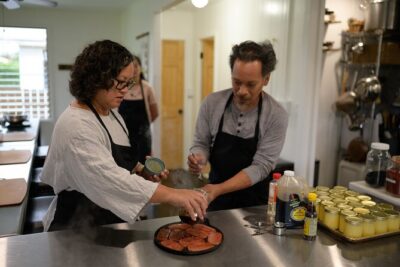
- Meet your chef and get focused, individual corrections
- Shaping orecchiette and cavatelli: the real skill you’re paying for
- While pasta cooks: wine, nibbles, and Puglia stories
- The tasting moment: eat your work in Polignano
- What you can actually take home (beyond dinner)
- Price and value: does $77 feel fair for 2 hours?
- Who this Polignano pasta class is best for
- Practical notes for planning your evening
- Should you book this orecchiette and cavatelli class in Polignano a Mare?
Key things that make this pasta class worth your time
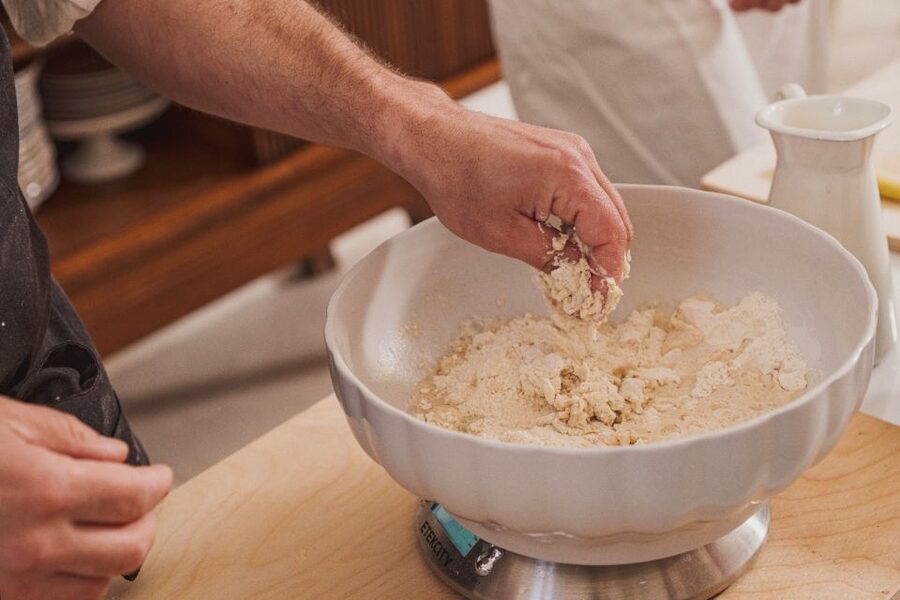
- Orecchiette and cavatelli hands-on shaping, not just watching from the sidelines
- An instructor who corrects your technique one person at a time (that’s a big deal with pasta)
- A proper Apulian aperitivo with taralli, preserved vegetables, seasonal greens, and local wine
- Small, relaxed groups that feel more like a hosted evening than a bus tour
- Stories that go beyond food, with lessons touching Puglia history and everyday life
- Vegan- and vegetarian-friendly options, so you aren’t forced into a compromise
Start with Apulia’s aperitivo in Polignano’s historic center
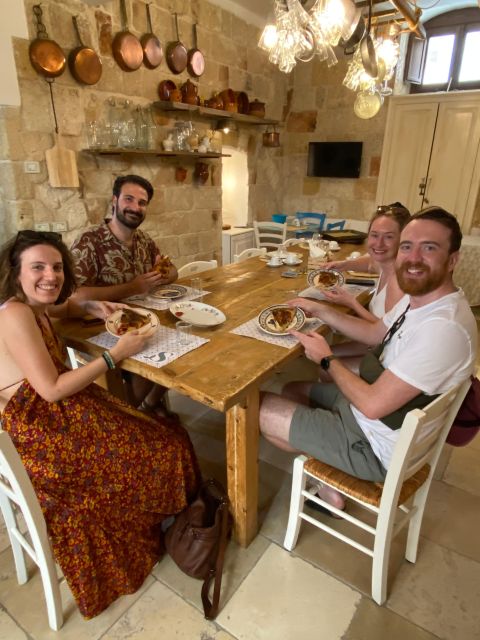
The night kicks off in Polignano a Mare’s historic core, at a typical house where you meet Annamaria (Via S. Vito, 20). This matters more than you’d think. Cooking classes can feel staged when they’re in generic workshop rooms. Here, you’re in the real setting—tight streets, old buildings, the feeling of being part of the town instead of dropping in.
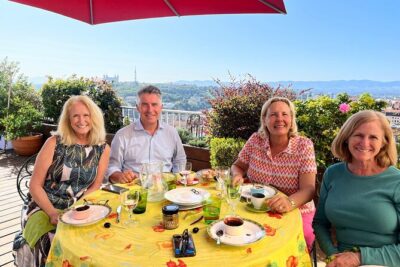
Before you start shaping pasta, you get an aperitivo. You’ll have taralli, preserved vegetables, and seasonal greens. Wine is part of the program, and the mood tends to loosen quickly. It’s a smart rhythm: you’re not hungry while learning technique, and you’re not rushing straight into dough with no context.
One practical point: because this is in the old center, plan for a short walk and compact surroundings. Wear shoes that forgive a little uneven pavement.
You can also read our reviews of more tours and experiences in Polignano A Mare.

Meet your chef and get focused, individual corrections
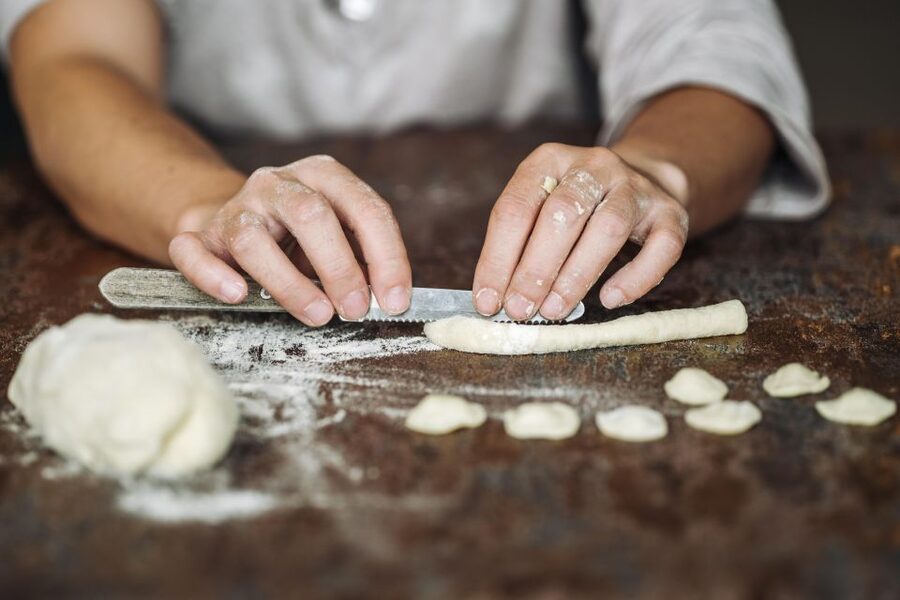
The teacher is a professional chef, and instruction runs in English and Italian. In practice, what you care about is this: you’re not left to guess how to form Apulian pasta.
Many classes can turn into a production line: everyone makes a thing, everyone moves on, and you hope yours looks right. This setup is different. The best feedback from past students is about hands-on attention—the instructor watching your work closely and helping you adjust your technique so your pasta comes out more like the real form.
You’ll also learn the “why” behind the process. Some instructors in this program are praised not only for teaching pasta, but for tying it to regional food choices and even broader cultural context. One theme that comes up is explanation that goes beyond steps, including food-waste awareness and sustainability habits.
For you, that’s valuable because pasta is one of those skills where small adjustments matter. If your dough feels too soft, too firm, or your shaping doesn’t hold, it changes the final bite.
Shaping orecchiette and cavatelli: the real skill you’re paying for
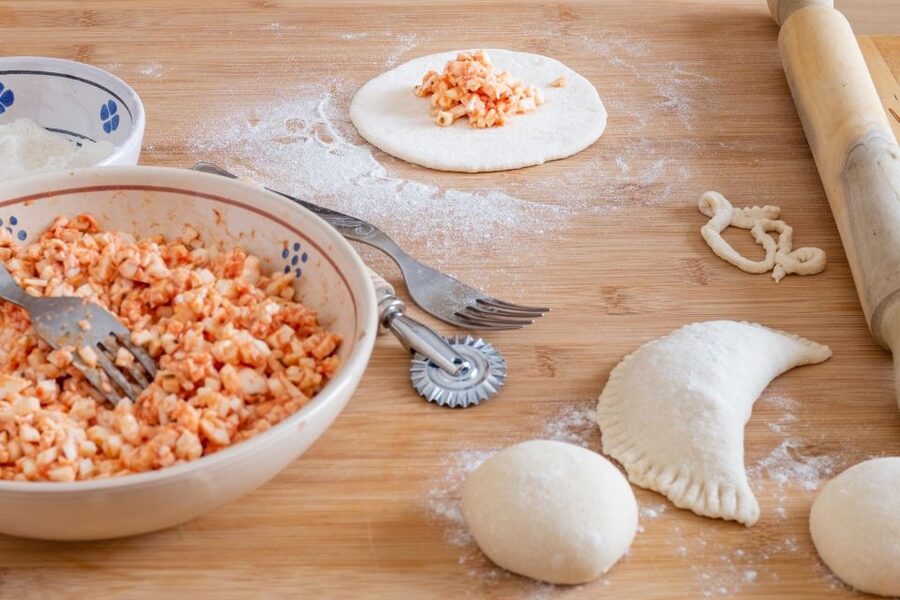
The core of the class is learning to make typical Apulian pasta: orecchiette and cavatelli. The teaching focus is on forming the shapes correctly. That’s exactly where people usually struggle when they try to recreate it at home.
Also, manage expectations about pacing. One detailed comment from a participant suggests that the class may not have you starting everything from raw dough components at the very beginning; you’ll likely spend more time shaping and finishing than running a full dough-from-scratch lab. Either way, you’ll come away with the part that counts most: how to form the pasta so it cooks properly and holds sauce.
Here’s what you should look for while you’re learning:
- The instructor’s cues for consistency and handling
- How the shape changes the final texture
- Time-saving habits, so you can work steadily without panicking
If you’re the kind of person who learns best by doing, this is a strong match. If you’re the kind who wants exact measurements for everything, you might find the session a bit more technique-and-guidance oriented than cookbook-style.
While pasta cooks: wine, nibbles, and Puglia stories
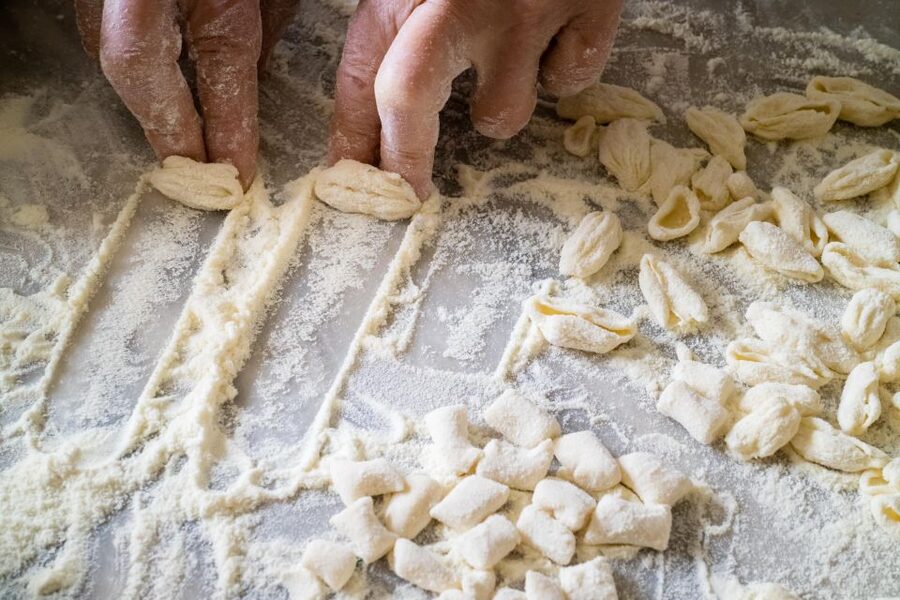
Pasta doesn’t cook instantly. So the class uses that downtime well. You’ll keep snacking and drinking while you’re waiting for the pasta to be ready for tasting.
The food and drink plan is built around typical Puglian flavors—things like taralli (crunchy, savory), olives, and other local antipasti components that help you taste what the region does well beyond pasta. Wine is there to keep the evening moving, and the vibe stays social.
What really adds value is the talk. Past participants have described hosts who weave in Puglia history, and even Italian politics and social topics. That might sound like a detour until you realize how closely food is tied to place. When you understand the “why” behind a regional tradition, you remember the flavors more clearly, and cooking at home feels less like copying and more like adapting.
You’ll also hear practical cooking tips. That’s the stuff that helps you avoid turning your homemade pasta into a sticky mess.
The tasting moment: eat your work in Polignano
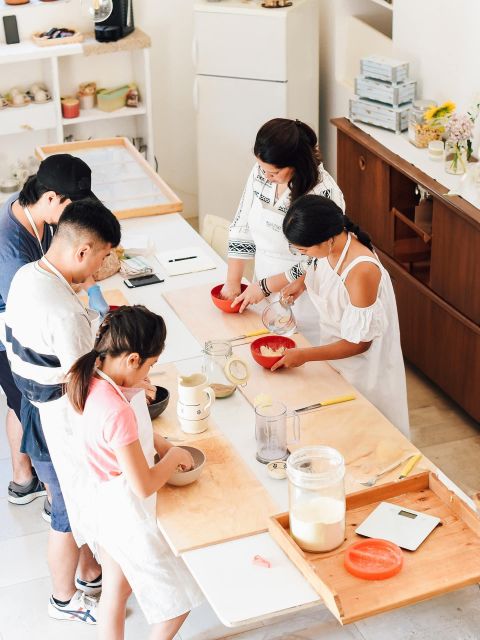
The payoff is eating what you made. The class includes a tasting, and you’ll have orecchiette with tomato sauce as part of what’s served. This is the part where the evening stops being a class and becomes dinner.
This is also where the teaching pays off. When your pasta is correctly formed, it behaves better in boiling water and holds onto sauce more naturally. Even if you don’t think you’re a “food person,” the difference is obvious once you taste it.
You’re eating together in the historic-center setting, which makes the whole evening feel more local and less staged. It’s not just about the plate. It’s about being part of the flow—aperitivo first, cooking midstream, then communal tasting.
What you can actually take home (beyond dinner)
This is the biggest reason I’d steer you toward this class even if you already cook pasta at home.
You’re going to learn a regional method of forming pasta shapes that are hard to get right from videos. The instructor attention helps you understand what to fix when your first batch doesn’t look like the one in your memory.
Also, the class tends to be heavy on advice you can use immediately:
- Technique reminders that prevent common pasta mishaps
- Ingredient-handling context, so you know what matters
- Tips that connect the pasta shape to sauce behavior
And if you’re planning to cook for friends later, your new skill gives you something real to show off. Freshly shaped Apulian pasta is a story in itself.
One more detail to note: some participants wished for a recipe sheet they could photograph later. If that matters to you, ask if notes or a printable recipe are available, or if you can take photos during the process.
Price and value: does $77 feel fair for 2 hours?
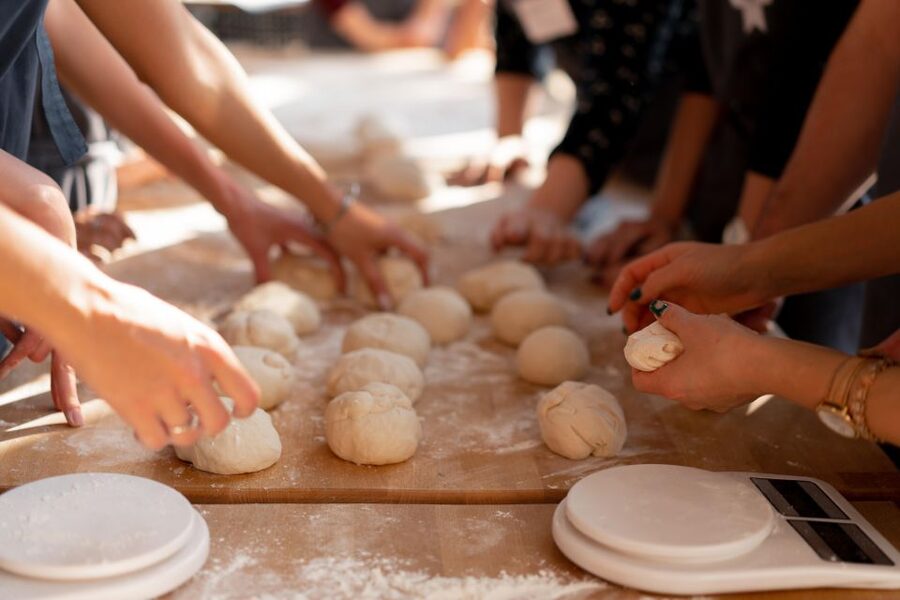
At $77 per person for a 2-hour class, you’re paying for four things that many cheaper experiences skip: a professional chef, hands-on shaping instruction, drinks, and a meal built around local products.
Here’s the value logic in plain terms:
- If you leave with a pasta-shaping skill you can repeat, that’s a long-term win.
- If you also leave with wine and food, you’re not buying a dry classroom experience.
- If the group is small and you get corrections, you’re buying time and attention, not just participation.
One comment noted that a guest felt the price was slightly high compared to other pasta classes they tried. That doesn’t mean it’s not worth it; it means your expectations should match the format. This is an intimate, hosted lesson centered on technique and tasting, not a multi-course feast or a full-day production.
Who this Polignano pasta class is best for
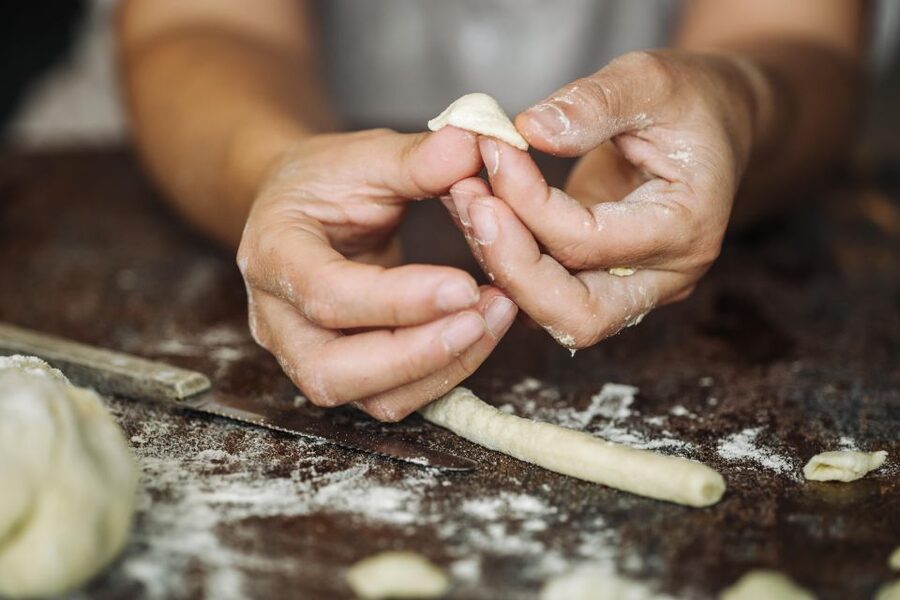
This class is a good fit for:
- Food lovers who want authentic Apulian pasta skills, not just a quick demo
- Families, including kids, because the format is hands-on and guided, and the group energy tends to be friendly
- Anyone who wants a smaller-group cooking experience with time for questions
- Vegan and vegetarian travelers, since the class is stated as suitable for both
It’s especially ideal if you care about getting your pasta to look and taste right. The shaping instruction is where the real learning happens, and past participants consistently highlight individual attention and patience.
Practical notes for planning your evening
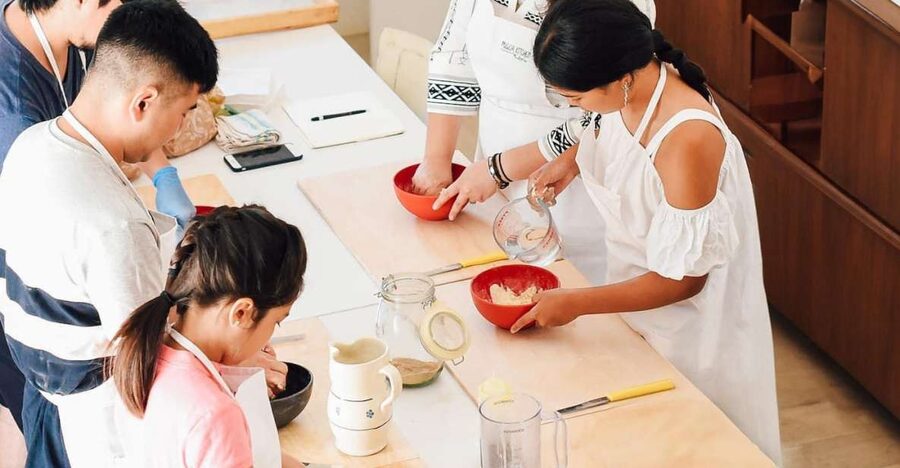
The experience runs for 2 hours, so it’s easy to fit into a travel day. The meeting point is clear: Annamaria at the typical house in Via S. Vito, 20, Polignano a Mare.
If you’re not staying in Polignano, you can request a transfer from Monopoli and nearby cities. Pickup isn’t guaranteed automatically, so if you need it, request it ahead of time.
On what to bring: comfy clothes and shoes, and a willingness to get a bit flour on your hands. This is a cooking class. You’re supposed to participate.
And language shouldn’t be a barrier. Instruction is offered in English and Italian.
Should you book this orecchiette and cavatelli class in Polignano a Mare?
I’d book it if you want an Apulia cooking evening that mixes real technique with a genuine local food-and-wine rhythm. The strongest reasons to choose it are the hands-on formation coaching and the fact that you eat what you make with a proper aperitivo beforehand.
Skip it only if you’re chasing something very specific, like a long, sauce-making workshop where you start every element from scratch, or if you prefer large, impersonal group tours where you can just observe. This is built around interaction.
If you’re looking for one memorable “do it yourself” food experience in Polignano, this one is a smart pick.